- Afrikaans
- Albanian
- Amharic
- Arabic
- Armenian
- Azerbaijani
- Basque
- Belarusian
- Bengali
- Bosnian
- Bulgarian
- Catalan
- Cebuano
- China
- China (Taiwan)
- Corsican
- Croatian
- Czech
- Danish
- Dutch
- English
- Esperanto
- Estonian
- Finnish
- French
- Frisian
- Galician
- Georgian
- German
- Greek
- Gujarati
- Haitian Creole
- hausa
- hawaiian
- Hebrew
- Hindi
- Miao
- Hungarian
- Icelandic
- igbo
- Indonesian
- irish
- Italian
- Japanese
- Javanese
- Kannada
- kazakh
- Khmer
- Rwandese
- Korean
- Kurdish
- Kyrgyz
- Lao
- Latin
- Latvian
- Lithuanian
- Luxembourgish
- Macedonian
- Malgashi
- Malay
- Malayalam
- Maltese
- Maori
- Marathi
- Mongolian
- Myanmar
- Nepali
- Norwegian
- Norwegian
- Occitan
- Pashto
- Persian
- Polish
- Portuguese
- Punjabi
- Romanian
- Russian
- Samoan
- Scottish Gaelic
- Serbian
- Sesotho
- Shona
- Sindhi
- Sinhala
- Slovak
- Slovenian
- Somali
- Spanish
- Sundanese
- Swahili
- Swedish
- Tagalog
- Tajik
- Tamil
- Tatar
- Telugu
- Thai
- Turkish
- Turkmen
- Ukrainian
- Urdu
- Uighur
- Uzbek
- Vietnamese
- Welsh
- Bantu
- Yiddish
- Yoruba
- Zulu
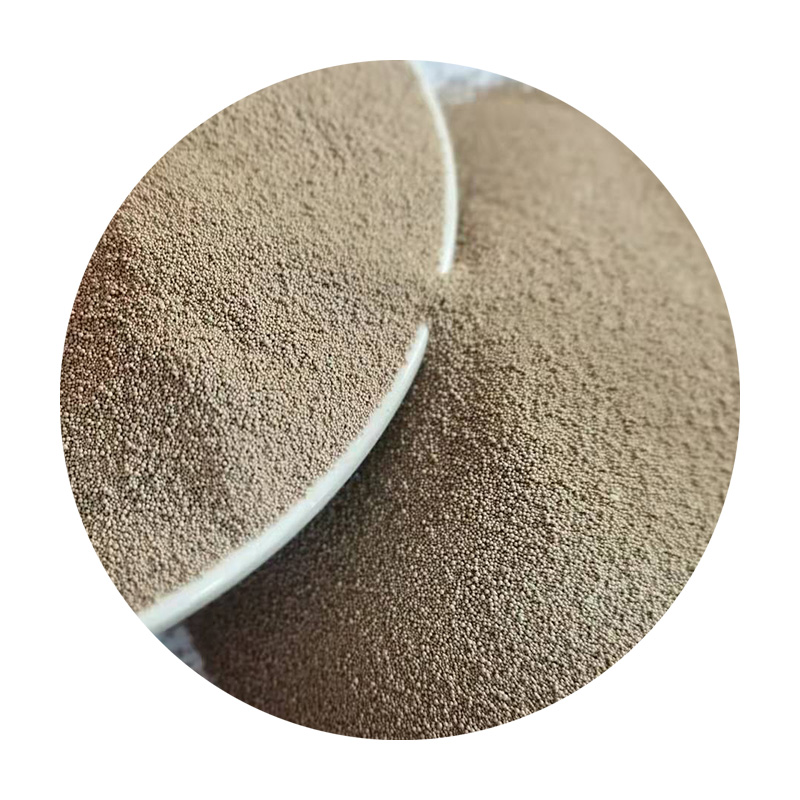
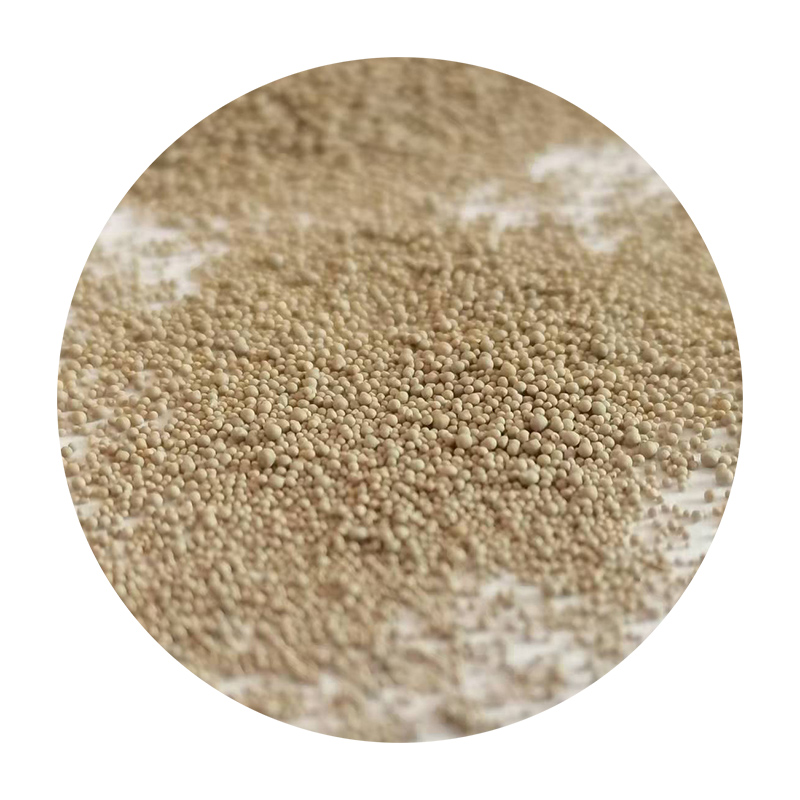
Goldener Sand für Sandformguss
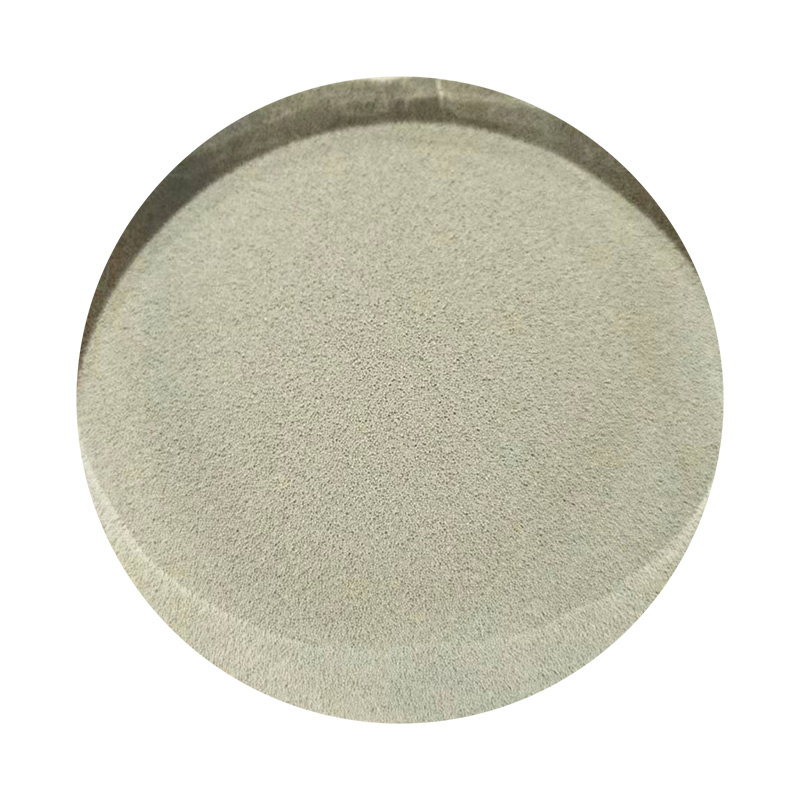
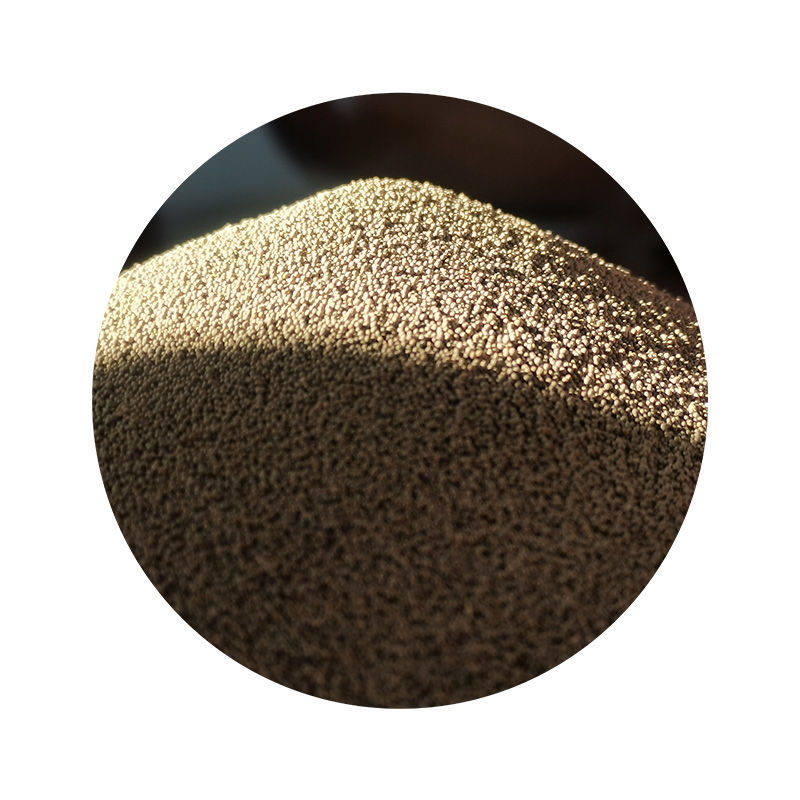
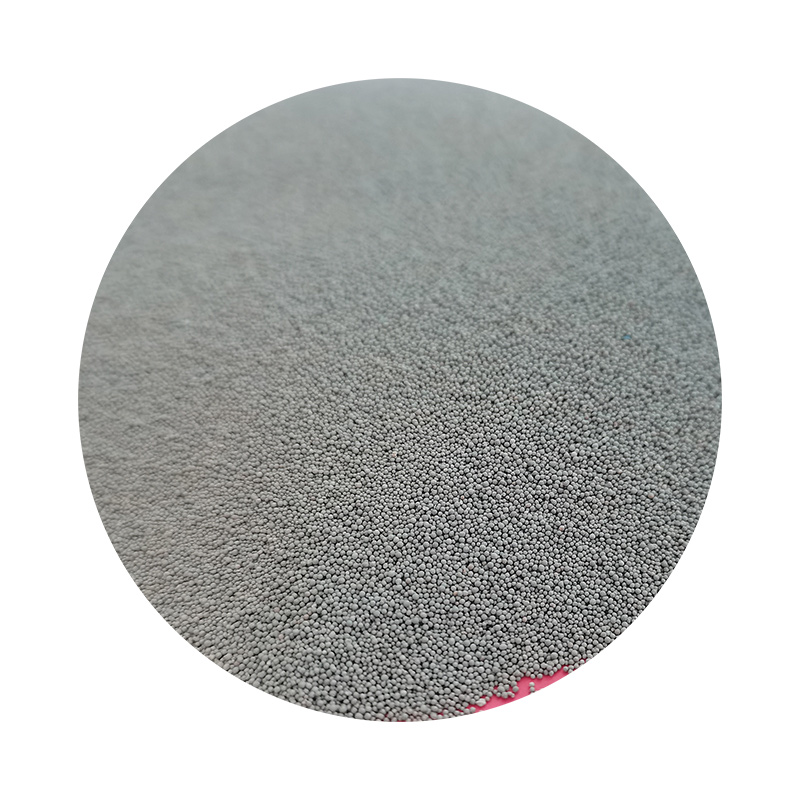
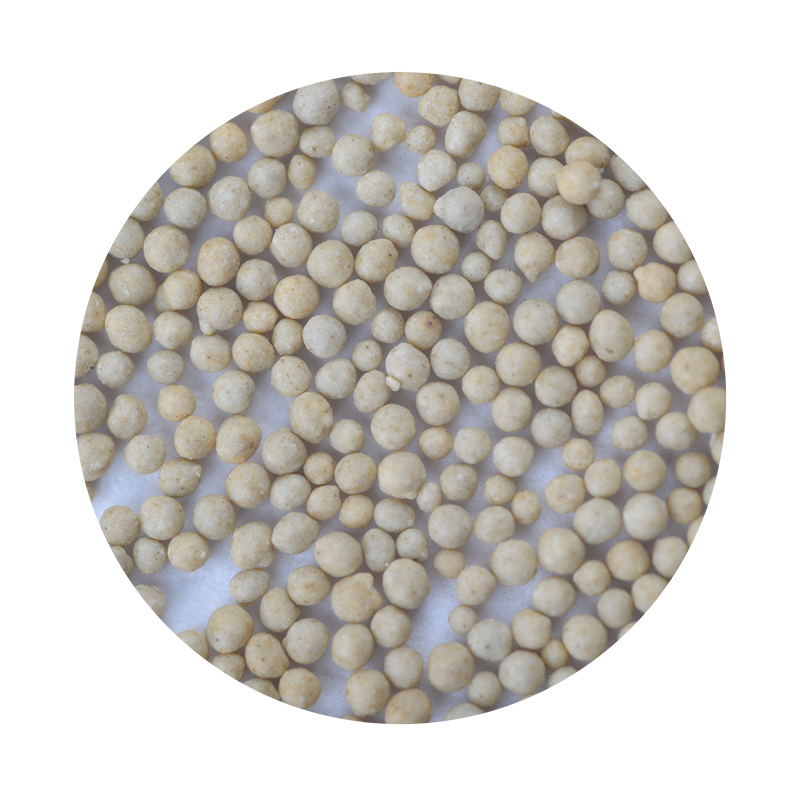
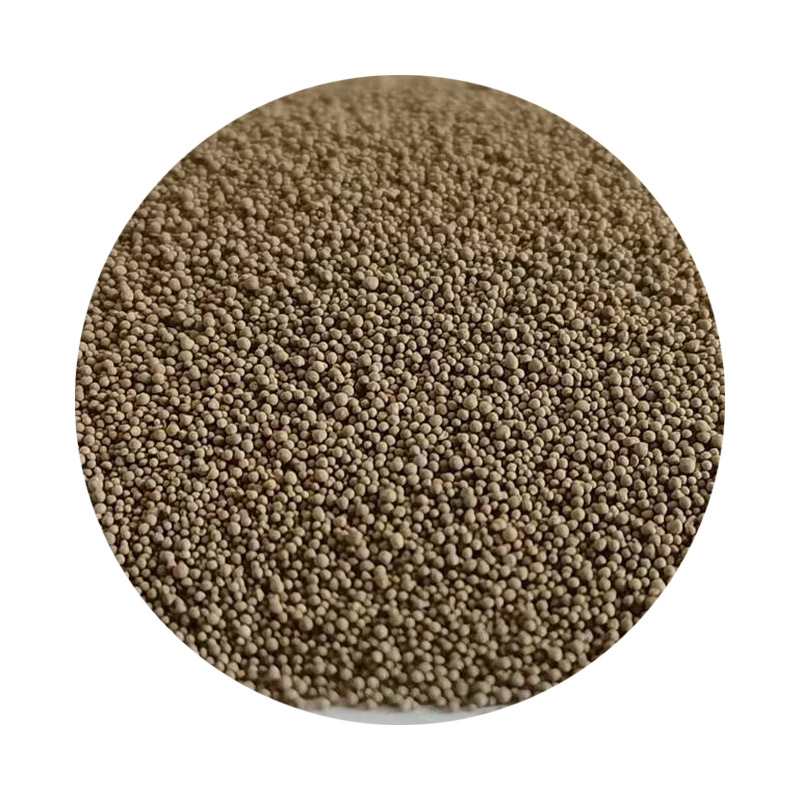
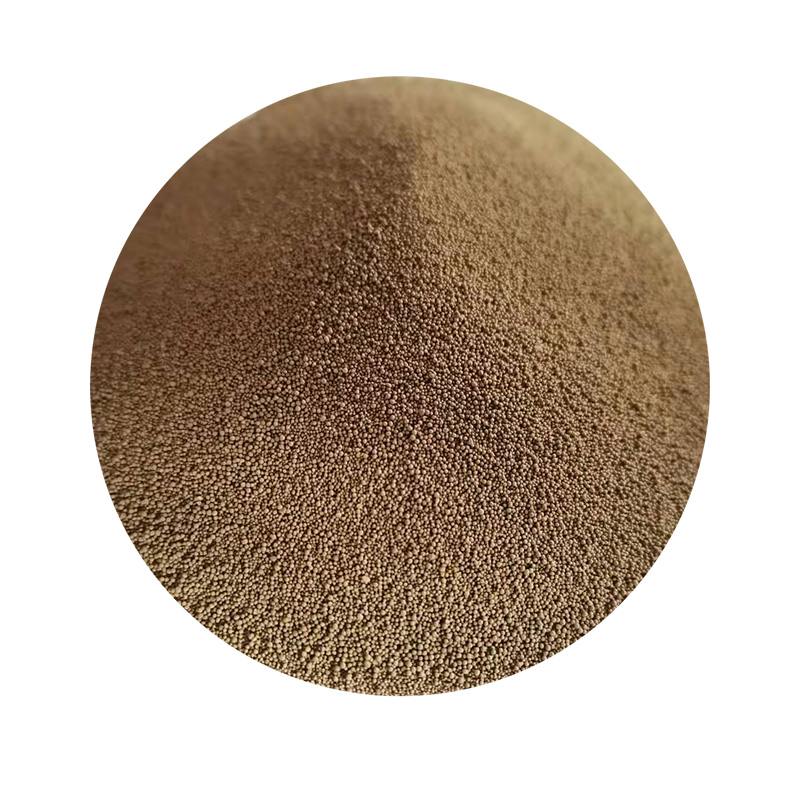
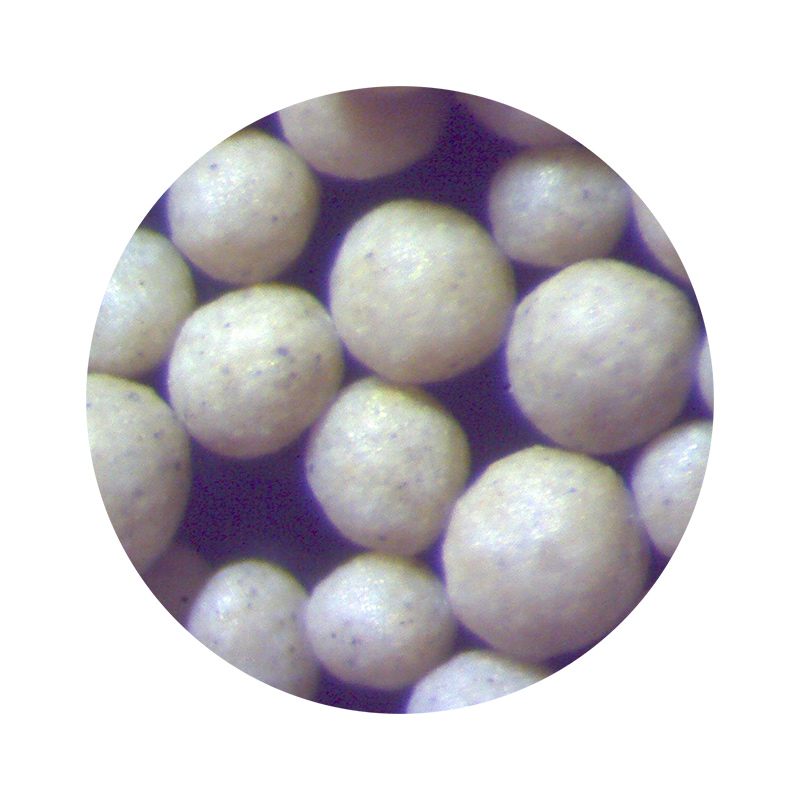
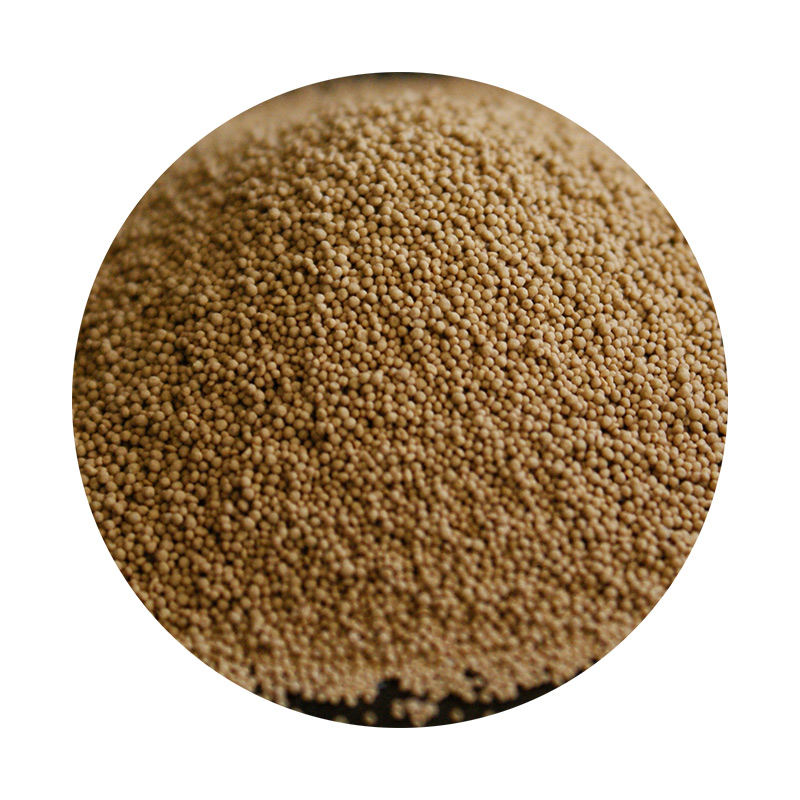
Gießerei-Keramiksand, technisch bezeichnet als „gesinterter Keramiksand für Gießereien“, auch Ceramsite, Cerabeads, Ceramcast genannt, in einigen Ländern auch Goldsand genannt, ist eine gute künstliche kugelförmige Kornform, die aus kalziniertem Bauxit hergestellt wird. Sein Hauptbestandteil ist Aluminiumoxid und Siliziumoxid. Keramiksand hat viel bessere Eigenschaften als Quarzsand und erzielt dadurch eine bessere Leistung in Gießereien. Er hat eine hohe Feuerfestigkeit, geringe Wärmeausdehnung, einen guten Winkelkoeffizienten, ausgezeichnete Fließfähigkeit, hohe Verschleiß-, Bruch- und Wärmeschockbeständigkeit sowie eine hohe Rückgewinnungsrate.
Keramiksandeigenschaft
| Hauptchemischer Bestandteil | Al₂O₃≥53 %, Fe₂O₃<4 %, TiO₂<3 %, SiO₂≤37 % |
| Kornform | Sphärisch |
| Winkelkoeffizient | ≤1,1 |
| Partikelgröße | 45μm -2000μm |
| Feuerfestigkeit | ≥1800℃ |
| Schüttdichte | 1,5-1,6 g/cm3 |
| Wärmeausdehnung (RT-1200 °C) | 4,5-6,5 x 10⁻⁶/k |
| Farbe | Sand |
| PH | 6.6-7.3 |
| Mineralogische Zusammensetzung | Weich + Korund |
| Säurekosten | <1 ml/50 g |
| LOI | <0,1 % |
Vorteil
Kaist ceramic foundry sand is about half as light as zircon and chromite, is about third as light as fused ceramic sand. Compared to these natural sand and other foundry media (the material is able to turn out about twice the number of molds per unit weight). Kaist ceramic foundry sand can deliver mold and core packages with a range of benefits that include higher-strength sand casting packages, with high heat resistance, low thermal expansion, improved final part resolution and a smoother surface finish. It can also be handled very easily, saving labor and transfer power costs. However, the manufacturer recommends paying attention to the amount of binder addition.
Anwendung
Als neutrales Material ist KAIST-Keramiksand für saure und alkalische Harze geeignet.
Es kann häufig für den Guss von Gusseisen, Stahlguss und Nichteisenmetallen verwendet werden, beispielsweise für das Lost-Foam-Gussverfahren, beschichteten Sand, Kunstharzsand, Kaltkernguss, Präzisionsguss und 3D-Druck.
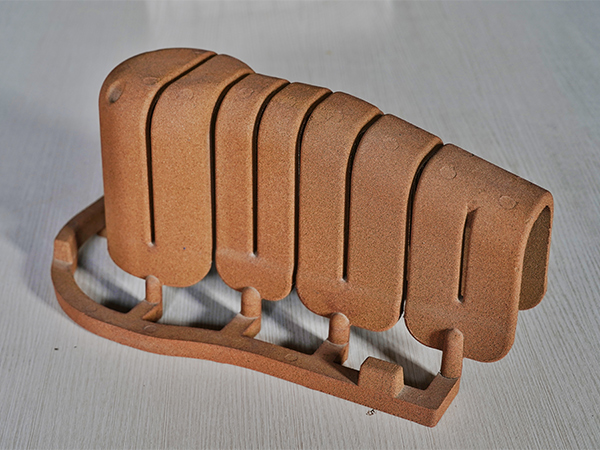
Anwendung
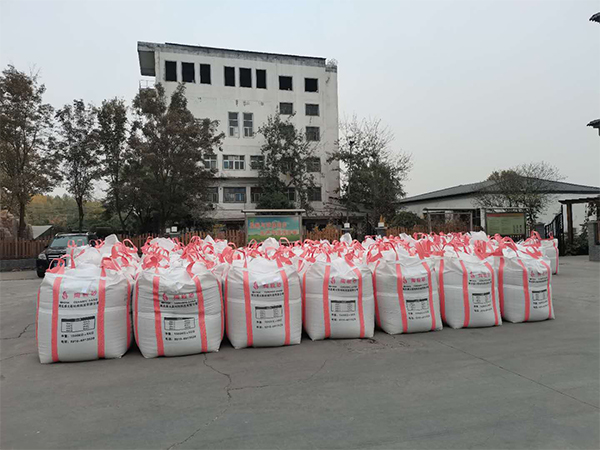
Verpackung und Lieferung
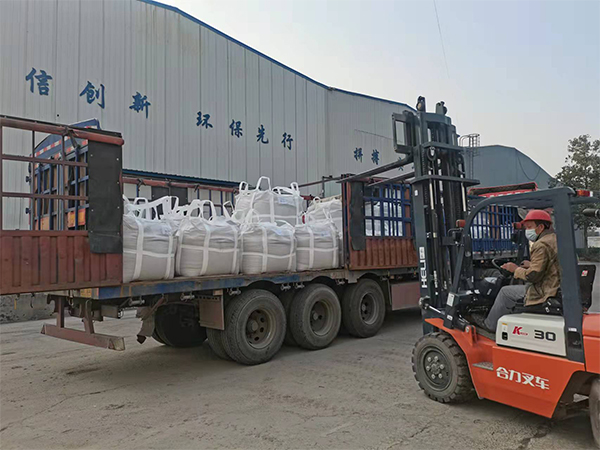
Verpackung und Lieferung
Teile der Partikelgrößenverteilung
Die Partikelgrößenverteilung kann entsprechend Ihren Anforderungen angepasst werden.
|
Gittergewebe |
20 | 30 | 40 | 50 | 70 | 100 | 140 | 200 | 270 | Pfanne | AFS | |
|
μm |
850 | 600 | 425 | 300 | 212 | 150 | 106 | 75 | 53 | Pfanne | ||
| Code | 20/40 | 15-40 | 30-55 | 15-35 | ≤5 | 20 ± 5 | ||||||
| 30/50 | ≤1 | 25-35 | 35-50 | 15-25 | ≤10 | ≤1 | 30 ± 5 | |||||
| 40/70 | ≤5 | 20-30 | 40-50 | 15-25 | ≤8 | ≤1 | 43 ± 3 | |||||
| 70/40 | ≤5 | 15-25 | 40-50 | 20-30 | ≤10 | ≤2 | 46 ± 3 | |||||
| 50/100 | ≤5 | 25-35 | 35-50 | 15-25 | ≤6 | ≤1 | 50 ± 3 | |||||
| 100/50 | ≤5 | 15-25 | 35-50 | 25-35 | ≤10 | ≤1 | 55 ± 3 | |||||
| 70/140 | ≤5 | 25-35 | 35-50 | 8-15 | ≤5 | ≤1 | 65 ± 4 | |||||
| 140/70 | ≤5 | 15-35 | 35-50 | 20-25 | ≤8 | ≤2 | 70 ± 5 | |||||
| 100/200 | ≤10 | 20-35 | 35-50 | 15-20 | ≤10 | ≤2 | 110 ± 5 | |||||
gold sand for sale
gold sands
golden sand
golden sanda
golden sands
golden sands for sale
golden sands prices
the golden sands
Produktkategorien