Custom sand casting is a globally significant manufacturing process, foundational to numerous industries ranging from automotive and aerospace to art and infrastructure. Its adaptability and cost-effectiveness make it a crucial technique for producing complex metal parts, particularly for prototyping, small-to-medium production runs, and specialized applications. Understanding custom sand casting unlocks insights into efficient production, materials science, and the intricacies of metal forming, vital knowledge for engineers, designers, and manufacturers worldwide.
The demand for custom sand casting is fueled by the increasing need for tailored metal components across diverse sectors. According to recent reports from the World Bank, manufacturing continues to be a major driver of economic growth in emerging economies, with a considerable portion relying on foundries capable of custom sand casting. The challenge lies in balancing cost-efficiency with increasing demands for precision, material quality, and environmentally responsible practices. custom sand casting provides solutions to these challenges.
Ultimately, advancements in custom sand casting directly impact global supply chains, innovation cycles, and the ability to meet the evolving needs of a rapidly changing world. From creating essential components for medical devices to supporting infrastructure development in remote locations, its versatility is unparalleled.
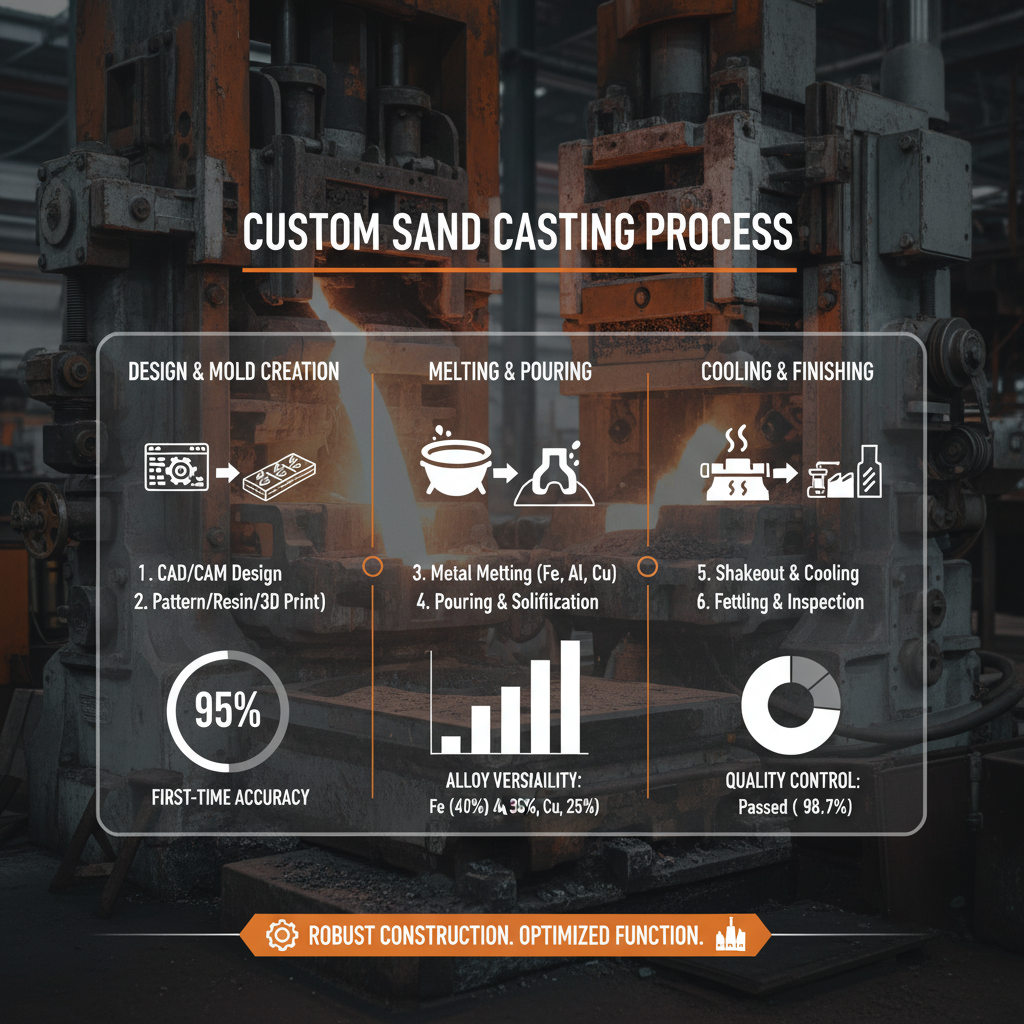
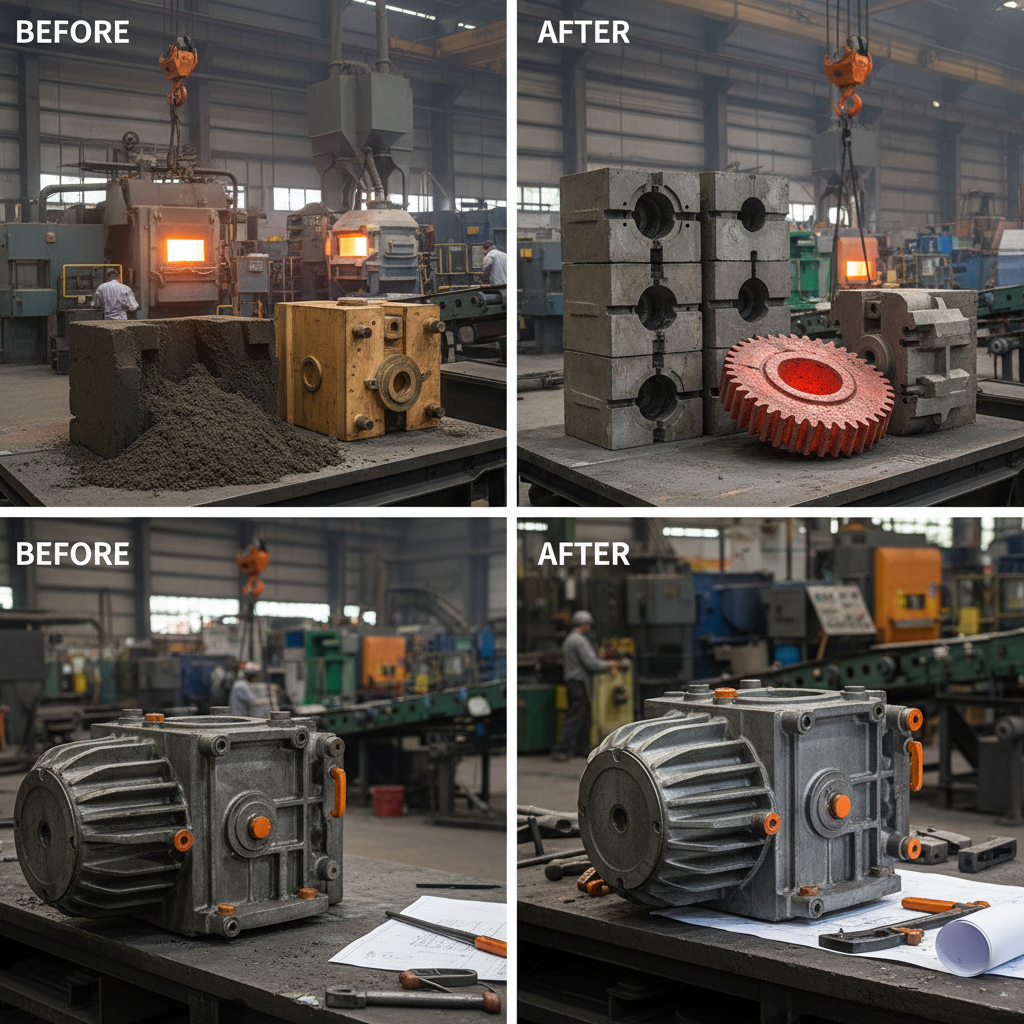
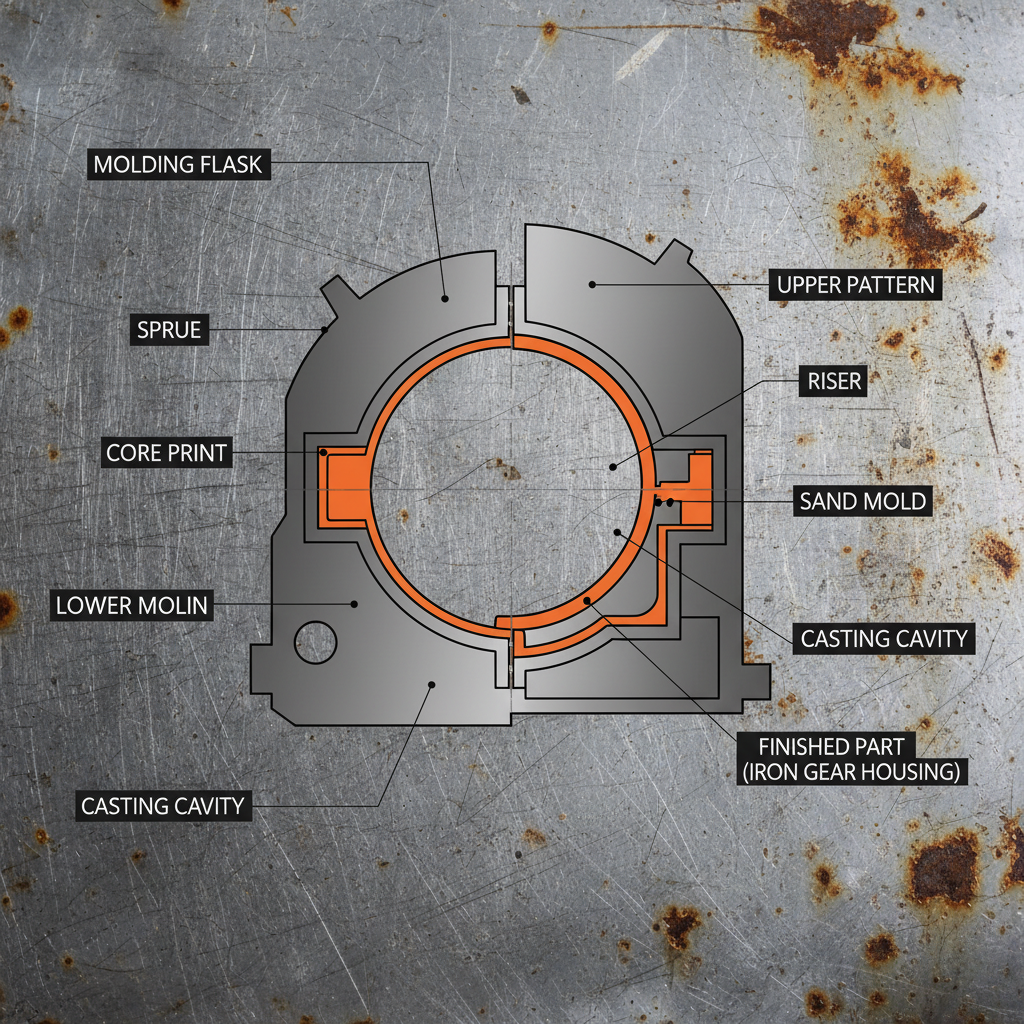
Custom sand casting is a versatile metal casting process widely used for producing intricate components with complex geometries. It involves creating a mold from sand, typically mixed with a binder, and pouring molten metal into this mold. After the metal solidifies, the mold is broken to reveal the finished casting. This method excels in handling a wide range of metal types and allows for large part sizes, making it ideal for diverse industrial applications.
The appeal of custom sand casting resides in its ability to deliver cost-effective solutions for low to medium volume production runs, particularly when dealing with parts that are challenging or expensive to manufacture using other methods. The process offers a high degree of design flexibility and allows for quick turnaround times, making it a favorite for prototyping and specialized projects. custom sand casting is often the go-to solution.
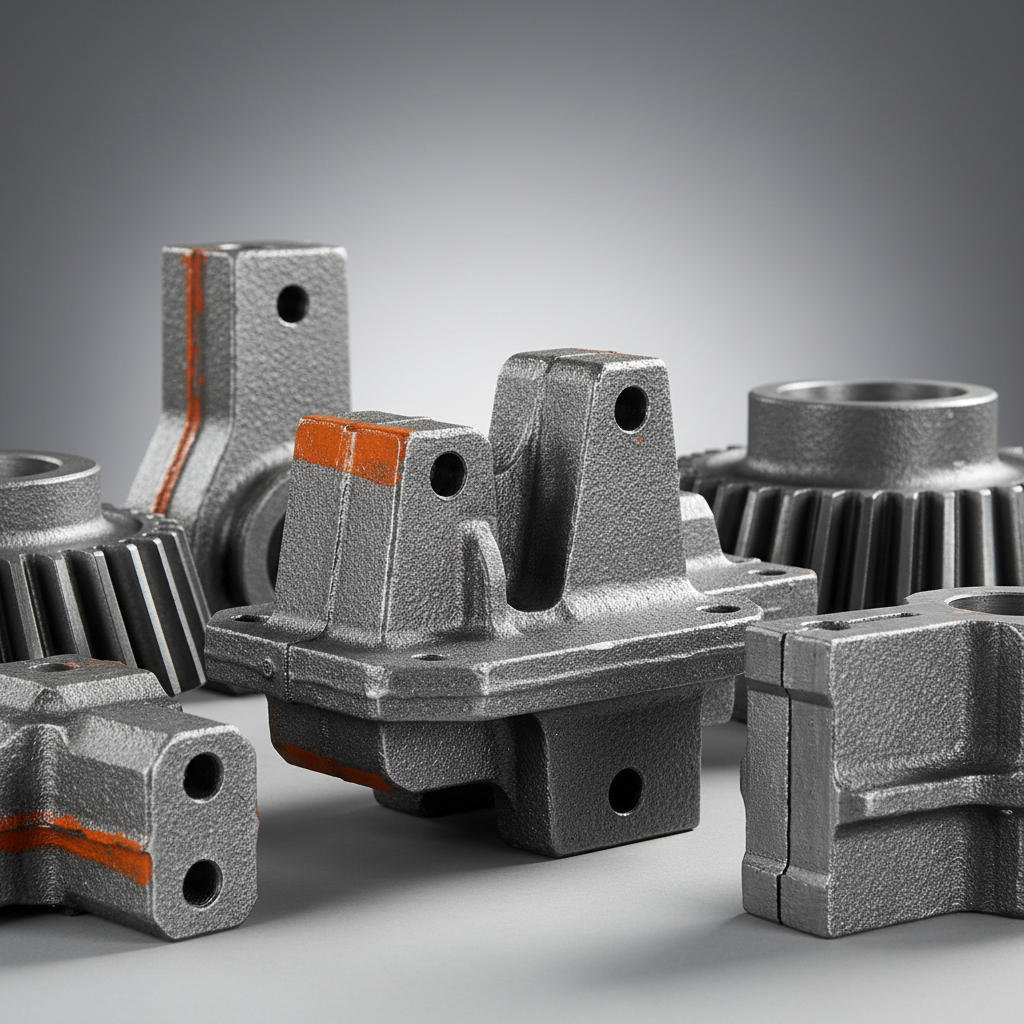
Custom sand casting finds applications across a remarkably diverse range of industries. In the automotive sector, it is used to manufacture engine blocks, cylinder heads, and transmission housings. The aerospace industry relies on custom sand casting for producing complex turbine components and structural parts. In the energy sector, it supports the creation of components for wind turbines, hydroelectric power plants, and oil & gas equipment.
Moreover, custom sand casting plays a critical role in infrastructure projects, contributing to the production of pipes, valves, and fittings. In post-disaster relief operations, it can be utilized to rapidly produce specialized tools and equipment needed for recovery efforts. custom sand casting provides solutions for challenging situations. Even artistic endeavors benefit from the process, as sculptors and artists employ it to create intricate metal sculptures and decorative objects.
The long-term value of custom sand casting extends beyond immediate cost savings. Its ability to accommodate complex designs without significant tooling costs translates into reduced development timelines and faster time-to-market for new products. The process’s inherent scalability allows manufacturers to adjust production volumes based on demand, minimizing inventory costs and optimizing resource allocation.
From a sustainability standpoint, custom sand casting can leverage recycled metal materials, reducing environmental impact. The process also fosters innovation by enabling the creation of lightweight and high-performance components, contributing to fuel efficiency and reduced emissions in various applications. Furthermore, it supports local economies by providing skilled manufacturing jobs and bolstering supply chains.
The reliability and durability of custom sand castings contribute to the safety and longevity of the products they become a part of. These factors build trust with consumers and establish a reputation for quality and performance.
The future of custom sand casting is marked by several exciting trends. The integration of 3D printing for mold making is accelerating, enabling the creation of increasingly complex geometries and reducing lead times. Automation and robotics are streamlining the process, improving efficiency and reducing labor costs. The development of new sand binders and additives is enhancing mold strength, surface finish, and dimensional accuracy.
Research into advanced materials, such as high-entropy alloys and metal matrix composites, is expanding the possibilities of custom sand casting, enabling the creation of components with superior properties. Furthermore, the adoption of digital twins and predictive analytics is optimizing process control and reducing defects. Sustainability initiatives are driving the use of eco-friendly sand materials and closed-loop recycling systems.
These innovations are poised to further solidify custom sand casting’s position as a crucial manufacturing process in a rapidly evolving world, aligning with global trends toward digitalization, sustainability, and customized production.
| Challenge | Impact on Casting Quality | Potential Solution | Implementation Cost (1-10) |
|---|---|---|---|
| Mold Material Degradation | Surface defects, dimensional inaccuracies | Employ advanced sand binders & additives | 6 |
| Gas Porosity | Weakened mechanical properties | Improved degassing techniques & vacuum casting | 8 |
| Shrinkage Defects | Internal stresses, cracking | Optimized gating system & cooling rates | 5 |
| Pattern Wear | Dimensional inaccuracies over time | Use durable pattern materials (e.g., metal) | 7 |
| Mold Collapse | Incomplete castings, significant scrap | Enhanced mold compaction & binder strength | 4 |
| Surface Finish Issues | Poor aesthetics, increased machining | Optimize sand grain size & coating application | 3 |
Lead times for custom sand casting vary depending on the complexity of the part, the size of the production run, and the availability of materials. Generally, prototyping can take 2-4 weeks, while production runs can range from 4-12 weeks. Factors such as tooling requirements and any necessary post-machining operations also influence the overall timeframe. Providing detailed specifications and engaging early in the design process can help minimize lead times.
A wide variety of metals can be used in custom sand casting, including iron (gray iron, ductile iron), steel (carbon steel, stainless steel), aluminum alloys, brass, bronze, and even some specialized alloys like nickel-based superalloys. The choice of material depends on the specific application requirements, such as strength, corrosion resistance, and operating temperature.
Generally, larger parts require more material, larger molds, and potentially more complex gating systems, leading to higher costs. Smaller, more intricate parts may require more precise tooling and finishing operations, also increasing costs. The weight of the casting is a primary driver of material costs, while the size impacts mold and tooling expenses.
Dimensional accuracy in custom sand casting typically falls within a tolerance range of +/- 0.010 to +/- 0.020 inches per inch. However, this can vary depending on factors such as the casting alloy, mold material, and part geometry. For tighter tolerances, post-machining operations may be required. Advanced techniques like investment casting offer higher precision if extremely tight tolerances are essential.
The surface finish of a sand casting typically ranges from Ra 125 to Ra 250 micro-inches. The finish depends on the sand grain size, binder type, and mold compaction. For smoother finishes, coatings can be applied to the mold cavity, and post-machining or grinding can be performed. Achieving very smooth finishes may require additional processing steps, adding to the overall cost.
Ensuring quality involves a collaborative approach. Clearly define your specifications, select a reputable foundry with robust quality control processes, request material certifications, and consider conducting non-destructive testing (NDT) such as radiographic inspection or ultrasonic testing. Regular communication with the foundry throughout the project is also crucial for addressing any potential issues proactively.
Custom sand casting remains an indispensable manufacturing process, offering a unique blend of versatility, cost-effectiveness, and scalability. Its ability to produce complex metal components, combined with ongoing innovations in materials, automation, and digital technologies, ensures its continued relevance in a wide range of industries. From automotive and aerospace to energy and infrastructure, custom sand casting will continue to shape the products we rely on every day.
Looking ahead, embracing sustainable practices, fostering collaboration between designers and foundries, and investing in research and development will be crucial for unlocking the full potential of custom sand casting. By continually refining the process and adapting to evolving market demands, we can ensure its long-term viability and maximize its positive impact on global manufacturing. Visit our website at www.sinoceramsite.com to learn more about our custom sand casting capabilities.