Precision sand casting is a globally significant manufacturing process used to create metal components across a wide spectrum of industries. Its versatility, affordability, and capacity for producing complex geometries make it indispensable in modern production. The increasing demand for customized and high-performance metal parts drives the continued relevance and evolution of precision sand casting techniques. This process plays a crucial role in everything from automotive production and aerospace engineering to medical device manufacturing and infrastructure development.
Understanding the intricacies of precision sand casting is paramount for engineers, manufacturers, and supply chain professionals. The ability to efficiently produce durable, accurate, and cost-effective metal parts directly impacts product quality, time-to-market, and overall profitability. Furthermore, advancements in sustainable sand casting practices are becoming increasingly important in response to growing environmental concerns and stricter regulations.
Ultimately, precision sand casting offers a powerful and adaptable solution for a diverse range of manufacturing challenges, making it a cornerstone of global industrial output.
The Global Significance of precision sand casting
Precision sand casting is a cornerstone of global manufacturing, contributing significantly to industries ranging from automotive and aerospace to energy and construction. The United Nations Industrial Development Organization (UNIDO) emphasizes the crucial role of casting processes in bolstering industrial development, particularly in emerging economies. According to the World Bank, countries with robust manufacturing sectors, often reliant on processes like precision sand casting, demonstrate higher economic growth and stability.
A current challenge facing many manufacturers is the need for cost-effective production of complex parts without compromising quality. Precision sand casting addresses this challenge by offering a balance between affordability, design flexibility, and dimensional accuracy. Increasingly stringent environmental regulations also demand more sustainable manufacturing practices, prompting innovation within the precision sand casting industry to reduce waste and energy consumption.
Defining precision sand casting
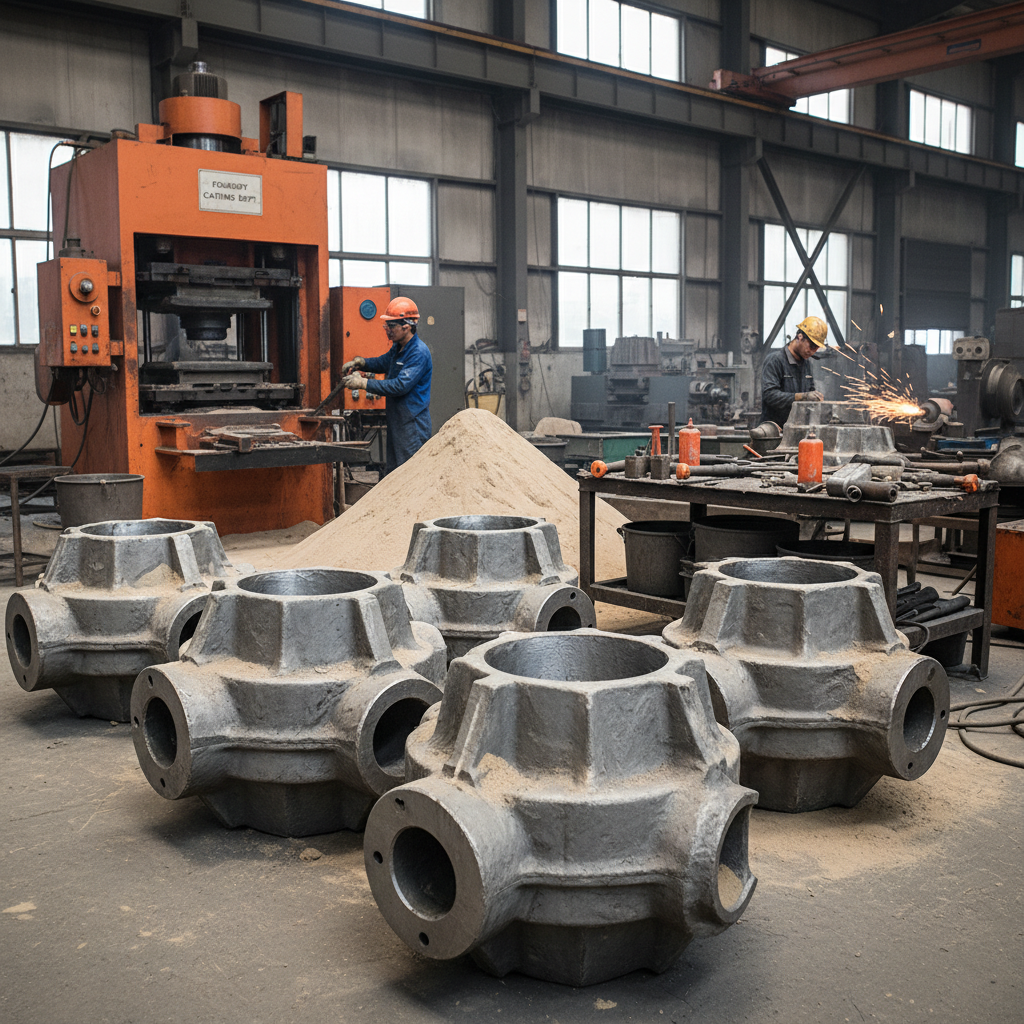
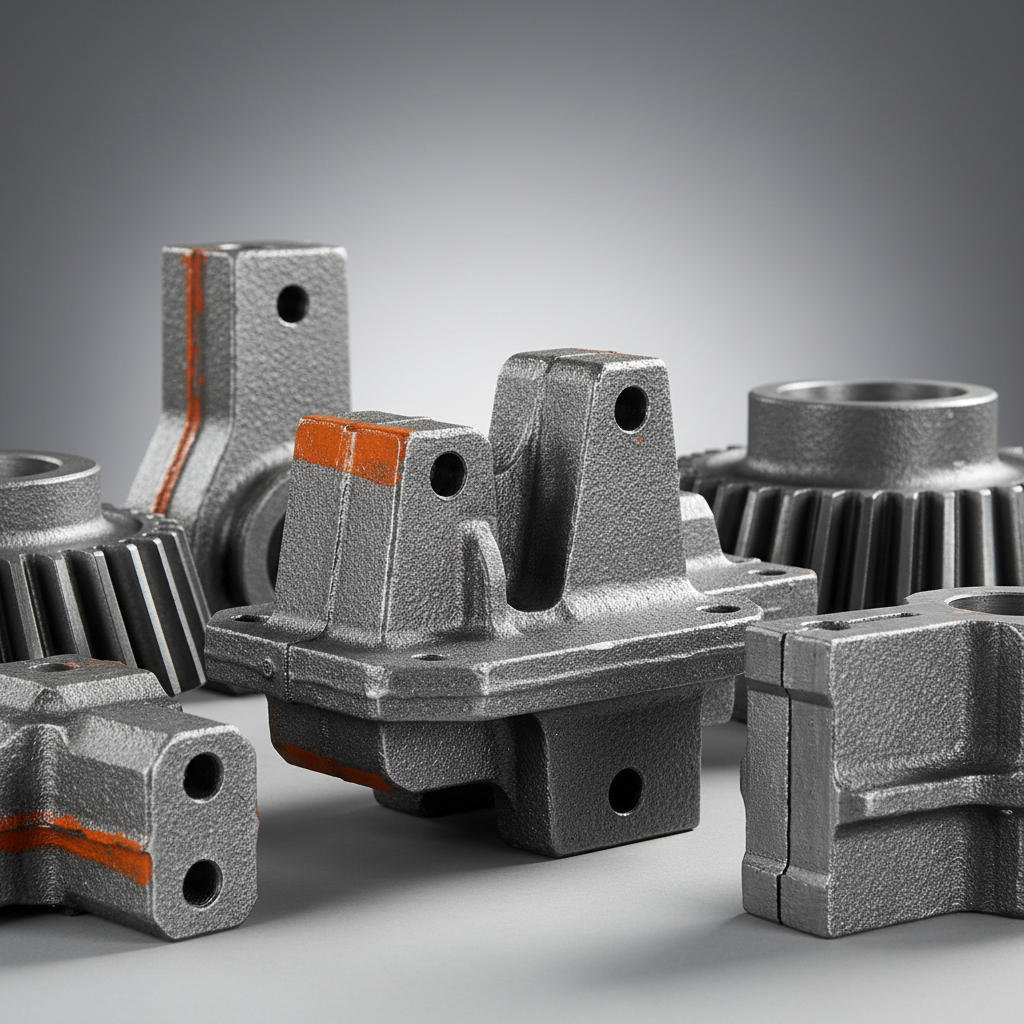
Precision sand casting is a metal casting process that utilizes sand as the mold material. Unlike traditional sand casting, precision sand casting employs tightly packed, precisely engineered sand molds, often mixed with resins and binders, to achieve tighter tolerances and smoother surface finishes. The process involves creating a pattern—a replica of the desired final part—and embedding it within the sand mold. Molten metal is then poured into the mold cavity, allowed to solidify, and subsequently removed, leaving behind the cast component.
The connection to modern industry is undeniable. Precision sand casting enables the production of complex shapes and large parts that would be impractical or impossible to manufacture using other methods. This makes it vital for producing components for critical applications, like engine blocks, pump housings, and structural elements in various machines.
Furthermore, it plays a critical role in humanitarian efforts. In situations requiring rapid prototyping or small-batch production of specialized parts for field repairs or infrastructure development, precision sand casting provides a rapid and adaptable solution, addressing immediate needs where large-scale manufacturing isn't feasible.
Core Components of precision sand casting
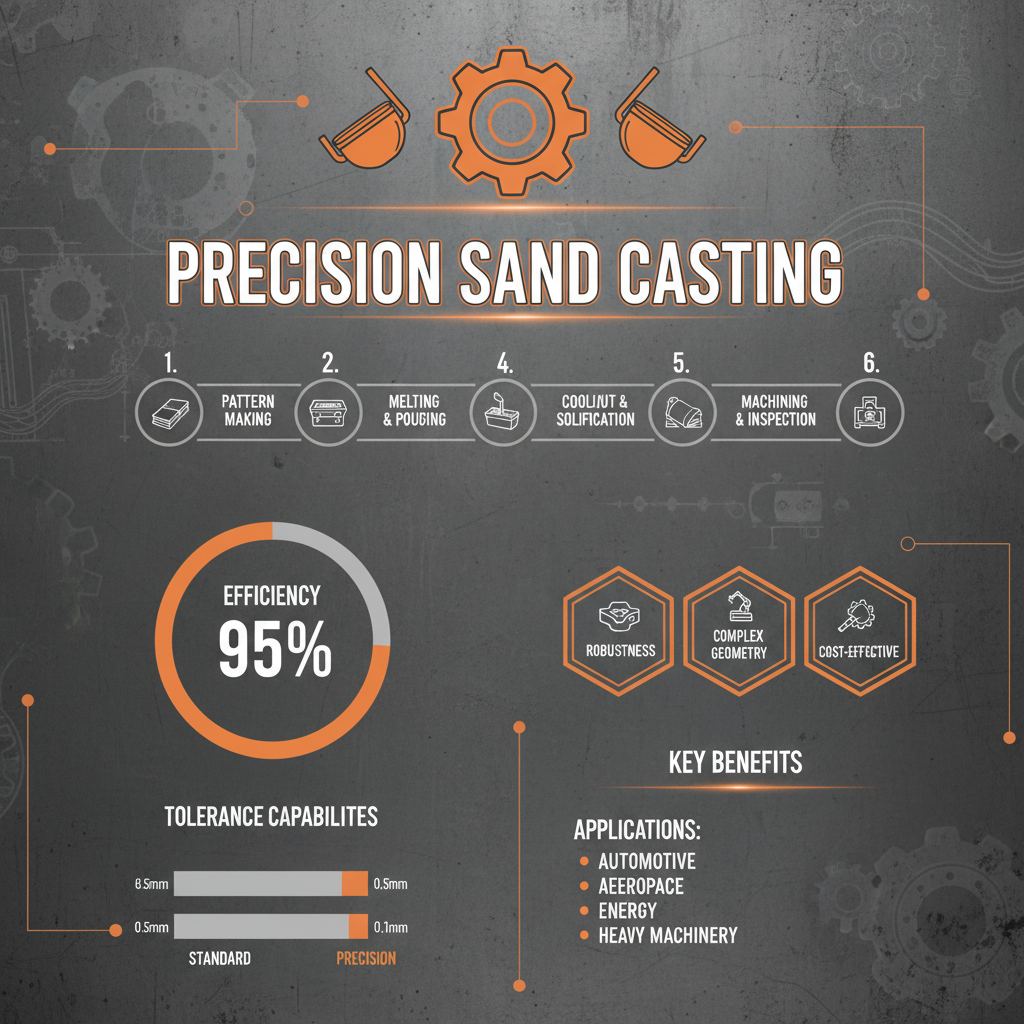
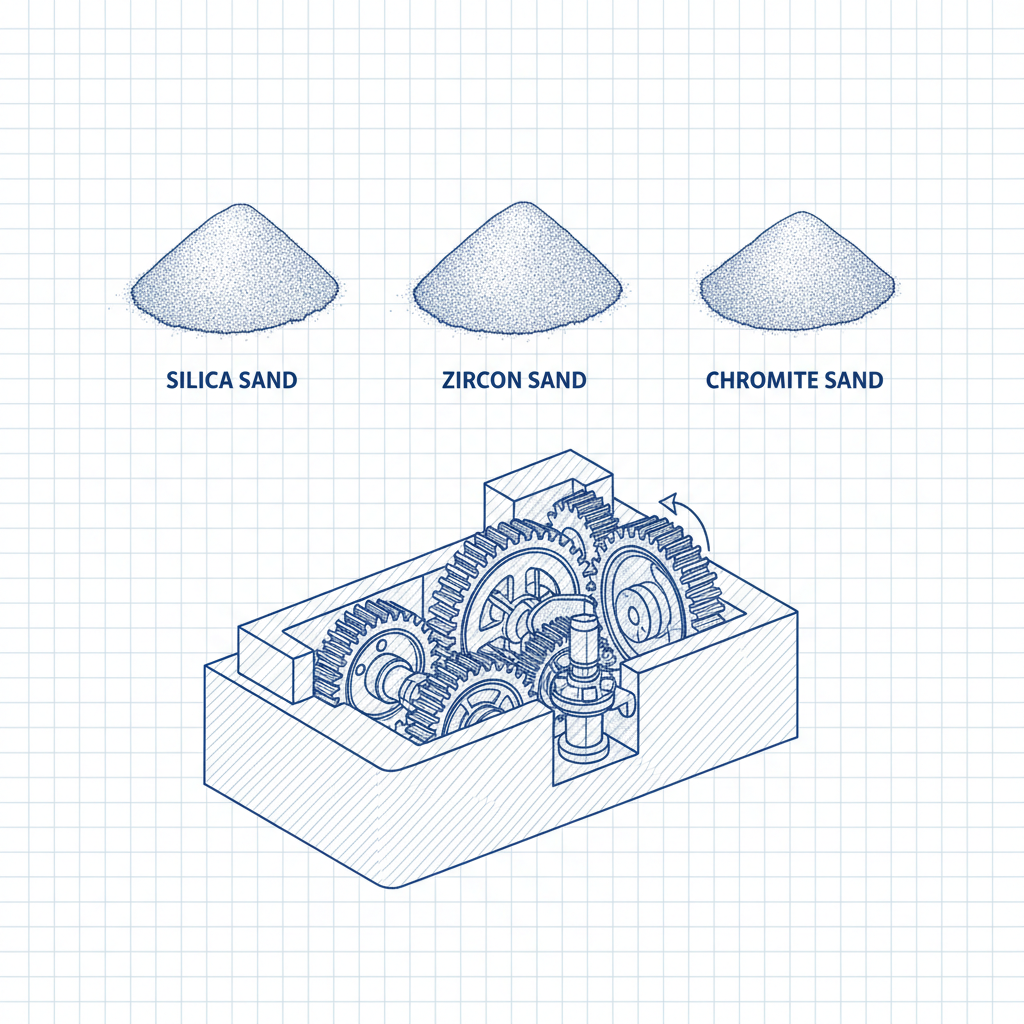
Several key factors define the success and characteristics of precision sand casting. Firstly, mold material composition is crucial. The type of sand, resin, and binder used directly impact the mold's strength, permeability, and thermal stability. Secondly, pattern making is critical; accurate patterns ensure the dimensional precision of the final casting. Thirdly, metal melt quality—including temperature, composition, and degassing—affects the casting's mechanical properties and freedom from defects.
Fourthly, pouring technique is paramount. Controlled pouring rates and optimized gating systems minimize turbulence and prevent the formation of gas pockets or inclusions. Fifthly, shakeout and finishing processes – removing the casting from the mold and performing operations like cleaning, machining, and heat treatment – determine the final surface finish and mechanical characteristics. Finally, quality control measures throughout the process, including non-destructive testing, ensure adherence to specifications and minimize defects.
These components work in concert to determine the overall quality and performance of the finished part. A weakness in any one area can compromise the entire process, highlighting the need for careful control and optimization at each stage of precision sand casting.
Advantages and Versatility
Precision sand casting offers several distinct advantages. Its cost-effectiveness is a primary benefit, particularly for low to medium production volumes. The tooling costs are lower compared to processes like die casting or investment casting, making it attractive for prototyping and smaller production runs. The process also demonstrates remarkable design flexibility, allowing for the creation of complex geometries and intricate details.
Furthermore, precision sand casting exhibits excellent material versatility, accommodating a wide range of metals including iron, steel, aluminum, bronze, and alloys. Its inherent scalability permits the production of both small, intricate parts and large, substantial components. This broad adaptability ensures its continued relevance across diverse applications.
Comparison of precision sand casting methods
Real-World Applications
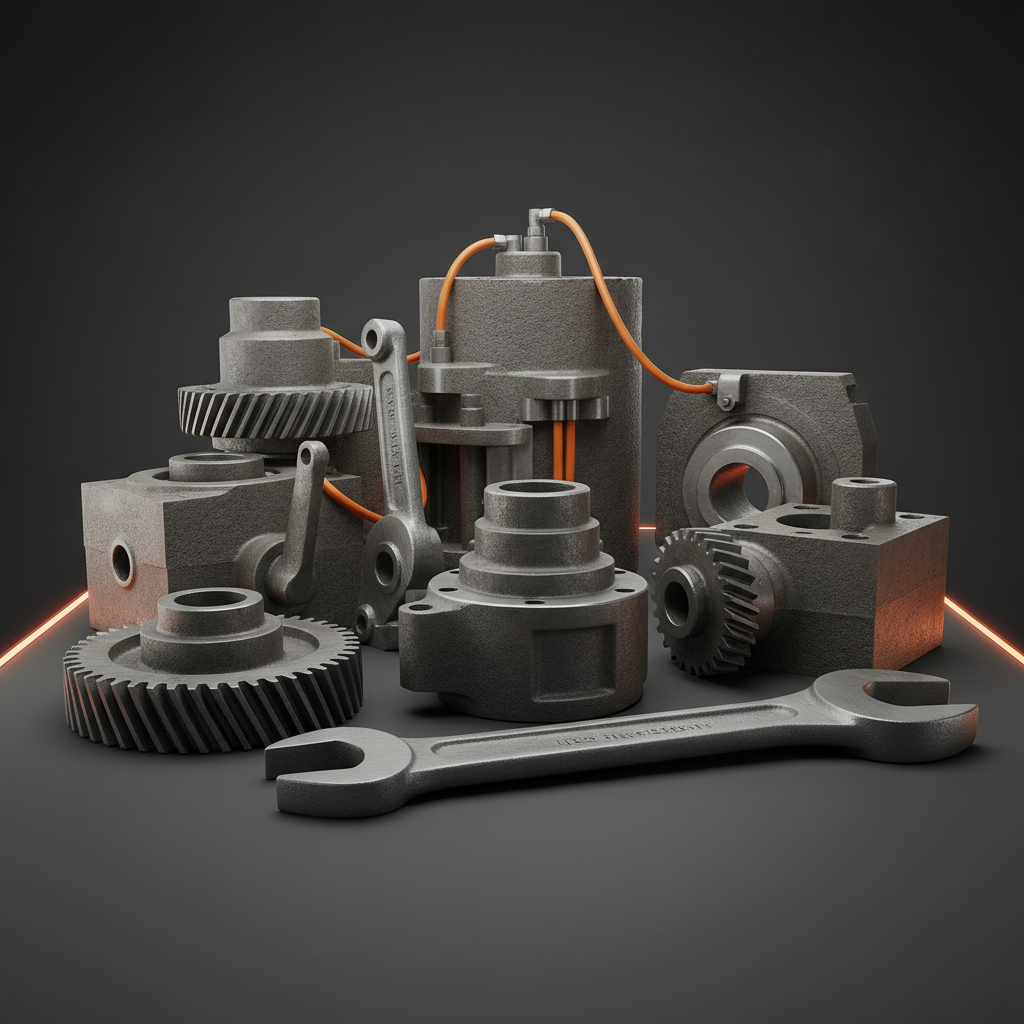
The applications of precision sand casting are extensive. In the automotive industry, it's used to produce engine blocks, cylinder heads, and transmission components. The aerospace sector utilizes precision sand casting for producing complex turbine blades and structural parts. In the energy industry, it's essential for manufacturing pump housings, valve bodies, and components for power generation equipment.
In post-disaster relief operations, the ability to rapidly produce custom replacement parts for damaged machinery using portable precision sand casting facilities can be invaluable. In remote industrial zones, where access to advanced manufacturing technologies is limited, precision sand casting provides a viable solution for local production and maintenance. precision sand casting is a flexible and robust solution for diverse environments.
Long-Term Value and Benefits
The long-term value of precision sand casting extends beyond its immediate cost-effectiveness. The durability and reliability of cast components contribute to extended product lifecycles and reduced maintenance costs. Sustainable practices within the industry, such as sand recycling and the use of environmentally friendly binders, minimize environmental impact.
The benefits encompass both tangible and intangible aspects. Reduced lead times and increased production flexibility enhance responsiveness to market demands. The ability to create highly customized parts fosters innovation and allows for the development of specialized products. Ultimately, precision sand casting contributes to increased customer satisfaction, enhanced brand reputation, and long-term economic growth.
Future Trends and Innovations
The future of precision sand casting is characterized by several emerging trends. Automation and robotics are being increasingly integrated into the process to improve efficiency, reduce labor costs, and enhance precision. Additive manufacturing techniques, such as 3D sand printing, are being explored to create more complex mold geometries and reduce lead times.
The development of new materials, including high-strength alloys and environmentally friendly binders, is driving improvements in casting performance and sustainability. Digitalization and data analytics are being used to optimize process parameters, predict defects, and improve overall quality control. precision sand casting is poised to embrace these advancements, further solidifying its position as a leading manufacturing process.
Furthermore, the convergence of precision sand casting with green energy technologies—such as the production of components for wind turbines and electric vehicle motors—is creating new opportunities for innovation and growth.
Summary of Challenges and Potential Solutions in Precision Sand Casting
| Challenge |
Impact on precision sand casting |
Potential Solution |
Implementation Difficulty (1-10) |
| Mold Material Cost |
Increases overall production expenses. |
Sand Recycling Systems |
6 |
| Surface Finish |
May require extensive post-processing. |
Optimized Mold Coatings |
4 |
| Dimensional Accuracy |
Can lead to rejection of parts. |
Precision Pattern Making & Control |
7 |
| Labor Intensive Processes |
Increases production time and costs. |
Automation & Robotics Integration |
8 |
| Environmental Impact |
Waste generation and emissions. |
Eco-Friendly Binders & Sand |
5 |
| Quality Control |
Detecting internal defects. |
Non-Destructive Testing Techniques |
7 |
FAQS
Precision sand casting provides a strong balance between cost-effectiveness, design flexibility, and material versatility. Compared to die casting, it avoids high tooling costs and is suitable for lower production volumes. Unlike investment casting, it can handle larger parts and offers faster turnaround times. Its ability to create complex geometries with good dimensional accuracy makes it a preferred choice for many applications.
A wide range of metals can be used in precision sand casting, including various grades of iron (grey iron, ductile iron), steel (carbon steel, alloy steel), aluminum alloys, bronze, and brass. The choice of metal depends on the specific application requirements, such as strength, corrosion resistance, and thermal properties. Specific alloys can be tailored to meet precise engineering specifications.
Sand recycling significantly improves the sustainability of precision sand casting by reducing the demand for new sand resources and minimizing waste disposal. Reclaiming and reusing sand reduces environmental impact and lowers production costs. Modern sand recycling systems can recover up to 90% of the sand, making the process more environmentally responsible.
Common defects include gas porosity, shrinkage cavities, and surface imperfections. These can be prevented through careful control of metal melt quality, optimized pouring techniques, proper mold venting, and appropriate cooling rates. Non-destructive testing methods, such as X-ray inspection, are used to detect internal defects before parts are shipped.
Automation is streamlining various stages of precision sand casting, including mold making, core assembly, pouring, and shakeout. Robotics are used to handle heavy molds, improve pouring accuracy, and automate finishing operations. This increases efficiency, reduces labor costs, enhances safety, and improves overall process control.
3D sand printing is revolutionizing pattern making by enabling the rapid creation of complex and customized molds without the need for traditional tooling. This significantly reduces lead times and allows for greater design flexibility. 3D printed sand molds also offer improved surface finishes and dimensional accuracy, enhancing the overall quality of the casting.
Conclusion
Precision sand casting remains a vital manufacturing process, offering a unique combination of cost-effectiveness, design flexibility, and material versatility. Its ability to adapt to evolving industry needs, coupled with ongoing innovations in automation, materials, and sustainability, ensures its continued relevance in the future. From automotive and aerospace to energy and humanitarian aid, precision sand casting plays a critical role in shaping the modern world.
Looking ahead, embracing digital transformation, investing in research and development, and prioritizing sustainable practices will be crucial for maximizing the long-term benefits of precision sand casting. By leveraging these advancements, manufacturers can unlock new levels of efficiency, quality, and innovation, further solidifying the process's position as a cornerstone of global industrial output.