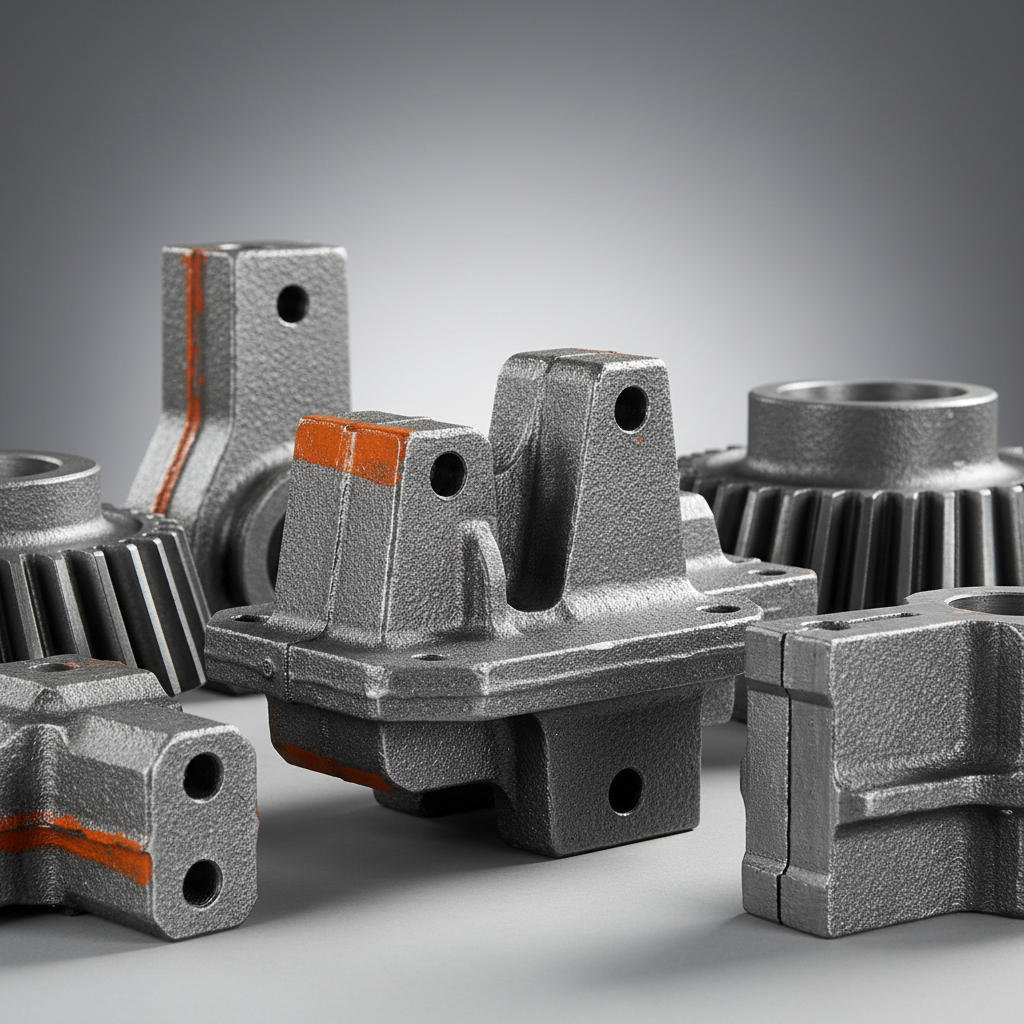
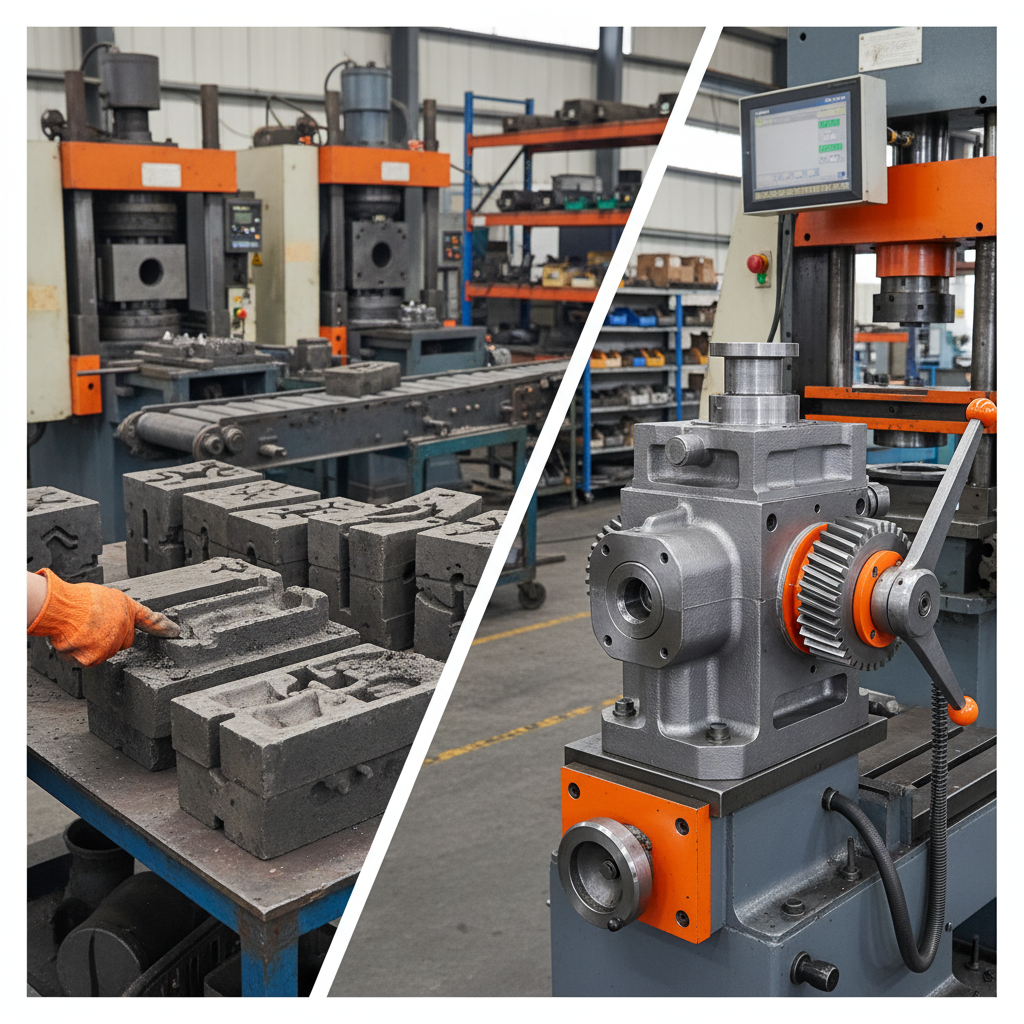
Sand casting, a foundational manufacturing process, has shaped industries globally for millennia. From the earliest bronze tools to modern engine components, its versatility and cost-effectiveness have ensured its enduring relevance. The ability to create complex geometries with a wide range of materials makes sand casting invaluable across numerous sectors, impacting everything from automotive production to artistic expression.
The global demand for cast metal products continues to rise, driven by infrastructure development, manufacturing expansion, and technological advancements. Emerging economies are particularly reliant on sand casting for producing critical components for their growing industries. However, challenges such as environmental concerns related to silica dust and the need for skilled labor are prompting innovation and modernization within the sector.
Understanding the principles and applications of sand casting is crucial for engineers, designers, and manufacturers seeking efficient and reliable production methods. It’s a process that bridges the gap between design and reality, offering a tangible and adaptable solution for countless applications.
The Core Principles of Sand Casting
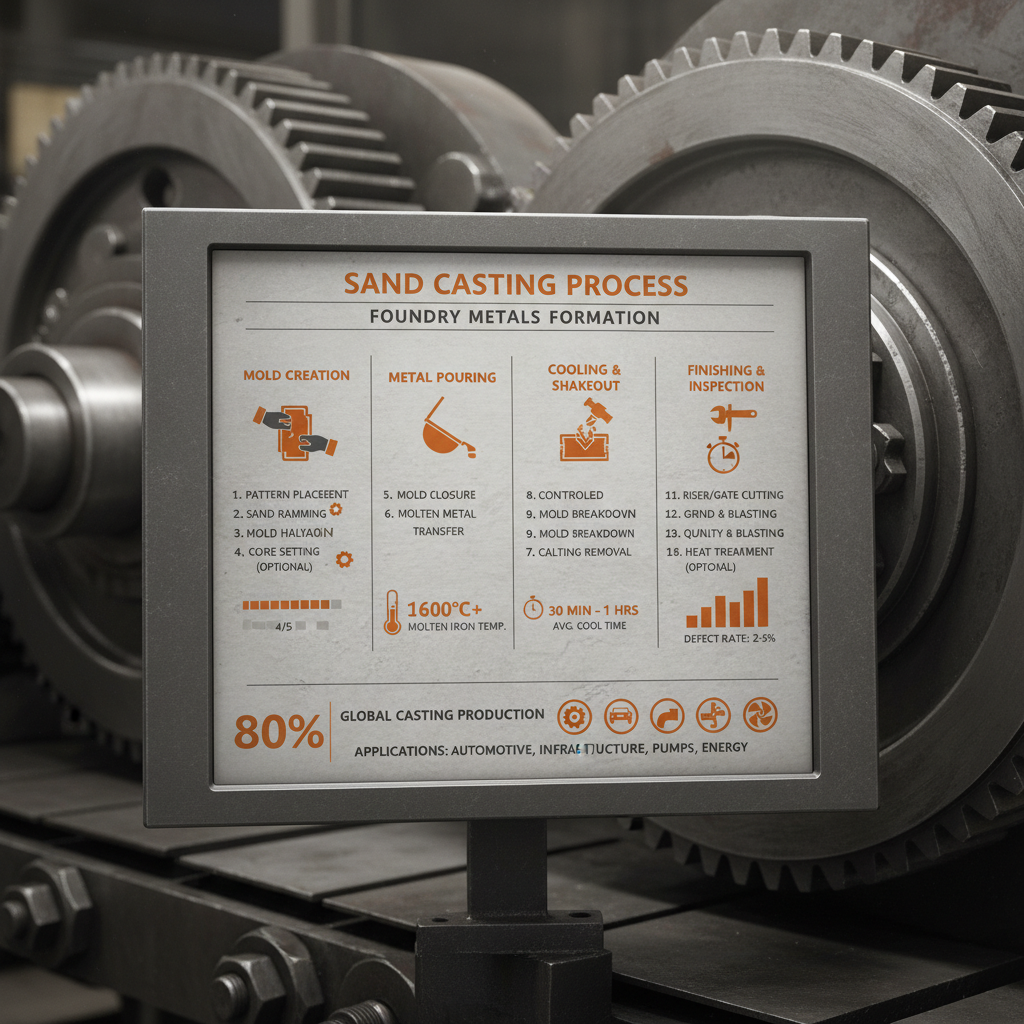
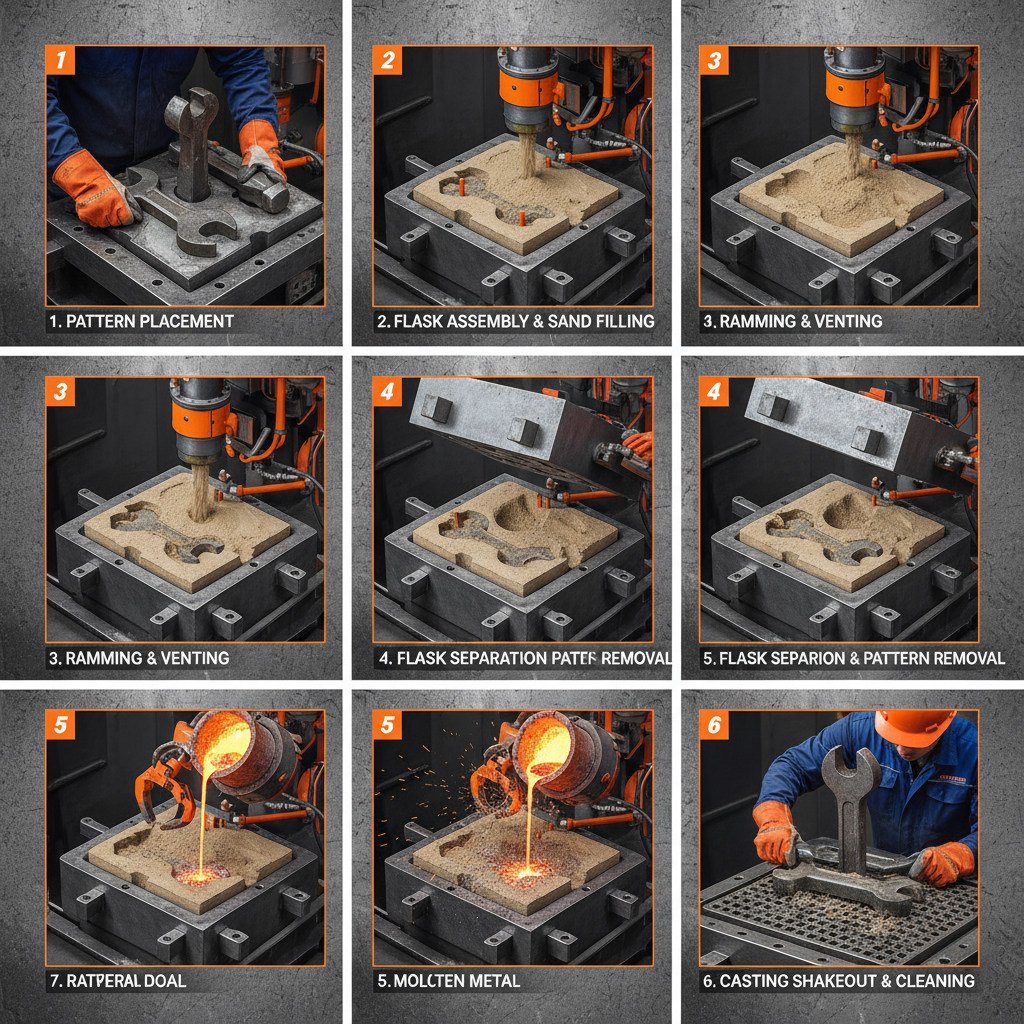
At its heart, sand casting involves forming a mold from a sand mixture, creating a cavity that replicates the desired shape of the final metal part. Molten metal is then poured into this cavity, allowed to solidify, and the mold is broken away, revealing the cast component. The process's simplicity belies its precision and adaptability.
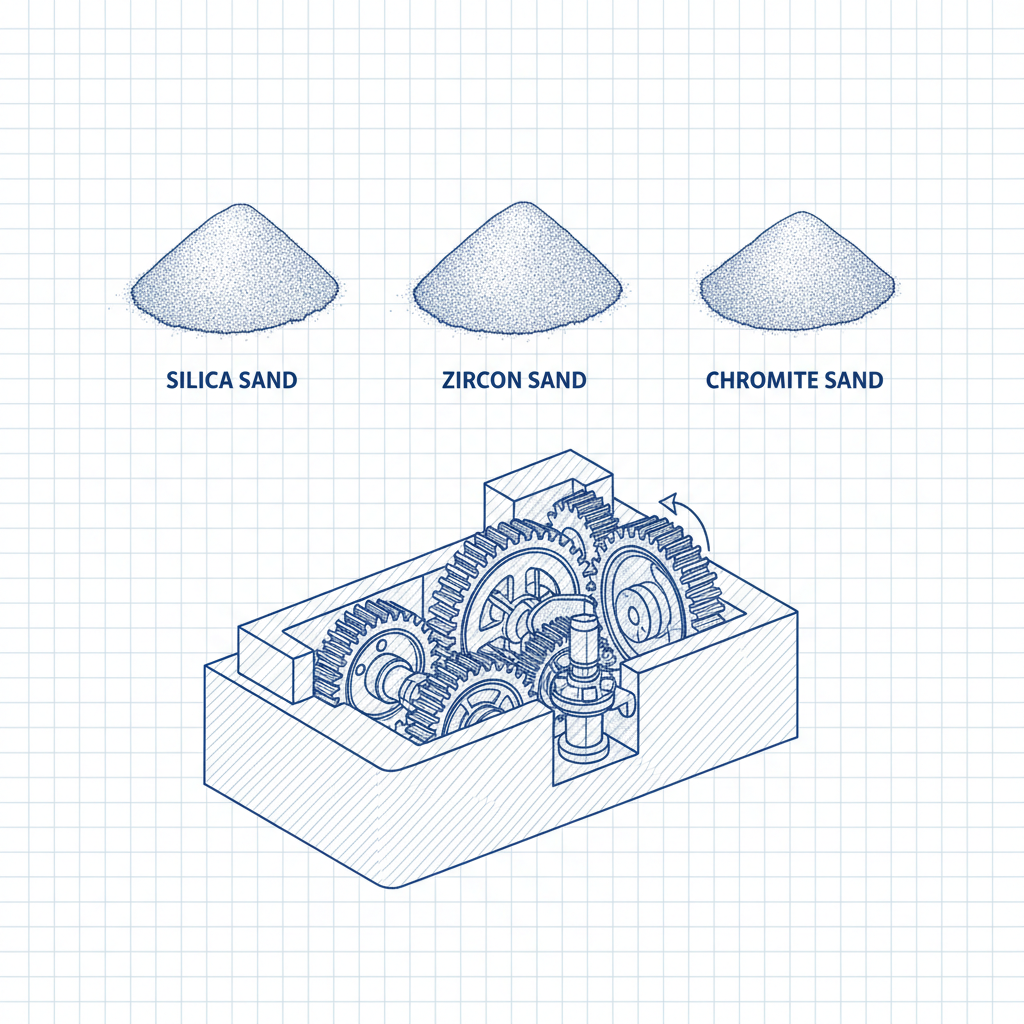
Critical to success are the careful selection of sand properties – grain size, clay content, and moisture – and the precise design of the mold itself. Factors like shrinkage allowance, gating systems, and venting are essential to prevent defects and ensure a high-quality casting.
Historical Development of Sand Casting
The earliest evidence of sand casting dates back thousands of years, with artifacts demonstrating its use in ancient civilizations for creating tools and weapons. Early castings were primarily made of bronze, utilizing clay-based molds and simple pouring techniques. This foundational method fueled societal advancements and laid the groundwork for future metallurgical innovation.
Throughout history, sand casting techniques evolved alongside advancements in metallurgy and engineering. The Industrial Revolution brought significant improvements in mold-making materials and metal refining processes, leading to increased production efficiency and improved casting quality. The development of automated molding machines in the 20th century further revolutionized the industry.
Today, sand casting continues to be refined with modern technologies like 3D-printed molds and advanced simulation software, ensuring its continued role in shaping the manufacturing landscape. The process has proven its resilience, adapting to new materials and demands while retaining its core principles.
The Versatility of Materials in Sand Casting
One of the most significant advantages of sand casting lies in its ability to accommodate a remarkably diverse range of materials. From common metals like aluminum, iron, and steel to more specialized alloys, the process can be adapted to suit various application requirements. This flexibility makes it an ideal choice for industries needing to produce parts from different materials.
The choice of material impacts the mold design and casting parameters. For example, aluminum castings require different gating systems and cooling rates compared to steel castings due to their varying fluidity and shrinkage characteristics. Careful consideration of these factors is crucial for achieving optimal results.
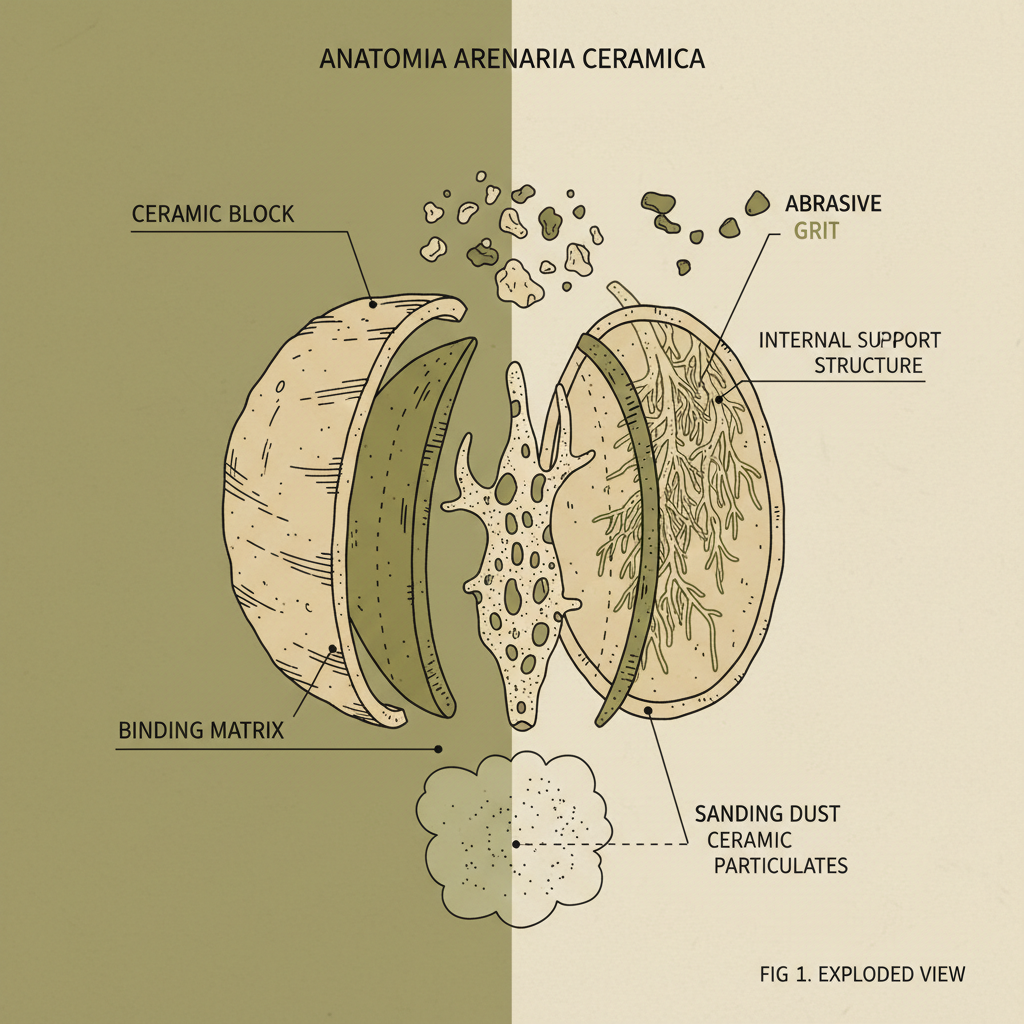
Beyond metals, sand casting can also be employed with certain ceramics and composites, further expanding its application potential. This versatility makes it an indispensable process in industries seeking to innovate with new materials and explore advanced manufacturing techniques.
Cost-Effectiveness and Scalability of Sand Casting
Compared to other casting methods, sand casting offers a compelling balance of cost-effectiveness and scalability. The relatively low tooling costs – particularly for simpler designs – make it an attractive option for both prototyping and large-scale production runs. The use of readily available sand as a molding material further contributes to its affordability.
Sand casting's scalability allows manufacturers to adjust production volumes efficiently to meet changing market demands. Whether producing a few custom parts or thousands of identical components, the process can be adapted to suit varying quantities. This flexibility is particularly valuable for industries experiencing fluctuating order volumes.
Cost Comparison of Different Casting Methods
Global Applications of Sand Casting
The applications of sand casting are truly global and span a vast array of industries. In the automotive sector, it’s used extensively for producing engine blocks, cylinder heads, and transmission components. The aerospace industry relies on sand casting for creating complex turbine blades and structural parts.
In post-disaster relief operations, sand casting can be utilized to rapidly manufacture replacement parts for critical infrastructure, such as pumps and generators. In remote industrial zones, where access to advanced manufacturing technologies is limited, sand casting provides a viable solution for producing essential components locally.
Advantages and Long-Term Value
The advantages of sand casting extend beyond cost-effectiveness and versatility. The process offers excellent design flexibility, allowing for the creation of complex shapes and intricate details. It also provides good dimensional accuracy and surface finish, minimizing the need for secondary machining operations.
From a sustainability perspective, sand casting can be adapted to utilize recycled materials, reducing waste and minimizing environmental impact. The relatively low energy consumption compared to some other casting methods also contributes to its overall sustainability profile. This fosters innovation in responsible manufacturing.
Future Trends and Innovations in Sand Casting
The future of sand casting is being shaped by several emerging trends, including the integration of 3D printing for mold making, the use of advanced simulation software for process optimization, and the development of new sand materials with improved properties. Automation is also playing an increasingly significant role, enhancing efficiency and reducing labor costs.
Furthermore, research into environmentally friendly sand binders and reduced-emission melting technologies is driving sustainability within the industry. These innovations are poised to ensure that sand casting remains a vital manufacturing process for generations to come, contributing to a more sustainable and efficient industrial landscape.
The adoption of artificial intelligence (AI) for quality control and predictive maintenance is also gaining traction, promising to minimize defects and optimize production processes.
Summary of Challenges and Solutions in Sand Casting
| Challenge |
Impact on Sand Casting |
Potential Solution |
Implementation Cost (1-10) |
| Silica Dust Exposure |
Health risks for workers |
Implementing dust extraction systems & alternative binders |
6 |
| Mold Material Variability |
Inconsistent casting quality |
Automated sand mixing and quality control |
7 |
| Skilled Labor Shortage |
Difficulty maintaining casting expertise |
Investing in training programs & automation |
5 |
| Shrinkage Defects |
Dimensional inaccuracies in castings |
Optimized gating systems & cooling rates |
4 |
| Energy Consumption |
High operational costs & environmental impact |
Implementing energy-efficient melting furnaces |
8 |
| Surface Finish Quality |
Need for secondary machining |
Advanced mold coatings & vibration techniques |
3 |
FAQS
Sand casting stands out due to its lower tooling costs, versatility in handling various metals, and ability to produce large parts. It's particularly well-suited for low to medium volume production where the initial investment in complex molds isn’t justified. Its design flexibility allows for intricate geometries, making it a popular choice across various industries.
The type of sand significantly impacts casting quality. Grain size, shape, and mineral composition influence permeability, strength, and thermal conductivity. Finer grains offer better surface finish but reduce permeability. Clay content affects mold strength. Selecting the right sand mix is critical for achieving desired dimensional accuracy, minimizing defects, and ensuring optimal casting properties.
Common defects include gas porosity, shrinkage cavities, and surface imperfections. Gas porosity can be minimized by proper venting and degassing the molten metal. Shrinkage cavities are addressed through optimized gating systems and cooling rates. Surface defects can be prevented by using appropriate mold coatings and controlling pouring temperature.
The gating system is the network of channels that delivers molten metal to the mold cavity. It’s crucial for controlling metal flow, preventing turbulence, and removing gases and slag. Proper design considers factors like sprue, runners, and gates to ensure uniform filling, minimize defects, and achieve desired casting quality. Efficient gating systems are vital for both structural integrity and surface finish.
Industry 4.0 is transforming sand casting through automation, data analytics, and digital twins. Automated molding machines, robotic pouring systems, and real-time monitoring are improving efficiency and quality. Simulation software predicts casting behavior, optimizing designs and reducing defects. Data analytics identify patterns and improve process control, leading to more reliable and consistent production.
Sand casting faces environmental concerns like silica dust exposure and waste sand disposal. Implementing dust extraction systems, using alternative sand binders, and promoting sand recycling are key mitigation strategies. Reducing energy consumption through efficient furnaces and adopting environmentally friendly melting practices further minimize the process's environmental footprint, driving sustainability in the industry.
Conclusion
Sand casting stands as a cornerstone of modern manufacturing, a testament to its enduring versatility, cost-effectiveness, and adaptability. From its ancient origins to its integration with cutting-edge technologies, this process has continuously evolved to meet the ever-changing needs of industries worldwide. Its ability to handle diverse materials and produce complex geometries makes it invaluable for a wide spectrum of applications.
Looking ahead, ongoing innovations in materials, automation, and sustainability will further solidify sand casting’s position as a vital manufacturing process. Exploring new sand compositions, implementing advanced simulation tools, and embracing Industry 4.0 principles will unlock even greater potential, ensuring its relevance for generations to come. Visit our website at www.sinoceramsite.com to learn more about our sand casting capabilities and how we can help meet your manufacturing needs.