0%

Table of Contents

Molding sand for metal casting is a critical process in manufacturing, enabling the creation of complex metal parts across a vast array of industries. Its significance lies in its ability to produce intricate designs with precision, forming the foundation for everything from automotive components to aerospace structures. Understanding the nuances of molding sand – its composition, properties, and application – is therefore paramount for ensuring quality, efficiency, and cost-effectiveness in modern production.

Globally, the demand for metal castings is substantial and growing, driven by expanding infrastructure projects, the automotive sector’s need for lightweight materials, and the ongoing industrialization of developing nations. According to recent reports, the global metal casting market is projected to reach billions of dollars in the coming years. The efficient and reliable production of these castings relies heavily on the quality of the molding sand used.

This article delves into the intricacies of molding sand for metal casting, exploring its key characteristics, applications, advantages, emerging trends, and challenges. We will cover everything from the fundamental components that define its performance to the innovations shaping its future, ultimately highlighting its continued importance in the global manufacturing landscape.
Exploring the Critical Role of Molding Sand for Metal Casting Applications

The Importance of Molding Sand Composition

Exploring the Critical Role of Molding Sand for Metal Casting Applications

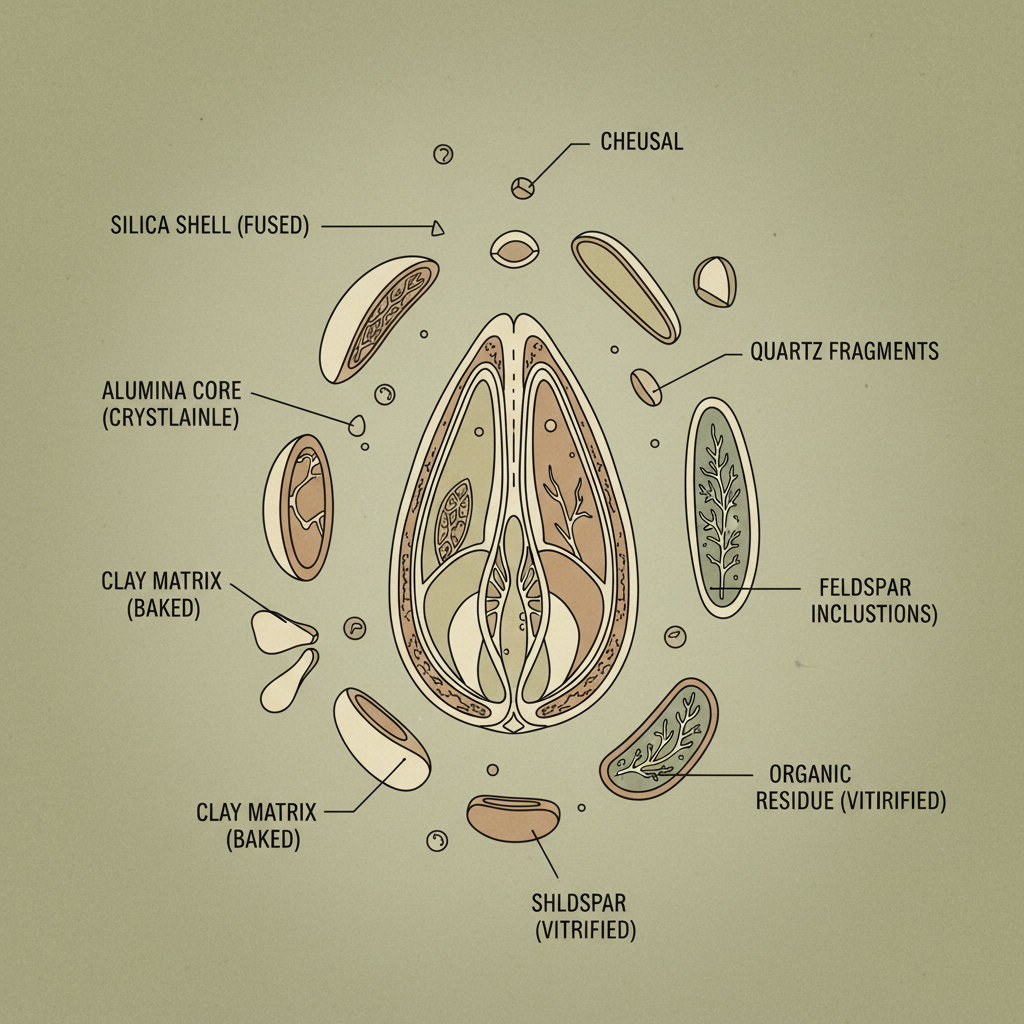
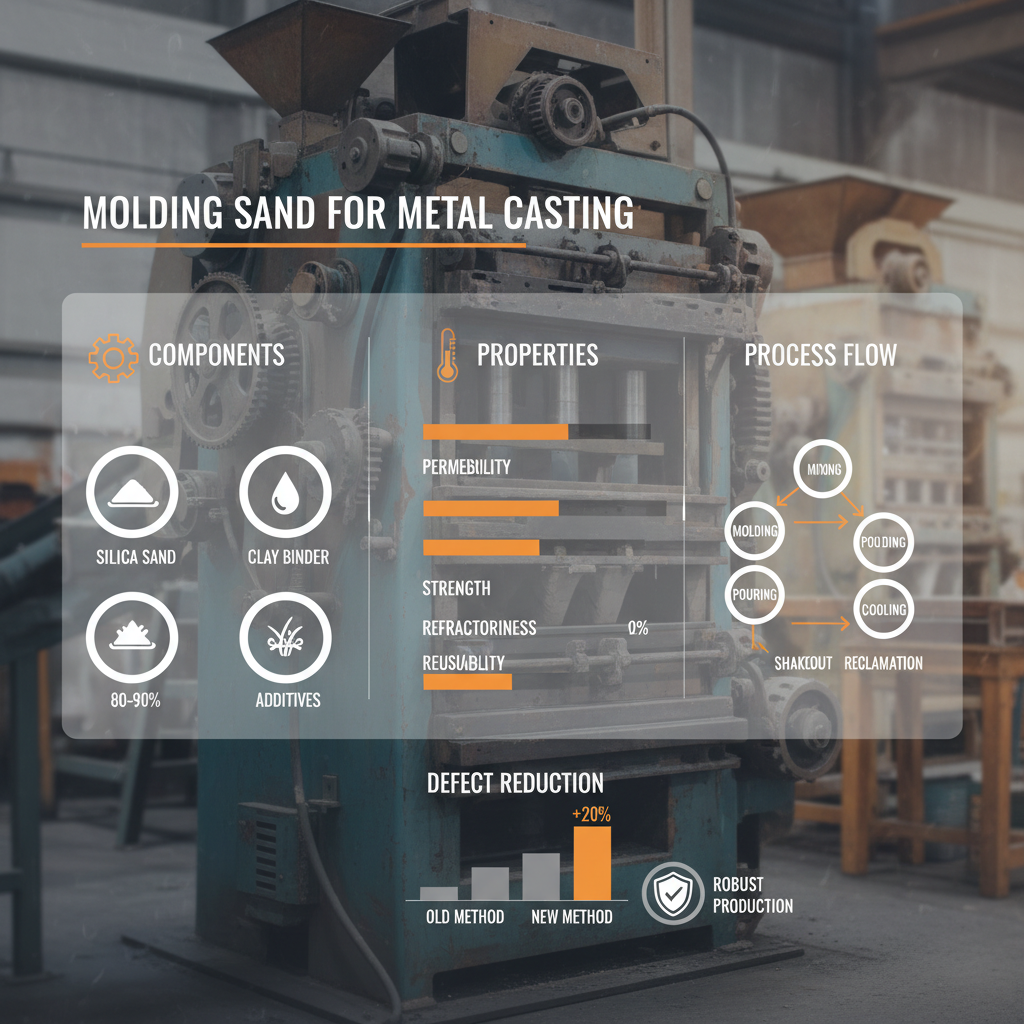
The composition of molding sand for metal casting is arguably its most defining characteristic. Typically, it’s a mixture of silica (SiO2), clay, and additives. Silica provides the bulk of the sand, offering dimensional stability and refractoriness. Clay acts as a binder, imparting cohesiveness and allowing the sand to hold its shape when compacted.

The precise ratio of these components, along with the addition of materials like bentonite, coal dust, or metal oxides, is carefully controlled to achieve the desired properties for specific casting applications. Different metal types, casting processes, and required surface finishes necessitate variations in the sand’s composition, underscoring the need for tailored sand mixtures. A well-composed sand mixture minimizes defects and maximizes casting integrity.

Global Industry Standards for Molding Sand

Several international standards govern the quality and performance of molding sand for metal casting, ensuring consistency and reliability across the industry. Organizations like the American Foundry Society (AFS) and the International Organization for Standardization (ISO) publish comprehensive guidelines and testing procedures. These standards cover a wide range of parameters, including grain size distribution, clay content, permeability, strength, and moisture content.

Adhering to these standards is crucial for maintaining product quality, reducing scrap rates, and complying with regulatory requirements. Foundries often implement rigorous quality control programs to monitor these parameters throughout the sand preparation and casting process. Regular testing and analysis help identify potential issues and ensure that the sand consistently meets the specified criteria.

Furthermore, consistent application of these standards facilitates international trade and collaboration, allowing foundries worldwide to utilize and exchange molding sand materials with confidence. The AFS Clay Mineralogy test is a particularly important benchmark.

Key Properties of Effective Molding Sand

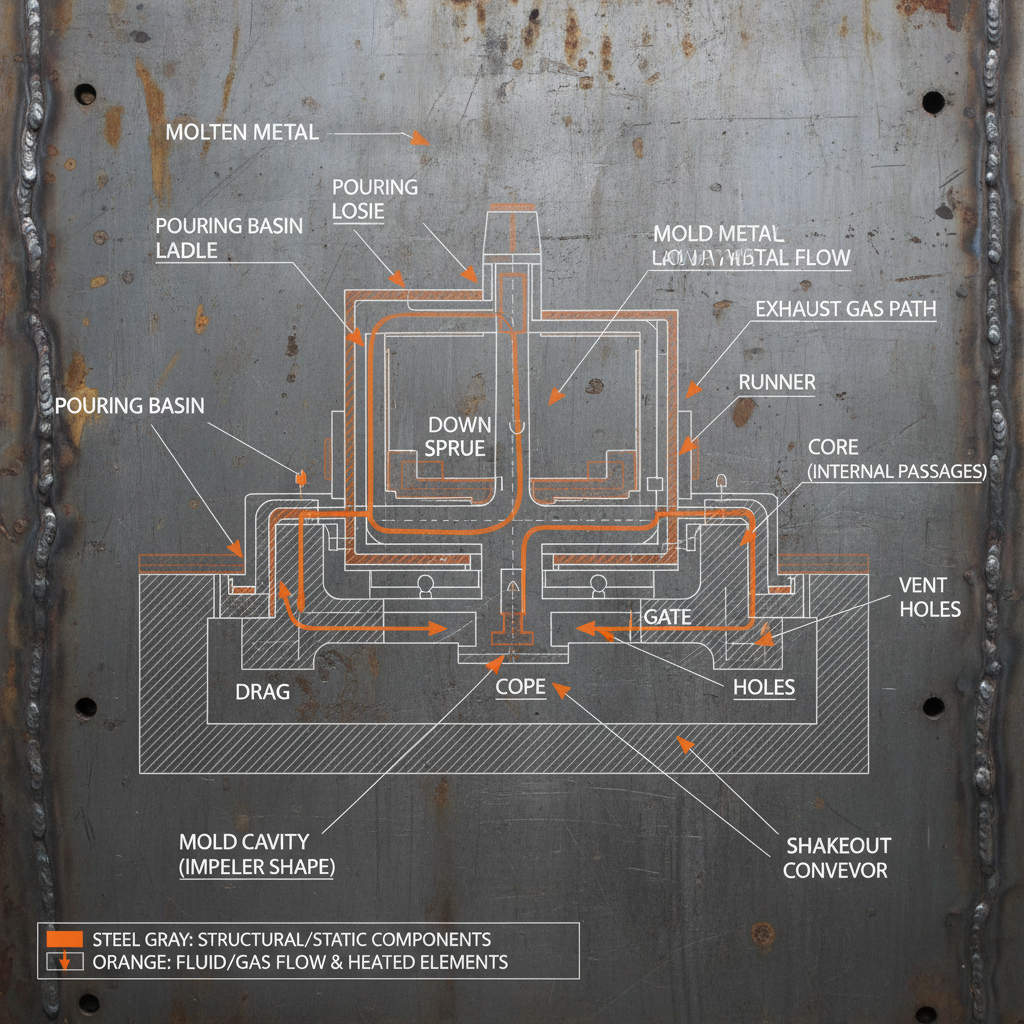
Effective molding sand must possess several key properties to perform optimally. Permeability, the sand’s ability to allow gases to escape during casting, is paramount to prevent defects like gas porosity. Sufficient strength is needed to maintain the shape of the mold cavity during the pouring of molten metal, resisting deformation and erosion.

Thermal stability, or refractoriness, is another vital characteristic, preventing the sand from melting or reacting with the molten metal. Additionally, the sand must exhibit adequate flowability for easy packing and compaction, and it should be resistant to abrasion to minimize particle breakdown and maintain its consistency. The grain shape and distribution are also significant factors affecting permeability and surface finish.

Optimizing these properties often involves a careful balance of sand composition and the use of appropriate additives. Foundries invest in specialized equipment and expertise to monitor and control these parameters, ensuring consistent performance and minimizing casting defects. The goal is to achieve a sand mixture that’s perfectly suited to the specific requirements of each casting job.

Cost Analysis of Different Molding Sand Types

The cost of molding sand can vary significantly depending on its type and source. Natural sands, sourced from riverbeds or quarries, are generally the most affordable option, but their quality can be inconsistent. Synthetic sands, manufactured from materials like olivine or chromite, offer superior properties but come at a higher price point.

Cost Comparison of Molding Sand Types


Applications Across Industries

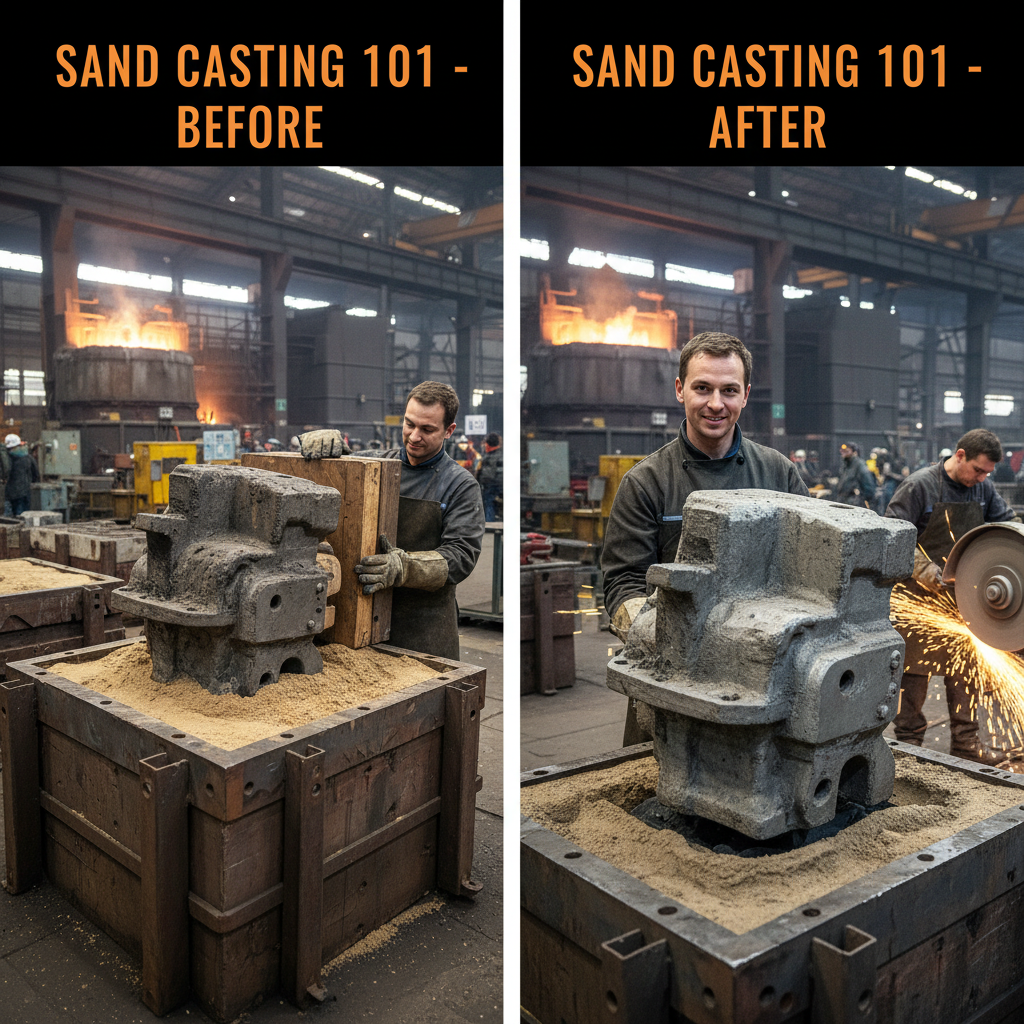
Molding sand for metal casting finds widespread application across numerous industries. The automotive sector utilizes it extensively for producing engine blocks, cylinder heads, and transmission housings. Aerospace relies on it for creating turbine blades, structural components, and landing gear parts.

The construction industry employs castings made with molding sand for pipes, valves, and fittings. Additionally, industries such as energy, agriculture, and machinery manufacturing all depend on the versatile capabilities of metal casting using molding sand. Each application demands specific sand properties, driving continuous innovation in sand technology. You can find more about specific applications at molding sand for metal casting.

Sustainability and Environmental Impact

The environmental impact of molding sand usage is a growing concern. Traditional silica sand mining can disrupt ecosystems and contribute to dust pollution. The disposal of spent sand, often containing residual binders and metal contaminants, also poses environmental challenges.

However, advancements in sand recycling and reclamation technologies are mitigating these issues. Foundries are increasingly adopting closed-loop systems to reuse sand multiple times, reducing waste and minimizing the demand for virgin materials. Research into alternative, sustainable sand materials – such as those derived from industrial byproducts – is also gaining momentum.

Future Trends in Molding Sand Technology

The future of molding sand technology is focused on enhancing performance, reducing environmental impact, and improving process control. Digital sand management systems, utilizing sensors and data analytics, are enabling real-time monitoring and optimization of sand properties. 3D printing of sand molds and cores is gaining traction, offering greater design flexibility and reduced lead times.

The development of novel binder systems, utilizing bio-based or low-VOC materials, is also a key area of research. These innovations promise to create a more sustainable and efficient metal casting industry.

Overview of Molding Sand Challenges and Potential Solutions

Challenge Impact on Casting Potential Solution Implementation Cost (1-10)
Sand Permeability Issues Gas porosity and incomplete filling Optimized sand grain size distribution and additive usage 3
Sand Strength Degradation Mold collapse during pouring Enhanced binder systems and compaction control 5
Sand Reclamation Challenges High waste generation and disposal costs Advanced sand recycling technologies and closed-loop systems 7
Variability in Natural Sand Quality Inconsistent casting results and increased scrap rates Switching to synthetic sands or implementing rigorous quality control 6
Environmental Impact of Silica Mining Ecosystem disruption and dust pollution Utilizing alternative sand materials and responsible mining practices 4
Lack of Skilled Personnel Inefficient sand management and increased defects Investing in training programs and knowledge transfer 2

FAQS

What are the primary factors influencing the selection of molding sand for a specific metal casting application?

Selecting the appropriate molding sand involves considering several key factors, including the type of metal being cast, the complexity of the casting geometry, the desired surface finish, and the casting process employed. Different metals require sands with varying levels of refractoriness and permeability. Intricate designs necessitate sands with excellent flowability and compaction properties. Finally, the choice must balance cost-effectiveness with performance requirements.

How can foundries effectively manage and recycle spent molding sand to minimize environmental impact?

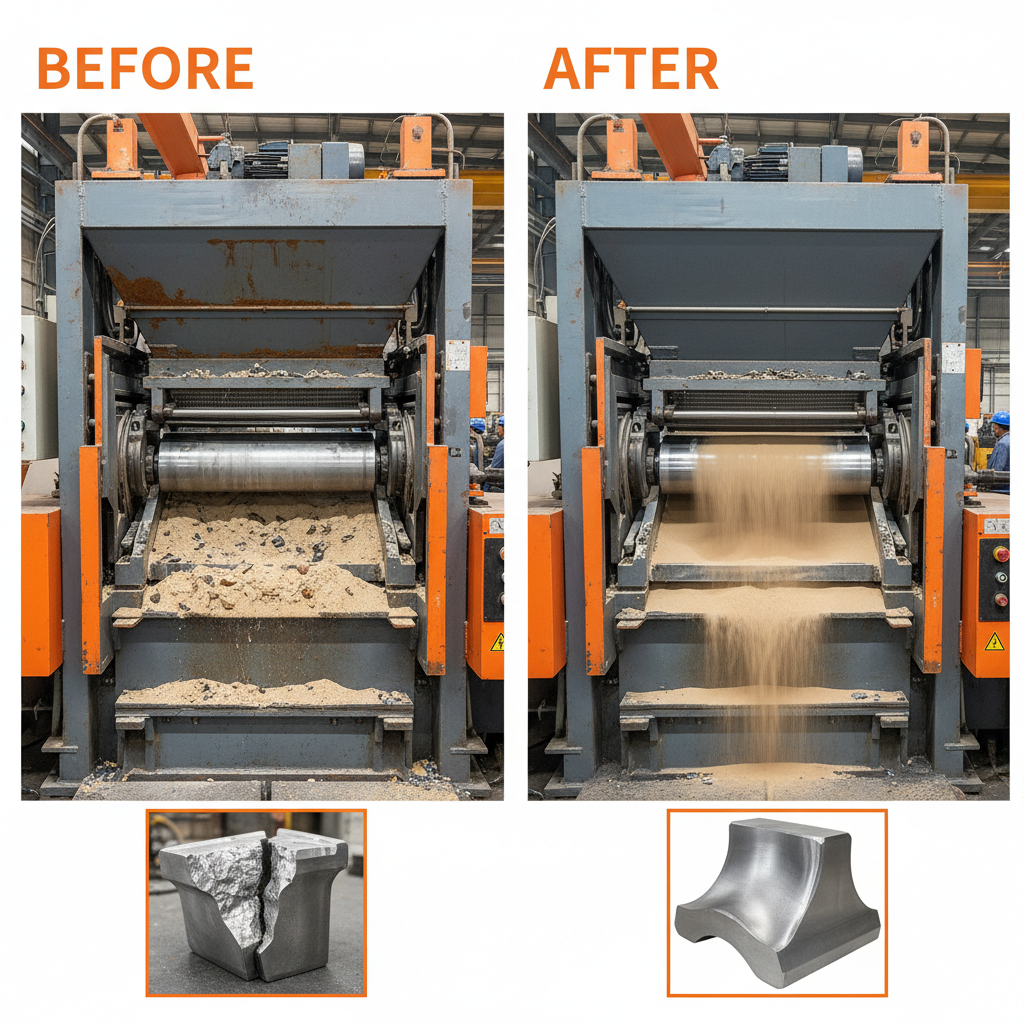
Foundries can significantly reduce their environmental footprint by implementing robust sand recycling programs. This includes mechanical reclamation processes like screening and attrition to remove impurities and restore grain shape. Thermal reclamation, involving burning off organic binders, is also employed. Closed-loop systems that reuse sand multiple times are becoming increasingly common. Proper handling and disposal of residual waste materials are crucial components of a sustainable sand management strategy.

What are the benefits of using synthetic molding sands compared to natural silica sands?

Synthetic molding sands, such as those made from olivine or chromite, offer several advantages over natural silica sands. They exhibit higher thermal stability, reducing the risk of thermal expansion defects. Their uniform grain size distribution and shape contribute to improved permeability and surface finish. While generally more expensive, the enhanced performance and reduced defect rates can often justify the higher initial cost.

How does moisture content affect the performance of molding sand?

Moisture content plays a critical role in the performance of molding sand. Optimal moisture levels are essential for achieving adequate sand strength and plasticity. Too little moisture results in weak molds prone to collapse, while excessive moisture can reduce permeability and cause casting defects. Maintaining precise moisture control through proper sand conditioning and monitoring is therefore crucial for consistent casting quality.

What role do additives play in modifying the properties of molding sand?

Additives are used to tailor the properties of molding sand to specific casting requirements. Bentonite clay enhances green strength, coal dust improves collapsibility, and metal oxides can influence surface finish. Carefully selected additives can improve permeability, reduce hot tearing, and enhance the overall quality of the casting. The amount and type of additive used must be precisely controlled to achieve the desired effects.

What are the emerging technologies impacting the future of molding sand for metal casting?

Several emerging technologies are poised to revolutionize the field of molding sand. Digital sand management systems, leveraging sensors and data analytics, provide real-time monitoring and optimization. 3D printing of sand molds and cores allows for greater design freedom. The development of sustainable binder systems and the utilization of alternative sand materials are also driving innovation. These technologies promise to enhance efficiency, reduce costs, and minimize the environmental impact of metal casting.

Conclusion

In conclusion, molding sand for metal casting is a vital component in a vast array of manufacturing processes. Its composition, properties, and effective management are critical for producing high-quality castings, minimizing waste, and ensuring environmental sustainability. Understanding the global standards, emerging trends, and potential challenges associated with molding sand is essential for foundries seeking to remain competitive and innovative.

The future of this field lies in embracing advanced technologies, adopting sustainable practices, and investing in skilled personnel. By continuously improving our understanding and utilization of molding sand, we can unlock new possibilities in metal casting and contribute to a more efficient and environmentally responsible manufacturing industry. Learn more about our molding sand solutions and how we can help your foundry at www.sinoceramsite.com.

Robert Thompson

Robert Thompson

Robert Thompson serves as the R&D Manager at Shenghuo New Material Technology. Holding a PhD in Materials Science from MIT, Robert is responsible for driving innovation and new product development within the company. He oversees a team of experts dedicated to exploring new applications for sintered ceramic sand and improving
Previous Exploring the Versatility and Advantages of Custom Sand Casting Processes
Next Exploring the Foundations and Future of Large Sand Casting Manufacturing
Leave Your Message

If you are interested in our products, you can choose to leave your information here, and we will be in touch with you shortly.