Sand cast iron. Sounds simple, right? But after years spent walking construction sites, breathing in the dust, and talking to the folks who actually build things, I can tell you it’s anything but. It’s the backbone of so much infrastructure, a silent workhorse that keeps things running. It’s not flashy, doesn’t get the headlines like new composites, but it’s reliable, adaptable, and frankly, still the best solution for a huge range of applications. From critical components in heavy machinery to the pipes delivering your water, sand cast iron is there, quietly doing its job.
What's often overlooked is just how versatile it is. You see a lot of talk about high-tech materials, but sand casting allows for incredibly complex geometries and relatively small production runs, which is critical for specialized parts. It’s a process that’s been refined over centuries, and the result is a material with a unique combination of strength, wear resistance, and machinability. I’ve seen it used in situations where other materials simply wouldn’t cut it, especially when dealing with abrasive environments or high impact forces.
And frankly, it's a cost-effective solution. We’re always battling budgets on job sites, and while there's a place for exotic materials, sand cast iron offers a sweet spot between performance and price. It's a material that’s been proven time and time again, and that gives everyone – from the engineers signing off on the designs to the welders putting it all together – a lot of peace of mind.
The Importance of Sand Cast Iron in Modern Industry
Globally, the demand for sand cast iron remains substantial, driven by the continued need for durable, cost-effective components in industries like automotive, construction, and energy. According to a report by the World Bureau of Metal Statistics, iron casting production consistently accounts for a significant portion of overall metal casting output. It's a material that's particularly crucial in developing economies where infrastructure is rapidly expanding. sand cast iron isn’t just about legacy applications; it’s continually adapting to meet modern demands.
One of the biggest challenges we face is the pressure to reduce costs without sacrificing quality. Sand casting excels here. It’s a versatile process that allows us to create complex parts without the exorbitant tooling costs associated with other methods. I’ve seen projects saved – and I mean saved – because sand casting allowed us to iterate on designs and produce components within budget. That flexibility is invaluable on a fast-paced construction site.
Defining Sand Cast Iron: A Historical and Practical Perspective
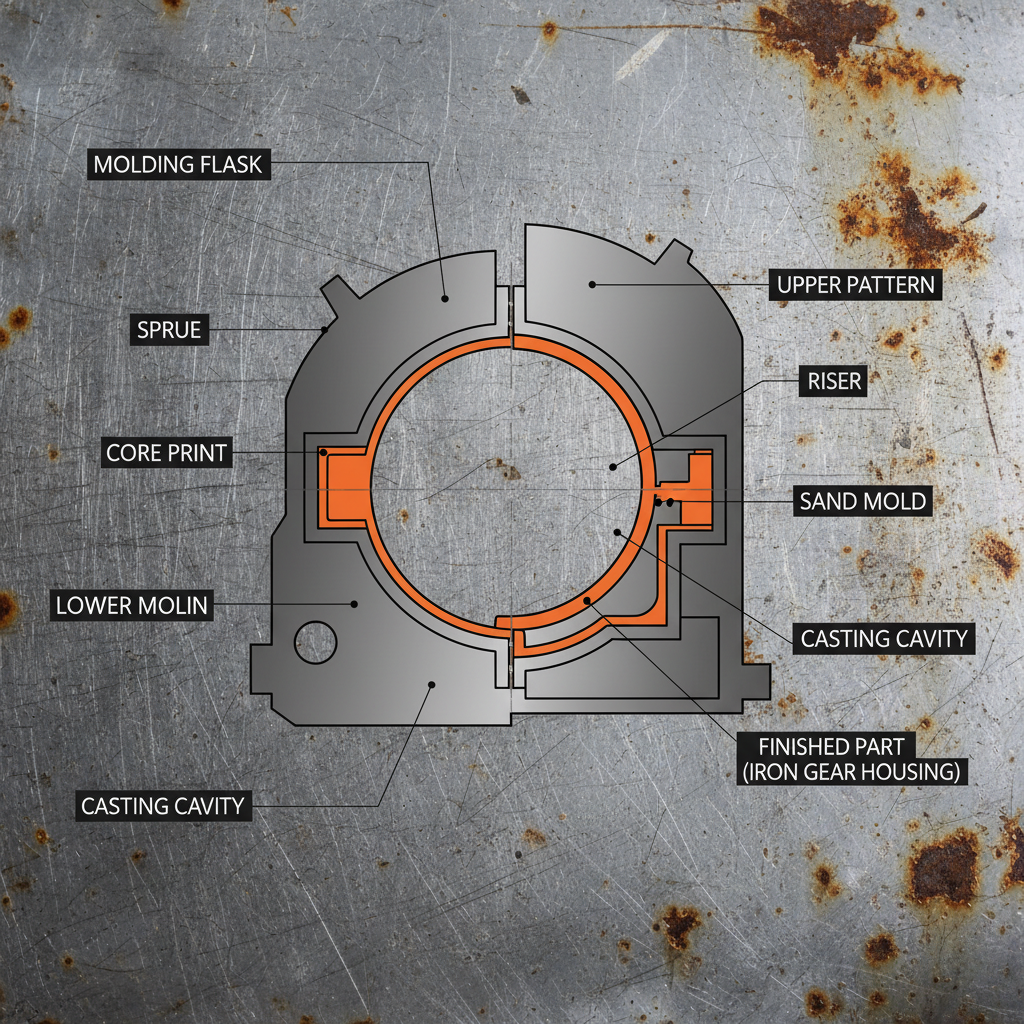
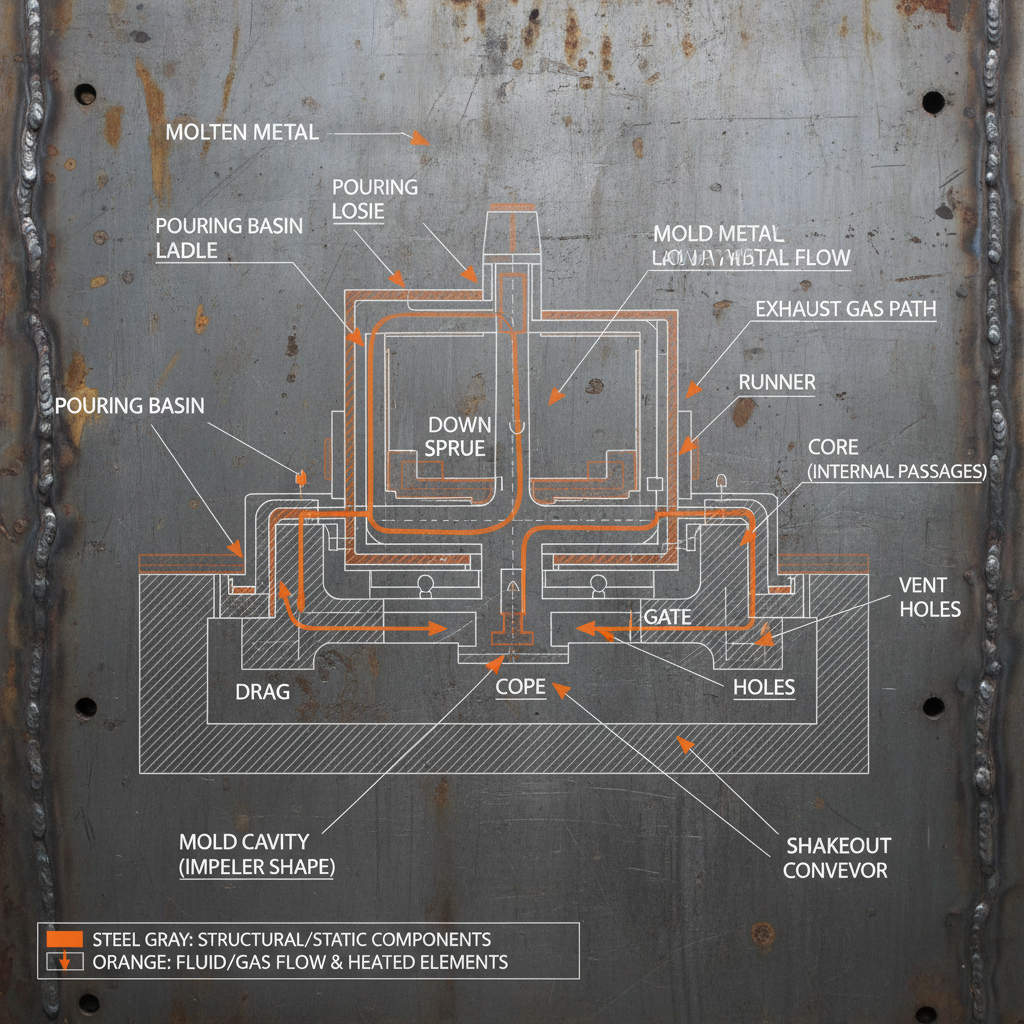
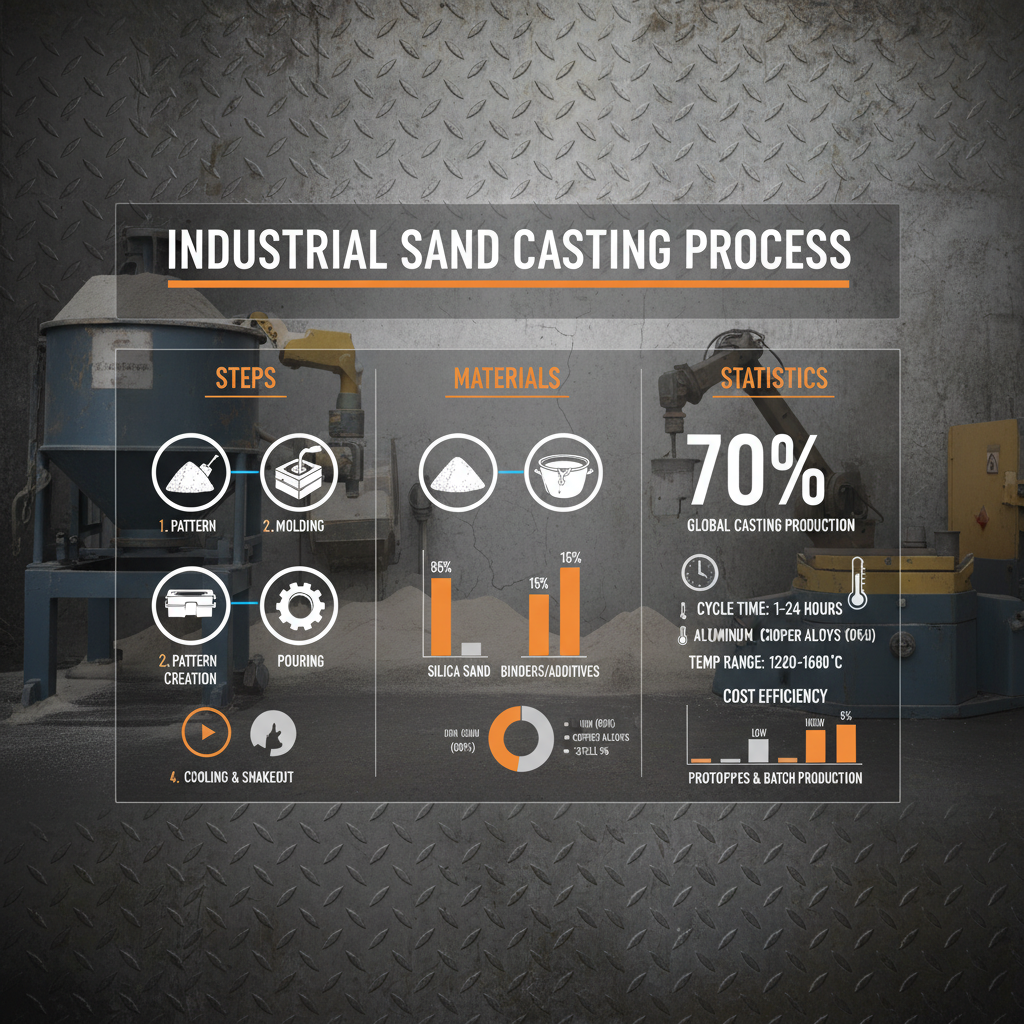
Sand cast iron, at its core, is an iron alloy cast using sand as the mold material. It's one of the oldest known metal casting processes, dating back thousands of years. But don't let the age fool you – it's far from obsolete. It involves packing sand around a pattern (a replica of the desired part), removing the pattern, and then pouring molten iron into the resulting cavity. It’s a relatively simple process, but achieving consistent quality requires skilled craftsmen and careful control of the sand mixture and pouring temperatures.
In today's world, this process translates to creating everything from engine blocks and pump housings to manhole covers and machine tool beds. It’s a workhorse material that supports a huge number of critical systems. It’s also incredibly adaptable – alloying elements can be added to the iron to modify its properties, making it suitable for a wide range of applications, from high-strength components to those requiring excellent wear resistance.
The connection to modern needs is straightforward: affordability, reliability, and versatility. While high-tech materials grab the headlines, sand cast iron remains a foundational material for countless industries, providing a cost-effective and robust solution for demanding applications.
Core Characteristics of Sand Cast Iron
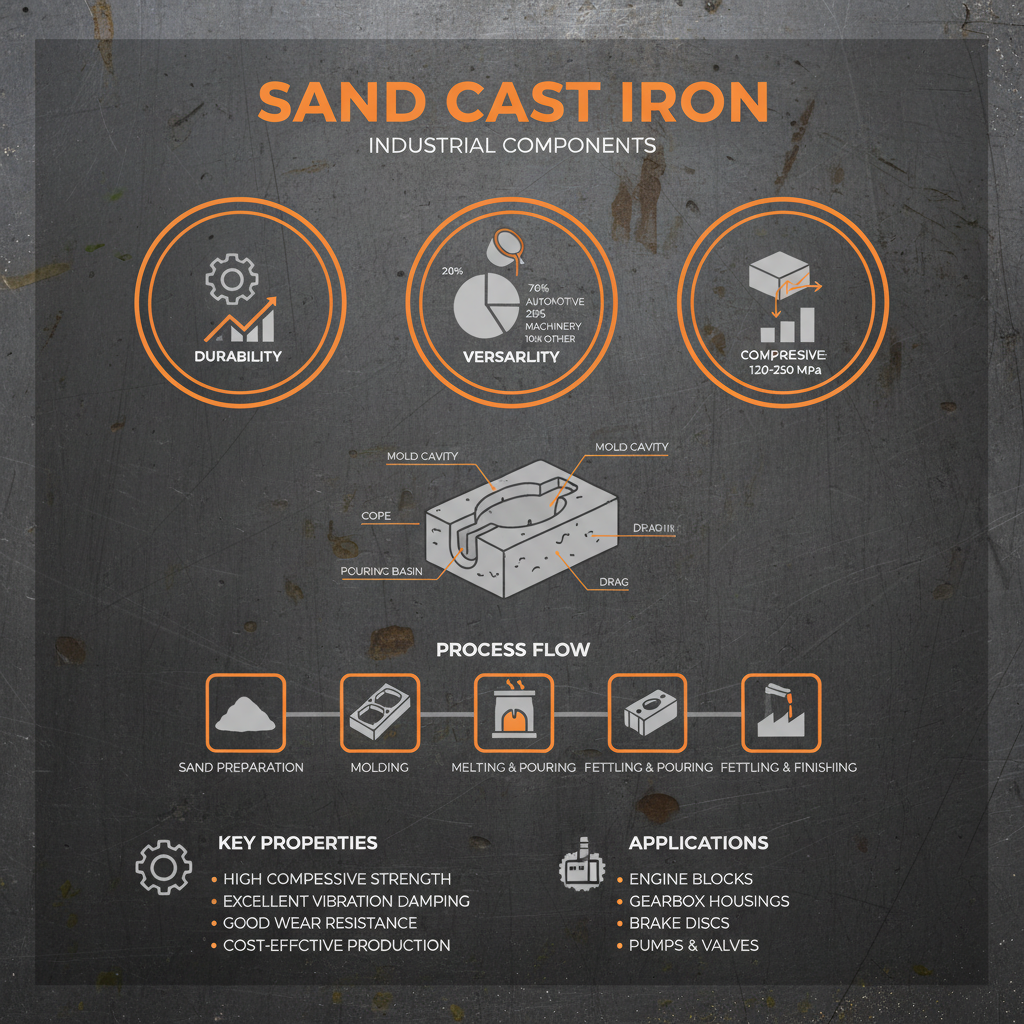
Durability is arguably the hallmark of sand cast iron. It has excellent compressive strength and can withstand significant wear and tear. I’ve seen pieces in service for decades that still perform flawlessly. This is particularly important in applications where components are subjected to heavy loads, abrasion, or impact.
Machinability is another key benefit. Sand cast iron is relatively easy to machine, drill, and tap, making it straightforward to create precise features and modify components as needed. This saves time and money in the fabrication process – something that’s always appreciated on a tight schedule. It’s not like trying to work with some of the hardened alloys; this stuff actually behaves.
Cost-effectiveness is a huge factor. Compared to other casting methods like investment casting or die casting, sand casting generally has lower tooling costs, making it ideal for small to medium production runs. This allows for greater flexibility in design and production, and keeps overall project costs manageable.
Key Applications of Sand Cast Iron Across Industries
You find sand cast iron everywhere. In the automotive industry, it’s used for engine blocks, cylinder heads, and brake rotors. In the construction sector, it forms the basis for pipe fittings, valves, and heavy-duty machinery components. sand cast iron is also critical in the energy sector, appearing in pump housings, turbine components, and wind energy equipment.
In post-disaster relief operations, sand cast iron pipes provide a robust and reliable water supply infrastructure. In remote industrial zones, the durability and relatively simple manufacturing process make it a preferred material for critical components. It’s a material that can withstand harsh environments and keep essential systems running.
Comparison of Sand Cast Iron Alloys
Advantages and Long-Term Value Proposition
The tangible benefits of using sand cast iron are numerous: reduced manufacturing costs, increased design flexibility, and improved component durability. But beyond the numbers, there's a sense of reliability that comes with it. Engineers and fabricators trust this material, and that trust translates to safer, more robust structures.
From a sustainability perspective, sand cast iron is highly recyclable, contributing to a circular economy. The long lifespan of components also reduces the need for frequent replacements, minimizing waste and resource consumption. It's a material that can stand the test of time, both literally and figuratively.
Future Trends and Innovations in Sand Cast Iron Technology
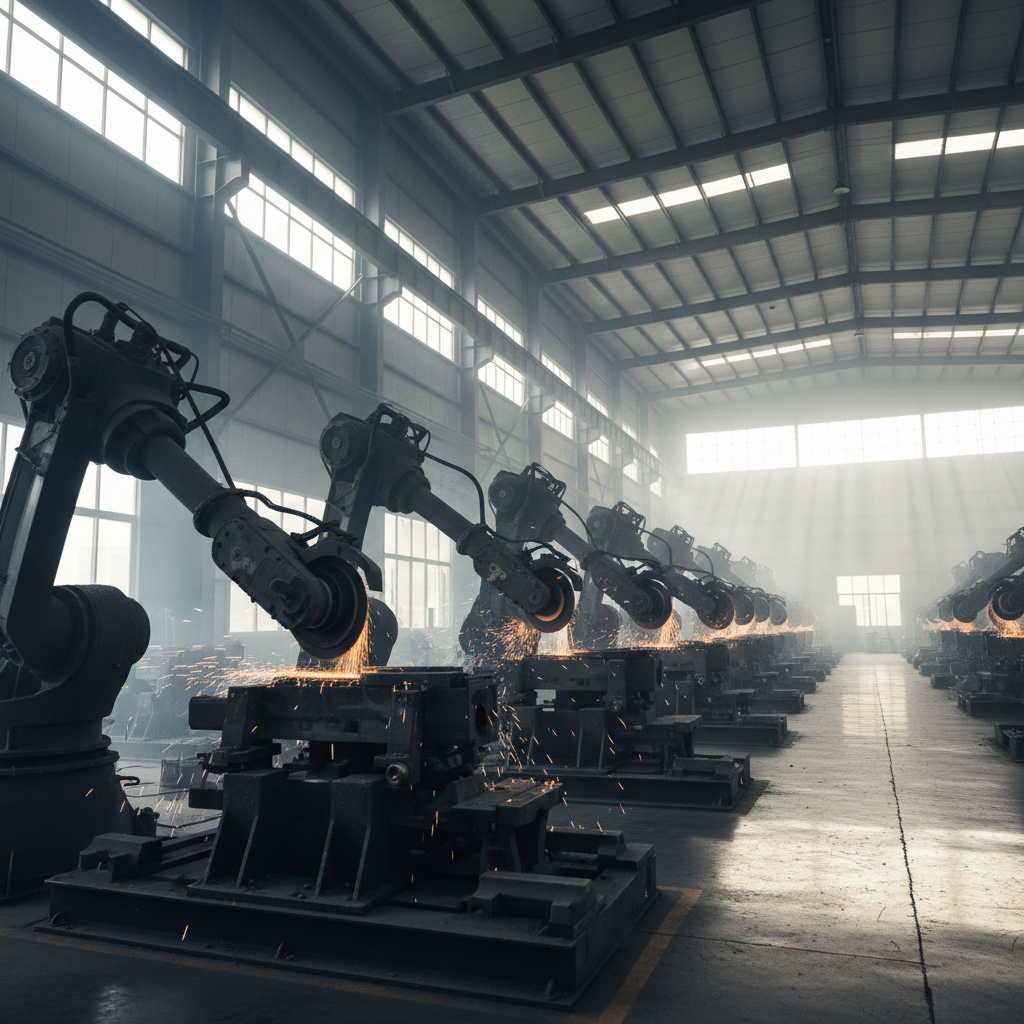
We’re seeing advancements in sand casting techniques, like automated molding and the use of 3D-printed sand molds, which are increasing precision and reducing lead times. Alloying with new materials is also expanding the performance envelope of sand cast iron, creating components with even greater strength and corrosion resistance.
The integration of digital technologies – like real-time monitoring of pouring temperatures and sand composition – is helping to optimize the casting process and improve quality control. These innovations are ensuring that sand cast iron remains a relevant and competitive material in the years to come.
There's also a growing focus on sustainable sand casting practices, including the use of recycled sand and the development of more environmentally friendly binders.
Challenges and Solutions in Sand Cast Iron Production
One of the biggest challenges is maintaining consistent sand quality. Variations in sand composition can lead to defects in the castings. The solution? Implementing rigorous quality control procedures and investing in advanced sand testing equipment.
Another challenge is reducing energy consumption during the melting and pouring process. Optimizing furnace efficiency and exploring alternative heating methods can help minimize environmental impact and lower production costs. sand cast iron production can also benefit from advanced simulation software to optimize mold design and minimize defects.
Finally, attracting and retaining skilled labor is crucial. Investing in training programs and apprenticeships can help ensure that the next generation of foundry workers has the expertise needed to produce high-quality sand castings.
Summary of Challenges and Solutions in Sand Cast Iron Production
| Challenge |
Impact on Production |
Proposed Solution |
Expected Outcome |
| Inconsistent Sand Quality |
Increased Defect Rate |
Rigorous Sand Testing & Quality Control |
Reduced Defects, Improved Consistency |
| High Energy Consumption |
Increased Production Costs |
Furnace Optimization & Alternative Heating |
Lower Costs, Reduced Environmental Impact |
| Complex Geometry Casting |
Design Limitations |
3D-Printed Sand Molds |
Increased Design Freedom |
| Porosity Issues |
Weakened Component Strength |
Controlled Pouring & Degassing Techniques |
Enhanced Component Integrity |
| Skilled Labor Shortage |
Difficulty Maintaining Quality |
Apprenticeship Programs & Training |
Qualified Workforce, Consistent Quality |
| Limited Automation |
Increased Labor Costs |
Robotic Molding & Core Making |
Reduced Labor, Increased Efficiency |
FAQS
Sand casting offers a unique blend of advantages. Its lower tooling costs make it ideal for smaller production runs and design flexibility. While other methods like die casting offer higher precision, sand casting handles larger parts and complex geometries more effectively. It strikes a sweet spot for many applications where cost and versatility are paramount. It’s a proven process with a long track record.
The composition of the sand is critical. The grain size, shape, and mineralogy all play a role. Too coarse, and you’ll get a rough surface finish. Too fine, and it restricts gas permeability. The type of binder used to hold the sand together also matters. We carefully monitor and control these factors to minimize defects and ensure consistent quality. It's not just "sand" - it's a carefully engineered material in itself.
A wide range of alloys can be used with sand casting, from simple carbon steels to more complex alloys containing nickel, chromium, and molybdenum. Adding these elements allows us to tailor the properties of the casting to meet specific requirements. For example, adding nickel and chromium increases corrosion resistance, while adding molybdenum enhances strength and toughness. Choosing the right alloy is key to achieving the desired performance.
Common defects include porosity (small holes within the casting), misruns (incomplete filling of the mold), and cold shuts (where two streams of molten metal don’t fuse properly). These can be prevented through careful control of pouring temperature, mold design, and sand quality. Proper venting is also crucial to allow gases to escape during the pouring process. Prevention is always better – and cheaper – than trying to fix defects later.
Sand cast iron is inherently sustainable due to its high recyclability. Iron and steel are among the most recycled materials in the world. Furthermore, efforts are underway to use recycled sand in molding, reducing the demand for virgin materials. Reducing energy consumption during the melting process and using more environmentally friendly binders are also key areas of focus. It’s a material with a good foundation for sustainability.
Sand cast iron isn’t ideal for applications requiring extremely high tensile strength or ductility. It also doesn't perform as well as some other materials in highly corrosive environments. In those cases, materials like steel alloys or composites might be more suitable. However, for many applications where strength, durability, and cost-effectiveness are primary concerns, sand cast iron remains a compelling choice. It's about choosing the right tool for the job.
Conclusion
Sand cast iron remains a cornerstone of modern industry, providing a robust, cost-effective, and versatile solution for a vast range of applications. Despite the emergence of newer materials, its unique combination of properties ensures its continued relevance. From its historical roots to its ongoing innovation, sand cast iron exemplifies the enduring power of well-established manufacturing processes.
Looking ahead, continued investment in sustainable practices and advanced technologies will further enhance the appeal of sand cast iron. By optimizing production processes, embracing digital tools, and focusing on material science, we can unlock even greater potential. To learn more about how sand cast iron can benefit your project, visit our website: www.sinoceramsite.com