0%

Table of Contents

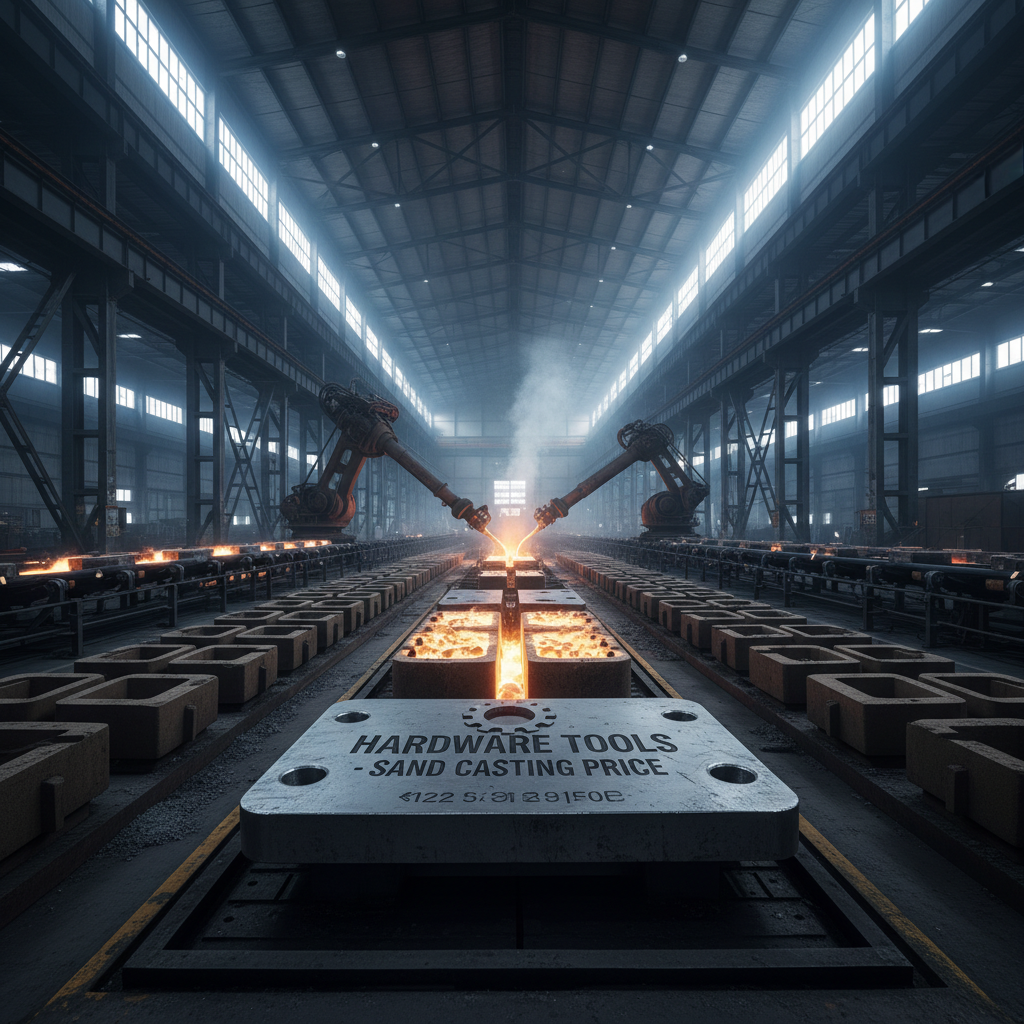
Sand used in sand casting is a cornerstone of modern manufacturing, playing a vital role in creating countless metal components across diverse industries. Its affordability, versatility, and ability to accommodate complex geometries make it the most widely used casting process globally. Understanding the nuances of sand used in sand casting – from sand composition and properties to process control and environmental considerations – is crucial for optimizing production efficiency, ensuring casting quality, and minimizing environmental impact.

The global demand for sand used in sand casting is substantial and continues to grow, driven by the expansion of industries like automotive, aerospace, construction, and energy. According to a report by the World Steel Association, global steel production reached 1.831 billion tonnes in 2022, a significant portion of which relies on sand casting for component manufacturing. This demand presents both opportunities and challenges, prompting innovation in sand reclamation, alternative materials, and sustainable casting practices.

The importance of mastering sand used in sand casting extends beyond industrial applications. Effective sand casting techniques contribute to the economic viability of crucial sectors and facilitate the production of essential goods, ultimately impacting global trade and infrastructure development. Furthermore, advancements in the field directly translate to improved product quality, reduced material waste, and enhanced sustainability in manufacturing processes.
Understanding Sand Used in Sand Casting for Modern Manufacturing Applications

Introduction to Sand Used in Sand Casting

Understanding Sand Used in Sand Casting for Modern Manufacturing Applications

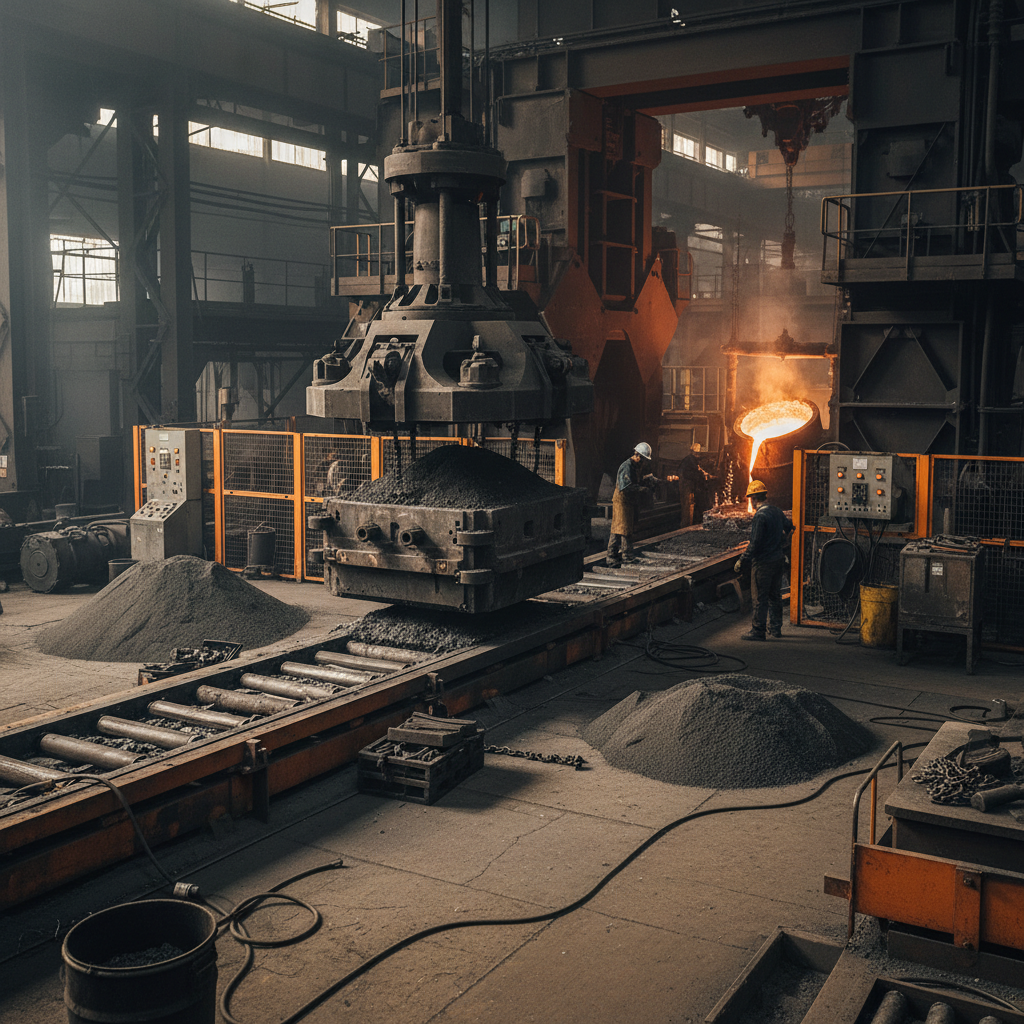
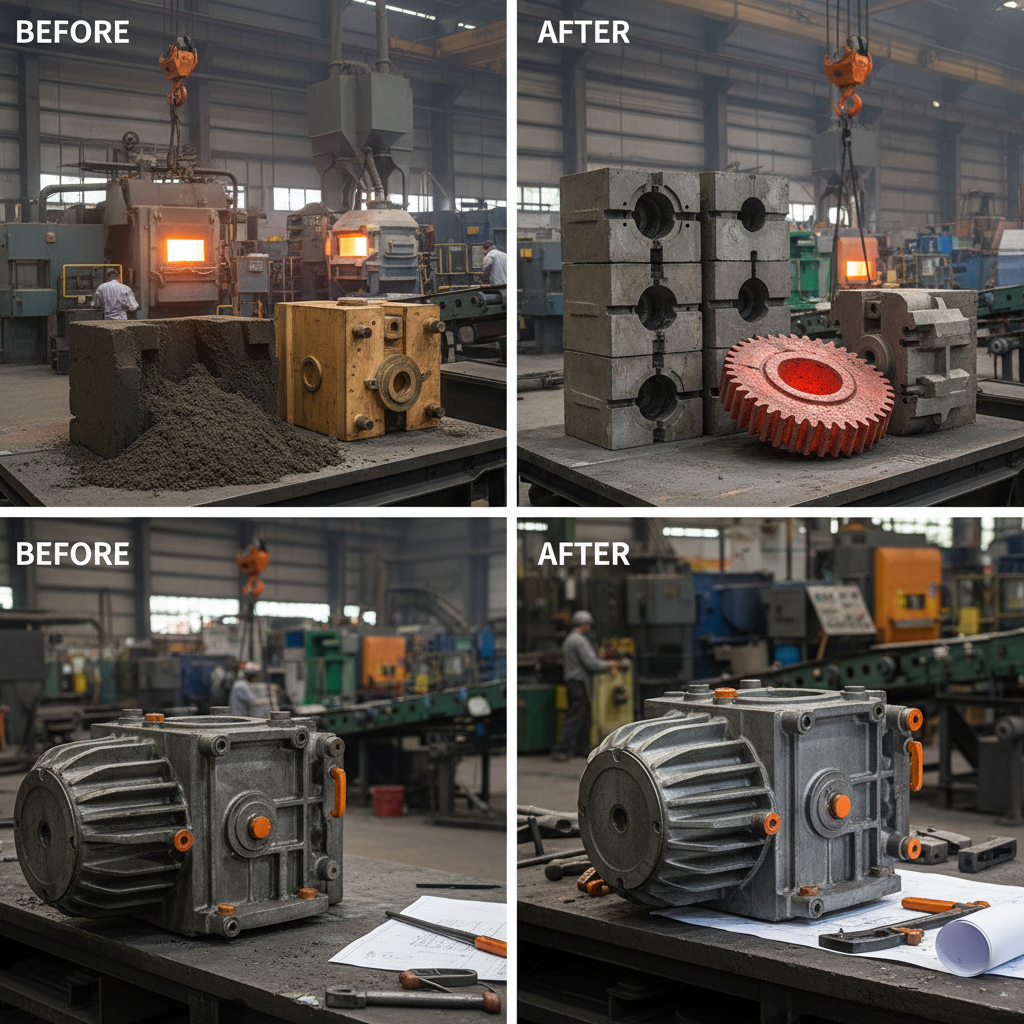
Sand used in sand casting is a fundamental element in a manufacturing process utilized for millennia. It involves creating a mold from a sand mixture, pouring molten metal into the cavity, and allowing it to solidify before breaking the mold to reveal the finished casting. This method is favored for its adaptability to both simple and highly complex designs, accommodating a wide range of metal alloys and production volumes.

The types of sand used in sand casting significantly impact the quality and cost-effectiveness of the final product. While naturally occurring sand can be used, carefully selected and processed sands – including silica sand, olivine sand, and zircon sand – offer improved thermal stability, permeability, and refractoriness, crucial characteristics for successful casting. The right sand selection is thus a key determinant of a foundry's competitiveness.

Defining Sand Used in Sand Casting

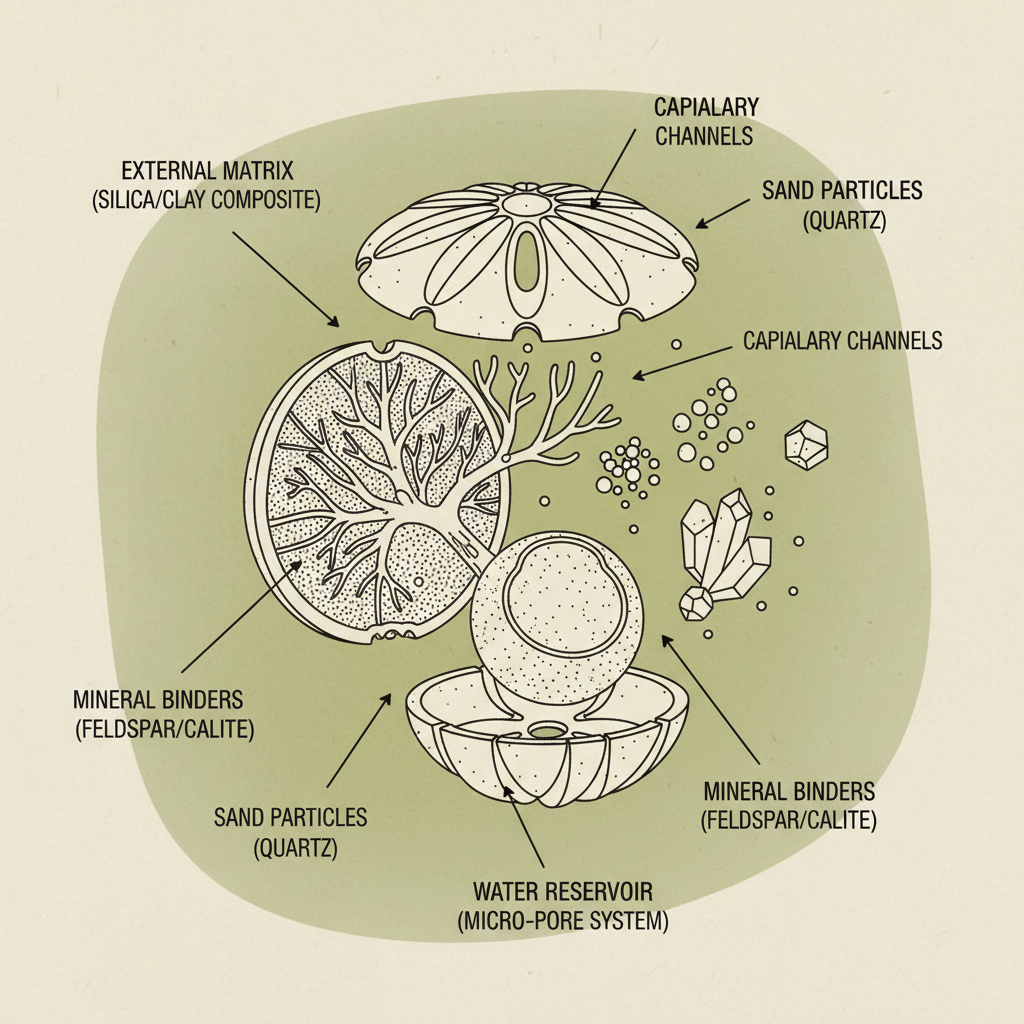
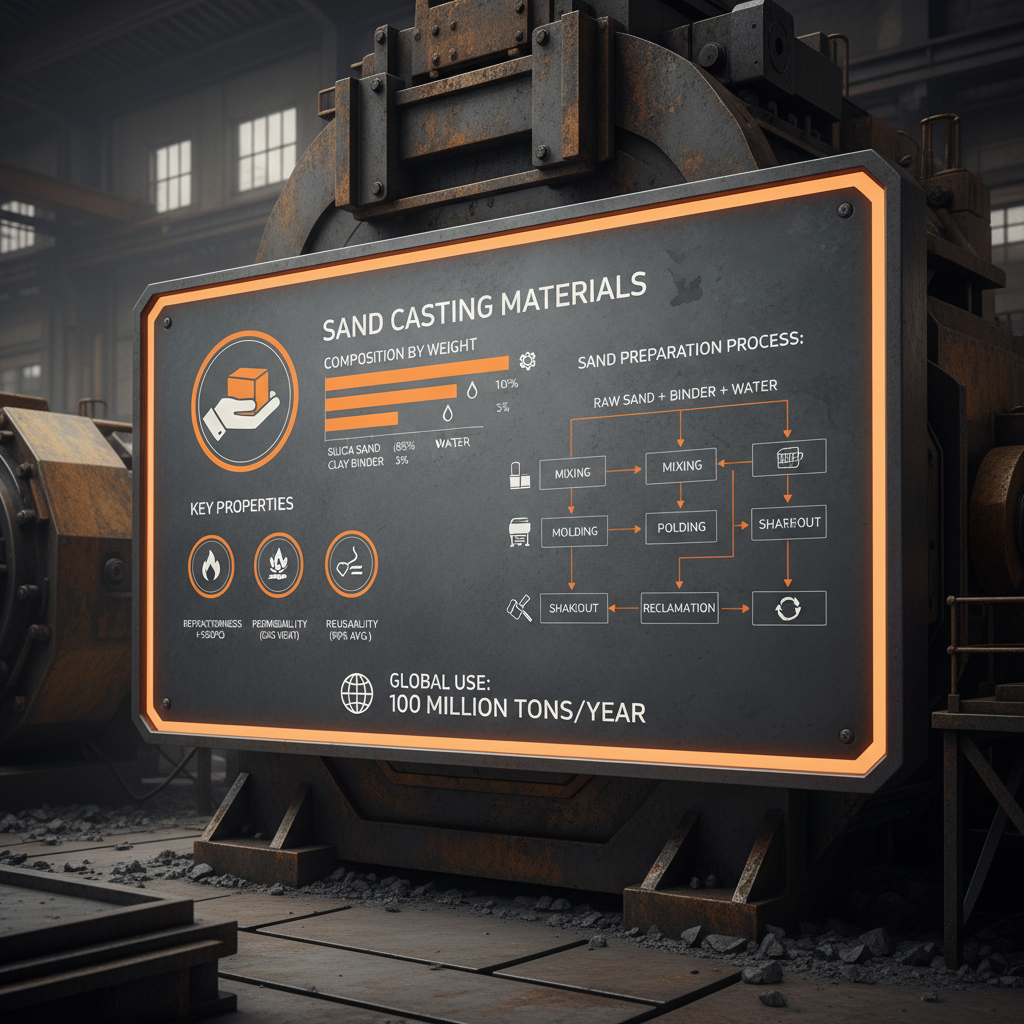
Sand used in sand casting refers to the granular material that forms the primary component of the mold used to shape molten metal. It's not simply beach sand; rather, it’s a meticulously engineered mixture comprised of sand grains, a binder, and sometimes additives. The binder holds the sand grains together, providing the mold with sufficient strength and stability for the casting process.

The composition of this sand mix directly influences the quality of the casting. Key properties like grain size, shape, mineralogy, and thermal stability are carefully controlled. Different binder systems – including clay, resin, and sodium silicate – are employed depending on the metal being cast, the complexity of the design, and the desired production rate.

Understanding the definition of sand used in sand casting connects directly to modern industry by enabling the production of complex and precise metal parts for sectors such as automotive, aerospace, and energy. It’s also linked to humanitarian needs, allowing for the creation of durable and cost-effective components for infrastructure projects in developing nations.

Key Properties of Sand for Sand Casting

Several key properties determine the suitability of sand used in sand casting. Grain Shape is paramount; rounded grains promote better flowability and packing density, while angular grains provide increased green strength (strength before baking). Grain Size impacts surface finish; finer grains yield smoother castings but can reduce permeability.

Refractoriness refers to the sand’s ability to withstand high temperatures without melting or deforming, critical when casting metals with high melting points. Permeability is the sand's ability to allow gases generated during pouring to escape, preventing defects like gas porosity. Finally, Cohesion or bindability impacts mold strength and the ability to hold its shape during metal pouring.

These properties aren’t considered in isolation; they work together to define the overall performance of the sand mix. Foundries meticulously test and adjust the sand composition to optimize these characteristics for specific casting applications, utilizing sophisticated analytical techniques and quality control procedures. sand used in sand casting is often customized to the needs of the specific alloy.

Factors Influencing Sand Selection

The choice of sand used in sand casting is influenced by several factors, including the type of metal being cast, the complexity of the casting design, and the desired production volume. For example, casting aluminum requires sands with lower refractoriness compared to casting steel.

The cost of sand is also a significant consideration. Silica sand is generally the most affordable option, but other sands like zircon or olivine may be necessary for specialized applications demanding higher thermal stability or lower thermal expansion. Furthermore, environmental regulations regarding silica dust exposure are increasingly influencing sand selection, driving demand for alternative, dust-free options.

Sand Used in Sand Casting Properties Comparison


Global Applications of Sand Casting

Sand casting is ubiquitous across industries. In the automotive sector, it’s used to manufacture engine blocks, cylinder heads, and transmission housings. The aerospace industry relies on sand casting for producing complex turbine blades and structural components.

The construction industry utilizes sand-cast parts for valves, pumps, and fittings in plumbing and HVAC systems. In remote industrial zones lacking advanced manufacturing facilities, sand casting provides a cost-effective method for producing essential components for infrastructure and resource extraction. The versatility of sand used in sand casting makes it a foundational process worldwide.

Advantages and Long-Term Value

The advantages of sand casting are numerous. It’s incredibly cost-effective, particularly for low to medium production volumes. Its ability to handle complex geometries without expensive tooling makes it ideal for prototyping and customized parts. Furthermore, sand casting can accommodate a wide variety of metal alloys, including iron, steel, aluminum, and bronze.

The long-term value stems from its reliability and scalability. Sand casting processes can be readily adapted to changing production needs, and the resulting castings offer excellent mechanical properties and dimensional accuracy. Its enduring presence demonstrates its continued relevance in a rapidly evolving manufacturing landscape.

Future Trends in Sand Casting Technology

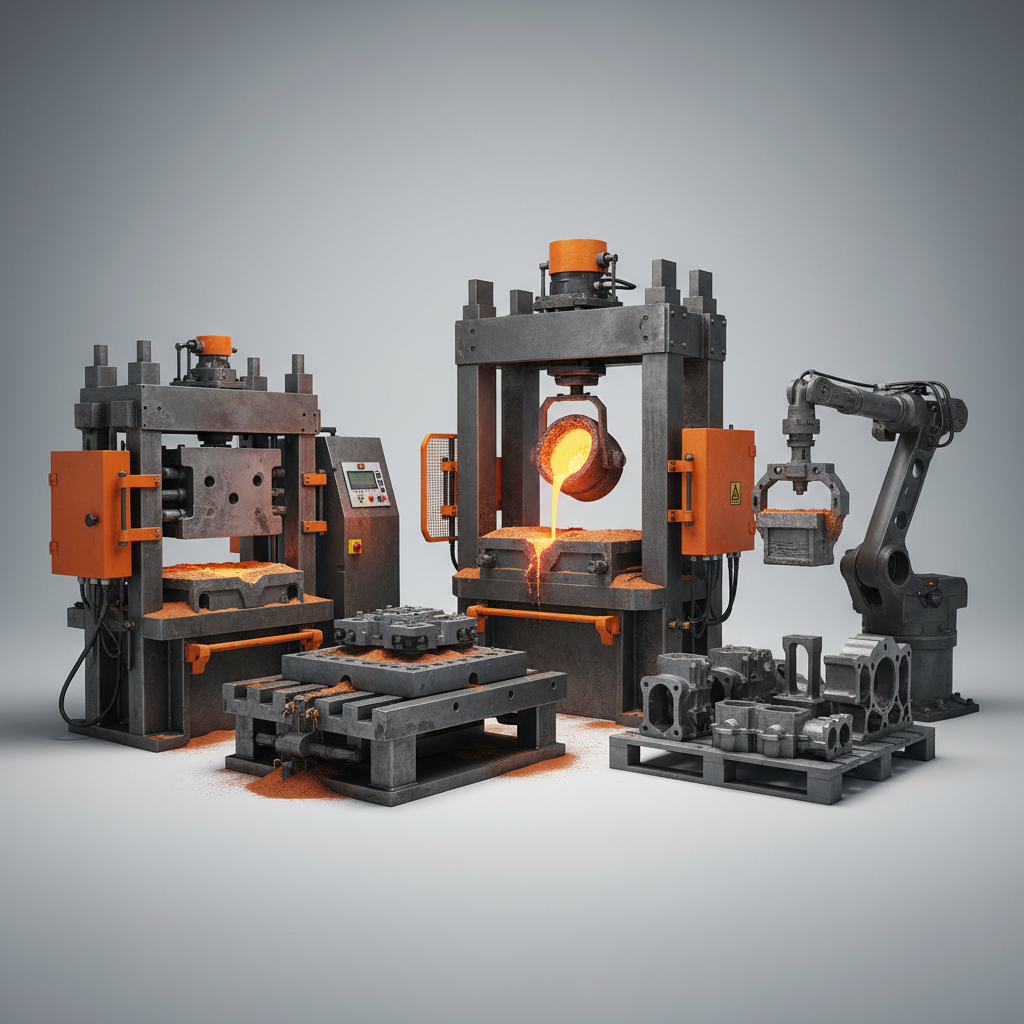
The future of sand used in sand casting is being shaped by several key trends. 3D printing of sand molds (additive manufacturing) is gaining traction, enabling the creation of intricate designs and reduced lead times. Automation and robotics are being integrated into foundries to improve efficiency and reduce labor costs.

Sustainable sand reclamation practices are becoming increasingly important, driven by environmental concerns and resource scarcity. Research into alternative binder systems – utilizing bio-based materials – is also underway, aimed at reducing the environmental impact of sand casting. The integration of digital technologies, such as process monitoring and predictive maintenance, will further enhance efficiency and quality control.

Furthermore, exploring the use of alternative sand materials, like recycled glass or industrial byproducts, offers a pathway to reduce reliance on natural sand resources and promote circular economy principles.

Overview of Sand Reclamation Technologies

Reclamation Technology Capital Cost (1-10) Sand Quality (1-10) Environmental Impact (1-10)
Mechanical Reclamation 6 7 5
Thermal Reclamation 8 9 4
Wet Reclamation 5 8 6
Dry Reclamation 4 6 7
Chemical Reclamation 7 7 3
Vibratory Reclamation 3 5 8

FAQS

What are the main differences between green sand and chemically bonded sand for sand casting?

Green sand uses clay as a binder and requires baking for strength. It's cost-effective for large production runs. Chemically bonded sands use resins or other chemicals, offering higher strength, better dimensional accuracy, and reduced or eliminated baking. However, they are more expensive and can pose environmental challenges due to binder emissions. The choice depends on production volume, casting complexity, and budget constraints related to sand used in sand casting.

How can sand used in sand casting be reclaimed and reused?

Sand reclamation involves removing spent binders and contaminants to restore the sand's properties. Mechanical reclamation uses crushers and screens. Thermal reclamation burns off binders. Wet reclamation employs water-based separation. Proper reclamation reduces sand consumption, lowers waste disposal costs, and minimizes environmental impact. The efficiency of reclamation relies on the type of binder and the effectiveness of the cleaning process.

What are the environmental concerns associated with sand used in sand casting?

Silica sand can pose a respiratory hazard when inhaled as dust. Binder emissions during casting can contribute to air pollution. Waste sand disposal can strain landfill capacity. Sustainable practices, such as dust control, binderless systems, sand reclamation, and responsible waste management, are crucial to mitigate these concerns and promote environmentally friendly sand casting.

How does grain size affect the surface finish of a sand casting?

Finer sand grains generally result in a smoother surface finish on the casting, as they conform better to the mold cavity and create a more detailed impression. However, very fine grains can reduce permeability, leading to gas porosity. A balance must be struck between grain size and permeability to achieve the desired surface finish and casting quality.

What are some alternative sands being explored for sand casting?

Researchers are investigating alternatives to traditional silica sand, including olivine sand, zircon sand, chromite sand, and even recycled materials like crushed glass or foundry sand itself. These alternatives offer advantages such as lower dust generation, higher thermal stability, or reduced environmental impact. The suitability of each alternative depends on the specific casting application.

How does permeability impact the success of sand used in sand casting?

Permeability is vital for allowing gases generated during the metal pouring process to escape from the mold. If gases cannot vent, they can become trapped, leading to porosity and weakened castings. Sand permeability is affected by grain size, grain shape, and binder content. Controlling permeability is crucial for producing defect-free castings.

Conclusion

Sand used in sand casting remains a cornerstone of modern manufacturing, offering a versatile, cost-effective, and adaptable solution for producing metal components across diverse industries. From its foundational role in automotive and aerospace to its applications in infrastructure and remote industrial zones, the process is deeply embedded in the global economy and continues to evolve. Understanding the key properties of sand, the factors influencing its selection, and the latest advancements in reclamation and sustainable practices is vital for optimizing casting processes and minimizing environmental impact.

Looking ahead, innovations in 3D printing, automation, and alternative sand materials promise to further enhance the efficiency, precision, and sustainability of sand casting. Embracing these trends will not only improve the competitiveness of foundries but also contribute to a more responsible and circular manufacturing ecosystem. Visit our website at www.sinoceramsite.com to learn more about our sand casting solutions.

David Miller

David Miller

David Miller is a Senior Materials Engineer at Shenghuo New Material Technology Co., Ltd., specializing in sintered ceramic sand applications. With a background in metallurgical engineering from Purdue University, David has over 15 years of experience in the foundry industry. He leads the team focused on optimizing sand properties for
Previous The Critical Role of Sand for Casting in Modern Manufacturing Processes
Next Understanding Sand Used for Sand Casting and its Global Manufacturing Impact
Leave Your Message

If you are interested in our products, you can choose to leave your information here, and we will be in touch with you shortly.