Understanding the fundamentals of sand casting 101 is essential for anyone entering the world of metallurgy and industrial manufacturing. This timeless process, which involves pouring molten metal into a mold made of compressed sand, remains the backbone of heavy industry due to its incredible versatility and cost-effectiveness. From engine blocks to complex artistic sculptures, the ability to shape metal using sand provides a scalable solution for both prototyping and mass production.
In a global economy driven by rapid infrastructure development and automotive innovation, the principles of sand casting 101 ensure that engineers can produce large-scale components that would be impossible or prohibitively expensive to machine from solid billets. By mastering the chemistry of the sand binders and the thermodynamics of metal cooling, manufacturers can optimize strength, reduce waste, and improve the overall lifecycle of the final product.
Whether you are a student of materials science or a procurement manager for an industrial plant, grasping these basics allows you to make informed decisions about material selection and quality control. This guide serves as a comprehensive introduction, bridging the gap between ancient craftsmanship and modern precision engineering, ensuring that the legacy of sand casting continues to evolve alongside 21st-century technology.
Global Relevance of Sand Casting 101
On a global scale, the principles found in sand casting 101 are indispensable for the automotive, aerospace, and construction sectors. According to industrial data aligned with ISO standards, sand casting remains the most widely used casting process globally because it can handle virtually any alloy and create parts of almost any size. In emerging economies, this process is the primary driver for localizing the production of heavy machinery and agricultural equipment.
However, the industry faces a critical challenge: the need to balance traditional reliability with modern environmental regulations. As global mandates for carbon neutrality intensify, the "old way" of casting must integrate with new, sustainable binders and recycled ceramic sands. Understanding the baseline of sand casting allows companies to transition toward "Green Foundries" without sacrificing the structural integrity of their components.
Defining the Core of Sand Casting 101
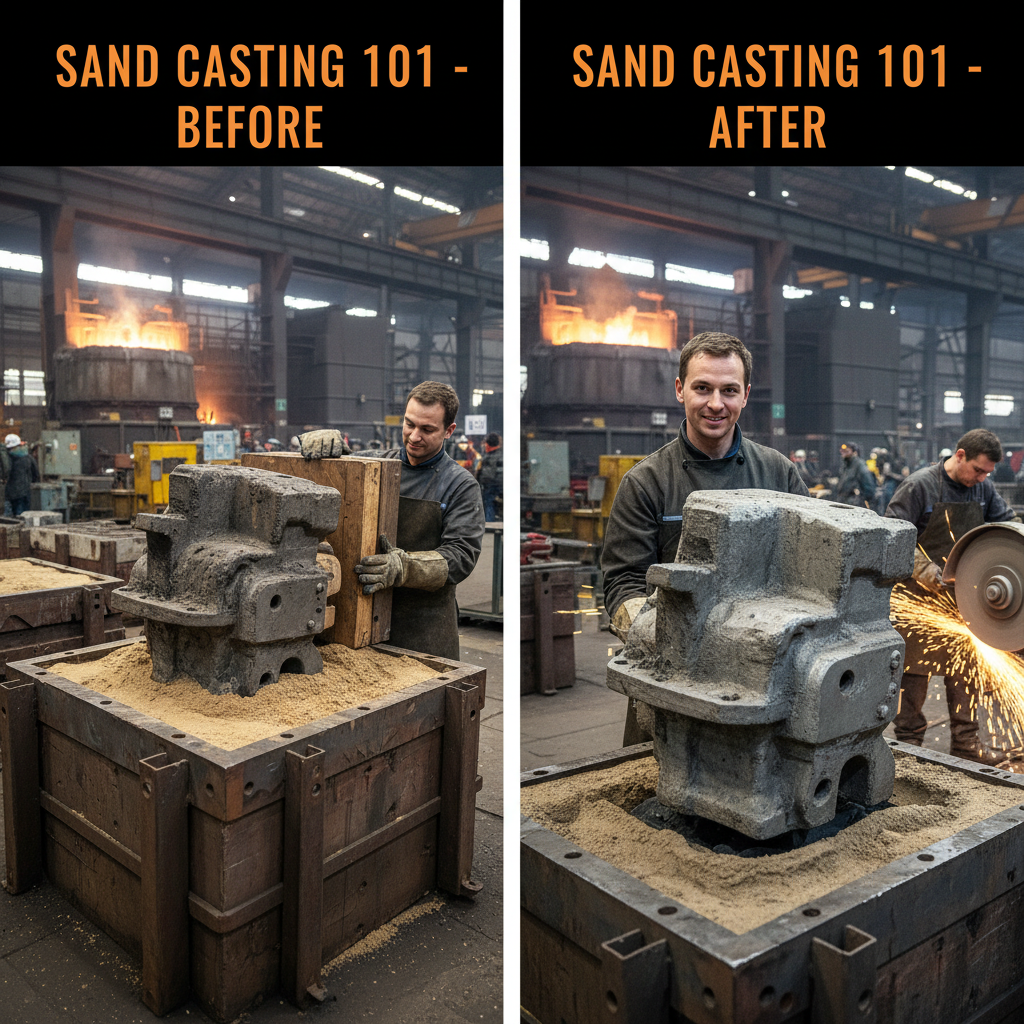
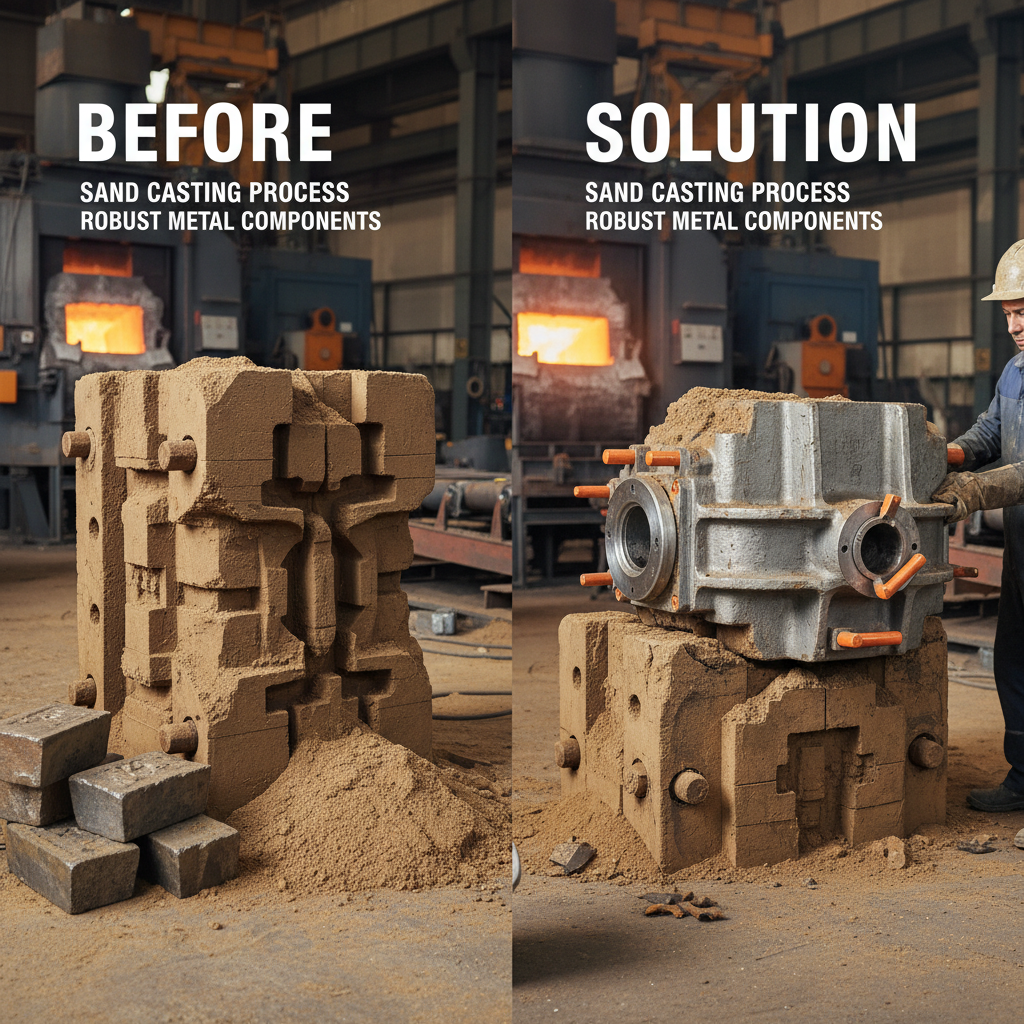
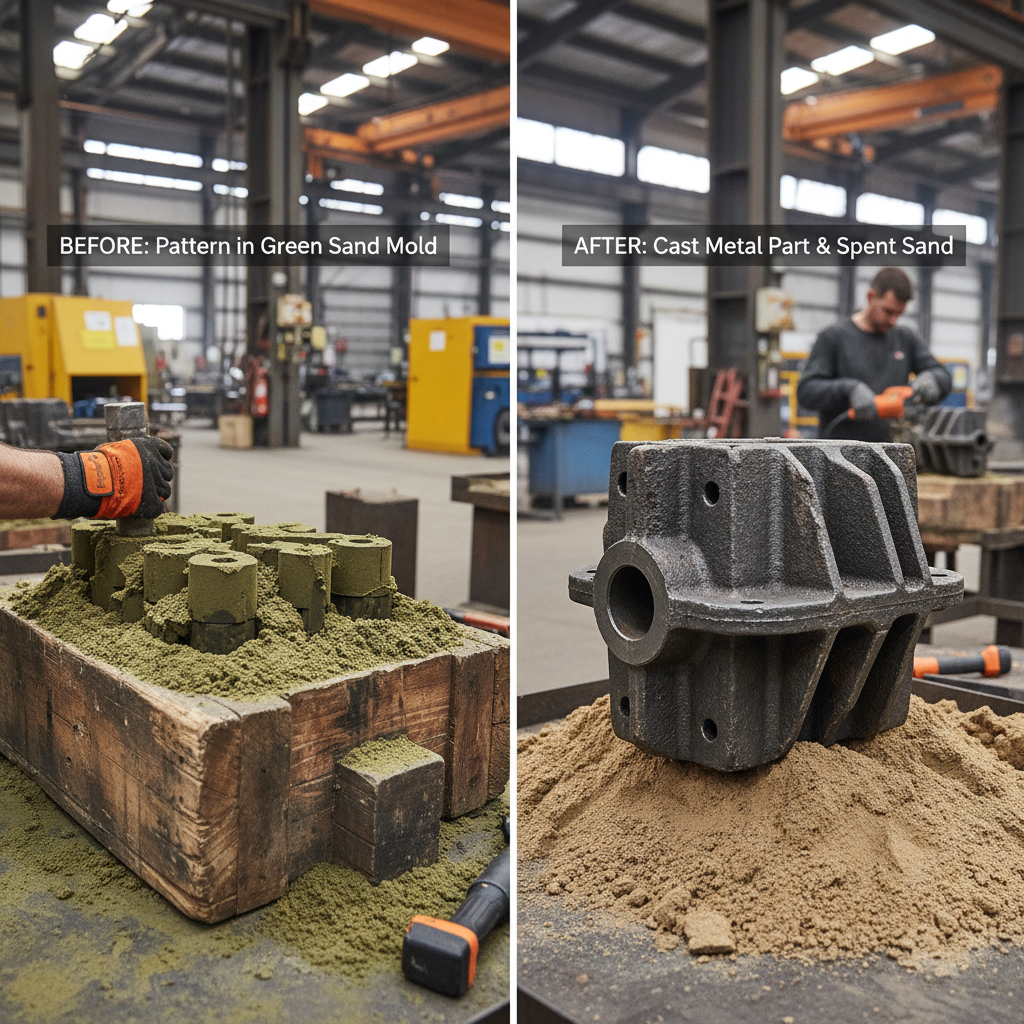
At its simplest, sand casting 101 is the process of creating a mold from a mixture of sand and a binding agent, forming a cavity in the shape of the desired part, and filling that cavity with molten metal. Once the metal solidifies, the sand mold is broken away—a process known as "shakeout"—to reveal the finished casting. This additive-subtractive cycle allows for internal complexities that would be impossible to reach with a drill or a milling machine.
In the context of modern industry, this process is more than just "pouring metal." It is a sophisticated science involving the study of permeability, thermal expansion, and fluid dynamics. The "101" aspect refers to the fundamental mastery of these variables, ensuring that the gas generated during pouring can escape through the sand's pores, preventing the dreaded "blowholes" or porosity that can compromise a part's safety.
From a humanitarian and infrastructure perspective, the accessibility of sand casting means that critical repairs can be made in remote industrial zones. When a massive pump housing fails in a remote mine or a water treatment plant, the ability to create a local sand mold and cast a replacement part saves millions in downtime and shipping costs, proving that these basic principles are a lifeline for global infrastructure.
Essential Components of the Casting Process
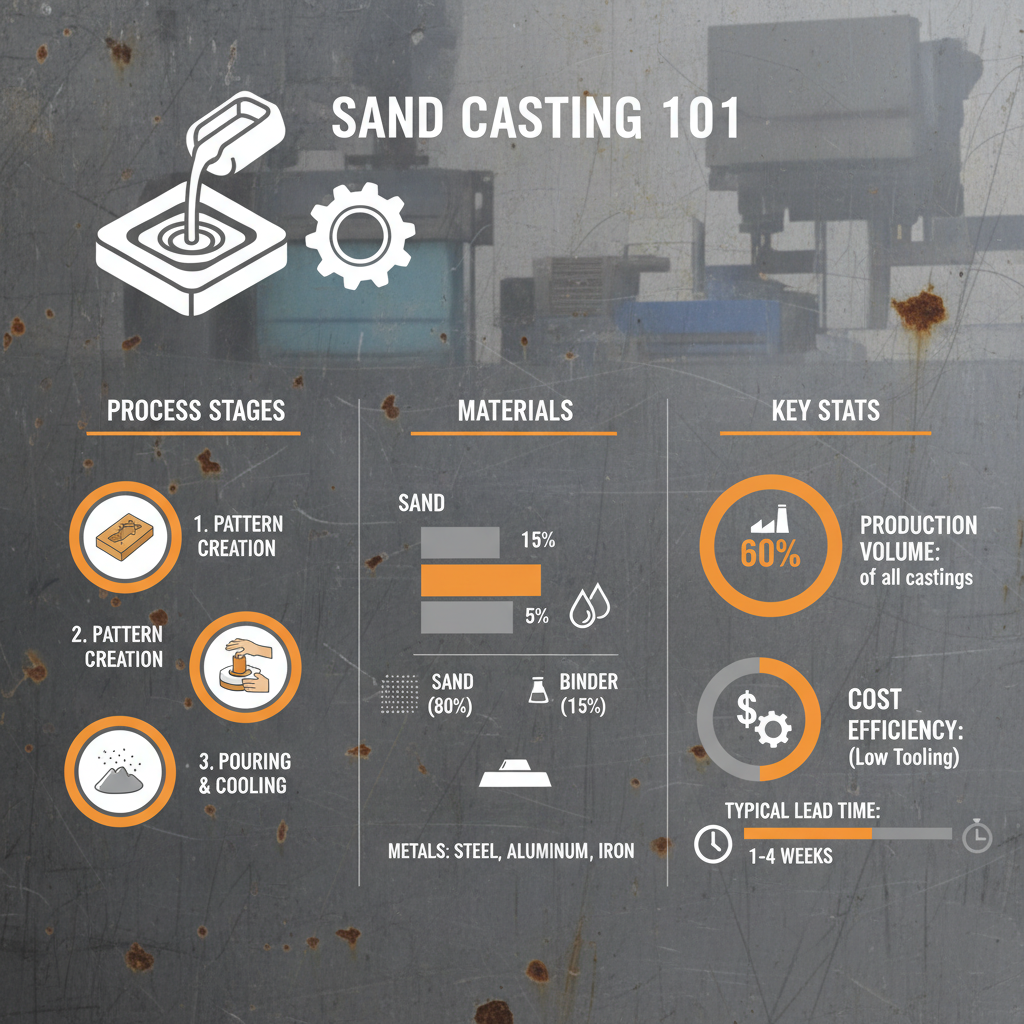
The first pillar of sand casting 101 is the Pattern. The pattern is a physical replica of the object to be cast, usually made of wood, plastic, or metal. It must be slightly oversized—a concept known as "shrinkage allowance"—to account for the fact that metal contracts as it cools. Without precise pattern engineering, the final part will fail to meet the necessary dimensional tolerances.
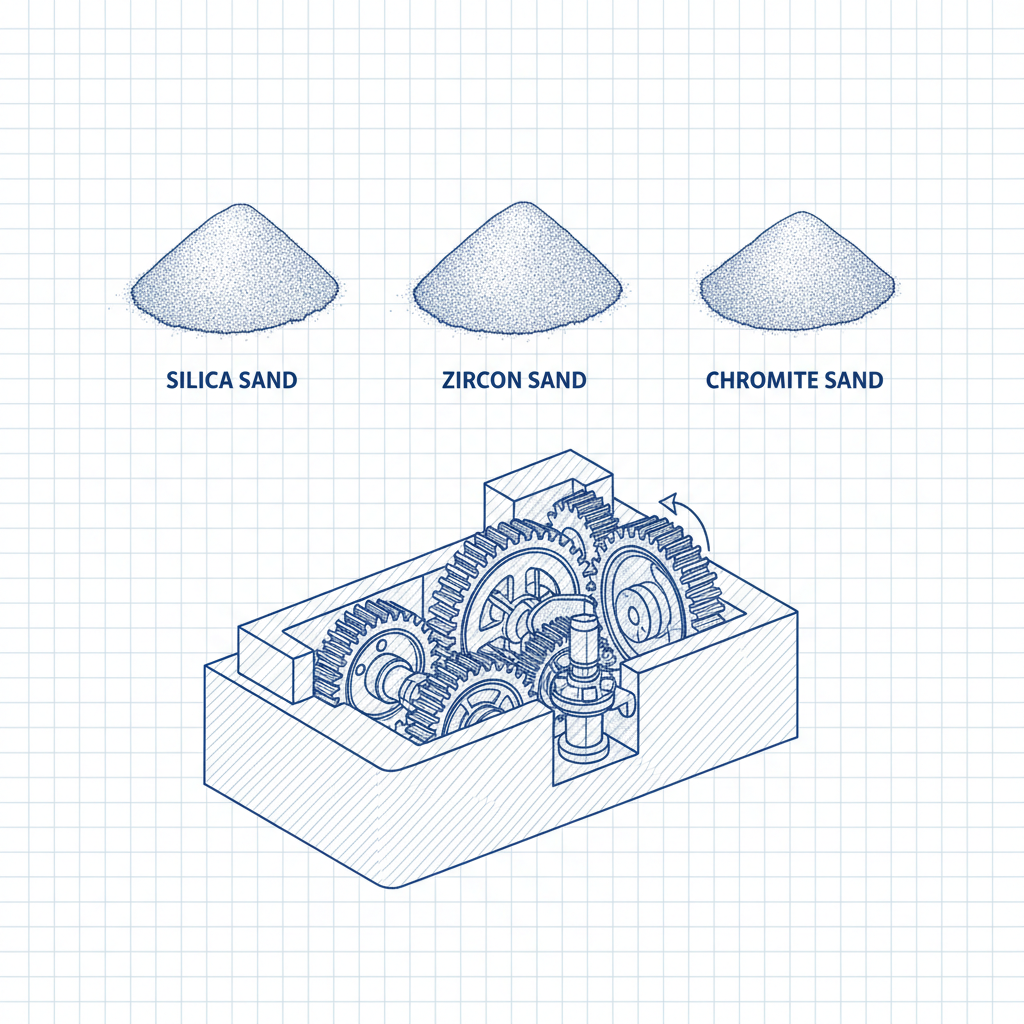
Next is the Molding Sand, which is the heart of the operation. High-quality Ceramic Sand is typically used for its high melting point and excellent stability. The sand is mixed with binders (like clay or chemical resins) to ensure the mold retains its shape under the immense weight and heat of the molten metal. The balance between strength (green strength) and permeability is the most critical technical hurdle in the casting process.
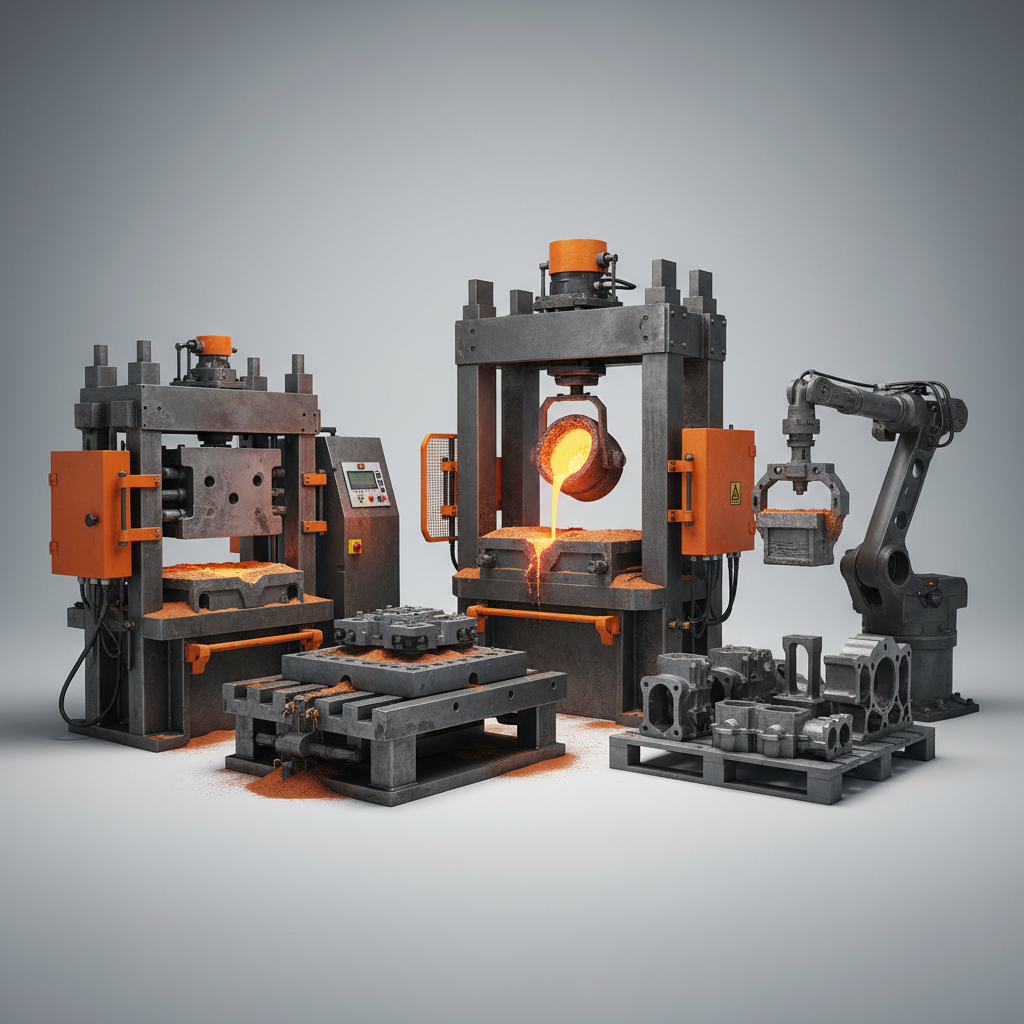
Finally, the Gating System serves as the circulatory system of the mold. This includes the pour cup, sprue, runners, and gates, all designed to deliver the metal smoothly into the cavity. A well-designed gating system according to sand casting 101 prevents turbulence, which reduces the risk of air entrapment and ensures a dense, high-quality metal structure throughout the part.
Practical Applications and Industry Use Cases
The versatility of sand casting 101 is best seen in the heavy machinery sector. For instance, large engine blocks for marine ships and industrial generators are almost exclusively produced via sand casting. These parts require immense internal voids for coolant and oil channels, which are achieved by placing "cores" (hardened sand inserts) inside the mold before pouring.
Beyond heavy industry, sand casting is vital in the aerospace sector for creating large housings and structural brackets. Even in high-precision fields, the initial prototyping phases often rely on sand casting because it allows engineers to iterate designs quickly and cheaply before committing to expensive die-casting molds. This agility makes it a cornerstone of the Research and Development (R&D) cycle.
Efficiency Comparison of Sand Casting 101 Methods
Long-Term Value and Economic Advantages
The most tangible benefit of sand casting 101 is the low entry cost. Unlike die casting, which requires incredibly expensive steel molds that can cost hundreds of thousands of dollars, sand molds are inexpensive and disposable. This dramatically lowers the financial risk for companies producing low-to-medium volume parts or those testing new product designs in the market.
Beyond the balance sheet, there is a profound logic of sustainability. Sand is a natural, abundant resource, and modern foundries are now implementing sand reclamation systems that allow them to recycle up to 98% of the molding sand. This circular economy approach reduces the environmental footprint of the factory while ensuring a consistent supply of high-quality material, providing both ecological and financial stability.
Future Innovations in Casting Technology
The future of sand casting 101 is being rewritten by the integration of 3D printing. "Binder Jetting" technology now allows engineers to print the sand mold directly from a CAD file, eliminating the need for a physical pattern entirely. This reduces the lead time from design to finished part from weeks to mere days, enabling a level of geometric complexity that was previously unthinkable.
Furthermore, the shift toward "Smart Foundries" is bringing IoT sensors into the molding process. By monitoring the moisture levels, temperature, and compaction pressure of the sand in real-time, manufacturers can predict defects before the metal is even poured. This digital transformation converts sand casting from a traditional "art" into a data-driven science.
We are also seeing a rise in the use of advanced ceramic additives that allow for higher temperature pours and smoother surface finishes. As these materials become more accessible, the gap between the surface quality of sand casting and the precision of investment casting continues to shrink, expanding the range of industries that can utilize this efficient process.
Common Challenges and Expert Solutions
Despite its advantages, sand casting 101 is not without its hurdles. The most common issue is surface roughness, which often requires secondary machining to achieve a mirror finish. Expert foundries solve this by using finer grain Ceramic Sand or applying specialized mold washes that create a smooth barrier between the sand and the molten metal.
Another significant challenge is "gas porosity," where air bubbles become trapped in the metal, creating internal weak points. The solution lies in optimizing the permeability of the sand mix and implementing vacuum-assisted pouring. By carefully controlling the ventilation of the mold, these defects can be virtually eliminated, ensuring that the part meets safety certifications for high-pressure environments.
Finally, managing the thermal contraction of large parts can lead to warping. To counteract this, experienced engineers use "chills"—metal inserts placed in the sand to speed up the cooling of thick sections. This ensures a uniform cooling rate across the entire part, preventing internal stresses and ensuring dimensional accuracy.
Comparative Analysis of Sand Casting 101 Material and Process Variables
| Variable Dimension |
Green Sand |
Resin Sand |
Impact on Quality |
| Production Cost |
Very Low |
Moderate |
High cost increases precision |
| Surface Finish |
Rough (6-8) |
Smooth (8-9) |
Affects post-processing time |
| Dimensional Accuracy |
Moderate |
High |
Reduces scrap rate |
| Permeability |
High |
Controlled |
Prevents blowholes |
| Cooling Rate |
Slow |
Moderate |
Influences grain structure |
| Recyclability |
Excellent |
Moderate |
Crucial for sustainability |
FAQS
In sand casting 101, "green sand" refers to a mixture of sand, clay, and water that is used in its moist state; it is called "green" not because of color, but because it is damp. Dry sand casting involves baking the mold in an oven to remove moisture, which provides higher strength and better dimensional stability for larger, more complex parts, though it increases production time and energy costs.
Porosity is usually caused by trapped gases. To solve this, ensure your Ceramic Sand has high permeability to allow gases to escape. You should also implement proper venting by poking small holes in the mold's high points and ensuring the molten metal is degassed before pouring. A well-calculated gating system also prevents turbulence that can trap air.
Yes, one of the greatest strengths of sand casting 101 is its universality. It is used for everything from ferrous metals like cast iron and steel to non-ferrous metals like aluminum, bronze, and magnesium. The only variable is the type of sand and binder used, as some metals require higher refractoriness to prevent the mold from melting.
For a single, extremely complex small part, 3D printing may be competitive. However, for any production run or for large-scale components, sand casting is significantly more cost-effective. Once the pattern is created, the cost per unit is a fraction of the cost of additive metal manufacturing, making it the superior choice for industrial applications.
A sand mold is a "sacrificial" mold, meaning it is destroyed to remove the part. Therefore, it lasts for exactly one casting. However, the pattern used to make the mold can last for thousands of cycles if made from durable materials like aluminum or high-density plastic, which is why the pattern investment is the primary upfront cost.
Cores are used to create internal cavities or holes in a casting. They are separate sand shapes placed inside the mold cavity before the metal is poured. Once the metal solidifies, the core is broken and shaken out through a hole in the part, leaving behind a precise internal void, which is essential for parts like engine cylinders or pipes.
Conclusion
Mastering the fundamentals of sand casting 101 provides a critical bridge between raw material and functional industrial component. From the selection of high-grade Ceramic Sand to the precision of the gating system, every variable plays a role in determining the structural integrity and cost-efficiency of the final product. By balancing traditional methods with modern innovations like 3D-printed molds and IoT monitoring, manufacturers can continue to produce the heavy-duty components that drive the global economy.
As we move toward a more sustainable industrial future, the evolution of sand casting will center on green binders and advanced reclamation techniques. For businesses and engineers looking to optimize their production, investing in a deep understanding of these basics is the first step toward achieving superior quality and reduced waste. We invite you to explore our advanced material solutions to elevate your casting precision. Visit our website: www.sinoceramsite.com