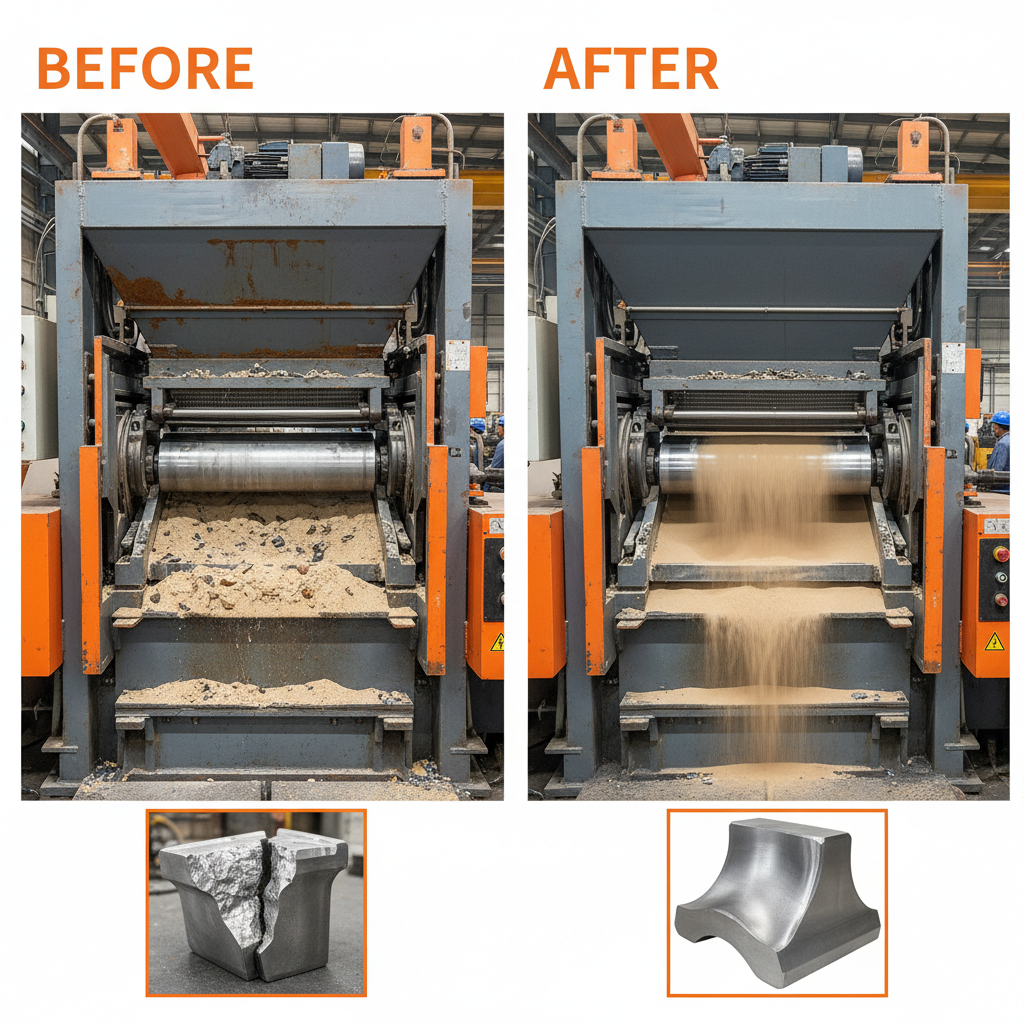
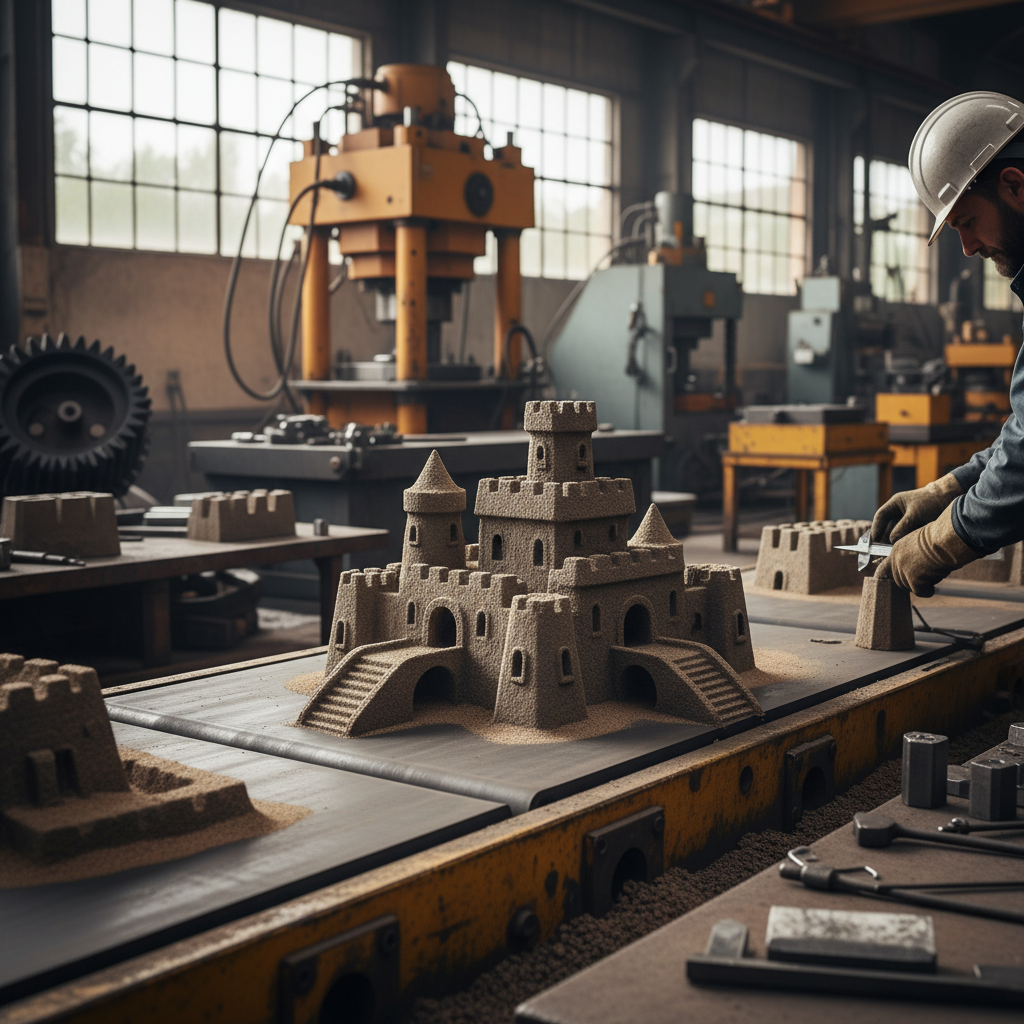
Fine casting sand is a crucial component in numerous industrial processes, offering precision and reliability in the creation of metal castings. Its consistent grain size, chemical purity, and thermal stability contribute significantly to the quality and integrity of final products. Understanding the nuances of fine casting sand – its composition, properties, and applications – is paramount for engineers, manufacturers, and material scientists alike.
Globally, the demand for high-quality castings continues to rise, driven by sectors like automotive, aerospace, and energy. This demand necessitates a robust supply chain of precisely graded fine casting sand, which in turn impacts global trade and manufacturing efficiency. Challenges around sourcing sustainable sand, maintaining consistent quality, and minimizing environmental impact are key areas of focus for the industry.
The increasing complexity of casting designs and the push for lightweight materials further emphasize the importance of advanced fine casting sand technologies. Innovations in sand treatment, grain shaping, and binder systems are continually emerging to meet these evolving needs, making a comprehensive understanding of this material essential for staying competitive in today's manufacturing landscape.
The Importance of Fine Casting Sand
Fine casting sand plays a vital role in shaping the modern world. From the engine blocks powering our vehicles to the intricate components of aircraft, this specialized material enables the creation of complex metal parts with precision and consistency. Its ability to withstand high temperatures, provide excellent permeability, and maintain dimensional stability during the casting process is critical for achieving desired product quality.
Without high-quality fine casting sand, the efficient and reliable production of a vast array of metal products would be impossible. The careful selection and processing of this material are thus essential for industries striving for innovation and excellence in manufacturing. A consistent supply of fine casting sand is therefore a cornerstone of modern industrial production.
Defining Fine Casting Sand
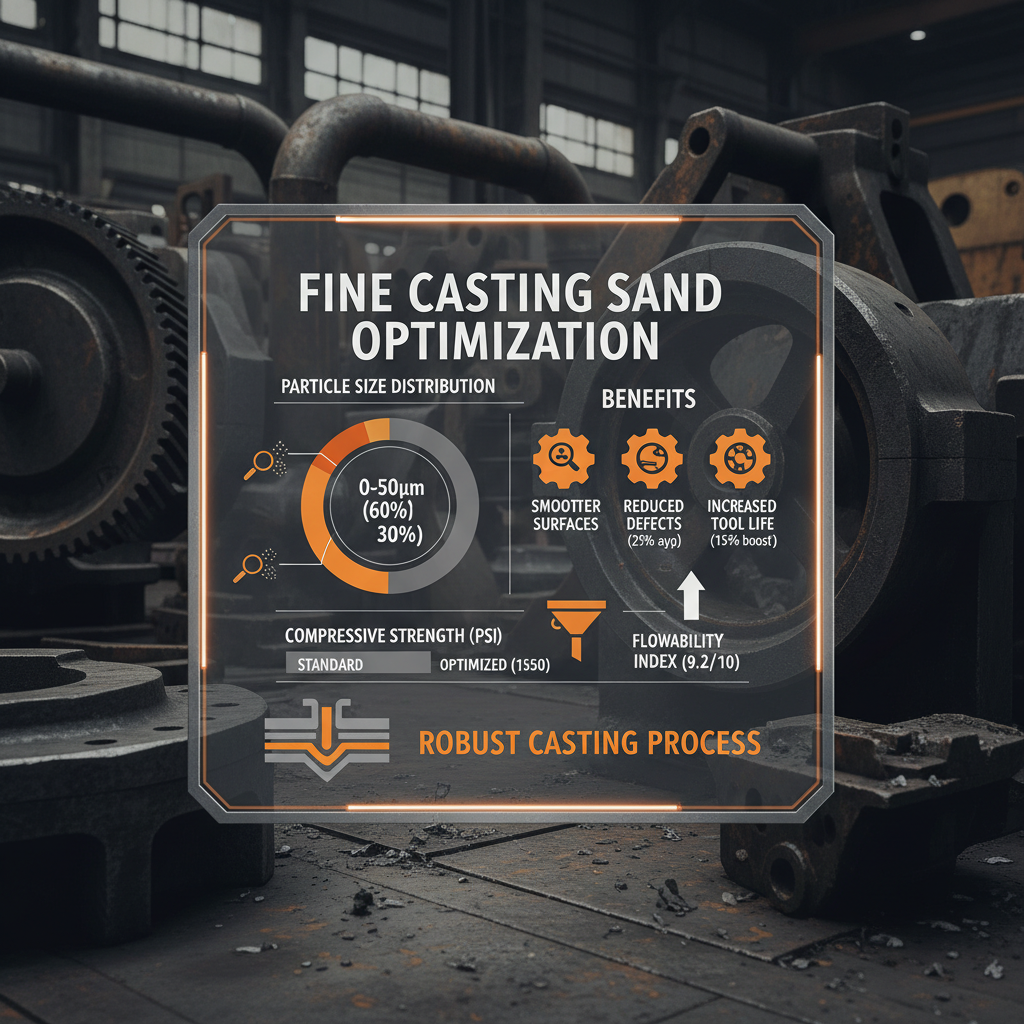
Fine casting sand refers to a specifically graded silica sand used in the investment casting and sand casting processes. It's characterized by its small grain size, typically ranging from 0.075mm to 0.25mm (75 to 250 microns), which allows for the creation of highly detailed castings with smooth surface finishes. Unlike general-purpose sand, fine casting sand undergoes rigorous processing to ensure consistent grain shape, size distribution, and chemical purity.
The material's high silica content contributes to its excellent thermal stability and resistance to thermal shock. This is crucial for maintaining the integrity of the sand mold during the pouring of molten metal. Properly processed fine casting sand is also designed to have low clay content, enabling efficient knockout and cleaning of the finished castings.
Its connection to modern industry is undeniable. Investment casting, a process heavily reliant on fine casting sand, is used to manufacture parts for aerospace, medical devices, and automotive applications where precision and complex geometries are essential.
Key Properties of Fine Casting Sand
The performance of fine casting sand in a foundry environment is determined by several key properties. Permeability, the ability of gases to escape through the sand mold, is critical for preventing defects such as gas porosity. Refractoriness, or the sand’s resistance to deformation and fusion at high temperatures, ensures the mold maintains its shape during metal pouring.
Grain shape significantly impacts the sand's flowability and packing density. Rounded or sub-rounded grains promote better flowability, allowing the sand to fill intricate mold cavities. However, angular grains provide greater resistance to displacement by the molten metal, contributing to dimensional accuracy. Also, chemical purity is important to avoid reactions with molten metals.
Finally, the moisture content of fine casting sand must be carefully controlled. Too little moisture can lead to sand disintegration, while too much can reduce permeability and cause casting defects.
Applications Across Industries
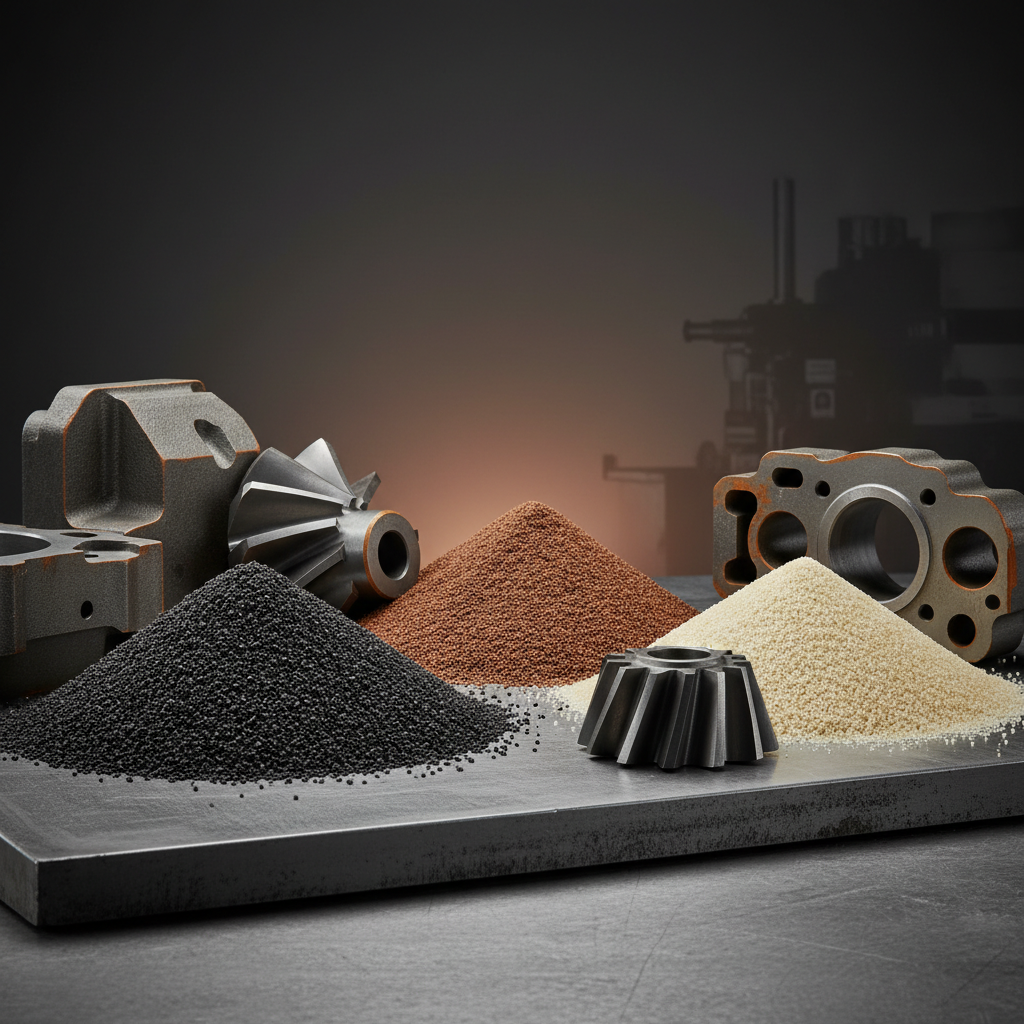
Fine casting sand finds extensive application across a diverse range of industries. The automotive sector utilizes it extensively for manufacturing engine components, transmission parts, and exhaust manifolds where complex shapes and tight tolerances are required. The aerospace industry relies on this material for producing turbine blades, structural components, and other critical parts demanding high precision and reliability.
In the energy sector, fine casting sand is used in the production of pump housings, valve bodies, and other components for oil and gas exploration and power generation. Medical device manufacturers employ it to create intricate surgical instruments and implants. The art foundry also relies on fine casting sand for creating detailed sculptures and artistic castings.
Globally, foundries in regions like China, India, Germany, and the United States are major consumers of fine casting sand. These industries benefit from the consistent quality and performance of the material, enabling them to meet demanding customer specifications and maintain a competitive edge.
Fine Casting Sand Performance Comparison
Advantages and Cost-Effectiveness
Utilizing high-quality fine casting sand offers significant advantages in terms of cost-effectiveness, reduced scrap rates, and improved product quality. The material's consistent properties minimize the risk of casting defects, leading to fewer rejects and lower overall production costs. The ability to produce complex geometries with tight tolerances reduces the need for expensive machining operations.
Furthermore, the durability of castings made with fine casting sand enhances their lifespan, providing long-term value to customers. Investing in premium fine casting sand also demonstrates a commitment to sustainability by reducing material waste and optimizing resource utilization.
Future Trends and Innovations
The future of fine casting sand lies in advancements focused on sustainability, automation, and performance enhancement. Researchers are exploring the use of recycled sand and alternative binder systems to reduce the environmental impact of casting processes. Automation technologies, such as robotic sand handling and 3D printing of sand molds, are gaining traction, promising increased efficiency and precision.
Developments in sand treatment technologies, including surface modification and grain shaping, are aimed at improving sand flowability, permeability, and resistance to metal penetration. The integration of data analytics and machine learning is also enabling foundries to optimize sand properties and casting parameters in real-time, leading to further improvements in quality and efficiency.
Challenges and Sustainable Solutions
A key challenge facing the fine casting sand industry is the increasing scarcity of high-quality silica sand resources. Environmental regulations regarding sand mining and processing are becoming more stringent. Another challenge is maintaining consistent sand quality across different batches and suppliers.
Sustainable solutions include exploring alternative sand sources, such as recycled glass or olivine sand, and investing in sand reclamation technologies to recover and reuse spent sand. Implementing closed-loop sand systems and optimizing sand consumption are also crucial steps towards minimizing environmental impact. Collaboration between foundries, sand suppliers, and research institutions is essential for driving innovation and fostering a sustainable future for the industry.
The development of synthetic sands and advanced binder systems offers promising avenues for reducing reliance on natural silica sand and improving casting performance.
Summary of Fine Casting Sand Challenges and Solutions
| Challenge |
Impact on Casting |
Proposed Solution |
Implementation Cost (1-10) |
| Silica Sand Scarcity |
Increased Sand Costs |
Utilizing Recycled Sand/Glass |
6 |
| Inconsistent Sand Quality |
Higher Defect Rates |
Supplier Qualification & Monitoring |
4 |
| Environmental Regulations |
Increased Compliance Costs |
Closed-Loop Sand Systems |
8 |
| Sand Reclamation Challenges |
Limited Sand Reuse |
Advanced Reclamation Technologies |
7 |
| Binder System Volatility |
Emissions & Safety Concerns |
Low-VOC Binder Alternatives |
5 |
| Lack of Skilled Labor |
Improper Sand Management |
Training Programs & Automation |
3 |
FAQS
Fine casting sand is specifically graded for a narrow particle size distribution, typically between 0.075mm and 0.25mm. This precise grading, along with controlled chemical purity and shape, allows for finer detail and smoother surfaces in castings compared to general-purpose sand. It also offers better permeability and thermal stability, crucial for the casting process.
The grain shape of fine casting sand directly impacts its flowability and how well it packs together. Rounded or sub-rounded grains flow more easily into complex mold cavities, ensuring complete filling. Angular grains provide better resistance to displacement by molten metal, leading to improved dimensional accuracy. The optimal shape depends on the specific casting application.
The automotive, aerospace, and energy industries are major consumers of fine casting sand. These sectors require high-precision, complex-shaped castings for critical components like engine blocks, turbine blades, and valve bodies. Medical device manufacturers also rely on it for creating intricate surgical instruments and implants.
Traditionally, silica sand mining has environmental concerns. However, the industry is moving towards more sustainable practices. These include sand reclamation, using recycled sand sources, and developing alternative sand materials like olivine sand. Closed-loop sand systems and responsible mining practices are also gaining prominence.
Maintaining the correct moisture content is crucial for sand mold integrity. Too little moisture causes the sand to crumble, while too much reduces permeability. Moisture is typically controlled through the addition of water and conditioning agents. Regular monitoring and adjustment are necessary to ensure optimal performance.
Innovations include the development of advanced binder systems with lower emissions, automated sand handling and mixing systems, and the use of 3D printing for creating sand molds. Researchers are also exploring alternative sand materials and surface treatments to enhance sand performance and reduce environmental impact.
Conclusion
In conclusion, fine casting sand is an indispensable material for countless industries, enabling the production of high-quality, complex metal components. Its unique properties – consistent grain size, thermal stability, and permeability – are critical for achieving precise and reliable castings. Addressing challenges related to sustainability and resource scarcity is paramount for ensuring the long-term viability of the industry.
Looking ahead, continued innovation in sand reclamation, alternative materials, and automation technologies will be essential for minimizing environmental impact and maximizing efficiency. Investing in research and development, fostering collaboration, and embracing sustainable practices will pave the way for a future where fine casting sand continues to play a vital role in shaping the modern world. For reliable, high-quality fine casting sand solutions, visit our website today.