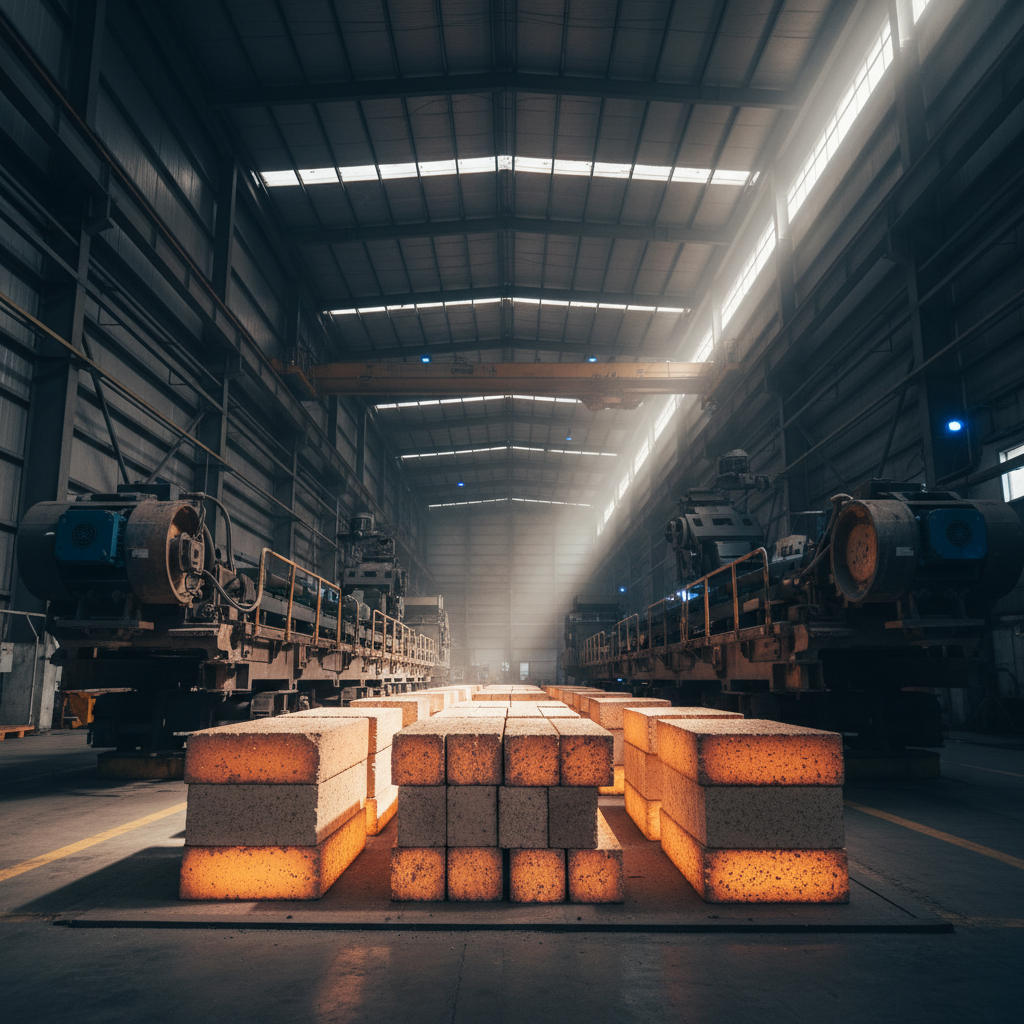
Large sand casting is a foundational manufacturing process, crucial for creating complex metal parts across a vast range of industries. From massive engine blocks to intricate components, this technique enables the production of objects that would be difficult or impossible to achieve with other methods. Its versatility, scalability, and relatively low cost make it a cornerstone of modern industrial production, impacting everything from automotive manufacturing to aerospace engineering. Understanding the nuances of large sand casting is vital for engineers, designers, and manufacturers seeking efficient and reliable production solutions.
Globally, the demand for large sand castings is driven by infrastructural development, particularly in emerging economies. The automotive, construction, and energy sectors consistently rely on this process. According to data from the World Steel Association, demand for steel, a primary material used in sand casting, continues to rise, indicating sustained need for the process. However, challenges exist, including environmental concerns related to sand usage and the need for increased automation to improve efficiency and reduce labor costs. Addressing these challenges is critical to ensuring the long-term viability of large sand casting.
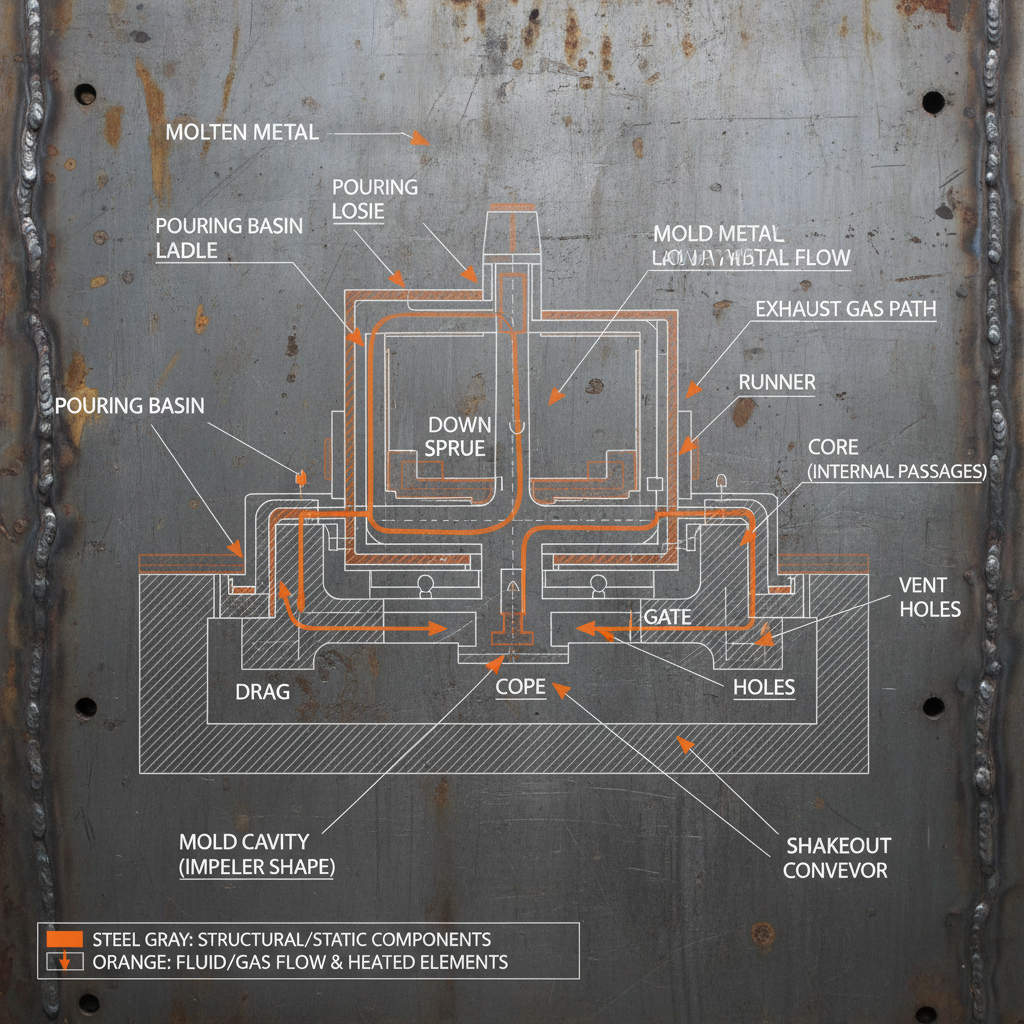
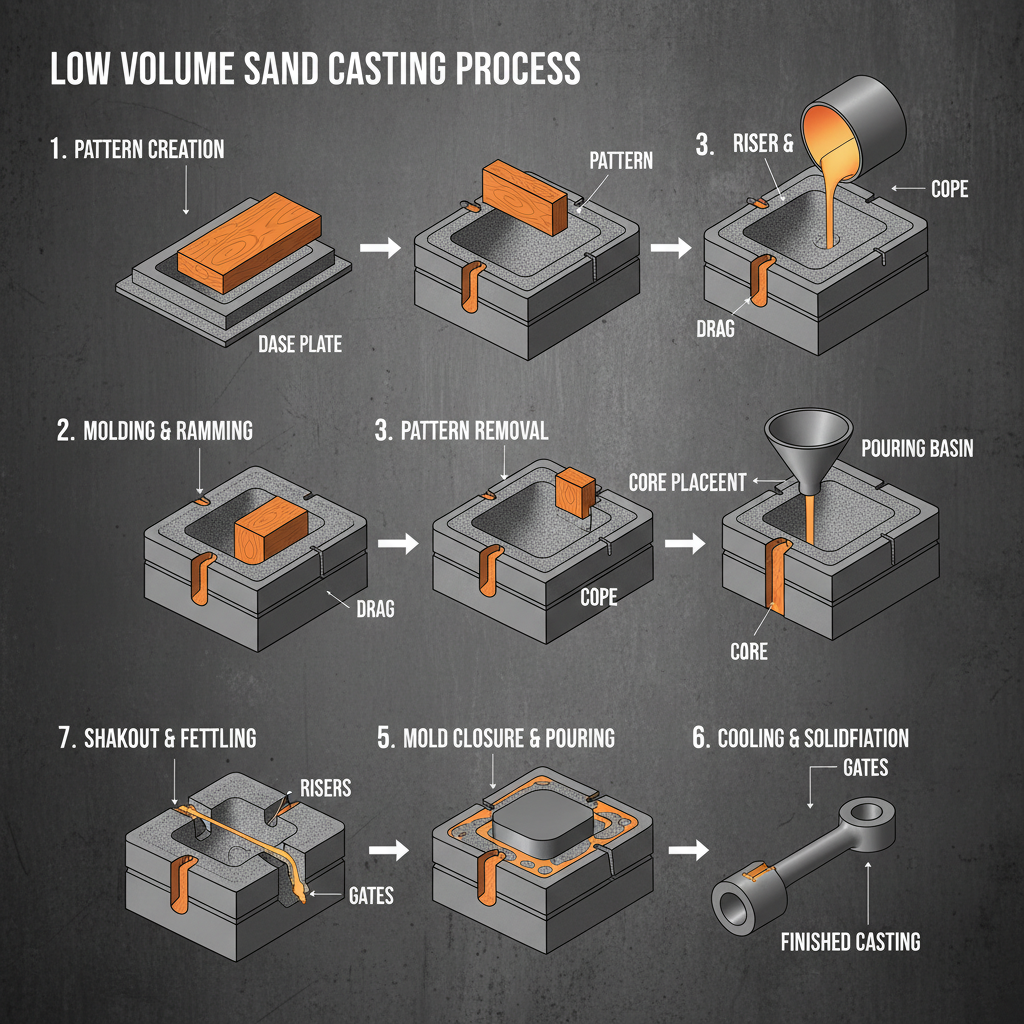
Large sand casting involves creating a mold from sand—typically silica sand—around a pattern that represents the desired shape of the metal part. Molten metal is then poured into the mold cavity, allowed to cool and solidify, and finally, the sand mold is broken away to reveal the finished casting. This process is adaptable to various metal types, including iron, steel, aluminum, and brass, making it incredibly versatile and essential for a broad spectrum of applications.
Introduction to large sand casting
The process of large sand casting offers a unique blend of cost-effectiveness and design flexibility, making it suitable for producing large and complex components. It's a method deeply rooted in industrial history but continuously evolving with advancements in materials and technology.
One of the primary advantages of large sand casting lies in its ability to handle a wide range of metal alloys and produce parts with minimal size limitations. This makes it ideal for applications where other casting methods are impractical or prohibitively expensive. Understanding the core principles of large sand casting is critical for anyone involved in manufacturing or materials science.
Global Relevance and Industry Context
The global landscape of large sand casting is intimately tied to the health of key industrial sectors such as automotive, aerospace, construction, and energy. Growth in these areas directly translates to increased demand for large, complex metal components, making large sand casting a globally relevant manufacturing process. The Asia-Pacific region, particularly China and India, represents a significant portion of the global demand, driven by rapid industrialization and infrastructure development.
However, the industry faces challenges related to environmental sustainability, specifically regarding sand sourcing and waste disposal. Traditional sand casting relies heavily on silica sand, the extraction of which can have environmental consequences. Furthermore, the process generates waste sand that requires proper management. Addressing these issues is paramount to ensuring the long-term viability of large sand casting.
According to reports from the ISO (International Organization for Standardization), advancements in casting techniques, material science, and automation are driving improvements in product quality and efficiency within the large sand casting industry. This commitment to innovation is essential for maintaining competitiveness in the global market.
Defining large sand casting
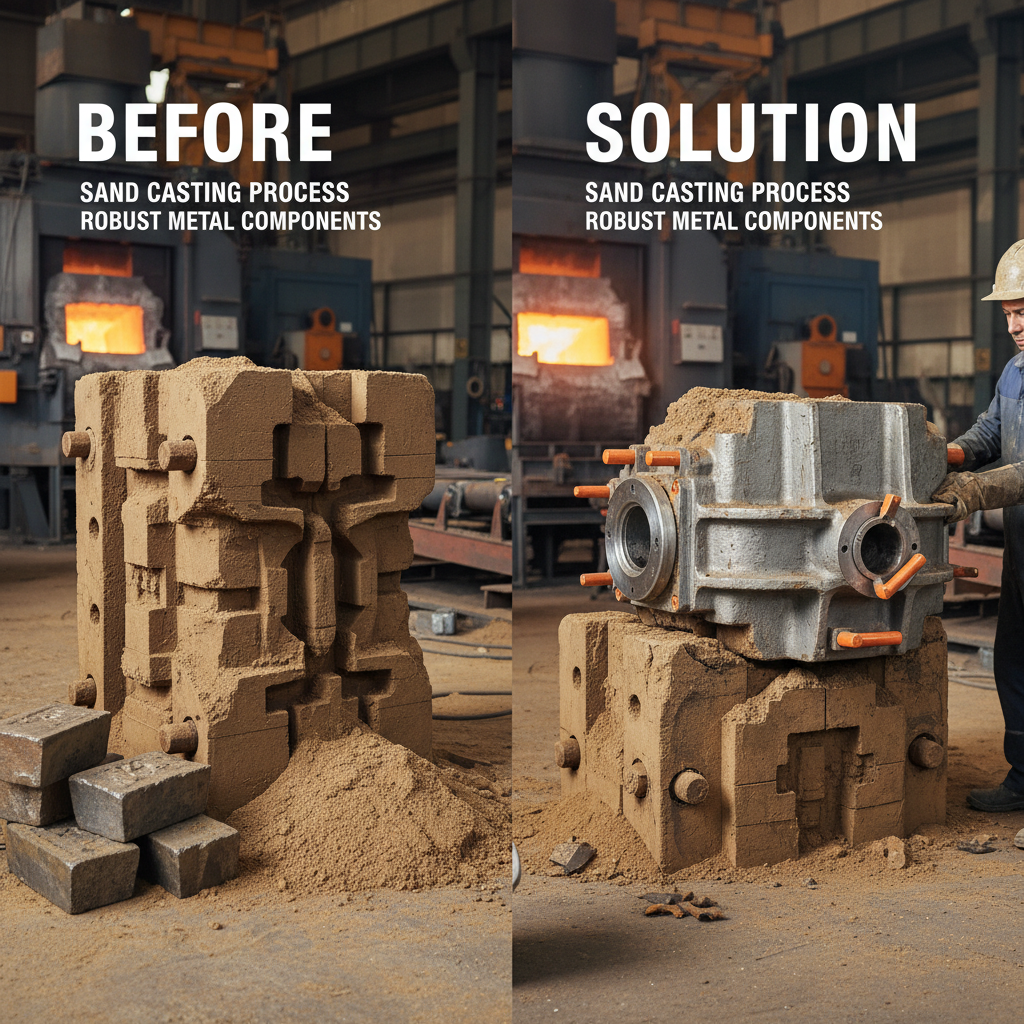
Large sand casting is a metal casting process that utilizes sand as the mold material. Unlike other casting methods that employ permanent molds, sand casting creates a disposable mold for each casting. "Large" in this context refers to the size and weight of the castings produced, often exceeding several hundred kilograms or even tons. These castings typically form the fundamental structures or critical components of larger machinery or systems.
The process involves compacting sand around a pattern – a replica of the desired final part – to create a cavity. This cavity is then filled with molten metal, which solidifies upon cooling. After solidification, the sand mold is broken apart to reveal the finished casting. The sand used is often mixed with binders, such as clay or resin, to improve its strength and moldability. The ability to produce large, complex shapes with relatively low tooling costs makes large sand casting indispensable.
Its connection to modern industry is profound. From the engine blocks of vehicles and the housings of turbines to the structural components of bridges and buildings, large sand casting enables the creation of essential infrastructure and machinery. It plays a significant role in various humanitarian needs as well, providing components for essential equipment used in disaster relief and infrastructure development in underserved areas.
Key Factors in large sand casting
Several key factors determine the success and effectiveness of large sand casting. First, Material Selection is crucial. The choice of metal alloy significantly impacts the casting’s properties, influencing its strength, ductility, and corrosion resistance. Second, Mold Design must account for shrinkage during solidification and ensure proper metal flow to prevent defects.
Third, Sand Quality is paramount; sand grain size, shape, and binder composition affect mold permeability, strength, and surface finish. Fourth, Pouring Temperature and Speed have a direct influence on the casting’s microstructure and the risk of defects. Controlling these parameters is essential for achieving consistent results.
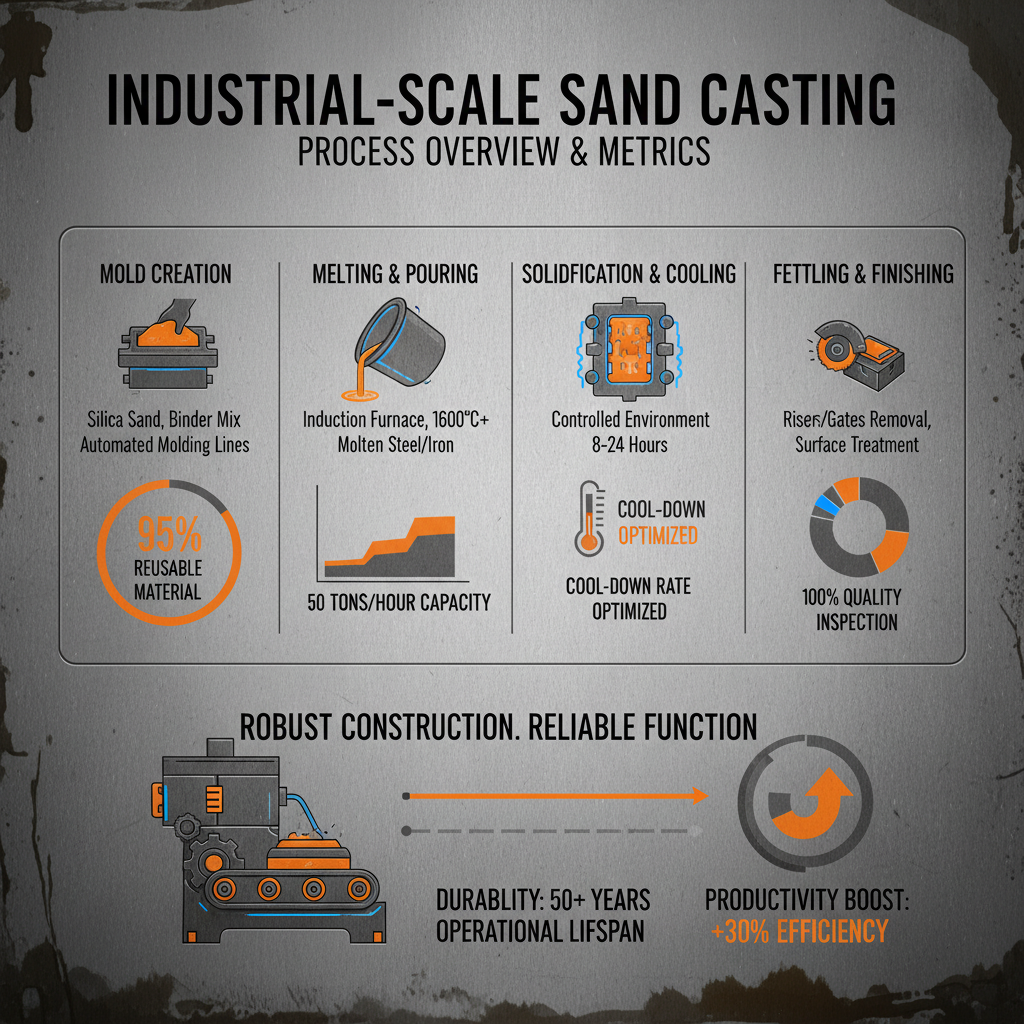
Large Sand Casting Performance Metrics
Global Applications of large sand casting
Large sand casting finds extensive application in diverse industries worldwide. In the automotive sector, it’s crucial for producing engine blocks, cylinder heads, and transmission housings. The aerospace industry utilizes it for complex turbine components and structural parts. The construction industry relies on large sand castings for producing large machine bases, pipe fittings, and valve bodies.
In post-disaster relief operations, large sand castings can provide essential components for temporary bridges, water purification systems, and emergency power generators. In remote industrial zones, where specialized parts are difficult to source, large sand casting offers a viable solution for producing custom components on-demand.
Advantages and Long-Term Value
The advantages of large sand casting are numerous. Cost-effectiveness, particularly for large-volume production runs, is a significant benefit. The process offers design flexibility, allowing for the creation of complex geometries with relative ease. The ability to cast a wide range of materials, from ferrous to non-ferrous alloys, expands its applicability.
The long-term value extends beyond cost savings. Reliable and durable castings enhance the lifespan of equipment and reduce maintenance requirements. Sustainable practices – such as sand recycling and the use of environmentally friendly binders – can minimize the environmental impact. Trust in the process, built on decades of proven performance, contributes to the overall quality and safety of manufactured products.
Future Trends and Innovations in large sand casting
The future of large sand casting is poised for significant advancements. Automation, including robotic mold making and automated pouring systems, is increasing efficiency and reducing labor costs. The adoption of 3D sand printing technology is enabling the creation of complex mold designs with greater precision and speed.
Furthermore, research into alternative sand materials – such as geopolymer sands and recycled materials – is addressing environmental concerns. The integration of digital twin technology is allowing for real-time monitoring and control of the casting process, improving quality and reducing defects.
These innovations are driving the industry towards greater sustainability, efficiency, and precision, solidifying the role of large sand casting in the future of manufacturing.
FAQS
Lead times for large sand casting can vary considerably depending on the complexity of the part, the size of the production run, and current foundry capacity. Generally, for prototype castings, you can expect lead times of 4-8 weeks. For production runs, it can range from 6-12 weeks, or longer for highly complex or specialized castings. Careful planning and clear communication with the foundry are crucial to minimizing lead times.
Large sand casting is remarkably versatile in terms of materials. Common materials include various grades of iron (gray iron, ductile iron), steel (carbon steel, alloy steel), aluminum alloys, bronze, and brass. The specific choice of material depends on the desired properties of the casting, such as strength, ductility, corrosion resistance, and temperature resistance. Foundries specializing in large sand casting often have expertise in working with a wide range of alloys.
Mold size directly impacts the cost of large sand casting. Larger molds require more sand, more labor to build, and larger pouring equipment. The cost increases exponentially with mold size. Therefore, optimizing the casting design to minimize mold size while still meeting functional requirements is a key strategy for cost reduction. Foundries will often provide cost estimates based on mold dimensions and complexity.
Robust quality control measures are essential in large sand casting. These include visual inspections for surface defects, dimensional checks using coordinate measuring machines (CMMs), material composition analysis, and non-destructive testing (NDT) methods such as radiographic testing (X-ray) and ultrasonic testing to detect internal flaws. Foundries typically adhere to industry standards such as ISO 9001 to ensure consistent quality.
Common defects include porosity (gas bubbles), shrinkage cavities, cracks, and surface imperfections. Prevention involves careful mold design to promote proper metal flow and solidification, controlling pouring temperature and speed, utilizing appropriate gating and risering systems, and employing high-quality sand and binders. Regular mold maintenance and careful inspection of castings are also crucial.
Sustainability is increasingly important. Foundries are adopting practices such as sand recycling, utilizing environmentally friendly binders (like those based on organic materials), and improving energy efficiency. Research into alternative sand materials, such as geopolymer sands, is also gaining traction. Proper waste management and responsible sourcing of materials are key components of sustainable large sand casting operations.
Conclusion
Large sand casting remains a vital manufacturing process, offering a unique combination of cost-effectiveness, design flexibility, and scalability. From its essential role in global infrastructure development to its adaptability in emergency response scenarios, the process provides reliable and durable components for a diverse range of applications. Innovation in materials, automation, and sustainability are further strengthening its position in the modern industrial landscape.
Looking ahead, continued investment in research and development will be crucial for addressing challenges related to environmental impact and process efficiency. By embracing new technologies and promoting sustainable practices, the large sand casting industry can ensure its long-term viability and contribute to a more resilient and responsible manufacturing future.