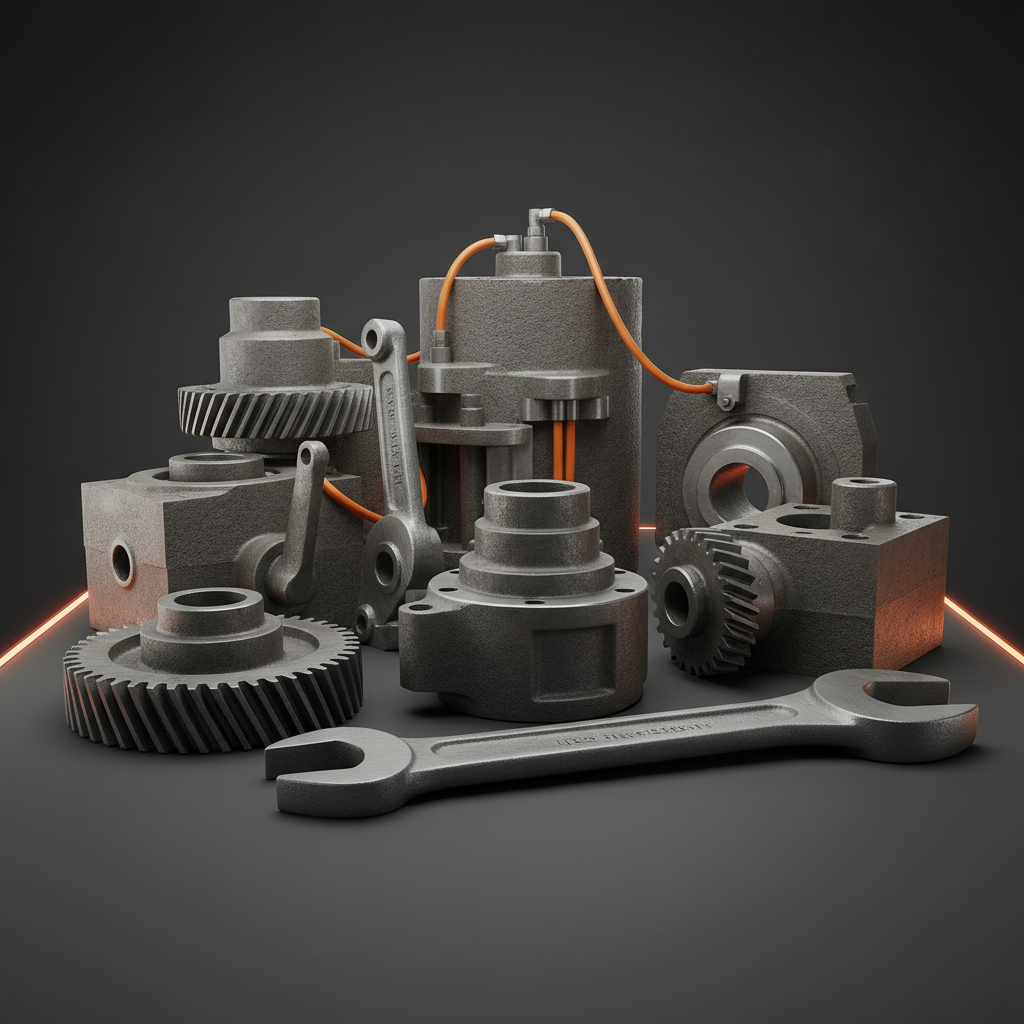
Sand cast metal is more than just a manufacturing process; it's the backbone of countless industries, from automotive and aerospace to construction and even art. Its ability to create complex shapes with high precision and durability makes it indispensable. Globally, the demand for sand casting continues to rise, fueled by infrastructure development in emerging economies and the need for specialized components in advanced technologies. According to a recent report by the World Bank, global infrastructure spending is projected to reach $94 trillion by 2040, significantly increasing the demand for cast metal components. Understanding sand cast metal – its strengths, limitations, and future trends – is crucial for engineers, designers, and manufacturers alike.
The beauty of sand casting lies in its versatility. It’s a process that’s been refined for centuries, yet remains remarkably adaptable to modern needs. You see it everywhere – the engine blocks in our cars, the impellers in pumps, even the decorative ironwork on historic buildings. It’s a reliable, proven method, and I’ve spent years walking construction sites and workshops, seeing firsthand how critical it is. A lot of folks underestimate how important getting the metal right is; a flawed casting can bring a whole project to a standstill.
But it’s not just about tradition. Sand cast metal addresses a critical global need for scalable and cost-effective production of complex parts. Whether it's supplying components for a large-scale infrastructure project or fabricating specialized parts for a remote industrial operation, sand casting delivers consistent quality and reliability. We’re seeing increased interest in optimizing the process for lighter-weight components and integrating it with additive manufacturing techniques – that’s where the real innovation is happening.
The Fundamentals of Sand Cast Metal
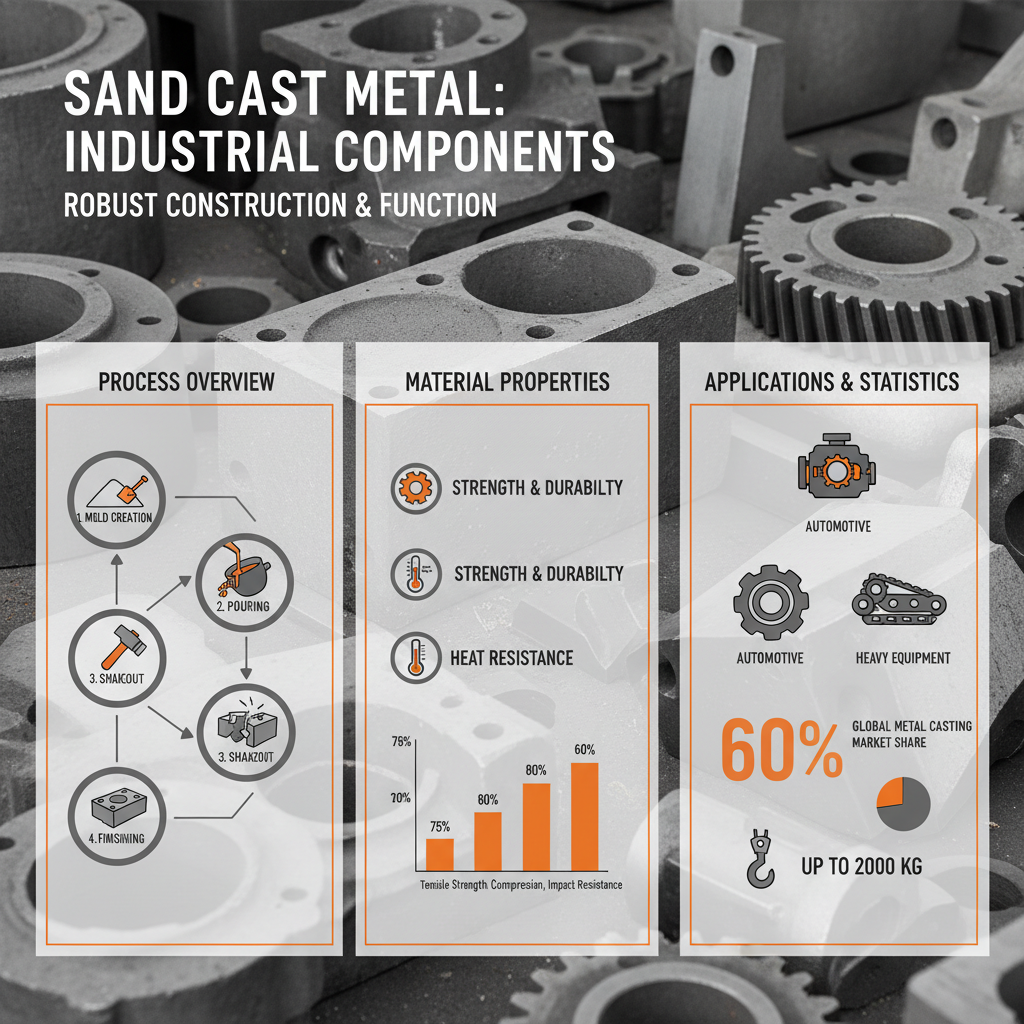
At its heart, sand casting is a straightforward process. A pattern, representing the desired shape, is used to create a mold in sand. Molten metal is then poured into this mold, allowed to cool and solidify, and finally, the casting is removed. But the real skill comes in managing the nuances – the sand composition, the mold preparation, the pouring temperature. I’ve seen guys who can ‘read’ the metal, predicting how it will flow and solidify just by looking at it.
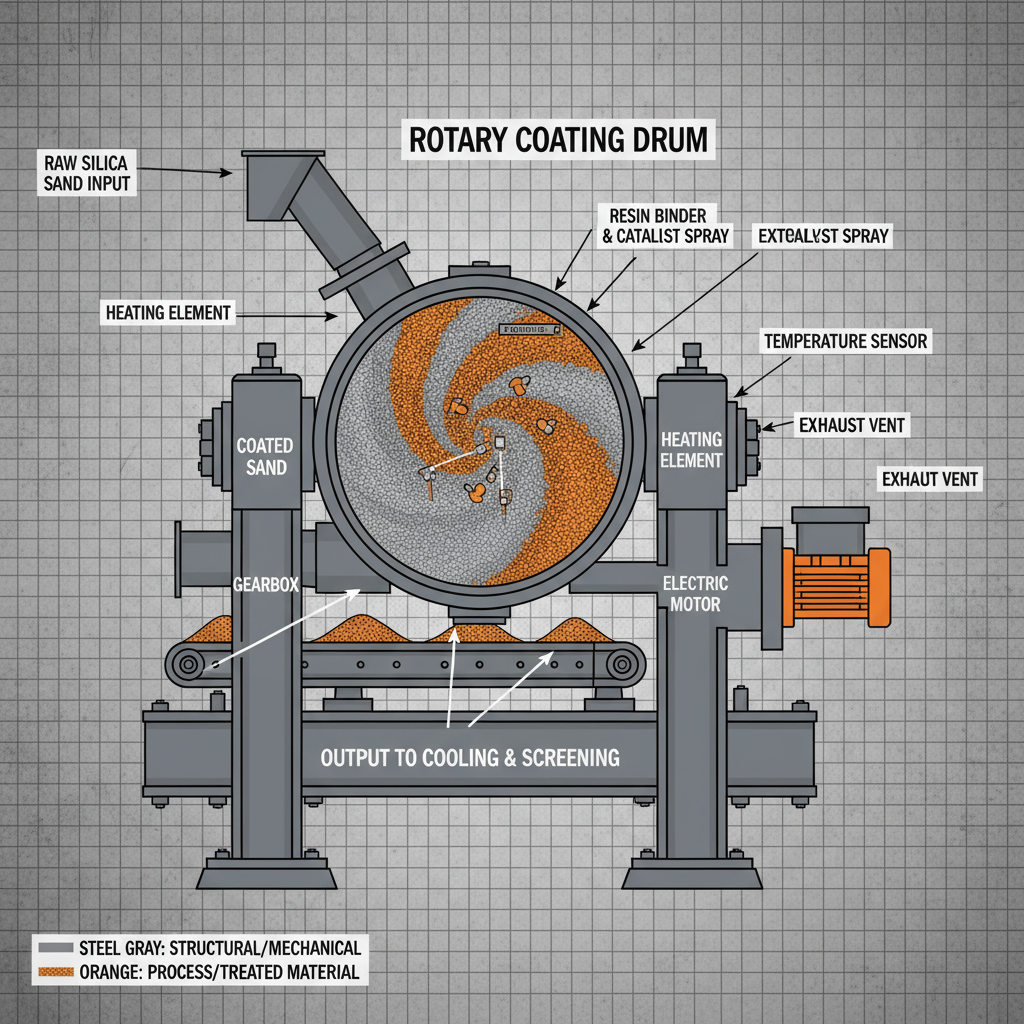
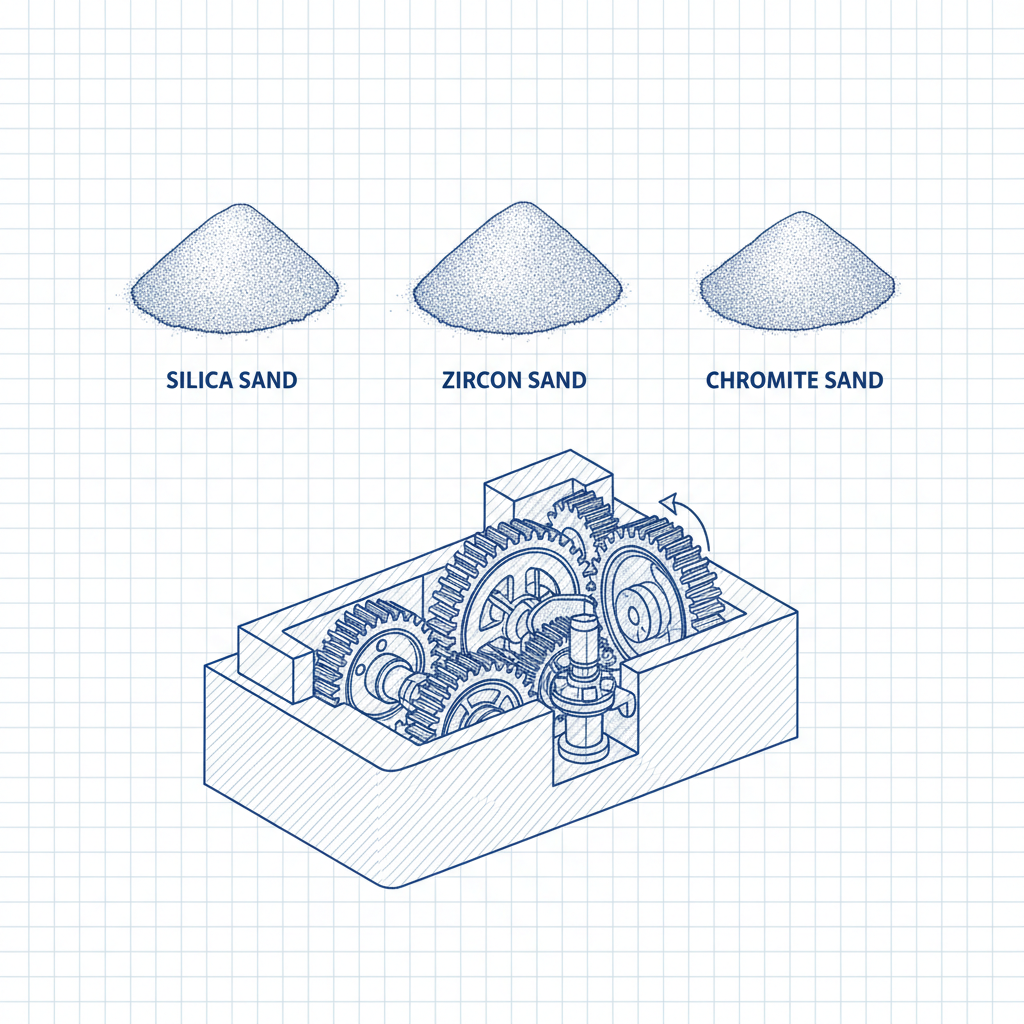
The type of sand used, the binders, even the humidity in the workshop – all impact the final product. Different alloys react differently, requiring specific sand mixtures and pouring techniques. It’s not a ‘one size fits all’ game, and that’s why experience on the shop floor is so vital.
The Global Relevance of Sand Casting
Sand casting isn't confined to any single region; it’s a truly global process. You’ll find foundries in China, India, the US, Europe, and South America, each contributing to the global supply chain. The demand is particularly strong in rapidly developing economies where infrastructure projects are booming. I've seen the impact firsthand, visiting foundries in India supplying components for massive construction projects and in China producing high-precision parts for the automotive industry.
The ISO standards for sand casting (specifically ISO 16700) are increasingly important. They ensure a certain level of quality and consistency, which is critical for international trade. But even with standards, variations exist, and that's where knowing your suppliers and understanding their capabilities becomes paramount.
The sheer volume of metal cast using this process is staggering. Estimates suggest that billions of tons of metal are sand cast annually, making it one of the most widely used metal casting techniques worldwide. It's a quiet giant, supporting a massive amount of industrial activity.
Defining Sand Cast Metal: A Practical Perspective
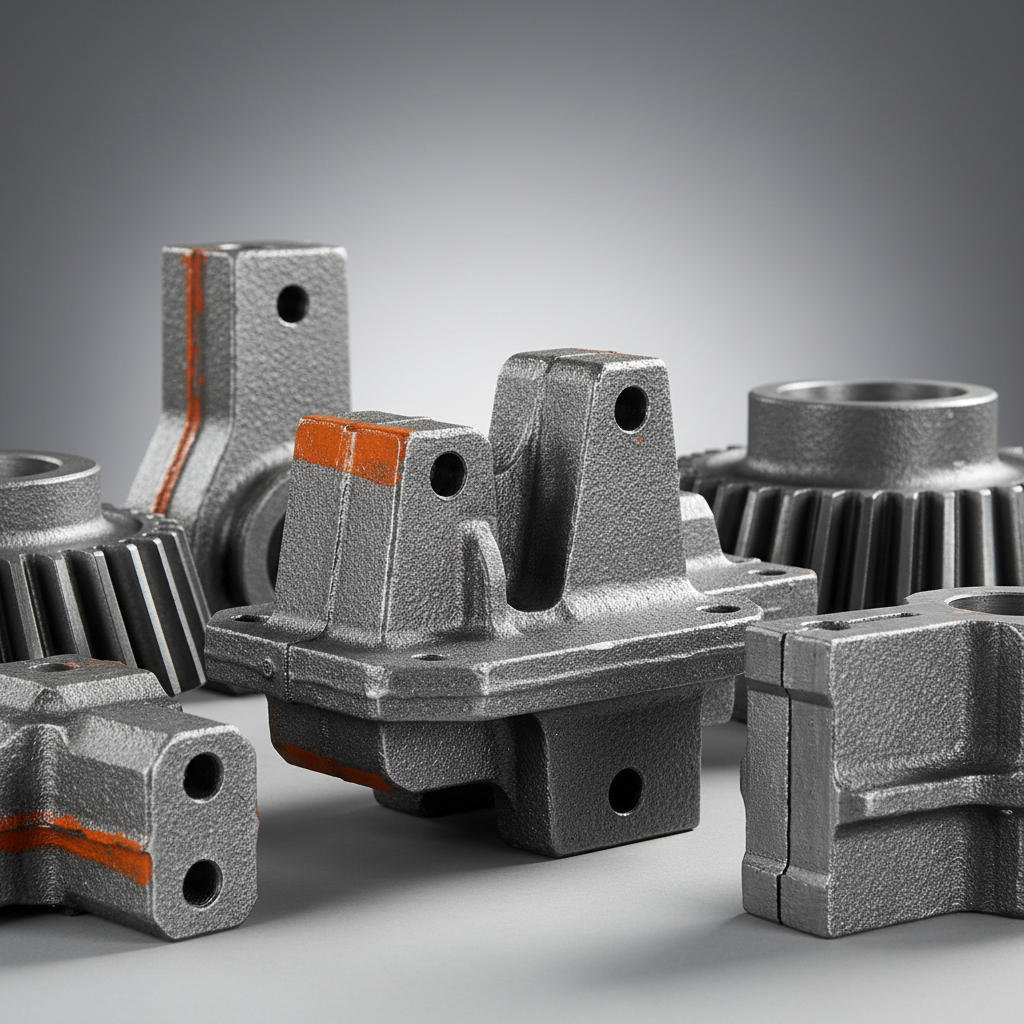
Sand cast metal refers to metal components created using the sand casting process. It’s a broad term, encompassing a huge range of alloys – iron, steel, aluminum, brass, bronze, and more. The resulting metal part will reflect the properties of the alloy used, but also the nuances of the casting process itself. You can get very fine grain structures and high density if you're careful.
This method isn't just about making shapes; it’s about creating functional parts that can withstand demanding conditions. A well-executed sand casting can be incredibly strong and durable, capable of handling high loads, temperatures, and corrosive environments. That’s why you see it used in so many critical applications.
From a practical standpoint, sand cast metal is often the go-to choice when you need complex geometries that are difficult or expensive to achieve with other manufacturing methods like machining or forging. It provides a cost-effective solution for producing parts with intricate designs and internal features.
Core Properties of Sand Cast Metal
Sand cast metal exhibits a unique set of properties that make it ideal for a variety of applications. First and foremost is its versatility in alloys. You can cast virtually any metal alloy using this process, tailoring the material properties to meet specific requirements. Second, its geometric complexity allows for the creation of intricate shapes and features that are difficult to achieve with other methods.
Another critical property is dimensional accuracy. While not as precise as some other casting methods, sand casting can achieve acceptable tolerances for many applications. We've seen improvements in accuracy with the introduction of automated molding systems and advanced pattern-making techniques. Then there’s surface finish, which can be rougher than machined parts but can be improved through post-casting operations like grinding and polishing.
Sand Casting Property Ratings
Applications Across Industries
The applications of sand cast metal are incredibly diverse. In the automotive industry, it's used for engine blocks, cylinder heads, and transmission housings. In the aerospace sector, you'll find sand castings in turbine blades and structural components. The construction industry relies on sand cast metal for pipe fittings, valves, and pump casings.
I’ve even seen it used in the creation of public art – sculptures and monuments that will last for generations. And in remote industrial zones, where access to advanced manufacturing technologies is limited, sand casting remains a vital process for producing essential components.
Advantages and Long-Term Value
The biggest advantage? Cost-effectiveness, especially for low to medium volume production runs. There's less tooling involved compared to other casting methods, making it more affordable for complex designs. It's also highly scalable; you can adjust production volumes relatively easily. Then there’s the material flexibility – we talked about that earlier.
Beyond the tangible benefits, sand cast metal offers long-term value. The durability and reliability of these components contribute to the longevity of the products they're used in. A well-made sand casting can last for decades, reducing the need for frequent replacements and minimizing waste. That peace of mind is worth a lot.
From a sustainability perspective, sand casting can be relatively eco-friendly, especially with the increasing use of recycled metals and environmentally friendly binders. It’s not perfect, but it’s improving.
Future Trends and Innovations in Sand Casting
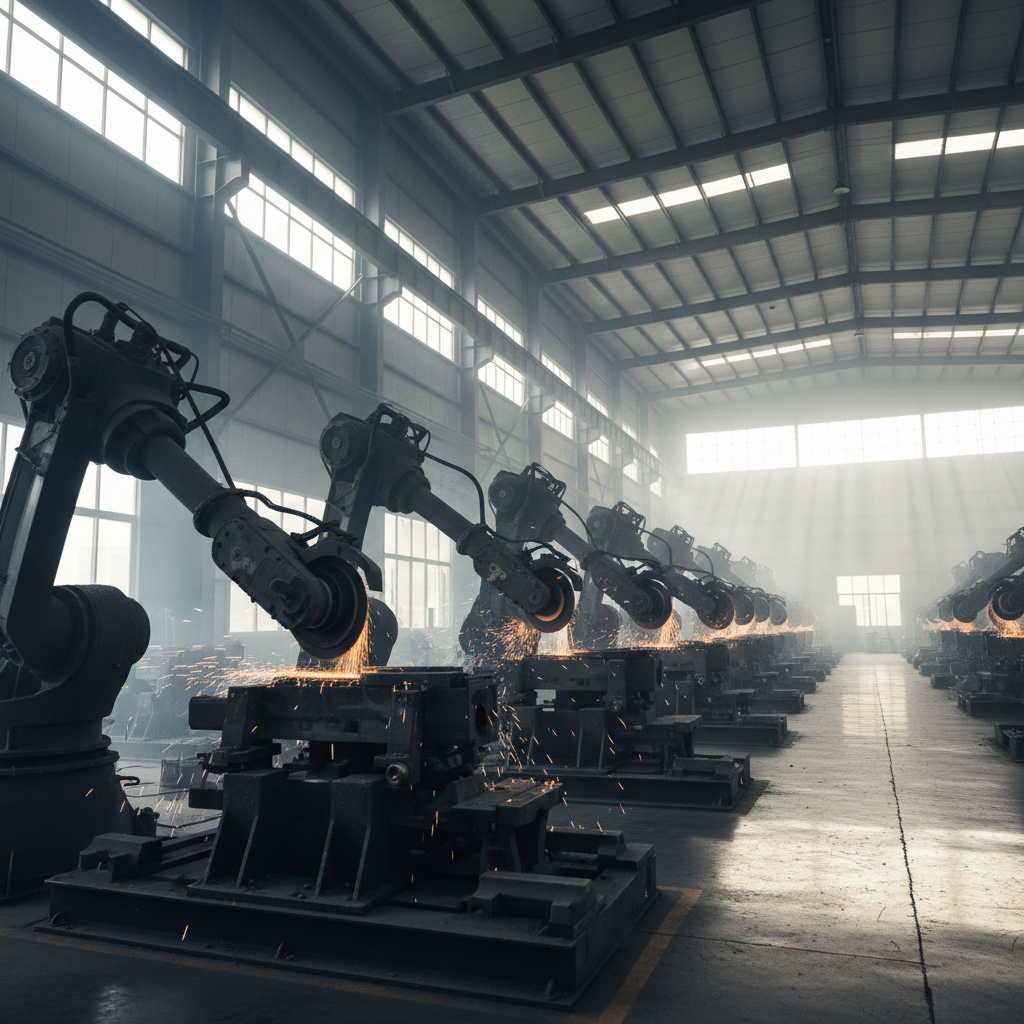
The future of sand casting is all about integration and automation. We’re seeing more and more foundries adopting robotic systems for mold making and pouring, increasing efficiency and improving quality control. The use of 3D-printed sand molds is also gaining traction, allowing for even more complex geometries and faster prototyping.
Another exciting trend is the development of new binder systems that are more environmentally friendly and produce less harmful emissions. And the combination of sand casting with additive manufacturing techniques – creating a hybrid process – is opening up new possibilities for producing lightweight, high-performance components.
We are also seeing increased investment into simulating the casting process; it allows for more efficient mold designs and can predict defects before they occur, reducing waste and improving yield. It’s a smart move – less rework means lower costs and a smaller environmental footprint.
Analysis of Factors Influencing Sand Casting Process Performance
| Factor |
Description |
Impact on Quality |
Mitigation Strategies |
| Sand Composition |
The type and ratio of sand grains, binders, and additives. |
High: Affects permeability, strength, and surface finish. |
Careful selection and mixing of sand components; regular testing. |
| Pouring Temperature |
The temperature of the molten metal during pouring. |
Medium: Influences solidification rate and potential for defects. |
Precise temperature control; proper insulation of the mold. |
| Mold Design |
The geometry and features of the sand mold. |
High: Critical for dimensional accuracy and minimizing shrinkage. |
CAD/CAM modeling; pattern design optimization; core support. |
| Cooling Rate |
The speed at which the metal solidifies within the mold. |
Medium: Affects grain structure and mechanical properties. |
Controlled mold materials; cooling channels; ambient temperature control. |
| Metal Alloy |
The composition and properties of the metal being cast. |
High: Dictates final mechanical properties, corrosion resistance. |
Proper alloy selection based on application; material testing. |
| Mold Moisture |
The water content within the sand mold. |
Medium: Impacts permeability and gas evolution during pouring. |
Precise moisture control; proper sand conditioning. |
FAQS
Common defects include porosity (gas bubbles), shrinkage cavities, cracks, and surface imperfections like roughness or fins. These can stem from improper pouring temperatures, inadequate mold ventilation, poor sand quality, or rapid cooling. Rigorous process control, including proper mold preparation, degassing of molten metal, and controlled cooling rates, are essential to minimize these defects. Experienced foundries prioritize defect detection through non-destructive testing like radiography and ultrasonic inspection.
Sand casting is generally more cost-effective for low to medium volume production runs. Die casting, while offering higher precision and faster cycle times, requires substantial upfront investment in tooling (dies). For small batches or prototypes, sand casting's lower tooling costs make it a much more economical choice. As production volumes increase, die casting can become more competitive. The optimal method depends heavily on the specific application and anticipated quantity.
A wide range of metals can be sand cast, including iron (gray iron, ductile iron), steel (carbon steel, alloy steel), aluminum, brass, bronze, and even some high-temperature alloys. The choice of metal depends on the desired properties of the component, such as strength, corrosion resistance, and thermal conductivity. Iron and aluminum are particularly common due to their relatively low cost and good castability.
Sand casting doesn't typically achieve the same level of dimensional accuracy as processes like investment casting or machining. Tolerances are generally in the range of +/- 0.010 to +/- 0.020 inches, depending on the size and complexity of the casting. However, improvements in mold making techniques, such as using precision patterns and automated molding machines, are helping to reduce these tolerances. Post-casting machining operations can also be used to achieve tighter dimensional control if needed.
Lead times can vary significantly depending on the complexity of the part, the quantity ordered, and the foundry's current workload. For simple parts in small quantities, lead times can be as short as 2-3 weeks. More complex parts or large production runs may take 6-8 weeks or longer. It’s crucial to communicate clearly with the foundry and plan accordingly, especially for critical projects.
Sustainability is becoming increasingly important in sand casting. Foundries are adopting practices like using recycled metal, implementing energy-efficient equipment, utilizing environmentally friendly binders, and improving sand reclamation processes. Reducing waste, minimizing emissions, and responsible resource management are all key aspects of sustainable sand casting. The push for greener practices is driven by both environmental regulations and customer demand.
Conclusion
Sand cast metal remains a cornerstone of modern manufacturing, offering a unique blend of versatility, cost-effectiveness, and scalability. From automotive components to aerospace structures, its applications are vast and continue to expand. Understanding the process, its inherent properties, and the latest innovations is critical for engineers, designers, and manufacturers looking to leverage its full potential.
Looking ahead, the integration of automation, advanced materials, and sustainable practices will further enhance the capabilities of sand casting. Investing in research and development, embracing digital technologies, and fostering collaboration between foundries and end-users will be key to unlocking new possibilities. If you’re looking for a reliable and adaptable metal casting solution, visit our website at sand cast metal to learn more.