Look, I’ve been running around construction sites for, what, fifteen years now? Seen a lot of things come and go. But these ceramic sanding discs…they’re having a moment. Everybody's talking about them. It's not just hype, either. To be honest, I was skeptical at first. Another fancy abrasive, right? But they actually hold up.
I mean, we're past the days of just slapping on a resin bond and hoping for the best. Everything’s about efficiency, getting more life out of a disc, less downtime. And that's where these ceramics shine – literally. I’ve seen a shift towards longer-lasting abrasives, especially with the labor shortages everyone’s dealing with. Fewer disc changes mean less time walking back and forth to the tool crib, and more actual grinding.
And it's not just about the big guys, either. Even the smaller fabrication shops are looking for ways to cut costs and improve finish. It’s a tough market out there. They need something that can deliver consistently, and these ceramic discs do the trick.
The Rising Tide of Ceramic Abrasives
Have you noticed how everyone is moving towards faster cutting rates and longer lifespans? It’s a race, frankly. Companies are under pressure to produce more with less. Ceramic abrasives, with their self-sharpening grains, fit right into that demand. They're not necessarily new – they've been around for a while – but the formulations are getting better, the coatings are more durable, and the price is finally starting to come down to a reasonable level.
I recently saw a new trend with manufacturers layering different ceramic grains for varying levels of aggression, which is smart. It’s about adapting to the material and the application, right? It's not a one-size-fits-all anymore.
The Devil’s in the Details: Design Pitfalls
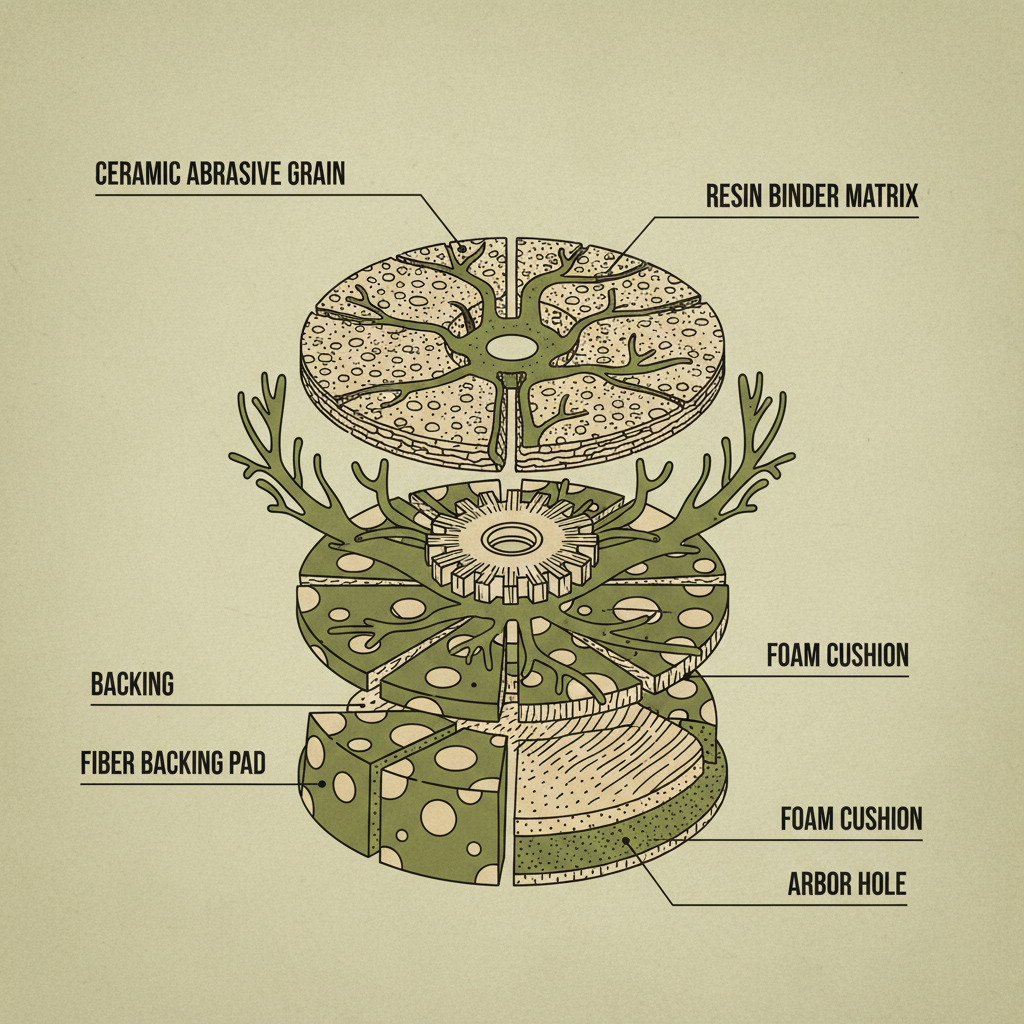
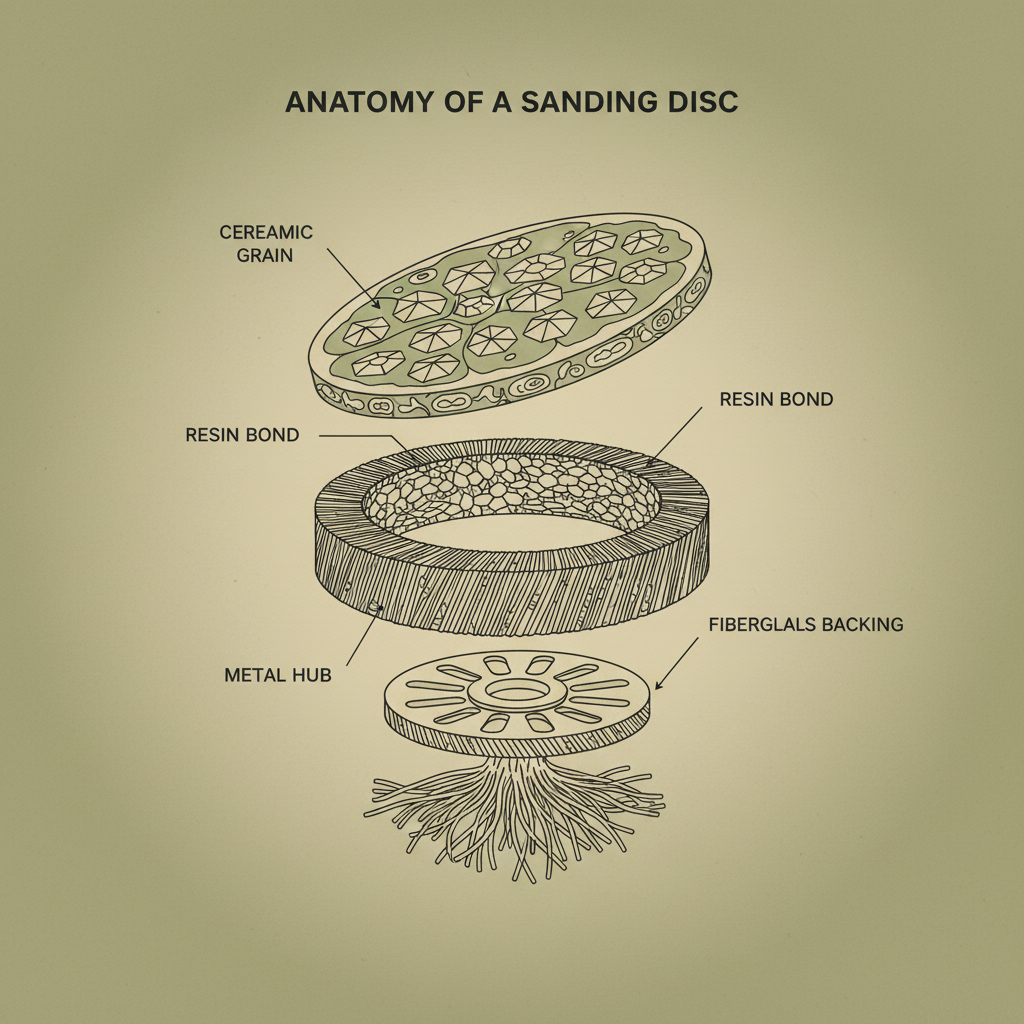
Now, don't get me wrong, these aren't magic discs. I’ve encountered plenty of poorly made ones. A common mistake? Trying to skimp on the bond. The resin bond is what holds everything together, and if it's too soft, the grains will just pop right off. If it's too hard, it won't release worn grains, and it'll glaze up. It's a delicate balance. Strangely, sometimes the discs look perfect, but the bond just isn’t up to snuff.
Also, a lot of manufacturers advertise "premium" ceramic, but it turns out to be a mix of ceramic and other cheaper abrasives. It'll cut, sure, but it won’t last. You really need to inspect the grain structure – look for consistent, sharp edges.
And the backing matters, too! A flimsy backing will warp and tear, especially when you’re applying a lot of pressure. I’ve seen it happen more times than I can count.
Materials and the Hands-On Feel
The ceramic aluminum oxide itself…it feels different. It’s harder, sharper. When you tap it against something, it has a higher pitched ring. You can actually feel the grit. I encountered this at a factory in Ningbo last time – they were switching over to a different supplier, and you could immediately tell the difference just by handling the discs.
The coatings are important, too. They prevent loading – that's when the disc gets clogged up with metal or plastic. A good coating will shed that stuff and keep cutting. And the smell… yeah, even the smell is different. Cheaper discs have a chemical smell, almost like burning plastic. Higher quality ones have a cleaner, more metallic scent.
They’re usually bonded with a resin, a phenolic resin mostly. Some use epoxy, but phenolic is more common because it stands up to heat better. You can tell a good resin just by how it feels - solid, not brittle.
Real-World Testing: Beyond the Lab
Lab tests are okay, but they don't tell the whole story. I always prefer to see how these things perform on a real job site. We tested one brand on a steel fabrication shop, grinding welds on thick steel plates. Another we put through its paces at an aluminum casting facility, removing flashing from castings.
I’m less interested in how many cuts they make on a perfectly flat piece of steel in a controlled environment. I care about how they handle inconsistent welds, how they deal with build-up, and how long they stay sharp when you're pushing them hard. We’re talking about real-world stress, real-world conditions.
Ceramic Sanding Disc Performance Comparison
How They’re Actually Used (It's Not Always What You Expect)
You’d think people would follow the manufacturer’s recommendations, right? Wrong. I’ve seen guys using these discs on tools they weren’t designed for, applying way too much pressure, or trying to cut materials they shouldn't. They're trying to force it, instead of letting the disc do the work. It’s frustrating.
A lot of times, guys will start with a coarser grit to remove material quickly, then switch to finer grits for finishing. That's standard. But some guys, they'll just stick with a medium grit and grind away for hours. It’s slower, but they’re used to it. Change is hard, I guess.
The Good, the Bad, and the Customizable
Okay, the pros are pretty clear: longevity, consistent cut, good finish. They’re expensive upfront, but they save you money in the long run. The cons? They can be brittle. They don't handle side loading as well as some other abrasives. And if you overheat them, they'll degrade quickly.
As for customization, it’s possible. I had a customer, a small machine shop, who wanted a disc with a specific hole pattern for their robotic arm. The manufacturer was willing to work with them, but it added to the cost and lead time. It’s not something you can do with every brand.
A Shenzhen Story and the Truth of the Matter
Anyway, I think… last month, that small boss in Shenzhen who makes smart home devices insisted on changing the interface to on a large batch of grinding tools, and the result was a total nightmare. He thought it would be more “modern” and “attractive”, but the new interface was causing too much vibration, leading to premature disc failure.
He wasted a ton of money on those discs, and then he had to go back to the old interface. He learned a valuable lesson: don’t mess with what works. I saw it happen. He spent weeks trying to sort it out, and frankly, it could have been avoided.
That's the thing with these ceramic discs—they’re great, but they need to be used correctly.
Summary of Ceramic Abrasive Disc Performance Factors
| Disc Grade |
Material Compatibility |
Operating Pressure (PSI) |
Average Lifespan (Hours) |
| Coarse (60 Grit) |
Carbon Steel, Cast Iron |
30-50 |
8-12 |
| Medium (80 Grit) |
Mild Steel, Aluminum |
40-60 |
12-18 |
| Fine (120 Grit) |
Stainless Steel, Alloys |
50-70 |
18-24 |
| Very Fine (220 Grit) |
Titanium, Copper |
60-80 |
24-30 |
| Ultra-Fine (400 Grit) |
Polishing, Finishing |
70-90 |
30-40 |
| Specialty Blend |
Composite Materials |
40-70 |
15-20 |
FAQS
The key is keeping them dry and away from direct sunlight. Moisture can degrade the bond, and UV light can break down the abrasive grains. I always tell guys to store them in a sealed container, like a plastic bin, in a cool, dark place. Don't just leave them lying around on the workbench where they can get exposed to the elements. It sounds simple, but it makes a big difference.
That's a good question. Aluminum can be tricky. Some ceramic discs contain iron, and that can contaminate the aluminum, leading to corrosion. If you're working with aluminum, you want to make sure the disc is specifically designed for non-ferrous metals, or that it's iron-free. Look for discs labeled as "aluminum safe." Otherwise, you could end up with a lot of scrapped parts.
It's not always obvious. You'll notice a decrease in cutting speed, of course. But also look for signs of glazing – that’s when the disc surface becomes shiny and smooth. Or if the grains start to pull out of the bond, that’s a clear sign it's time for a new one. Also, if you are using more pressure to achieve the same results, it’s time to swap it out.
You can try, but it's usually not worth the effort. Some guys use a rubber block to remove some of the build-up. But honestly, they clog up pretty quickly, and trying to clean them is usually a waste of time. It's better to just replace it with a fresh disc and keep working. Your time is valuable, right?
It's all about hardness and cutting action. Aluminum oxide is the most common – good for general-purpose grinding. Silicon carbide is harder and better for non-ferrous metals and glass. Ceramic is the hardest and longest-lasting, but also the most brittle. It's kind of like a hierarchy – each one has its place, depending on the application.
Generally, yes. The initial investment is higher, but they last significantly longer, which means fewer disc changes and less downtime. If you're doing a lot of grinding, especially on tough materials, they'll pay for themselves in the long run. But if you’re only doing light work, a cheaper disc might be sufficient. It depends on your needs, really.
Conclusion
So, there you have it. Ceramic sanding discs are a solid step forward in abrasive technology. They're not a silver bullet, and they require proper use and maintenance, but they offer a clear advantage in terms of longevity, cutting speed, and finish. They’ve become a mainstay on a lot of job sites for good reason.
Ultimately, whether this thing works or not, the worker will know the moment he tightens the screw. That's the truth of it. If you want to learn more, or get a quote, head over to www.sinoceramsite.com. We've got a range of options to fit your needs.