Industrial sand casting is a versatile and widely used manufacturing process, crucial for producing metal components across numerous industries. Its ability to create complex shapes with varying sizes, coupled with its relative cost-effectiveness, makes it a cornerstone of modern production. Understanding its principles and applications is vital for engineers, manufacturers, and anyone involved in product development and supply chains globally.
The global relevance of industrial sand casting stems from its scalability and adaptability. From automotive parts and aerospace components to machinery and infrastructure, the process delivers essential parts. Furthermore, its adaptability makes it suitable for both small-batch production and mass manufacturing, catering to diverse market demands. This widespread applicability ensures its continued importance in a rapidly evolving industrial landscape.
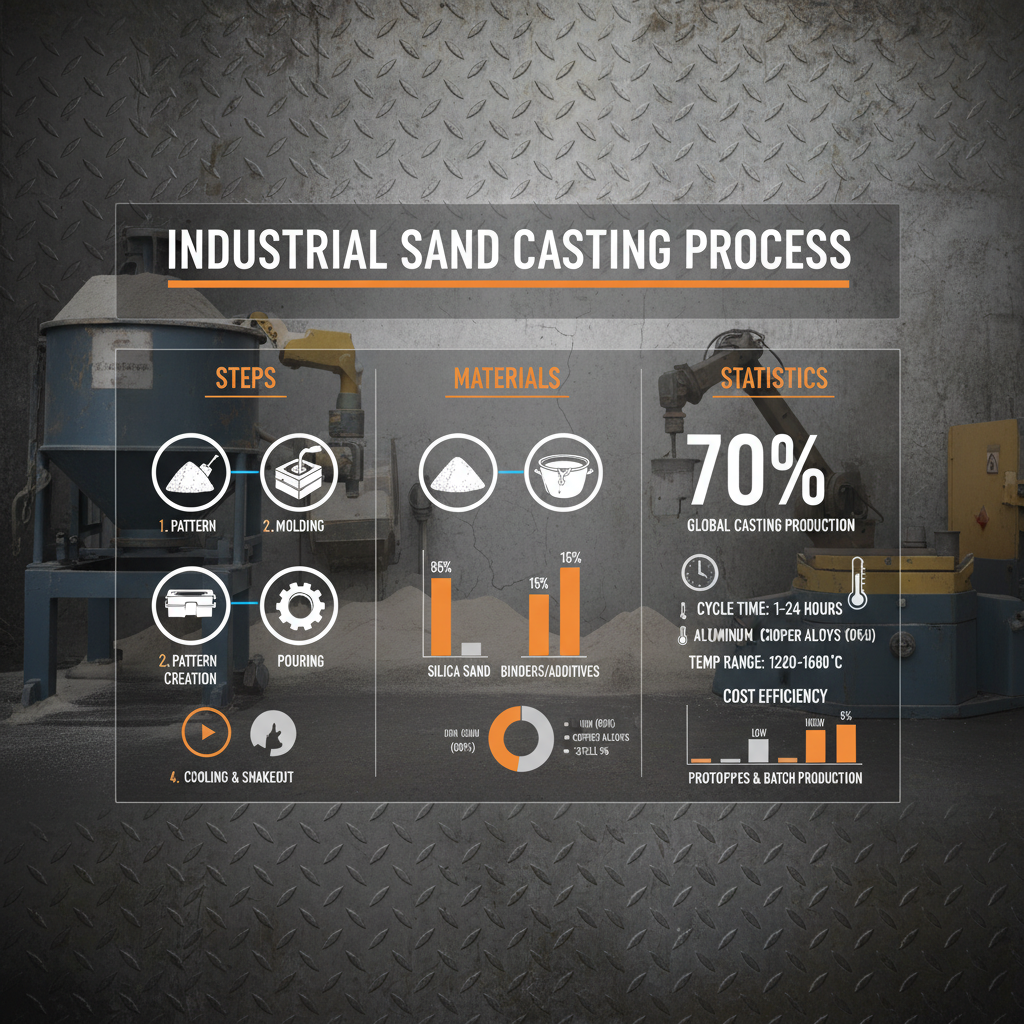
At its core, industrial sand casting involves pouring molten metal into a sand mold, which solidifies to form the desired shape. It’s a time-tested technique, providing a cost-effective solution for creating complex metal parts, making it central to many modern industries and vital for delivering necessary components for infrastructure and humanitarian efforts worldwide.
The Significance of Industrial Sand Casting
Industrial sand casting isn't merely a manufacturing process; it’s a foundational element supporting countless sectors. Its influence extends from enabling mass production of automotive components to facilitating the creation of durable infrastructure elements. The process’s widespread adoption highlights its essential role in global supply chains and industrial development. industrial sand casting continues to drive innovation.
Understanding industrial sand casting is critical for anyone involved in materials science, engineering, or manufacturing. Its fundamental principles influence design choices, material selection, and production efficiency. By grasping the nuances of this process, professionals can optimize production workflows, improve product quality, and contribute to advancements within their respective fields.
Defining Industrial Sand Casting
Industrial sand casting, simply put, is a metal casting process where molten metal is poured into a mold made of sand. This mold, carefully shaped to match the desired part, allows the metal to solidify, creating a near-net-shape component. The process is remarkably adaptable, capable of handling a wide range of metals and alloy compositions.
The connection to modern industry is undeniable. Virtually every sector relying on metal components – from automotive and aerospace to construction and energy – utilizes parts created through industrial sand casting. It is the method of choice when dealing with large parts, complex geometries, or when cost-effectiveness is paramount.
Beyond industrial applications, industrial sand casting has implications for addressing humanitarian needs. The ability to rapidly produce durable and customized metal components is invaluable in disaster relief efforts, providing critical infrastructure replacements and essential tools. Its scalability ensures it can meet the demands of large-scale deployments.
Core Components of Industrial Sand Casting
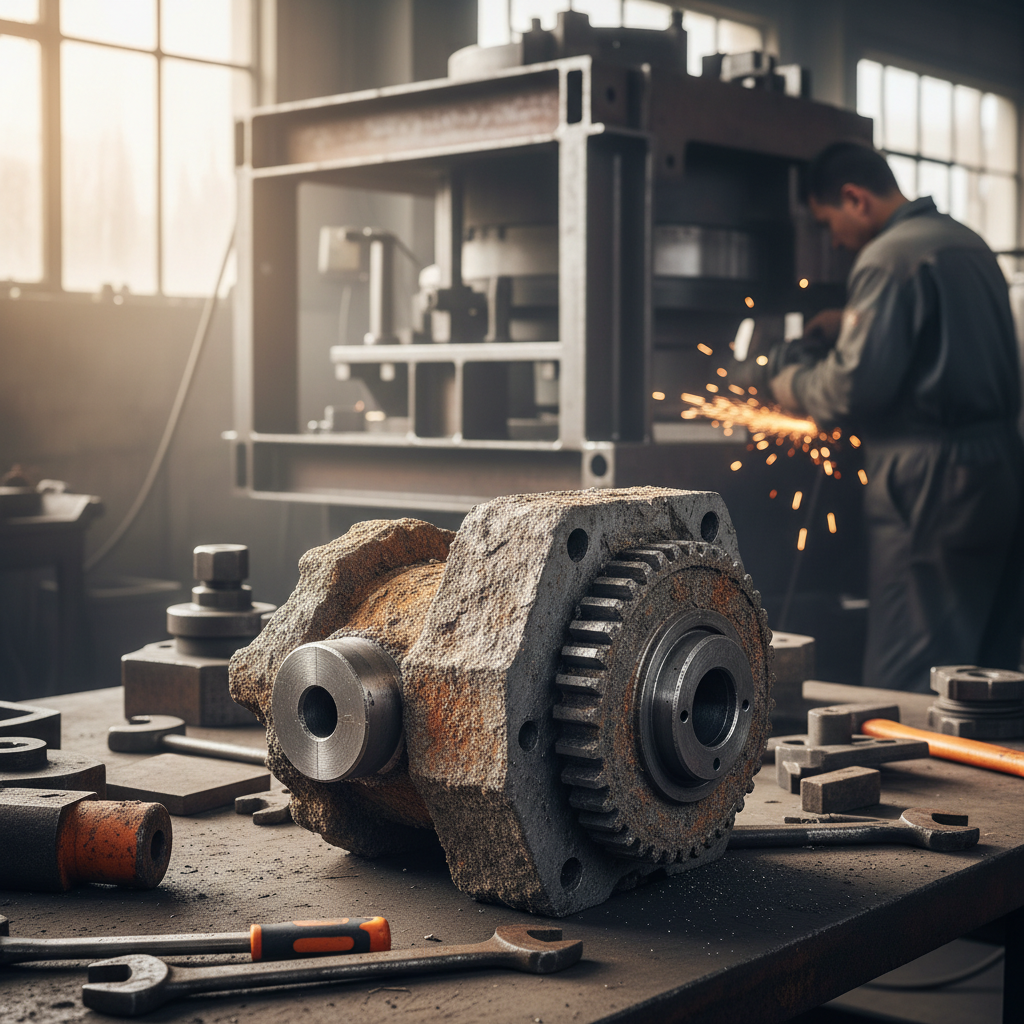
Durability is a cornerstone of industrial sand casting. The resulting components are known for their strength, resistance to wear and tear, and ability to withstand harsh environmental conditions. This robustness makes them suitable for applications demanding long service lives, like engine blocks or structural supports.
Scalability is another key feature. Industrial sand casting easily adapts to both low-volume prototyping and high-volume production runs. This flexibility allows manufacturers to efficiently meet fluctuating demand and cater to diverse project requirements, making it an attractive option for varied production scales.
Cost-efficiency is a significant advantage. Compared to other casting methods like die casting or investment casting, industrial sand casting generally requires lower tooling costs and simpler equipment. This makes it an economically viable choice, particularly for large parts or complex designs where alternative methods would be prohibitively expensive.
Key Benefits: A Deep Dive into Industrial Sand Casting
The versatility of industrial sand casting is arguably its greatest strength. It can accommodate a vast array of metal alloys, including iron, steel, aluminum, and bronze, offering manufacturers a wide range of material options. This adaptability extends to the complexity of designs possible; intricate shapes and internal passages can be easily produced.
Another compelling benefit is its ability to handle large part sizes. Unlike some casting methods constrained by mold capacity, industrial sand casting can produce components weighing from a few ounces to several tons. This capability is crucial for industries like shipbuilding, construction, and heavy machinery.
Comparison of Industrial Sand Casting Methods
Real-World Applications and Use Cases
The automotive industry heavily relies on industrial sand casting for producing engine blocks, cylinder heads, and transmission housings. These components require high strength, durability, and the ability to withstand extreme temperatures – properties perfectly met by sand-cast parts.
In the aerospace sector, industrial sand casting is used for manufacturing critical components like turbine blades, structural supports, and engine parts. The ability to create complex geometries and utilize specialized alloys is crucial for meeting the stringent demands of this industry.
Long-Term Advantages & Value Proposition
Beyond immediate cost savings, industrial sand casting delivers significant long-term value. The durability of the resulting parts reduces the need for frequent replacements, lowering lifecycle costs. The adaptability of the process also translates to reduced development times and faster time-to-market for new products.
Furthermore, increasing emphasis on sustainable manufacturing practices makes industrial sand casting an attractive option. Recycling of sand and metal materials reduces waste, while optimized processes minimize energy consumption. These eco-friendly attributes contribute to a positive brand image and align with corporate social responsibility goals.
The reliability of components produced via industrial sand casting fosters trust among end-users, especially in safety-critical applications. This trust, coupled with the process’s inherent scalability and cost-effectiveness, solidifies its position as a cornerstone of modern manufacturing.
Future Trends & Innovations in Industrial Sand Casting
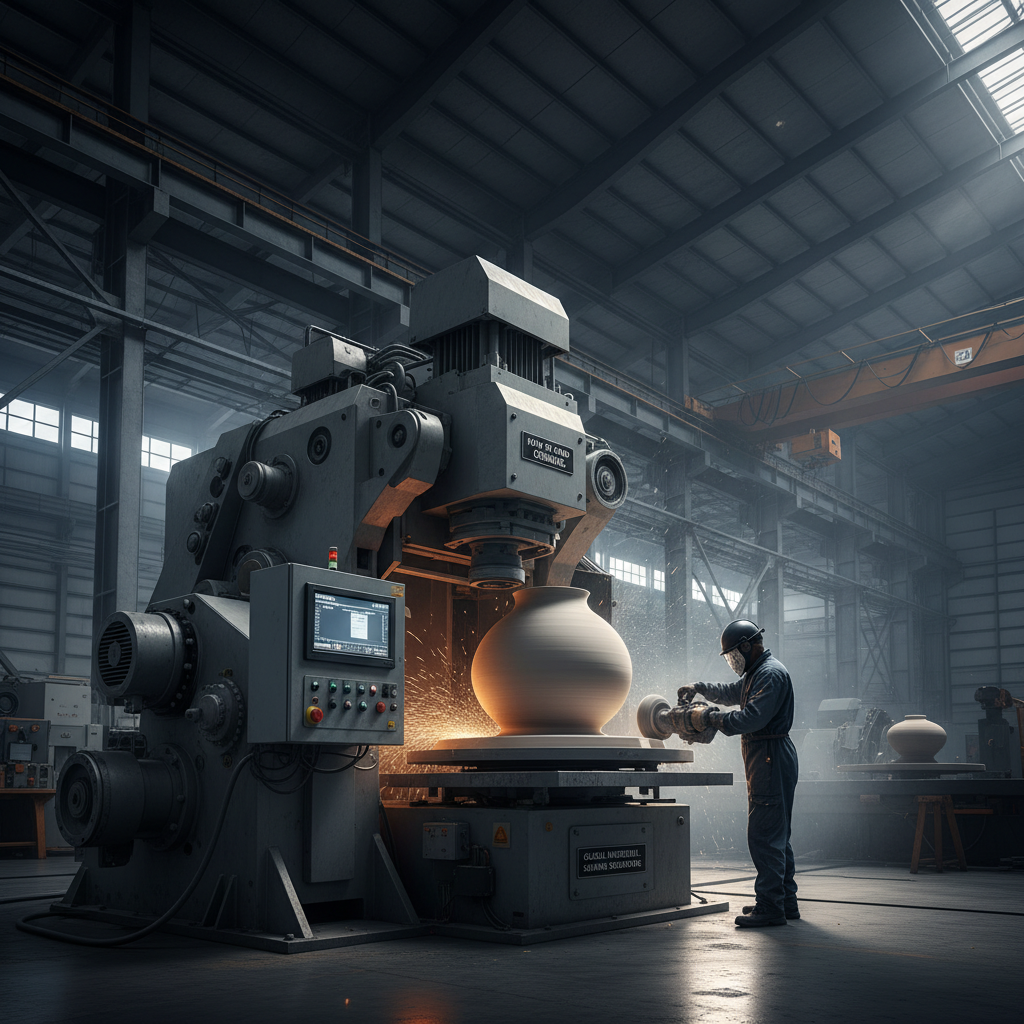
Automation is rapidly transforming industrial sand casting. Robotic systems are being implemented for mold making, pouring, and finishing processes, increasing efficiency, improving precision, and reducing labor costs. These advancements are paving the way for "smart factories" with fully integrated production lines.
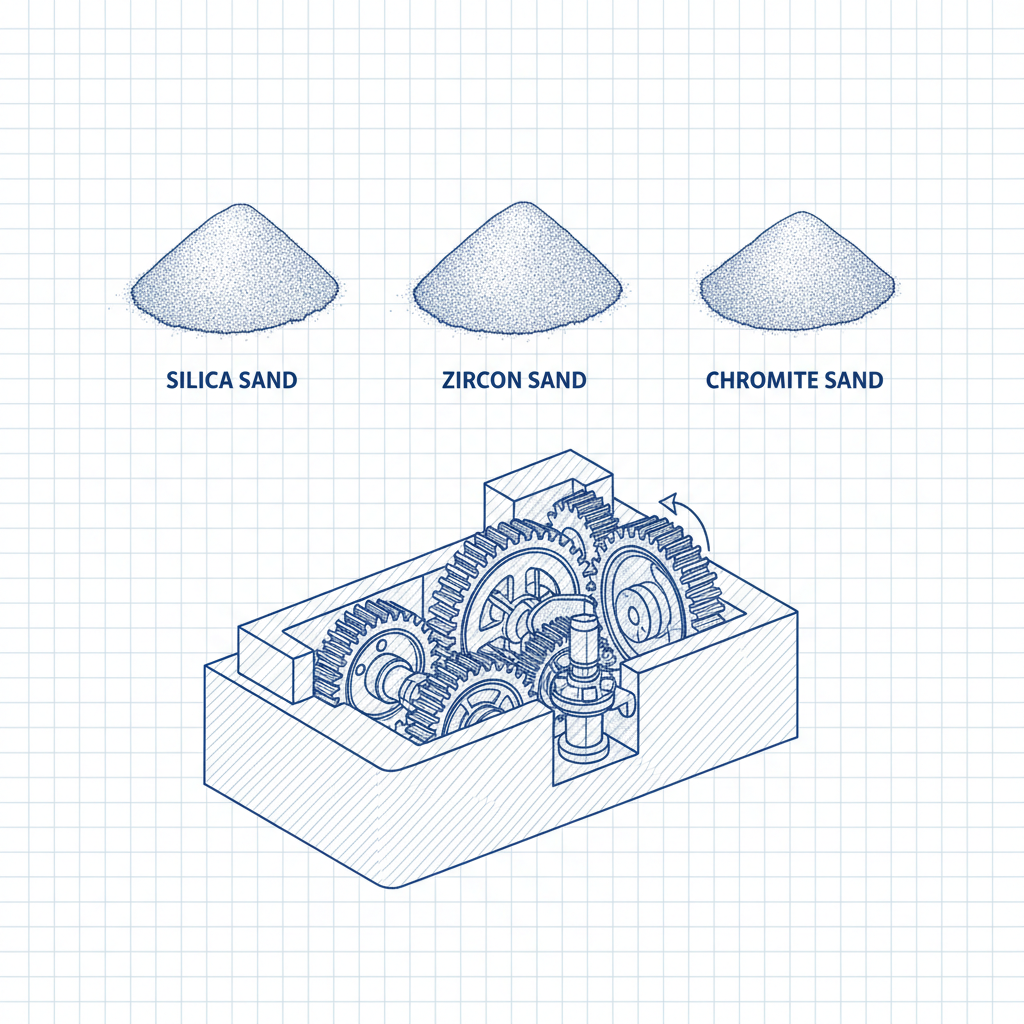
The development of new sand binders and mold materials is also driving innovation. Environmentally friendly binders are replacing traditional options, reducing emissions and improving workplace safety. Simultaneously, advancements in sand grain technology are enhancing mold strength and surface finish.
Digitalization plays a crucial role through 3D printing of sand molds, enabling rapid prototyping and customization. Combined with data analytics and process monitoring, this digital transformation unlocks opportunities for real-time optimization and predictive maintenance, ensuring consistent quality and maximized efficiency.
Summary of Challenges and Solutions in Industrial Sand Casting
| Challenge |
Impact |
Proposed Solution |
Implementation Cost (1-10) |
| Mold Material Degradation |
Reduced mold strength, surface imperfections. |
Utilize advanced sand binders and mold coatings. |
6 |
| Porosity in Castings |
Weakened mechanical properties. |
Optimized pouring temperature and rate, vacuum casting. |
7 |
| Environmental Concerns |
Emissions from binders, sand disposal. |
Implement eco-friendly binders, sand recycling programs. |
5 |
| Labor Intensive Processes |
High labor costs, potential for errors. |
Automation of mold making and pouring. |
8 |
| Dimensional Accuracy |
Requires secondary machining. |
Improved mold design and precision casting techniques. |
6 |
| Surface Finish Quality |
Additional finishing operations are necessary. |
Mold coatings, vibration casting. |
4 |
FAQS
The primary cost factors in industrial sand casting include the cost of raw materials (metal, sand, binders), tooling costs (pattern and core making), labor costs, energy consumption, and finishing operations. The complexity of the design, production volume, and alloy selection significantly impact overall expenses. Optimizing mold design and utilizing efficient casting techniques can help minimize these costs.
A wide variety of metals can be used in industrial sand casting, including iron (gray iron, ductile iron), steel (carbon steel, stainless steel), aluminum alloys, bronze, and brass. The choice of metal depends on the specific application requirements, such as strength, corrosion resistance, and thermal properties. Each metal offers unique advantages, making the process incredibly versatile.
Compared to die casting, industrial sand casting generally has lower tooling costs, making it more economical for low-to-medium production volumes. However, die casting offers higher precision and smoother surface finishes. Sand casting is suitable for larger parts and complex geometries, while die casting excels in producing smaller, simpler parts with tight tolerances.
Environmental considerations include emissions from binder materials, sand disposal, and energy consumption. Utilizing eco-friendly binders, implementing sand recycling programs, and optimizing energy efficiency can minimize the environmental impact. Sustainable practices are becoming increasingly important in the industry to meet regulatory requirements and customer expectations.
Typical tolerances for industrial sand casting range from ±0.010 to ±0.020 inches per inch of dimension. Achieving tighter tolerances may require secondary machining operations. Factors influencing tolerance include the type of sand, mold design, and casting process parameters. Vacuum casting and precision casting techniques can improve achievable tolerances.
Quality control in industrial sand casting involves inspecting molds, monitoring process parameters (temperature, pouring rate), and conducting non-destructive testing (NDT) of castings. NDT methods include visual inspection, radiography, ultrasonic testing, and dye penetrant inspection. These procedures identify defects and ensure the quality of finished products.
Conclusion
In conclusion, industrial sand casting remains a vital manufacturing process, offering a compelling combination of versatility, cost-effectiveness, and scalability. From enabling mass production of essential components to facilitating customized solutions, its influence permeates numerous industries. Embracing automation, sustainable practices, and innovative materials will continue to drive its evolution.
Looking ahead, the integration of digital technologies and a commitment to eco-friendly processes will solidify industrial sand casting's position as a cornerstone of modern manufacturing. We encourage you to explore the possibilities and discover how industrial sand casting can contribute to your success. Visit our website: www.sinoceramsite.com for more information.