Look, I've spent the last twenty years on construction sites, getting my hands dirty, dealing with every kind of material imaginable. And when it comes to getting parts made quickly, reliably, and without breaking the bank, low volume sand casting is a lifesaver. It’s not the flashiest process, but it’s a workhorse. We’re talking about projects where you need a handful of custom brackets, specialized housings, or unique tooling – things that injection molding or stamping just can’t handle economically. The beauty of it is you can get high-quality metal parts, fast, without needing to invest in a massive production run.
I’ve seen companies crippled by lead times when they needed just a few parts, waiting months for a prototype or replacement. That downtime kills schedules and budgets. Low volume sand casting cuts through that. It allows you to iterate on designs, get parts in your hands for testing, and keep projects moving forward. It’s especially crucial for repair work where original parts are obsolete or unavailable. It’s a practical solution for real-world problems, not some theoretical ideal.
Honestly, it’s about being adaptable. Construction is rarely predictable. You need a manufacturing process that can roll with the punches, handle design changes, and deliver when you need it, not when a factory schedule dictates. Low volume sand casting gives you that flexibility, and that’s why I keep coming back to it.
The Importance of Low Volume Sand Casting
I've seen firsthand how crucial a responsive manufacturing process is. Projects get delayed, budgets get blown, and reputations suffer when you’re waiting on parts. Low volume sand casting addresses this head-on. It’s about mitigating risk and having a reliable way to get the components you need, when you need them. Forget minimum order quantities and long lead times – it’s about getting the job done.
The global manufacturing landscape is shifting. Companies are increasingly demanding customization and flexibility. Traditional mass production methods often fall short, leading to a greater reliance on techniques like low volume sand casting. It’s a solution that bridges the gap between prototyping and full-scale production, allowing for continuous improvement and iterative design.
Defining Low Volume Sand Casting
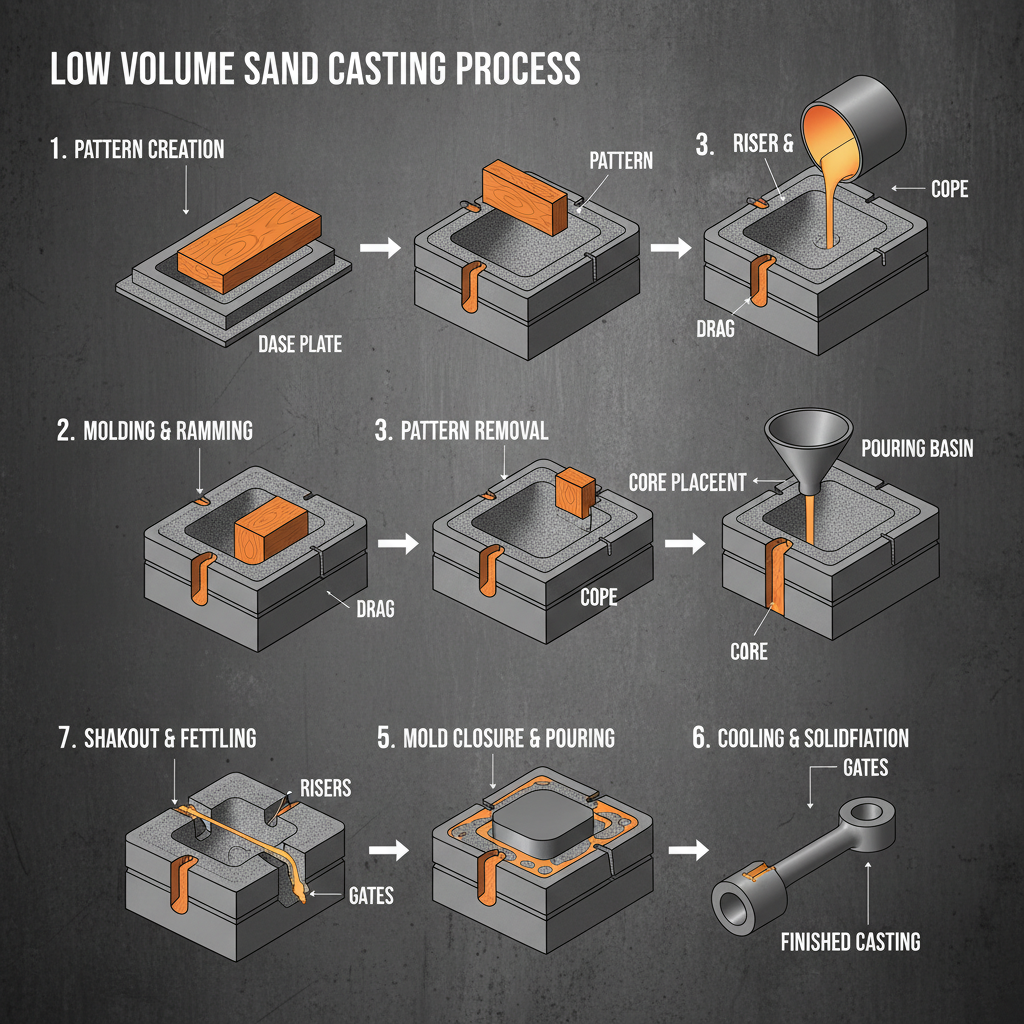
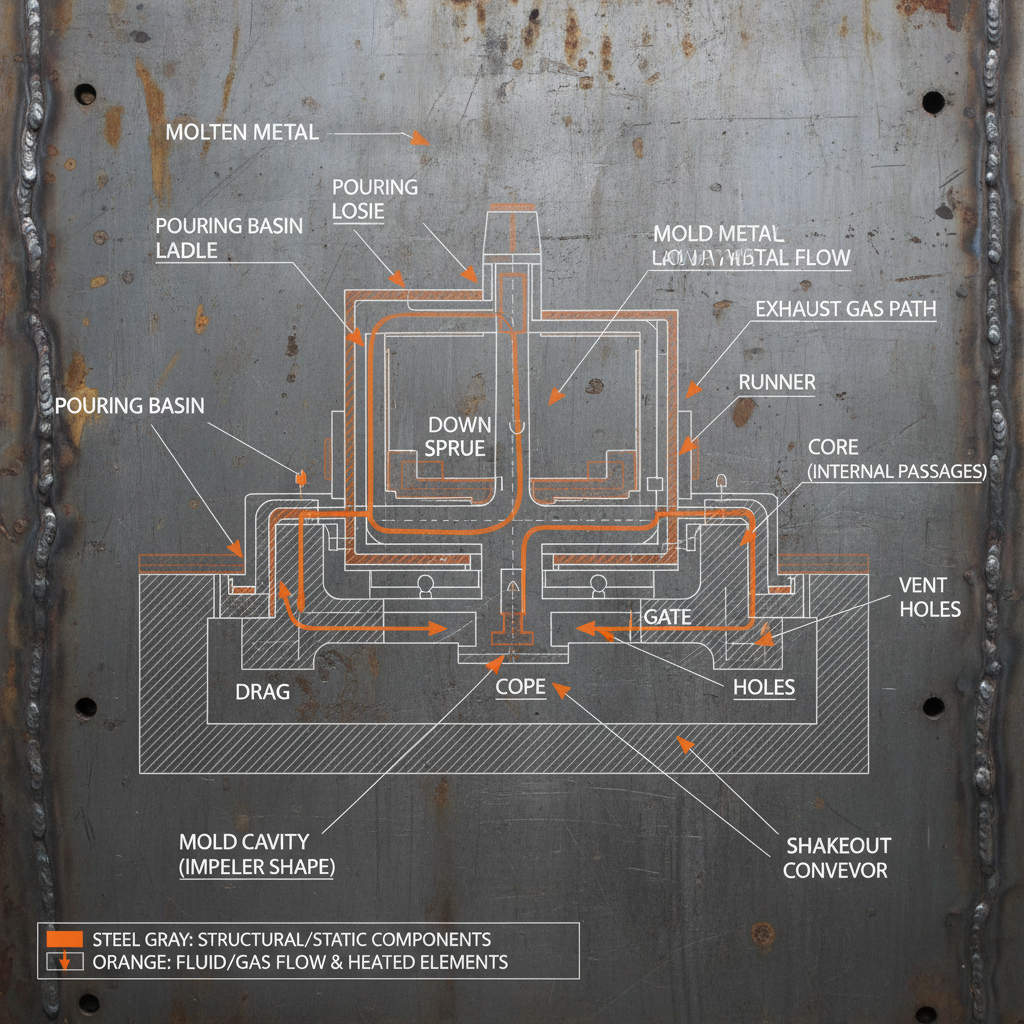
Simply put, low volume sand casting is a metal casting process suited for producing a limited number of parts. You create a pattern of the desired part, pack sand around it to form a mold, pour molten metal into the mold, and then break the mold to reveal the finished casting. The key is the setup – it's relatively quick and inexpensive compared to creating tooling for other methods.
It’s not about churning out millions of identical pieces. It’s about getting 10, 20, 50, or even 100 parts made efficiently. It’s often the go-to method when dealing with complex geometries or materials that are difficult to machine. It’s the kind of process that keeps smaller projects afloat, and lets bigger ones adapt quickly.
This process is critical for industries needing parts quickly, and in low quantities. Think of specialized equipment for remote construction sites or the need for unique replacements in aging infrastructure. It's a practical solution for challenges that mass-production can't efficiently address.
Core Advantages for Practical Applications
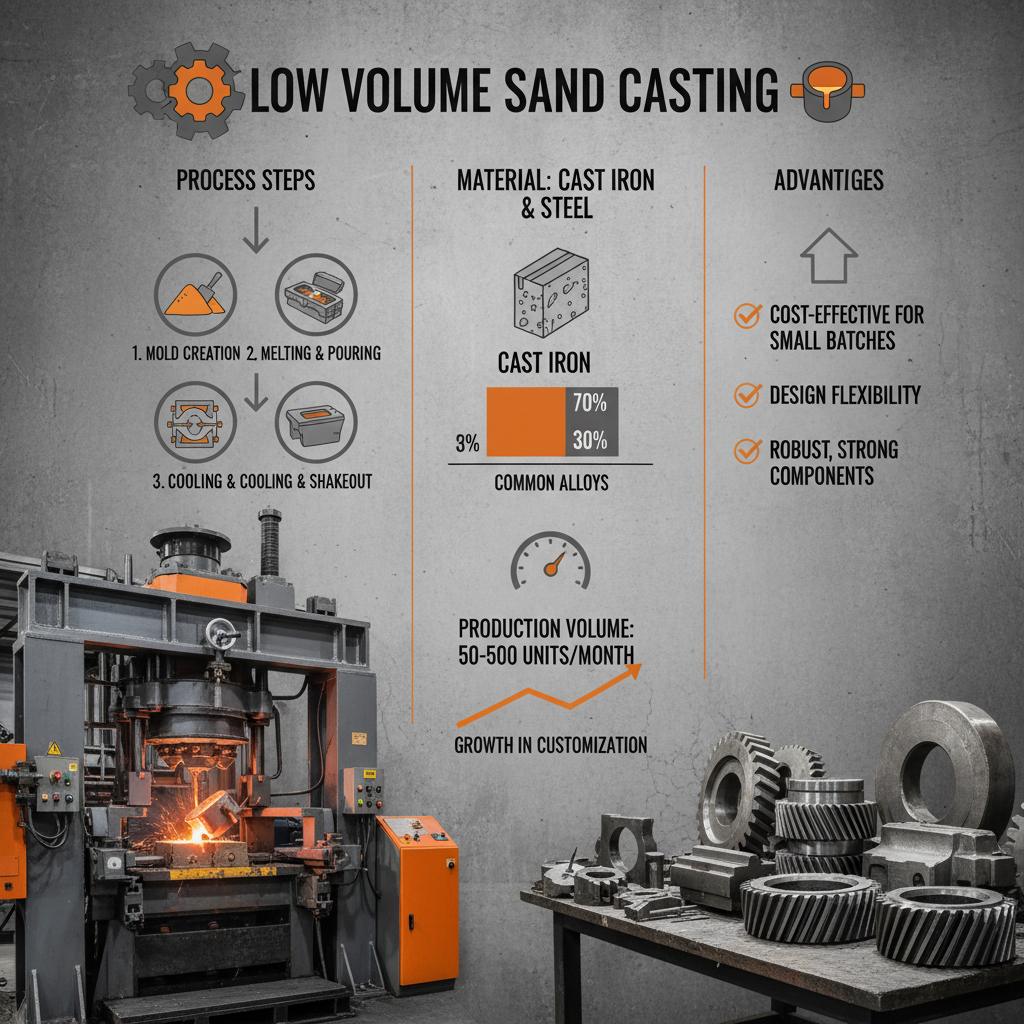
One of the biggest advantages is the cost-effectiveness for small batches. You don't have to spend a fortune on tooling – the sand mold itself is relatively inexpensive to create. This makes it ideal for prototyping, testing, and short-run production. You get metal parts without the financial commitment of mass production.
Another huge benefit is design flexibility. Sand casting can handle incredibly complex shapes and internal geometries that other processes struggle with. This is crucial when you need parts that aren’t simple, off-the-shelf items. It’s also versatile in terms of materials – you can cast a wide range of metals and alloys, tailoring the material properties to your specific application.
And let's not forget the turnaround time. Compared to methods like die casting, sand casting offers a significantly faster lead time. This means you can get your parts quickly, keeping your projects on schedule and minimizing downtime. That speed is invaluable on a busy job site.
Global Applications and Real-World Examples
I’ve seen low volume sand casting used everywhere from restoring vintage machinery to building custom components for specialized industrial equipment. In remote areas, where getting standard parts is a logistical nightmare, it's a game-changer. They can create what they need locally, rather than waiting for shipments.
I worked on a project in Southeast Asia where we needed custom brackets for a water filtration system. The specifications were unique, and the quantities were small. Low volume sand casting was the only viable option. It saved us weeks of waiting and a significant amount of money.
You'll find it widely used in the automotive restoration industry, aerospace for specialized tooling, and even in the art world for creating unique metal sculptures. It’s a versatile process that adapts to a wide range of applications across different regions and industries.
Sand Casting Application Breakdown
Long-Term Value and Benefits
The real value of low volume sand casting isn't just about cost savings. It’s about resilience. It allows you to adapt to unforeseen challenges, keep your operations running smoothly, and maintain control over your supply chain. It's a strategic advantage.
It's also a sustainable approach. By reducing the need for large production runs and minimizing waste, you're contributing to a more environmentally responsible manufacturing process. And that’s something we should all be striving for.
Emerging Trends and Innovations
We’re starting to see more automation in sand casting, with robotic systems handling mold making and pouring. This is increasing efficiency and reducing labor costs. 3D-printed sand molds are also gaining traction, allowing for even greater design complexity and faster turnaround times.
There's also a growing focus on using more sustainable materials in the sand molds themselves. Traditional binders can be harmful to the environment, so companies are exploring alternative options like bio-based binders. It’s a move towards greener manufacturing processes.
Challenges and Solutions in Low Volume Sand Casting
One challenge is maintaining consistent quality in low volume runs. It requires skilled technicians and careful process control. But with proper training and quality assurance measures, it's entirely manageable. The key is experience.
Another hurdle can be the surface finish of the castings. Sand casting typically produces a rougher surface than other methods. But this can be addressed through post-processing techniques like machining or polishing. Or, choosing the right sand and binder mix from the start can significantly improve the surface quality.
Finally, sourcing reliable suppliers is critical. You need a foundry that understands your needs, has a proven track record, and can deliver on time. That’s where partnering with a reputable company like Sinoceramsite comes in. They understand the demands of low volume production and can provide the expertise and support you need.
Summary of Common Challenges and Solutions in Low Volume Sand Casting
| Challenge |
Impact on Project |
Solution |
Implementation Cost (1-10) |
| Inconsistent Quality |
Part rejection, delays |
Skilled Technicians, QC Checks |
6 |
| Rough Surface Finish |
Requires post-processing |
Machining, Polishing, Optimized Sand Mix |
4 |
| Long Lead Times |
Project Delays |
Streamlined Communication, Efficient Foundry |
5 |
| Material Selection |
Incorrect metal properties |
Expert Material Consultation |
3 |
| Mold Collapses |
Defective Castings |
Proper Sand Compaction & Binder Ratio |
7 |
| Supplier Reliability |
Delivery delays, poor communication |
Vetted Foundry with Proven Track Record |
2 |
FAQS
Low volume sand casting stands out for its cost-effectiveness in smaller runs, eliminating the need for expensive tooling. It offers significant design flexibility, capable of producing complex geometries that other methods struggle with. Plus, the relatively fast turnaround time keeps projects on schedule, making it ideal for prototyping and custom parts.
Absolutely. One of the strengths of sand casting is its versatility with materials. You can cast various metals and alloys – including aluminum, iron, steel, and even specialized alloys – catering to diverse application requirements. This adaptability makes it a go-to choice when specific material properties are crucial for performance.
Dimensional accuracy in sand casting is generally good, but it's not as precise as methods like die casting. However, with careful mold design, proper sand compaction, and post-casting machining, you can achieve acceptable tolerances for most applications. It’s often sufficient for functional parts, even if tight tolerances are required.
Sand casting typically results in a rougher surface finish compared to die casting or investment casting. This is due to the sand grain structure in the mold. However, this can be mitigated through post-processing operations like grinding, polishing, or machining to achieve a desired surface smoothness. Selecting the right sand and binder mix initially also helps.
Lead times for low volume sand casting are generally shorter than those for methods requiring extensive tooling. Typically, you can expect lead times ranging from a few weeks to a month, depending on the complexity of the part, the quantity, and the foundry’s capacity. This is a major advantage when time is of the essence.
Quality assurance is paramount. Choose a reputable foundry with a robust quality control system. This includes thorough inspection of raw materials, dimensional checks, non-destructive testing, and adherence to industry standards. Clear communication of your specifications and expectations is also vital for consistent quality.
Conclusion
Low volume sand casting isn’t about fancy technology or complex processes. It's about practicality, adaptability, and getting the job done right. It’s a reliable, cost-effective solution for small batch production, prototyping, and custom parts. In a world demanding increasing flexibility, it remains a critical manufacturing process.
Don't underestimate the value of a process that can bridge the gap between design and reality, keeping your projects on track and within budget. If you're facing a challenge that requires custom metal parts in low volumes, explore the possibilities of low volume sand casting. And if you need a partner who understands the process inside and out, visit our website at www.sinoceramsite.com.