Sand for casting, a critical component in modern manufacturing, underpins a vast array of industries globally. From automotive and aerospace to construction and art, the ability to create precise metal forms relies heavily on the quality and characteristics of this often-overlooked material. Understanding the nuances of sand for casting is no longer simply a matter of metallurgical expertise; it’s increasingly crucial for ensuring supply chain resilience, optimizing production costs, and promoting sustainable manufacturing practices.
The global demand for castings continues to rise, driven by infrastructure development in emerging economies and the increasing complexity of engineered components. However, the sourcing of suitable sand for casting is facing increasing scrutiny due to environmental concerns related to silica mining and the availability of high-quality resources. This challenge necessitates a focus on innovative sand alternatives, efficient reclamation techniques, and a deeper understanding of sand properties to maintain production efficiency and minimize environmental impact.
This fundamental material is not merely a granular substance; it's the foundation for creating the intricate shapes and durable components that power our world. Mastering the selection, preparation, and utilization of sand for casting is, therefore, paramount to success in a wide spectrum of industries.
The Significance of Sand for Casting
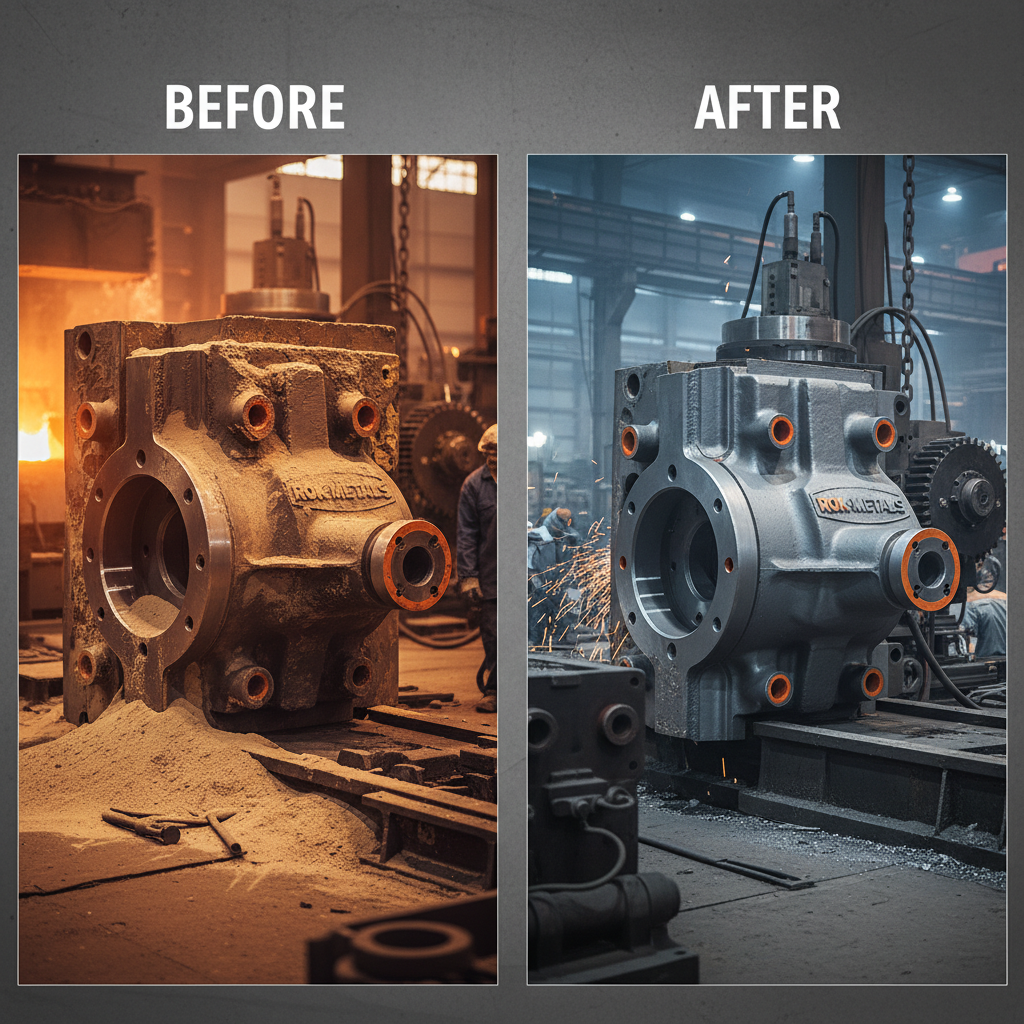
The importance of sand for casting extends far beyond simply providing a mold for molten metal. It’s a fundamental material that dictates the surface finish, dimensional accuracy, and structural integrity of countless manufactured parts. Proper sand selection and preparation directly impact casting defects, production efficiency, and ultimately, the cost-effectiveness of the entire process. sand for casting is therefore a cornerstone of many modern industries.
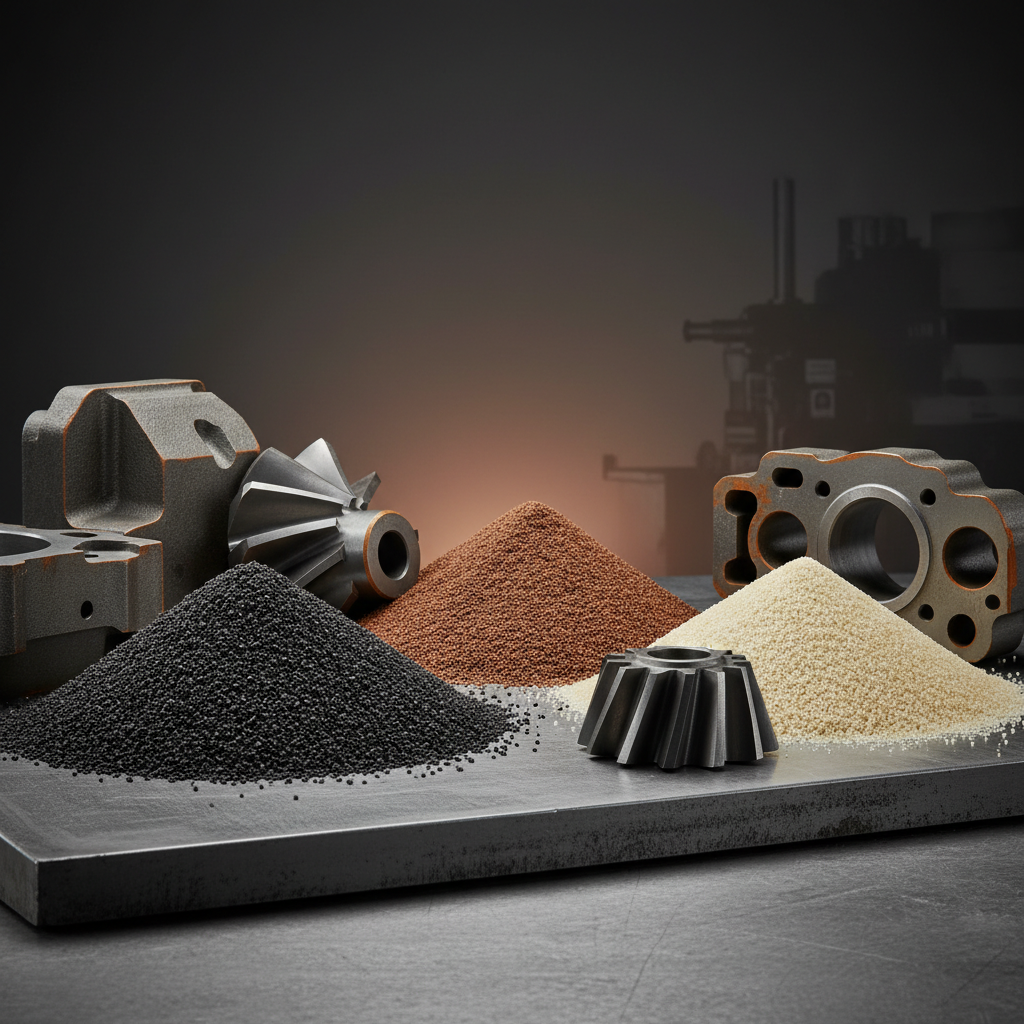
Understanding the characteristics of different sand types – silica sand, olivine sand, zircon sand, and chromite sand – is crucial for optimizing casting performance. Each type possesses unique properties that make it suitable for specific applications and alloys, highlighting the need for informed material selection based on the desired casting characteristics.
Defining Sand for Casting
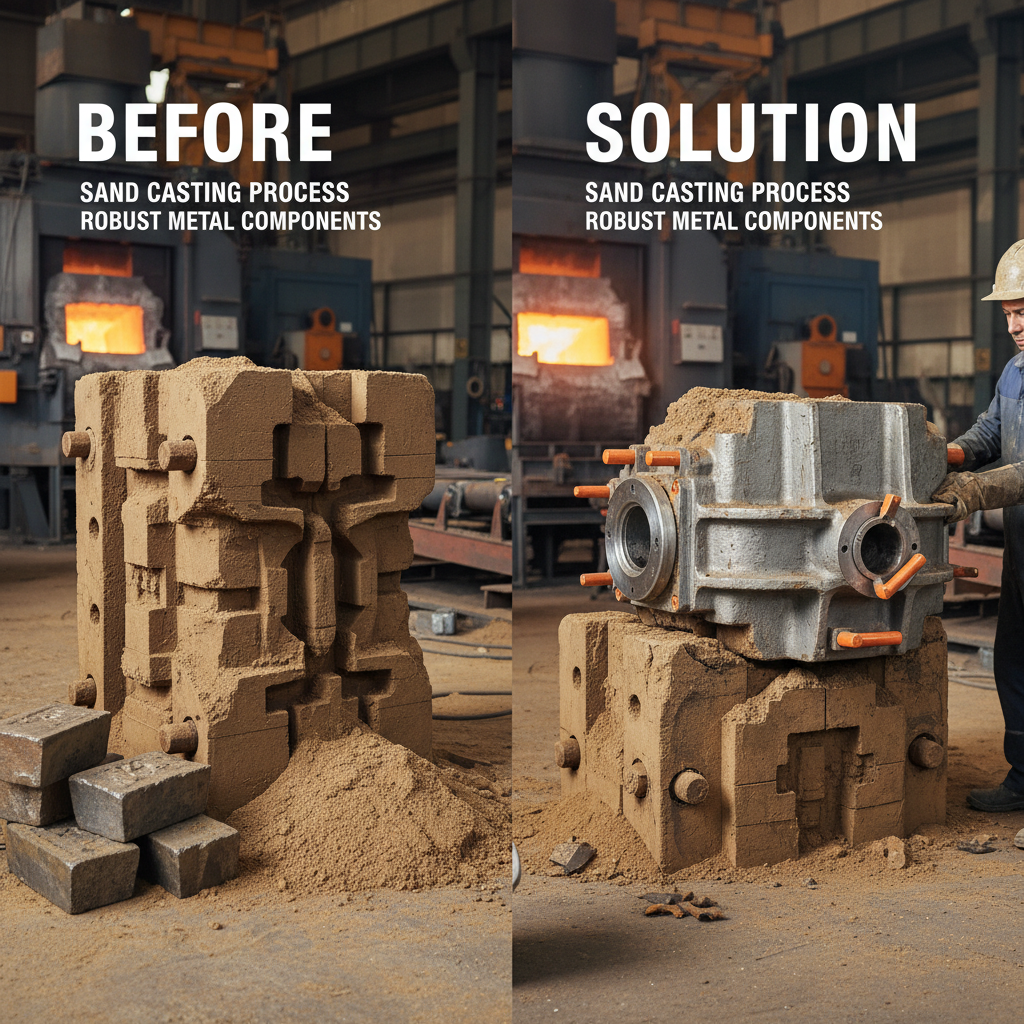
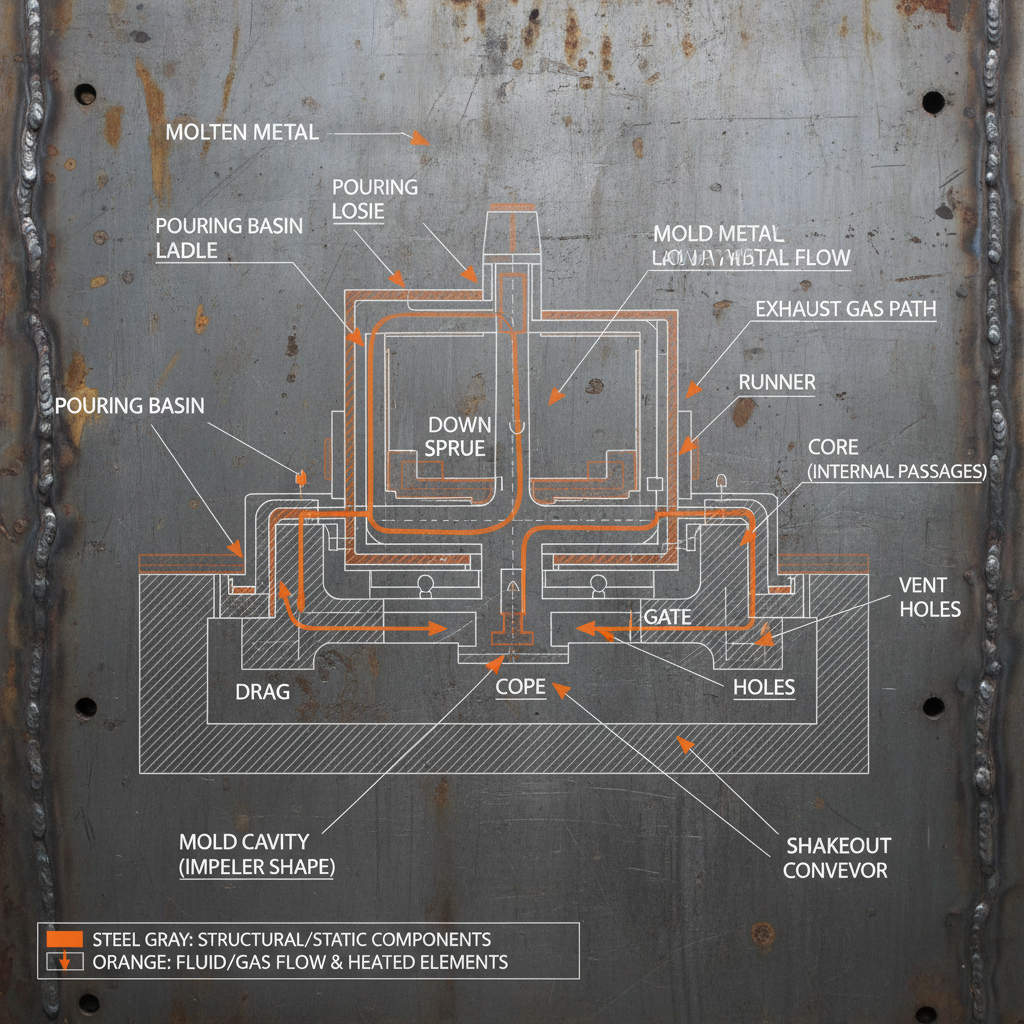
Sand for casting refers to the granular material used to create molds into which molten metal is poured to form castings. This material isn't simply beach sand; it’s carefully selected and processed to meet specific requirements regarding grain size, shape, mineral composition, and chemical purity. The goal is to provide a stable, permeable mold that can withstand high temperatures and accurately reproduce the desired shape of the casting.
The connection to modern industry is profound. Sand casting is one of the oldest and most versatile manufacturing processes, responsible for producing everything from engine blocks and turbine blades to intricate architectural components. It is a vital part of creating the tools, machines, and infrastructure that support our daily lives.
It also plays a crucial role in humanitarian needs, particularly in the production of essential equipment and infrastructure components for disaster relief and rebuilding efforts. The adaptability and relative cost-effectiveness of sand casting make it a viable option even in resource-constrained environments.
Core Components of Sand for Casting
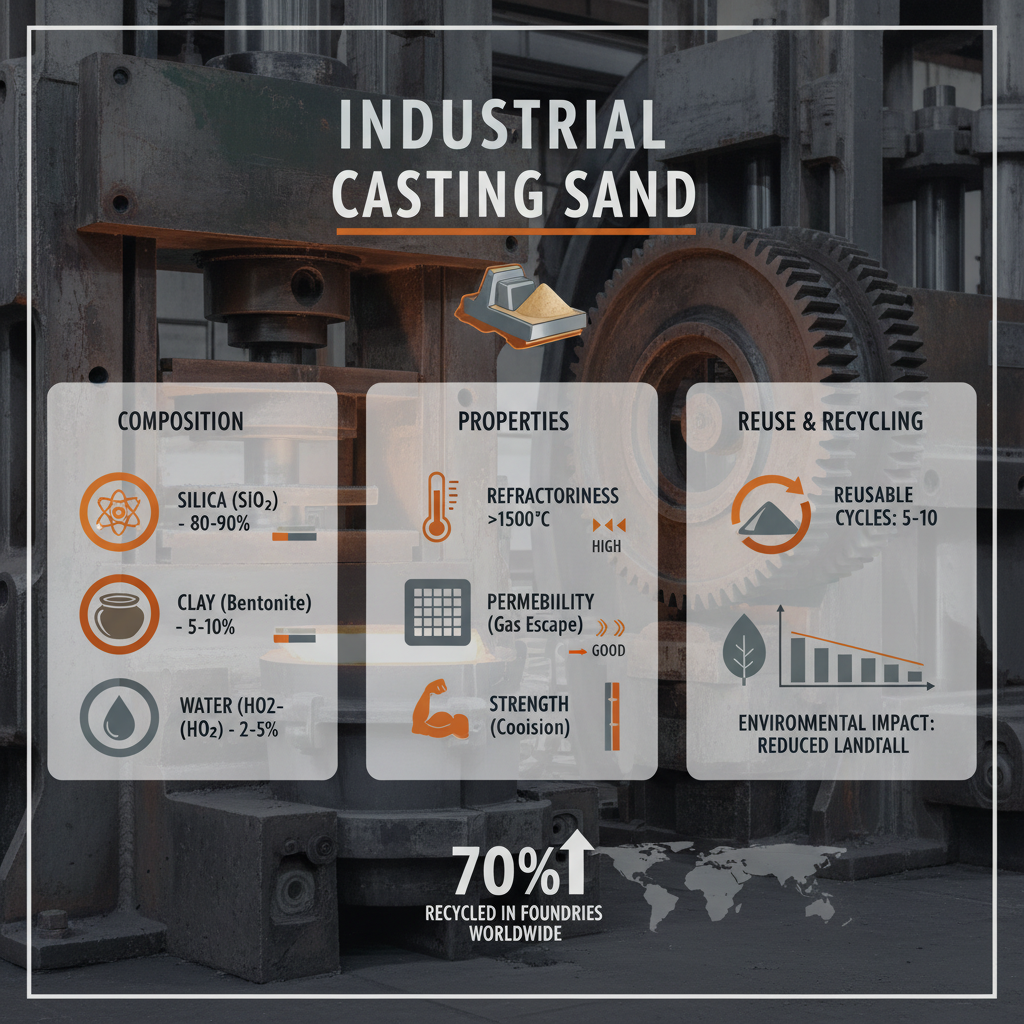
The effectiveness of sand for casting relies on a carefully balanced combination of several key components. The primary component is, naturally, the sand grains themselves, providing the foundational structure of the mold. However, binders are also essential, holding the sand grains together and providing the necessary strength and cohesiveness. Common binders include clay, chemical binders like phenolic resins, and sodium silicate.
Furthermore, additives play a crucial role in modifying sand properties. These can include wetting agents to improve moldability, parting agents to facilitate easy removal of the casting, and reinforcing agents to enhance mold strength. The precise combination and proportion of these components are tailored to the specific casting application and the metal being used.
Finally, water is often added to activate binders and enhance mold cohesion, but its amount must be carefully controlled to avoid compromising the sand's permeability and causing issues like gas evolution during pouring. sand for casting formulation requires precise knowledge of material interactions.
Key Factors Influencing Casting Quality
Several key factors significantly influence the quality of castings produced using sand molds. Grain size distribution is paramount; a uniform grain size promotes consistent permeability and reduces the risk of defects. Grain shape also matters, with angular grains providing better interlocking and strength but potentially hindering flowability.
Permeability, the ability of gases to escape through the mold, is critical for preventing gas-related defects like porosity and blowholes. Refractoriness, the ability of the sand to withstand high temperatures without deformation, is equally important, especially when casting high-temperature alloys.
Comparison of Sand for Casting Properties
Global Applications and Industries Utilizing Sand for Casting
The automotive industry heavily relies on sand casting for producing engine blocks, cylinder heads, and transmission housings. These components require complex geometries and high structural integrity, making sand casting an ideal manufacturing process. Aerospace is another key user, employing sand casting for creating turbine blades, structural components, and various engine parts that demand precision and reliability.
Construction also benefits from sand casting, utilizing it to produce fittings, valves, and other critical plumbing components. Moreover, in post-disaster relief operations, sand casting can be rapidly deployed to manufacture replacement parts for damaged machinery and infrastructure, providing a crucial lifeline for affected communities.
Advantages and Long-Term Value of Optimized Sand Usage
Optimizing sand usage in casting delivers significant advantages. Cost efficiency is a major benefit, as sand is a relatively inexpensive material compared to alternative casting processes like die casting. However, minimizing sand consumption through efficient mold design and reclamation practices further reduces costs and environmental impact.
Sustainability is another crucial advantage. Sand reclamation allows for the reuse of sand, reducing the demand for virgin materials and minimizing landfill waste. This not only lowers environmental impact but also enhances resource security and promotes a circular economy.
Future Trends and Innovations in Sand for Casting
The future of sand for casting is inextricably linked to technological advancements and growing sustainability concerns. 3D printing of sand molds is gaining traction, offering greater design flexibility, faster prototyping, and reduced tooling costs. This technology allows for the creation of intricate geometries that were previously impossible with traditional sand casting methods.
Researchers are also exploring the use of alternative sand materials, such as recycled glass and agricultural waste, to reduce reliance on silica sand. These innovations, coupled with advancements in binder technology and reclamation processes, promise a more sustainable and efficient future for sand casting. Digitalization and automation also promise to improve process control and overall quality.
Moreover, the integration of artificial intelligence (AI) and machine learning (ML) can help optimize sand formulations and predict casting defects, further enhancing process efficiency and reducing waste.
FAQS
The most common types of sand used in casting include silica sand, olivine sand, zircon sand, and chromite sand. Silica sand is widely used due to its abundance and cost-effectiveness, but it has lower thermal stability. Olivine and zircon sand offer higher refractoriness and are suitable for high-temperature alloys. Chromite sand provides good chemical resistance but can be more expensive. The choice depends on the alloy and desired casting properties.
Sand reclamation is critically important. It significantly reduces waste, lowers material costs, and minimizes environmental impact. By reclaiming and reusing sand, foundries can reduce their reliance on virgin materials, conserve resources, and decrease landfill waste. Modern reclamation processes can recover up to 90% of the used sand for reuse.
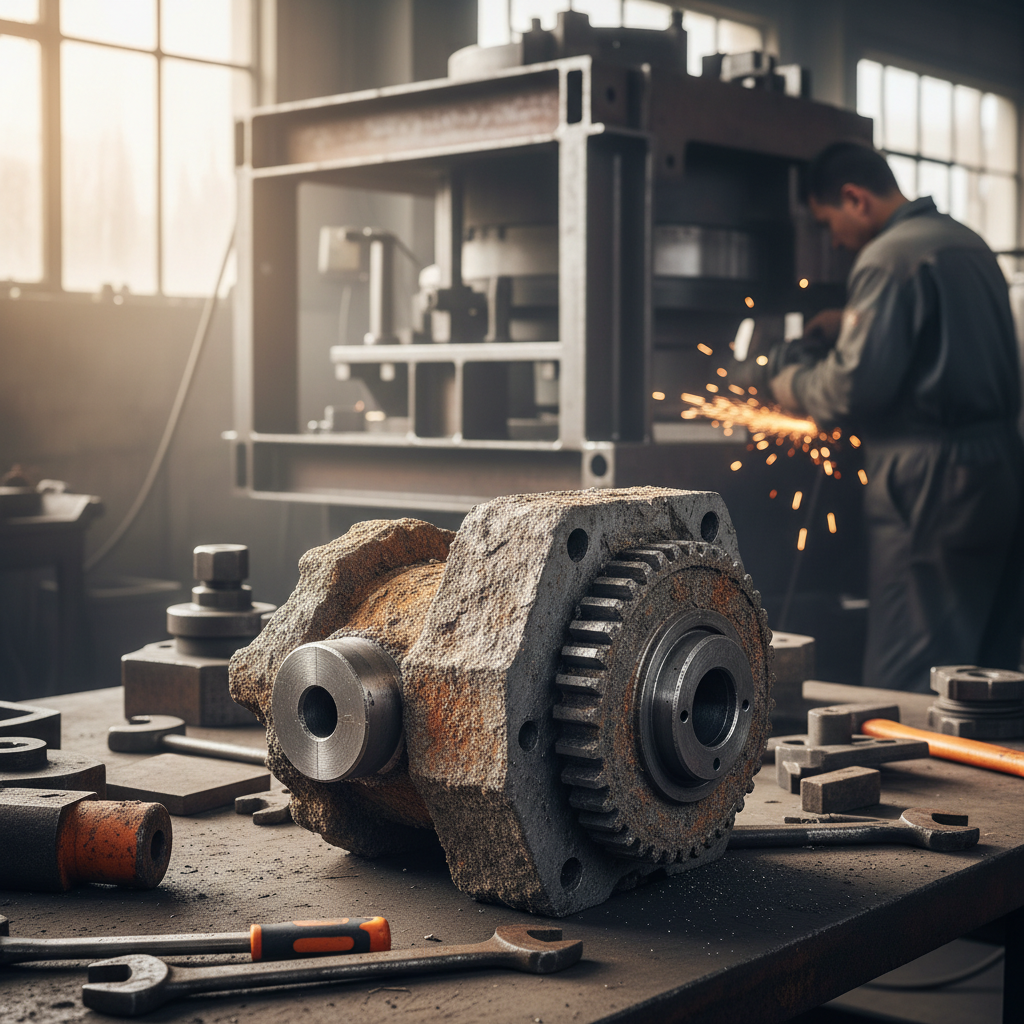
Poor sand quality can lead to several casting defects, including gas porosity (due to inadequate permeability), sand inclusions (due to insufficient binder strength), and surface roughness (due to irregular grain size). These defects can compromise the structural integrity and functionality of the casting.
Grain size significantly impacts the casting process. Smaller grain sizes result in a smoother surface finish but lower permeability. Larger grain sizes improve permeability but may result in a rougher surface. The optimal grain size depends on the size and complexity of the casting, as well as the alloy being used.
Silica sand mining can have significant environmental impacts, including habitat destruction, water pollution, and air quality degradation. Responsible sourcing and the development of alternative sand materials are crucial for mitigating these concerns. Sand reclamation is also a key component of sustainable casting practices.
Traditional binders, like phenolic resins, can release harmful emissions during casting. Newer, more sustainable binders, such as those based on vegetable oils or other renewable resources, are being developed to reduce environmental impact. Reclamation of binders is also becoming increasingly important.
Conclusion
In conclusion, sand for casting remains a foundational element of modern manufacturing, playing a vital role in countless industries. Understanding the complexities of sand properties, selection, preparation, and reclamation is paramount to achieving efficient, cost-effective, and sustainable casting processes. The continued innovation in sand technologies, driven by environmental concerns and technological advancements, will shape the future of this essential material.
Looking ahead, a greater emphasis on responsible sourcing, advanced reclamation techniques, and the development of alternative sand materials will be crucial for ensuring the long-term viability of sand casting. By embracing these advancements, industries can minimize their environmental impact, optimize production efficiency, and unlock new possibilities for creating complex and durable components.