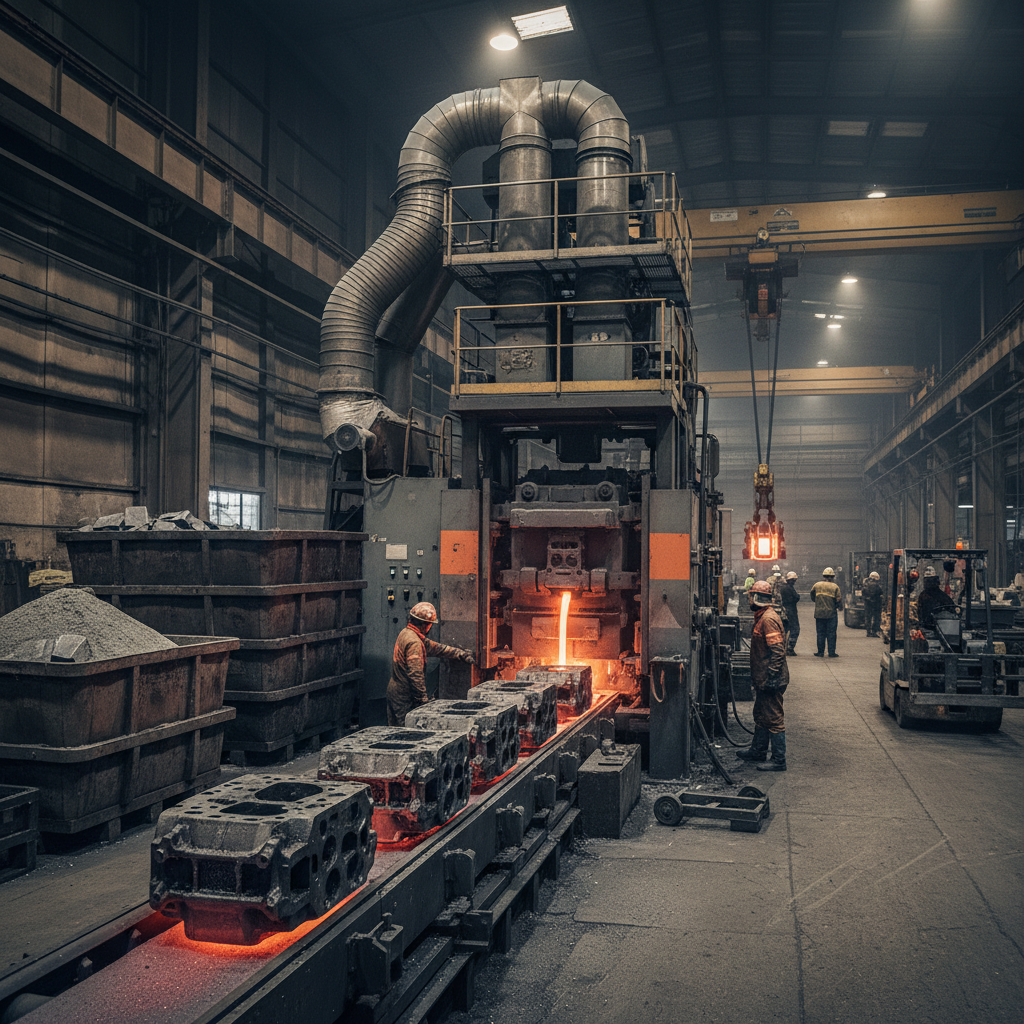
High volume sand casting is a manufacturing process crucial to modern industry, enabling the production of metal components in large quantities. Its affordability and versatility make it a cornerstone of numerous sectors, from automotive and aerospace to construction and agriculture. Understanding the nuances of this process is vital for engineers, manufacturers, and anyone involved in supply chain management across the globe.
Globally, the demand for efficiently produced metal parts continues to rise, driven by infrastructure development, population growth, and technological advancements. high volume sand casting directly addresses this need by providing a scalable and cost-effective solution. However, challenges related to material selection, process control, and environmental impact necessitate continuous innovation and optimization within the industry.
The importance of high volume sand casting extends beyond purely economic factors. It's integral to producing components for essential infrastructure, disaster relief efforts, and countless everyday products, impacting millions of lives worldwide. Mastering this technique isn't just about manufacturing; it's about enabling progress and ensuring accessibility.
The Definition and Significance of high volume sand casting
High volume sand casting is a metal casting process that utilizes sand as the mold material to produce large quantities of metal parts. Unlike processes focusing on intricate detail or small batches, it excels at cost-effectively manufacturing relatively large, moderately complex components. It’s a versatile method employed across a broad spectrum of industries.
This process directly supports modern industry by enabling the rapid and economical production of essential parts. From engine blocks in automobiles to housings for industrial machinery, high volume sand casting underpins much of our modern infrastructure and consumer goods. Its significance lies in its ability to bridge the gap between design and mass production.
Global Relevance and Industry Context
The global metal casting industry is a multi-billion dollar market, with high volume sand casting representing a substantial portion of its output. According to recent reports, the automotive sector remains the largest consumer of sand-cast components, followed by industrial machinery, construction, and agriculture. Asia-Pacific dominates the production landscape, accounting for a significant share of global output due to factors like lower labor costs and increasing industrialization.
A key challenge facing the industry is the need to balance production efficiency with environmental sustainability. Traditional sand casting can generate significant waste and consume substantial energy. This has led to growing demand for more eco-friendly practices, such as utilizing recycled sand and optimizing casting designs to minimize material usage.
The increasing complexity of modern products is also driving innovation in sand casting techniques. Manufacturers are seeking ways to produce parts with tighter tolerances and more intricate geometries while maintaining the cost-effectiveness that defines this process. This necessitates advancements in mold design, process control, and material science.
Understanding the Core Principles of high volume sand casting
At its core, high volume sand casting involves creating a mold from a sand mixture, pouring molten metal into the mold cavity, allowing the metal to solidify, and then breaking the mold to retrieve the finished casting. The sand mixture typically consists of sand, clay, and a binder to provide strength and shape retention.
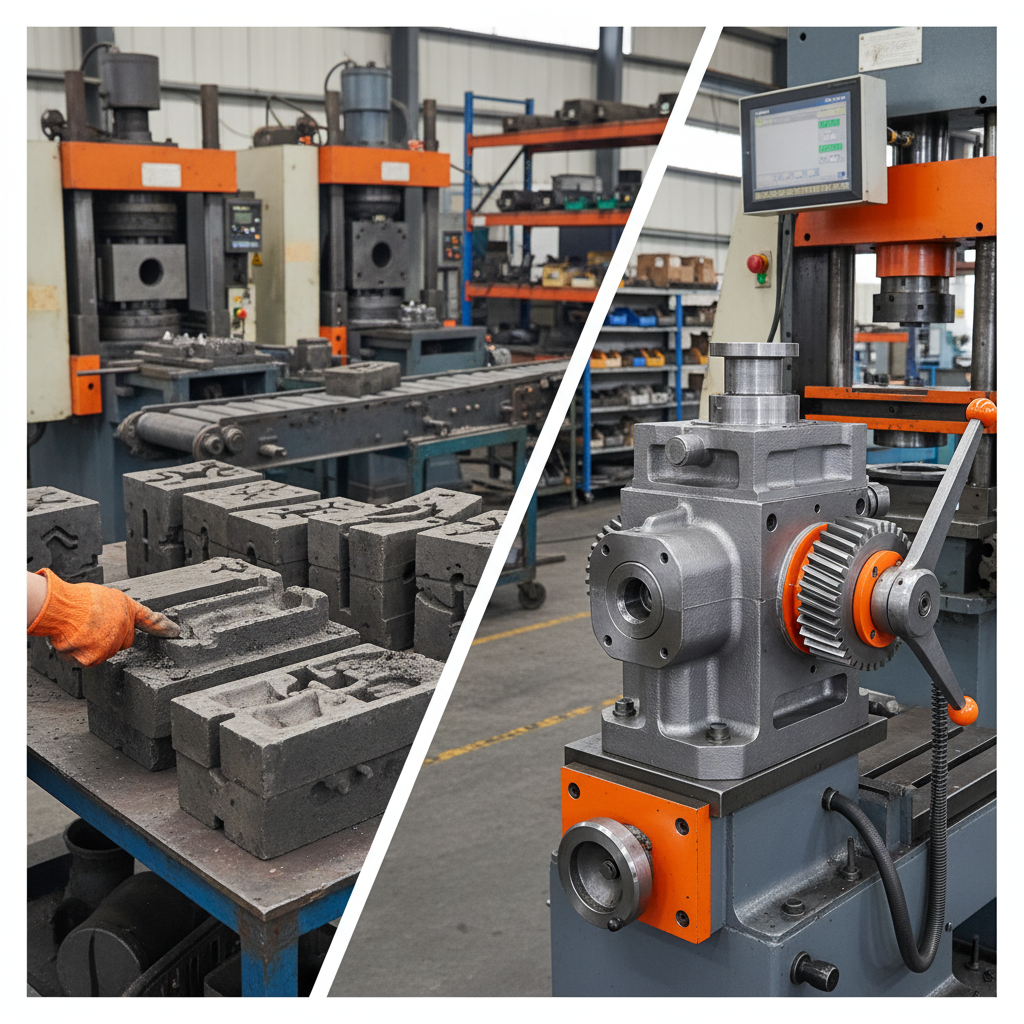
The "high volume" aspect of the process hinges on automating mold creation and handling. This is often achieved using techniques like patternmaking with automated molding machines, core boxes, and robotic systems for pouring and finishing. Efficient mold changeover times and minimal downtime are crucial for maximizing throughput.
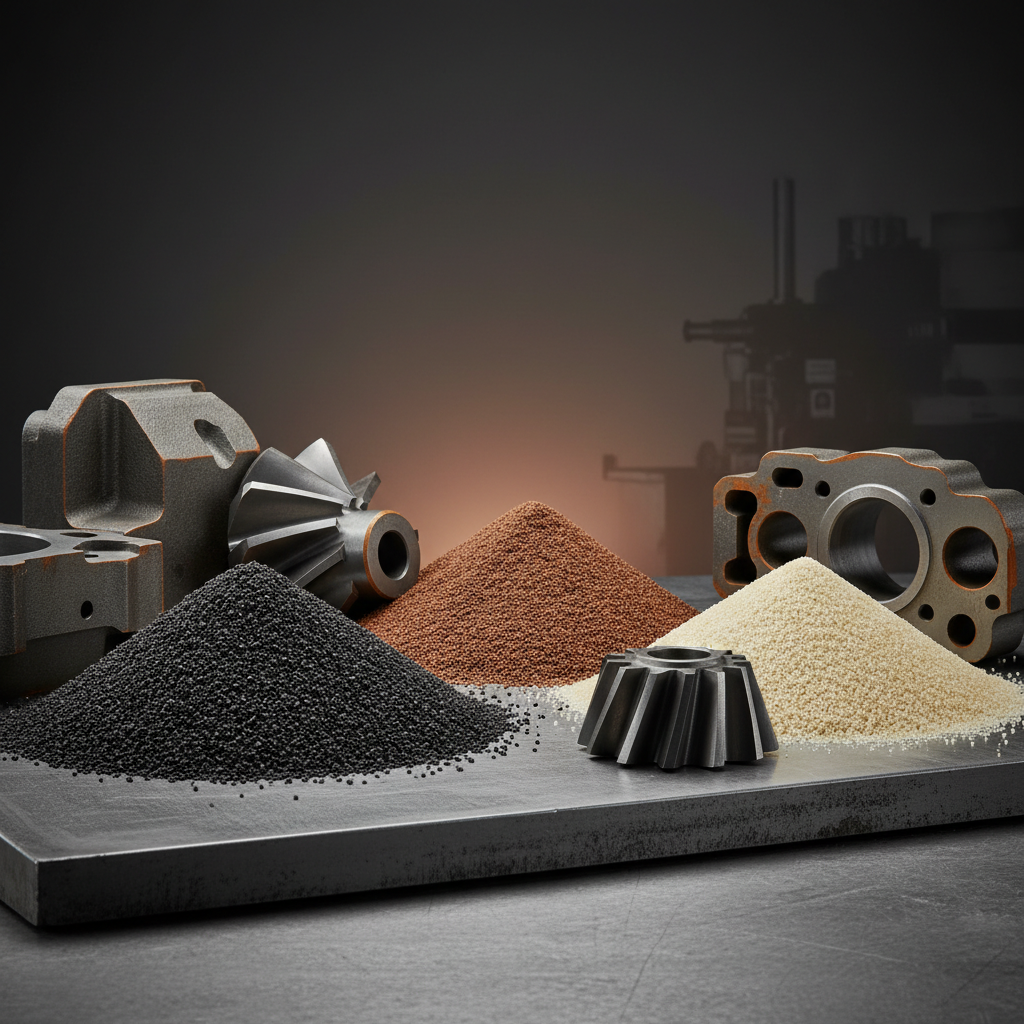
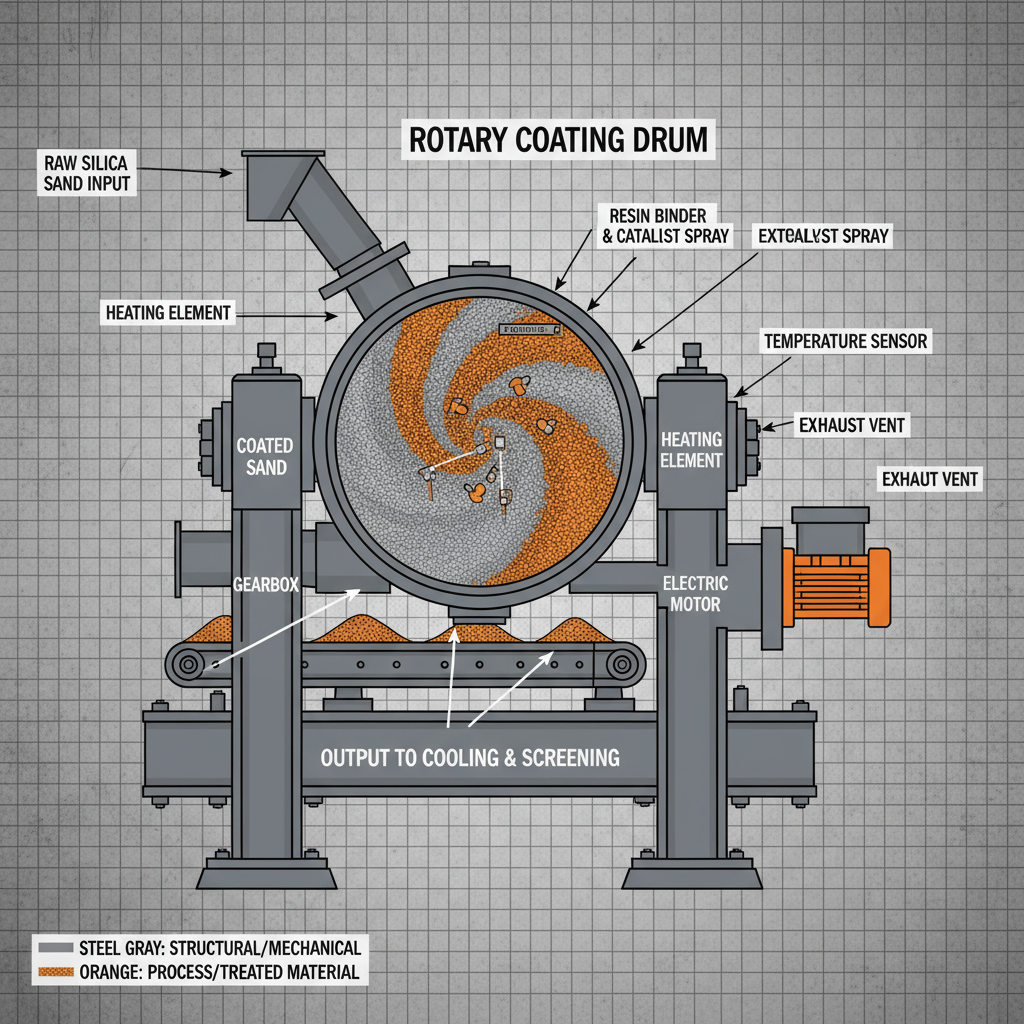
Key considerations include the type of sand used (e.g., green sand, silica sand, coated sand), the binder system employed, the pouring temperature and rate, and the cooling process. Careful control of these parameters is essential for achieving consistent part quality and minimizing defects.
Key Performance Indicators in high volume sand casting
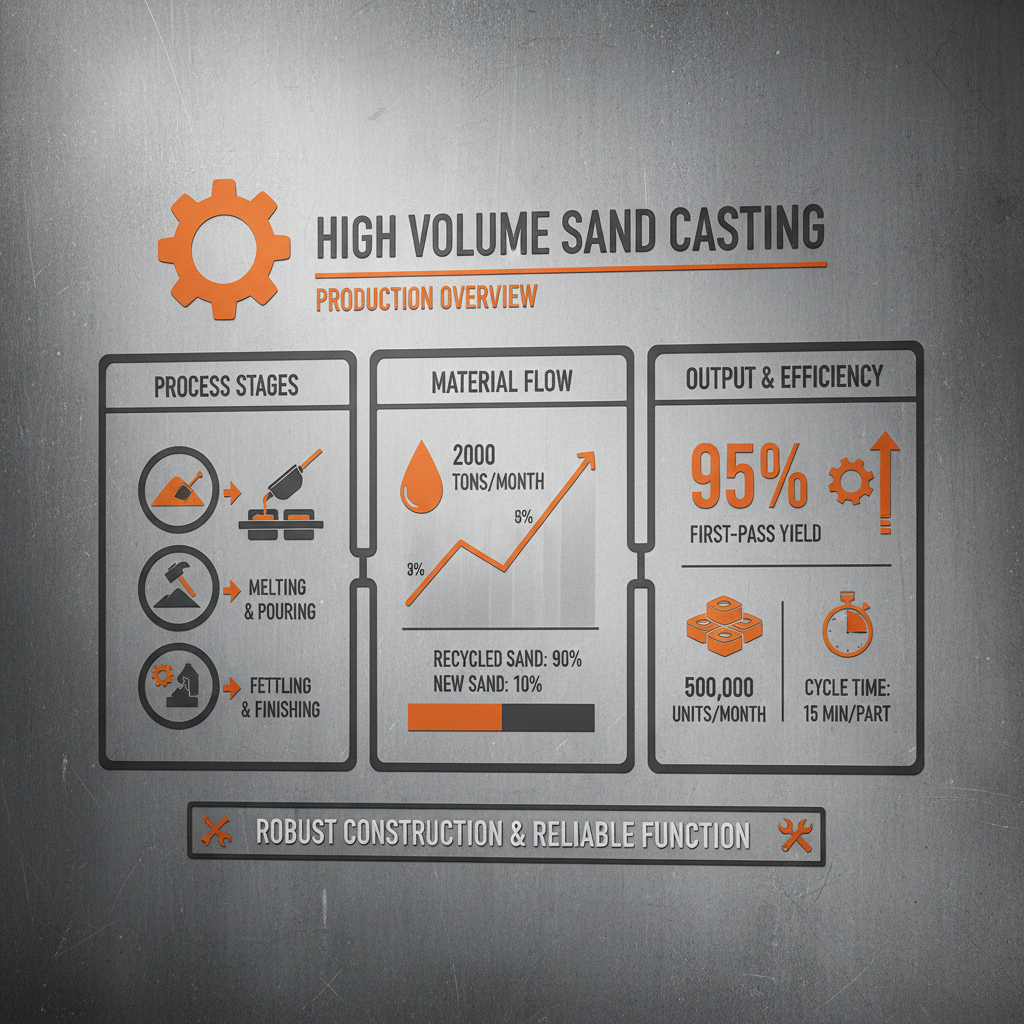
Evaluating the effectiveness of a high volume sand casting operation requires monitoring several key performance indicators (KPIs). These metrics provide insights into process efficiency, product quality, and overall cost-effectiveness. Continuous tracking and analysis of these KPIs are essential for driving improvement and maintaining competitiveness.
Some of the most important KPIs include mold making cycle time, defect rates (e.g., porosity, shrinkage, misruns), dimensional accuracy, surface finish, material utilization, and production cost per part. high volume sand casting operations should establish clear targets for each KPI and implement strategies to consistently achieve them.
KPI Comparison for high volume sand casting Methods
Real-World Applications of high volume sand casting
The automotive industry is a major consumer of high volume sand casting, utilizing the process to produce engine blocks, cylinder heads, transmission housings, and suspension components. The ability to manufacture these parts in large quantities at a relatively low cost is crucial for meeting the demands of mass automobile production.
Beyond automotive, high volume sand casting is heavily used in the agricultural sector for components like tractor parts, pump housings, and irrigation system elements. Its affordability and durability make it well-suited for the harsh operating conditions often encountered in agricultural applications.
Long-Term Value and Advantages
One of the primary benefits of high volume sand casting is its cost-effectiveness, particularly for large production runs. The relatively low tooling costs and fast setup times compared to other casting processes contribute to significant savings. This allows manufacturers to offer competitive pricing while maintaining profitability.
Furthermore, high volume sand casting offers excellent design flexibility. It can accommodate complex geometries and a wide range of metal alloys. This allows engineers to optimize part designs for performance and functionality, resulting in improved product quality and reliability.
Future Trends and Innovation in high volume sand casting
The future of high volume sand casting will be shaped by several key trends, including automation, digitalization, and sustainability. The integration of robotics, artificial intelligence, and machine learning will further optimize process control, reduce defects, and increase production efficiency.
The use of 3D-printed sand molds is gaining traction, enabling faster prototyping, complex geometries, and reduced lead times. Additionally, the development of new sand binder systems with lower environmental impact is a priority. Exploring alternative materials and processes to minimize waste and energy consumption will be critical.
Digital twins, virtual representations of the casting process, are also emerging as powerful tools for predicting performance, optimizing designs, and identifying potential issues before they arise. These technologies promise to revolutionize the way high volume sand casting operations are planned, executed, and monitored.
Summary of Challenges and Solutions in high volume sand casting
| Challenge Area |
Impact on Production |
Proposed Solution |
Expected Improvement |
| Mold Material Consistency |
Variable casting quality, increased defect rates |
Automated sand mixing and testing procedures |
Improved consistency, reduced scrap |
| Dimensional Accuracy |
Parts failing to meet specifications |
Advanced mold design and simulation software |
Reduced variability, fewer rejected parts |
| Environmental Impact |
Waste generation, energy consumption |
Recycling of sand, optimized casting designs |
Reduced waste, lower carbon footprint |
| Process Monitoring |
Delayed detection of issues, increased downtime |
Implementation of real-time monitoring systems |
Faster issue resolution, minimized downtime |
| Labor Skill Gap |
Difficulty finding qualified personnel |
Investment in training programs and automation |
Increased productivity, improved quality |
| Supply Chain Disruptions |
Material shortages, delayed deliveries |
Diversification of suppliers, strategic inventory management |
Increased supply chain resilience |
FAQS
High volume sand casting excels in its cost-effectiveness for large production runs. While die casting offers greater precision and smoother surface finishes, it demands significant upfront investment in tooling. Sand casting's lower tooling costs and flexibility in alloy choices make it ideal for diverse applications where high precision isn't paramount. It’s particularly suitable when production volumes justify the tooling expenditure but don’t require the extreme precision of die casting.
The type of sand significantly influences casting quality. Silica sand offers good thermal stability but can require coatings for smoother surfaces. Green sand, a mixture of sand, clay, and water, is economical but has lower strength. Coated sands improve surface finish and reduce metal penetration. The best choice depends on the alloy being cast, the desired surface finish, and the complexity of the part.
Common defects include porosity (gas bubbles), shrinkage cavities, and misruns (incomplete filling). Mitigating these requires careful control of pouring temperature, mold venting, and cooling rates. Proper mold design, optimized gating systems, and the use of binders that minimize gas generation are also crucial. Regular inspection and quality control measures are essential.
Automation is transforming sand casting through robotic pouring, automated core setting, and mold handling systems. Automated molding machines increase speed and consistency. Computer-controlled mixing and sand preparation ensure optimal material properties. These technologies enhance efficiency, reduce labor costs, and improve product quality by minimizing human error.
Environmental concerns include sand disposal, binder emissions, and energy consumption. Addressing these involves recycling sand, using eco-friendly binders, and optimizing process parameters to reduce waste. Implementing energy-efficient equipment and capturing emissions are also crucial steps towards sustainable sand casting practices.
Simulation software allows engineers to predict casting defects, optimize mold designs, and analyze metal flow before physical prototyping. This reduces costly trial-and-error, shortens development cycles, and improves casting quality. Simulations can also assess thermal stresses and predict shrinkage, leading to optimized casting parameters.
Conclusion
High volume sand casting remains a vital manufacturing process, offering a compelling balance of cost-effectiveness, design flexibility, and scalability. Its continued relevance stems from its ability to meet the demands of diverse industries, from automotive and agriculture to construction and energy. The key to future success lies in embracing innovation, adopting sustainable practices, and integrating advanced technologies to optimize process control and minimize environmental impact.
Looking ahead, manufacturers should prioritize investments in automation, digitalization, and material science to remain competitive. Further research into eco-friendly binders, sand recycling techniques, and advanced simulation tools will be crucial for creating a more sustainable and efficient high volume sand casting industry. Visit our website at www.sinoceramsite.com to learn more about our high volume sand casting capabilities and solutions.