cast iron sand casting is a foundational manufacturing process with a rich history and continued relevance in modern industry. It allows for the creation of complex shapes with excellent mechanical properties, making it a cornerstone of numerous sectors, from automotive and construction to machinery and art. Understanding the nuances of this process – from mold creation to metal pouring and finishing – is crucial for engineers, designers, and manufacturers seeking cost-effective and reliable production solutions.
Globally, the demand for cast iron components remains robust, driven by infrastructure development in emerging economies and the ongoing need for durable, high-performance parts in established markets. The UN and World Bank reports consistently highlight the importance of manufacturing and materials science in achieving sustainable development goals, and cast iron sand casting plays a vital role in supplying these essential components.
However, challenges such as environmental concerns related to traditional casting methods and the need for increased precision and automation are driving innovation within the industry. This has led to the development of more sustainable practices and the integration of advanced technologies to optimize the cast iron sand casting process.
The Fundamentals of cast iron sand casting
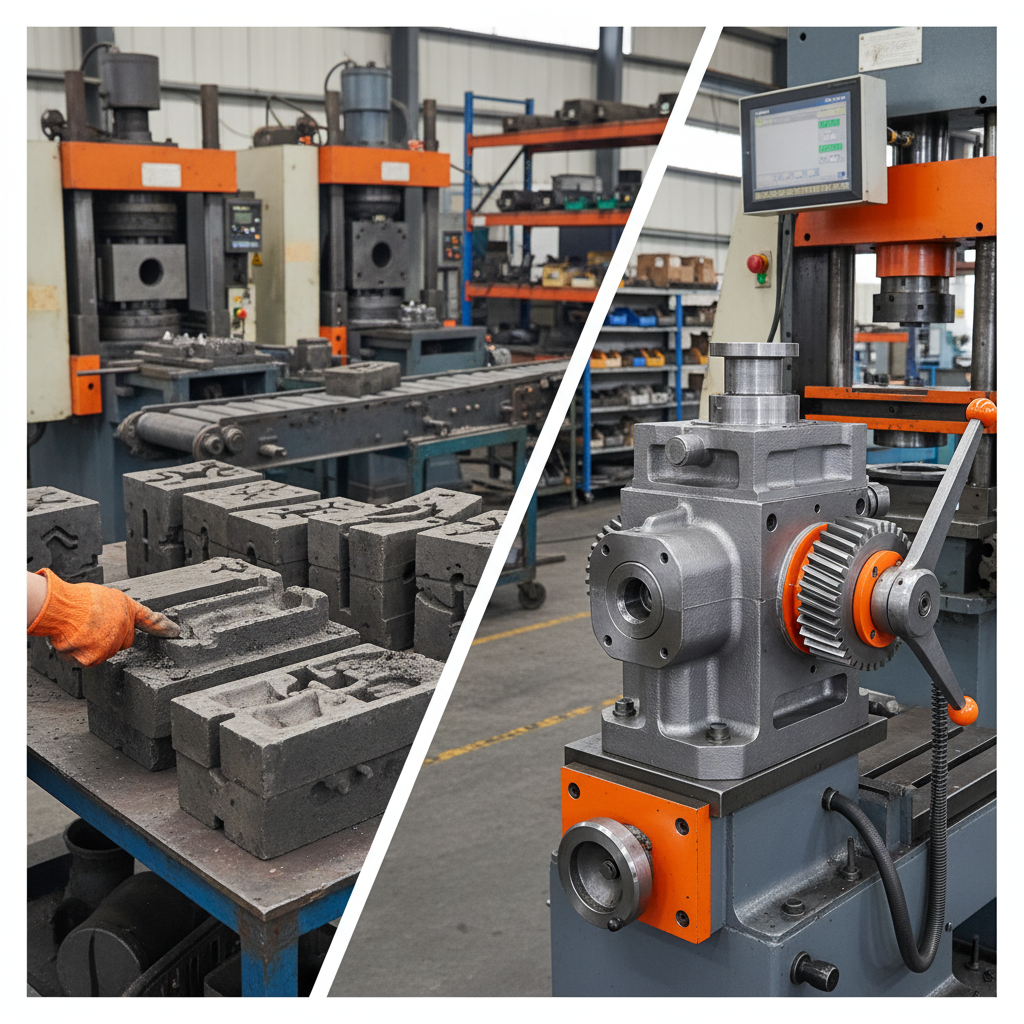
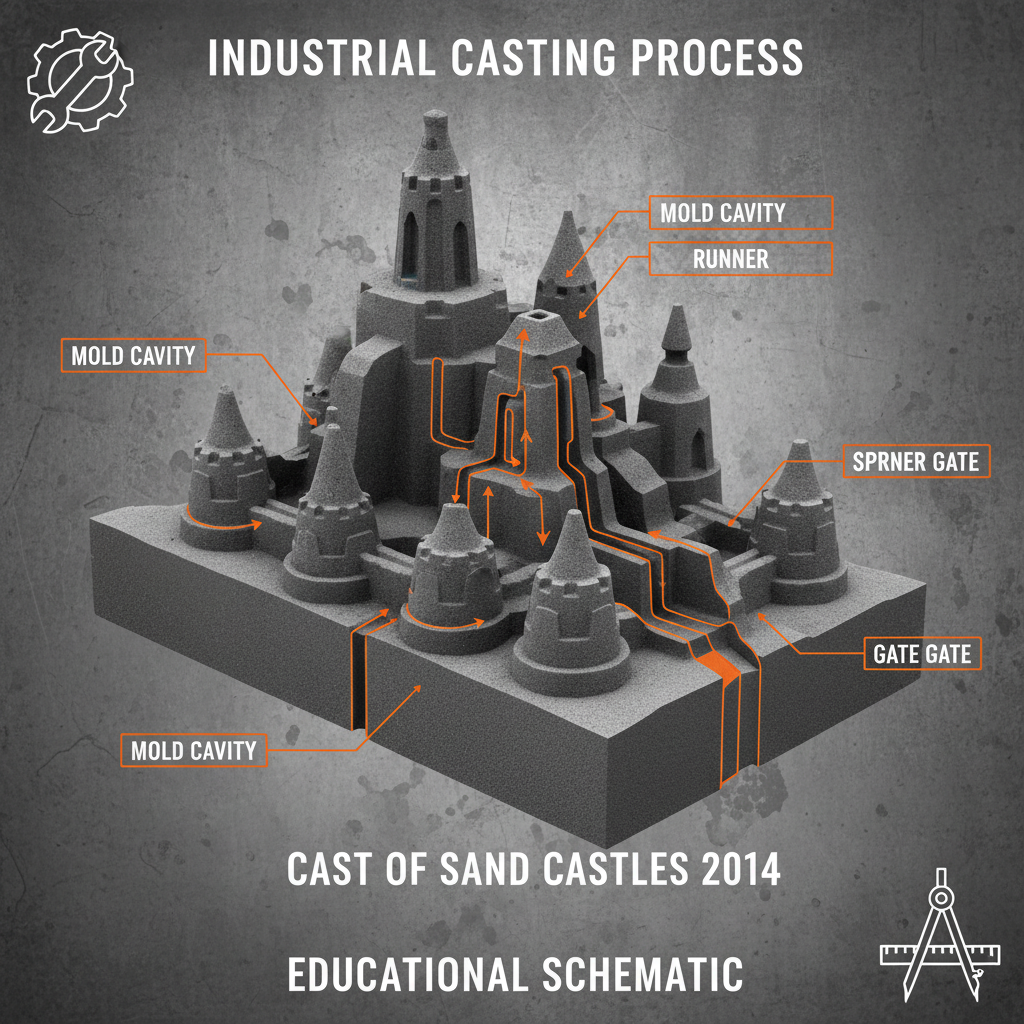
At its core, cast iron sand casting involves creating a mold from sand, pouring molten cast iron into that mold, and allowing it to cool and solidify. The resulting casting takes the shape of the mold cavity, offering a versatile and cost-effective method for producing complex geometries. The process’s simplicity belies its engineering sophistication, as precise control over sand composition, mold preparation, and metal temperature is critical to achieving desired results.
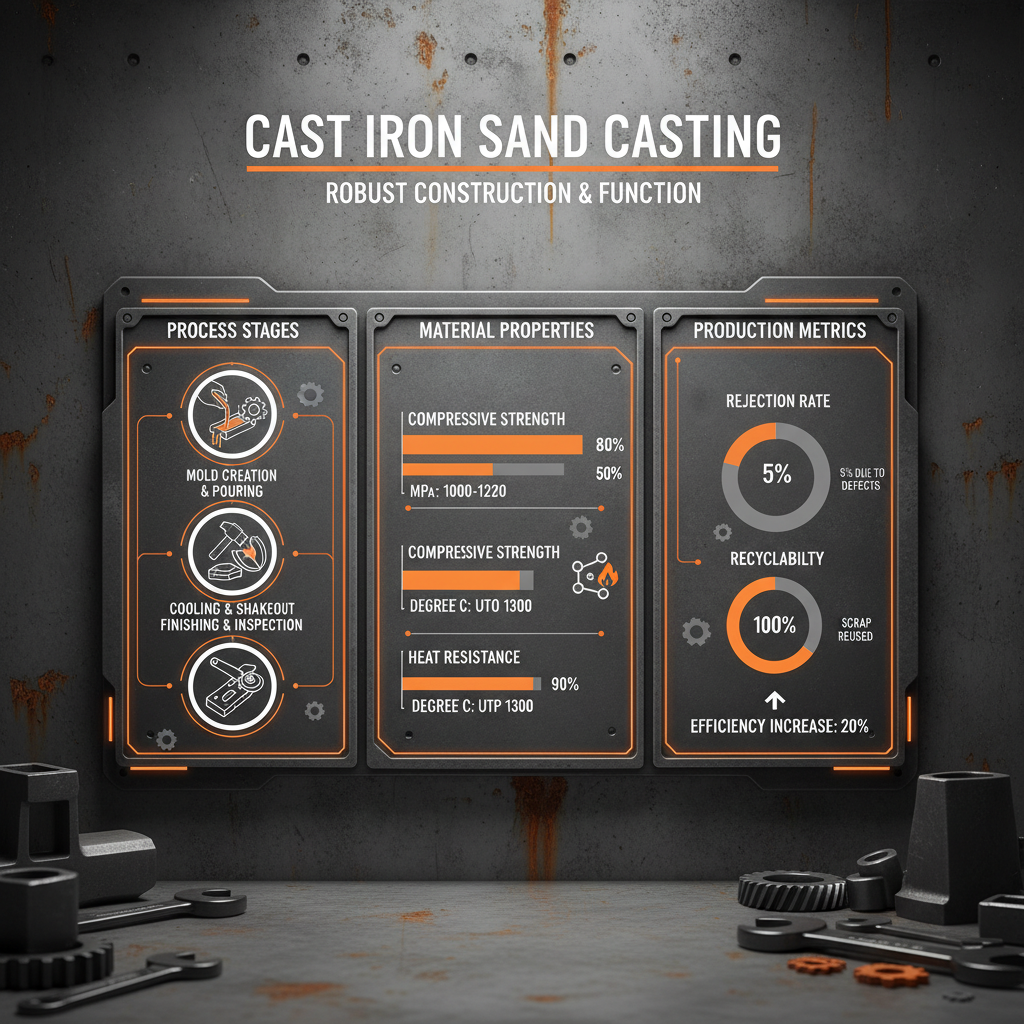
The process begins with pattern creation, which serves as a replica of the desired final product. This pattern is then used to create a mold cavity within a sand mixture, often bonded with clay or chemical binders. Once the mold is prepared, molten cast iron is poured in, and after solidification, the sand mold is broken away, revealing the finished casting. This method remains a cornerstone for producing a wide range of cast iron components.
Global Relevance and Industry Context
Cast iron sand casting continues to be a globally significant manufacturing process, particularly in regions undergoing rapid industrialization. Countries like China, India, and Brazil rely heavily on cast iron for infrastructure projects, automotive production, and machinery manufacturing. The World Bank estimates that demand for iron and steel, including cast iron, will continue to rise in developing nations as they invest in essential infrastructure.
The automotive industry remains a major consumer of cast iron components produced through sand casting, utilizing them for engine blocks, cylinder heads, exhaust manifolds, and brake rotors. The construction sector also relies on cast iron for pipes, fittings, and structural components. Furthermore, cast iron sand casting supports the production of agricultural machinery, mining equipment, and a diverse range of industrial tools and parts.
Despite the emergence of alternative casting methods, sand casting remains competitive due to its cost-effectiveness, scalability, and ability to handle large production volumes. Improvements in sand technology, mold-making techniques, and automation are continuously enhancing the efficiency and precision of this process, ensuring its continued relevance in the global manufacturing landscape.
Defining cast iron sand casting
Cast iron sand casting is a metal casting process that utilizes sand as the mold material. Unlike investment casting or die casting, sand casting doesn’t require complex tooling or high initial investment, making it accessible for both small-scale prototyping and large-scale production runs. The process involves packing sand around a pattern, removing the pattern, and pouring molten cast iron into the resulting cavity.
Its connection to modern industry is profound; it facilitates the production of essential components for virtually every sector. From the robust engine blocks powering our vehicles to the durable pipes delivering water to our homes, cast iron sand casting underpins critical infrastructure and everyday products. It allows for the creation of parts with intricate designs and varying wall thicknesses, often at a fraction of the cost of other manufacturing methods.
Beyond its industrial applications, cast iron sand casting contributes to humanitarian needs by providing a reliable and economical means of producing components for water purification systems, agricultural tools in developing regions, and even artistic creations that celebrate cultural heritage. The versatility of the process ensures its continued importance in addressing global challenges.
Key Characteristics of cast iron sand casting
One of the defining features of cast iron sand casting is its versatility. It can accommodate a wide range of cast iron alloys, allowing for parts with varying mechanical properties – from ductile iron with high strength and toughness to gray iron with excellent damping characteristics. This makes it suitable for diverse applications with specific performance requirements.
Secondly, it offers excellent scalability. The process can be adapted to produce both single prototypes and massive production runs with relative ease. While tooling costs are moderate, they are generally lower than those associated with die casting, making it a cost-effective option for medium to high-volume production.
Comparison of cast iron sand casting Methods
Applications Across Industries
The automotive industry extensively utilizes cast iron sand casting for manufacturing critical engine components such as cylinder blocks, crankshafts, and connecting rods. These components demand high strength, wear resistance, and the ability to withstand extreme temperatures, properties readily achievable through sand casting.
In the construction sector, cast iron pipes and fittings produced via sand casting are crucial for water and sewage systems, offering durability and resistance to corrosion. The agricultural industry benefits from sand-cast components in tractors, combines, and irrigation equipment, where robustness and reliability are paramount.
Advantages and Long-Term Value
A primary advantage of cast iron sand casting is its cost-effectiveness, particularly for medium to high-volume production. Lower tooling costs and the relatively simple process translate into competitive pricing. This economic benefit extends to long-term value through the creation of durable, reliable components that reduce maintenance and replacement costs.
Furthermore, the process is becoming increasingly sustainable. Innovations in sand reclamation and the use of recycled cast iron are reducing the environmental footprint. The inherent strength and longevity of cast iron components contribute to sustainability by minimizing the need for frequent replacements, ultimately conserving resources and reducing waste.
Future Trends and Innovations
Automation and robotics are transforming cast iron sand casting, leading to increased efficiency, precision, and reduced labor costs. 3D printing of sand molds is gaining traction, enabling the creation of complex geometries with greater speed and flexibility. These advancements are crucial for meeting the demands of increasingly customized and sophisticated products.
The integration of digital technologies, such as simulation software and real-time process monitoring, is allowing for optimized mold designs and improved control over casting parameters. Research into new sand binder systems and alloys is also driving innovation, resulting in castings with enhanced mechanical properties and reduced environmental impact.
Sustainability remains a key focus, with growing emphasis on sand reclamation, the use of bio-based binders, and the development of alloys with reduced environmental footprints. These trends are positioning cast iron sand casting for continued success in a rapidly evolving manufacturing landscape.
FAQS
Common defects include gas porosity (caused by trapped gases), shrinkage cavities (resulting from inadequate metal feeding during solidification), and surface imperfections like sand inclusions or cracks. Proper mold design, venting, and control of pouring temperature are critical to minimizing these defects. Understanding these issues is vital for quality control in cast iron sand casting.
Sand composition dramatically impacts casting quality. Grain size, shape, and mineralogy influence permeability, strength, and surface finish. Finer grains generally provide better surface detail, while larger grains offer improved permeability. The type of binder used (clay, chemical, etc.) also significantly affects mold strength and collapsibility, directly influencing the accuracy and integrity of the cast iron sand casting.
Ductile iron offers significantly higher strength and toughness compared to gray iron, making it ideal for applications requiring impact resistance and ductility. While gray iron excels in damping vibrations and machinability, ductile iron is preferred for components subjected to dynamic loads. The choice depends on the specific performance requirements of the cast iron sand casting application.
Gating systems control the flow of molten metal into the mold cavity, ensuring complete filling and minimizing turbulence. Risers are reservoirs of molten metal that compensate for shrinkage during solidification, preventing voids and ensuring a sound casting. Proper design of these systems is crucial for producing high-quality cast iron sand casting with consistent dimensions and mechanical properties.
Automation, through robotic mold making, automated pouring, and automated finishing, significantly reduces labor costs, improves consistency, and increases production rates. While the initial investment in automation can be substantial, the long-term cost savings and quality improvements make it a valuable investment for many cast iron sand casting operations, boosting their competitiveness.
Sustainable practices include sand reclamation (recycling used sand), utilizing bio-based binders to reduce VOC emissions, and employing alloys with recycled content. Implementing efficient energy management systems and reducing waste generation are also critical. These practices not only minimize environmental impact but can also lead to cost savings and enhance the reputation of cast iron sand casting manufacturers.
Conclusion
Cast iron sand casting remains a vital and evolving manufacturing process. Its versatility, cost-effectiveness, and scalability continue to make it a preferred choice for a wide range of applications across numerous industries. Ongoing innovations in automation, materials science, and sustainable practices are ensuring its continued relevance in the face of emerging manufacturing challenges and environmental concerns.
Looking ahead, a continued focus on digitalization, precision, and sustainability will be key to unlocking the full potential of cast iron sand casting. Investing in research and development, embracing advanced technologies, and fostering collaboration between industry, academia, and government will be essential for driving innovation and ensuring the long-term viability of this critical manufacturing process. For more information and to explore our capabilities, visit our website: www.sinoceramsite.com