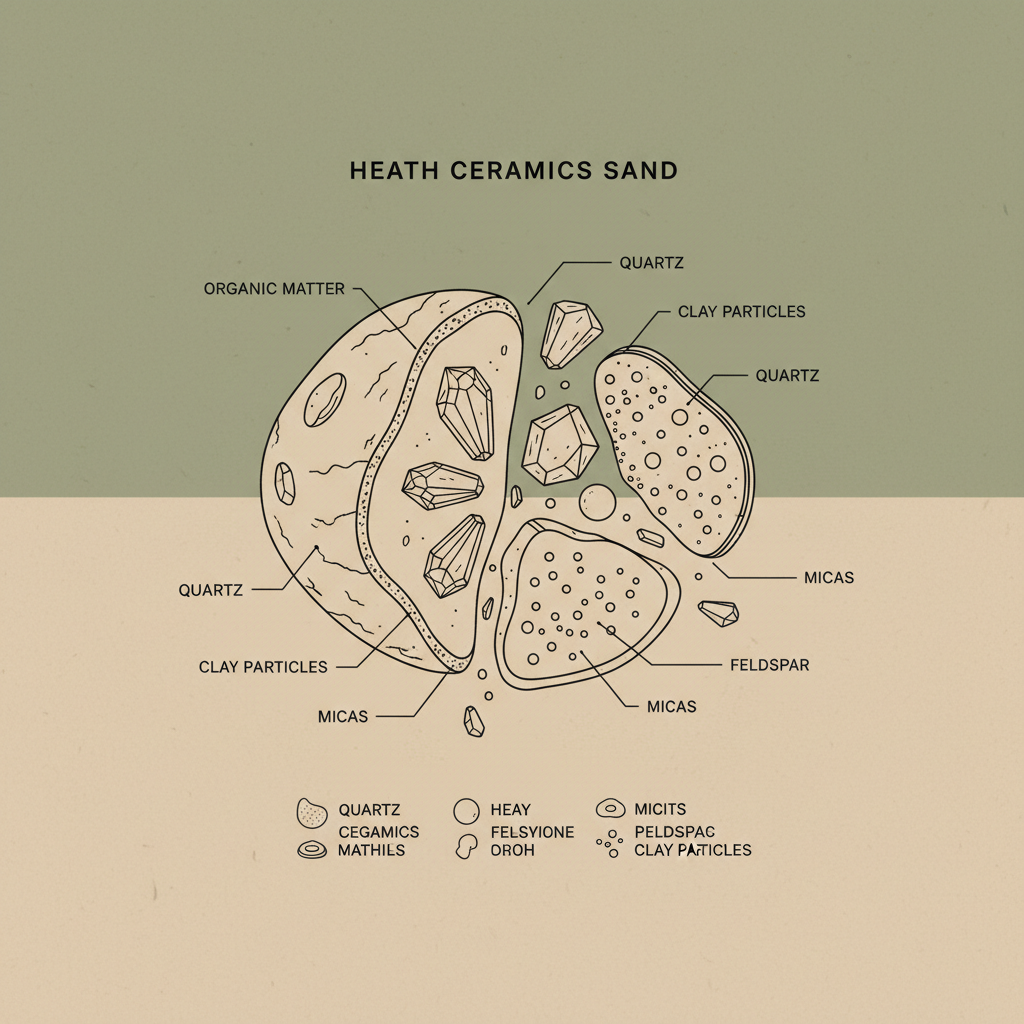
Coated sand represents a significant advancement in material science and engineering, offering solutions to a wide array of challenges across various industries. From construction and infrastructure to environmental remediation and specialized manufacturing, the unique properties of coated sand are increasingly sought after globally. Understanding its applications and benefits is crucial for professionals and stakeholders seeking innovative and sustainable materials.
The global demand for high-performance, cost-effective, and environmentally responsible materials is steadily rising. Coated sand addresses this need by enhancing the inherent properties of silica sand, improving its performance in diverse applications. Its versatility and adaptability make it a key component in addressing pressing global issues related to infrastructure development, disaster relief, and sustainable resource management.
Furthermore, the development and refinement of coated sand technologies are driving innovation in related fields, promoting economic growth and creating new opportunities for research and development. As the world faces increasing environmental and logistical challenges, solutions like coated sand become vital for building a more resilient and sustainable future.
The Fundamentals of Coated Sand
Coated sand, at its core, is silica sand that has been surface-modified with various coatings to enhance its physical and chemical properties. These coatings can range from polymers and resins to metallic oxides and silanes, each contributing unique characteristics to the final product. Understanding the base material and the coating process is fundamental to appreciating the versatility of this material.
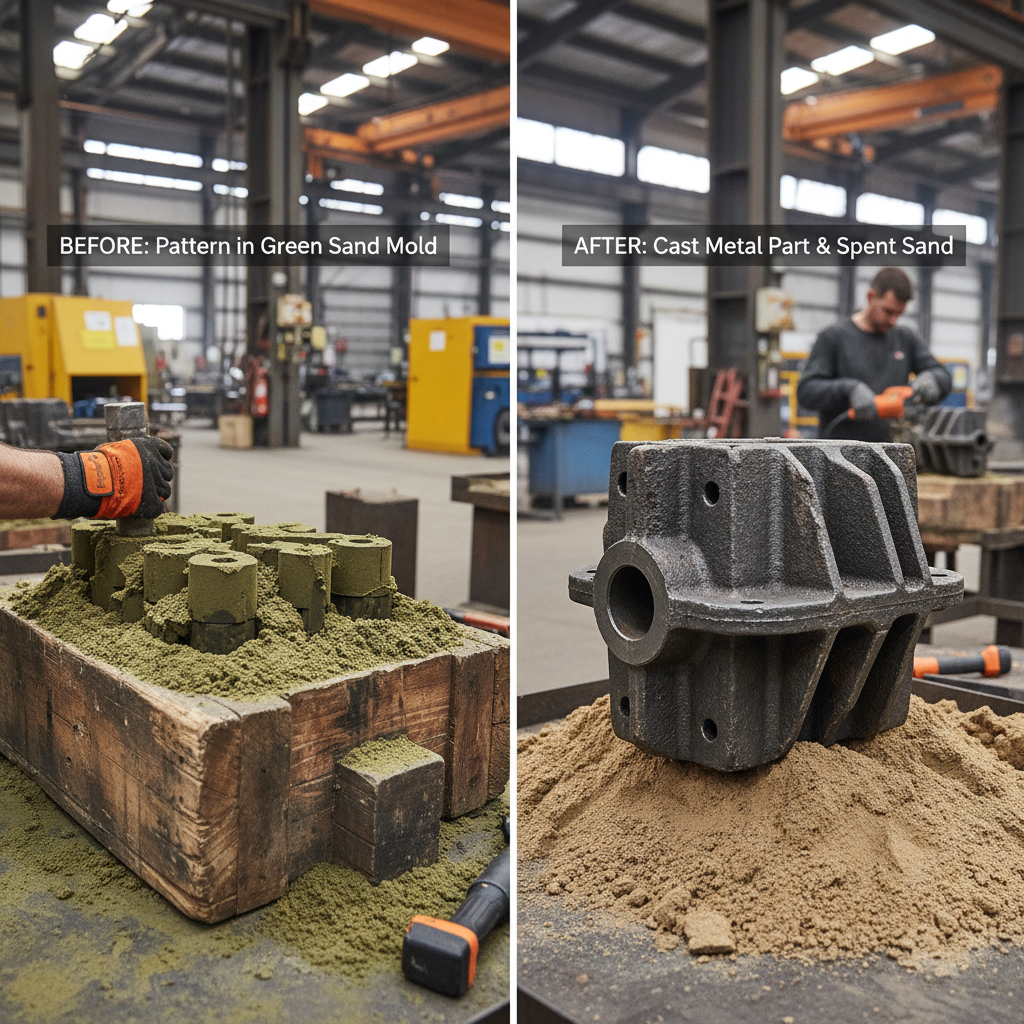
The purpose of coating sand is to address limitations inherent in standard silica sand, such as poor flowability, low strength, and susceptibility to degradation. Through careful coating selection and application, these drawbacks can be effectively mitigated, opening up a wider range of applications and improved performance in existing ones. For example, coated sand is used for shell molds in foundries.
Global Relevance and Industry Applications
The demand for coated sand is intrinsically linked to the growth of several key global industries, including construction, oil and gas, foundries, and environmental remediation. Rapid urbanization and infrastructure development in emerging economies are driving increased demand for high-quality construction materials, while the oil and gas sector utilizes coated sand extensively in proppant applications.
According to the United Nations, global construction spending is projected to reach \$17 trillion by 2030. This growth necessitates innovative and sustainable materials like coated sand. The World Bank estimates that billions of dollars are invested annually in infrastructure projects worldwide, many of which benefit from the enhanced performance and durability offered by coated sand.
Furthermore, increasing environmental regulations and a growing focus on sustainability are promoting the use of coated sand in applications like soil stabilization and water filtration, offering eco-friendly alternatives to traditional methods. The ISO standards for material performance are also influencing the adoption of coated sand due to its consistency and reliability.
Defining Coated Sand: Composition and Manufacturing
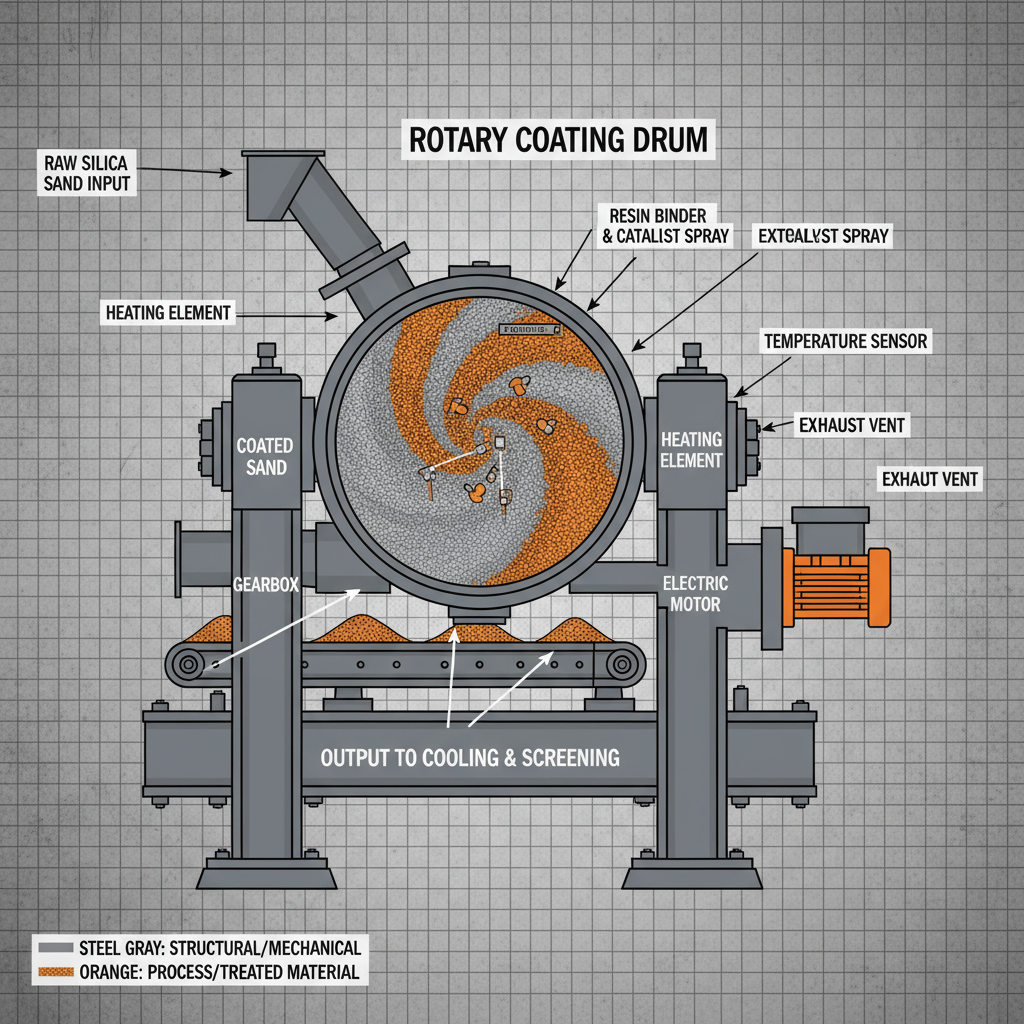
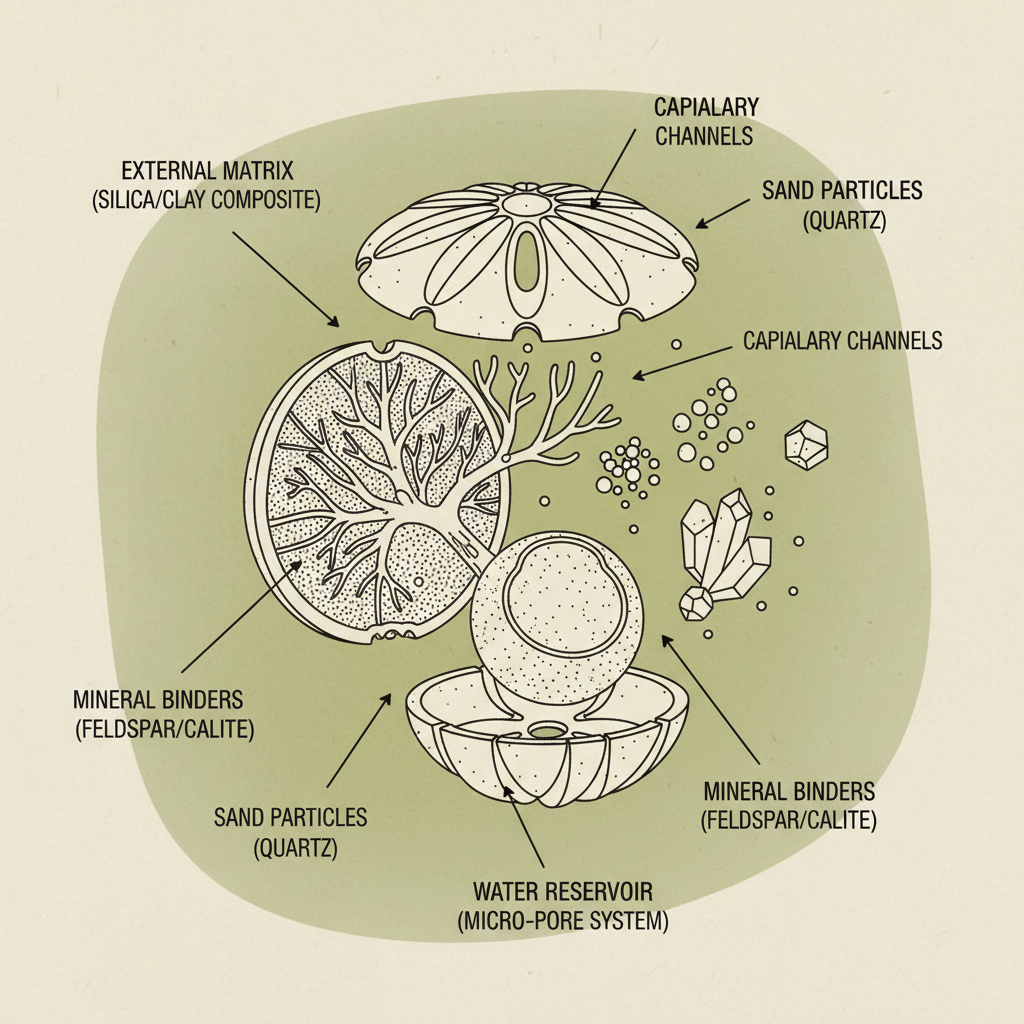
Coated sand is fundamentally silica sand (SiO2) with a thin layer of organic or inorganic material applied to its surface. The composition of the coating varies significantly depending on the intended application. Common coating materials include phenolic resins, epoxy resins, furan resins, polyurethane, and silanes. Each coating imparts specific characteristics to the sand, influencing its strength, permeability, and reactivity.
The manufacturing process typically involves blending dry sand with a liquid coating agent in a controlled environment. This mixture is then agitated to ensure uniform coating distribution. Following coating, the sand is subjected to a drying and curing process, which solidifies the coating and bonds it to the sand particles. The coating thickness and uniformity are critical parameters that determine the performance of the final product.
Quality control measures are essential throughout the manufacturing process, including particle size analysis, coating thickness measurement, and mechanical strength testing. These tests ensure that the coated sand meets the specified requirements for its intended application. Proper process control is also critical to ensure consistent batch-to-batch performance and minimize defects.
Core Properties of Coated Sand
The properties of coated sand are significantly enhanced compared to uncoated silica sand. Key characteristics include improved flowability, increased crush strength, enhanced thermal stability, and modified surface chemistry. These properties are critical for optimizing performance in various applications.
Flowability is crucial in applications like sand casting, where the sand must readily fill intricate mold cavities. Crush strength determines the sand’s ability to withstand the pressures exerted during molding and casting processes. Thermal stability is particularly important in high-temperature applications, such as metal casting.
Coated Sand Property Ratings
Diverse Applications of Coated Sand Worldwide
Coated sand finds applications in a wide range of industries. In the foundry industry, it is used to create molds for metal casting, enabling the production of complex shapes with high precision. In the oil and gas sector, it serves as a proppant in hydraulic fracturing, enhancing oil and gas recovery rates.
Furthermore, coated sand is used in construction for soil stabilization, improving the bearing capacity of foundations and reducing settlement. It is also employed in environmental remediation for containing and removing pollutants from contaminated soil and water. In post-disaster relief operations, coated sand can be used to rapidly construct temporary shelters and reinforce damaged infrastructure.
The Advantages of Utilizing Coated Sand
The advantages of using coated sand are numerous, encompassing cost-effectiveness, sustainability, and improved performance. Coated sand often reduces material waste compared to traditional methods, leading to cost savings. Its enhanced durability and longevity minimize the need for frequent replacements, further reducing lifecycle costs.
From a sustainability perspective, coated sand can contribute to reduced carbon emissions by optimizing material usage and minimizing transportation needs. Its ability to enhance the performance of existing infrastructure extends its lifespan, delaying the need for costly and environmentally impactful replacements. Using coated sand promotes responsible resource management.
Moreover, the improved safety and reliability associated with coated sand contribute to long-term value. Its consistent performance and reduced risk of failure enhance the overall quality and integrity of finished products and structures, fostering trust and confidence among end-users.
Future Trends and Innovations in Coated Sand Technology
The future of coated sand technology is poised for significant advancements driven by ongoing research and development. Focus areas include the development of bio-based coatings, improved coating application techniques, and the integration of nanotechnology to further enhance material properties.
The exploration of self-healing coatings is also gaining traction, offering the potential to extend the lifespan of coated sand products and reduce maintenance requirements. The integration of digital technologies, such as machine learning and artificial intelligence, will enable more precise control over the coating process and optimize material performance.
The convergence of coated sand technology with green energy solutions is another promising trend, with applications in energy storage and renewable energy infrastructure. The development of sustainable and environmentally friendly coatings will be crucial for ensuring the long-term viability of this technology.
Summary of Coated Sand Technology Challenges and Solutions
| Challenge Area |
Severity (1-10) |
Potential Solutions |
Implementation Cost (USD) |
| Coating Uniformity |
7 |
Optimized mixing and spraying techniques, real-time monitoring |
5,000 - 15,000 |
| Coating Durability |
8 |
Development of more robust coating materials, nano-reinforcement |
10,000 - 30,000 |
| Environmental Impact of Coatings |
6 |
Bio-based coatings, solvent-free application methods |
2,000 - 10,000 |
| Cost of Coating Materials |
5 |
Exploration of alternative, lower-cost coating materials |
1,000 - 5,000 |
| Quality Control & Consistency |
7 |
Automated inspection systems, standardized testing procedures |
8,000 - 20,000 |
| Scalability of Production |
4 |
Investment in larger-scale coating equipment, optimized process flow |
20,000 - 50,000 |
FAQS
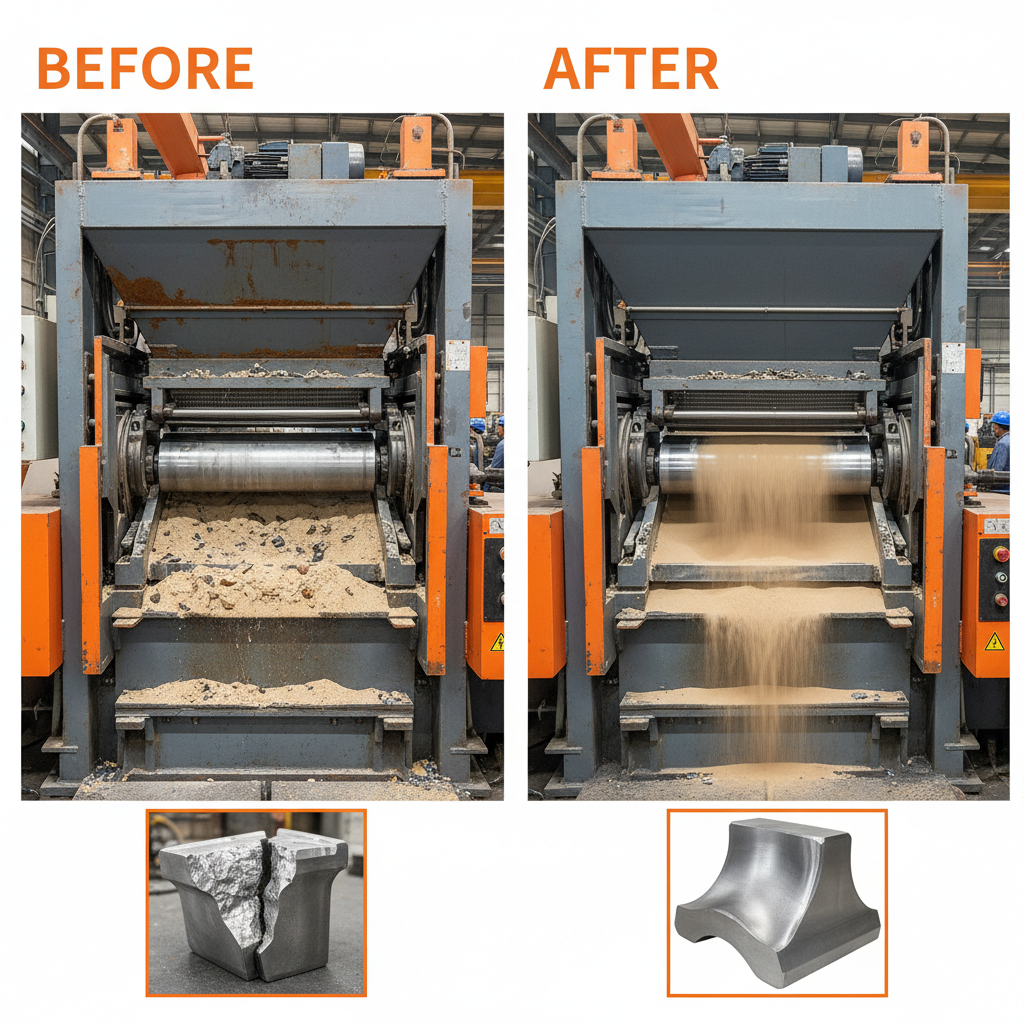
Coated sand offers significantly improved mold strength, reduced gas evolution during casting, and enhanced surface finish of cast parts. The coating prevents the sand from reacting with molten metal, minimizing defects and improving casting accuracy. This translates to reduced scrap rates, improved productivity, and higher quality castings. The tailored coatings also improve flowability for more complex shapes.
The coating material dictates the properties of the coated sand. Phenolic resins provide excellent strength and thermal stability, while furan resins offer good collapsibility. Epoxy resins enhance chemical resistance. Selecting the appropriate coating depends on the specific application, the type of metal being cast, and the desired casting properties. Understanding the compatibility of the coating and the process is crucial.
Coated sand can be more environmentally friendly. Reduced scrap rates translate to less metal waste. Some coating materials are now being developed from bio-based sources, reducing reliance on petroleum-based chemicals. Additionally, the increased efficiency of the casting process can lower energy consumption. However, proper disposal of used coated sand is still crucial.
The lifespan of coated sand molds varies depending on the coating material, the metal being cast, and the number of castings produced. Generally, coated sand molds can withstand multiple castings before requiring replacement or reclamation. Proper mold maintenance and handling can extend their lifespan considerably. Regular inspection for cracking or erosion is recommended.
Coated sand is generally more expensive upfront than traditional silica sand due to the added cost of the coating material and the coating process. However, the long-term cost savings from reduced scrap rates, improved productivity, and lower energy consumption often offset the initial higher cost. The total cost of ownership should be considered.
Yes, coated sand can often be recycled or reclaimed, although the process can be more complex than reclaiming traditional sand. Reclamation involves removing the coating material and cleaning the sand for reuse. The efficiency of reclamation depends on the coating type and the extent of contamination. Proper reclamation practices are essential for sustainable sand casting.
Conclusion
Coated sand represents a significant advancement in material science, offering a versatile and effective solution to a wide range of challenges across diverse industries. Its enhanced properties, including improved flowability, strength, and thermal stability, coupled with its potential for sustainable applications, position it as a crucial material for modern infrastructure and manufacturing. The benefits extend beyond performance, encompassing cost-effectiveness, environmental responsibility, and increased safety.
Looking ahead, continued innovation in coating materials, application techniques, and reclamation processes will further unlock the full potential of coated sand. Embracing these advancements is essential for fostering sustainable practices and driving economic growth. To learn more about our innovative coated sand solutions and how they can benefit your business, visit our website: www.sinoceramsite.com