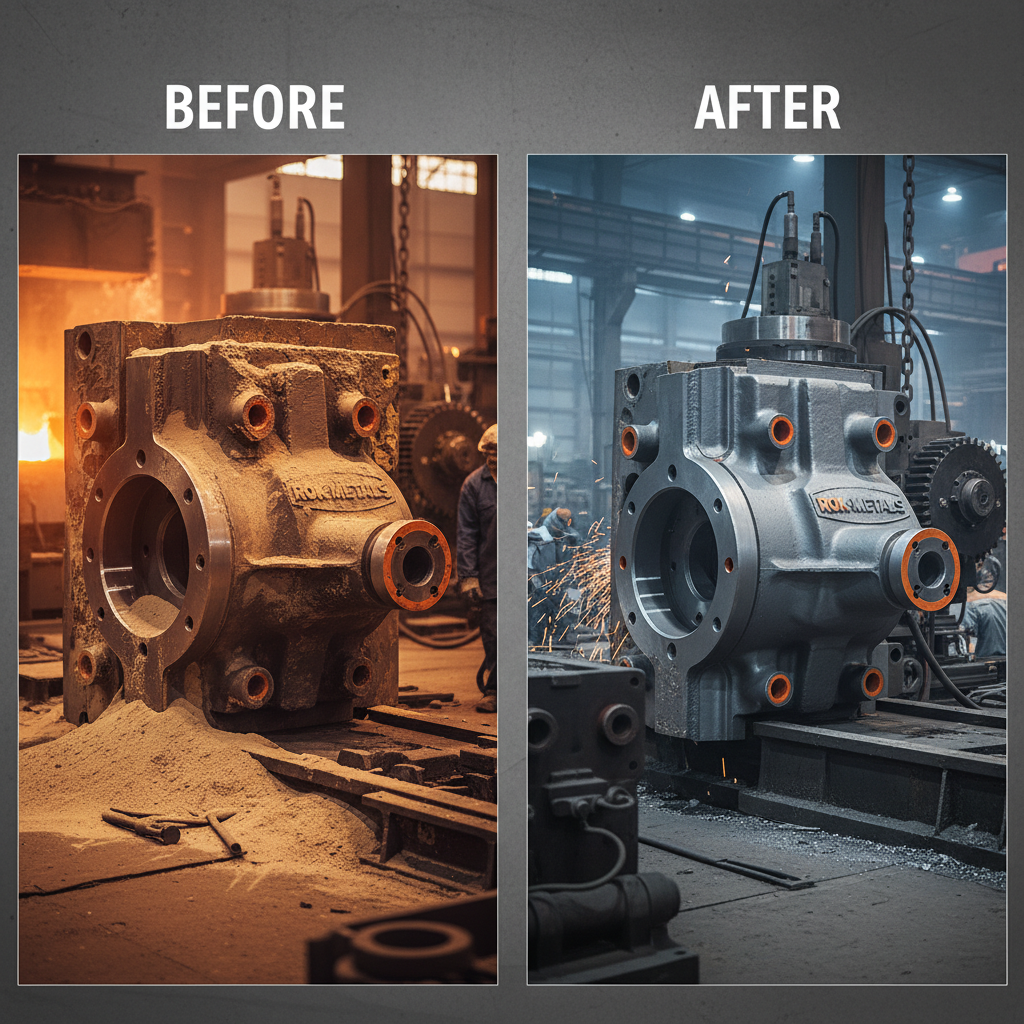
Sand casting sand is a fundamental material in manufacturing, enabling the creation of complex metal parts across a vast range of industries. Its versatility, cost-effectiveness, and scalability make it a cornerstone of modern production processes. Understanding the nuances of sand casting sand – its composition, properties, and applications – is crucial for engineers, manufacturers, and anyone involved in the design and production of metal components. This knowledge unlocks opportunities for optimizing casting processes, improving product quality, and reducing manufacturing costs.
Globally, the demand for sand casting sand continues to grow alongside industrial expansion and infrastructure development. From automotive components and aerospace parts to industrial machinery and construction materials, the applications of sand casting are incredibly diverse. The increasing focus on sustainability and resource efficiency is also driving innovation in sand casting technologies, including the development of more environmentally friendly sand mixtures and recycling processes.
This exploration will delve into the world of sand casting sand, examining its key characteristics, diverse applications, emerging trends, and associated challenges. We aim to provide a comprehensive understanding of this essential material, empowering readers to leverage its potential for innovation and efficiency in their respective fields.
Introduction to Sand Casting Sand
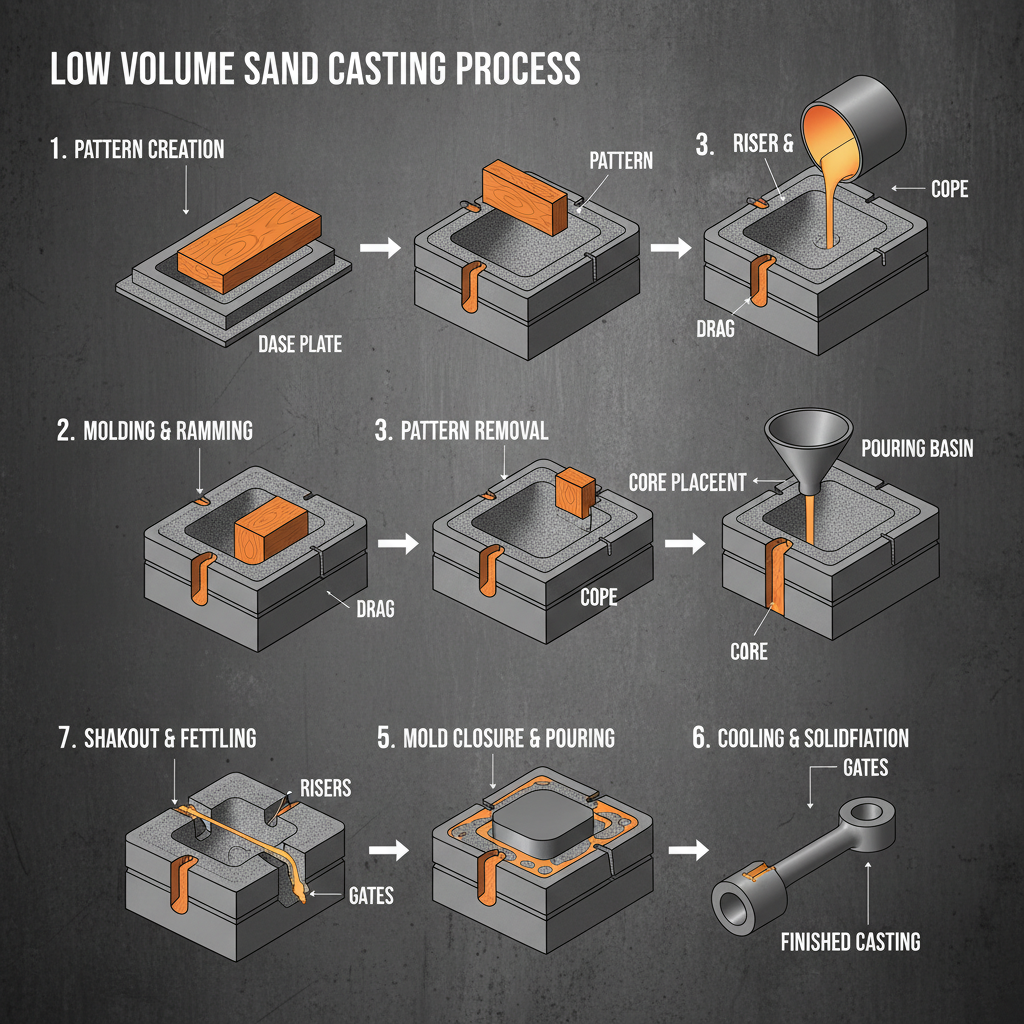
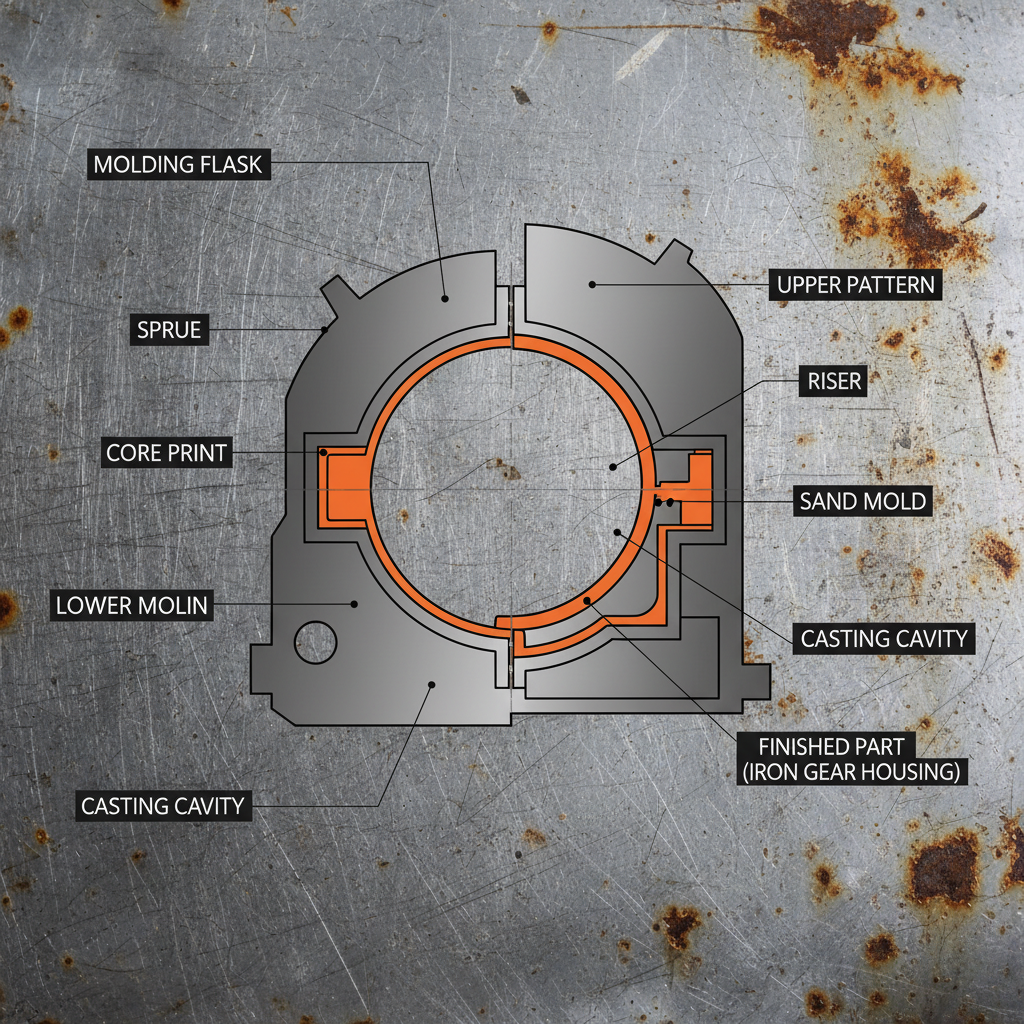
At its heart, sand casting sand is a granular material used to create molds into which molten metal is poured. This seemingly simple process forms the foundation for producing a vast array of metal parts. The quality and composition of the sand directly influence the accuracy, surface finish, and structural integrity of the resulting castings. sand casting sand is not merely silica; it’s a carefully engineered mixture designed to withstand extreme temperatures and pressures.
The choice of sand casting sand is heavily influenced by the type of metal being cast, the complexity of the part, and the desired production volume. Different sand compositions offer varying degrees of permeability, strength, and thermal stability, impacting the overall casting process. Understanding these properties is essential for optimizing mold design and ensuring successful casting outcomes.
The Global Relevance of Sand Casting Sand
Sand casting is one of the oldest and most widely used metal casting processes globally. According to reports from the World Bank, manufacturing continues to be a significant driver of economic growth, particularly in developing nations, where sand casting provides a relatively low-cost entry point for metal production. The ISO standards organization publishes guidelines that influence sand casting practices, ensuring consistent quality and safety across international markets.
The demand for sand casting sand is inextricably linked to the growth of key industries like automotive, aerospace, construction, and energy. In 2023, the global metal casting market was valued at approximately $45 billion USD, with sand casting accounting for the largest share. This demand is not evenly distributed, with significant consumption in regions like China, India, and the United States.
A current challenge facing the sand casting industry is the sustainability of sourcing high-quality sand. Traditional sources of silica sand are becoming depleted in some regions, prompting a search for alternative materials and recycling solutions. This issue underscores the need for responsible sourcing and innovative approaches to sand management within the casting process.
Defining Sand Casting Sand
Sand casting sand is a granular material composed primarily of silica (SiO2), but it’s rarely used in its pure form. The silica grains are typically bound together by a binder, which can be clay, chemical binders like phenolic resins, or even sodium silicate. This combination creates a mold that can withstand the high temperatures and pressures involved in pouring molten metal. The grain size, shape, and distribution are carefully controlled to achieve the desired permeability and strength.
Its connection to modern industry is undeniable. Virtually every metal component used in our daily lives, from engine blocks and pipe fittings to turbine blades and architectural elements, has likely been shaped using sand casting. It offers a cost-effective and versatile solution for producing parts of varying complexity and size, making it indispensable to manufacturing processes.
Sand casting sand also plays a role in humanitarian needs. In disaster relief situations, quickly produced metal components for temporary shelters or essential equipment can be created using sand casting, offering a rapid and localized manufacturing solution. This adaptability makes it a valuable asset in emergency response scenarios.
Core Components of Effective Sand Casting Sand
Several key aspects define the quality and performance of sand casting sand. Firstly, Permeability is crucial for allowing gases generated during the pouring process to escape, preventing defects like porosity. Secondly, Strength ensures the mold retains its shape during metal filling and solidification.
Grain Shape & Size impact surface finish; rounder grains generally produce smoother castings. Thermal Stability is vital for resisting thermal shock and maintaining mold integrity at high temperatures. Finally, Binder Content determines the overall strength and collapsibility of the mold. Finding the optimal balance of these properties is essential for successful casting.
Sand Casting Sand Performance Metrics
Global Applications and Use Cases
Sand casting finds widespread application in the automotive industry for producing engine blocks, cylinder heads, and transmission casings. In the aerospace sector, it’s used to manufacture turbine blades, structural components, and housings for critical systems. Construction benefits from sand casting through the production of pipe fittings, valves, and structural elements.
In remote industrial zones, where access to advanced manufacturing technologies is limited, sand casting offers a viable and cost-effective solution for producing essential metal parts. For example, in several parts of Africa, local foundries utilize sand casting to manufacture agricultural equipment and spare parts. In post-disaster relief operations, the ability to quickly produce metal components for temporary infrastructure is invaluable.
Furthermore, the energy sector relies on sand casting for producing components for power generation equipment, including turbine housings and pump impellers. The versatility of sand casting allows for the creation of both small, intricate parts and large, heavy components, catering to a diverse range of industrial needs.
Advantages and Long-Term Value
The primary advantage of sand casting lies in its cost-efficiency, particularly for large-volume production. It requires relatively low tooling costs compared to other casting methods, making it accessible to a wider range of businesses. Furthermore, it’s capable of handling a wide variety of metal types, including ferrous and non-ferrous alloys. This flexibility is a significant benefit.
From a sustainability perspective, the ongoing development of sand recycling technologies is reducing the environmental impact of sand casting. Improving resource utilization and minimizing waste are key drivers for long-term viability. The inherent safety of well-managed sand casting processes, coupled with the reliability of the resulting castings, contribute to overall trust and confidence in the manufacturing process.
Future Trends and Innovations in Sand Casting Sand
The future of sand casting sand is heavily influenced by advancements in material science and digital technologies. Research into alternative binder systems, such as those derived from renewable resources, is gaining momentum, promising more environmentally friendly casting processes. The integration of 3D printing for creating intricate mold patterns is also revolutionizing mold making.
Automation and machine learning are playing an increasingly important role in optimizing sand casting processes. Automated sand mixing and mold compaction systems improve consistency and reduce labor costs. Machine learning algorithms can analyze data from casting processes to identify and predict potential defects, leading to improved quality control. Embracing these technologies will be vital for remaining competitive in the evolving manufacturing landscape.
Challenges and Solutions
One persistent challenge in sand casting is the control of sand quality and consistency. Variations in grain size distribution, binder content, and moisture levels can significantly impact casting results. Solutions involve implementing rigorous quality control measures, investing in automated sand processing equipment, and utilizing advanced analytical techniques for sand characterization.
Another key challenge is the management of waste sand. Traditional sand disposal methods pose environmental concerns. Innovative solutions include sand recycling systems, where used sand is cleaned, reconditioned, and reused in subsequent casting processes. Developing closed-loop sand systems, where sand is continuously recycled and regenerated, is a crucial step towards sustainability.
Finally, ensuring worker safety in foundries is paramount. Dust exposure during sand handling can pose health risks. Implementing effective dust control measures, such as ventilation systems and personal protective equipment, is essential for protecting worker well-being.
Overview of Sand Casting Sand Challenges and Mitigation Strategies
| Challenge |
Impact Area |
Mitigation Strategy |
Implementation Cost (1-10) |
| Sand Quality Variation |
Casting Defects |
Automated Sand Testing & Mixing |
7 |
| Waste Sand Disposal |
Environmental Impact |
Sand Recycling System |
8 |
| Dust Exposure |
Worker Health |
Ventilation & PPE |
4 |
| Mold Collapsibility |
Part Removal |
Binder Optimization |
5 |
| Permeability Issues |
Gas Porosity |
Sand Additives & Venting |
6 |
| High Tooling Costs for Complex Molds |
Production Expenses |
3D-Printed Mold Patterns |
9 |
FAQS
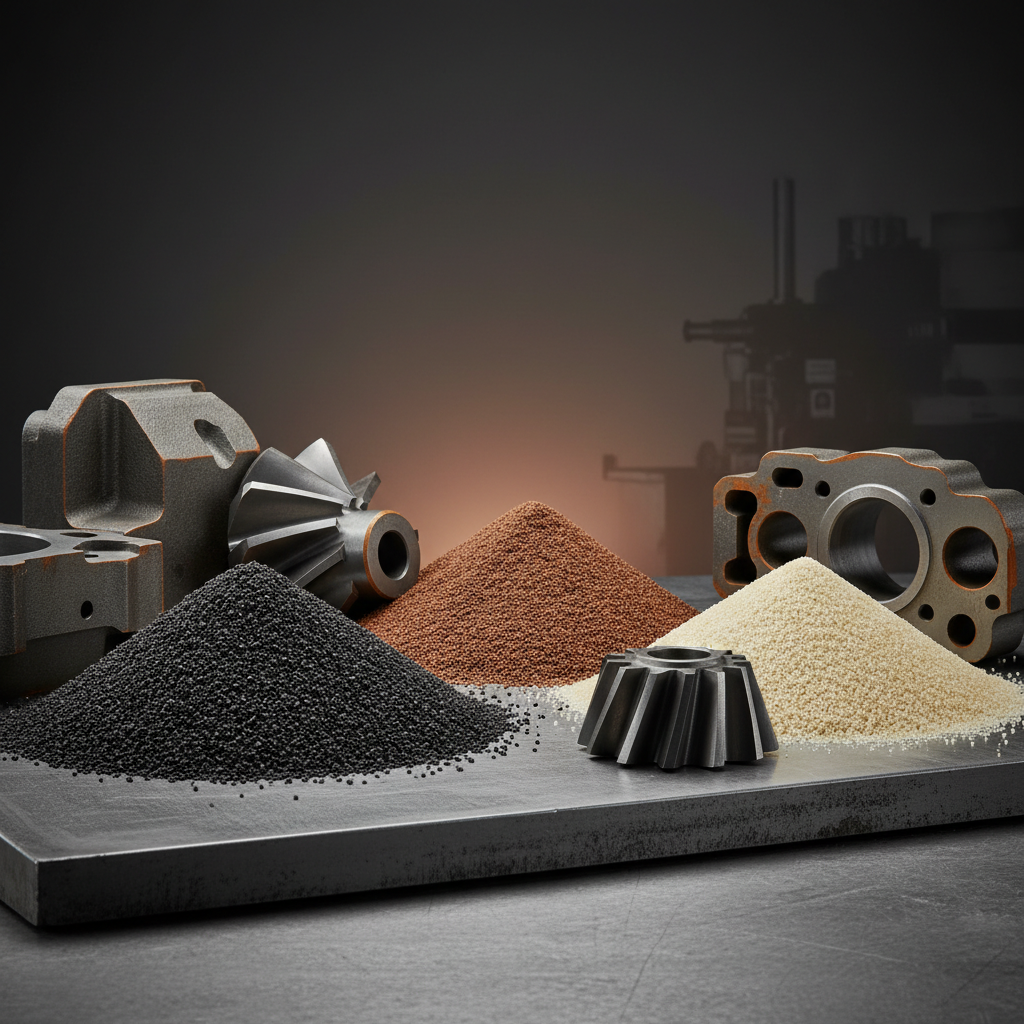
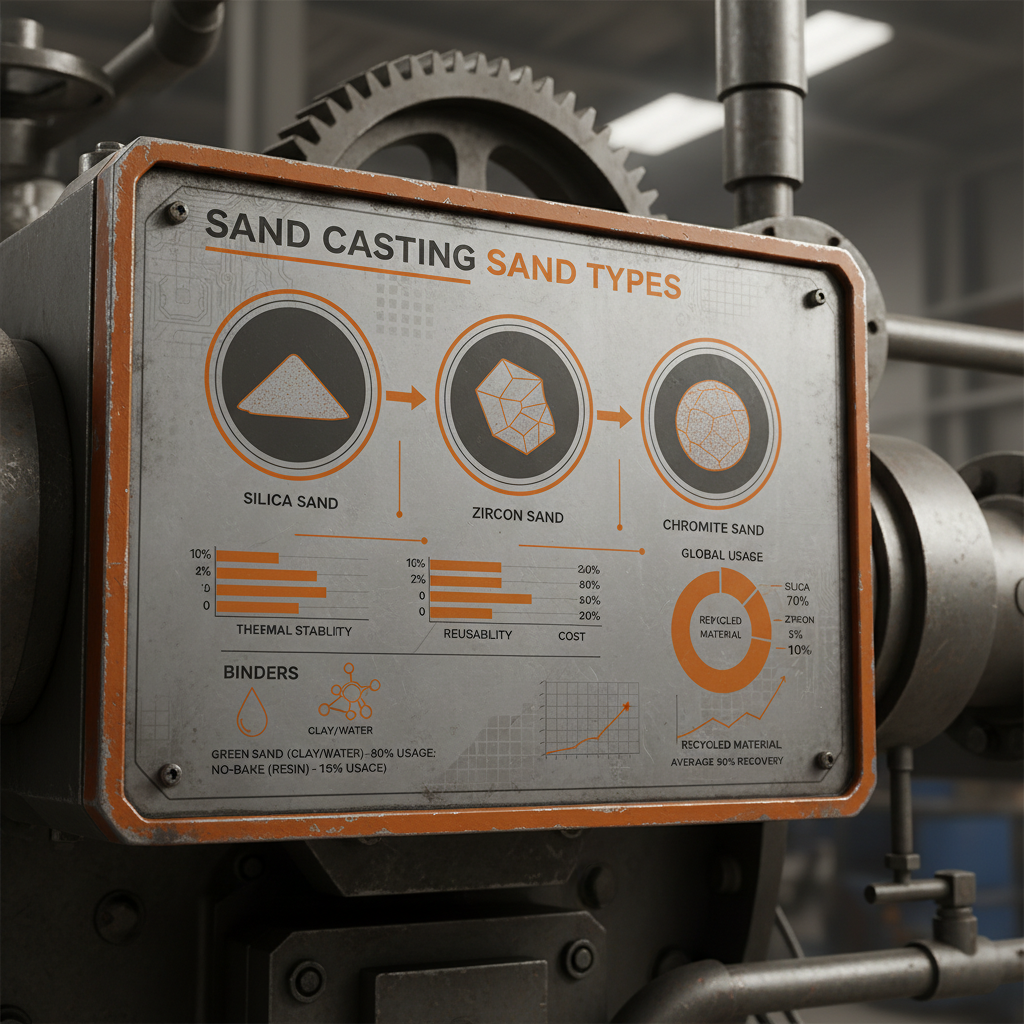
Different sand types offer varying properties. Silica sand is the most common due to its cost-effectiveness, but its thermal stability is limited. Olivine sand offers better thermal stability and reduced metal penetration, but is more expensive. Zircon sand provides the highest thermal stability and is ideal for high-temperature alloys, though it’s the most costly option. The selection depends on the metal being cast, the casting temperature, and the desired surface finish.
Grain size significantly influences surface finish and permeability. Finer grains result in smoother castings but can reduce permeability, leading to gas porosity. Coarser grains improve permeability but may create a rougher surface. A balanced grain size distribution is crucial, typically achieved through careful sand classification and mixing. Optimizing grain size also affects the required binder content.
The primary environmental concerns are silica dust exposure, waste sand disposal, and binder emissions. Mitigation strategies include implementing dust control systems, recycling sand, using environmentally friendly binders (like those derived from vegetable oils), and properly managing emissions. Closed-loop sand systems minimize waste and reduce the environmental footprint.
Sand lifespan depends on factors like casting temperature, metal reactivity, binder type, and recycling practices. Typically, sand can be reused multiple times, but its properties degrade with each cycle. Regular testing for grain size distribution, permeability, and strength is essential. Replacement is necessary when these properties fall outside acceptable limits, usually after 5-10 cycles with proper regeneration.
Binders hold the sand grains together, providing the mold with sufficient strength and rigidity. Common binder types include clay (traditional, low-cost), phenolic resins (high strength, good collapsibility), sodium silicate (cold box process, fast cycle times), and furan resins (excellent surface finish). Binder selection depends on the casting process, metal type, and desired casting properties.
Digital technologies offer several benefits. Automated sand testing equipment provides real-time data on sand properties. Machine learning algorithms can analyze this data to predict potential defects. 3D scanning of molds can identify dimensional inaccuracies. Digital twins can simulate the casting process, optimizing parameters for improved quality and reduced waste. These technologies lead to more efficient and reliable production.
Conclusion
Sand casting sand remains a cornerstone of modern manufacturing, enabling the production of a vast array of metal components across diverse industries. Its cost-effectiveness, versatility, and adaptability make it an indispensable material. Understanding the nuanced properties of sand, from grain size and permeability to binder content and thermal stability, is crucial for optimizing casting processes and achieving high-quality results.
Looking ahead, the future of sand casting sand will be shaped by advancements in material science, automation, and sustainability. Embracing innovative sand recycling technologies, exploring alternative binders, and integrating digital tools will be vital for enhancing efficiency, reducing environmental impact, and maintaining a competitive edge. For more information about high-quality sand and related products, visit our website: www.sinoceramsite.com