Sand used for sand casting is a fundamental process in manufacturing, impacting countless industries globally. From automotive components and engine blocks to intricate sculptures and aerospace parts, the ability to create metal shapes using sand molds is crucial. The quality of the sand itself directly influences the precision, surface finish, and structural integrity of the final cast product. Understanding the properties and applications of sand used for sand casting is therefore essential for engineers, foundries, and anyone involved in metal fabrication.
The global sand casting market is a multi-billion dollar industry, with a significant and growing demand, particularly in emerging economies. According to recent reports, Asia-Pacific dominates the market, driven by the rapid industrialization of countries like China and India. However, growing environmental concerns surrounding traditional silica sand sourcing are driving innovation in alternative sand materials and casting techniques. This represents a significant challenge and opportunity for the industry to adopt more sustainable practices.
The importance of sand used for sand casting stems from its versatility and cost-effectiveness. Compared to other casting methods like investment casting or die casting, sand casting offers greater flexibility in terms of part size, complexity, and material choice. This makes it an ideal solution for both prototyping and large-scale production runs, enabling innovation and reducing manufacturing costs across a broad spectrum of applications.
Introduction to sand used for sand casting
The foundation of sand casting lies in the careful selection and preparation of sand. It's not simply beach sand; the sand used for sand casting is engineered to possess specific characteristics relating to grain size, shape, composition, and permeability. These attributes determine the mold's ability to withstand the molten metal's heat and pressure while allowing gases produced during the casting process to escape. sand used for sand casting impacts the dimensional accuracy and surface finish of the resulting castings.
Different industries require varying grades of sand. For instance, automotive engine blocks demand high-quality, precisely graded sand for creating complex internal passages, while simpler castings like large machine bases can utilize less refined materials. Furthermore, the environmental impact of sand sourcing and disposal is increasingly scrutinized, leading to the development of sustainable alternatives and recycling initiatives.
Defining sand used for sand casting
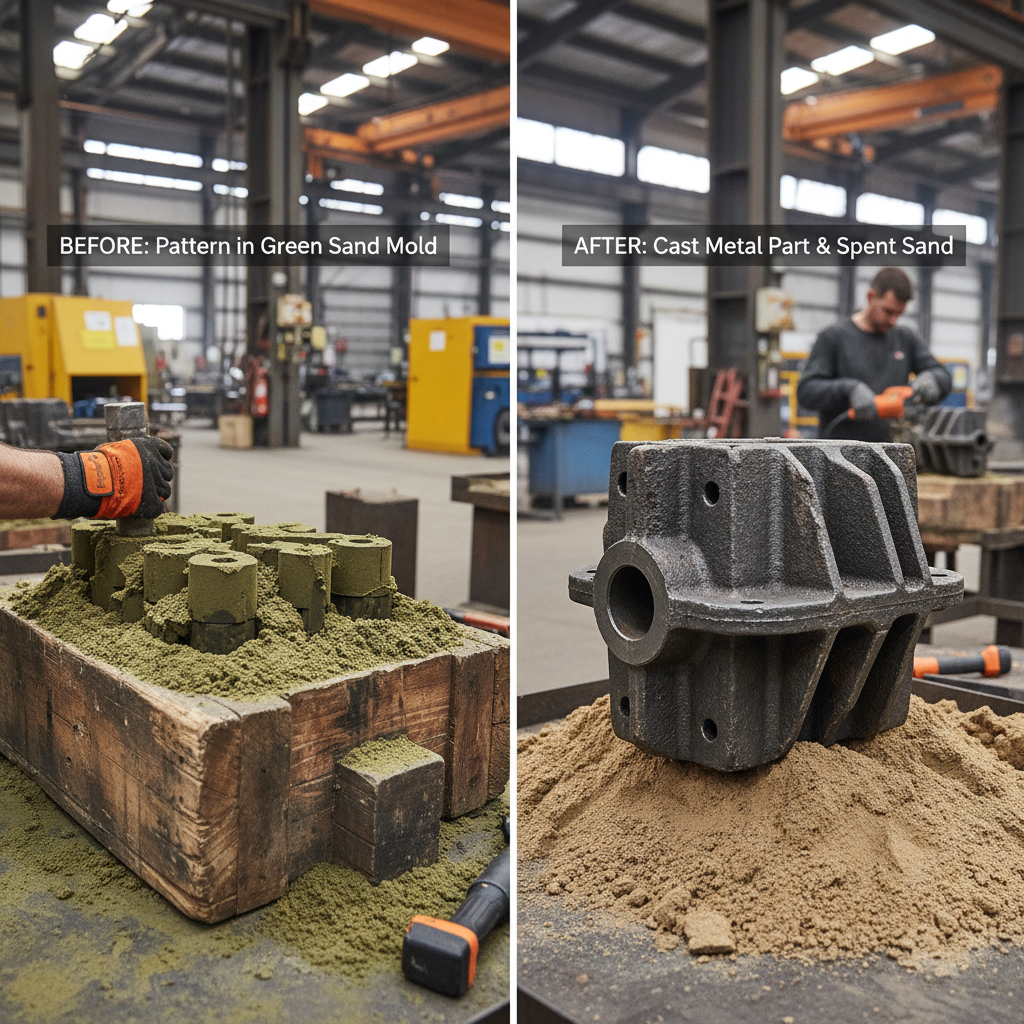
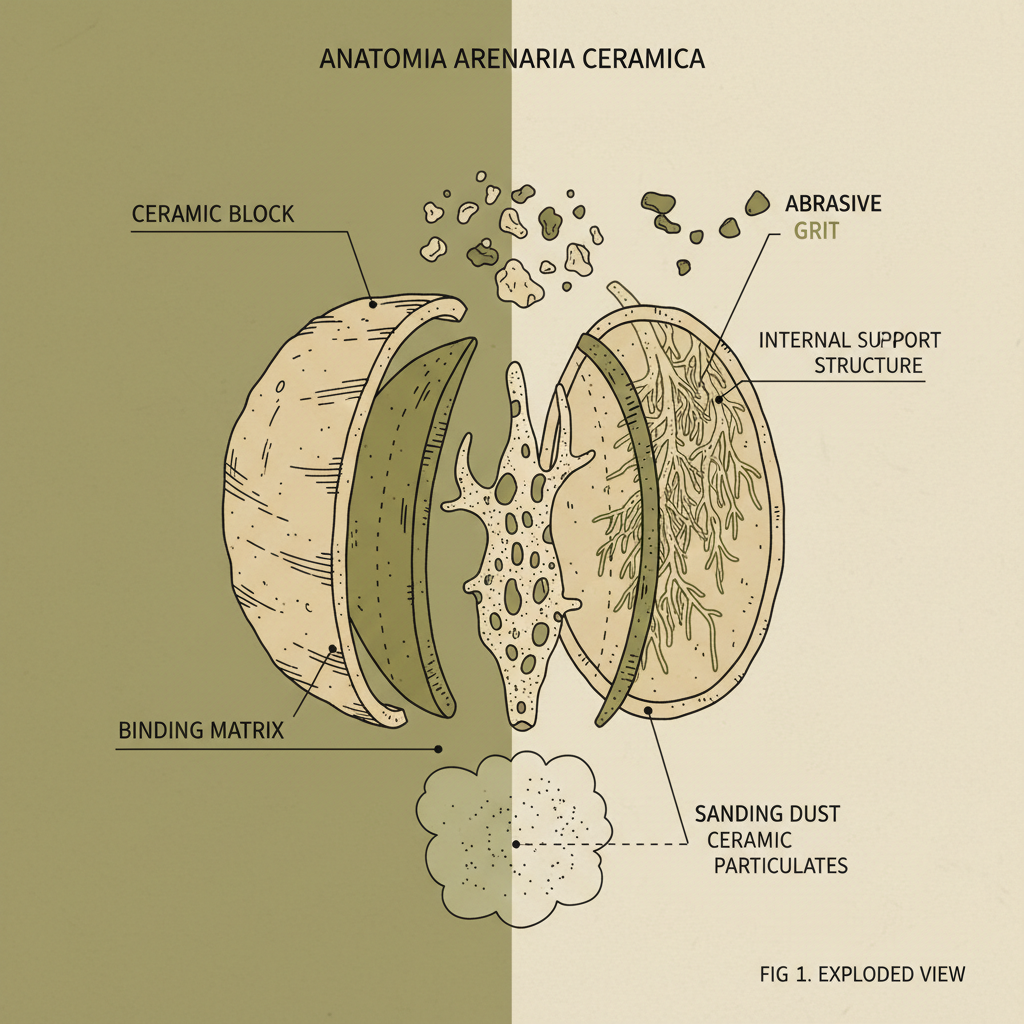
Sand used for sand casting refers to the granular material, typically silica sand, that forms the mold cavity into which molten metal is poured. This mold is created by packing the sand around a pattern, which is a replica of the desired final shape. The sand mixture must be cohesive enough to hold its shape but also permeable enough to allow gases to escape. This is achieved by adding binders like clay, bentonite, or chemical resins to the sand.
The process is directly linked to modern industry, enabling the mass production of metal components used in everything from transportation and construction to medical devices and consumer products. It provides a relatively low-cost and flexible manufacturing method, particularly well-suited for complex geometries and large parts.
Essentially, sand casting transforms a solid pattern into a transient cavity, filled with molten metal to create a durable, functional component. It's a process deeply rooted in history, yet continually evolving through advancements in materials science and engineering.
Key Properties of Sand for Casting
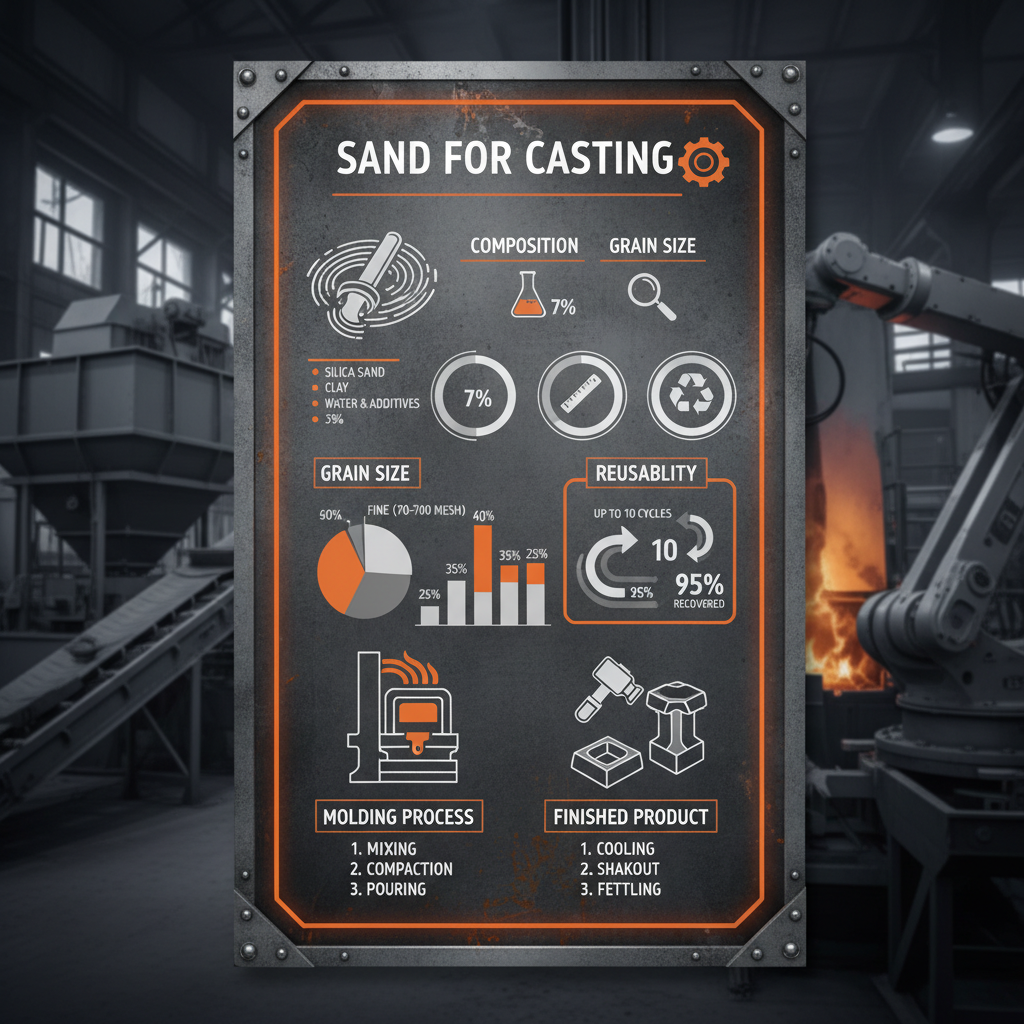
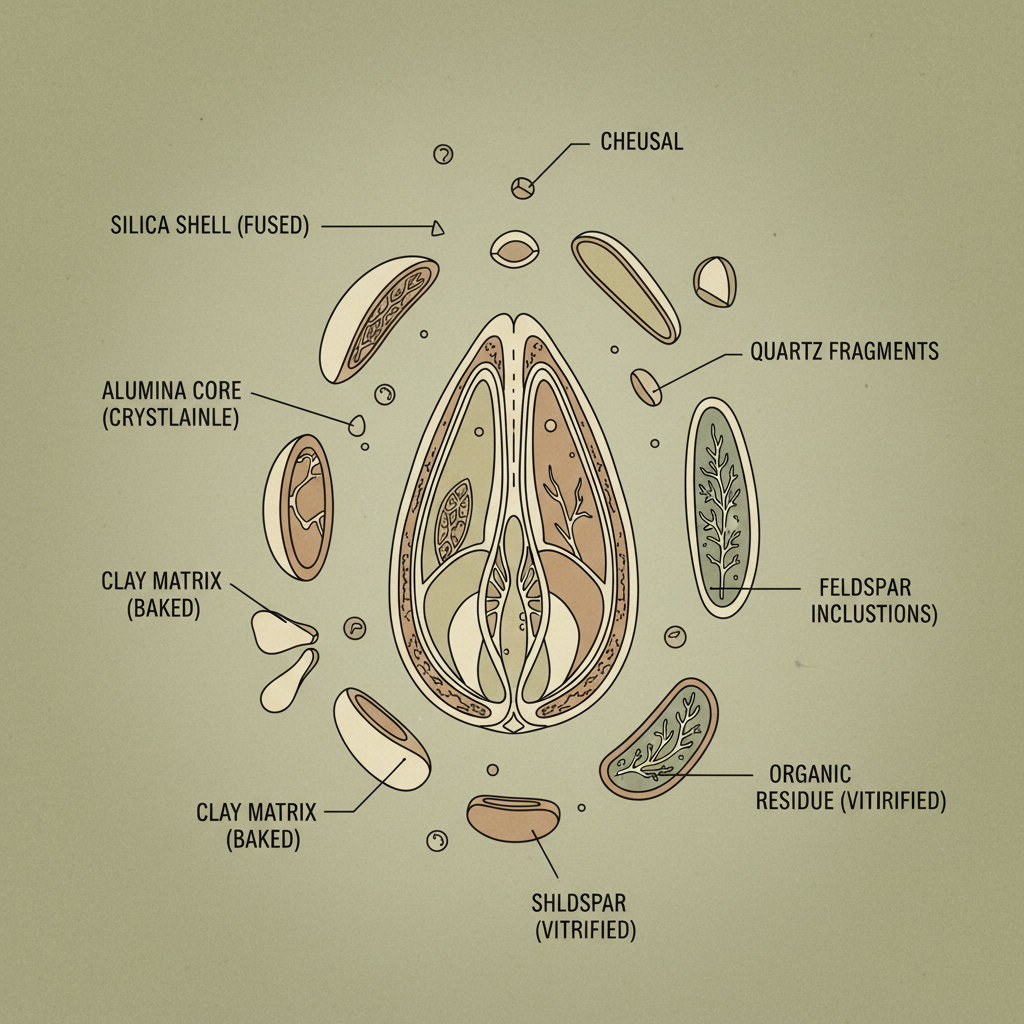
Several key properties dictate the suitability of sand for sand casting. Grain shape is critical; rounded grains offer better flowability and packing density, while angular grains provide increased strength but may hinder gas permeability. Grain size distribution also plays a vital role. A consistent, well-graded mix ensures uniform mold density and minimizes defects.
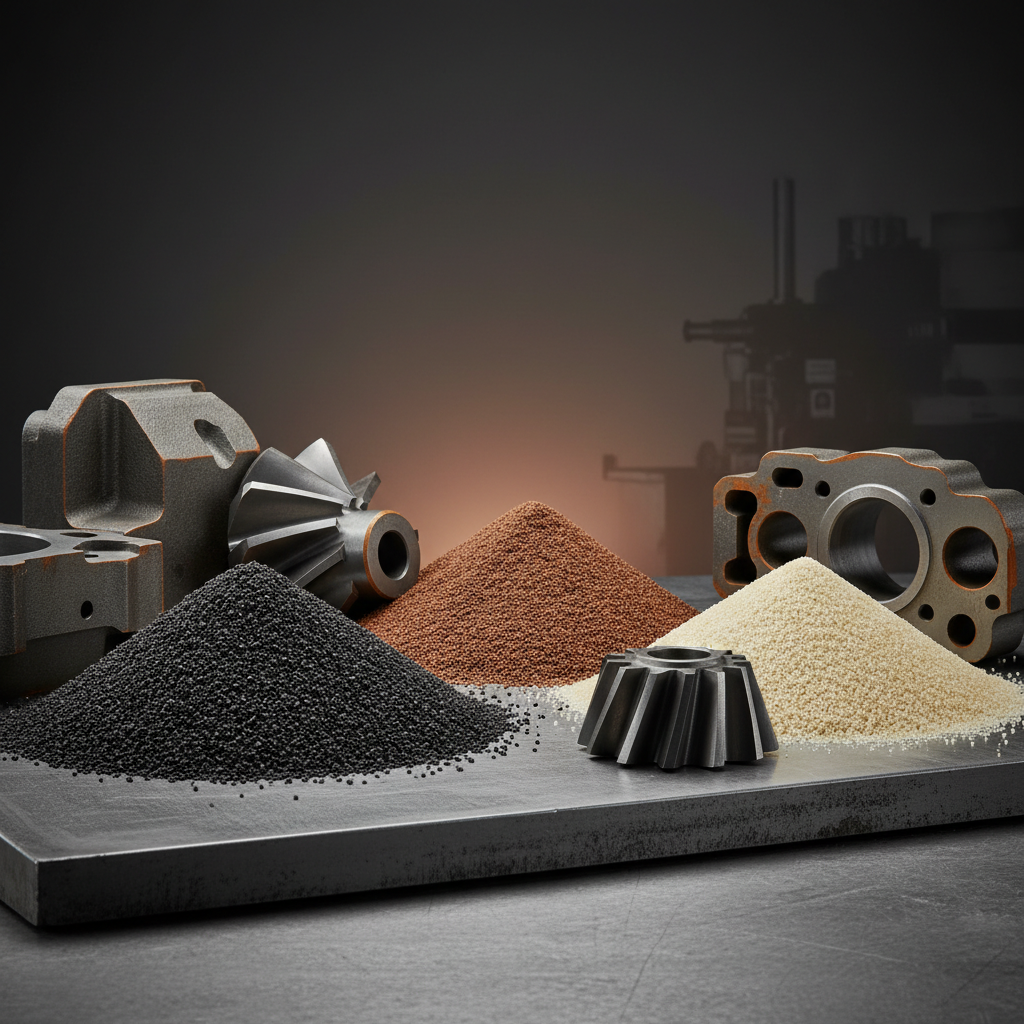
Refractoriness – the sand's ability to withstand high temperatures without breaking down – is paramount. Silica sand, with its high melting point, is commonly used, but other materials like zircon, chromite, and olivine are employed for casting metals with higher melting temperatures. Permeability, the ability of gases to escape through the sand, prevents porosity and ensures a sound casting.
Finally, cohesion, or the sand's ability to hold its shape, is achieved through binders. The type and amount of binder used significantly affect the mold's strength, permeability, and collapsibility (the ability to easily remove the casting after solidification). These properties, carefully balanced, determine the quality and accuracy of the sand casting process.
Global Applications of Sand Casting
Sand casting finds widespread application across diverse industries globally. The automotive sector heavily relies on sand casting for producing engine blocks, cylinder heads, transmission cases, and various structural components. Aerospace employs sand casting for complex turbine blades and structural airframe parts.
In the construction industry, large castings like pump housings, valve bodies, and machinery bases are frequently manufactured using sand casting. The energy sector utilizes sand casting for producing components for power plants, wind turbines, and oil & gas equipment. Foundries in China, India, and Europe are major hubs for sand casting production, serving both domestic and international markets.
Sand Casting Production by Method
Advantages and Long-Term Value
The primary advantage of sand casting lies in its cost-effectiveness, particularly for large parts and low to medium production volumes. It boasts remarkable design flexibility, enabling the creation of intricate shapes and complex internal features. The wide range of metals that can be cast – including iron, steel, aluminum, and bronze – further enhances its versatility.
Long-term value is realized through the durability and reliability of the cast components, extending the lifespan of the end products. The ability to use recycled metal reduces material costs and promotes sustainability. Furthermore, continuous improvements in sand casting technology, such as automated molding systems and advanced binders, are enhancing precision, reducing defects, and lowering overall production costs.
Future Trends in Sand Casting
The future of sand casting is heavily influenced by the push for sustainability and automation. Research is focused on developing eco-friendly binders derived from renewable resources, reducing reliance on traditional petrochemical-based options. Additive manufacturing (3D printing) is increasingly being integrated with sand casting, allowing for the creation of complex molds more efficiently.
Digitalization and Industry 4.0 technologies, such as real-time process monitoring and predictive maintenance, are optimizing casting operations and minimizing waste. The use of advanced simulation software is enabling engineers to predict and mitigate potential defects, improving casting quality and reducing the need for costly rework.
Challenges and Solutions in Sand Casting
One of the primary challenges facing the sand casting industry is the environmental impact of silica sand mining. Depletion of natural resources and potential health hazards associated with silica dust exposure are driving the search for alternative sand materials. Another challenge is maintaining consistent casting quality and minimizing defects like porosity and cracking.
Solutions include utilizing alternative sands like olivine, zircon, and chromite, and investing in dust control measures to protect worker health. Implementing rigorous quality control procedures, employing advanced simulation software, and adopting automated molding systems can significantly improve casting quality and reduce defects. Furthermore, promoting sand recycling and responsible sourcing practices are essential for long-term sustainability.
The shift towards closed-loop sand systems, where sand is continuously reclaimed and reused, is gaining momentum, offering a viable pathway to minimize environmental impact and reduce costs.
Summary of Challenges and Corresponding Solutions in Sand Casting
| Challenge |
Impact on Process |
Proposed Solution |
Implementation Cost (1-10) |
| Silica Sand Depletion |
Environmental impact & resource scarcity |
Alternative sand materials (Olivine, Zircon) |
6 |
| Silica Dust Exposure |
Worker health & safety concerns |
Dust control systems & ventilation |
4 |
| Porosity in Castings |
Reduced mechanical properties & structural integrity |
Improved mold permeability & gas venting |
5 |
| Dimensional Inaccuracy |
Part fit issues & rework |
Automated molding & precision patterns |
8 |
| High Scrap Rates |
Increased material costs & waste |
Process simulation & quality control |
7 |
| Waste Sand Disposal |
Environmental impact & landfill costs |
Sand recycling & closed-loop systems |
6 |
FAQS
The most common type is silica sand, prized for its high melting point and abundance. However, alternatives like zircon, olivine, and chromite are used when casting high-temperature alloys. Each sand type offers different properties regarding refractoriness, permeability, and cost. The choice depends on the metal being cast and the desired casting quality.
Grain shape significantly impacts mold creation and casting quality. Rounded grains pack more tightly, leading to higher mold strength and smoother surfaces, but may reduce permeability. Angular grains provide greater mold strength but can hinder gas escape, potentially causing porosity. A balance is crucial, and the ideal shape depends on the specific application.
Binders are crucial for holding the sand grains together, creating a mold that can withstand the forces of molten metal. Common binders include clay, bentonite, and synthetic resins. The binder influences mold strength, permeability, and collapsibility. Selecting the right binder is vital for achieving accurate and defect-free castings.
Sand recycling is becoming increasingly important for sustainability. Systems involve removing the casting, crushing the mold, and separating the sand from the binder. This reclaimed sand can then be reconditioned and reused, reducing waste and lowering material costs. Effective recycling requires careful control of sand properties and binder content.
The primary safety concern is exposure to silica dust, which can cause respiratory problems like silicosis. Proper ventilation, dust control measures, and personal protective equipment (PPE) are essential to minimize this risk. Regular monitoring of air quality and worker health are also crucial.
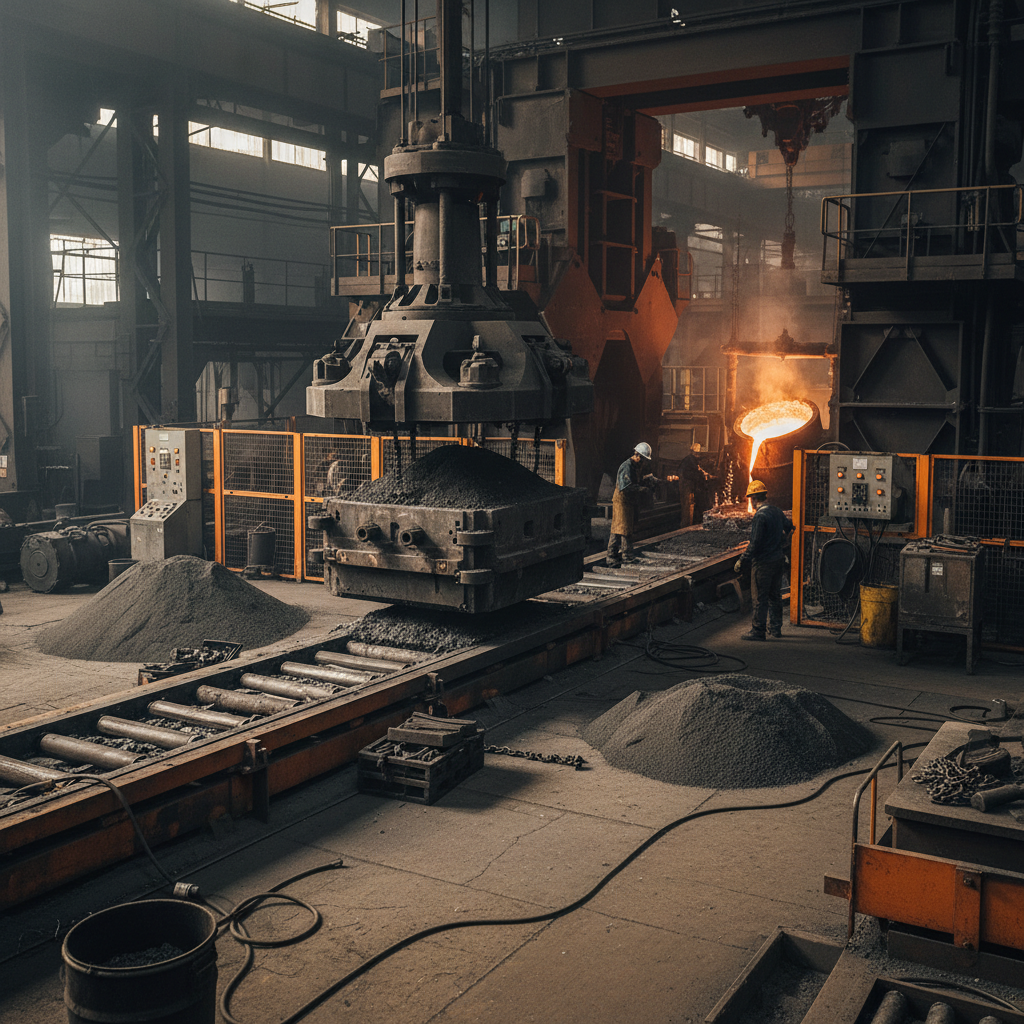
Automation is revolutionizing sand casting by improving efficiency, precision, and safety. Automated molding machines create consistent molds, reducing human error. Robotic systems handle tasks like core setting and casting removal. Digital process control systems monitor and optimize casting parameters in real-time, leading to higher quality and lower costs.
Conclusion
In conclusion, sand used for sand casting remains a cornerstone of modern manufacturing, enabling the creation of a vast array of metal components vital to countless industries. Understanding its properties, applications, and evolving trends is essential for anyone involved in metal fabrication. From optimizing sand selection and binder usage to embracing sustainable practices and automation, continuous improvement is key to unlocking the full potential of this versatile process.
Looking ahead, the sand casting industry must prioritize environmental responsibility, investing in alternative sand materials and closed-loop recycling systems. Embracing digitalization and Industry 4.0 technologies will further enhance efficiency, quality, and competitiveness. By addressing these challenges and capitalizing on emerging opportunities, sand casting will continue to play a vital role in shaping the future of manufacturing. Visit our website at sand used for sand casting to learn more.