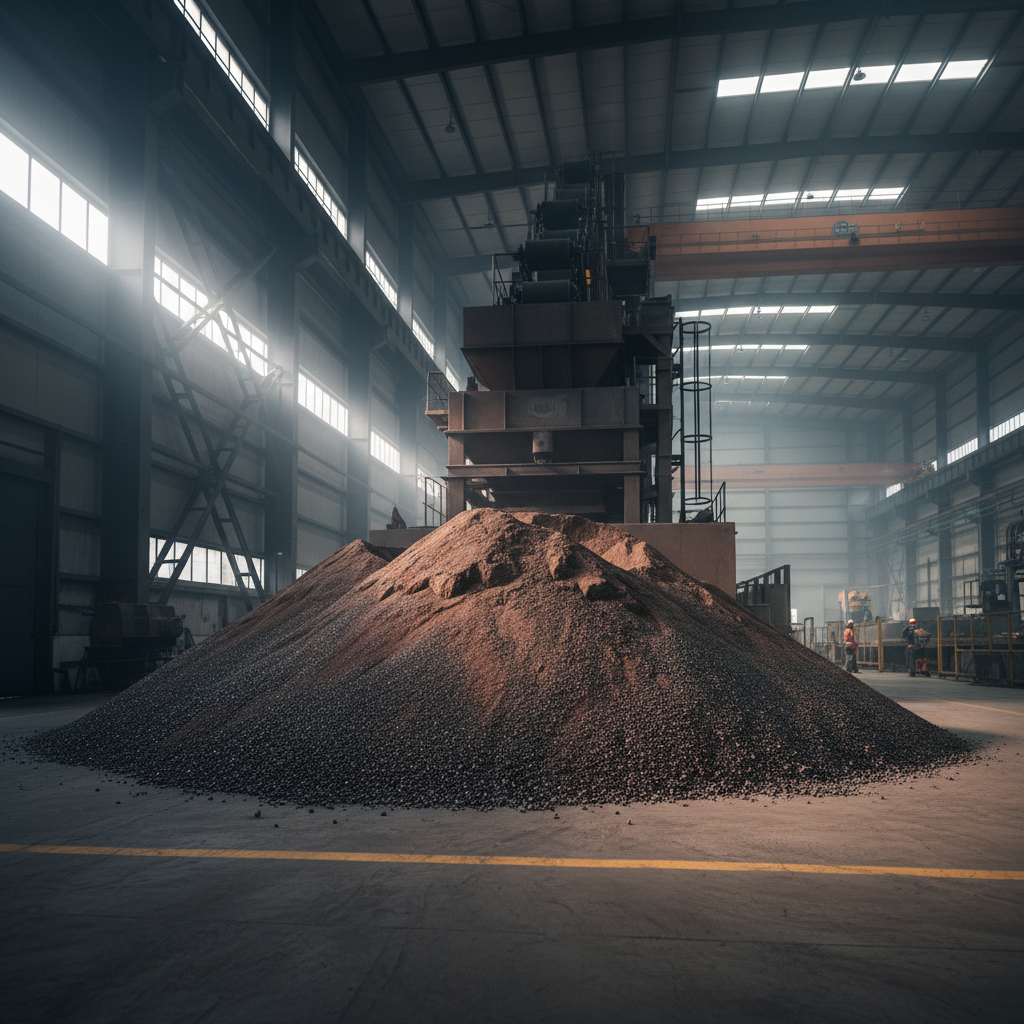
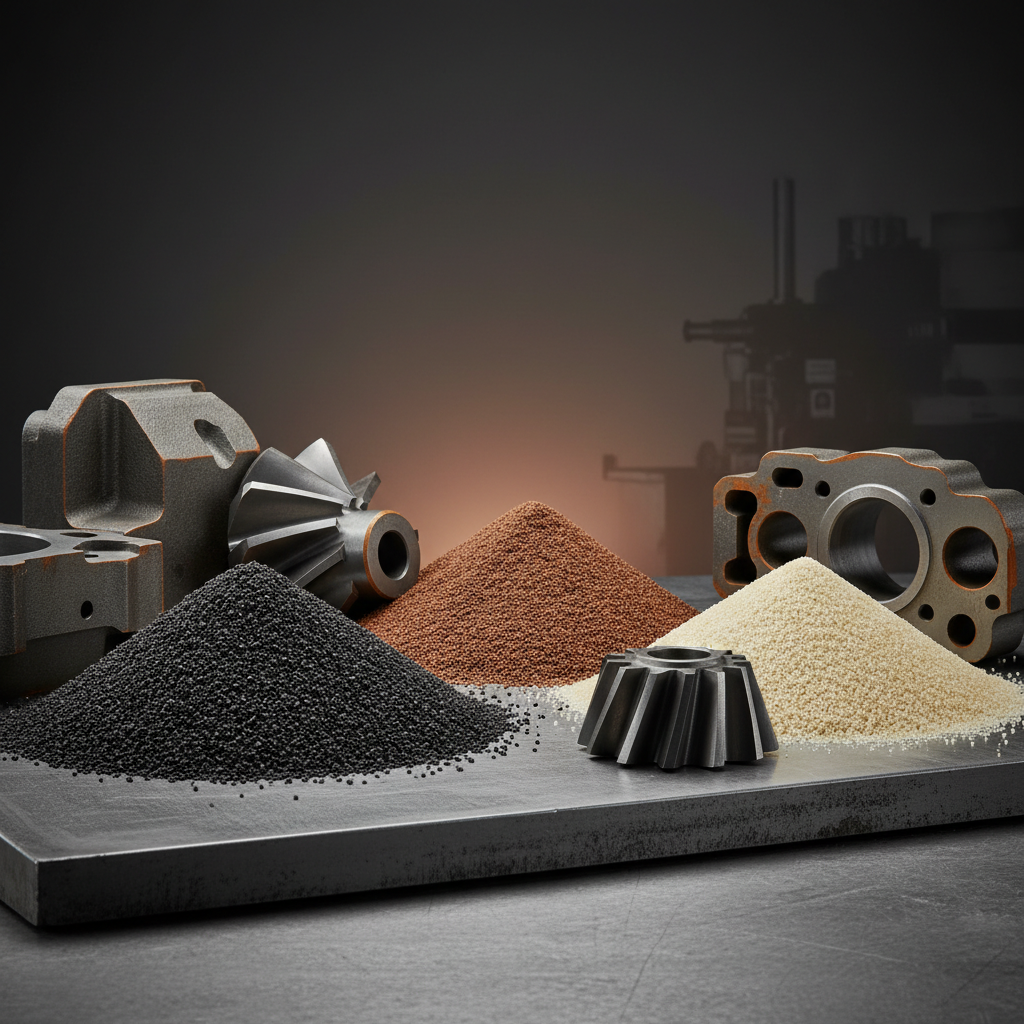
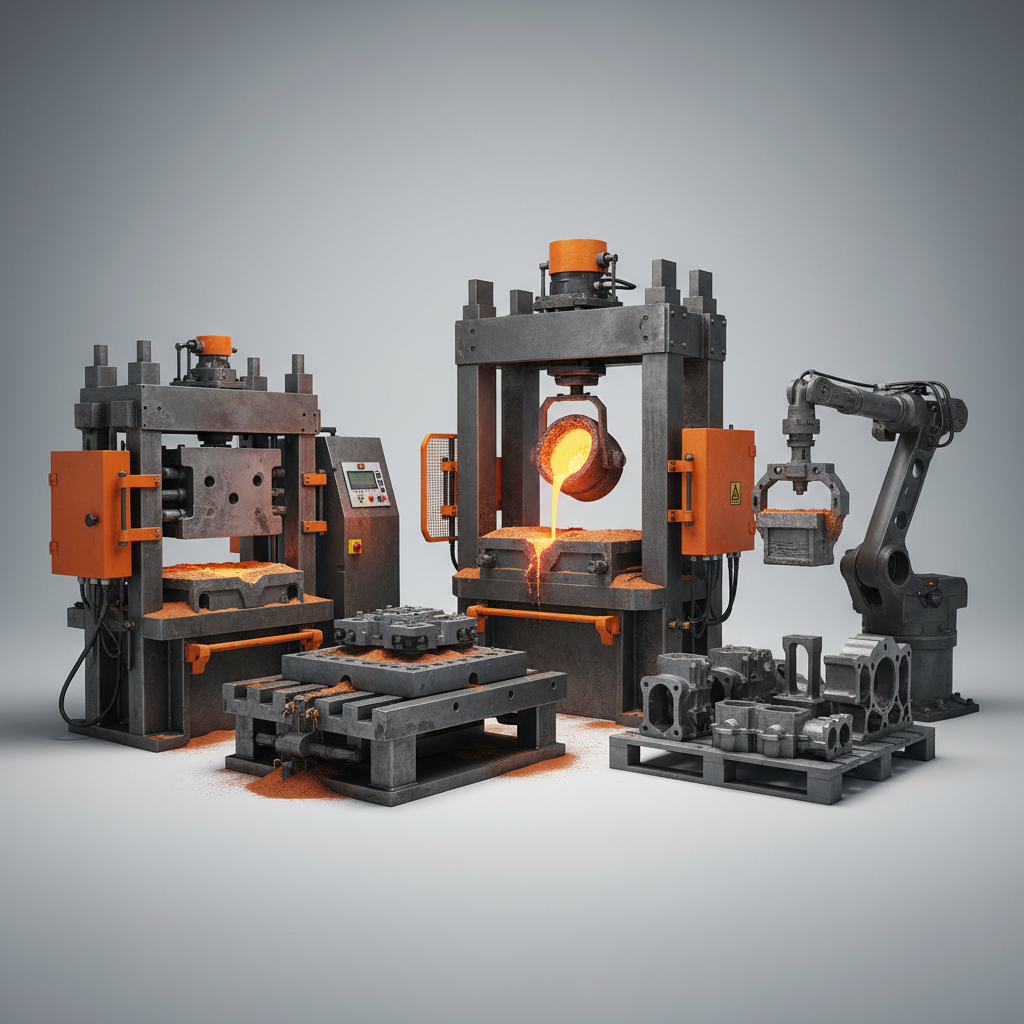
Casting sand for metal is a foundational process in manufacturing, critical for producing a vast array of metal components across diverse industries. From engine blocks and pipelines to intricate art pieces, the ability to accurately and efficiently create metal shapes hinges on the quality and characteristics of the sand used. Understanding the nuances of casting sand for metal – its composition, properties, and application – is paramount for optimizing production processes, minimizing defects, and ultimately, ensuring the structural integrity and performance of finished products.
Globally, the demand for metal castings remains robust, driven by growth in sectors such as automotive, aerospace, construction, and energy. This demand, in turn, directly impacts the need for high-quality casting sand. Factors like increasingly stringent quality standards, a growing emphasis on sustainability, and the pursuit of more complex casting designs necessitate continuous innovation in sand technology and sourcing. The economic implications are significant, affecting both developed and developing nations heavily involved in metal manufacturing.
The importance of casting sand for metal extends beyond mere industrial production; it underpins critical infrastructure development and technological advancement. A reliable supply chain of suitable sand is essential for maintaining competitive manufacturing capabilities and responding to evolving market needs, ensuring that innovation can be translated into tangible, real-world applications.
The Core Components of Casting Sand for Metal
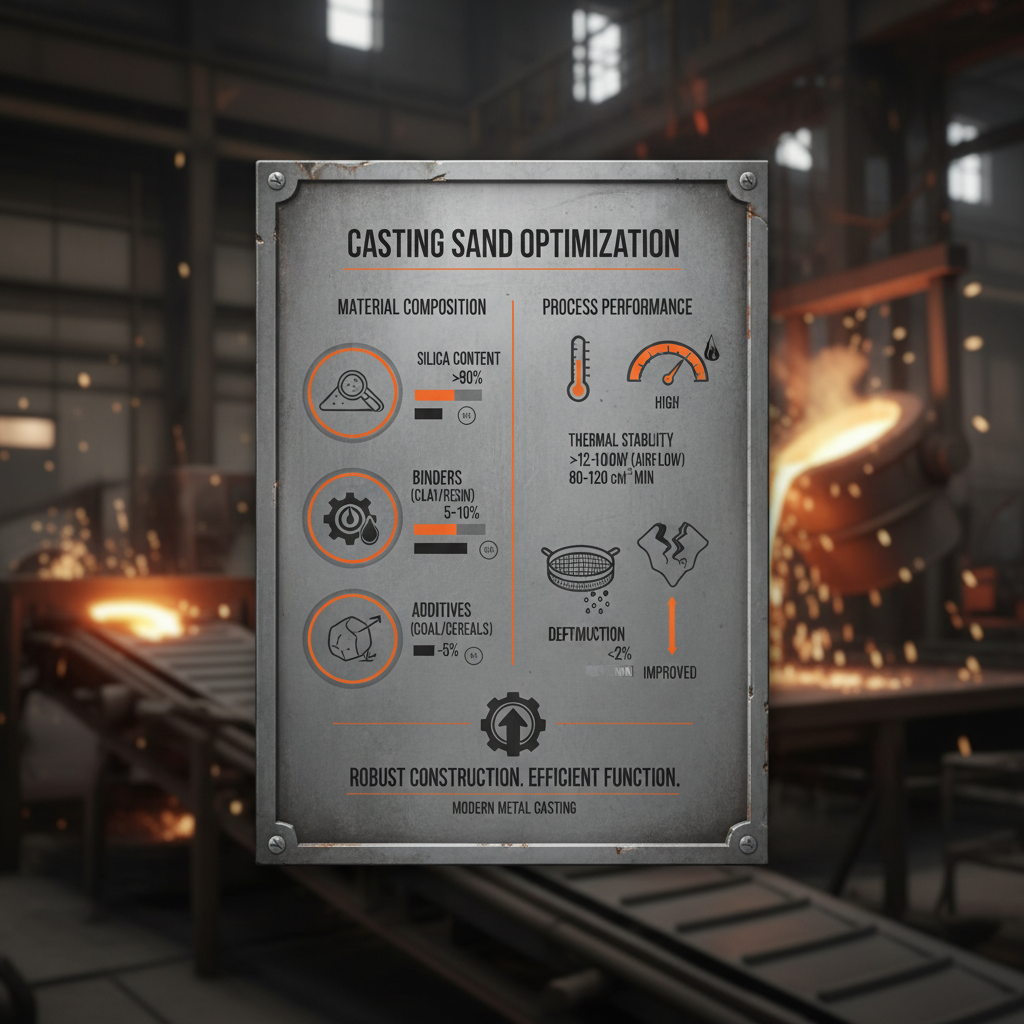
The foundation of reliable metal casting lies in the careful selection of sand components. Primarily, casting sand consists of silica (SiO2), the most common material providing the necessary refractory properties. However, pure silica sand often lacks the binding strength required for intricate mold creation. This is where bonding agents, such as clay, bentonite, or chemical binders, come into play. These agents provide cohesion, allowing the sand to hold its shape during the pouring of molten metal.
Beyond silica and binders, other components contribute to optimal sand performance. These include grain size distribution (affecting surface finish and permeability), mineralogical composition (influencing thermal stability and reactivity), and the presence of additives to enhance specific properties like flowability or green strength. Properly proportioning these components is critical to achieving the desired casting characteristics and minimizing defects.
Global Relevance and Industry Impact
The demand for casting sand for metal is inextricably linked to the global manufacturing landscape. Countries with robust metal casting industries – China, India, the United States, Germany, and Japan, to name a few – represent major consumers. According to recent reports from the World Bureau of Metal Statistics, global metal casting production continues to grow, albeit at a variable rate, influenced by economic conditions and geopolitical factors. This growth translates directly into a rising demand for high-quality casting sand.
The impact of casting sand extends far beyond these core manufacturing nations. Countries rich in silica deposits, such as Australia, the United States, and several nations in the Middle East, play a crucial role in supplying the raw materials. Disruptions in the sand supply chain – whether due to environmental regulations, geopolitical instability, or logistical challenges – can have cascading effects on downstream industries, leading to production delays and increased costs.
Furthermore, the industry is facing increasing scrutiny regarding the environmental impact of sand mining and processing. Sustainable sourcing practices, including responsible mining techniques, efficient water usage, and waste reduction strategies, are becoming increasingly important to mitigate these concerns and ensure the long-term viability of the casting sand supply.
Defining Casting Sand for Metal
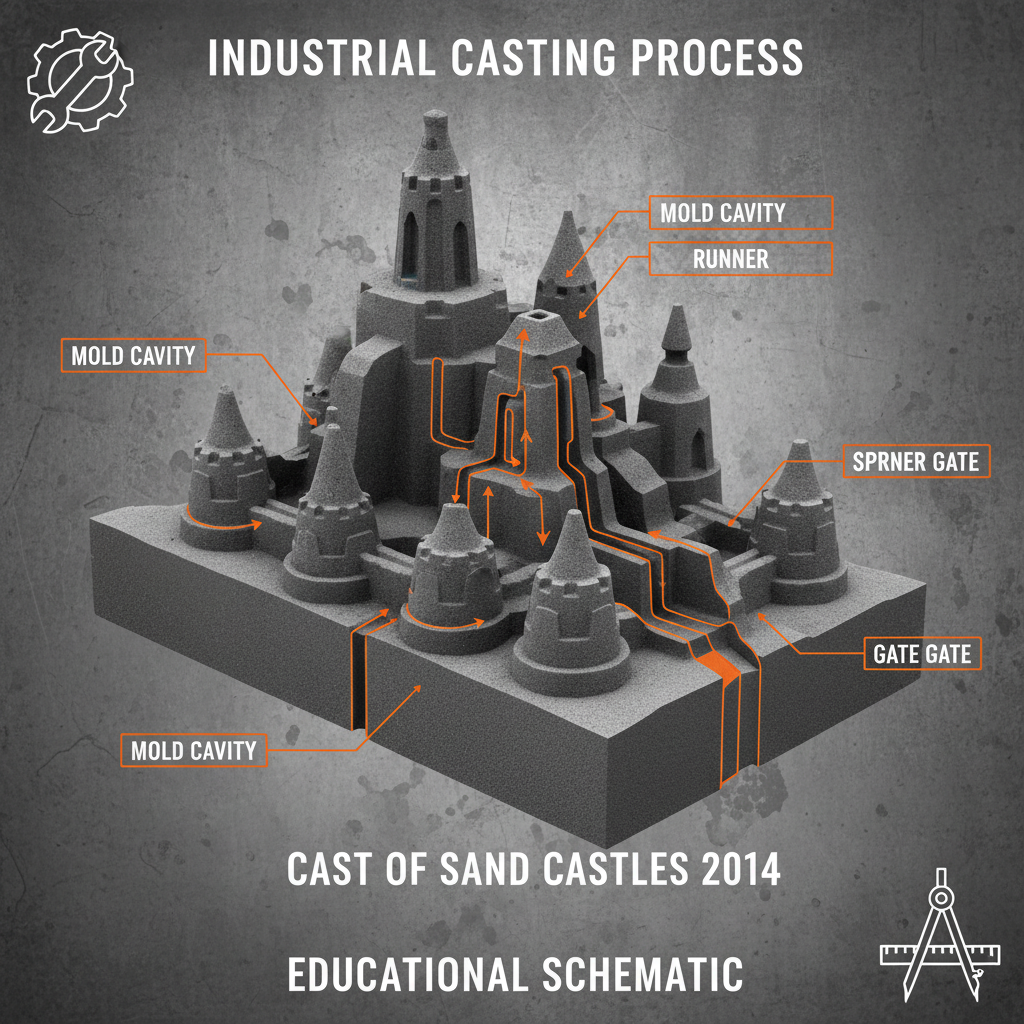
Casting sand for metal is a specifically engineered granular material used to form molds into which molten metal is poured. Unlike sand used in construction or landscaping, it's designed to withstand extremely high temperatures and resist deformation under the weight of the liquid metal. It's not simply "sand," but a carefully formulated blend designed to deliver specific properties critical for successful casting.
The definition extends to the properties that facilitate the casting process: permeability (allowing gases to escape), flowability (for easy mold filling), cohesion (to maintain mold shape), and thermal stability (to prevent cracking or deformation). Different casting processes, such as sand casting, investment casting, and shell molding, demand varying sand characteristics, necessitating tailored sand formulations.
Its connection to modern industry and humanitarian needs is profound. From producing essential components for infrastructure – pipes, valves, pumps – to enabling the manufacturing of medical devices and automotive parts, casting sand is a fundamental enabler of progress. Furthermore, its adaptability makes it suitable for producing components in both large-scale industrial settings and small-scale, localized workshops.
Key Factors: Optimizing Sand Performance
Several key factors determine the suitability of casting sand for metal. First, grain shape and size influence surface finish and permeability. Rounded grains generally lead to smoother castings, while a consistent size distribution ensures even gas venting. Second, refractoriness, the sand’s ability to resist melting or softening at high temperatures, is paramount; inadequate refractoriness results in mold failure and metal contamination.
Third, binding strength determines the mold's ability to hold its shape during pouring. This is controlled by the type and amount of binder used. Fourth, permeability allows gases generated during pouring to escape, preventing porosity and ensuring a sound casting. Fifth, thermal stability prevents cracking or expansion of the mold material under thermal stress. Finally, chemical composition affects reactivity with the molten metal and influences potential defects.
Casting Sand for Metal Performance Metrics
Diverse Applications Across Industries
Casting sand for metal finds ubiquitous application across numerous sectors. In the automotive industry, it's essential for manufacturing engine blocks, cylinder heads, and transmission housings. The aerospace sector relies on it for producing complex turbine blades and structural components. The construction industry utilizes castings for pipes, valves, and fittings.
Beyond these core industries, casting sand is critical in the production of agricultural machinery, medical implants, and consumer goods. Even artistic foundries depend on meticulously formulated sand to create bronze sculptures and other works of art. The versatility of casting sand allows for the creation of parts with varying sizes, complexities, and material compositions, making it an indispensable component in modern manufacturing.
The Long-Term Value Proposition
The benefits of utilizing appropriate casting sand extend beyond immediate production efficiency. Reduced scrap rates, fewer defects, and improved casting quality translate directly into cost savings. Furthermore, optimizing sand usage – through reclamation and recycling processes – contributes to environmental sustainability and reduces waste disposal costs. A well-managed sand supply chain provides a competitive advantage.
The long-term value also encompasses enhanced product reliability and safety. Sound castings, free from porosity or structural weaknesses, ensure the longevity and performance of the final product. This, in turn, builds trust with customers and strengthens brand reputation. Investing in quality casting sand is, therefore, an investment in long-term success.
Future Trends and Technological Advancements
The field of casting sand for metal is undergoing continuous innovation. Research is focused on developing more sustainable and environmentally friendly sand formulations, including the use of recycled materials and bio-based binders. The adoption of digital technologies, such as 3D printing and automated sand mixing systems, is streamlining production processes and enhancing precision.
Furthermore, advancements in sand reclamation techniques are improving the efficiency of reusing spent sand, reducing waste and minimizing environmental impact. The integration of artificial intelligence (AI) and machine learning (ML) is enabling predictive maintenance of sand processing equipment and optimizing sand formulations based on real-time data. These advancements promise to further enhance the efficiency, sustainability, and cost-effectiveness of metal casting operations.
The move towards lower-emission metal casting also drives demand for specialized sand compositions that reduce the need for energy-intensive processes, aligning with global efforts to mitigate climate change.
FAQS
For intricate designs requiring fine detail, a finer grain size (typically between 70 and 150 AFS grain fineness number) is ideal. This allows the sand to conform closely to the pattern, capturing delicate features. However, excessively fine sand can lead to poor permeability, so a balance is crucial. Using a blend of grain sizes can optimize both detail resolution and gas venting during the casting process.
Moisture content is a critical factor. Too little moisture and the sand lacks sufficient bonding strength, leading to mold collapse. Too much moisture reduces permeability, trapping gases and causing porosity in the casting. The optimal moisture content varies depending on the sand type and binder used but typically falls between 3-8%. Regular monitoring and adjustment are essential for consistent results.
Reclaimed casting sand offers significant environmental and economic benefits. It reduces the demand for new silica sand, conserving natural resources and minimizing mining impacts. It also lowers waste disposal costs and reduces landfill burden. Properly reclaimed sand can often match the performance of virgin sand, particularly in non-critical applications, while lowering overall costs.
Common binders include clay (bentonite is a popular clay type), sodium silicate, resin binders (phenol formaldehyde, furan, etc.), and oil-based binders. Clay binders are economical and suitable for many applications. Sodium silicate offers good strength and permeability. Resin binders provide high strength and dimensional accuracy, ideal for complex castings.
Permeability can be improved by increasing the grain size, adding sea coal or other permeability enhancers, or by controlling moisture content. Adding a small percentage of finely divided organic materials like sea coal creates channels for gas escape. Proper sand compaction also plays a role; over-compaction reduces permeability.
While offering high strength, synthetic binders can be more expensive than natural binders like clay. Some synthetic binders release fumes during pouring that require ventilation and safety precautions. They can also be less environmentally friendly than natural alternatives, contributing to VOC emissions and requiring careful disposal procedures. Research is ongoing to develop more sustainable synthetic binder options.
Conclusion
In conclusion, casting sand for metal is far more than just a granular material; it’s a cornerstone of modern manufacturing, underpinning a vast array of industries and applications. Its proper selection, preparation, and management are crucial for ensuring casting quality, optimizing production efficiency, and promoting environmental sustainability. Understanding the interplay of its core components – grain size, refractoriness, binding strength, and permeability – is essential for achieving optimal results.
Looking ahead, continued innovation in sand technology, coupled with a growing emphasis on sustainable practices, will drive the future of metal casting. By embracing advancements in sand reclamation, exploring bio-based binders, and leveraging the power of digital technologies, the industry can overcome current challenges and unlock new levels of performance, efficiency, and environmental responsibility. Visit our website at www.sinoceramsite.com to explore our range of high-quality casting sand solutions.