
- Afrikaans
- Albanian
- Amharic
- Arabic
- Armenian
- Azerbaijani
- Basque
- Belarusian
- Bengali
- Bosnian
- Bulgarian
- Catalan
- Cebuano
- China
- China (Taiwan)
- Corsican
- Croatian
- Czech
- Danish
- Dutch
- English
- Esperanto
- Estonian
- Finnish
- French
- Frisian
- Galician
- Georgian
- German
- Greek
- Gujarati
- Haitian Creole
- hausa
- hawaiian
- Hebrew
- Hindi
- Miao
- Hungarian
- Icelandic
- igbo
- Indonesian
- irish
- Italian
- Japanese
- Javanese
- Kannada
- kazakh
- Khmer
- Rwandese
- Korean
- Kurdish
- Kyrgyz
- Lao
- Latin
- Latvian
- Lithuanian
- Luxembourgish
- Macedonian
- Malgashi
- Malay
- Malayalam
- Maltese
- Maori
- Marathi
- Mongolian
- Myanmar
- Nepali
- Norwegian
- Norwegian
- Occitan
- Pashto
- Persian
- Polish
- Portuguese
- Punjabi
- Romanian
- Russian
- Samoan
- Scottish Gaelic
- Serbian
- Sesotho
- Shona
- Sindhi
- Sinhala
- Slovak
- Slovenian
- Somali
- Spanish
- Sundanese
- Swahili
- Swedish
- Tagalog
- Tajik
- Tamil
- Tatar
- Telugu
- Thai
- Turkish
- Turkmen
- Ukrainian
- Urdu
- Uighur
- Uzbek
- Vietnamese
- Welsh
- Bantu
- Yiddish
- Yoruba
- Zulu
News
-
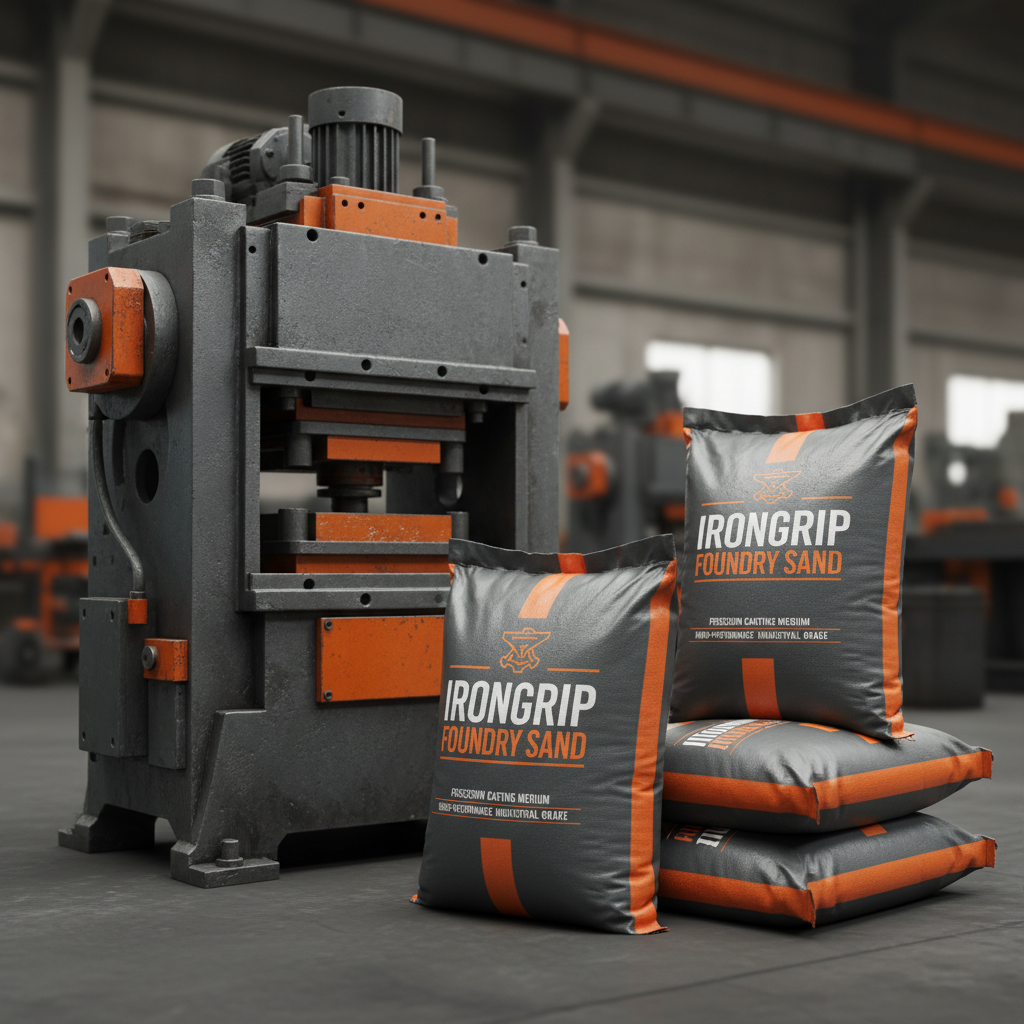
Foundry Casting Sand A Comprehensive Guide to Types Properties and Applications
Foundry casting sand is a critical component in the metal casting process, serving as the mold material for shaping molten metals. Selecting the right type of sand is crucial for achieving high-quality castings, minimizing defects, and optimizing production efficiency. At Sinoceramsite, we specialize in providing high-performance foundry casting sands tailored to diverse casting applications. This article will delve into the types, properties, applications, and selection criteria for foundry casting sand, providing a comprehensive overview for foundries and metal casting professionals. Foundry sands are categorized based on their mineral composition and grain size. The most common types include silica sand, olivine sand, zircon sand, and chromite sand. Silica sand is the most widely used due to its abundance and cost-effectiveness, but it can suffer from thermal expansion issues. Olivine sand offers better thermal stability and reduced gas evolution. Zircon sand is known for its exceptional thermal shock resistance and is ideal for high-temperature applications. Chromite sand exhibits excellent thermal stability and chemical inertness but is less common due to environmental concerns.Read More -
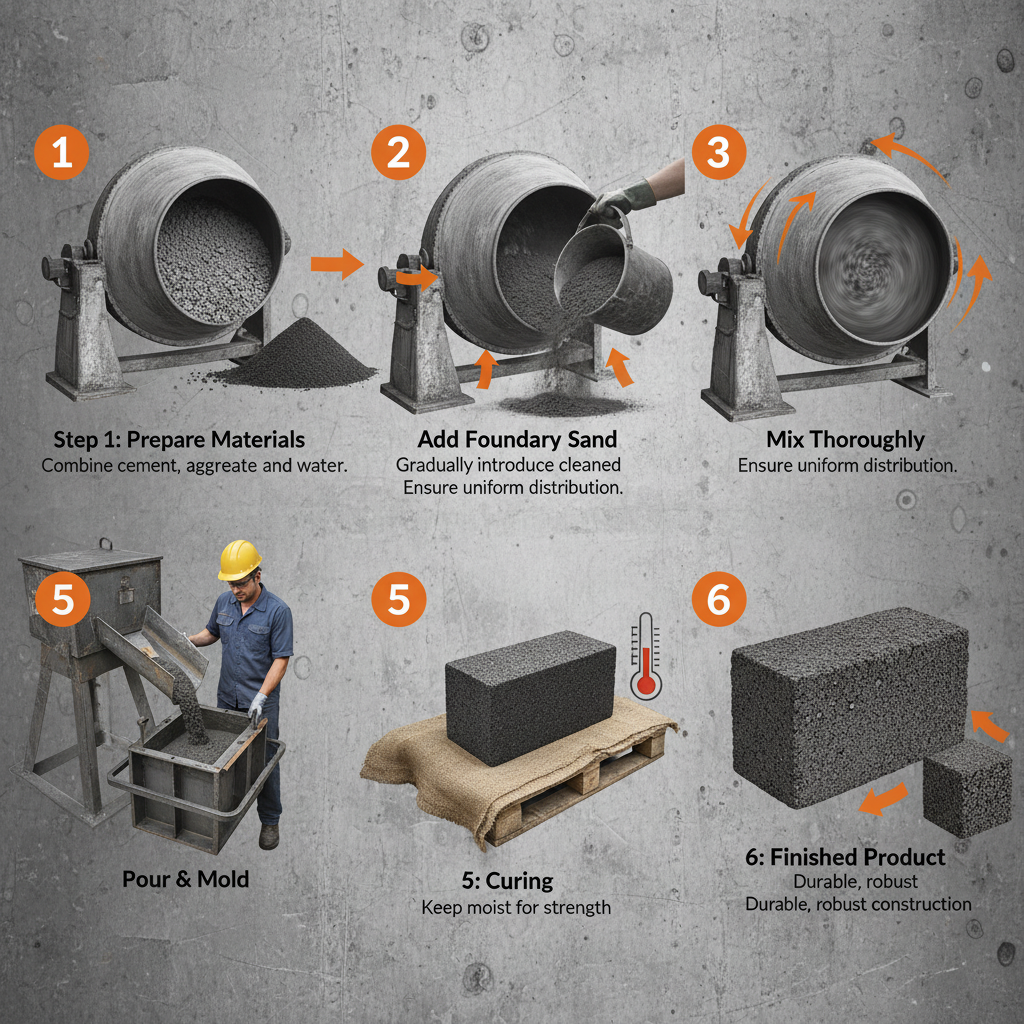
Utilizing Foundry Sand in Concrete for Sustainable and Enhanced Construction
The use of foundry sand in concrete is gaining prominence as a sustainable and cost-effective practice in the construction industry. Traditionally discarded as waste from metal casting processes, foundry sand presents a valuable alternative to conventional concrete materials. This article delves into the benefits, applications, potential drawbacks, and the future outlook of incorporating foundry sand into concrete mixtures. We’ll explore how this innovative approach contributes to circular economy principles and improved concrete performance. Foundry sand is a by-product of the metal casting industry, created during the production of metal parts. It’s primarily composed of silica sand, bonded with clay and other materials. Traditionally, this sand was sent to landfills. However, it possesses excellent physical properties – like high strength, uniform grain size distribution, and low organic content – that make it a suitable replacement for natural sand in concrete.Read More -
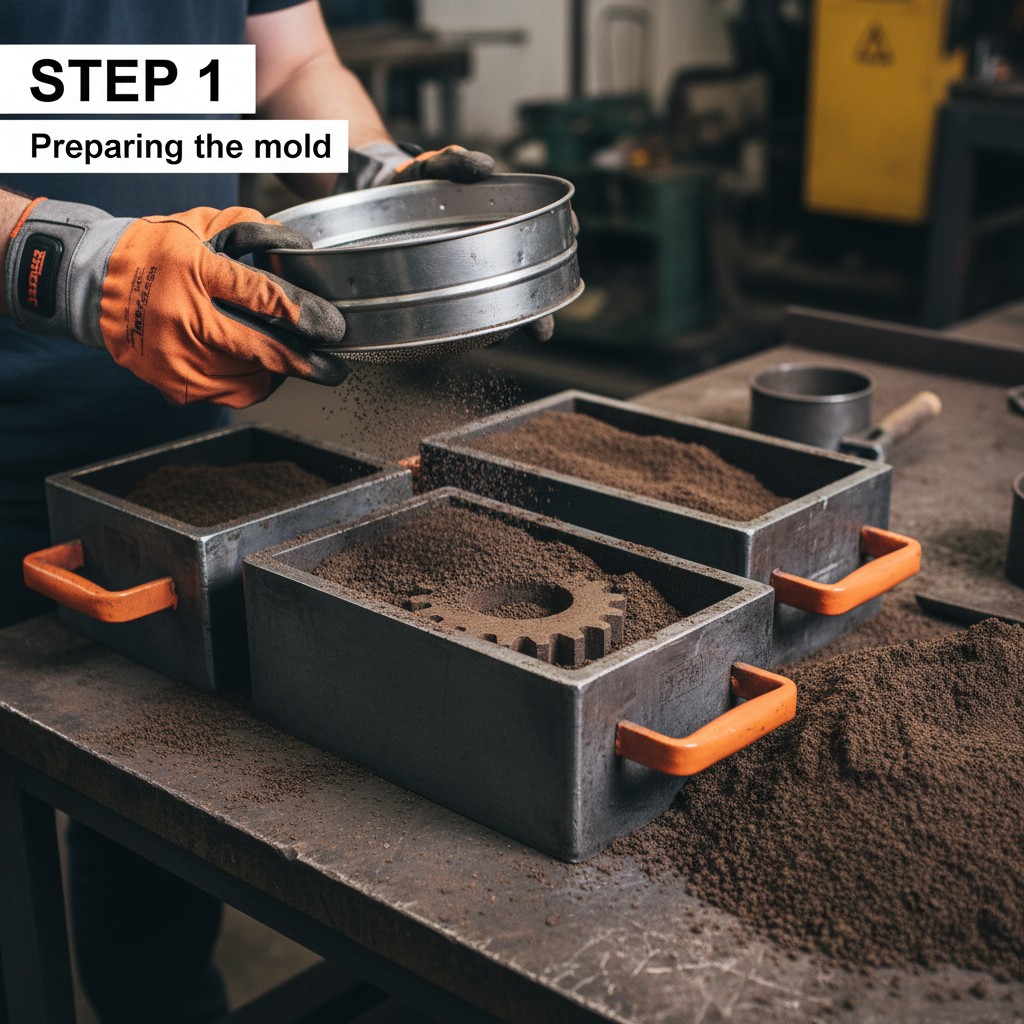
Comprehensive Guide to Foundry Molding Sand Selection and Applications
Foundry molding sand is a crucial component in the metal casting process, playing a vital role in creating molds for various metal components. Choosing the right type of sand significantly impacts the quality, precision, and efficiency of the casting process. This article provides an in-depth look at foundry molding sand, exploring its types, properties, applications, and considerations for optimal selection. Understanding these aspects will help ensure your foundry operations achieve consistent, high-quality results. You can find a wide range of high-quality foundry molding sand options at SinoCeramsite. Foundry sands are broadly categorized into two main types: natural sands and synthetic sands. Natural sands, such as silica sand, are readily available and cost-effective. However, they may contain impurities and exhibit inconsistencies in grain size. Synthetic sands, like zircon and chromite sand, offer greater purity, thermal stability, and resistance to chemical reactions but come at a higher cost.Read More -
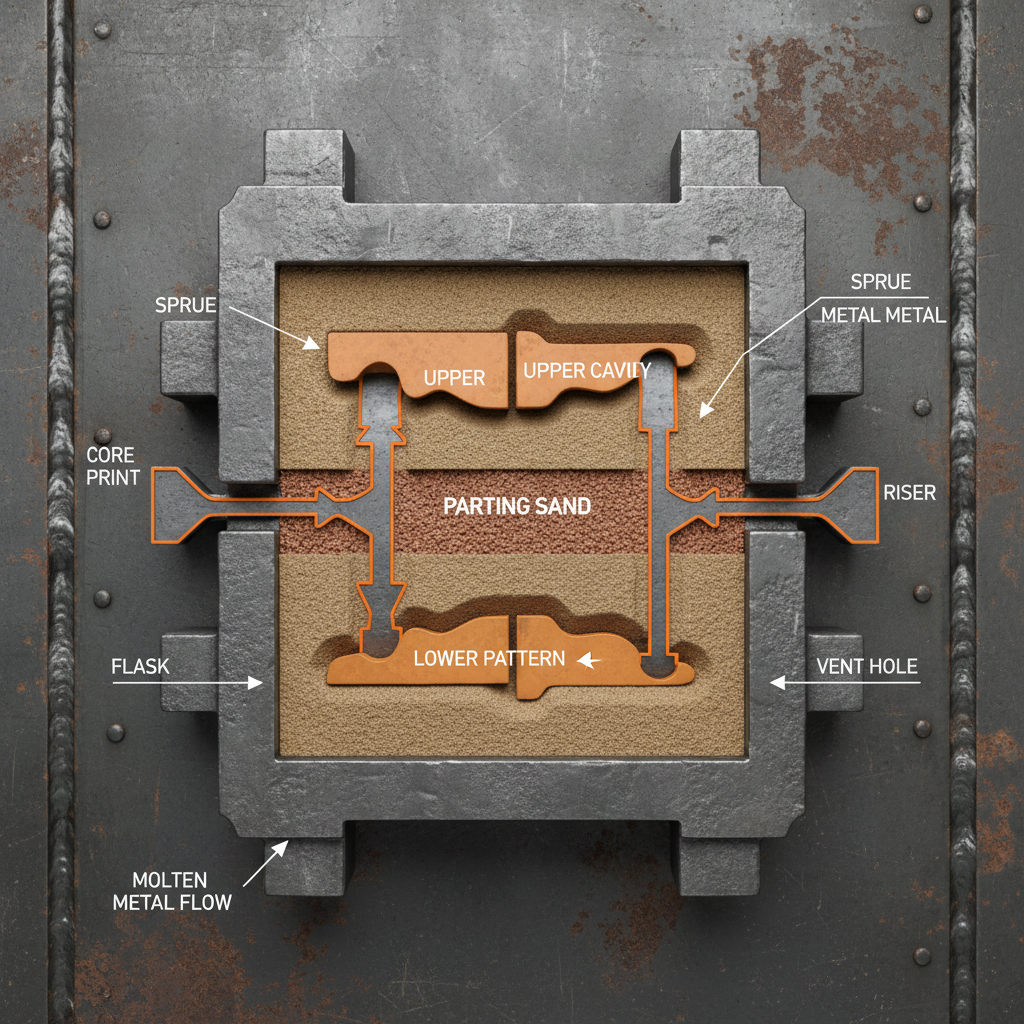
Understanding the Critical Role of Parting Sand in Foundry Processes
The foundry industry relies on intricate processes to create metal castings. A critical element in this process is parting sand in foundry applications. This specialized sand facilitates the removal of the pattern from the mold, ensuring a clean and accurate casting. Choosing the right parting sand is crucial for achieving high-quality castings, minimizing defects, and optimizing production efficiency. This article delves into the properties, applications, and importance of parting sand, providing a comprehensive guide for foundry professionals. Sinoceramsite offers high-quality parting sand solutions designed to meet the diverse needs of modern foundries. Parting sand is a finely graded sand applied to the cope and drag halves of a mold before closing. It creates a thin, easily breakable layer preventing the mold halves from sticking together during pattern removal. Without effective parting sand, removing the pattern would likely damage the mold cavity, leading to casting defects. Its primary functions include preventing mold sticking, facilitating easy pattern withdrawal, and maintaining dimensional accuracy of the casting. The quality of the parting sand directly impacts the surface finish and overall integrity of the final product.Read More -
Foundry Sands A Comprehensive Guide to Types Trade and Global Sourcing
Foundry sands are essential materials in the metal casting industry, providing the mold structure necessary for creating metal parts. The quality and type of foundry sands significantly impact the final product's accuracy, surface finish, and overall integrity. This article explores the different types of foundry sands, their applications, key considerations for sourcing, and the global trade landscape. Understanding these aspects is critical for businesses involved in metal casting and those looking to participate in the global supply chain. Choosing the right foundry sand can optimize your casting processes and reduce production costs.Read More -
Exploring the Sand Foundry Process and Its Global Manufacturing Significance
The sand foundry process is a cornerstone of modern manufacturing, enabling the creation of metal castings for a vast array of industries. This method, relying on sand as the primary mold material, is particularly crucial for producing complex shapes with high precision. From automotive components to industrial machinery, the applications are extensive. This article will delve into the intricacies of sand casting, explore its various types, discuss its advantages and disadvantages, and highlight the role of companies like Sinoceramsite in providing advanced foundry solutions. Choosing the right foundry partner is paramount for ensuring product quality and cost-effectiveness. At its heart, the sand foundry process involves creating a mold using a sand mixture. This mixture typically comprises silica sand, clay as a binder, and various additives to enhance its properties.Read More -
Comprehensive Guide to Foundry Sand for Global Metal Casting Trade
Foundry sand is a crucial material in the metal casting process, providing the mold into which molten metal is poured. Understanding its different types, properties, and sourcing is vital for businesses involved in metal manufacturing. This article offers a detailed overview of foundry sand, covering its applications, specifications, and considerations for international trade. Whether you're a foundry operator, a sourcing manager, or involved in the global metal trade, this guide will provide valuable insights. Foundry sand isn’t a one-size-fits-all material. It comes in various types, each with unique characteristics influencing its suitability for different casting applications. The most common types include silica sand, olivine sand, zircon sand, and chromite sand. Silica sand is the most widely used due to its abundance and cost-effectiveness, but other sands offer superior properties for specific alloys or demanding casting requirements. The grain shape, grain size distribution, and chemical composition are critical factors in determining the sand’s performance.Read More -
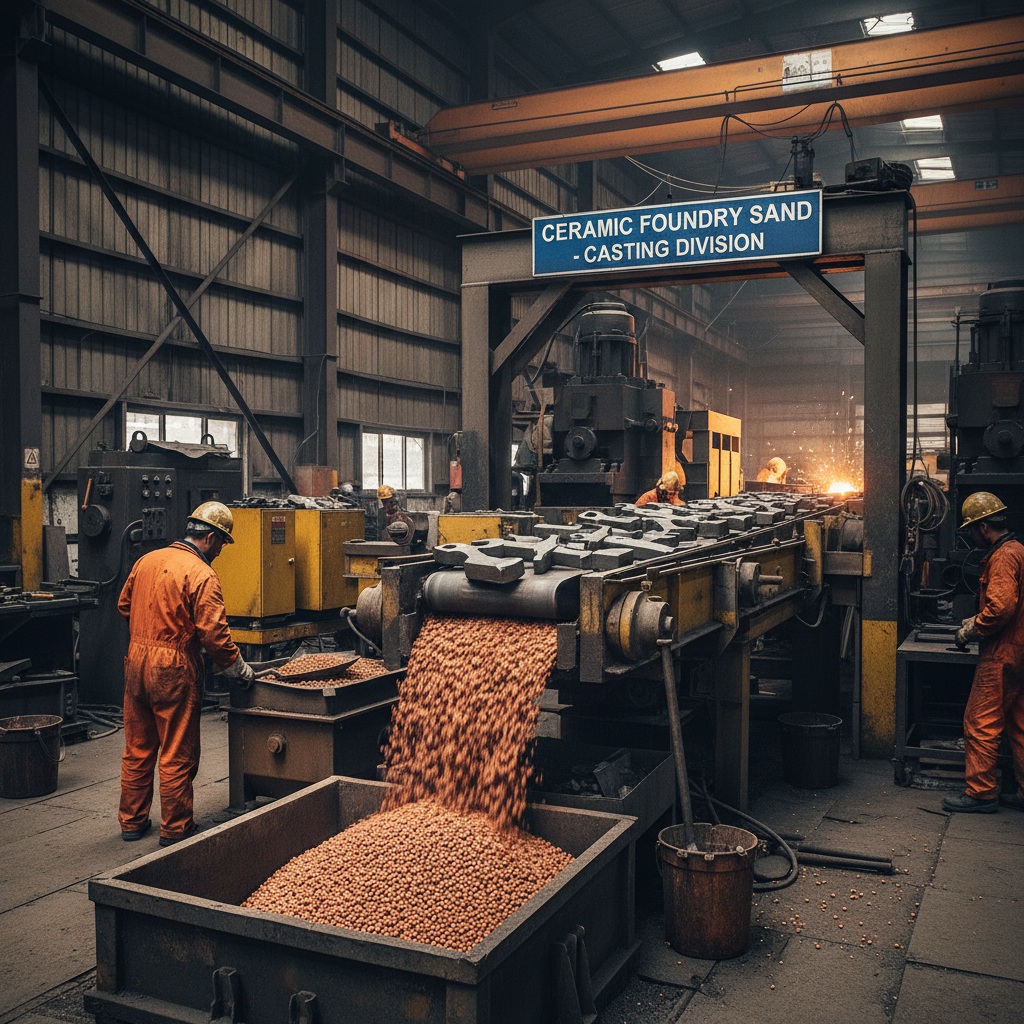
Understanding the Properties and Applications of Ceramic Foundry Sand for Metal Casting
Ceramic foundry sand is a crucial material in the metal casting industry, prized for its high refractoriness, thermal stability, and permeability. It plays a vital role in creating molds for various metal casting processes, ensuring the integrity and quality of the final products. This article delves into the properties, applications, benefits, and selection criteria of ceramic foundry sand, offering valuable insights for foundry professionals and anyone involved in metal casting. Understanding the nuances of this material is key to optimizing casting processes and achieving superior results. Ceramic foundry sand isn’t a naturally occurring sand. Instead, it’s manufactured by calcining high-purity silica sand at extremely high temperatures. This process transforms the silica into a highly stable, crystalline structure, giving it exceptional resistance to thermal shock and chemical attack. This makes it ideal for withstanding the intense heat involved in metal casting. Different types of ceramic sand are created based on the calcination temperature and resulting grain shape and size. The key properties include its ability to maintain strength at high temperatures, resist deformation under load, and allow gases to escape from the mold during pouring.Read More -
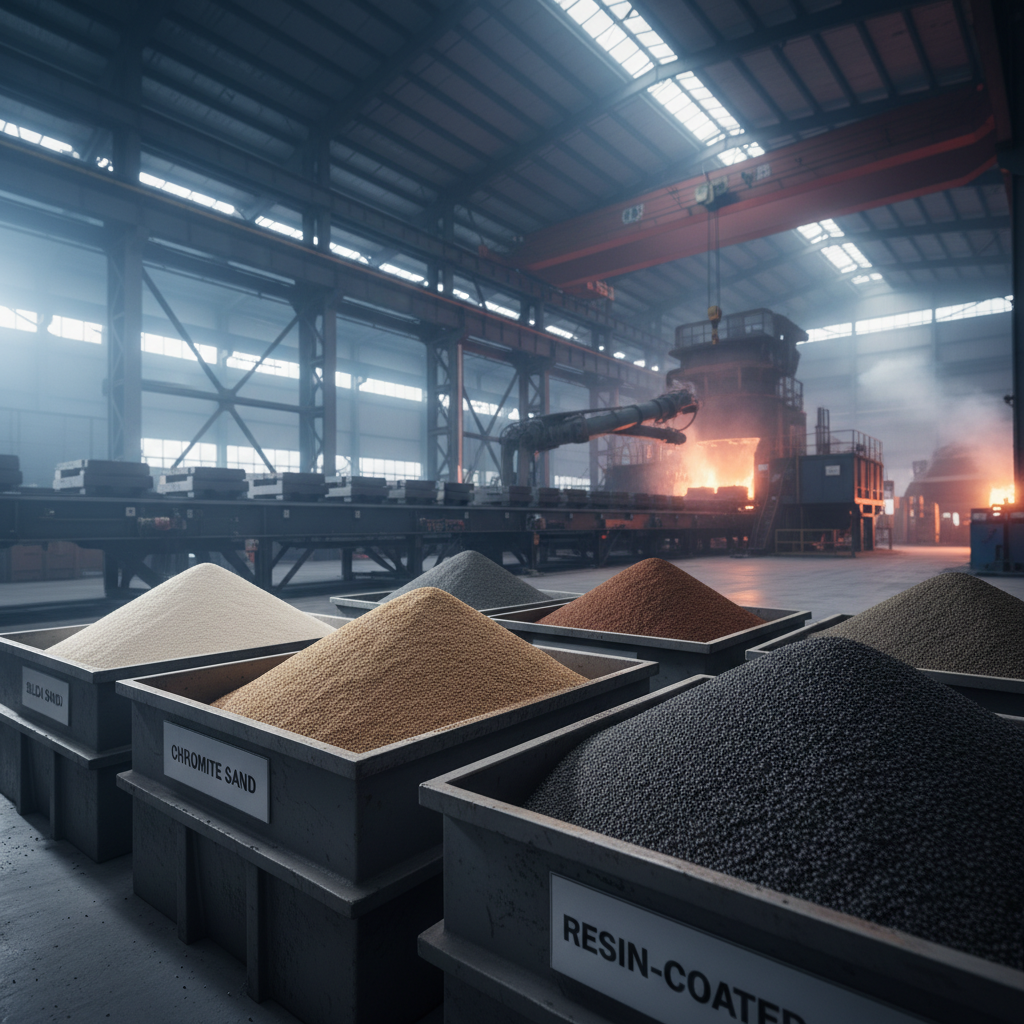
Understanding the Different Types of Sand in Foundry for Metal Casting
The foundry industry relies heavily on sand to create molds for metal casting. However, not all sand is created equal. Different types of sand offer unique properties influencing mold quality, metal flow, and overall casting success. This article explores the various types of sand in foundry applications, discussing their characteristics, advantages, and disadvantages. Understanding these nuances is crucial for optimizing casting processes and achieving desired results. From silica sand to zircon sand, we'll cover the key options available to foundry professionals. Silica sand, composed primarily of silicon dioxide (SiO2), is the most commonly used sand in foundries due to its abundance, relatively low cost, and good thermal stability. It's highly versatile and suitable for a broad range of metals, including iron, steel, and aluminum. However, silica sand has limitations. Heating silica sand to high temperatures can cause silica phase transformation, leading to mold expansion and potential cracking. Proper binder selection and process control are critical when using silica sand. Zircon sand (ZrSiO4) is a premium option favored for high-temperature applications. Its excellent thermal stability prevents silica phase transformation, making it ideal for casting metals like steel and stainless steel where prolonged contact with molten metal is necessary.Read More -
Exploring the Diverse Types of Foundry Sand for Metal Casting Applications
Foundry sand is a crucial component in the metal casting process, providing the mold into which molten metal is poured. However, not all foundry sand is created equal. Different types offer varying properties affecting casting quality, cost, and environmental impact. This article will delve into the various types of foundry sand available, exploring their characteristics, applications, and benefits. Understanding these distinctions is key for optimizing casting processes and achieving desired results. Selecting the right sand is paramount to successful metal casting. Silica sand (SiO2) is by far the most widely used type of foundry sand due to its abundance, relatively low cost, and good thermal stability. It’s derived from quartz and offers excellent refractoriness, meaning it can withstand high temperatures without breaking down. The grain shape and size of silica sand significantly impact its permeability and flowability. Commonly used in both green sand and chemically bonded sand molds. However, its use is increasingly scrutinized due to the potential health risks associated with crystalline silica dust exposure, requiring stringent safety measures. Olivine sand, a magnesium iron silicate, is gaining popularity as a safer alternative to silica sand. It produces significantly less harmful dust when heated, reducing the risk of silicosis.Read More -
Comprehensive Guide to Foundry Sand for Sale and Optimal Casting Solutions
Finding the right foundry sand for sale is crucial for the success of any metal casting operation. The quality and characteristics of the sand directly impact the final product’s accuracy, surface finish, and overall integrity. This article provides a detailed overview of foundry sand, covering types, applications, factors to consider when purchasing, and why Sinoceramsite is a trusted supplier. We will explore the different grades available, their benefits, and how to select the perfect sand for your specific casting needs. Investing in quality foundry sand ensures efficient production and superior casting results. Foundry sand isn't a single material; it's a carefully selected blend designed to withstand high temperatures and provide the necessary moldability for casting. The most common types include silica sand, olivine sand, zircon sand, and chromite sand. Silica sand is the most widely used due to its cost-effectiveness and abundance. However, its ability to withstand higher temperatures is limited. Olivine sand offers superior thermal stability and lower expansion, making it suitable for more demanding applications. Zircon sand is prized for its high-temperature resistance and chemical inertness, perfect for specialized castings. Chromite sand delivers exceptional thermal shock resistance.Read More -
Understanding the Properties and Benefits of Spherical Sand in Modern Industries
Spherical sand, also known as engineered sand, is a meticulously processed silica sand with a consistent, spherical shape. Unlike naturally occurring sand, its uniformity offers significant advantages in a variety of industrial applications. This article will explore the properties, manufacturing process, uses, and benefits of spherical sand, with a focus on its increasing importance in modern manufacturing. Discover how Sinoceramsite provides high-quality spherical sand solutions for diverse client needs. Understanding its unique characteristics unlocks its full potential for improving production efficiency and product quality.Read More