
Types of Sand in Foundry: A Comprehensive Guide
The foundry industry relies heavily on sand to create molds for metal casting. However, not all sand is created equal. Different types of sand offer unique properties influencing mold quality, metal flow, and overall casting success. This article explores the various types of sand in foundry applications, discussing their characteristics, advantages, and disadvantages. Understanding these nuances is crucial for optimizing casting processes and achieving desired results. From silica sand to zircon sand, we'll cover the key options available to foundry professionals.
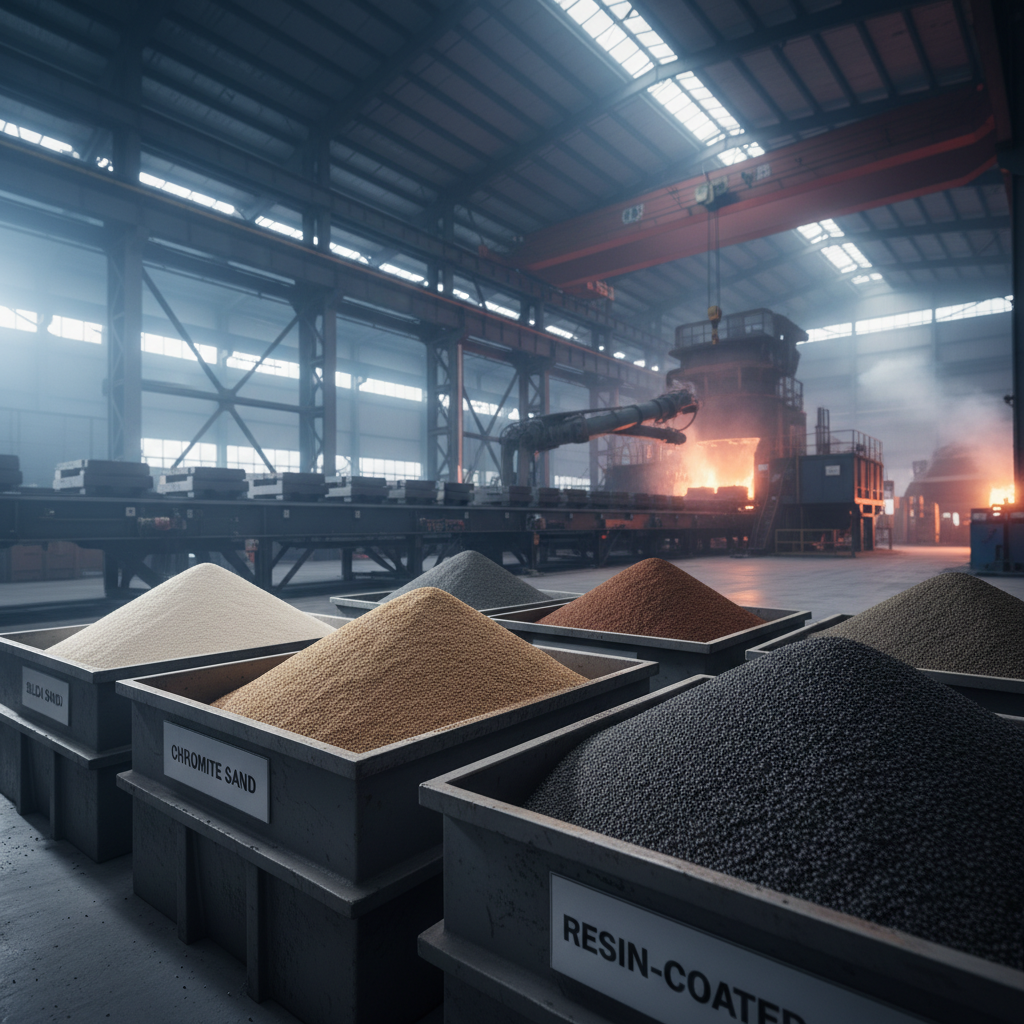
Silica Sand: The Workhorse of Foundries
Silica sand, composed primarily of silicon dioxide (SiO2), is the most commonly used sand in foundries due to its abundance, relatively low cost, and good thermal stability. It's highly versatile and suitable for a broad range of metals, including iron, steel, and aluminum. However, silica sand has limitations. Heating silica sand to high temperatures can cause silica phase transformation, leading to mold expansion and potential cracking. Proper binder selection and process control are critical when using silica sand. You can explore high-quality foundry sand materials at Sinoceramsite.
Key Highlights: Abundant, cost-effective, and thermally stable. Requires careful binder selection and process control to prevent silica phase transformations.
Zircon Sand: High-Temperature Performance
Zircon sand (ZrSiO4) is a premium option favored for high-temperature applications. Its excellent thermal stability prevents silica phase transformation, making it ideal for casting metals like steel and stainless steel where prolonged contact with molten metal is necessary. Zircon sand also exhibits good resistance to chemical attack and thermal shock. However, it is significantly more expensive than silica sand. It’s often blended with silica sand to enhance performance while managing costs.
Zircon Sand Benefits:
• Excellent thermal stability
• High resistance to chemical attack
• Ideal for high-temperature metals
Types of Sand in Foundry: A Comparison
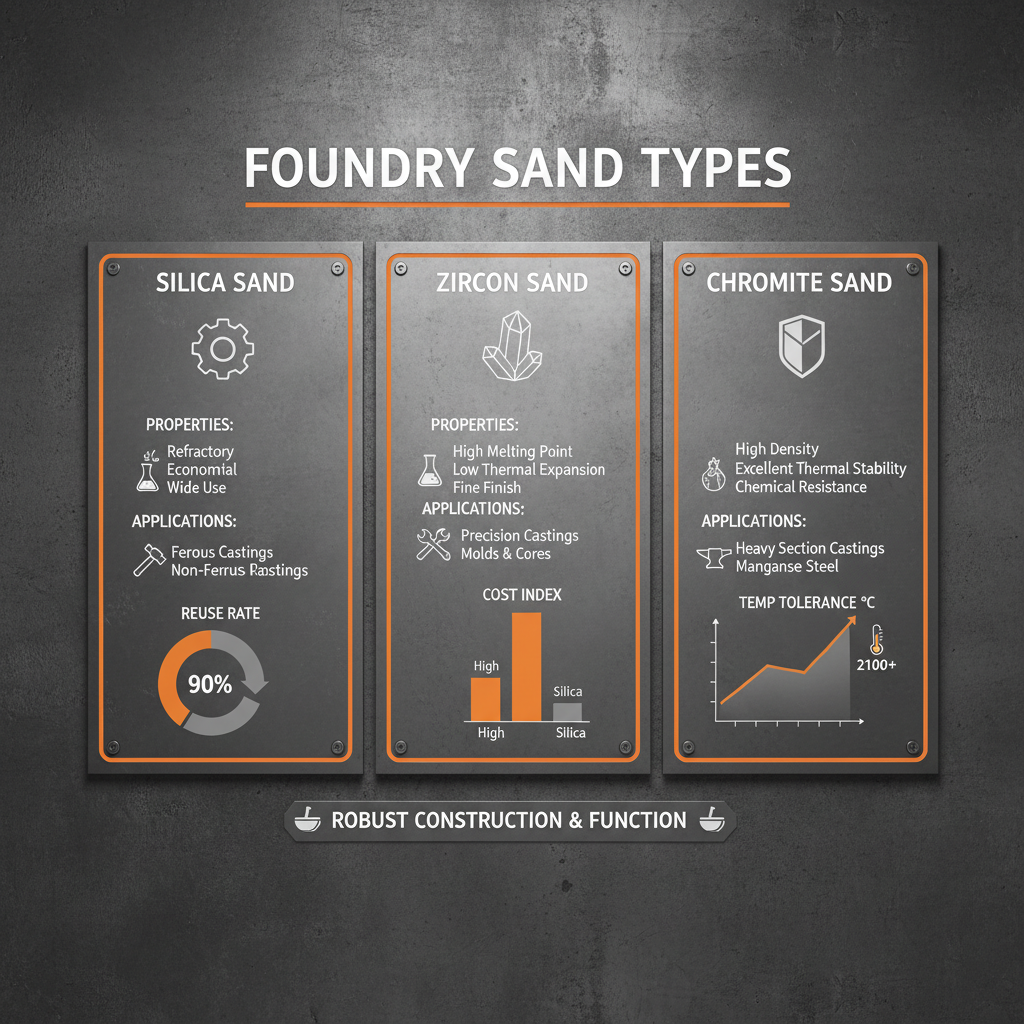
Choosing the right sand type hinges on the specific casting requirements. Here’s a comparative look at some common options:
Other Foundry Sand Types
Beyond silica and zircon, several other sands find niche applications in foundries. Olivine sand offers good thermal stability and is often used for stainless steel casting. Chromite sand, known for its high thermal conductivity, is suitable for producing intricate molds. Synthetic sands, such as those made from alumina or magnesia, offer exceptional precision and are frequently employed in investment casting. Understanding the specific properties of each sand type is critical for optimizing the casting process. Sinoceramsite offers a range of specialized foundry sands for diverse applications.
Sand Quality and Preparation
Regardless of the type, sand quality significantly impacts casting results. Sand must be properly sized, shaped, and free from contaminants like clay or organic matter. Foundries often employ sand preparation processes like screening, washing, and drying to ensure optimal sand quality. The AFS Grain Fineness Number (GFN) is a key metric used to characterize sand grain size distribution. Maintaining consistent sand quality is essential for producing consistent castings.
Conclusion: Selecting the Right Sand for Optimal Casting
The selection of the appropriate sand type in foundry applications is a critical decision that directly influences the quality, efficiency, and cost-effectiveness of the casting process. From the workhorse silica sand to the high-performance zircon sand, each option offers unique advantages and disadvantages. By carefully considering the metal being cast, the desired casting characteristics, and budgetary constraints, foundry professionals can make informed choices that optimize their operations and deliver superior results.
Frequently Asked Questions (FAQs)
What is the AFS Grain Fineness Number (GFN)?
The AFS GFN is a standardized measure of the average grain size of foundry sand. A higher GFN indicates a finer grain size. The GFN is determined by sieving a sand sample through a series of screens and calculating the weighted average particle size. This number is crucial for controlling mold permeability and surface finish. The ideal GFN depends on the casting process and the metal being cast. Typically, finer sands are used for producing castings with intricate details, while coarser sands are suitable for larger castings.
How does sand moisture content affect casting?
Sand moisture content plays a vital role in mold strength and permeability. Too little moisture results in weak molds that crumble easily, while excessive moisture reduces permeability, hindering gas escape during pouring and potentially leading to casting defects like gas porosity. The optimal moisture content varies depending on the sand type and the molding process. Proper moisture control is essential for ensuring mold stability and producing sound castings.
What are the environmental considerations when using foundry sand?
Foundry sand can pose environmental challenges due to the presence of silica and potential contaminants. Proper disposal and recycling are crucial. Many foundries now employ sand reclamation systems to recover and reuse sand, reducing waste and minimizing environmental impact. Implementing dust control measures and adhering to environmental regulations are also essential for responsible foundry operations.
Can Sinoceramsite help with sand selection?
Yes! Sinoceramsite offers a comprehensive range of foundry sands and expert technical support to help you select the optimal sand for your specific casting needs. Our team can provide guidance on sand properties, preparation techniques, and best practices for achieving superior casting results.
Next:Revolutionizing Construction with Sand in Cast Technology and Sustainable Solutions