
Understanding the Different Types of Foundry Sand
Foundry sand is a crucial component in the metal casting process, providing the mold into which molten metal is poured. However, not all foundry sand is created equal. Different types offer varying properties affecting casting quality, cost, and environmental impact. This article will delve into the various types of foundry sand available, exploring their characteristics, applications, and benefits. Understanding these distinctions is key for optimizing casting processes and achieving desired results. Selecting the right sand is paramount to successful metal casting.
Silica Sand: The Most Common Type
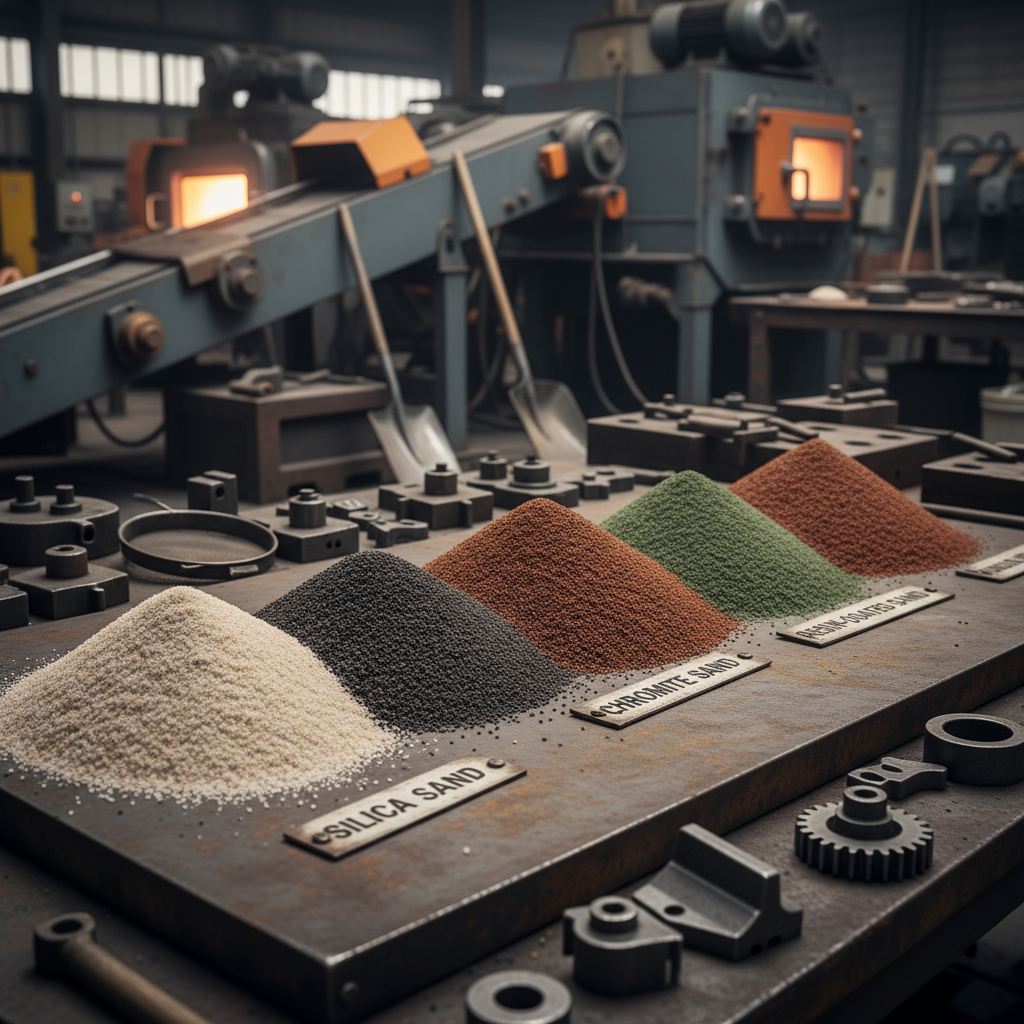
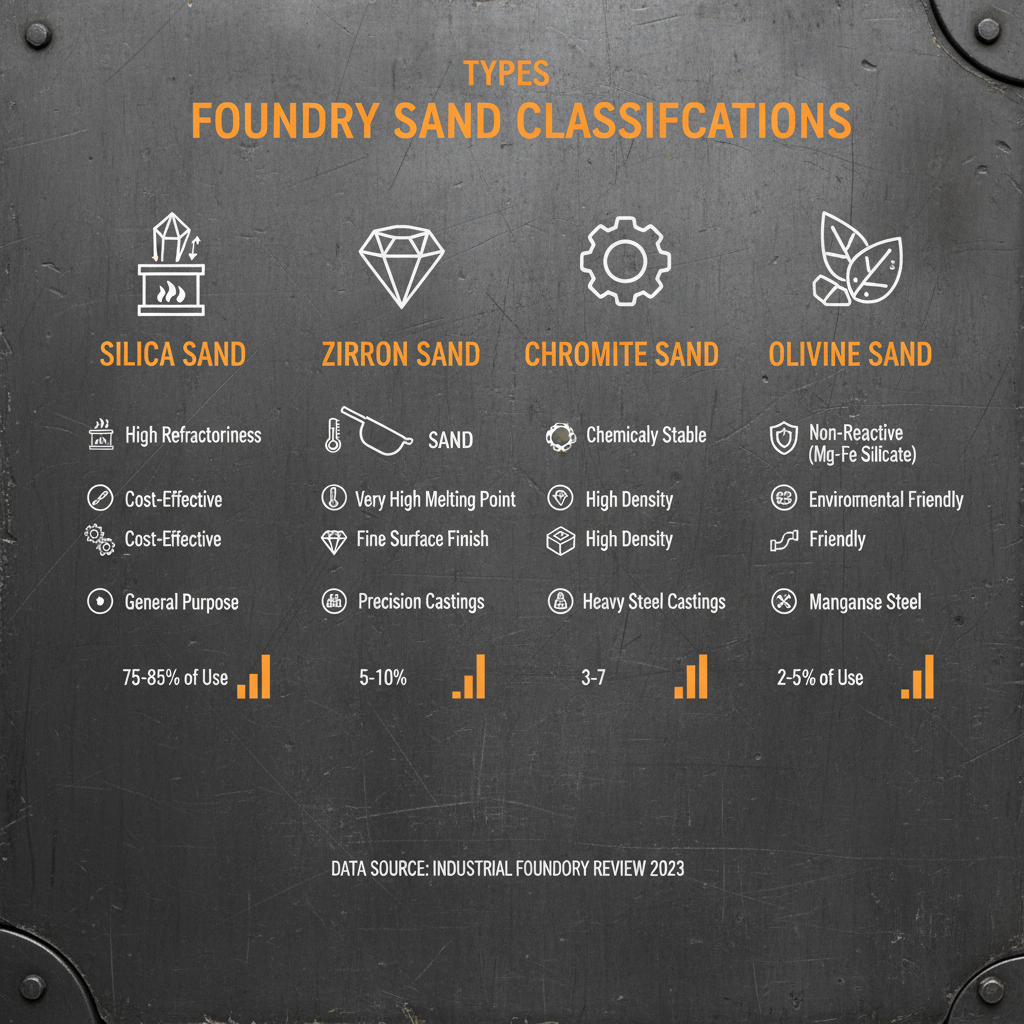
Silica sand (SiO2) is by far the most widely used type of foundry sand due to its abundance, relatively low cost, and good thermal stability. It’s derived from quartz and offers excellent refractoriness, meaning it can withstand high temperatures without breaking down. The grain shape and size of silica sand significantly impact its permeability and flowability. Commonly used in both green sand and chemically bonded sand molds. However, its use is increasingly scrutinized due to the potential health risks associated with crystalline silica dust exposure, requiring stringent safety measures.
Olivine Sand: A Low-Fume Alternative
Olivine sand, a magnesium iron silicate, is gaining popularity as a safer alternative to silica sand. It produces significantly less harmful dust when heated, reducing the risk of silicosis. While generally more expensive than silica sand, its health benefits and good thermal stability make it a valuable option, especially in industries prioritizing worker safety. Olivine also boasts lower thermal expansion, leading to improved dimensional accuracy in castings. Its color (typically olive green) can also influence the color of the casting surface.
Zircon Sand: For High-Temperature Applications
Zircon sand (ZrSiO4) is a premium foundry sand known for its exceptional refractoriness and thermal shock resistance. It's ideal for casting high-temperature alloys like stainless steel and nickel-based superalloys. Zircon sand is significantly more expensive than silica or olivine sand, making it suitable for applications where performance is critical and cost is less of a concern. It offers excellent surface finish on castings and minimal chemical reactions with molten metal.
Key Highlights: Zircon sand's high refractoriness and resistance to thermal shock make it the go-to choice for demanding casting applications involving high-temperature metals. Excellent surface finish and minimal reactivity add to its value.
Chromite Sand: Excellent Thermal Stability & Chemical Inertness
Chromite sand (FeCr2O4) possesses excellent thermal stability and chemical inertness, making it suitable for casting various metals, including steel and cast iron. It is particularly resistant to attack by alkalis and slags. However, chromite sand contains chromium, a potentially hazardous substance, necessitating careful handling and environmental controls. It often finds applications where a dark-colored casting surface is desired.
The Rising Trend: Ceramic Sand
Ceramic sand, produced by calcining clay minerals, is a relatively new entrant to the foundry sand market. It offers exceptional thermal stability, low thermal expansion, and high refractoriness. While more expensive than traditional sands, its superior properties and potential for reuse make it an attractive long-term investment. Sinoceramsite specializes in high-quality ceramic sand products, engineered for optimal performance.
Conclusion: Choosing the Right Foundry Sand
Selecting the appropriate foundry sand is crucial for achieving successful metal castings. Considerations include the type of metal being cast, required casting properties, cost constraints, and environmental regulations. Understanding the characteristics of each sand type allows foundries to optimize their processes, reduce defects, and ensure worker safety. Investing in high-quality sand, like that offered by Sinoceramsite, is a strategic investment in the overall quality and efficiency of the casting process.
Frequently Asked Questions (FAQs)
What factors influence the cost of foundry sand?
Several factors contribute to the cost of foundry sand, including its type, grain size distribution, purity, and location of the source. Premium sands like zircon and ceramic are significantly more expensive than silica sand due to their specialized properties and processing requirements. Transportation costs also play a role, especially for sands sourced from distant locations. Furthermore, processing steps such as washing, drying, and sizing can add to the overall cost. Demand and supply dynamics within the market also exert influence.
How does grain shape affect casting quality?
Grain shape significantly impacts permeability, flowability, and compactability of the sand mold. Angular grains interlock, providing better mold strength but reducing permeability. Round grains offer higher permeability and flowability, making them suitable for intricate castings. A balance between angularity and roundness is often desired, depending on the specific casting requirements. Uniformity of grain shape is also crucial for consistent mold performance.
What are the environmental considerations when using foundry sand?
Environmental concerns revolve primarily around dust generation (especially with silica sand) and the disposal of spent sand. Silica dust can cause silicosis, a serious lung disease, necessitating strict dust control measures. Spent sand often contains binders and contaminants and requires responsible disposal, often through recycling or landfilling. The increasing adoption of alternative sands like olivine and ceramic, along with sand recycling programs, are helping to mitigate these environmental impacts.
Can foundry sand be recycled?
Yes, foundry sand is increasingly being recycled. Spent sand can be reclaimed through various processes, including mechanical separation, thermal treatment, and chemical cleaning, to remove binders and contaminants. Reclaimed sand can then be reused in molding applications, reducing the demand for virgin sand and minimizing waste. Recycling offers both economic and environmental benefits. Sinoceramsite is committed to sustainable practices in sand production and exploration of recycling opportunities.
Next:Exploring the Advantages of Low Pressure Sand Casting for Precision Components