The process of sand casting cast iron remains a cornerstone of modern industrial manufacturing, blending ancient metallurgical wisdom with contemporary precision engineering. By utilizing a sand-based mold to shape molten iron, manufacturers can produce complex geometries that would be nearly impossible or prohibitively expensive to machine from solid blocks. This versatility makes it indispensable for creating everything from heavy-duty engine blocks to intricate artistic sculptures.
Understanding the nuances of this technique is critical for engineers and procurement specialists globally, as the quality of the final product depends heavily on the synergy between the molten metal and the ceramic sand medium. The ability to control cooling rates, minimize porosity, and ensure dimensional stability allows industries to optimize the lifespan and performance of their critical components. In an era of rapid prototyping, the reliability and scalability of sand casting continue to provide a competitive edge.
From a global perspective, the efficiency of sand casting cast iron directly impacts the cost of infrastructure and machinery. By mastering the thermal properties of the molding sand and the chemical composition of the iron, companies can reduce waste and energy consumption. This guide delves into the technical depths and practical applications of this essential manufacturing process, offering insights into how it sustains the backbone of global heavy industry.
Global Relevance of Sand Casting Cast Iron
On a global scale, the demand for sand casting cast iron is driven by the relentless growth of the automotive, construction, and energy sectors. According to industrial trends aligned with ISO quality standards, the ability to produce durable, vibration-dampening components makes cast iron the preferred material for heavy machinery bases and engine components. In developing economies, this process is particularly vital because it allows for the localized production of essential agricultural tools and infrastructure parts without requiring the astronomical investment of high-pressure die casting.
However, the industry faces a significant challenge: the balance between production speed and environmental impact. Traditional sand casting often struggles with sand waste and energy-intensive melting processes. By integrating advanced ceramic sand and recycled binders, modern foundries are overcoming these hurdles, ensuring that the global supply chain for cast iron remains resilient while moving toward a more circular economy.
Fundamental Principles of Cast Iron Molding
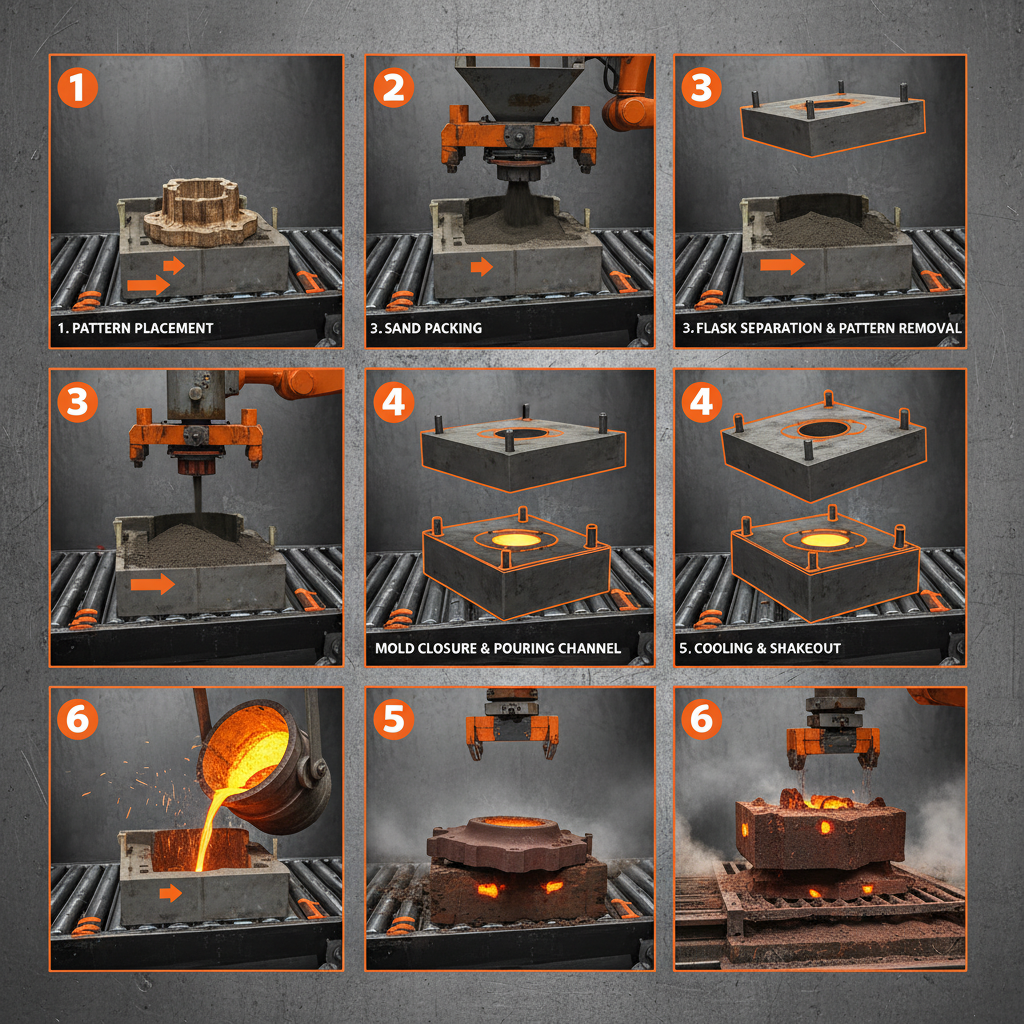
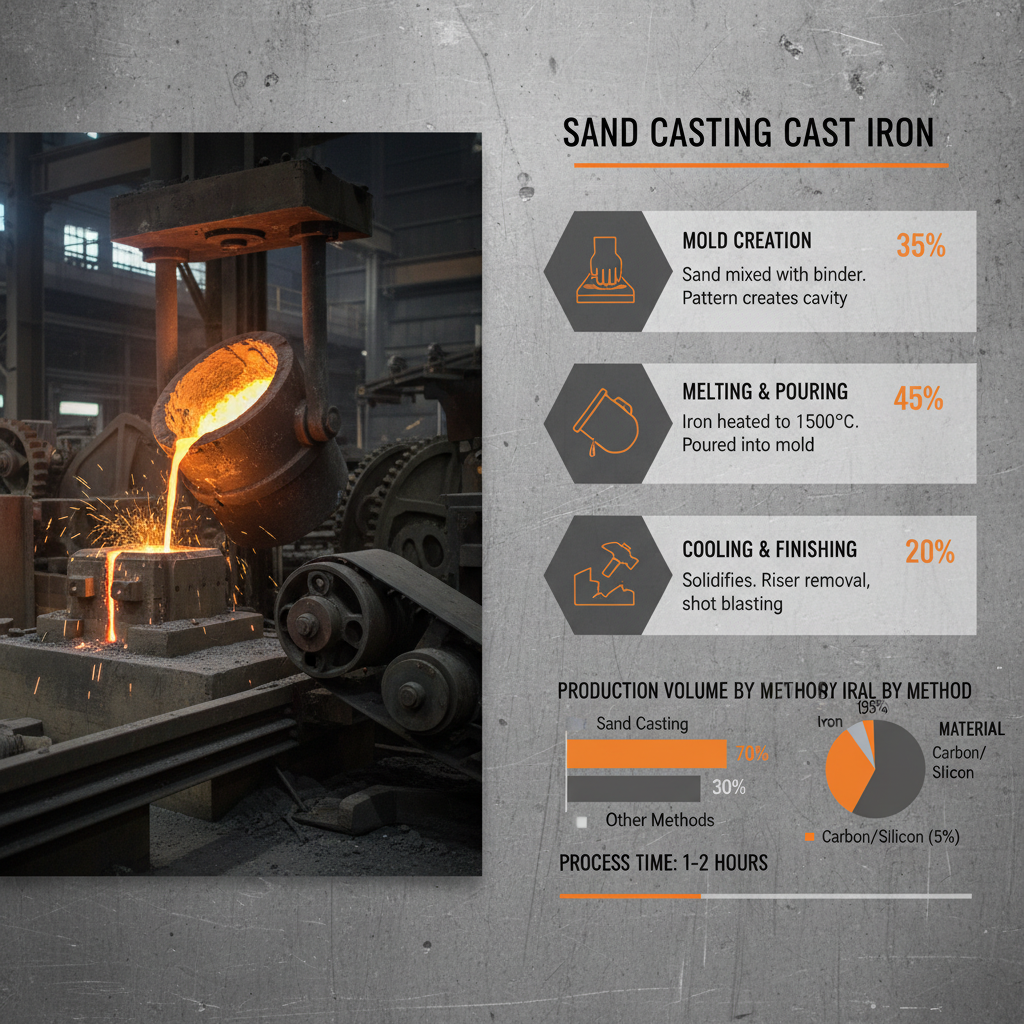
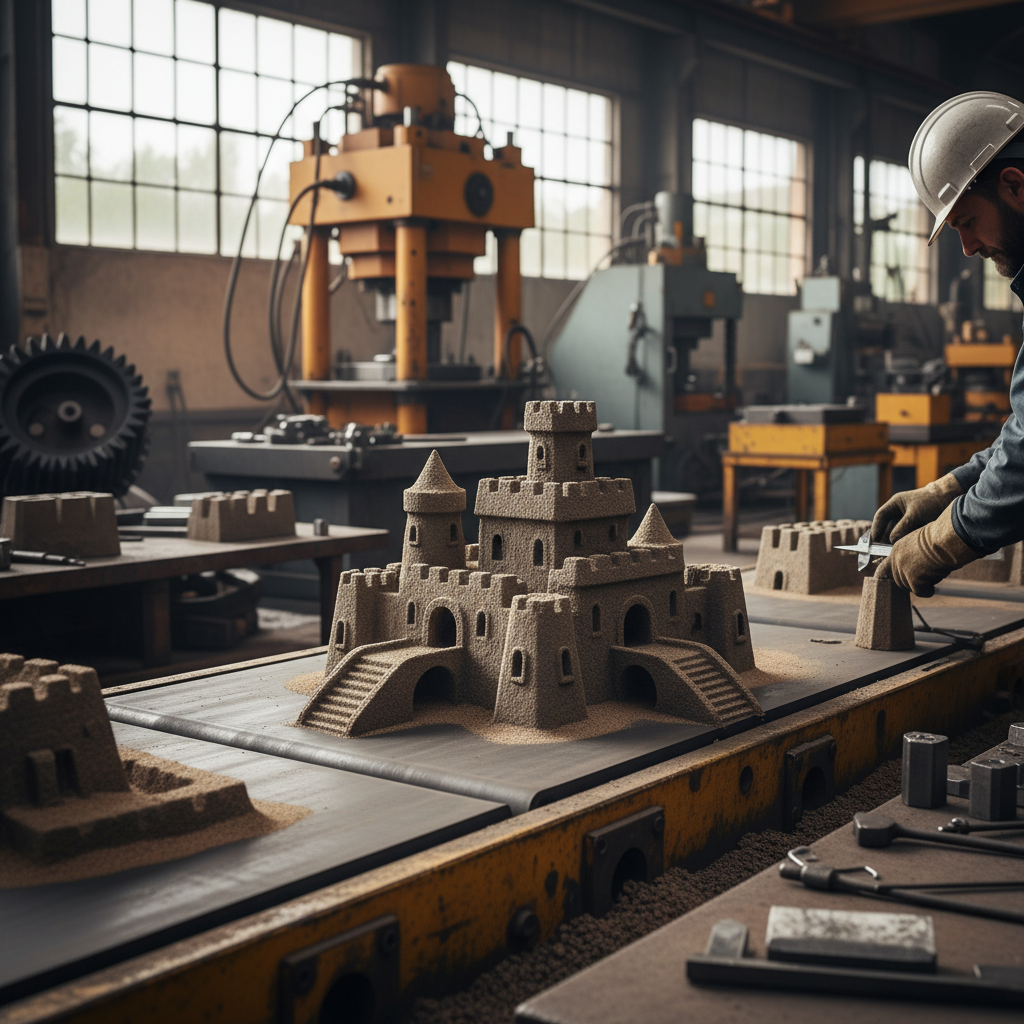
At its core, sand casting cast iron is the process of pouring molten iron into a cavity created within a compressed sand mixture. The process begins with the creation of a pattern, which is a replica of the final object. This pattern is packed into a flask filled with a mixture of sand, clay, and water (green sand) or a chemically bonded sand. Once the pattern is removed, the resulting void is filled with molten iron, which cools and solidifies to take the shape of the mold.
The chemistry of the iron—specifically the carbon and silicon content—determines whether the result is grey iron, ductile iron, or white iron. Grey iron, the most common result of this process, is prized for its excellent machinability and thermal conductivity. The interaction between the liquid metal and the sand wall is a critical moment; if the sand is too permeable, the metal may leak; if it is not permeable enough, trapped gases can create internal blowholes or porosity.
Precision in this stage is what separates industrial-grade components from amateur castings. Modern foundries employ simulation software to predict how the molten iron will flow and shrink, allowing them to place "risers" and "gates" strategically. This ensures that as the cast iron contracts during cooling, there is a constant supply of molten metal to fill the gaps, resulting in a dense, structurally sound part.
Core Components for Quality Casting
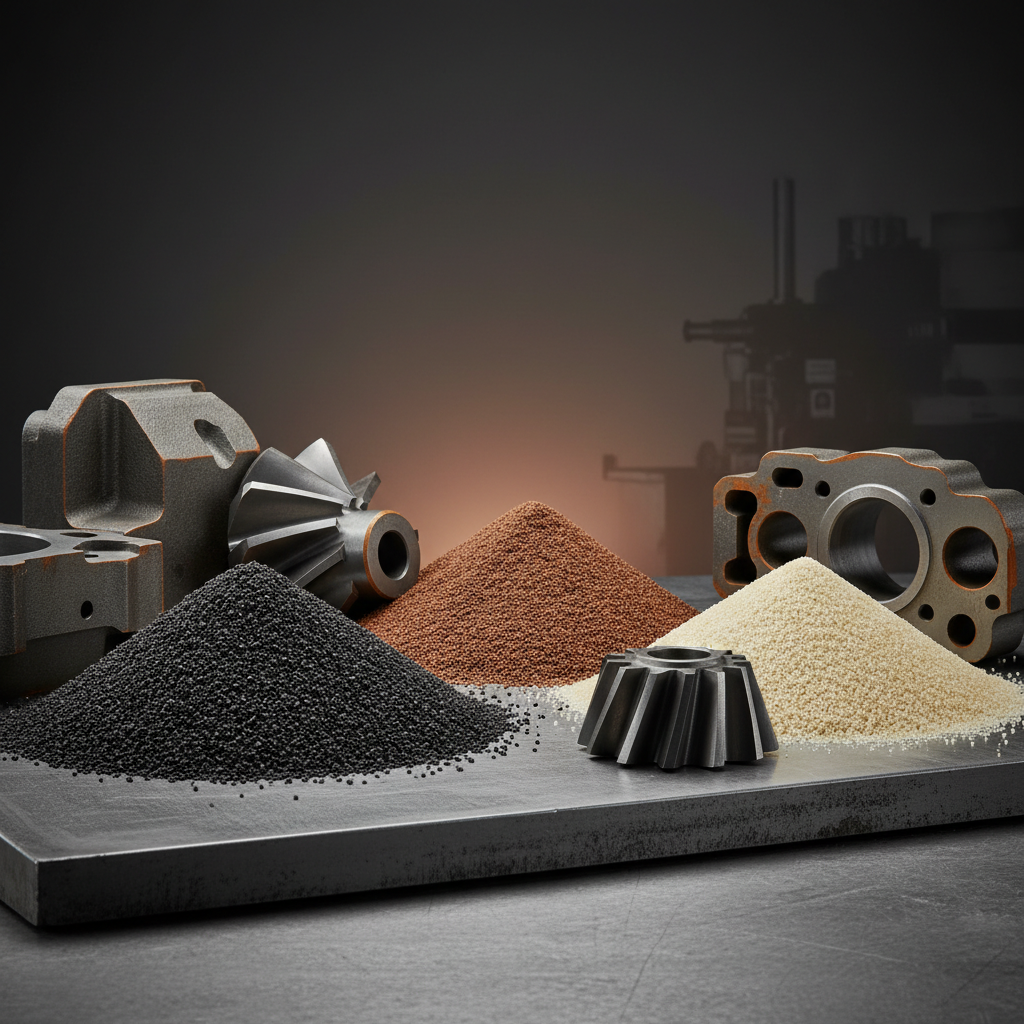
The durability of sand casting cast iron products starts with the selection of the molding medium. High-quality ceramic sand is essential for providing the necessary heat resistance and structural integrity to withstand the immense pressure and temperature of molten iron. Without a stable mold, the risk of "mold drop" or deformation increases, leading to costly rejects.
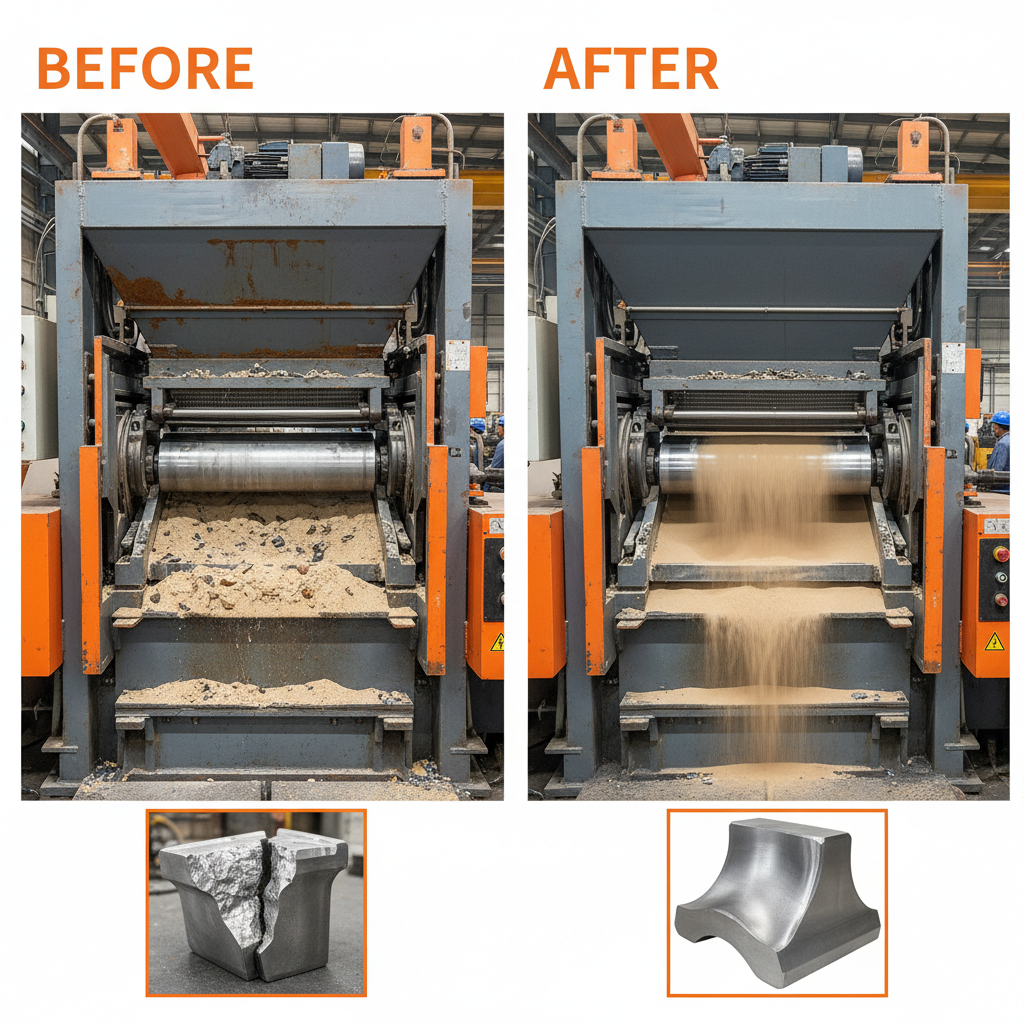
Thermal stability is the second pillar of success. In the process of sand casting cast iron, the mold must be able to dissipate heat at a controlled rate. If the cooling is too rapid, internal stresses can lead to cracking; if it is too slow, the grain structure of the iron may become coarse, reducing the overall strength and wear resistance of the component.
Finally, the precision of the pattern design ensures scalability and cost-efficiency. By utilizing CNC-machined patterns and 3D-printed sand cores, manufacturers can produce highly complex internal cavities. This reduces the need for secondary drilling or machining, directly lowering the production cost while increasing the reliability of the final sand casting cast iron part.
Performance Metrics and Efficiency
Evaluating the success of sand casting cast iron involves analyzing several key performance indicators (KPIs). These include the surface finish quality, the percentage of internal defects (porosity), and the dimensional accuracy relative to the original CAD model. Efficiency is often measured by the "yield rate," which is the ratio of the weight of the final part to the total weight of the metal poured.
By optimizing the sand-to-binder ratio and the pouring temperature, foundries can significantly improve these metrics. A higher yield rate means less metal is wasted in the gating system, reducing the energy required for remelting scrap and lowering the overall carbon footprint of the production cycle.
Efficiency Ratings of Various Sand Casting Cast Iron Methods
Industrial Applications Across Sectors
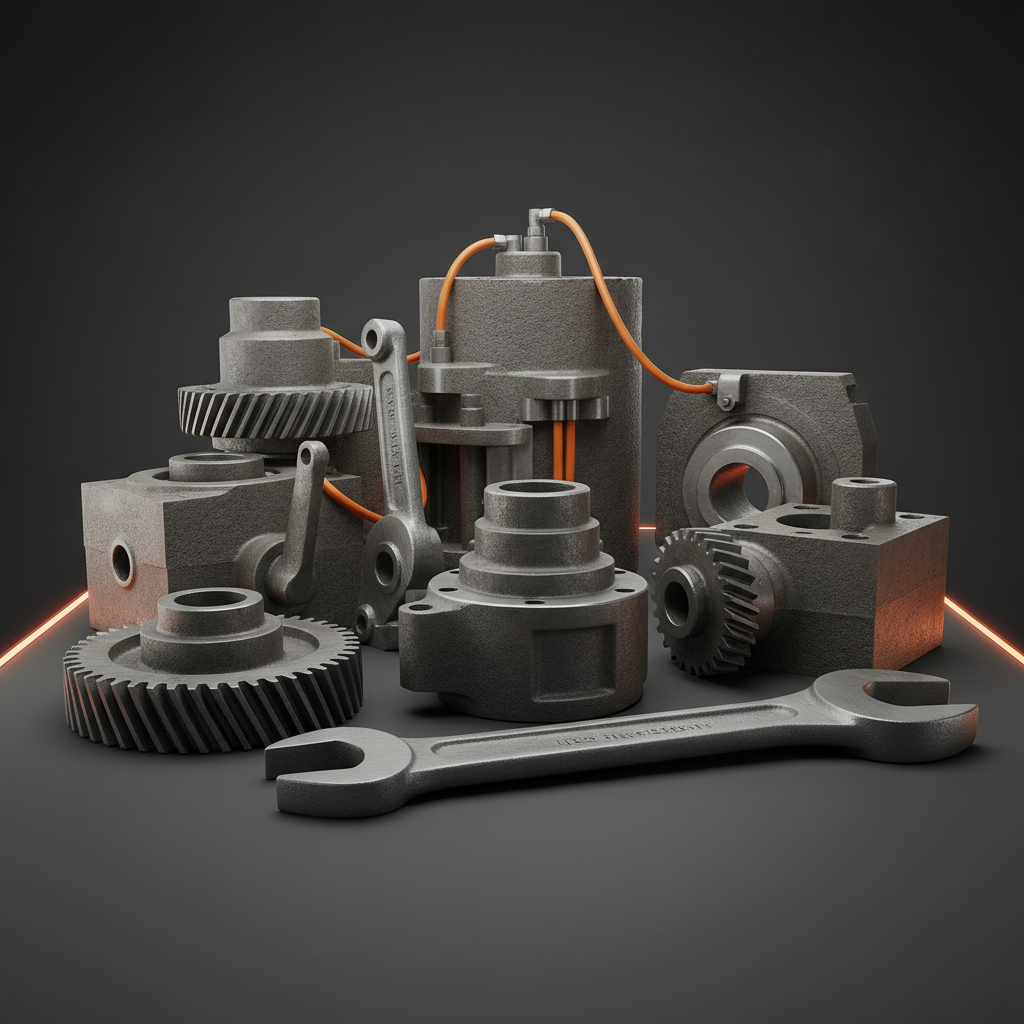
The real-world utility of sand casting cast iron is evident in the automotive industry, where it is used to create cylinder blocks and brake discs. These parts require high wear resistance and the ability to withstand extreme thermal cycling. In the energy sector, massive wind turbine hubs and generator housings rely on the strength and stability provided by large-scale sand castings to support immense structural loads.
Beyond heavy industry, this technique is used in remote industrial zones for the creation of specialized pumping equipment and water treatment valves. In post-disaster relief operations, cast iron components for temporary power generators and water filtration systems are often produced using rapid sand casting techniques due to the speed of tooling and the robustness of the resulting hardware.
Long-term Value and Sustainability
The long-term value of investing in high-quality sand casting cast iron lies in the longevity of the resulting products. Cast iron is inherently more durable than many plastics or lighter alloys when subjected to constant compression and vibration. This reliability reduces the frequency of replacement, thereby lowering the total cost of ownership for the end-user and reducing the volume of industrial waste.
From a sustainability angle, cast iron is one of the most recyclable materials on the planet. Scrap cast iron can be remelted and reused indefinitely without losing its primary properties. By pairing this with eco-friendly ceramic sands that can be reclaimed and reused multiple times within the foundry, the process becomes a model for industrial sustainability.
Moreover, the social impact is significant. The foundry industry provides stable, skilled employment in many regions. By innovating the sand casting cast iron process to be safer and cleaner, companies are not only protecting their workers but also fostering a culture of technical innovation and engineering pride.
Future Innovations in Casting Technology
The future of sand casting cast iron is being shaped by the digital transformation of the foundry. "Industry 4.0" is introducing IoT sensors into molds to monitor temperature and pressure in real-time, allowing for autonomous adjustments during the pour. This minimizes human error and ensures that every single casting meets a precise quality threshold.
Another major trend is the integration of additive manufacturing. 3D printing is now being used to create sand cores with internal geometries that were previously impossible to achieve. This allows for the creation of lightweight, high-strength cast iron parts with optimized internal cooling channels, which is particularly beneficial for the next generation of high-efficiency electric vehicle motors.
Sustainability policies are also driving the adoption of "Green Foundries." These facilities utilize induction melting to reduce CO2 emissions and employ bio-based binders in their sand mixtures to eliminate toxic off-gassing. The shift toward green energy is transforming sand casting cast iron from a traditional "dirty" industry into a clean, high-tech manufacturing sector.
Comparative Analysis of Future Casting Innovations
| Innovation Type |
Impact on Quality |
Cost Reduction |
Eco-Friendliness |
| 3D Sand Printing |
Extreme (Complex Geometries) |
Medium (High Initial Cost) |
High (Less Material Waste) |
| IoT Mold Monitoring |
High (Consistency) |
High (Low Reject Rate) |
Medium (Energy Optimization) |
| Bio-based Binders |
Medium (Standard) |
Low (Similar Cost) |
Extreme (Zero Toxicity) |
| Induction Melting |
High (Pure Metal) |
Medium (Lower Fuel Cost) |
High (Low Emissions) |
| Automated Pouring |
High (Repeatability) |
High (Labor Savings) |
Medium (Precise Energy Use) |
| Advanced Ceramic Sand |
Extreme (Surface Finish) |
Medium (Higher Material Cost) |
High (Higher Reusability) |
FAQS
Green sand uses a mixture of sand, clay, and water, making it cost-effective and highly recyclable for simple shapes. Resin-bonded sand uses chemical binders to create a harder, more stable mold, which is essential for larger, more complex sand casting cast iron parts that require higher dimensional precision and better surface finishes.
Porosity is prevented by optimizing the permeability of the sand, which allows gases to escape during pouring, and by using a proper gating and riser system. Risers act as reservoirs of molten metal that feed the casting as it shrinks, ensuring that the sand casting cast iron remains dense and void-free.
Yes, it is one of the most cost-effective methods for low to medium volumes. Unlike die casting, which requires expensive metal molds, sand casting uses relatively inexpensive patterns and sand. This makes sand casting cast iron the ideal choice for prototyping and custom industrial components.
While most iron alloys can be sand cast, the process is most commonly used for grey iron and ductile iron. The choice depends on the desired properties: grey iron for vibration dampening and machinability, and ductile iron for higher strength and impact resistance. Proper temperature control is key for each type during sand casting cast iron.
Modern foundries employ sand reclamation systems that can recover and reuse up to 95% of the molding sand. By switching to high-purity ceramic sand and biodegradable binders, the environmental impact of sand casting cast iron is significantly reduced, promoting a circular industrial economy.
Standard sand casting results in a slightly grainy finish. However, by using finer ceramic sands or applying specialized mold coatings (washes), manufacturers can achieve a much smoother surface. Post-casting machining is often used on critical mating surfaces of sand casting cast iron parts to meet exact tolerances.
Conclusion
In summary, sand casting cast iron stands as an enduringly relevant technology that bridges the gap between raw material strength and complex geometric design. By integrating high-quality ceramic sands, precise thermal management, and digital simulation, industries can produce components that are not only durable and cost-effective but also sustainable. The synergy of material science and engineering ensures that cast iron remains the bedrock of heavy machinery and infrastructure worldwide.
Looking forward, the continued adoption of 3D sand printing and green foundry practices will redefine the limits of what is possible in metal casting. We encourage engineers and manufacturers to embrace these innovations to enhance their production efficiency and environmental stewardship. To learn more about the premium ceramic sands and solutions that power the next generation of casting, visit our website: www.sinoceramsite.com