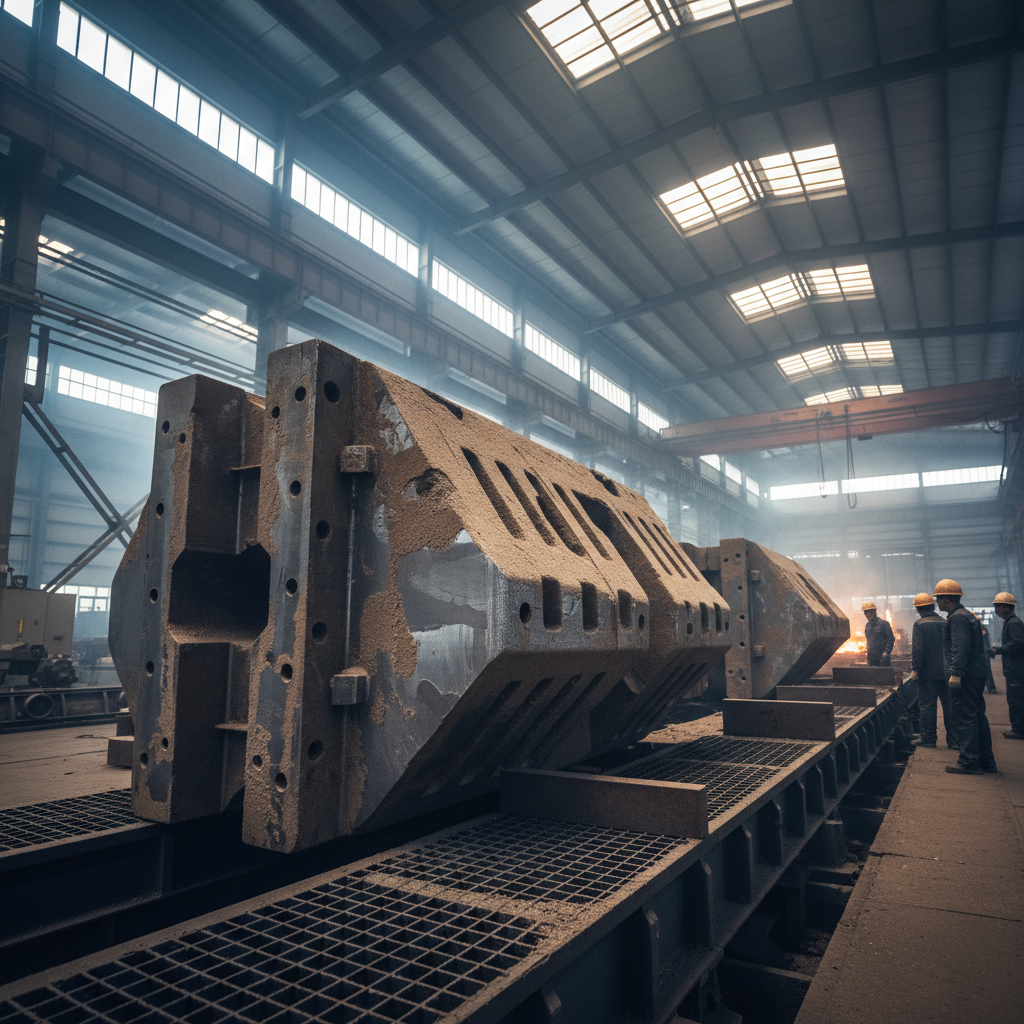
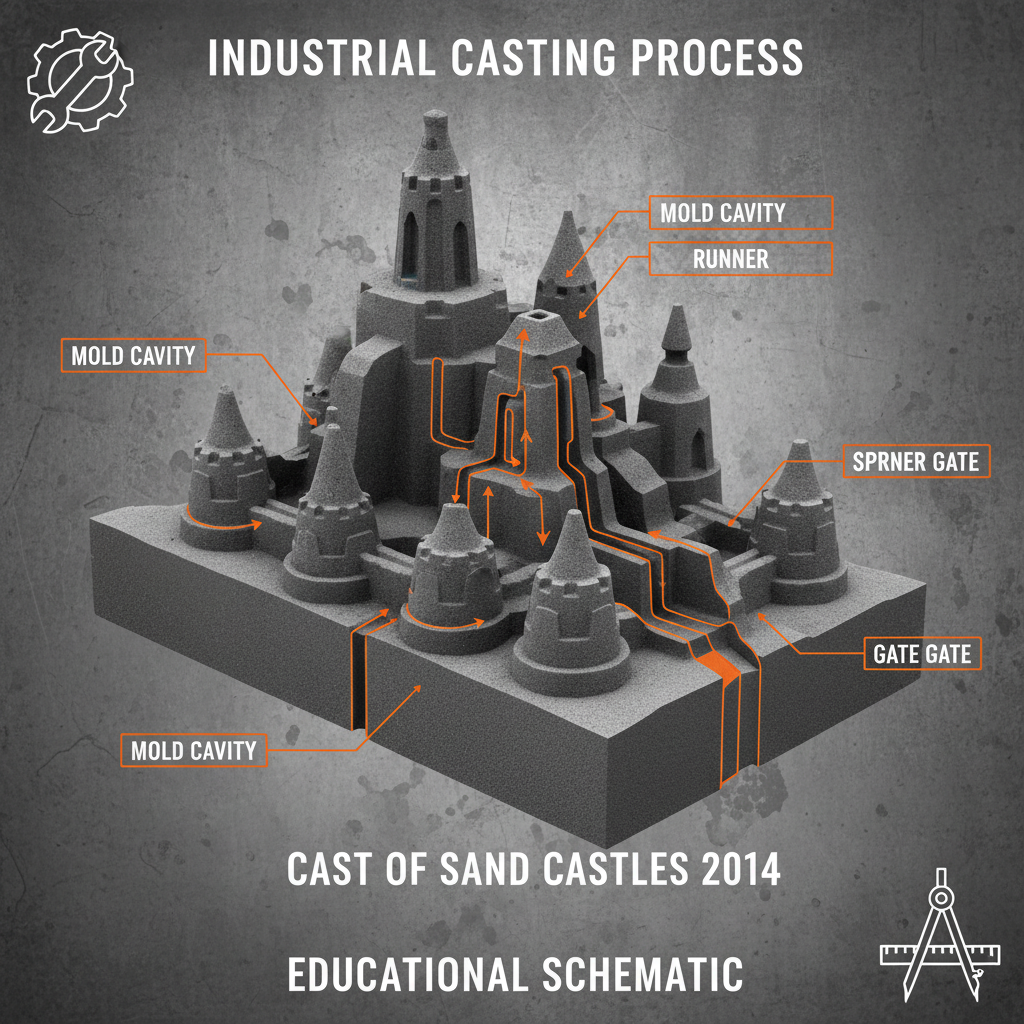
Sand casting is one of the oldest and most versatile metal-forming techniques, but its efficiency depends entirely on the synergy between the mold material and the sand casting alloys used. In modern manufacturing, the ability to cast complex geometries with high precision requires a deep understanding of how different metallic compositions interact with ceramic sands to prevent defects and ensure structural integrity.
Globally, the demand for high-performance components in the automotive, aerospace, and energy sectors has pushed the boundaries of metallurgy. The selection of specific sand casting alloys is no longer just about melting point and fluidity; it is about optimizing mechanical properties, thermal stability, and cost-effectiveness to meet rigorous ISO standards and industrial requirements.
Understanding the intricacies of these alloys allows engineers to reduce scrap rates and improve the lifespan of the final product. Whether dealing with ductile iron, aluminum, or specialized superalloys, the interaction between the molten metal and the ceramic sand mold determines the surface finish and dimensional accuracy, making this a critical area of study for any competitive foundry.
Global Industrial Relevance of Sand Casting Alloys
The global reliance on sand casting alloys is evident in the massive scale of the automotive and heavy machinery industries. According to international industrial data, sand casting remains the most widely used casting process due to its ability to handle massive parts that would be impossible for die-casting. From engine blocks to huge turbine housings, these alloys provide the necessary strength-to-weight ratios that keep global logistics and energy production moving.
However, the industry faces significant challenges regarding energy consumption and material waste. The transition toward more sustainable manufacturing practices requires a shift in how we approach the chemistry of these alloys. By optimizing the alloy composition to lower melting temperatures without sacrificing strength, foundries can significantly reduce their carbon footprint while maintaining the high standards required by global regulatory bodies.
Defining the Mechanics of Sand Casting Alloys
In simple terms, sand casting alloys are specialized metallic mixtures designed to be melted and poured into a mold made of compressed sand and binders. Unlike pure metals, these alloys are engineered with specific additives—such as carbon, silicon, or chromium—to enhance fluidity and reduce shrinkage during the cooling process, ensuring the final part is void-free.
This process is deeply connected to modern industrial needs because it allows for the rapid prototyping of large-scale components. In humanitarian contexts, such as the rapid deployment of water filtration infrastructure or bridge components in developing regions, the ability to cast durable parts using local sand and standardized alloy recipes provides a cost-effective solution for critical infrastructure.
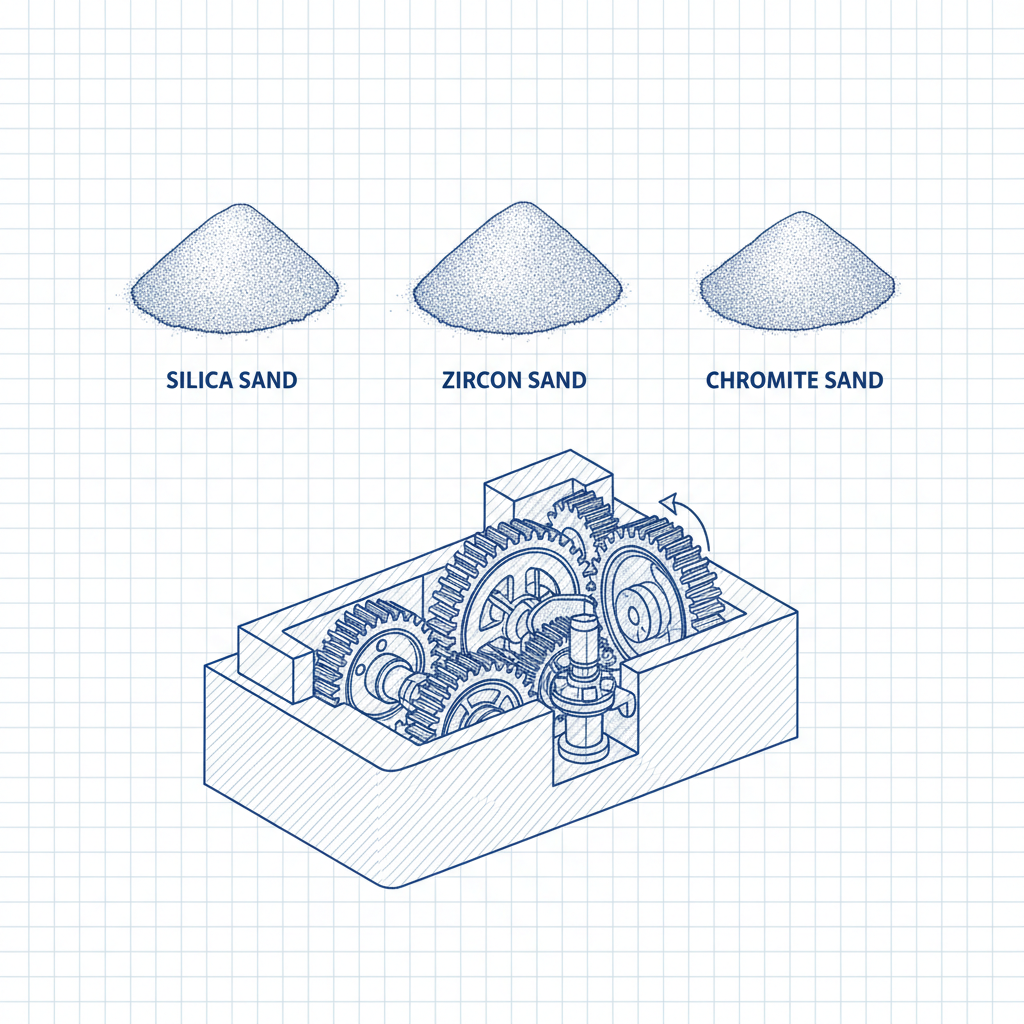
The fundamental relationship between the alloy and the ceramic sand is what defines the success of the cast. If the alloy's thermal expansion coefficient is mismatched with the mold's stability, cracks or "scabs" can occur. Therefore, selecting the right alloy is not just a metallurgical choice but a holistic engineering decision that considers the chemical interaction at the mold-metal interface.
Core Components for Optimal Casting Performance
Durability is the primary driver when selecting sand casting alloys. For components exposed to high wear and tear, such as industrial pump impellers, alloys with high chromium or nickel content are preferred. These elements create a hard, corrosion-resistant surface that significantly extends the operational life of the machinery in harsh environments.
Fluidity and Castability are equally critical. An alloy must flow easily into the intricate channels of a ceramic sand mold to avoid "misruns" or cold shuts. By adjusting the silicon content in aluminum or carbon in iron, manufacturers can ensure that the molten sand casting alloys fill every corner of the mold before solidification begins.
Cost Efficiency and Scalability allow companies to move from small-batch production to mass manufacturing. While exotic superalloys offer superior performance, standard gray iron or aluminum alloys are often the most logical choice for large-scale projects. Balancing the metallurgical properties with the cost of raw materials is essential for maintaining profitability in the competitive global market.
Comparative Efficiency of Different Alloy Types
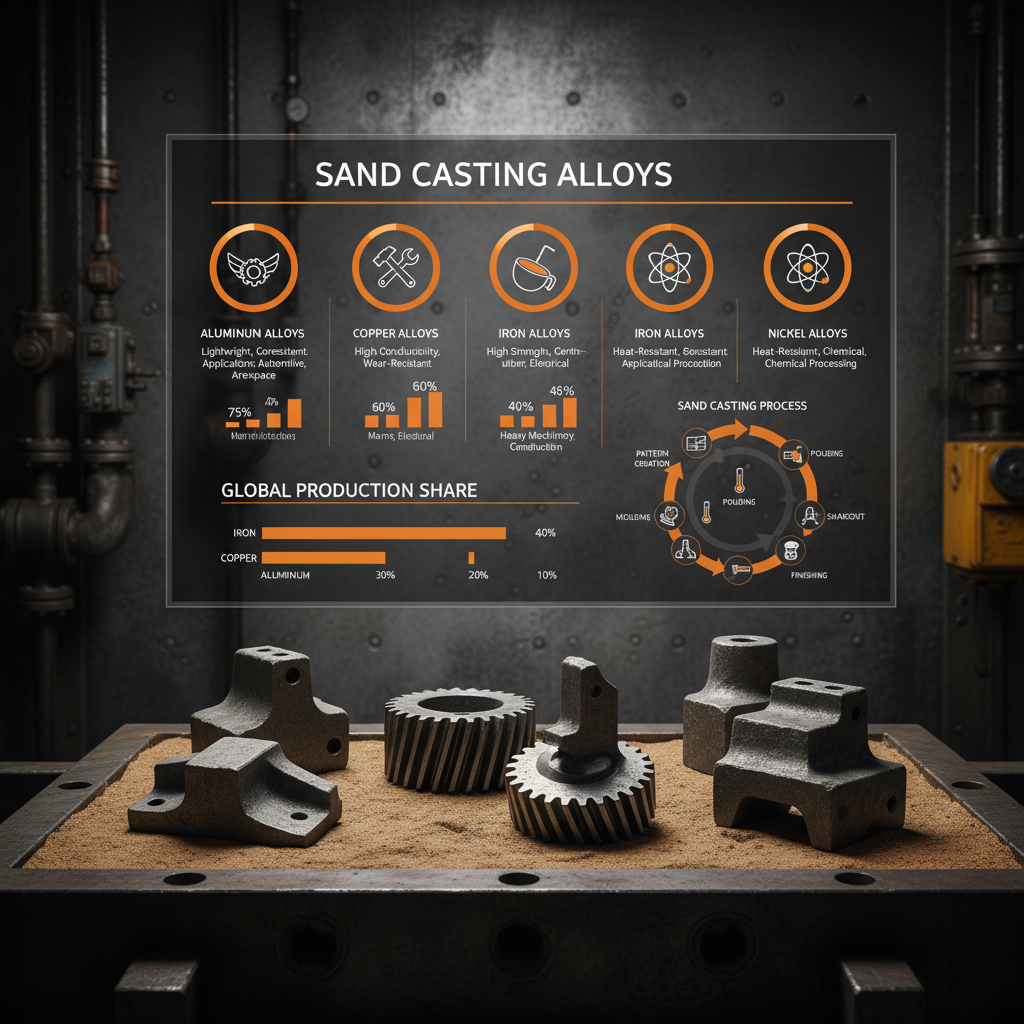
Different sand casting alloys offer varying levels of performance based on the intended application. For instance, ductile iron provides excellent impact resistance, making it ideal for automotive crankshafts, whereas aluminum alloys are chosen for their lightweight properties in aerospace brackets.
The efficiency of these alloys is often measured by their "castability rating," which accounts for shrinkage, gas porosity, and surface finish. High-grade ceramic sands enhance this efficiency by providing better permeability, allowing gases to escape and reducing the likelihood of internal defects in the metal.
Performance Rating of Common Sand Casting Alloys
Real-World Applications Across Global Industries
In the energy sector, sand casting alloys are indispensable for producing large-scale wind turbine hubs and hydroelectric valves. These components must withstand immense structural pressure and environmental corrosion, requiring a precise blend of nickel and chromium to ensure long-term reliability in remote, often inaccessible locations.
The automotive industry utilizes these alloys for engine blocks and transmission cases. By employing advanced ceramic sand mixtures, manufacturers can cast these parts with thinner walls and complex internal cooling galleries, which reduces the overall vehicle weight and increases fuel efficiency, aligning with global goals for reduced carbon emissions.
Long-Term Value and Sustainability Benefits
The long-term value of choosing the right sand casting alloys extends beyond the initial purchase price. By prioritizing alloys that are easily recyclable, companies can create a closed-loop system where casting scrap is remelted and reused, drastically reducing the environmental impact of mining raw ores.
From a safety perspective, the reliability of these alloys is paramount. In critical infrastructure—such as nuclear containment components or high-pressure steam pipes—the use of certified, high-integrity alloys prevents catastrophic failures. This builds a foundation of trust and security, ensuring that industrial growth does not come at the cost of human safety.
Furthermore, the integration of these alloys into modular construction allows for the rapid creation of durable urban fixtures. The ability to cast customized, high-strength alloy components means that cities can be built with materials that last centuries rather than decades, promoting a philosophy of sustainable urbanism.
Future Innovations in Casting Metallurgy
The future of sand casting alloys is being shaped by the digital transformation of the foundry. 3D printing of sand molds (Additive Manufacturing) allows for geometries that were previously impossible, enabling the use of alloys in ways that optimize fluid dynamics and thermal transfer.
Green energy initiatives are also driving the development of "low-carbon alloys." These new compositions require less energy to melt and utilize bio-based binders in the sand mold, reducing the emission of volatile organic compounds (VOCs) during the pouring process. This transition is essential for the industry to meet the stringent environmental regulations of the next decade.
Automation and AI-driven quality control are further refining the process. Real-time sensors can now monitor the temperature and composition of the alloy during the pour, automatically adjusting parameters to prevent defects. This synergy between metallurgy and data science is transforming the traditional foundry into a high-tech hub of precision engineering.
Comparative Analysis of Alloy Performance in Modern Casting
| Alloy Category |
Thermal Stability |
Corrosion Resistance |
Production Cost |
| Gray Cast Iron |
High |
Moderate |
Very Low |
| Ductile Iron |
High |
High |
Low |
| Al-Si Alloys |
Moderate |
Very High |
Moderate |
| Austenitic Steel |
Very High |
Excellent |
High |
| Nickel Superalloys |
Extreme |
Extreme |
Very High |
| Bronze/Brass |
Moderate |
High |
Moderate |
FAQS
For high-temperature applications, Nickel-based superalloys and certain Stainless Steels are the gold standard. These sand casting alloys maintain their mechanical strength and resist oxidation at extreme temperatures, making them essential for jet engines and industrial furnaces.
Higher melting point alloys, like steel, require ceramic sands with higher refractoriness to prevent the mold from melting or reacting with the metal. Conversely, aluminum alloys can use standard silica sand, but require precise binder control to avoid gas porosity.
Not necessarily. The alloys themselves are often similar, but the process cost differs. Sand casting is generally more cost-effective for large parts or low-volume production because it avoids the high cost of creating permanent metal dies.
Yes, one of the biggest advantages of these alloys is their recyclability. Casting gates, risers, and scrap parts can be remelted and reused, provided that the alloy's chemical purity is maintained through proper sorting and refining.
The most common defects are shrinkage cavities and gas porosity. If an alloy has poor fluidity or excessive gas solubility, it can leave voids in the casting, compromising the structural integrity of the final component.
Choose gray iron for superior vibration damping and compressive strength (e.g., machine bases). Choose ductile iron if your application requires higher tensile strength and impact resistance (e.g., automotive suspension parts).
Conclusion
The strategic selection of sand casting alloys is the cornerstone of successful metal fabrication, bridging the gap between raw material properties and final product performance. By balancing durability, fluidity, and cost-efficiency, manufacturers can produce complex, high-strength components that drive progress across the automotive, aerospace, and energy sectors.
Looking forward, the integration of sustainable metallurgy and additive manufacturing will redefine the capabilities of sand casting. We encourage engineers and foundry managers to embrace low-carbon alloys and digital mold designs to ensure their operations remain competitive and environmentally responsible. For high-quality materials and expert guidance on ceramic sand and casting solutions, visit our website: www.sinoceramsite.com