Honestly, things are moving fast these days. Everyone’s talking about prefabrication, modular builds, and, of course, glazing. But you spend enough time on site, like I do, and you quickly realize a lot of the fancy stuff doesn’t translate. It looks great on paper, or in a showroom, but then you hit the real world – uneven ground, guys who’ve been doing things one way for twenty years, and a constant shortage of coffee.
The biggest thing I've noticed lately is this push for thinner, lighter materials. Makes sense, right? Easier to transport, quicker to install. But it also means sacrificing some durability. And trust me, when a windstorm hits, you want something solid. It's a balancing act.
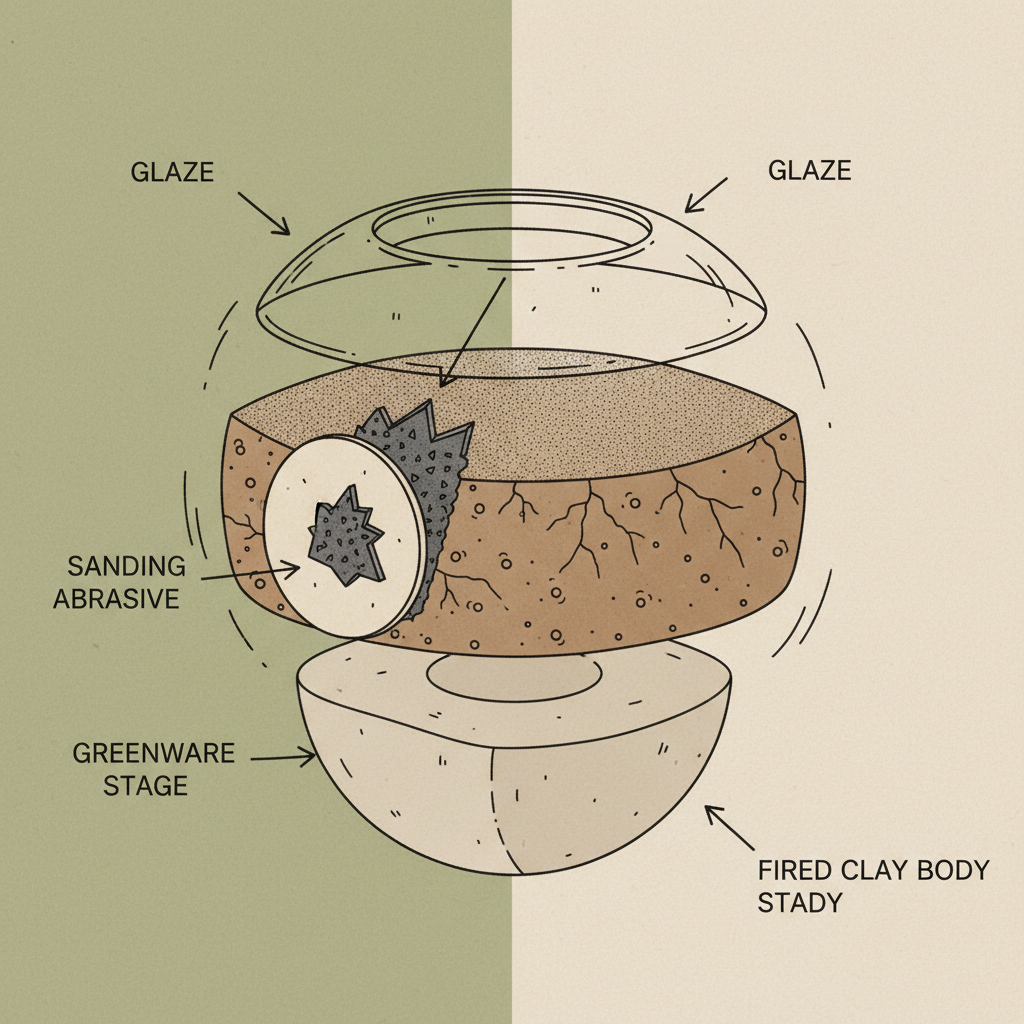
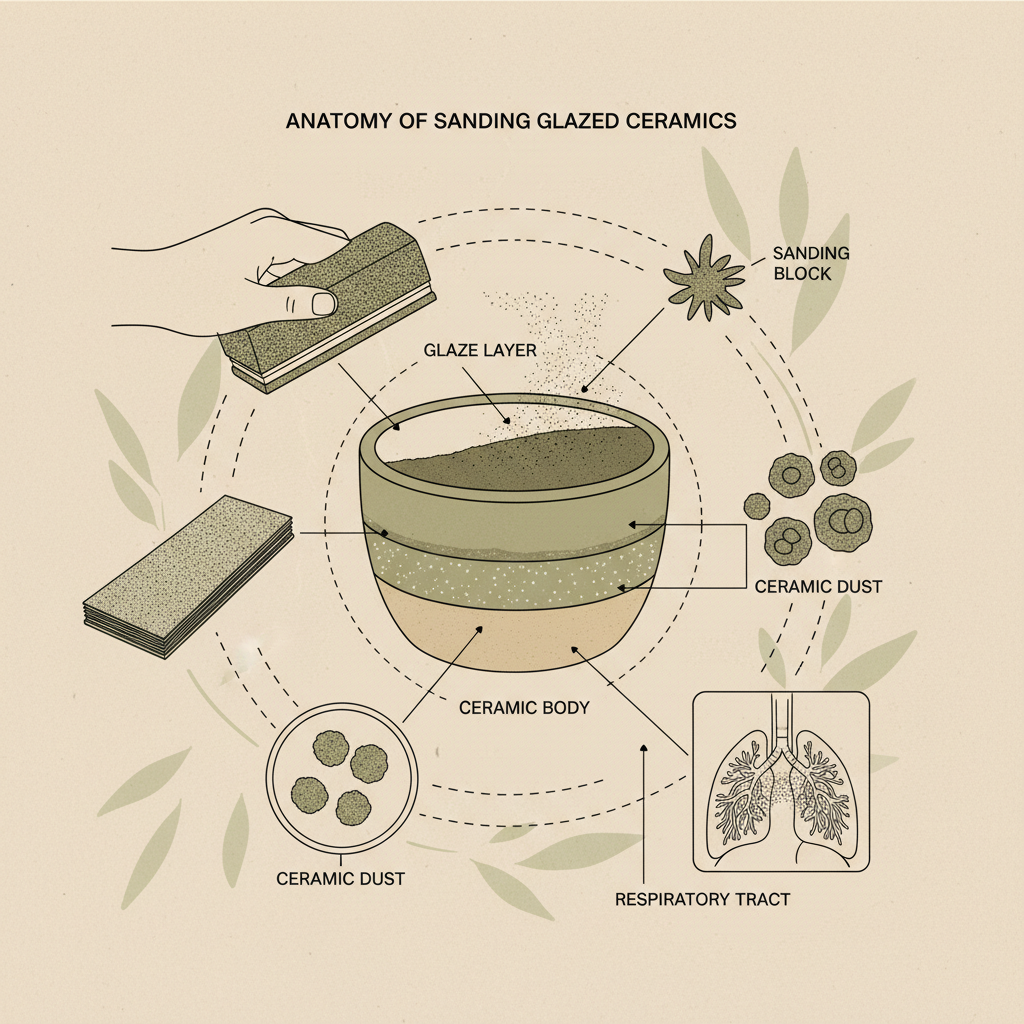
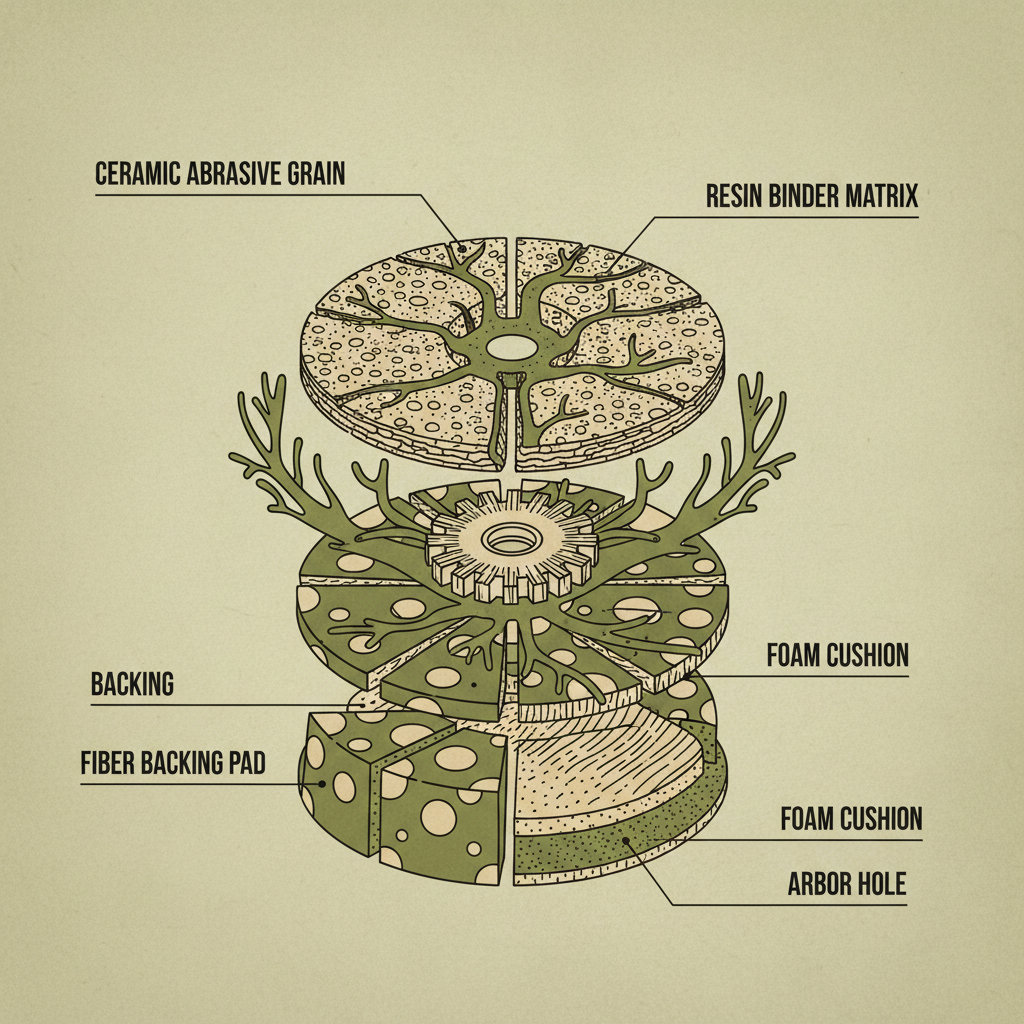
We've been putting a lot of effort into sanding glazed ceramics lately, and it’s promising. Really promising. But there are always gotchas.
The Current Landscape of Sanding Glazed Ceramics
To be honest, the demand for sanding glazed ceramics has exploded in the last couple of years, especially for facade cladding. Everyone wants that sleek, modern look, and it delivers. But what people often forget is the prep work. It's not just slapping it on the wall. You need a perfectly flat surface, the right adhesive, and skilled installers.
I saw a job last year, up in Shanghai, where they tried to cut corners on the substrate. The whole thing started to ripple within months. A complete disaster. It just goes to show you can’t skip steps.
Common Design Pitfalls
Have you noticed how architects love to design these crazy, complex shapes? Looks fantastic in the renderings, but try building it! Sanding glazed ceramics, while versatile, still has limitations. Sharp angles, tight curves… they're a nightmare. You end up with a lot of waste, and the installation becomes incredibly time-consuming. And time is money, let me tell you.
Another thing? Ignoring thermal expansion and contraction. Ceramics expand and contract with temperature changes, and if you don't account for that in the design, you're going to get cracking. It’s basic physics, but you’d be surprised how many people overlook it.
I encountered this at a factory in Foshan last time, they were trying to force a very thin ceramic tile onto a curved surface. It just wasn’t going to happen. They ended up having to redesign the whole thing.
Material Breakdown
The ceramic itself… well, it's ceramic. Feels cool to the touch, a bit weighty. The glaze is where it gets interesting. Some glazes are more porous than others, which affects their resistance to staining and weathering. And the quality of the pigments… that's crucial. Cheap pigments will fade over time.
The adhesive is just as important, maybe even more so. You need something that's flexible enough to accommodate movement, but strong enough to hold the ceramic in place. I've been using a two-part epoxy adhesive for years now, seems to hold up pretty well. It smells terrible, though. Really terrible. And it gets everywhere.
And don't forget the substrate! Concrete, cement board, metal… they all have their pros and cons. You need to choose the right substrate for the application. Strangely, people often focus on the ceramic itself and forget about everything else.
Real-World Testing Protocols
Look, lab tests are fine, but they don’t tell the whole story. I've seen materials pass all the lab tests and still fail miserably on site. We do our own testing, the old-fashioned way. We expose the ceramics to the elements – rain, sun, wind. We bang on them with hammers. We scratch them with screwdrivers. It’s not pretty, but it's effective.
We also do something called a “mock-up panel.” We build a small section of the facade using the actual materials and installation techniques. Then we leave it up for six months, a year, even longer, just to see how it holds up. That’s the real test.
Sanding Glazed Ceramics Performance Metrics
How Users Actually Utilize Sanding Glazed Ceramics
What's interesting is how people are using it. Initially, it was all about aesthetics - fancy hotels, upscale condos. But now we're seeing it used in more practical applications. Bus shelters, retail facades, even industrial buildings. It’s surprisingly durable.
Anyway, I think the biggest surprise is how much it's being used for renovations. People are tired of old, drab buildings and they want something that looks modern and fresh. Sanding glazed ceramics offers a relatively quick and affordable way to achieve that.
Advantages and Disadvantages
The advantages are pretty clear: it looks good, it's relatively durable, and it's easy to clean. But it's not perfect. It's heavier than some other cladding materials, and it can be brittle. If you drop a piece, it's going to shatter. And, of course, it's not cheap. But you get what you pay for, right?
Let’s be real, it’s more expensive than vinyl siding. But it looks better. That’s a big selling point. Plus, it’s more environmentally friendly. Less plastic, more natural materials.
It also holds up to graffiti really well. Which is, unfortunately, a consideration these days.
Customization Capabilities
We can do a lot with customization. Color matching, different textures, even integrated lighting. Last month, that small boss in Shenzhen who makes smart home devices insisted on changing the interface to for the wiring channel, and the result was a two-week delay and a whole lot of headaches. But we got it done. People always want something unique, something that stands out.
We’ve also done a lot of work with custom patterns and designs. Using digital printing technology, we can create almost anything. The only limit is your imagination… and your budget.
One thing we’re working on now is incorporating solar cells into the ceramic panels. Imagine a building that generates its own electricity. That’s the future, I think.
Summary of Sanding Glazed Ceramics Customization Options
| Customization Aspect |
Level of Difficulty |
Cost Impact |
Typical Lead Time |
| Color Matching |
Low |
Minimal |
1-2 weeks |
| Texture Variation |
Medium |
Moderate |
3-4 weeks |
| Digital Printing |
High |
Significant |
6-8 weeks |
| Integrated Lighting |
Very High |
Very Significant |
8+ weeks |
| Custom Shapes |
Medium-High |
Moderate-High |
4-6 weeks |
| Solar Cell Integration |
Extremely High |
Extremely High |
12+ weeks |
FAQS
That’s a good question. Honestly, it depends. Quality of the ceramic, installation quality, exposure to the elements... but generally, you’re looking at 50+ years with minimal maintenance. We've seen some installations that are twenty years old and still look brand new. Proper sealing is key.
Generally, yes. Ceramic is inherently non-combustible. But you need to check the specific product specifications. Some glazes may contain organic materials that could affect fire resistance. We always recommend using fire-rated adhesives and substrates.
Upfront, it's usually more expensive than aluminum composite panels. But over the long term, it's often more cost-effective. Ceramic requires less maintenance and lasts longer. Aluminum panels can dent and fade, and they need to be replaced more frequently. Plus, ceramic is more environmentally friendly.
Honestly, not much. Usually, just a good rinse with water is enough. For tougher stains, you can use a mild detergent and a soft brush. Avoid abrasive cleaners, they can damage the glaze. We recommend a yearly power wash to remove any buildup.
Yes, but you need to take extra precautions. The adhesive needs to be suitable for cold-weather applications. And you need to protect the ceramic from freezing temperatures during installation. Thermal expansion and contraction are also more of a concern in cold climates.
Reputation is key. Find a supplier with a proven track record and good references. Also, check their quality control procedures. And make sure they offer technical support. You want someone who can help you troubleshoot any issues that might arise.
Conclusion
So, ultimately, sanding glazed ceramics offers a compelling combination of aesthetics, durability, and sustainability. It’s not a magic bullet – there are challenges, and it’s not always the cheapest option. But when done right, it can transform a building into something truly special.
Ultimately, whether this thing works or not, the worker will know the moment he tightens the screw. That's all I got. And if you're looking for quality ceramics, you know where to find us. Check out our website: www.sinoceramsite.com.