
Introduction
In the ever-evolving world of metal casting, the choice of foundry sand plays a critical role in determining the quality, cost-effectiveness, and environmental impact of the final product. Ceramsite foundry sand has emerged as a revolutionary alternative to traditional materials like silica sand, chromite sand, and zircon sand. This article explores the unique properties, applications, and benefits of High Refractoriness Ceramsite Foundry Sand, developed by Shenghuo New Material Technology Co., Ltd., a leading innovator in the foundry industry.
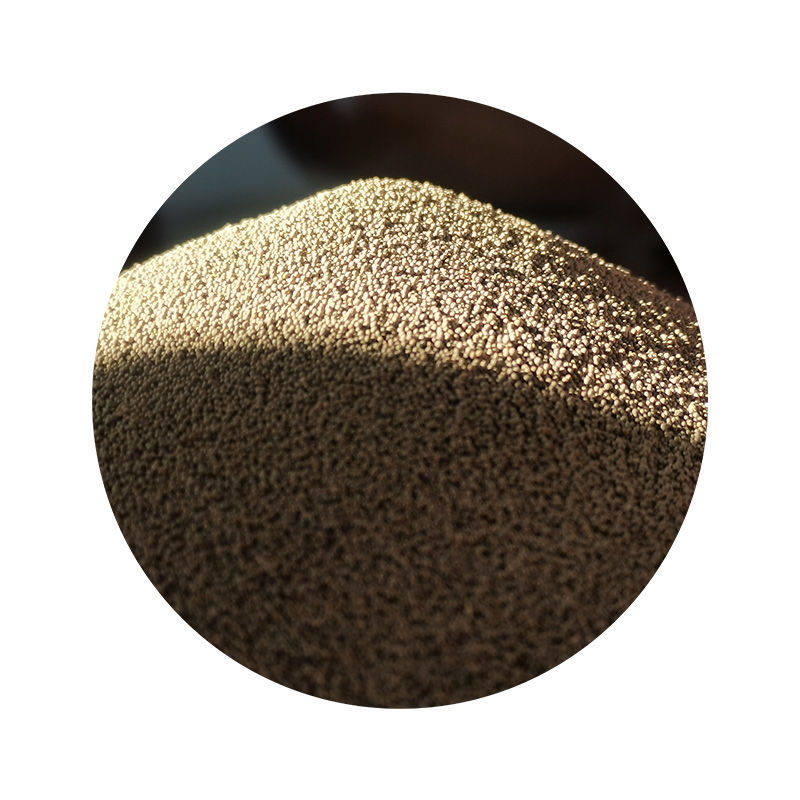
Figure 1: Understanding foundry sand contamination with ceramsite sand.
Product Overview
Ceramsite foundry sand is a man-made, spherical ceramic particle engineered to deliver exceptional performance in high-temperature casting applications. Unlike conventional silica sand, which is prone to thermal expansion and environmental hazards, ceramsite sand offers a sustainable and cost-effective solution. Its key characteristics include:
- High refractoriness: Resists extreme temperatures without degrading.
- Low thermal expansion: Minimizes cracking and distortion in castings.
- Environmental friendliness: Reduces pollution and waste compared to traditional sands.
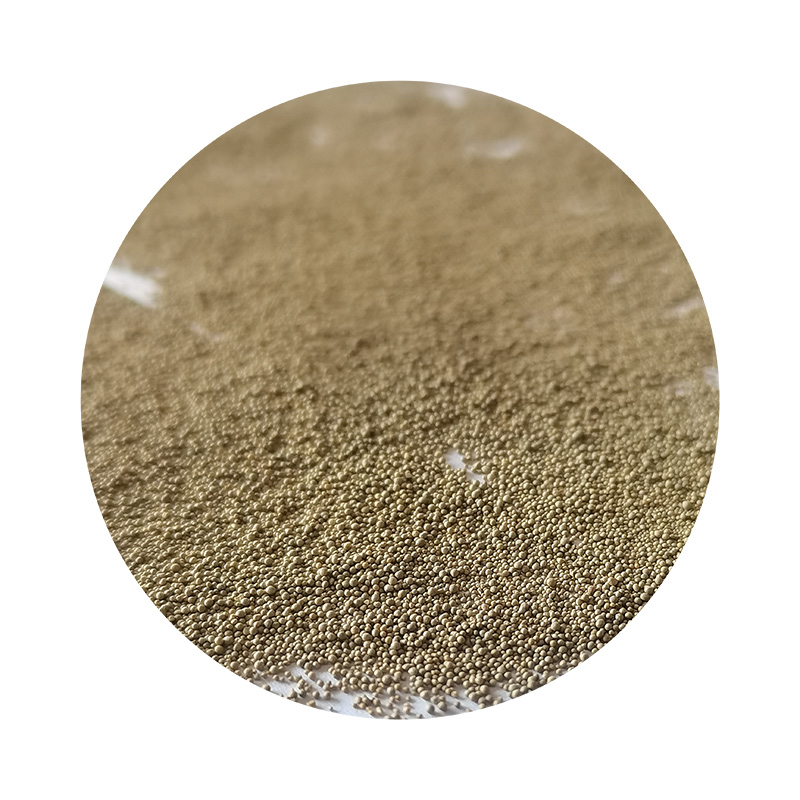
Figure 2: Ceramsite foundry sand in action.
Technical Specifications
| Parameter | Specification |
|---|---|
| Refractoriness | ≥1700°C |
| Thermal Expansion Coefficient | ≤0.05% |
| Particle Size | 0.1–2.0 mm (customizable) |
| Chemical Composition | Al₂O₃ ≥ 45%, SiO₂ ≤ 30% |
| Moisture Content | ≤1.0% |
| Apparent Density | 1.2–1.5 g/cm³ |
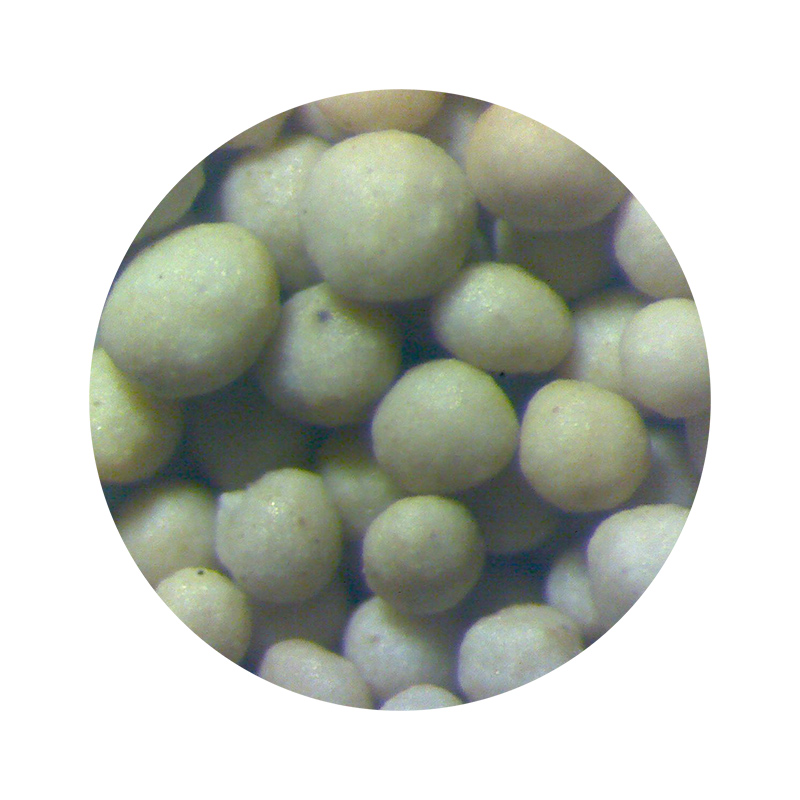
Figure 3: Comparing different types of foundry sand.
Advantages Over Traditional Materials
Traditional foundry sands like silica sand and chromite sand have long been used in casting, but they come with significant drawbacks. For instance, silica sand is associated with respiratory health hazards (NIST, 2025), while chromite sand is expensive and environmentally taxing. Ceramsite foundry sand addresses these issues by:
- Reducing production costs: Lower material and energy requirements.
- Enhancing casting quality: Ensures uniformity and reduces defects.
- Minimizing environmental impact: Non-toxic and recyclable.
According to NIST (2025), "Innovative materials like ceramsite sand are critical for advancing sustainable manufacturing practices." This aligns with the global push for greener industrial solutions.
Applications in Steel Casting
High refractoriness ceramsite foundry sand is particularly well-suited for steel casting, where thermal stability and precision are paramount. Key applications include:
- Investment casting: Produces intricate metal parts with high dimensional accuracy.
- Green sand molding: Offers superior strength and permeability for complex molds.
- Core making: Ensures durability and dimensional stability in core production.
The sand's low thermal expansion makes it ideal for casting stainless steel and other high-alloy steels, where even minor thermal fluctuations can compromise quality.
Company Background: Shenghuo New Material Technology Co., Ltd.
Based in Hebei, China, Shenghuo New Material Technology Co., Ltd. is a pioneer in developing advanced ceramic materials for the foundry industry. With over a decade of expertise, the company focuses on innovation, sustainability, and customer-centric solutions. Their commitment to quality is reflected in their state-of-the-art production facilities and rigorous testing protocols.
As highlighted by NIST (2025), "Companies like Shenghuo are driving the adoption of next-generation materials that balance performance with environmental responsibility." This ethos is evident in their ceramsite foundry sand, which combines cutting-edge technology with eco-conscious design.
Conclusion
High refractoriness ceramsite foundry sand represents a significant advancement in the casting industry. By offering superior thermal stability, cost efficiency, and environmental benefits, it is rapidly becoming the preferred choice for steel casting applications. Shenghuo New Material Technology Co., Ltd. continues to lead the way in this transformative technology, ensuring that industries can meet modern demands while adhering to sustainability goals.
References
National Institute of Standards and Technology (NIST). (2025). Sustainable Manufacturing Practices. Retrieved from https://www.nist.gov.
Next:High-Purity Sintering Sand for Advanced Ceramic Applications