
Introduction to Advanced Foundry Sands and Industry Trends
The global foundry industry is undergoing a significant transformation, driven by demands for higher precision castings, reduced defects, and enhanced environmental sustainability. Traditional foundry sands, such as silica sand, often fall short in meeting these rigorous requirements, leading to challenges like thermal expansion defects, poor surface finish, and silica dust exposure. In response, advanced engineered materials have emerged, with sintering sand leading the charge.
Sintering sand, particularly high-performance ceramic alternatives, represents a pivotal innovation in casting technology. These engineered sands are manufactured through a sophisticated process that optimizes their physical and chemical properties, making them superior to natural sands for various casting applications. The market trend indicates a clear shift towards specialized, high-performance sands that can withstand extreme temperatures, minimize thermal expansion, and ensure consistent casting quality. This transition is further fueled by increasing regulatory pressures concerning worker safety and environmental impact, pushing foundries to adopt cleaner, more efficient materials.
Key industry trends impacting the adoption of advanced foundry sands include the rising demand for lightweight components in automotive and aerospace, the growing complexity of casting designs, and the ongoing pursuit of automation in foundry operations. These factors necessitate a casting medium that offers exceptional consistency, minimal reactivity, and superior thermal stability, all of which are intrinsic advantages of advanced sintering sand products like the sintered ceramic sand made in China, comparable to Cerabeads AFS 60.
Manufacturing Process Flow of Sintered Ceramic Sand
The production of high-quality sintering sand, specifically sintered ceramic sand, is a complex, multi-stage process designed to engineer precise granular properties for demanding foundry applications. This process ensures the consistent performance required for superior casting outcomes.
Product Materials:
The primary raw material is high-quality bauxite, an aluminum ore rich in alumina (Al₂O₃). This material is selected for its inherent refractoriness and chemical stability. Other additives may be incorporated in controlled quantities to fine-tune specific properties such as strength, thermal expansion, and flowability of the final sintering sand product.
Manufacturing Process Steps:
- Raw Material Preparation & Grinding: High-purity bauxite is crushed and ground into a fine powder, ensuring a uniform particle size distribution for subsequent processing.
- Granulation & Ball Formation: The fine bauxite powder is mixed with a binding agent and water, then processed through a granulator or balling disc to form spherical green pellets.
- High-Temperature Sintering: These green pellets are fed into a rotary kiln or shaft kiln and subjected to extremely high temperatures (typically 1300-1600°C). During sintering, the bauxite particles fuse together, forming dense, strong, and highly refractory ceramic spheres. This crucial step is what defines the material as sintering sand.
- Crushing & Shaping: The sintered spheres are then crushed to achieve the desired angularity and particle size range. For products like Cerabeads AFS 60, specific crushing techniques are employed to maintain a sub-angular to rounded shape, optimizing flowability and compaction.
- Screening & Classification: The crushed material is meticulously screened to achieve precise AFS (American Foundry Society) grain fineness numbers, ensuring strict adherence to product specifications. This classification is vital for consistent permeability and surface finish in casting.
- Washing & Drying: The classified grains are washed to remove any fine dust or impurities, then dried to a controlled moisture content, preventing agglomeration and ensuring optimal performance.
- Quality Control & Packaging: Throughout the entire process, rigorous quality control checks are performed, including analysis of chemical composition, specific gravity, refractoriness, and thermal expansion. Finished products are packaged to prevent contamination and moisture absorption.
Testing Standards and Service Life:
All manufactured sintering sand undergoes stringent testing in accordance with international standards, including ISO (e.g., ISO 14704 for foundry sands) and ANSI/AFS (e.g., AFS 110-87-S for grain fineness). These tests confirm critical parameters such as AFS GFN, thermal expansion, refractoriness, acid demand value (ADV), and specific gravity. The superior physical and chemical properties of sintered ceramic sand contribute to an extended service life, allowing for significant reclamation and reuse cycles, often exceeding 90% reclamation rates, thereby reducing overall material consumption and waste.
Target Industries and Advantages:
Sintering sand finds extensive application across various heavy industries:
- Foundry Industry (Ferrous & Non-Ferrous): Utilized in steel, iron, aluminum, and copper casting for producing high-precision components with excellent surface finish.
- Petrochemical: For casting high-temperature and corrosion-resistant components used in refineries and chemical plants.
- Metallurgy: Production of critical metallurgical parts, molds, and cores requiring exceptional thermal stability.
- Water Supply & Drainage: Manufacturing of durable valves, pumps, and pipe fittings.
In these scenarios, the advantages are palpable: energy saving through reduced fettling and cleaning time, superior corrosion resistance in the final casting due to cleaner metal surfaces, and significantly reduced casting defects, ultimately leading to lower production costs and improved product quality. The low thermal expansion of ceramic sand prevents mold cavity distortion, ensuring dimensional accuracy and eliminating issues like veining and scabbing.
Technical Specifications and Data Visualization
The performance superiority of advanced sintering sand is quantifiable through its precise technical parameters. The sintered ceramic sand, similar to Cerabeads AFS 60, offers a unique combination of properties that make it an ideal choice for high-end casting applications. Below are key specifications:
Typical Product Specifications: Sintered Ceramic Sand (AFS 60 Grade)
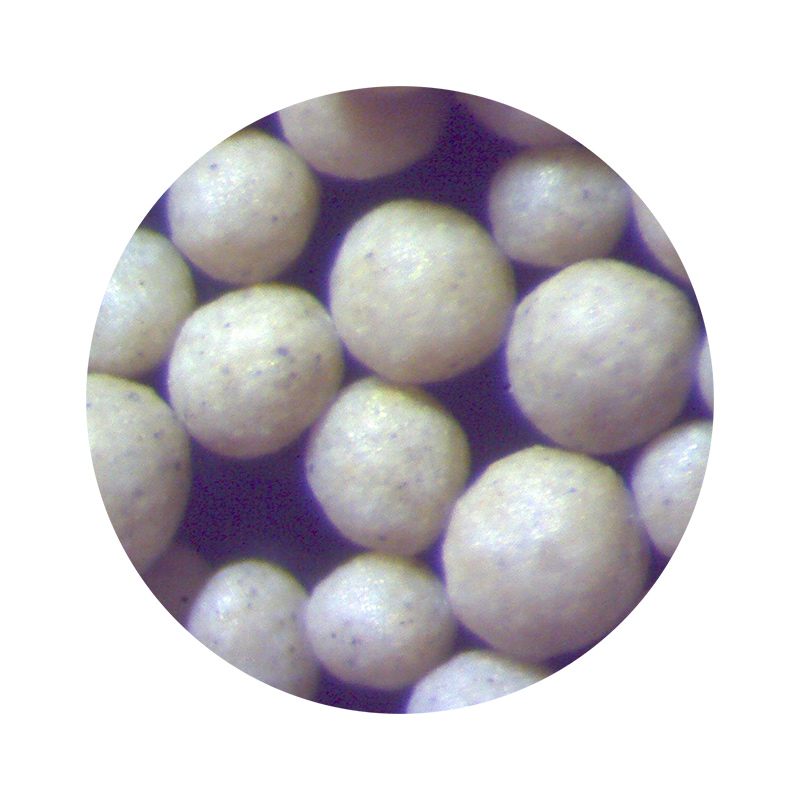
These parameters demonstrate the engineered quality of the sintering sand. The high refractoriness prevents burn-on and penetration, while the low thermal expansion minimizes casting defects. The consistent spherical to sub-angular shape ensures excellent flowability and compaction, critical for intricate mold designs.
Technical Advantages of Sintered Ceramic Sand
The strategic adoption of advanced sintering sand in foundry operations unlocks a myriad of technical advantages, significantly enhancing casting quality, process efficiency, and environmental compliance.
- Superior Refractoriness and Thermal Stability: With a melting point exceeding 1790°C, sintered ceramic sand exhibits exceptional resistance to high temperatures, preventing metal penetration, burn-on, and fusion defects even with high-temperature alloys. This minimizes the need for costly post-casting cleaning and finishing operations.
- Extremely Low Thermal Expansion: Unlike silica sand, which expands significantly upon heating, sintering sand has a very low coefficient of thermal expansion (<0.1% at 1000°C). This stability eliminates common defects such as veining, scabbing, and rat-tails, ensuring superior dimensional accuracy and reducing casting scrap rates.
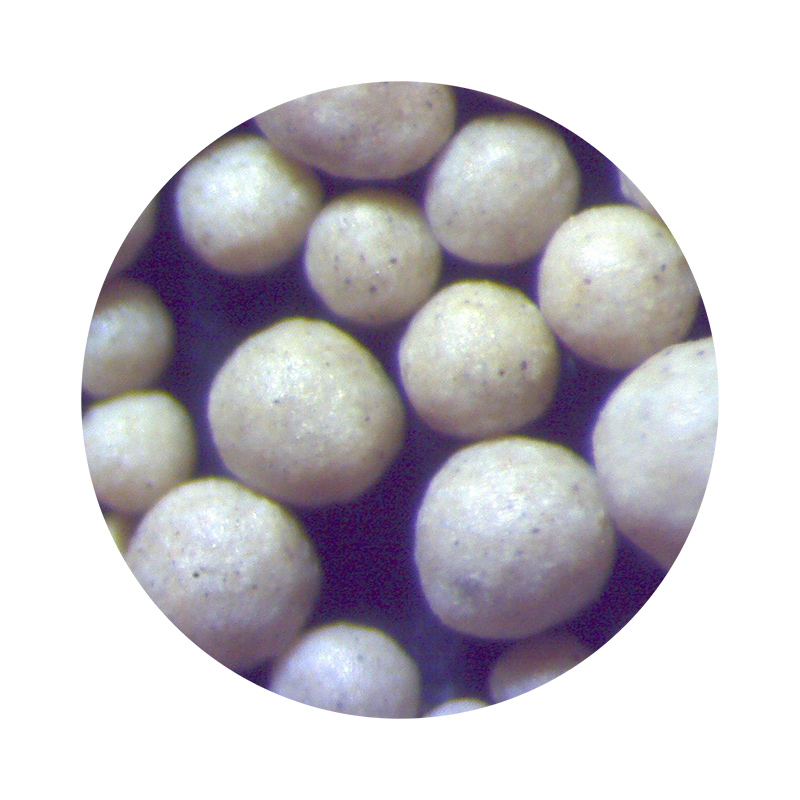
- Optimized Grain Shape and Distribution: The typically spherical to sub-angular grain shape of sintered ceramic sand allows for excellent flowability and compaction, leading to uniform mold density and strength. This also improves permeability, facilitating efficient gas escape and reducing gas-related defects, while contributing to an exceptionally smooth casting surface finish.
- Excellent Reclamation and Reuse Potential: Due to its robust, durable grain structure, sintering sand resists thermal degradation and attrition much better than traditional sands. This enables high reclamation rates (often >90%), significantly reducing fresh sand consumption, waste disposal costs, and overall environmental footprint.
- Reduced Silica Dust Exposure: Being free of crystalline silica, sintered ceramic sand eliminates the health hazards associated with respirable crystalline silica dust, improving workplace safety and compliance with stringent environmental regulations (e.g., OSHA's silica standard).
- Lower Acid Demand Value (ADV): A low ADV indicates minimal reactivity with binders, ensuring consistent binder performance and reducing the amount of binder needed, leading to cost savings and improved mold strength.
- Enhanced Surface Finish: The fine, consistent grain size and durable nature of ceramic sand result in castings with a significantly smoother surface finish, minimizing shot blasting, grinding, and other post-casting finishing processes.
These collective advantages translate directly into higher quality castings, reduced operational costs, and a safer, more sustainable foundry environment, positioning sintering sand as a premium choice for modern casting applications.
Application Scenarios
The versatility and superior properties of sintering sand make it indispensable across a broad spectrum of demanding casting applications, from intricate aerospace components to heavy industrial machinery parts.
Key Application Areas:
- Steel Casting (High Manganese Steel, Alloy Steel): For large, heavy-duty castings such as crusher jaws, railway wheels, and power generation components. The high refractoriness prevents liquid metal penetration, ensuring clean separation and excellent surface finish for steel alloys poured at extremely high temperatures.
- Iron Casting (Ductile Iron, Gray Iron): Ideal for engine blocks, cylinder heads, transmission housings, and hydraulic components where tight tolerances and superior surface quality are critical. The low thermal expansion minimizes casting defects common in iron, such as veining.
- Non-Ferrous Casting (Aluminum, Copper Alloys): Used in aerospace components, automotive parts, and electrical housings. The smooth surface finish and chemical inertness of ceramic sand prevent reactions with non-ferrous metals, ensuring bright, clean castings without inclusions. This also applies to intricate parts often associated with sand ceramic processes.
- Precision Casting Cores: For complex internal geometries, such as engine manifold cores or turbine blades, where dimensional accuracy and core stability are paramount. The superior core strength and collapsibility contribute to easier shakeout.
- Investment Casting Shells: In combination with other refractories, fine grades of sintering sand can be used in specialized investment casting shell formulations for enhanced surface integrity and dimensional control.
- Lost Foam Casting: The spherical nature and high flowability make it suitable for lost foam patterns, ensuring uniform filling around the foam and excellent surface finish.
Demonstrated Advantages in Typical Application Scenarios:
In a heavy machinery foundry producing large steel gears, switching from chromite sand to sintered ceramic sand resulted in a 30% reduction in fettling time due to significantly less metal penetration and improved surface finish. For an automotive component manufacturer utilizing ductile iron, the low thermal expansion of the sintering sand nearly eliminated veining defects, reducing scrap rates by 5% and improving overall casting integrity.
Furthermore, the reusability of these ceramic sands supports sustainable manufacturing practices, aligning with corporate environmental goals. This advanced ceramic sand ensures that foundries can consistently produce high-quality components for critical applications, from complex hydraulic valves to large marine engine parts.
Vendor Comparison & Customization
When selecting a supplier for advanced sintering sand, foundries must consider not only product specifications but also vendor reliability, technical support, and customization capabilities. While global suppliers like CARBO Ceramics (e.g., Cerabeads) are established, emerging manufacturers, particularly those based in China, offer competitive alternatives without compromising quality, especially for products like Sintered ceramic sand made in China same with Cerabeads AFS 60.
Product Comparison: Sintered Ceramic Sand vs. Traditional Foundry Sands
Vendor Differentiators:
- Quality & Consistency: Reputable vendors ensure consistent product quality through stringent ISO 9001 certified manufacturing processes and comprehensive QC protocols. Our Sintered ceramic sand made in China, comparable to Cerabeads AFS 60, adheres to international foundry sand standards.
- R&D and Innovation: Leading suppliers invest heavily in R&D to continuously improve material properties, optimize production efficiency, and develop new grades of ceramic sand tailored to evolving foundry needs.
- Technical Support: Beyond product delivery, expert technical consultation, on-site assistance, and troubleshooting support are crucial for optimizing the use of sintering sand in specific foundry setups.
- Supply Chain Reliability: A robust global logistics network ensures timely delivery and minimizes disruptions, a critical factor for B2B operations.
Customized Solutions:
Recognizing that no two foundries are identical, we offer customized solutions for sintering sand to precisely match unique casting requirements. This includes:
- Tailored AFS GFN: Adjusting particle size distribution to achieve specific permeability and surface finish demands. For instance, finer grades for intricate components, coarser grades for larger castings.
- Binder System Compatibility: Formulating sand properties to optimize performance with various binder systems (e.g., furan, phenolic urethane, alkaline phenolic, inorganic binders).
- Special Additives: Incorporating minor additives to enhance specific properties such as anti-veining, collapsibility, or strength.
- Logistics & Packaging: Offering flexible packaging options (e.g., 25kg bags, 1-ton jumbo bags, bulk shipments) and logistical planning to suit client facilities and supply chain needs.
Our team of metallurgists and foundry experts collaborates closely with clients to develop bespoke sintering sand solutions that deliver optimal casting performance and cost-efficiency.
Application Case Studies
Real-world application demonstrates the transformative impact of sintering sand on foundry operations. These case studies highlight tangible improvements in quality, efficiency, and cost-effectiveness.
Case Study 1: High-Manganese Steel Casting for Mining Equipment
Client: A leading manufacturer of heavy mining and construction equipment.
Challenge: Producing high-manganese steel wear parts (e.g., crusher liners, bucket teeth) with traditional silica sand frequently led to severe burn-on, metal penetration, and veining due to the high pouring temperatures (1500°C+) and substantial thermal expansion of silica. This necessitated extensive and costly post-casting grinding and fettling.
Solution: The client adopted sintered ceramic sand (AFS 55-60 grade) for their core and mold facings.
Results:
- Reduced Fettling Time: A remarkable 40% reduction in post-casting cleaning and grinding, directly impacting labor costs and throughput.
- Improved Surface Finish: Castings exhibited significantly smoother surfaces, reducing the need for abrasive blasting.
- Elimination of Veining: The low thermal expansion of the sintering sand completely eliminated veining defects.
- Reclamation Efficiency: Achieved a consistent 95% reclamation rate, drastically cutting new sand purchases and waste disposal.
Case Study 2: Aluminum Alloy Castings for Aerospace Applications
Client: A precision foundry specializing in aluminum alloy components for the aerospace industry.
Challenge: Producing thin-walled, intricate aluminum alloy components (e.g., hydraulic manifold blocks, structural brackets) required exceptional surface finish and dimensional accuracy. Previous attempts with zircon sand were costly, while silica sand resulted in unacceptable surface roughness and occasional metal-mold reactions.
Solution: Implemented a fine-grade (AFS 80) sintering sand for mold and core production, leveraging its spherical grain shape and chemical inertness.
Results:
- Superior Surface Finish: Achieved a significant improvement in surface roughness, leading to a 25% reduction in subsequent machining and surface treatment operations.
- Enhanced Dimensional Accuracy: The stable thermal properties ensured precise replication of intricate mold features, reducing component rejection rates by 7%.
- Cost-Effectiveness: While initial material cost was higher than silica, the total cost of ownership was reduced due to lower processing costs, reduced scrap, and higher reclamation rates (92%).
- Environmental Benefits: Eliminated silica dust exposure, improving worker safety and contributing to a cleaner production environment, aligning with increasingly strict aerospace industry standards.
These examples underscore the critical role of high-performance sintering sand in addressing complex foundry challenges and driving operational excellence.
Trustworthiness: FAQ, Lead Time, Warranty & Support
Frequently Asked Questions (FAQ):
Q: What is the primary difference between sintering sand and traditional silica sand?
A: Sintering sand, particularly ceramic variants, offers superior refractoriness, significantly lower thermal expansion, and a more consistent spherical/sub-angular grain shape. It eliminates free silica hazards and leads to vastly improved casting surface finish and dimensional accuracy, reducing defects like veining and burn-on, which are common with silica sand.
Q: Can your sintered ceramic sand be reclaimed and reused?
A: Absolutely. Our high-quality sintering sand is designed for excellent durability and thermal stability, allowing for reclamation rates typically exceeding 90%. This significantly reduces overall material costs and environmental impact, making it a sustainable choice for foundries.
Q: How does the pricing of your Sintered ceramic sand compare to other premium sands like zircon or chromite?
A: While the initial cost of our ceramic sand is generally higher than silica, it is highly competitive with, and often more cost-effective than, zircon or chromite sands, especially when considering the total cost of ownership. This includes reduced scrap rates, lower post-casting finishing costs, higher reclamation efficiency, and improved workplace safety.
Q: Is technical support available for optimizing the use of sintering sand in our specific foundry process?
A: Yes, our team of experienced foundry specialists and metallurgists provides comprehensive technical support, including product selection guidance, process optimization, troubleshooting, and on-site assistance to ensure you achieve the best possible results with our products.
Lead Time and Fulfillment:
Our standard lead time for stock orders of sintering sand is typically 2-4 weeks, depending on destination and order volume. For customized solutions or large-scale projects, lead times will be confirmed upon quotation. We maintain robust inventory levels and a streamlined logistics network to ensure timely and reliable delivery worldwide. Expedited shipping options are available upon request.
Warranty Commitments:
We stand by the quality of our sintering sand products. All materials are guaranteed to meet the specified technical parameters and industry standards (e.g., AFS, ISO). In the unlikely event of a quality discrepancy, we offer a comprehensive resolution process, including material replacement or credit, subject to our standard terms and conditions. Full documentation and certificates of analysis are provided with every shipment, ensuring complete traceability and compliance.
Customer Support Information:
Our dedicated customer support team is available to assist you with inquiries, technical assistance, and order management. You can reach us via:
- Email: sales@sinoceramsite.com
- Phone: +86-532-8888XXXX (Example, placeholder for actual number)
- Website: Visit our contact page at www.sinoceramsite.com/contact.html for more details or to submit an online inquiry.
We are committed to building long-term partnerships through exceptional product quality and responsive service, ensuring your foundry operations run smoothly and efficiently with our advanced ceramic sand solutions.
Authoritative References
- American Foundry Society. (Latest Edition). Mold & Core Handbook. Des Plaines, IL: American Foundry Society.
- Campbell, J. (2003). Castings Practice: The 10 Rules of Castings. Butterworth-Heinemann.
- International Organization for Standardization (ISO). ISO 14704: Foundry materials — Carbonaceous materials for foundry purposes — Methods of test.
- Wang, P., & Li, R. (2018). Development and Application of Ceramic Sand in Foundries. China Foundry.
- U.S. Occupational Safety and Health Administration (OSHA). OSHA Standard 1926.1153: Respirable Crystalline Silica.
Next:Premium Casting Sand for Sale | Ideal for Metal Casting