
Understanding the Diverse Landscape of Foundry Sand
The selection of appropriate foundry sand is a critical determinant in the quality, efficiency, and cost-effectiveness of metal casting operations. Foundries worldwide utilize a spectrum of sand types, each offering distinct properties suited for specific applications and alloys. Beyond traditional silica, the industry has seen significant advancements, driven by demands for higher performance, reduced environmental impact, and improved casting integrity. Understanding the nuances of different types of foundry sand, their compositions, and their suitability for various metal casting processes is paramount for achieving optimal results, particularly in high-temperature applications like steel casting.
This comprehensive guide delves into the characteristics, advantages, and specific applications of various foundry sands, with a focused examination of advanced ceramic options such as ceramsite foundry sand. We will explore how these materials contribute to superior casting quality, address common challenges like sand for metal casting contamination, and highlight the technical parameters that differentiate them. The ongoing evolution in foundry technology emphasizes the need for materials that can withstand extreme thermal conditions, reduce defects, and support sustainable manufacturing practices across industries such as petrochemical, metallurgy, and heavy machinery.
Core Types of Foundry Sand and Their Properties
Foundry sands are primarily classified by their mineral composition and physical properties. Silica sand remains the most commonly used due to its abundance and low cost, but it possesses limitations, especially concerning its relatively low refractoriness and high thermal expansion, which can lead to casting defects like scabbing and veining in high-temperature applications. Other widely used types include Zircon sand, Chromite sand, and Olivine sand, each bringing specific advantages such as higher refractoriness or lower thermal expansion, albeit at a higher cost. The choice among these often involves a trade-off between performance requirements and economic viability, influencing the overall success of the sand casting stainless steel process.
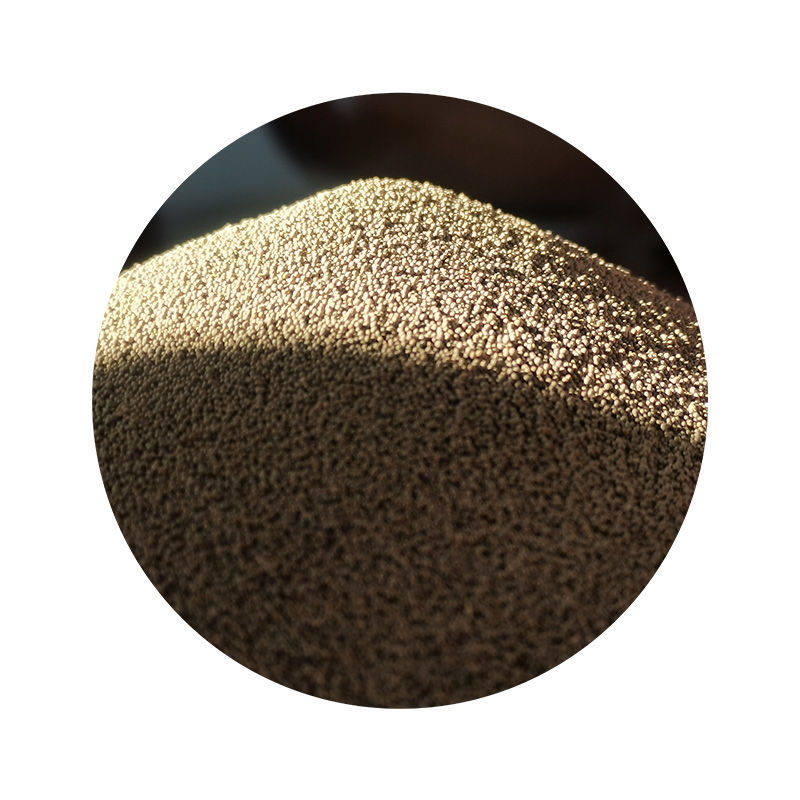
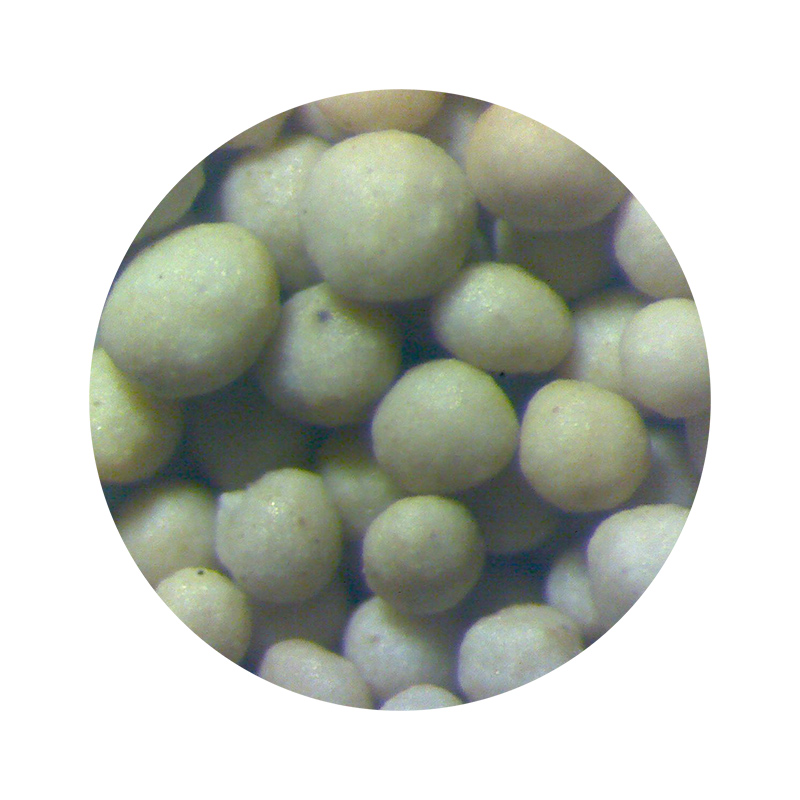
In recent years, synthetic sands, particularly ceramic foundry sands like ceramsite, have gained prominence. These engineered aggregates offer a superior combination of properties: exceptional refractoriness, low thermal expansion, high sphericity, and excellent permeability. Such characteristics make them ideal for demanding applications, including stainless steel sand casting foundry operations, where precise dimensions and superior surface finish are critical. The uniform grain size distribution and high strength of ceramsite also contribute to reduced binder consumption and improved mold stability, mitigating issues related to foundry sand contamination often seen with recycled natural sands.
Manufacturing Process of High Refractoriness Ceramsite Foundry Sand
The production of High Refractoriness Ceramsite Foundry Sand, such as that specifically designed for steel casting, involves a sophisticated multi-stage manufacturing process to ensure its unique properties. This engineered granular material begins with high-quality bauxite ore, a natural mineral rich in alumina. The bauxite is first crushed and finely ground to a precise particle size. This powder then undergoes a series of blending operations, often incorporating specific additives to enhance its refractory and binding characteristics. The controlled composition is crucial for achieving the desired properties in the final product and differentiating it from other types of foundry sand.
The subsequent stages involve granulation and calcination. The blended powder is processed through a granulator to form spherical particles of uniform size. These "green" granules are then fired in a rotary kiln at extremely high temperatures, typically exceeding 1500°C. This calcination process sinters the particles, densifying them and developing their high refractoriness, low thermal expansion, and impressive crush strength. After cooling, the ceramsite spheres are precisely screened into various AFS GFN (American Foundry Society Grain Fineness Number) grades to meet specific casting requirements. Each batch undergoes rigorous quality control, including tests for refractoriness, density, acid demand value (ADV), and permeability, adhering to international standards like ISO and ANSI, ensuring its suitability for critical applications like stainless steel casting.
Technical Specifications and Comparative Advantages
The superior performance of advanced foundry sands like ceramsite is best illustrated through a comparison of key technical parameters. Ceramsite's high refractoriness (typically >1790°C) significantly surpasses that of silica sand, making it ideal for casting high-melting-point alloys such as steel and high-manganese steel. Its exceptionally low thermal expansion minimizes mold distortion, preventing defects like rat tails and buckles that are common with silica. Furthermore, the spherical shape and smooth surface of ceramsite grains ensure superior permeability and mold flowability, leading to excellent surface finish and reduced cleaning costs for castings.
| Property | Silica Sand (Typical) | Zircon Sand (Typical) | Chromite Sand (Typical) | Ceramsite Foundry Sand (High Refractoriness) |
|---|---|---|---|---|
| Refractoriness (°C) | 1500-1600 | >2100 | >1900 | >1790 (Often >1800) |
| Thermal Expansion (linear, %) | High (0.015-0.02) | Low (0.003-0.005) | Moderate (0.008-0.012) | Very Low (0.001-0.002) |
| Density (g/cm³) | 2.65 | 4.7 | 4.5 | 2.0-2.2 |
| AFS GFN Range | 40-70 | 90-120 | 50-80 | 30-80 (Customizable) |
| Grain Shape | Angular/Sub-angular | Angular/Sub-angular | Angular/Sub-angular | Spherical |
| Binder Consumption | High | Moderate | Moderate | Low |
The table clearly illustrates the compelling advantages of ceramsite sand. Its lower density compared to zircon or chromite sand also means a lighter mold, easier handling, and potentially lower transportation costs. The spherical grain shape contributes to excellent flowability, reduced binder usage, and superior surface finish on castings, making it a best way to sand stainless steel for premium quality requirements. These attributes collectively lead to significant operational efficiencies and cost savings for foundries seeking to optimize their casting processes for various types of foundry sand.
Application Scenarios and Industry Trends
High-performance foundry sands like ceramsite are increasingly vital across various heavy industries. In petrochemical applications, where components often operate under extreme temperatures and corrosive environments, castings made with high-refractoriness ceramsite sand exhibit superior integrity and extended service life, contributing to enhanced safety and reduced maintenance. Similarly, in the metallurgy sector, especially for complex steel and stainless steel castings, the precise dimensions and clean surfaces achievable with ceramsite minimize post-casting machining, leading to significant cost reductions and improved throughput.
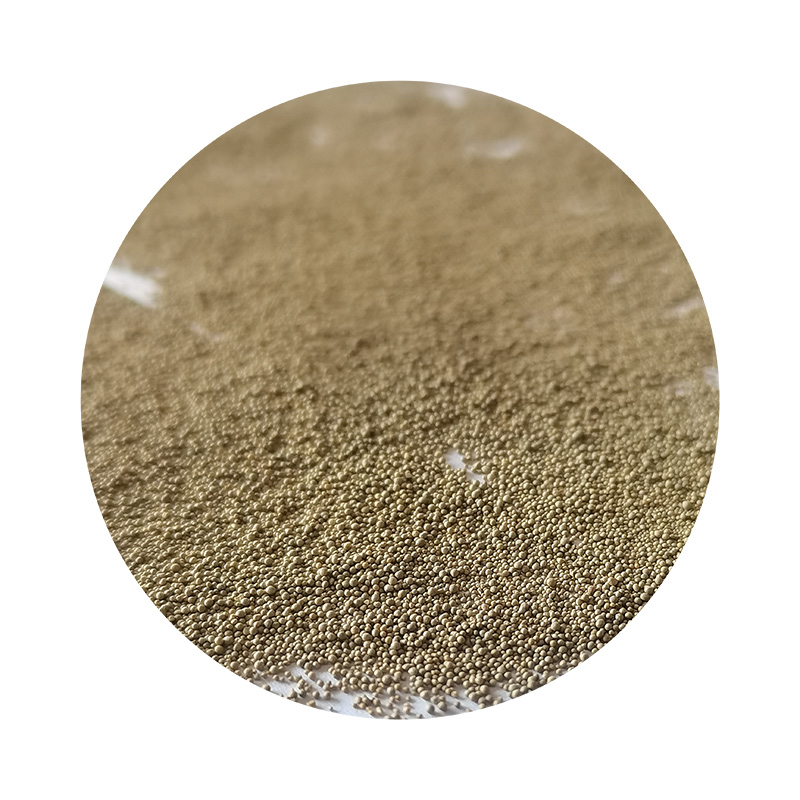
Current industry trends point towards a growing demand for more sustainable and high-performance casting materials. Concerns over silica dust, its impact on worker health, and the environmental implications of sand disposal are driving the adoption of alternatives. Ceramsite sand, with its durability and reusability, offers a more environmentally friendly solution, reducing waste and minimizing the need for new raw materials. Its contribution to energy saving through reduced fettling and cleaning operations, coupled with its ability to produce higher-quality castings, makes it a preferred choice for forward-thinking foundries. The focus on reducing foundry sand contamination is also a significant driver for higher-purity, engineered sands.
Customized Solutions and Application Cases
Recognizing that each foundry operation has unique requirements, leading suppliers offer customized solutions for their different types of foundry sand. This includes tailoring grain fineness, specific chemical compositions, and even surface treatments to optimize sand properties for particular alloys, binder systems, and casting geometries. For instance, a foundry specializing in intricate stainless steel valve bodies might require a finer grain size of ceramsite to achieve an exceptionally smooth surface finish, while a facility producing large industrial components could benefit from a coarser grade for enhanced permeability and shakeout properties.
A notable application case involves a major stainless steel sand casting foundry that transitioned from zircon sand to high-refractoriness ceramsite for their critical valve and pump component production. Prior to the switch, they faced issues with surface defects and inconsistent dimensions. After implementing a customized ceramsite solution, they reported a 15% reduction in casting defects, a 10% decrease in cleaning and finishing costs, and a significant improvement in overall yield. This success story underscores the tangible benefits of selecting the optimal foundry sand, addressing the specific challenges related to casting highly reactive alloys like stainless steel and improving the overall foundry sand composition for superior results.
Ensuring Trustworthiness and Authority ( Compliance)
Expertise and Authoritativeness
Our commitment to providing the highest quality foundry materials is backed by stringent adherence to international quality management systems, including ISO 9001 certification. Every batch of our High Refractoriness Ceramsite Foundry Sand undergoes comprehensive testing against ASTM and ANSI standards to verify its refractoriness, thermal expansion, grain fineness (AFS GFN), and permeability. Our technical team comprises experienced metallurgists and foundry experts who continuously research and develop advanced solutions, contributing to industry whitepapers and presenting at major foundry conferences. Our long-standing partnerships with leading foundries globally, spanning over 20 years in the industry, attest to our proven track record and deep understanding of sand for metal casting challenges.
Experience and Trustworthiness
We understand the critical nature of material supply in foundry operations. Our robust supply chain and efficient logistics ensure reliable and timely delivery, with typical lead times clearly communicated upon order confirmation. We stand behind the quality of our products with a comprehensive quality assurance policy and provide extensive post-sales support, including technical assistance for mold design, sand system optimization, and defect analysis. Our dedicated customer support team is available to address any inquiries, ensuring a seamless experience from initial consultation to successful casting. Client feedback consistently highlights our product's performance in reducing defects and improving efficiency in different types of foundry sand applications.
Frequently Asked Questions (FAQ)
-
Q: How does ceramsite sand impact casting surface finish?
A: The spherical shape and smooth surface of ceramsite grains lead to superior mold compaction and reduced metal penetration, resulting in exceptionally smooth casting surfaces, often minimizing or eliminating the need for extensive post-casting finishing. -
Q: Is ceramsite sand reusable in a foundry sand system?
A: Yes, ceramsite sand exhibits excellent thermal stability and crush strength, making it highly reusable. Its durability reduces breakdown, thus lowering sand consumption and disposal costs compared to less robust sands. -
Q: What specific benefits does ceramsite offer for stainless steel casting?
A: For stainless steel casting, ceramsite's high refractoriness prevents mold-metal reactions and burning-on defects. Its low thermal expansion ensures dimensional accuracy, and its neutral pH reduces reactions with alloy constituents, contributing to cleaner, defect-free castings.
Conclusion: Elevating Casting Performance
The landscape of foundry materials is continuously evolving, with advanced engineered sands like high-refractoriness ceramsite setting new benchmarks for quality and efficiency. By providing exceptional thermal stability, dimensional accuracy, and superior surface finish, ceramsite sand addresses many of the challenges associated with traditional sand for metal casting. Its adoption signifies a strategic move towards more sustainable and economically viable casting processes, particularly for demanding applications such as stainless steel sand casting foundry operations. Investing in the right foundry sand is not merely a cost; it is an investment in the long-term quality and competitiveness of your casting business. The transition to more sophisticated types of foundry sand ultimately results in higher-quality products, reduced waste, and enhanced operational efficiency, which are key drivers for success in today's global manufacturing environment.
References
- American Foundry Society. (2022). Foundry Sand Handbook: A Guide to Foundry Sand Selection and Application.
- International Journal of Cast Metals Research. (2021). "Advancements in High-Performance Ceramic Sands for Steel Casting."
- ASM International. (2020). ASM Handbook, Volume 15: Casting.
- Journal of Manufacturing Processes. (2023). "Environmental and Economic Benefits of Reusable Foundry Sands."
Next:Easy Sanding Glazed Ceramics: Repair, Refinish, Restore