
Understanding Glazed Ceramics and the Precision of Sanding
Glazed ceramics, renowned for their smooth, lustrous, and often decorative surfaces, are integral to countless industrial and consumer applications. However, achieving the perfect finish, especially for high-performance components, often necessitates a precise post-firing process known as sanding glazed ceramics. This intricate technique, far from simply abrading a surface, is crucial for dimensioning, deburring, and preparing glazed surfaces for further processes like bonding, coating, or even for aesthetic refinement where a matte finish is desired. It's a critical step in industries ranging from aerospace to medical devices, where strict tolerances and surface characteristics are paramount. The material properties of the glaze, including its hardness, thickness, and composition, dictate the specific approach and abrasive media required for optimal results without compromising structural integrity. This ensures that the final product meets exacting performance requirements and stands up to demanding operational environments.
The demand for advanced ceramic components with superior surface finishes is rapidly growing across various sectors. Industry trends indicate a consistent push towards greater precision and enhanced material performance, making processes like sanding glazed ceramics more relevant than ever. Innovations in abrasive technologies, particularly the development of specialized ceramic sand powders, are enabling manufacturers to achieve unprecedented levels of accuracy and surface quality. These trends highlight the shift from traditional, less controlled methods to highly engineered solutions that promise greater efficiency and reliability in production. Furthermore, the increasing complexity of ceramic geometries necessitates more versatile and adaptable sanding solutions that can handle intricate details and varying surface requirements with consistent precision.
The Advanced Process of Sanding Glazed Ceramics
The manufacturing process involving sanding glazed ceramics is a multi-stage operation demanding precision and control, crucial for achieving desired functional and aesthetic properties. It typically begins with the initial ceramic body formation, often through techniques like pressing, extrusion, slip casting, or ceramic sand casting, followed by glazing and high-temperature firing. After firing, the specific sanding process is meticulously determined by the desired outcome. For achieving high dimensional accuracy, deburring, or removing excess glaze, dry sanding with specialized abrasive media, such as high-purity ceramic sand powder, is precisely employed. This method ensures efficient material removal with minimal thermal impact, preserving the ceramic's structural integrity. Conversely, for a finer finish, particularly on intricate parts or when minimizing airborne dust is crucial, wet sanding ceramics often provides superior results, preventing clogging of abrasive media and effectively dissipating heat from the workpiece. The precise selection of abrasive grit size, consistent application pressure, and controlled duration are all critical parameters influencing the final surface roughness and overall integrity of the ceramic component.
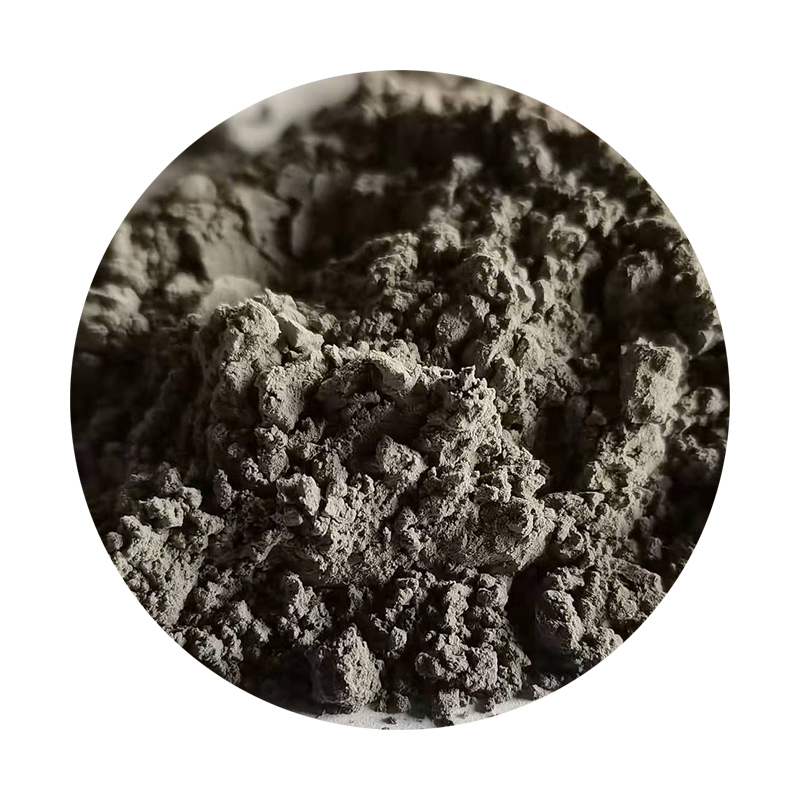
A typical process flow for surface refinement using high-performance ceramic sand powder involves several key stages to ensure optimal results. First, a thorough Pre-inspection of the glazed ceramic part is conducted to identify any major defects or inconsistencies that might affect the sanding process. Second, precise Abrasive Media Selection is crucial; this involves choosing the appropriate ceramic sand powder particle size (e.g., 80-120 mesh for aggressive material removal, or 320-600 mesh for fine finishing) based on the desired surface finish and material properties. Third, the Sanding Application can involve various methods, including automated blasting systems, orbital sanders, or specialized manual techniques, depending on the part geometry, production volume, and specific requirements. For instance, knowing how to sand ceramic effectively requires a deep understanding of the ceramic material's inherent brittleness and the glaze's hardness to prevent chipping or cracking. Fourth, thorough Post-sanding Cleaning is performed to meticulously remove all residual abrasive particles and dust from the surface. Finally, rigorous Quality Control measures, including precise measurements of surface roughness (Ra) according to standards like ISO 1302, dimensional accuracy checks, and comprehensive visual inspection against industry benchmarks (e.g., ANSI B46.1), are implemented. These stringent checks ensure that components meet all specified mechanical and aesthetic criteria for their intended application, emphasizing the critical importance of precise material removal and surface integrity.
The materials involved in the effective sanding glazed ceramics are primarily the ceramic substrate itself (e.g., high-purity alumina, zirconia, cordierite, or steatite) and its applied glaze, which can vary in composition from feldspathic to lead-free borosilicate glazes. These are coupled with high-performance abrasive media specifically engineered for precision finishing. Sinoceram's Ceramic Sand Powder is an excellent example of such a specialized abrasive, offering superior hardness, exceptional chemical inertness, and a highly consistent particle size distribution. Manufacturing processes typically include initial forming methods such as pressing, extrusion, or slip casting, followed by high-temperature firing in kilns to achieve the desired material properties and glaze vitrification, and then precision surface finishing. Strict adherence to international detection standards, such as ISO 9001 for quality management systems and specific material and surface finish standards, ensures the utmost consistency and reliability of both the ceramic parts and the sanding process. The service life of precisely sanded components is significantly enhanced due to improved surface integrity, which minimizes stress concentrations and increases resistance to corrosive environments and abrasive wear. This makes them exceptionally suitable for demanding applications in industries such as petrochemical processing, metallurgy, and water treatment (including give-drainage systems), where robust corrosion resistance and high wear resistance are absolutely crucial for long-term operational efficiency and safety.
Technical Parameters and Performance Data for Sanding Glazed Ceramics
Effective sanding glazed ceramics relies fundamentally on a comprehensive understanding of key technical parameters associated with both the specific ceramic material and the chosen abrasive medium. The intrinsic hardness of the glaze, typically quantified on the Mohs scale (often ranging from 5 to 8 for common ceramic glazes), directly dictates the necessary hardness of the abrasive material, which must be demonstrably harder to effectively remove material. The precise particle size distribution of the abrasive media, commonly expressed in mesh sizes (ranging from coarse 36 mesh for aggressive removal to ultra-fine 1200 mesh for polishing applications), directly influences the resultant surface finish. Lower mesh numbers denote coarser particles, ideal for rapid material removal and initial shaping, whereas higher mesh numbers signify finer particles, essential for achieving a smooth, polished finish. Furthermore, the chemical inertness of the abrasive is critically important to prevent any adverse reactions with the ceramic glaze, especially during wet sanding ceramics processes, which could otherwise lead to undesirable surface defects, discoloration, or even structural compromise of the ceramic component.
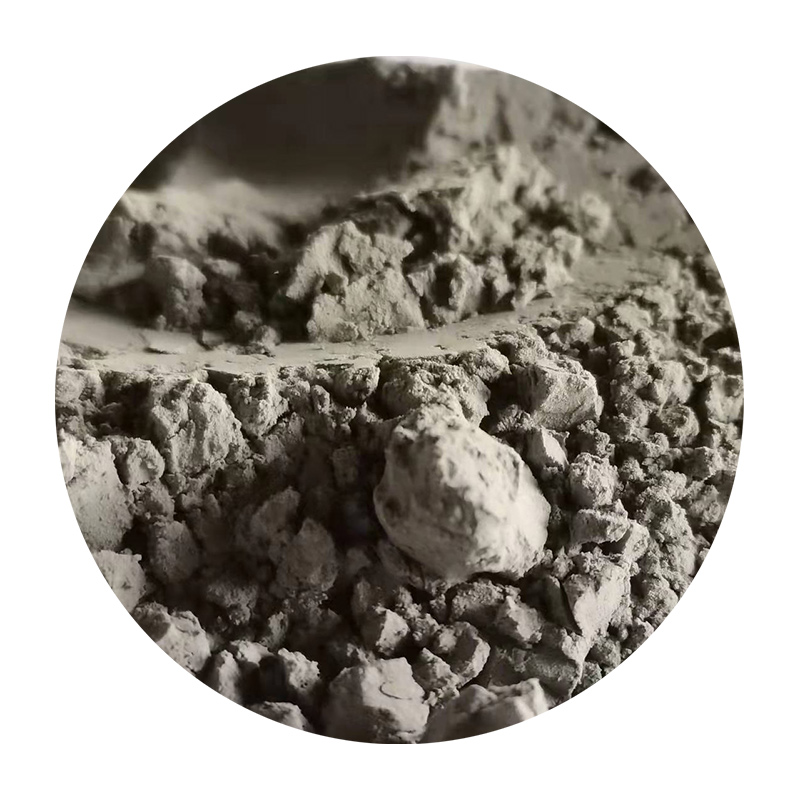
To further illustrate the critical parameters influencing the predictable outcome of sanding glazed ceramics, the following table presents typical specifications for high-performance ceramic sand powder. These parameters are essential for achieving consistent, repeatable, and superior results in industrial finishing processes. This detailed breakdown highlights precisely why specialized abrasive materials are overwhelmingly preferred over general-purpose sands in high-precision applications. The delicate balance between optimal hardness, consistent particle shape, and exceptional purity is paramount for achieving efficient material removal while concurrently minimizing any potential surface damage to the underlying ceramic body, ensuring the integrity and performance of the final product.
| Parameter | Typical Value for High-Purity Ceramic Sand Powder | Impact on Sanding Glazed Ceramics |
|---|---|---|
| Mohs Hardness | 7.0 - 8.0 | Ensures effective and efficient abrasion of typically softer ceramic glazes (Mohs 5-8) without rapid abrasive wear, maximizing lifespan. |
| Density (g/cm³) | 2.5 - 3.5 | Influences impact force and kinetic energy in abrasive blasting systems; higher density yields more aggressive and effective material removal. |
| Particle Shape | Angular to Sub-rounded | Angular particles facilitate faster cutting and deburring, while sub-rounded shapes offer a smoother, more refined finish. Optimal choice depends on the specific application requirements. |
| SiO₂ Content (%) | > 99.5 | High purity minimizes contaminants and reactive elements, ensuring consistent performance, preventing surface discoloration, and maintaining process integrity. |
| Uniformity Coefficient (UC) | ~1.5 - 2.0 | Indicates particle size consistency; a lower UC means more uniform sizing, which directly leads to predictable and uniform surface roughness results across the entire workpiece. |
| Thermal Stability | Up to 1500°C | Prevents abrasive degradation during high-friction sanding operations, ensuring consistent cutting performance and abrasive longevity, especially relevant for continuous industrial scale operations. |
The ultimate aim of precision sanding glazed ceramics is to consistently achieve specific surface roughness (Ra) values, typically ranging from sub-micron for ultra-smooth, mirror-like surfaces to several microns for a uniform matte finish, while simultaneously maintaining dimensional accuracy within exceptionally tight tolerances (e.g., ±0.05 mm or even finer). This critical level of control is absolutely essential for components that demand a precise fit, optimal adhesion for subsequent coatings or bonding processes, or reduced friction in critical moving parts. The judicious selection of the right ceramic sand powder, such as the advanced products offered by Sinoceram, directly contributes to achieving these stringent performance metrics efficiently, predictably, and reliably, significantly enhancing the final product's functionality, aesthetic appeal, and overall longevity in demanding applications.
Applications and Industry Trends in Glazed Ceramic Finishing
The precise finishing of glazed ceramics, often involving careful and highly controlled sanding glazed ceramics processes, finds extensive and critical application across a multitude of high-tech industries. In the demanding automotive sector, advanced ceramic components are increasingly utilized for wear-resistant parts in engines and brakes, as well as for catalyst substrates, where precise surface preparation significantly enhances efficiency, durability, and emissions control. The burgeoning electronics industry utilizes finely sanded glazed substrates for semiconductor packaging, insulators, and circuit boards, demanding ultra-smooth and defect-free surfaces for optimal electrical performance and reliability. Medical device manufacturing relies heavily on bio-compatible ceramic implants, surgical instruments, and prosthetic components that undergo meticulous sanding to achieve the necessary surface finish for biocompatibility, integration with biological tissues, and rigorous sanitation. These diverse and demanding applications unequivocally underscore the versatility, criticality, and fundamental importance of effective sanding techniques, including those that simply sands ceramics without causing any subsurface damage or micro-fractures.
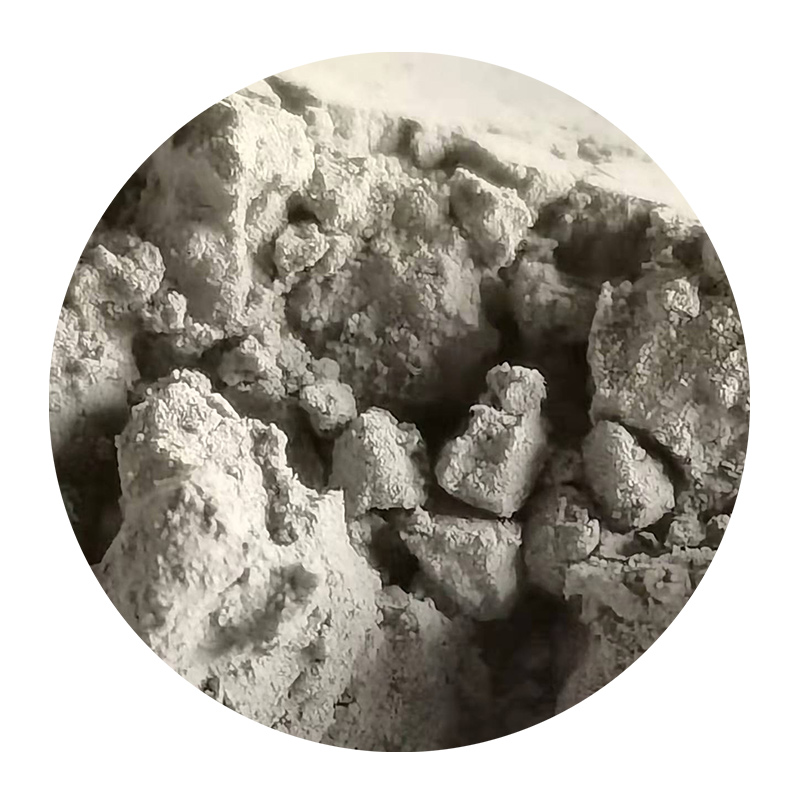
Emerging industry trends are significantly shaping the future of sanding glazed ceramics processes and methodologies. There is a rapidly growing emphasis on advanced automation and sophisticated robotic sanding systems to ensure unparalleled consistent quality, significantly reduce manual labor, and improve throughput, particularly crucial for high-volume production lines. Furthermore, the development and adoption of eco-friendly abrasive materials and innovative recycling processes for spent abrasive media are gaining substantial traction, reflecting a broader and increasing commitment to environmental sustainability and reduced industrial waste. The increasing adoption of advanced manufacturing techniques such as 3D printing for ceramic components also presents novel challenges and exciting opportunities for post-processing, requiring highly specialized sanding techniques tailored for intricate geometries and unique surface properties. These overarching trends highlight a definitive shift towards more sustainable, significantly more efficient, and exceptionally precise ceramic finishing solutions, unequivocally underscoring the escalating demand for high-quality, high-performance abrasive materials like Sinoceram's specialized Ceramic Sand Powder.
Specific applications benefiting profoundly from precise sanding glazed ceramics include the meticulously controlled production of high-performance sand ceramic fire brick for critical high-temperature furnace linings, where surface uniformity directly impacts thermal insulation efficiency, structural integrity, and operational lifespan. Another ubiquitous application is in refining the surfaces of ceramic dinnerware or custom artistic ceramic pieces; for instance, expertly sanding ceramic mug exteriors to meticulously remove subtle imperfections, achieve a uniform texture, or create a desired tactile feel. In the demanding petrochemical and metallurgy sectors, vital ceramic components such as pump impellers, valve seats, and nozzle inserts, which are frequently glazed for enhanced corrosion and wear resistance, require meticulous sanding to meet stringent sealing requirements, optimize operational efficiency, and extend service life in harsh chemical environments. These diverse applications compellingly demonstrate how superior surface finishing directly contributes to overall component performance, extended longevity, and enhanced system efficiency, often leading to substantial energy savings, reduced maintenance costs, and improved operational safety across various industrial processes.
Sinoceram's Ceramic Sand Powder: A Superior Solution for Glazed Ceramics
Sinoceram's Ceramic Sand Powder is meticulously engineered to deliver exceptional and consistent performance in the demanding process of sanding glazed ceramics, offering a critical and distinct advantage over conventional abrasive media. Our product boasts superior intrinsic purity, consistently achieving over 99.5% SiO₂, which ensures minimal contamination of the workpiece and consistently repeatable results. The precisely controlled particle size distribution, available across a comprehensive range of mesh sizes from coarse for aggressive material removal to ultra-fine for mirror-like polishing, allows for unparalleled precise material removal and exact surface finish tailoring. This inherent consistency in our product minimizes costly rework and significantly reduces scrap rates, leading directly to substantial cost efficiencies for high-volume manufacturers. Furthermore, the inherent high hardness and exceptional toughness of our ceramic sand powder contribute significantly to its extended lifespan, thereby reducing overall abrasive consumption and contributing to lower operational costs for our clients.
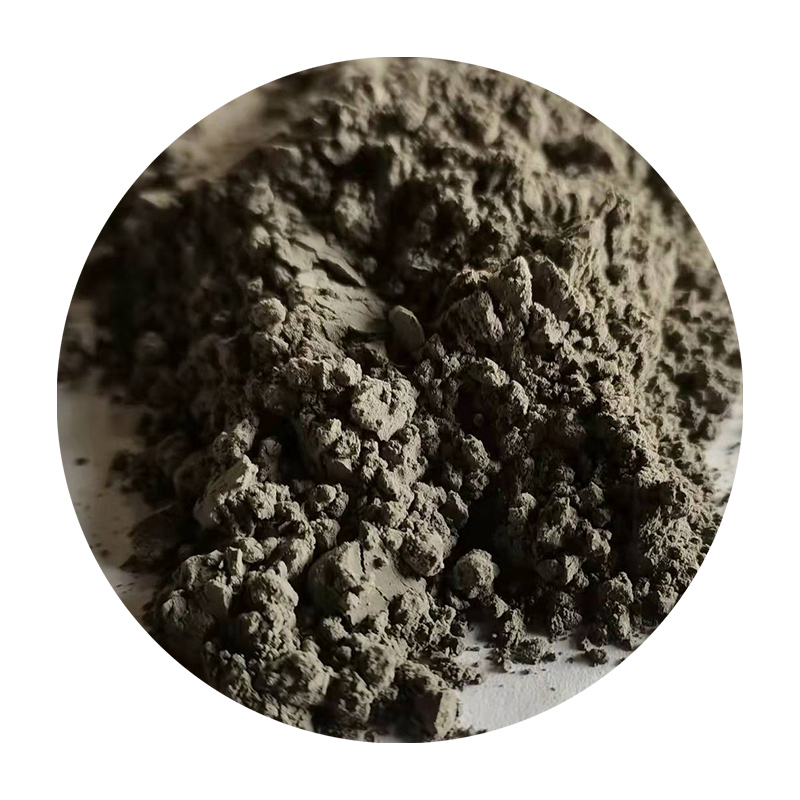
Beyond its intrinsic superior material properties, Sinoceram's Ceramic Sand Powder offers distinct and measurable advantages in practical application. Its notably low dust generation characteristics significantly improve workplace safety and drastically reduce the need for extensive and costly ventilation systems, which is particularly beneficial in enclosed sanding environments and automated production lines. The carefully optimized particle shapes, ranging from spherical to sub-angular, are specifically designed for highly efficient material removal while concurrently minimizing splintering or fracturing, thereby ensuring a cleaner cut and significantly fewer micro-cracks on the ceramic surface. This leads directly to a demonstrably higher quality final finish and substantially improved structural integrity of the ceramic component. Our product’s superior performance is rigorously attested by extensive internal testing and unwavering adherence to international quality standards like ISO 9001, providing manufacturers with absolute confidence in its reliability and consistency for even the most demanding applications involving sanding glazed ceramics processes.
In a comprehensive comparison to other commonly used abrasive media, Sinoceram’s Ceramic Sand Powder presents a compelling and superior value proposition for industrial applications. While some alternative abrasives might offer a deceptively lower initial ceramic sand price, they often fall critically short in terms of purity, particle consistency, and overall durability. For example, natural silica sand, although typically inexpensive, frequently contains detrimental impurities that can cause significant damage to the delicate ceramic surface or introduce unwanted contamination into the work environment. Garnet abrasives are generally harder but may exhibit less uniformity in particle shape, leading to inconsistent finishes. Aluminum oxide is indeed an effective abrasive but may not offer the same exceptional longevity or controlled particle breakdown characteristics as high-purity ceramic sand powder. Our specialized product specifically addresses the multifaceted challenges inherent in sanding glazed ceramics by combining optimal hardness with superior chemical inertness and unparalleled particle consistency. This ensures a demonstrably higher quality finish with fewer sanding passes and a significantly extended abrasive life, directly translating to overall lower operational costs and enhanced product quality and reliability for our clients.
Customization, Support, and Proven Success
Sinoceram profoundly understands that successful sanding glazed ceramics applications in highly specialized industrial contexts often necessitate meticulously tailored solutions. To this end, we offer comprehensive customization options for our Ceramic Sand Powder, including precise particle size distributions, specific chemical compositions meticulously adjusted for unique glaze chemistries, and specialized packaging solutions to meet diverse client requirements. Our dedicated team of highly experienced ceramic engineering experts collaborates closely with clients to thoroughly analyze their specific sanding requirements, evaluate intricate glaze properties, and define desired surface finishes. This deeply collaborative and client-centric approach ensures that our product integrates seamlessly into existing production lines and optimizes the entire sanding process for maximum efficiency, superior quality, and enhanced throughput. Whether the application is for high-volume automotive parts or intricate medical implants, our customized solutions are specifically designed to meet the most stringent industry demands, thereby fostering strong, enduring, and mutually beneficial long-term partnerships with our valued clients.
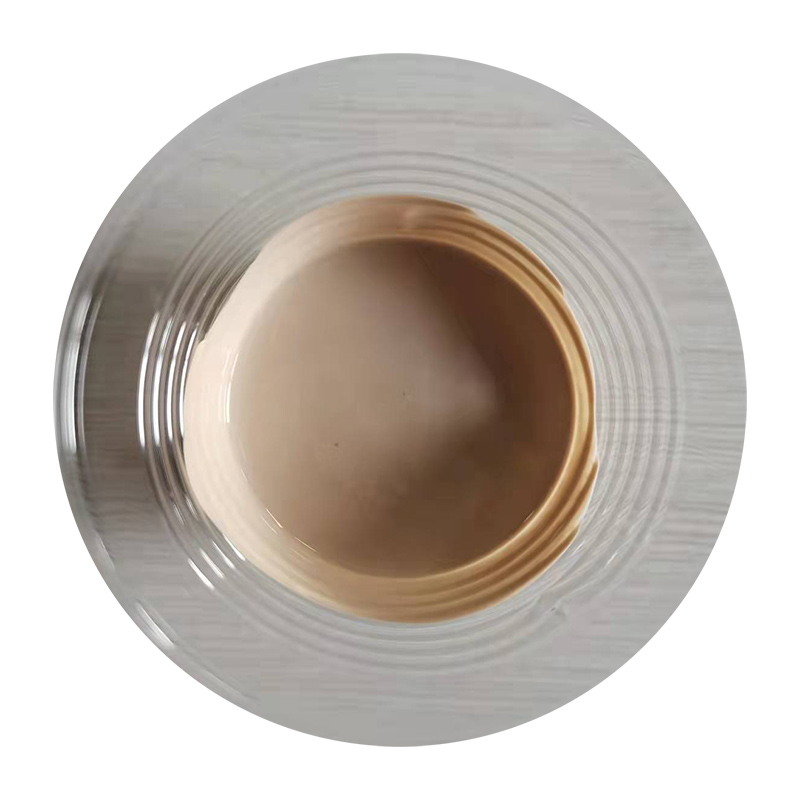
Our unwavering commitment to client success extends far beyond mere product delivery to include robust technical support and comprehensive after-sales service. With over 15 years of invaluable experience in advanced ceramic materials and abrasive technologies, Sinoceram provides expert consultation, proactive troubleshooting assistance, and strategic performance optimization guidance. Clients consistently benefit from our in-depth knowledge of various sanding techniques, including both precise dry blasting methods and efficient wet sanding ceramics processes, all designed to achieve optimal outcomes. We pride ourselves on offering rapid response times for all inquiries and support requests, ensuring minimal disruption to your critical operations. Our impressive portfolio of service cases includes assisting a prominent sanitary ware manufacturer in achieving a significant 20% reduction in their surface finishing time through optimized abrasive selection and refined process parameters, unequivocally demonstrating tangible and measurable improvements for businesses that simply sands ceramics with our high-performance solutions.
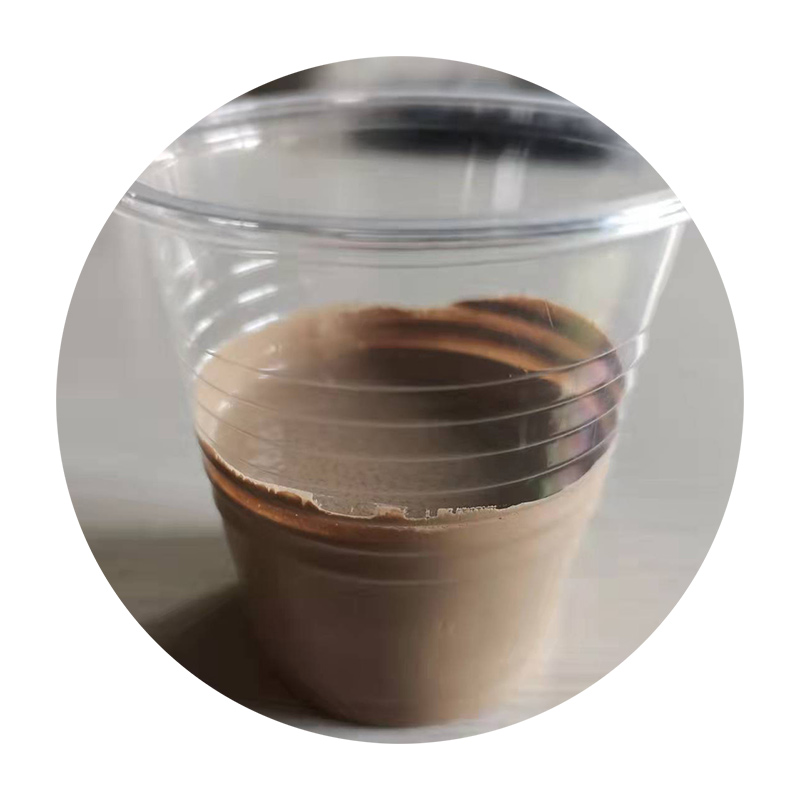
A notable case study that exemplifies our impact involves a leading global manufacturer of industrial pump components. They faced persistent challenges with inconsistent surface finishes and high abrasive consumption rates when performing sanding glazed ceramics for critical pump impellers, which often led to premature wear, frequent component replacements, and significant operational costs. After engaging in a comprehensive consultation with Sinoceram's technical team, they adopted our specifically customized ceramic sand powder, featuring a meticulously tailored particle size distribution, and implemented a refined wet sanding protocol. This strategic partnership and product integration resulted in a remarkable 30% reduction in abrasive consumption, a substantial 15% improvement in surface uniformity across their components, and a significant extension of the pump impeller's service life, ultimately leading to substantial cost savings, enhanced product reliability, and improved client satisfaction. This success story powerfully exemplifies Sinoceram's proven ability to provide targeted solutions that drive real-world, measurable improvements and competitive advantages for our industrial clients.
Trust and Transparency: FAQ, Delivery, and Warranty
Frequently Asked Questions (FAQ)
- Q: What makes Sinoceram's Ceramic Sand Powder ideal for sanding glazed ceramics?
A: Our powder offers unparalleled purity, superior Mohs hardness, and a tightly controlled, uniform particle size distribution. This combination ensures precise material removal, consistently achieves superior surface finishes, and significantly extends the abrasive's lifespan, thereby minimizing defects, maximizing operational efficiency, and reducing overall costs for our industrial partners. - Q: Can your ceramic sand be effectively used for wet sanding ceramics processes?
A: Absolutely. Our Ceramic Sand Powder is specifically engineered to be highly compatible and exceptionally stable in wet sanding processes. Its remarkably low solubility and superior chemical inertness ensure stable performance in various liquid media, preventing any contamination or premature degradation of either the abrasive material or the critical ceramic surface, maintaining optimal process integrity. - Q: What is the typical lead time for an order of Ceramic Sand Powder?
A: Standard orders are typically processed and efficiently shipped within 7-14 business days from the date of order confirmation. For highly customized solutions or exceptionally large-volume industrial orders, a detailed and precise delivery schedule will be collaboratively provided upon order confirmation, usually ranging from 3-4 weeks. We consistently prioritize efficient logistics and supply chain management to ensure timely and reliable delivery to all our clients. - Q: What kind of quality assurance and warranty do you offer with your products?
A: Sinoceram adheres to stringent ISO 9001 quality management standards throughout all our production processes. Each and every batch of Ceramic Sand Powder undergoes rigorous, multi-point testing to meticulously meet and exceed all specified technical parameters and quality benchmarks. We offer a comprehensive warranty against any material defects and guarantee product performance in complete alignment with our published technical specifications. Our unwavering commitment to uncompromising quality ensures long-term reliability, exceptional performance, and ultimately, absolute customer satisfaction.
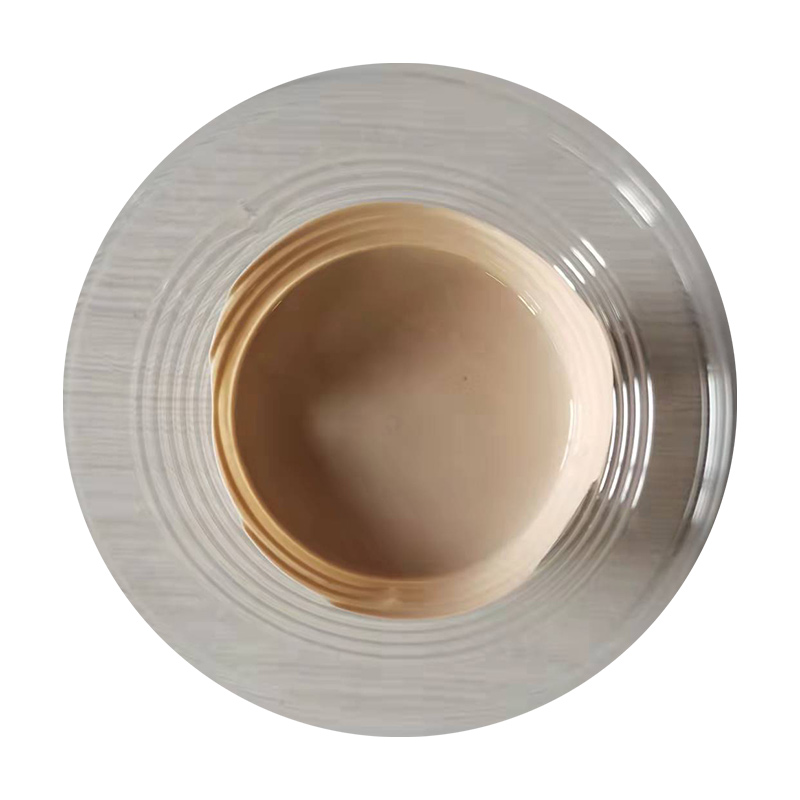
Sinoceram is deeply committed to fostering profound trust through unwavering transparency and providing exceptionally reliable customer support at every stage. Our delivery schedules are communicated with utmost clarity and precision, and we collaborate diligently with trusted global logistics partners to ensure the prompt, secure, and efficient shipment of your Ceramic Sand Powder, regardless of whether you're purchasing a small, specialized batch or require a substantial quantity for continuous, large-scale industrial operations. Each product shipment is accompanied by a detailed Certificate of Analysis (COA), which comprehensively confirms its strict adherence to our rigorous internal and external quality control parameters. Our comprehensive product warranty, coupled with a highly responsive and knowledgeable customer support team, ensures that any questions, concerns, or technical challenges are addressed swiftly and effectively, thereby providing complete peace of mind and consistently supporting your vital production continuity and success.
Conclusion and Authoritative References
The effective, precise, and controlled sanding glazed ceramics is no longer merely a final finishing step but has evolved into a fundamentally critical determinant of overall product performance, aesthetic appeal, and long-term longevity across a diverse range of advanced industrial applications. Sinoceram's Ceramic Sand Powder, with its superior intrinsic purity, meticulously controlled particle size distribution, and robust, consistent performance characteristics, offers an unparalleled and comprehensive solution for manufacturers who are relentlessly striving for excellence and precision in ceramic surface refinement. By strategically choosing Sinoceram as your trusted abrasive material partner, you gain direct access to a premium, high-performance abrasive material that is rigorously backed by extensive industry experience, cutting-edge technical support, and an unwavering commitment to providing highly customized solutions that precisely address your unique operational challenges and production demands. Invest in the unparalleled precision and inherent reliability that consistently drives higher quality outputs, greater operational efficiency, and ultimately, sustained competitive advantage in your advanced ceramic manufacturing processes.
Authoritative References
- American National Standards Institute (ANSI) - Standards for Surface Texture and Finish.
- International Organization for Standardization (ISO) 1302:2002 - Geometrical product specifications (GPS) - Indication of surface texture in technical product documentation.
- Mohs Hardness Scale: Principles and Practical Application in Abrasive Material Selection.
- Principles of Abrasive Processes: Theory and Practice in Advanced Ceramic Manufacturing.
- ASM Handbook, Volume 17: Nondestructive Evaluation and Quality Control.
Next:SuperSand G2: Durable Bond & Easy Set for Paver Joints