
Foundry sands have long been the backbone of metal casting, but traditional silica-based materials often struggle with challenges like thermal stability and environmental impact. Enter ceramic sand—a game-changer for industries requiring precision and sustainability. Unlike conventional foundry molding sand, ceramic sand boasts a spherical grain structure that minimizes gaps during mold formation, ensuring smoother surfaces and reduced defects in final castings. Its low thermal expansion coefficient prevents cracking under high temperatures, a common issue with silica sands. Furthermore, ceramic sand’s inert nature eliminates harmful silica dust, aligning with global workplace safety regulations. For green sand applications, where moisture and clay binders are critical, ceramic sand enhances mold strength while maintaining excellent permeability. This innovation not only elevates casting quality but also reduces waste, making it a cost-effective upgrade for foundries aiming to modernize their operations.
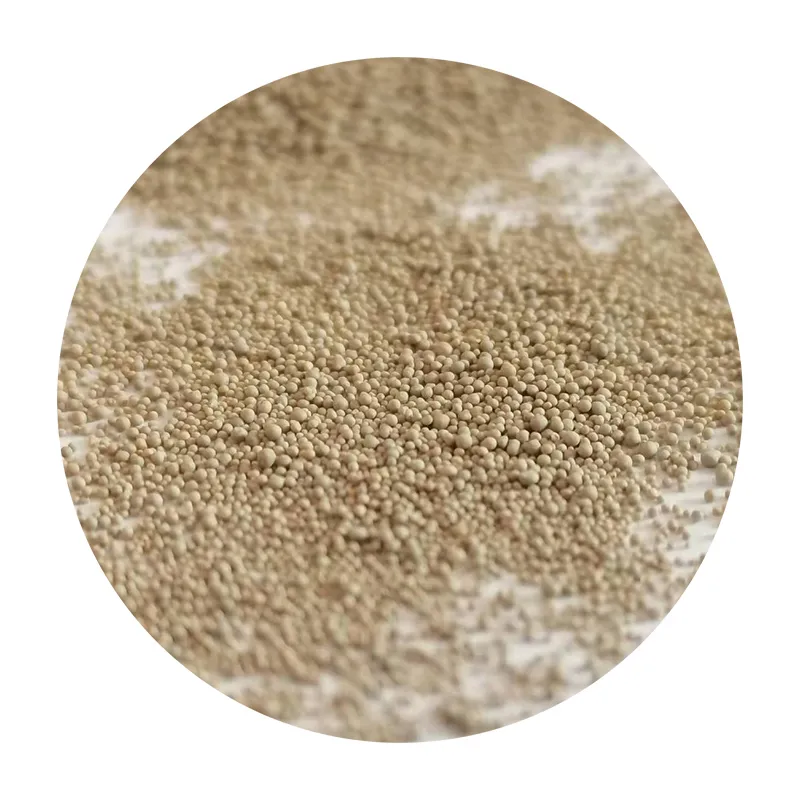
Why Parting Sand in Foundry Systems Needs Ceramic Advancements
Parting sand in foundry processes plays a pivotal role in preventing mold adhesion, yet traditional options often fail under complex geometries or high-pressure conditions. Ceramic-based parting sand addresses these limitations with superior non-stick properties and thermal resistance. When applied between mold layers, it ensures clean separation without compromising the integrity of intricate patterns. This is particularly vital for automotive and aerospace components, where dimensional accuracy is non-negotiable. Additionally, ceramic sand’s reusability reduces consumption rates by up to 40% compared to conventional alternatives, lowering operational costs. Foundries adopting this material report fewer production delays caused by stuck molds and improved surface finishes on cast parts. By integrating ceramic parting sand in foundry workflows, manufacturers achieve higher efficiency and consistency, even in high-volume production environments.
Foundry Sand in Concrete: A Sustainable Revolution
The reuse of foundry sand in concrete has emerged as a groundbreaking solution for circular economies. Spent foundry casting sand, once considered waste, now enhances concrete mixes by improving workability and reducing cement content. Ceramic sand, with its uniform particle size and low clay content, is especially suited for this purpose. When blended into concrete, it minimizes shrinkage cracks and boosts compressive strength, making it ideal for infrastructure projects like bridges and pavements. Environmental benefits are equally compelling: diverting foundry sand from landfills reduces mining for natural aggregates and cuts carbon emissions associated with cement production. Governments and construction firms increasingly mandate the use of recycled materials, positioning ceramic-enriched foundry sand in concrete as a compliance-friendly choice. This synergy between foundries and construction sectors not only mitigates waste but also creates new revenue streams for sand suppliers.
Optimizing Green Sand Applications with Ceramic Foundry Casting Sand
Green sand applications demand a delicate balance between mold strength, collapsibility, and environmental friendliness. Traditional foundry casting sand often sacrifices one attribute for another, but ceramic sand harmonizes these needs. Its high refractoriness (up to 1,800°C) ensures molds retain shape during molten metal pouring, while its innate collapsibility allows easy shakeout post-cooling—critical for reducing labor and energy in demolding. The spherical grains of ceramic sand also enhance airflow within molds, preventing gas defects in castings. Automotive manufacturers, for instance, leverage these properties to produce engine blocks with tighter tolerances and fewer porosity issues. Moreover, ceramic sand’s compatibility with organic binders supports greener foundry practices by minimizing volatile organic compound (VOC) emissions. As industries push for lighter, stronger metal components, ceramic foundry casting sand is becoming indispensable for achieving both performance and sustainability goals.
FAQs: Ceramic Sand for Foundry and Construction Applications
How does ceramic sand improve workplace safety in foundries?
Ceramic sand generates negligible silica dust compared to traditional foundry sands, reducing respiratory risks for workers. Its thermal stability also minimizes mold explosions, creating a safer production environment.
Can ceramic parting sand be reused multiple times?
Yes. Ceramic parting sand in foundry systems retains its non-stick properties even after repeated use, cutting material costs by up to 50% over time.
Is foundry sand in concrete durable for heavy-duty construction?
Absolutely. Concrete blended with foundry sand exhibits enhanced tensile strength and resistance to chemical corrosion, making it suitable for highways and industrial flooring.
What makes ceramic sand better for complex castings?
Its spherical grains and low thermal expansion allow precise mold replication, reducing defects in intricate parts like turbine blades or hydraulic valves.
How does ceramic sand support eco-friendly foundries?
By enabling sand reuse and reducing landfill waste, ceramic foundry casting sand helps foundries meet sustainability certifications and comply with environmental regulations.
Upgrade Your Foundry Operations Today
Unlock the full potential of your casting processes with premium ceramic foundry sands. Designed for durability, efficiency, and environmental compliance, our products are trusted by leading manufacturers worldwide. Visit our website to explore our range and place your order. Transform your production line—choose innovation, choose reliability.
Next:Aluminum Alloy Casting Revolutionized by 3D Printed Ceramic Sand Cores