
- Afrikaans
- Albanian
- Amharic
- Arabic
- Armenian
- Azerbaijani
- Basque
- Belarusian
- Bengali
- Bosnian
- Bulgarian
- Catalan
- Cebuano
- China
- China (Taiwan)
- Corsican
- Croatian
- Czech
- Danish
- Dutch
- English
- Esperanto
- Estonian
- Finnish
- French
- Frisian
- Galician
- Georgian
- German
- Greek
- Gujarati
- Haitian Creole
- hausa
- hawaiian
- Hebrew
- Hindi
- Miao
- Hungarian
- Icelandic
- igbo
- Indonesian
- irish
- Italian
- Japanese
- Javanese
- Kannada
- kazakh
- Khmer
- Rwandese
- Korean
- Kurdish
- Kyrgyz
- Lao
- Latin
- Latvian
- Lithuanian
- Luxembourgish
- Macedonian
- Malgashi
- Malay
- Malayalam
- Maltese
- Maori
- Marathi
- Mongolian
- Myanmar
- Nepali
- Norwegian
- Norwegian
- Occitan
- Pashto
- Persian
- Polish
- Portuguese
- Punjabi
- Romanian
- Russian
- Samoan
- Scottish Gaelic
- Serbian
- Sesotho
- Shona
- Sindhi
- Sinhala
- Slovak
- Slovenian
- Somali
- Spanish
- Sundanese
- Swahili
- Swedish
- Tagalog
- Tajik
- Tamil
- Tatar
- Telugu
- Thai
- Turkish
- Turkmen
- Ukrainian
- Urdu
- Uighur
- Uzbek
- Vietnamese
- Welsh
- Bantu
- Yiddish
- Yoruba
- Zulu
Habarlar
-
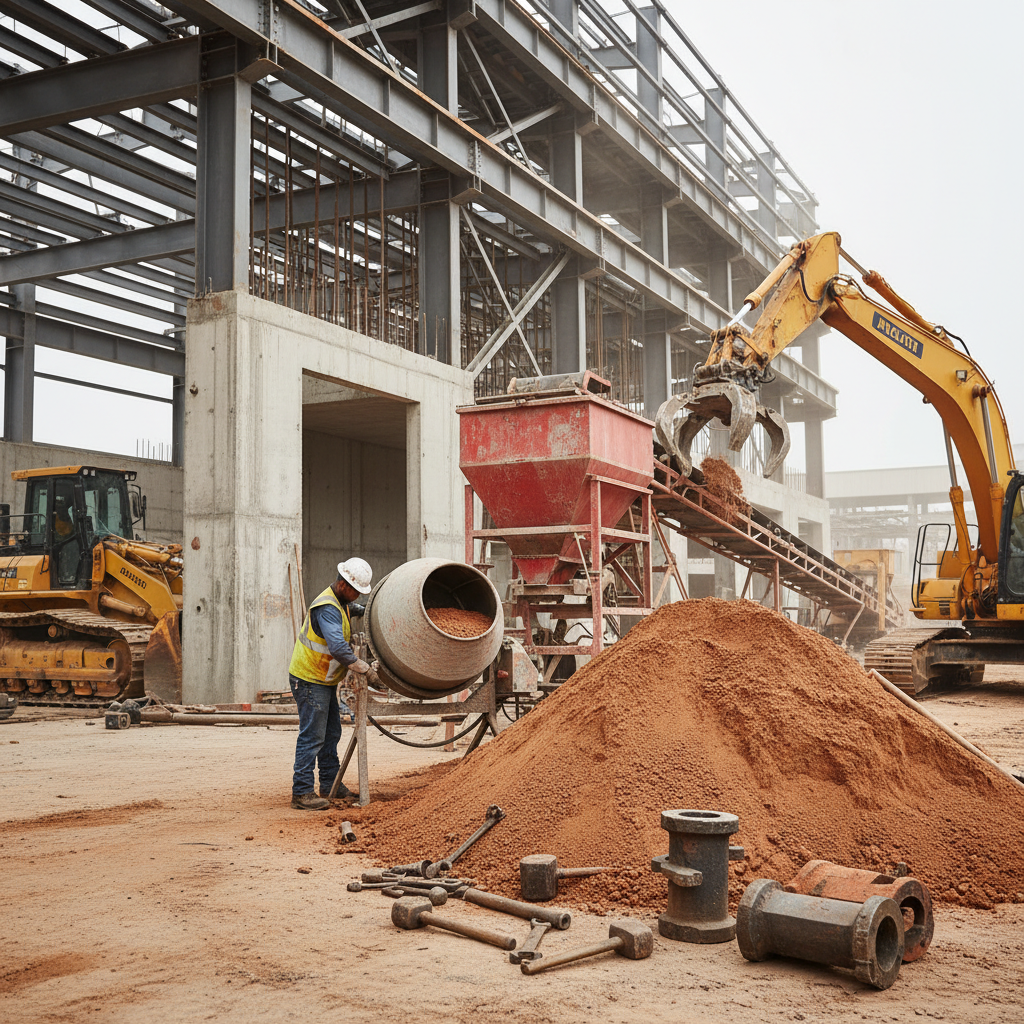
Understanding the Role of foundry sand used in construction
In the modern building landscape, the search for durable and cost-effective materials has led many engineers to explore specialized aggregates. One such innovative application is the utilization of foundry sand used in construction. Traditionally reserved for metal casting, this high-silica material offers unique physical properties that can enhance the strength and stability of various building elements. By repurposing industrial sand, the construction industry not only improves material performance but also moves toward a more sustainable, circular economy. In this guide, we will explore how this material is integrated into modern infrastructure and the specific advantages it brings to the job site.Read More -
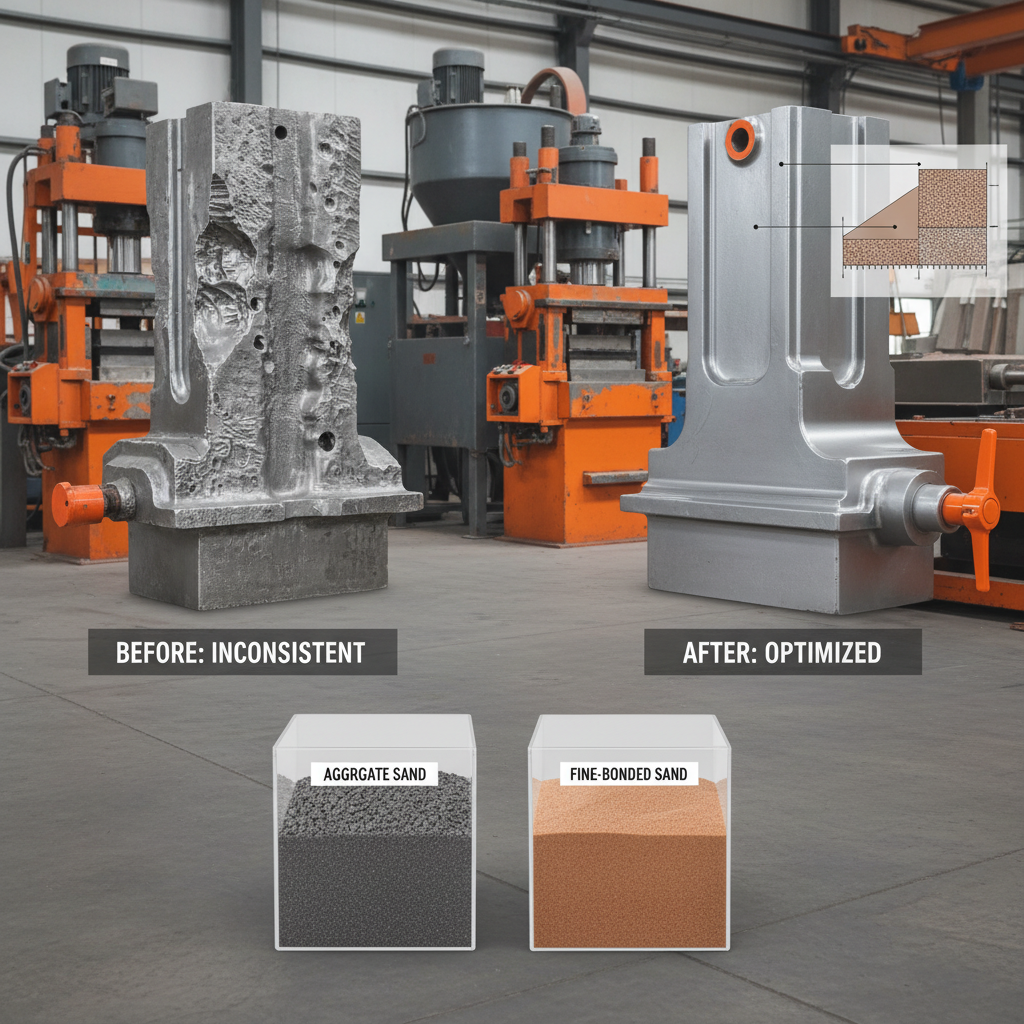
Understanding Essential Foundry Sand Specifications for Casting
In the world of metal casting, the quality of the final product is inextricably linked to the quality of the mold. Achieving a flawless surface finish and dimensional accuracy requires a deep understanding of foundry sand specifications, which dictate how the sand interacts with molten metal and binders. Whether you are working with silica, chromite, or zircon sand, adhering to strict technical standards is the only way to minimize defects like blowholes, scabs, and sand inclusions. This guide will explore the critical parameters that define high-performance foundry sand and how to select the right material for your specific casting application.Read More -
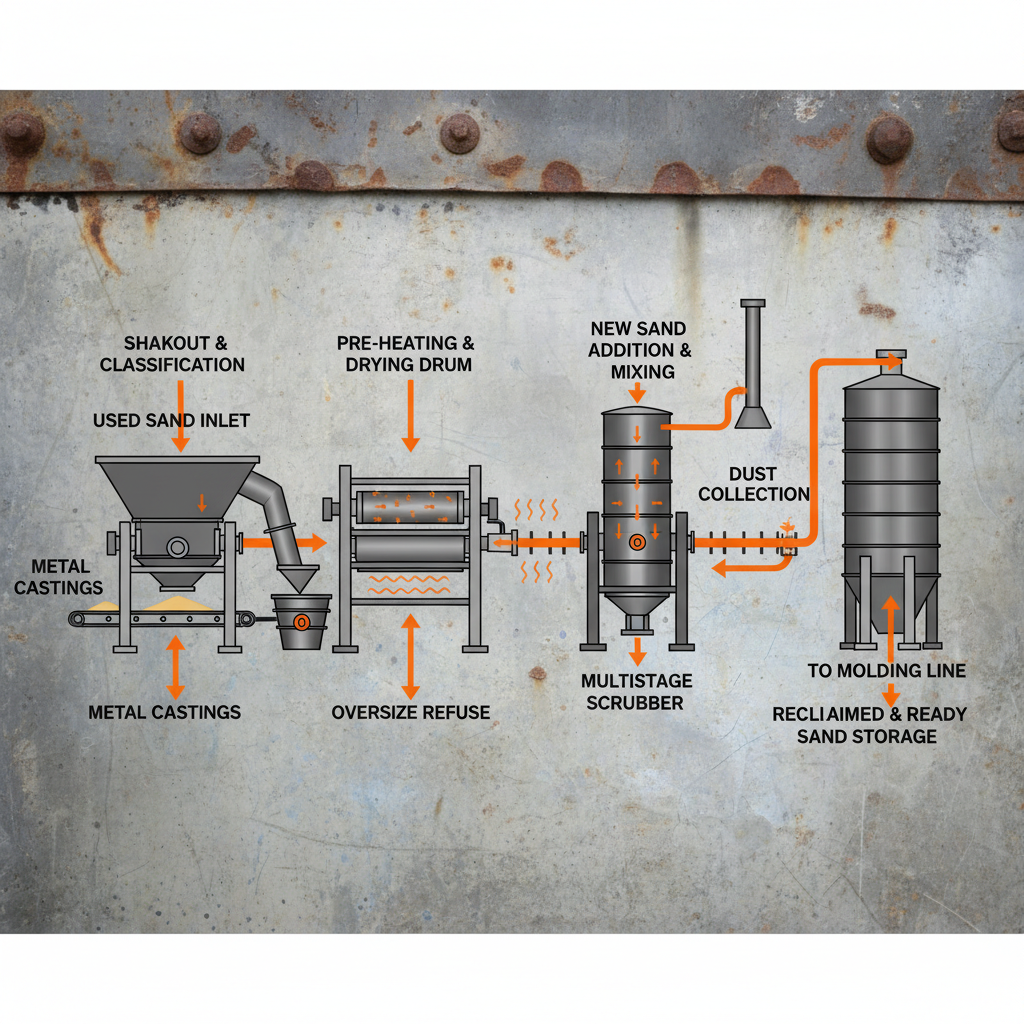
Comprehensive Foundry Sand Service Solutions for Optimal Casting Performance
For foundries demanding consistent quality and reliable supply, a dedicated foundry sand service is paramount. Sinoceramsite provides comprehensive sand solutions tailored to diverse casting needs. This article explores the importance of a reliable foundry sand supply, the types of sand available, key considerations when choosing a service provider, and how Sinoceramsite delivers exceptional value. Ensuring the right sand is crucial for achieving precise castings, minimizing defects, and optimizing overall production efficiency.Read More -
Foundry Sand Reuse Advancements for Sustainable Industrial Practices
Foundry sand, a byproduct of metal casting, presents both a waste management challenge and a potential resource. Traditionally disposed of in landfills, growing environmental concerns and cost pressures are driving increased interest in foundry sand reuse. This article explores the benefits, applications, challenges, and best practices for successfully integrating reclaimed foundry sand into various industries, focusing on sustainable solutions. Understanding the properties of foundry sand and available processing technologies is crucial for maximizing its reuse potential and minimizing environmental impact.Read More -
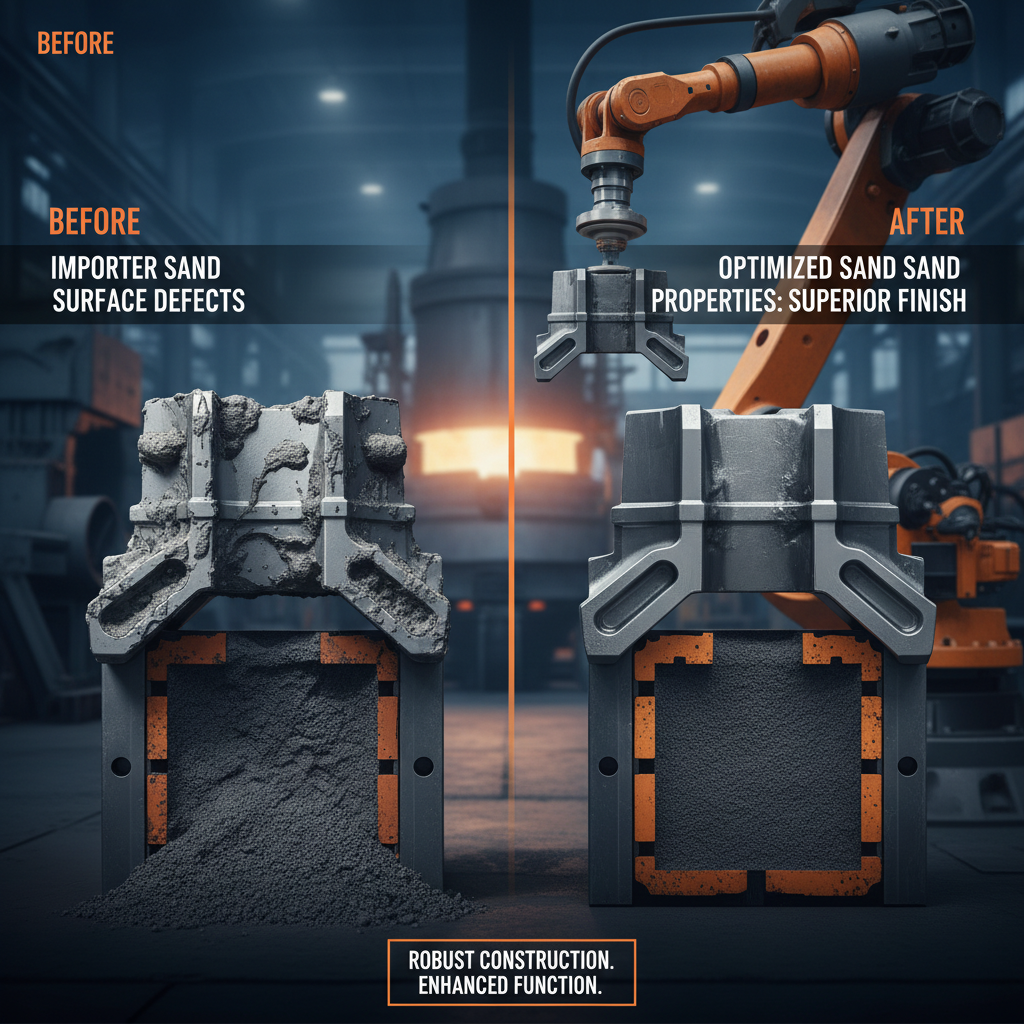
Exploring Foundry Sand Properties for Enhanced Metal Casting Performance
Foundry sand is a crucial component in the metal casting process, and its properties significantly impact the quality of the final product. Selecting the right sand is essential for achieving desired casting characteristics, minimizing defects, and optimizing production efficiency. This article will delve into the key foundry sand properties, outlining their importance and how they are measured. We will cover everything from grain shape and size to chemical composition and permeability, providing a comprehensive overview for foundry professionals and those involved in metal casting operations.Read More -
Foundry Sand PDF A Comprehensive Guide for Optimal Casting Processes
Foundry sand is a critical component in metal casting, influencing the quality and efficiency of the process. Understanding its properties, types, and how to access detailed specifications is crucial for businesses involved in metal fabrication. This article will delve into the world of foundry sand, explaining what a foundry sand PDF typically contains, its importance, and how to source the right sand for your specific needs. We’ll explore the different grades available, discuss key quality parameters, and guide you to resources for obtaining detailed technical data sheets.Read More -
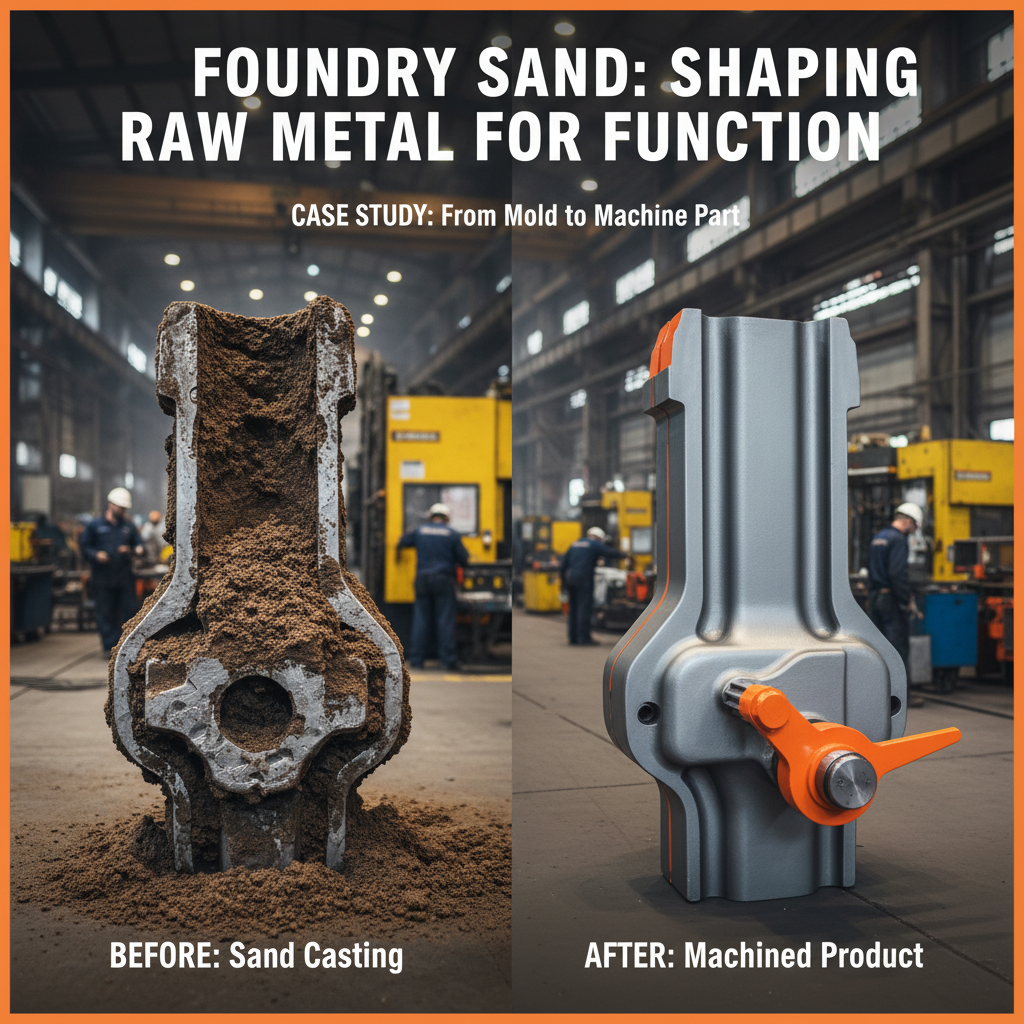
Understanding Foundry Sand Meaning and Its Impact on Metal Casting Processes
Understanding foundry sand meaning is crucial for anyone involved in metal casting. This isn’t just about sand; it's about a carefully selected and prepared material that significantly impacts the quality and efficiency of the casting process. We'll explore the composition, types, uses, and key properties of foundry sand, helping you understand why choosing the right sand is paramount. Whether you're a seasoned metallurgist or new to the industry, this guide will provide a clear and insightful look into this vital component of modern manufacturing. Foundry sand is a granular material primarily used in metal casting to form molds and cores. These molds and cores create the cavity into which molten metal is poured. Unlike playground sand, foundry sand isn't just any type of silica. It possesses specific characteristics in grain shape, size, and chemical composition that make it suitable for withstanding the high temperatures and pressures involved in the casting process. It's also reusable, with systems in place to reclaim and recycle the sand after use. The selection of the correct sand directly influences the surface finish, dimensional accuracy, and overall integrity of the final cast product.Read More -
Foundry Sand Definition A Comprehensive Guide to Types and Properties
Understanding foundry sand is crucial for anyone involved in metal casting. It's the primary component in molding processes, influencing the quality, accuracy, and efficiency of the final product. This article delves into the foundry sand definition, its types, properties, applications, and key considerations for selection. Whether you are a seasoned metallurgist, a student, or simply curious, this guide will provide you with a clear understanding of this essential material. Simply put, foundry sand is a granular material used in metal casting to create molds and cores. These molds provide the shape for molten metal to solidify into the desired form. It's not just any sand; it needs specific characteristics to withstand high temperatures, allow gas permeability, and maintain shape during the pouring process. Historically, naturally occurring sand was predominantly used. However, modern applications increasingly utilize manufactured sands for greater consistency and performance. Choosing the right foundry sand directly impacts the quality and cost-effectiveness of metal casting.Read More -
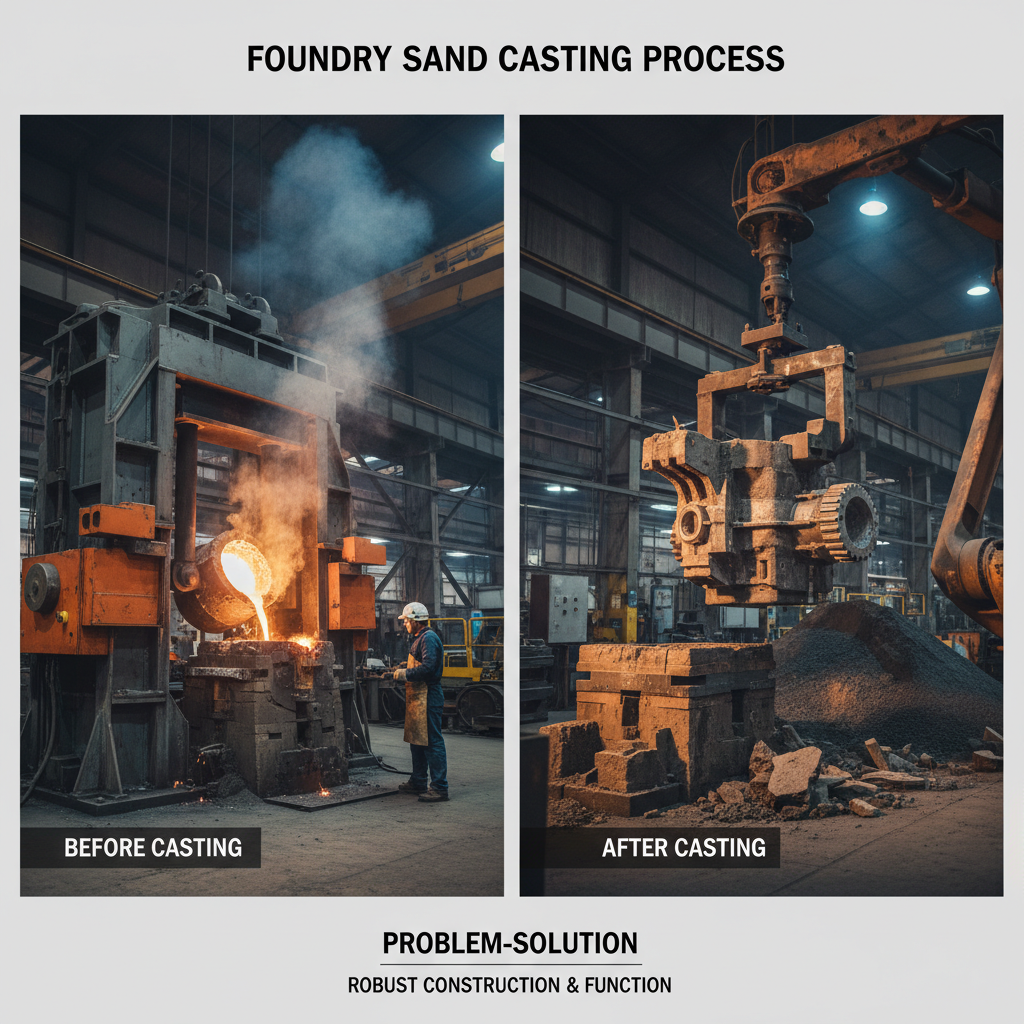
Understanding the Foundry Sand Casting Process A Comprehensive Overview
The foundry sand casting process is a widely used manufacturing technique for creating metal parts. It’s valued for its versatility, cost-effectiveness, and ability to produce complex geometries. This article provides a detailed overview of the process, exploring each stage, the types of materials used, common applications, and the advantages and disadvantages. Understanding this process is crucial for anyone involved in manufacturing, engineering, or sourcing metal components. Sinoceramsite offers high-quality materials for optimizing your casting process. The foundry sand casting process involves several key stages. First, a pattern – a replica of the desired final product – is created. This pattern is then used to create a mold cavity within compacted sand. Molten metal is poured into this cavity, allowed to solidify, and then the casting is extracted. Each step requires precision and control to ensure a high-quality finished product. Let's explore each stage in detailRead More -
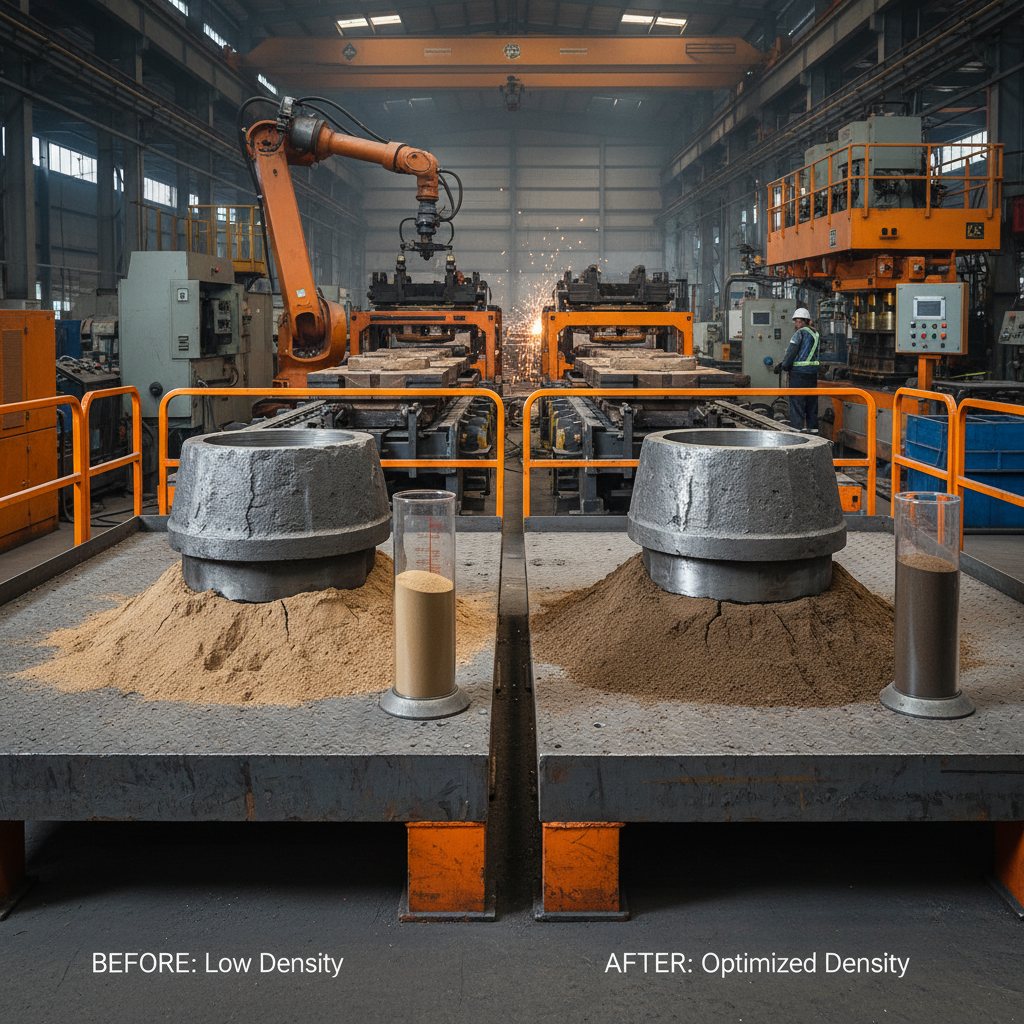
Understanding the Significance of Density of Foundry Sand for Casting Quality
Foundry sand is a crucial component in the metal casting process, and its density plays a significant role in the quality of the final casting. The density of foundry sand affects mold permeability, compaction, and the overall structural integrity of the mold. At Sinoceramsite, we specialize in providing high-quality foundry sand solutions tailored to meet diverse casting needs. This article will explore the nuances of foundry sand density, its importance, factors influencing it, and how to select the right sand for your application. Understanding these factors is vital for achieving optimal casting results. Foundry sand density refers to the mass of sand per unit volume, typically measured in grams per cubic centimeter (g/cm³) or pounds per cubic foot (lbs/ft³). It's a key physical property influencing mold making. Higher density sands generally offer better mold stability and resistance to erosion during the pouring of molten metal.Read More -
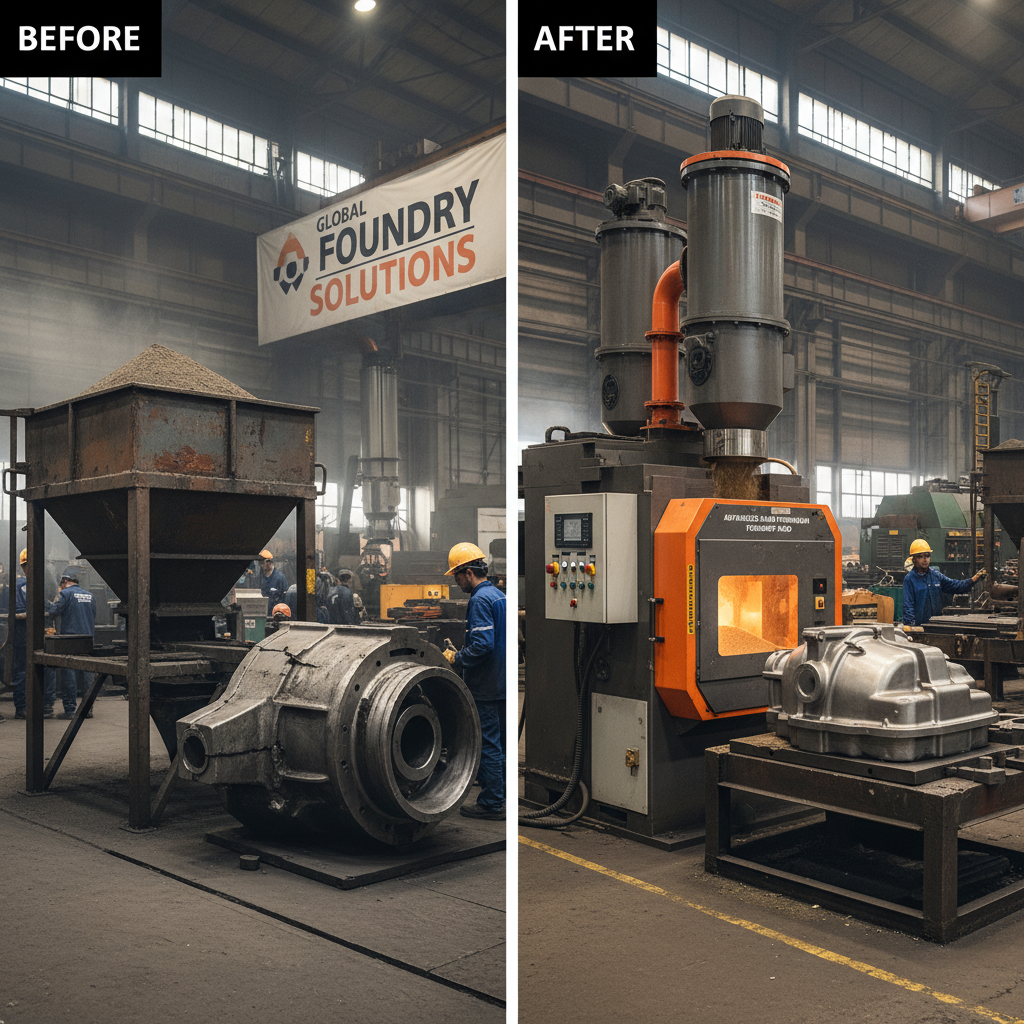
Choosing Reliable Foundry Sand Suppliers for Optimal Casting Results
Selecting reliable foundry sand suppliers is critical for the success of any metal casting operation. The quality of the sand directly impacts the surface finish, dimensional accuracy, and overall structural integrity of the final castings. This article provides a detailed overview of factors to consider when sourcing foundry sand, including different sand types, key specifications, and how to evaluate potential suppliers. We will also highlight the benefits of choosing a trusted supplier like Sinoceramsite. Foundry sand isn't a one-size-fits-all material. Different casting processes and metal types require specific sand characteristics. The most common types include: Silica Sand: The most widely used type, offering good strength and thermal stability. Olivine Sand: Known for its high refractoriness and low thermal expansion, ideal for high-temperature applications. Zircon Sand: Provides excellent surface finish and resistance to metal penetration, suited for precision castings. Chromite Sand: Offers high strength and good thermal conductivity, often used for steel and iron castings. Choosing the correct type of sand depends on the specific application, metal being cast, and desired casting properties.Read More -
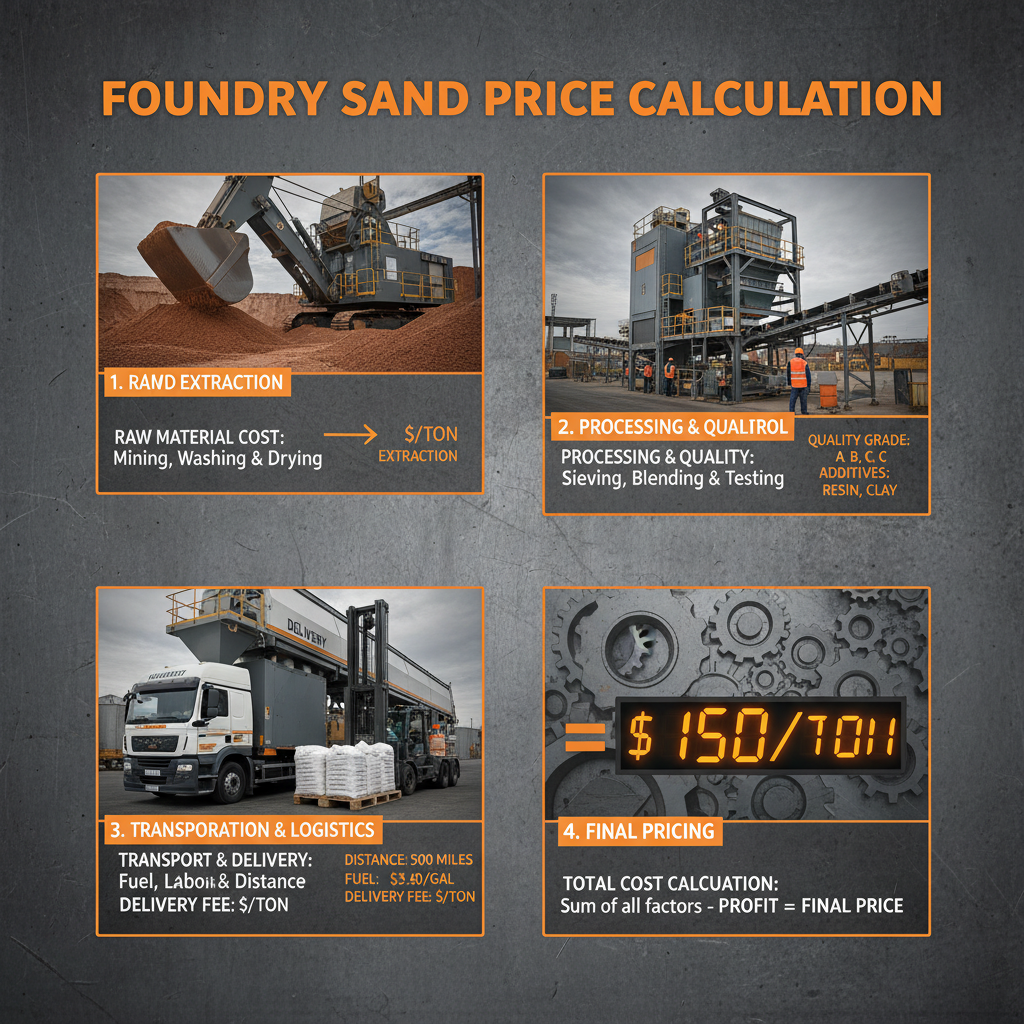
Foundry Sand Price Guide Understanding Costs and Market Trends
Understanding foundry sand price is crucial for businesses involved in metal casting. The cost of foundry sand significantly impacts production expenses, and fluctuating market conditions necessitate careful sourcing and budgeting. This article delves into the factors influencing foundry sand prices, explores different sand types, provides current market insights, and offers tips for optimizing procurement. We'll cover everything from silica sand to zircon sand and the variables that drive their costs. Several key factors determine the price of foundry sand. Raw material availability is a primary driver; scarcity of specific sand types increases costs. Transportation expenses play a significant role, especially for sand sourced from distant locations. Processing requirements – such as washing, drying, and sizing – add to the overall price. Grain shape and size distribution are critical for casting quality and impact sand value. Furthermore, demand from the metal casting industry directly influences price fluctuations.Read More