
Foundry Sand Meaning: A Comprehensive Guide
Understanding foundry sand meaning is crucial for anyone involved in metal casting. This isn’t just about sand; it's about a carefully selected and prepared material that significantly impacts the quality and efficiency of the casting process. We'll explore the composition, types, uses, and key properties of foundry sand, helping you understand why choosing the right sand is paramount. Whether you're a seasoned metallurgist or new to the industry, this guide will provide a clear and insightful look into this vital component of modern manufacturing.
What is Foundry Sand?
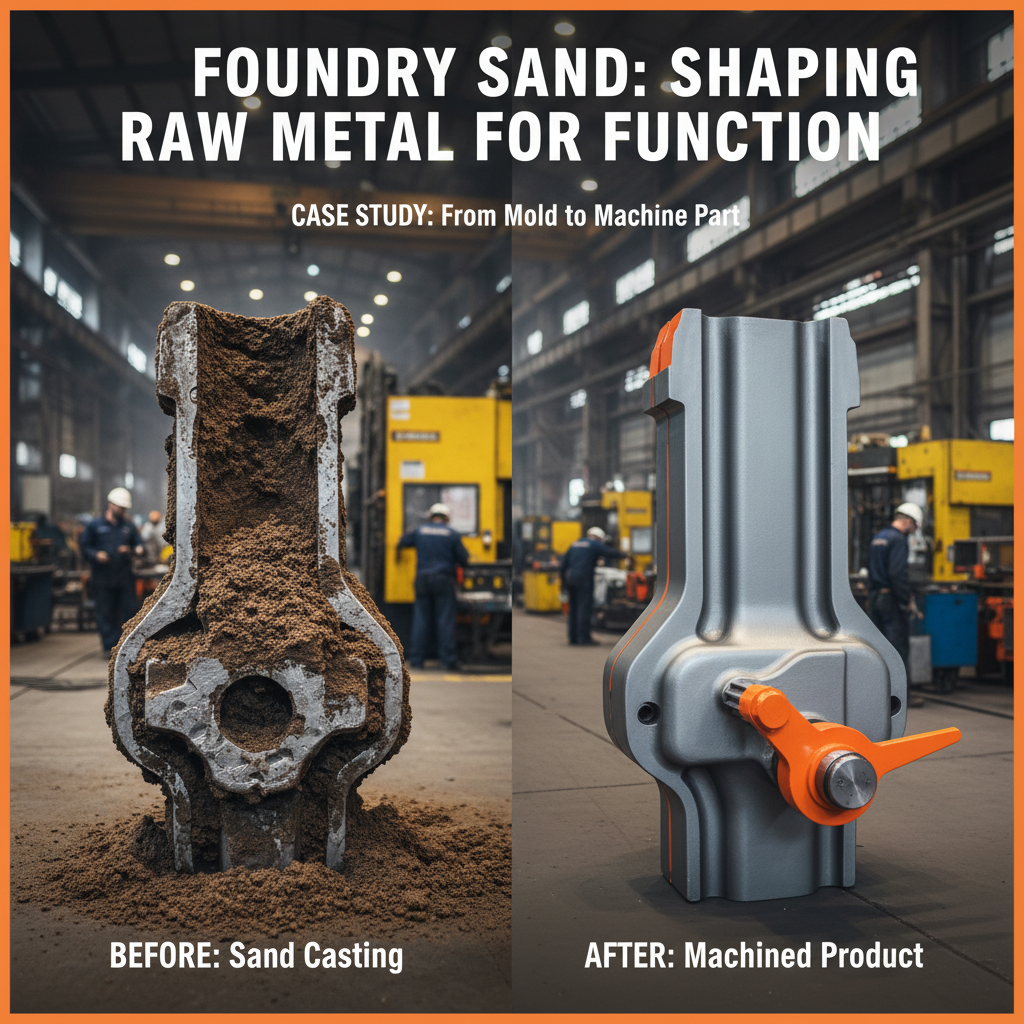
Foundry sand is a granular material primarily used in metal casting to form molds and cores. These molds and cores create the cavity into which molten metal is poured. Unlike playground sand, foundry sand isn't just any type of silica. It possesses specific characteristics in grain shape, size, and chemical composition that make it suitable for withstanding the high temperatures and pressures involved in the casting process. It's also reusable, with systems in place to reclaim and recycle the sand after use. The selection of the correct sand directly influences the surface finish, dimensional accuracy, and overall integrity of the final cast product.
Key Characteristics: Specific grain shape, size, and chemical composition designed to withstand high temperatures and pressures. Reusable with reclamation systems.
Types of Foundry Sand
Several types of foundry sand are employed, each with distinct properties and applications. The most common include silica sand, olivine sand, zircon sand, and chromite sand. Sinoceramsite offers a range of high-quality foundry sands tailored to specific casting needs. Silica sand is the most widely used due to its abundance and affordability. However, sands like zircon and chromite are preferred for high-temperature applications where thermal stability is critical. The choice of sand depends on the metal being cast, the desired casting accuracy, and cost considerations.
Foundry Sand Types:
• Silica Sand: Most common, cost-effective.
• Olivine Sand: Good thermal stability, low expansion.
• Zircon Sand: Excellent thermal stability, high refractoriness.
• Chromite Sand: High refractoriness, used for specialized castings.
Foundry Sand Meaning: Key Properties and Specifications
The quality of foundry sand is determined by several key properties. Grain shape significantly impacts permeability and flowability; round grains offer better flowability while angular grains provide better compaction. Grain size distribution, often measured using a sieve analysis, dictates the sand's permeability and surface finish. Refractoriness, the ability to withstand high temperatures without deformation, is crucial for high-temperature castings. Finally, chemical composition influences the sand's reactivity with molten metal.
The Importance of Sand Reclamation
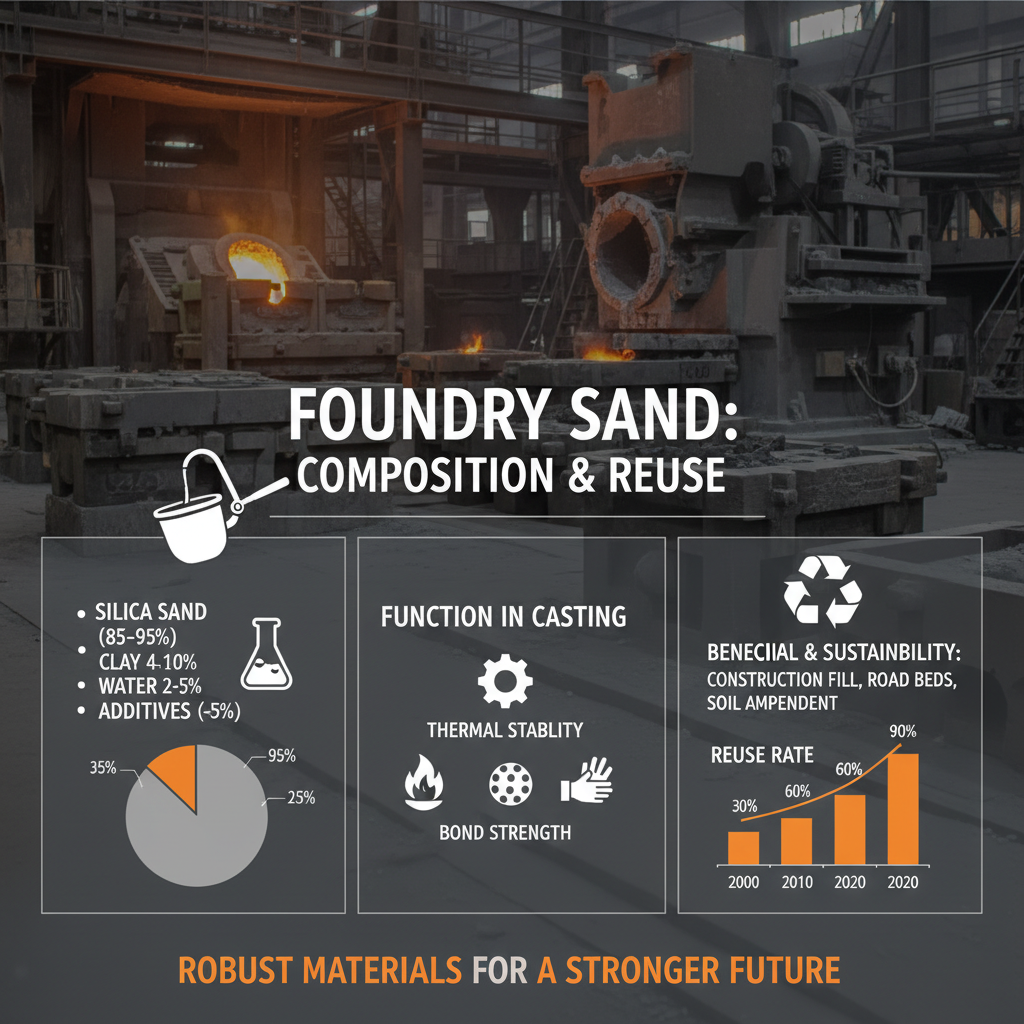
Sand reclamation is a crucial aspect of modern foundry operations, offering both economic and environmental benefits. Reclaiming used sand reduces the need for fresh raw materials, lowering costs and minimizing landfill waste. Reclamation processes typically involve removing binders, cleaning the sand, and re-grading it to meet required specifications. This contributes to a more sustainable and efficient casting process. Sinoceramsite also offers solutions and consultation on sand reclamation.
Applications of Foundry Sand
Foundry sand finds applications in a wide range of industries, including automotive, aerospace, construction, and machinery manufacturing. It's used to create molds for engine blocks, turbine blades, pipes, valves, and countless other metal components. The specific type of sand used is dictated by the metal being cast, the complexity of the design, and the required precision. The increasing demand for lightweight and high-strength castings is driving innovation in foundry sand technologies.
Conclusion: Understanding Foundry Sand for Optimal Casting
A thorough understanding of foundry sand meaning, its properties, and types is essential for achieving high-quality and efficient metal casting. Choosing the right sand, implementing effective reclamation practices, and staying abreast of industry innovations will contribute to a more sustainable and cost-effective manufacturing process.
Frequently Asked Questions (FAQs)
What is the difference between green sand and dry sand in foundry work?
Green sand contains a small amount of moisture (typically 5-10%) bound together by clay, making it pliable and ideal for creating complex molds. It's commonly used for high-volume production. Dry sand, on the other hand, is baked to remove moisture, providing greater dimensional accuracy and stability but requiring more time and energy to prepare. Dry sand is often used for larger castings or those requiring tighter tolerances. The choice between green and dry sand depends on the specific casting requirements and production volume.
How is foundry sand reclaimed and reused?
Foundry sand reclamation involves several stages, starting with removing the used sand from the casting process. It's then mechanically broken down, cleaned to remove contaminants like metal particles and burnt binders, and screened to achieve the desired grain size distribution. Sometimes thermal or chemical treatments are used to further purify the sand. The reclaimed sand can then be mixed with fresh sand and binders to create new molding sand. Reclamation rates can be quite high, often exceeding 90%, significantly reducing waste and costs.
What safety precautions should be taken when handling foundry sand?
While generally considered non-toxic, prolonged inhalation of foundry sand dust can cause silicosis, a serious lung disease. Therefore, proper ventilation and respiratory protection (such as dust masks or respirators) are crucial when handling sand. Eye protection is also recommended to prevent irritation. Good hygiene practices, such as washing hands thoroughly after handling sand, are essential. Material Safety Data Sheets (MSDS) should be consulted for detailed safety information.
How does the chemical composition of foundry sand affect the casting process?
The chemical composition, particularly the silica (SiO2) content, influences the sand's refractoriness and reactivity with molten metals. Impurities can cause defects like sand expansion or metal penetration. For example, sands with higher iron oxide content may be more prone to causing iron-silicate defects in steel castings. Choosing sand with a suitable chemical composition for the specific metal being cast is crucial for preventing these issues and ensuring a sound casting.
Next:The Versatility of Low Volume Sand Casting for Efficient Part Production