
Why Is Sand Casting Used? A Comprehensive Guide
Sand casting is one of the oldest and most widely used manufacturing processes globally. Its versatility, cost-effectiveness, and ability to create complex geometries make it a staple in numerous industries. This article will delve into the reasons why is sand casting used, exploring its advantages, disadvantages, applications, and comparing it to other casting methods. Understanding these aspects is crucial for engineers, designers, and anyone involved in the manufacturing of metal components. Sinoceramsite specializes in high-quality sand casting solutions.
The Core Advantages of Sand Casting
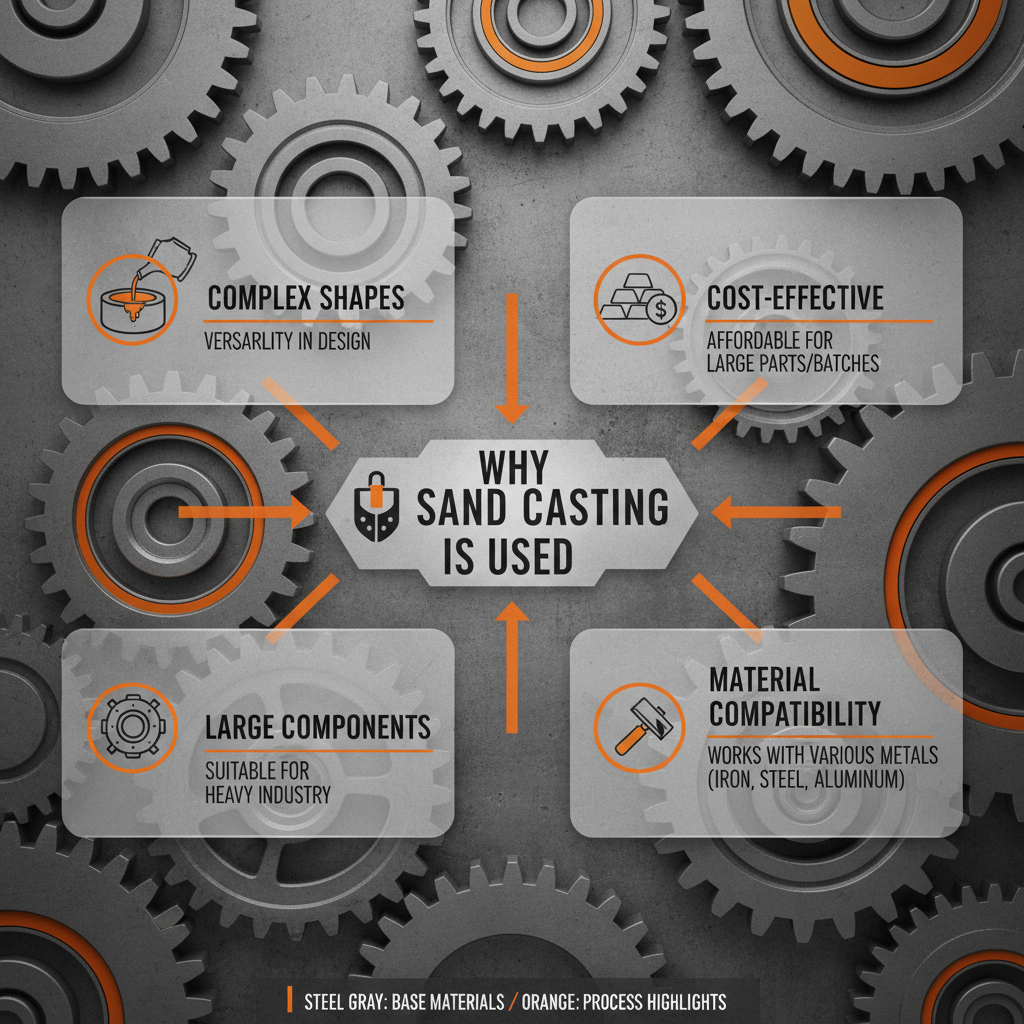
The primary reason sand casting is so prevalent lies in its numerous advantages. Firstly, it's remarkably versatile, capable of casting a vast range of metals, including aluminum, iron, steel, and brass. Secondly, it’s incredibly cost-effective, especially for low to medium production volumes. The tooling costs – primarily the pattern – are relatively low compared to other casting processes like die casting. Furthermore, sand casting excels in producing large parts. Its ability to handle intricate designs with complex geometries adds to its appeal. The process's flexibility allows for quick turnaround times and easy modifications to the pattern, making it ideal for prototyping and customized production runs.
Cost-Effectiveness: A Key Driver for Adoption
The economic benefits of sand casting are significant. Lower tooling costs, reduced material waste (as sand is reusable), and the ability to produce complex shapes without expensive machining contribute to a lower overall manufacturing cost. This makes it an attractive option for businesses of all sizes, especially those operating with limited budgets. Compared to processes like investment casting, sand casting eliminates the need for costly wax patterns and elaborate mold-making procedures. Sinoceramsite focuses on optimizing sand casting processes to deliver exceptional value to its clients.
Key Highlights: Lower tooling costs, reduced material waste, and the ability to produce complex shapes without expensive machining contribute to a lower overall manufacturing cost.
Sand Casting vs. Other Casting Methods
While sand casting offers numerous advantages, it’s essential to understand how it stacks up against other common casting methods. Die casting, for example, provides excellent dimensional accuracy and surface finish but comes with significantly higher tooling costs and is best suited for high-volume production. Investment casting yields exceptional precision and intricate details but is comparatively expensive. Permanent mold casting offers a good balance between cost and quality, but it's limited in terms of the complexity of shapes it can produce. The table below highlights key differences:
Applications of Sand Casting Across Industries
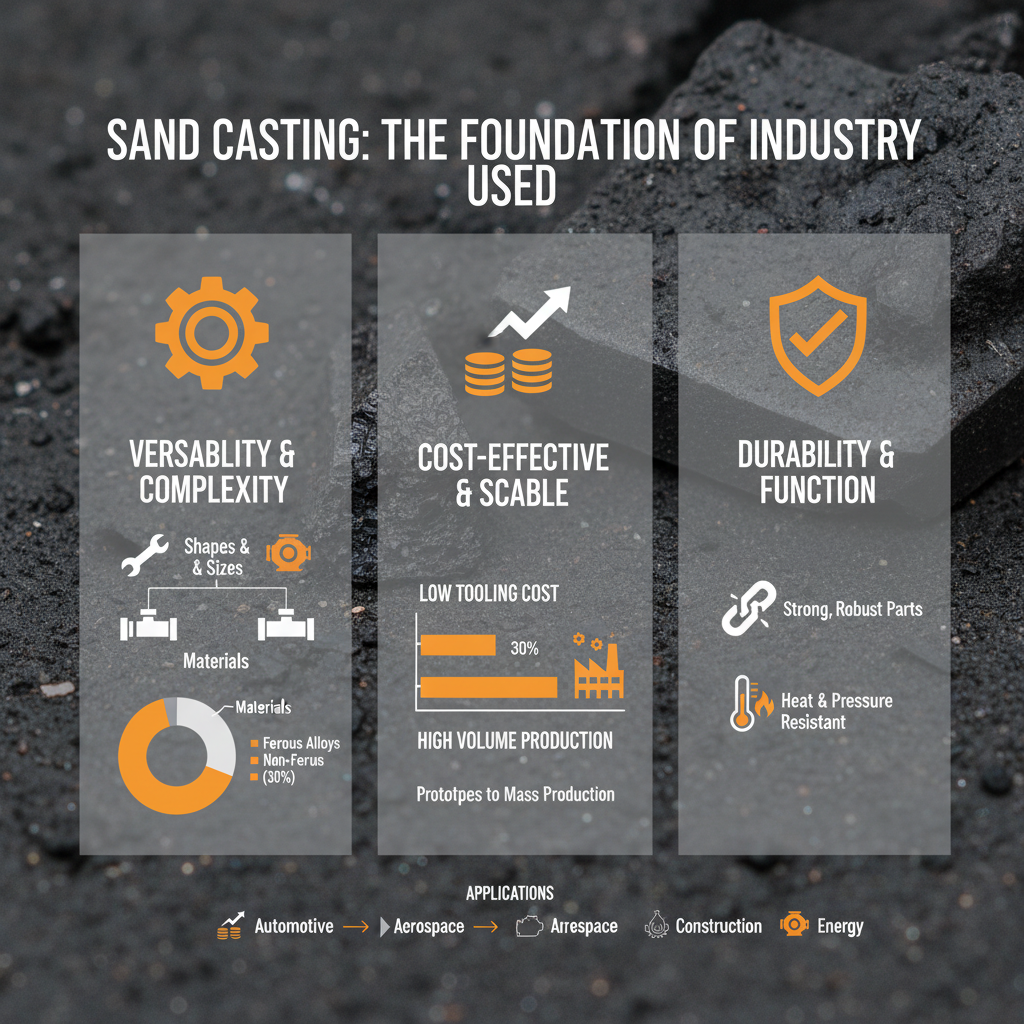
The versatility of sand casting translates into widespread applications across diverse industries. Automotive manufacturers utilize it for engine blocks, cylinder heads, and transmission cases. The aerospace sector employs sand casting for producing complex turbine components and structural parts. The construction industry relies on it for creating large, durable components like pump housings and valve bodies. Furthermore, industries like agriculture, mining, and oil & gas leverage sand casting for producing wear-resistant parts and heavy-duty machinery components. Sinoceramsite serves a broad spectrum of these industries with customized sand casting solutions.
Limitations and Considerations in Sand Casting
While exceptionally versatile, sand casting does have limitations. Surface finish tends to be rougher compared to processes like die casting and requires further machining in many cases. Dimensional accuracy is also lower, necessitating more precise post-processing. Sand casting is generally not suitable for producing parts with very thin walls. Finally, the process can be labor-intensive, particularly in the mold-making stage. Despite these limitations, advancements in sand casting technology, such as automated molding and improved sand mixtures, are continually addressing these challenges.
Conclusion: The Enduring Relevance of Sand Casting
The sand casting process remains a cornerstone of modern manufacturing due to its cost-effectiveness, versatility, and ability to produce a wide range of metal components. While it has limitations, ongoing technological advancements continue to enhance its capabilities. By understanding the strengths and weaknesses of sand casting, engineers and manufacturers can make informed decisions to optimize their production processes and achieve their desired outcomes. Sinoceramsite is committed to delivering high-quality sand castings tailored to your specific needs.
Frequently Asked Questions (FAQs)
What materials can be sand cast?
Sand casting is highly versatile regarding material compatibility. Common materials include various grades of iron (gray iron, ductile iron, white iron), aluminum alloys, steel (carbon steel, stainless steel), brass, bronze, and even some non-ferrous metals like copper and magnesium. The choice of material depends on the application's specific requirements, such as strength, corrosion resistance, and temperature resistance. Sinoceramsite works with a comprehensive range of materials to meet diverse client needs.
What is the typical lead time for sand casting?
Lead times for sand casting vary depending on factors such as part complexity, order quantity, and the availability of materials. Generally, lead times range from 4 to 12 weeks. Prototyping typically has shorter lead times, around 2-4 weeks. Sinoceramsite offers streamlined processes to minimize lead times without compromising quality.
What surface finishes are achievable with sand casting?
Sand casting typically produces a relatively rough surface finish compared to processes like die casting or investment casting. The standard surface finish can range from Ra 125 to Ra 250 micro-inches. However, through techniques like using finer sand grains, shell molding, and post-casting machining, the surface finish can be improved to Ra 63 or even better. Sinoceramsite offers a variety of finishing options to meet specific surface requirements.
Can sand casting be used for high-volume production?
While sand casting is most cost-effective for low to medium production volumes, it can be used for higher volumes with certain modifications. Automated molding techniques and the use of advanced sand mixtures can significantly increase production rates. However, for very high volumes (tens of thousands of parts or more), processes like die casting often become more economically viable. Sinoceramsite can assess your production needs and recommend the optimal casting process.
Next:Exploring the Significance and Advancements in Precision Sand Casting