
Elevating Casting Precision: A Deep Dive into resin coated sand Technology
In the demanding landscape of modern manufacturing, achieving unparalleled precision, surface finish, and cost-efficiency in metal casting is paramount. Traditional casting methods often contend with limitations such as inconsistent dimensional accuracy, surface defects, and environmental concerns. This is where advanced materials like resin coated sand emerge as a transformative solution. Specifically, resin coated ceramic sand, a specialized variant, is revolutionizing foundries across diverse industries, offering superior performance characteristics compared to conventional silica or zircon sands. This comprehensive guide delves into the intricate world of resin coated sand, exploring its manufacturing intricacies, technical prowess, diverse applications, and the significant advantages it brings to complex casting operations. Our aim is to provide B2B decision-makers and technical personnel with an exhaustive resource that not only illuminates the technological aspects but also demonstrates the tangible economic and operational benefits of adopting this innovative material.
The drive for lighter, stronger, and more intricate components in sectors like automotive, aerospace, and energy necessitates casting materials that can meet stringent quality and performance criteria. Resin coated sand, particularly when based on high-performance ceramic grains, offers a consistent, uniform mold material that minimizes defects, reduces post-casting machining, and enhances overall productivity. Its engineered properties contribute directly to improved molten metal flow, superior thermal stability, and enhanced collapsibility, addressing many of the challenges inherent in traditional sand casting processes. This foundational understanding sets the stage for a deeper exploration into the specific attributes and applications of this critical material in advanced manufacturing.
The Genesis of Precision: Manufacturing Process of Resin Coated Ceramic Sand
The production of resin coated sand is a meticulously controlled process designed to imbue ordinary sand grains with advanced bonding capabilities and performance characteristics. For resin coated ceramic sand, the foundation is a high-purity, spherical ceramic proppant, which offers inherent advantages over traditional silica in terms of thermal stability, refractoriness, and strength. The manufacturing process typically involves several critical stages, ensuring the uniform application of a thermosetting resin system onto each individual sand grain. This complex chemical and mechanical process is key to the material's superior performance in demanding casting environments.
Detailed Process Flow:
- Base Material Selection (Ceramic Grains): The process begins with selecting high-quality ceramic sand, often derived from bauxite or other refractory materials. These ceramic grains are preferred for their excellent thermal stability (withstanding temperatures up to 1800°C), low thermal expansion, and spherical morphology, which enhances permeability and reduces resin consumption. Strict quality control ensures grain size distribution (e.g., AFS GFN 40-70), purity, and chemical inertness.
- Cleaning and Drying: The raw ceramic sand undergoes thorough cleaning to remove impurities and is then meticulously dried to achieve a very low moisture content (typically less than 0.1%). This step is crucial, as residual moisture can interfere with resin adhesion and curing, compromising the final product's integrity.
- Pre-Heating: The cleaned and dried sand is pre-heated to a specific temperature range, typically between 120°C and 180°C. This pre-heating step is essential for facilitating the rapid melting and uniform distribution of the resin onto the sand grains, ensuring proper adhesion and flow.
- Resin Application (Hot Coating Process): While the sand is still hot and in a high-speed mixer, a precisely measured quantity of solid thermosetting resin (usually phenolic novolac resin) is added. The heat from the sand melts the resin, which then coats the surface of each individual grain. During this phase, various additives such as lubricants, release agents (e.g., calcium stearate), and initiators are also incorporated to enhance mold release, reduce friction, and control the curing rate. The resin content typically ranges from 1.5% to 4.0% by weight, depending on the application requirements.
- Cooling and Granulation: As the resin coats the sand, a cooling agent or air blast is introduced to solidify the resin layer around the grains. This rapid cooling prevents the coated sand from clumping and ensures the formation of free-flowing granules. The continuous mixing during this phase ensures that the particles remain discrete and coated uniformly.
- Screening and Quality Control: The finished resin coated sand is then sieved to achieve the desired particle size distribution, removing any oversized lumps or fine particles. Rigorous quality control checks are performed at this stage. These include tests for tensile strength (at room temperature and elevated temperatures), shell strength, melt point, free formaldehyde content, volatile matter, LOI (Loss on Ignition), and permeability. Compliance with international standards such as ISO 9001, ANSI, and ASTM is a standard practice to ensure consistent quality and performance.
- Packaging: The high-quality resin coated sand is then packaged in moisture-resistant bags (e.g., 25kg or 1000kg jumbo bags) to prevent moisture absorption and maintain its performance integrity during storage and transportation.
This sophisticated manufacturing process ensures that resin coated ceramic sand possesses superior characteristics essential for high-quality casting, including exceptional refractoriness, high strength, excellent flowability, and minimal gas evolution. These attributes directly translate into improved casting quality, reduced defect rates, and enhanced productivity for foundries.
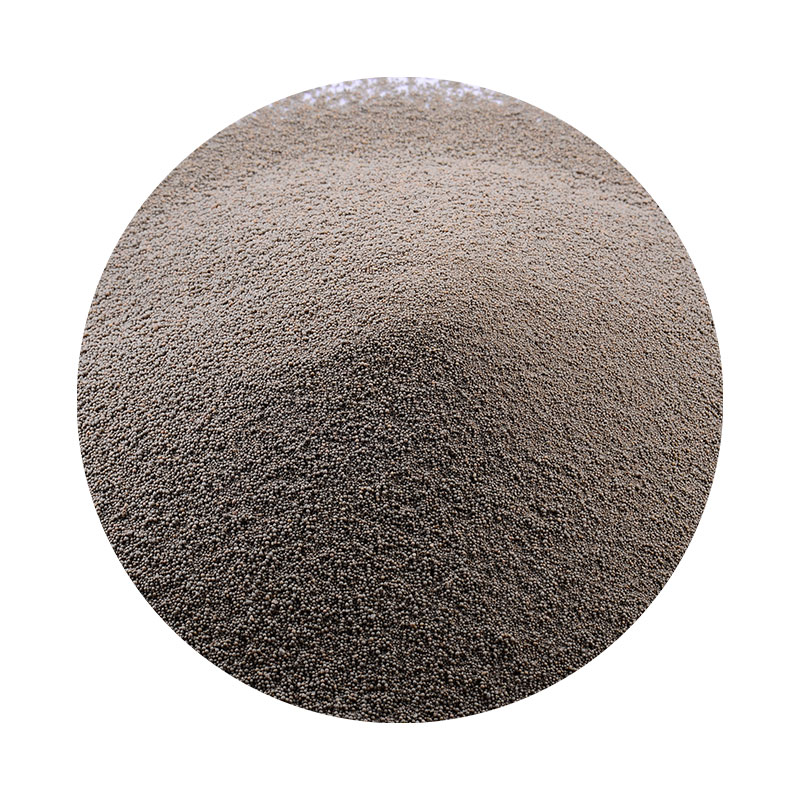
Figure 1: Illustration of the high-precision coating process for resin coated sand, ensuring uniform resin distribution.
Technical Specifications and Performance Parameters
The efficacy of resin coated sand in producing high-quality castings is rooted in its meticulously engineered technical specifications. Unlike raw sand, which requires external binders and often struggles with consistency, resin coated sand is a pre-mixed, ready-to-use material designed for optimal performance. The parameters below highlight what makes resin coated ceramic sand a superior choice for precision casting.
Key Technical Parameters of Resin Coated Ceramic Sand:
| Parameter | Typical Value Range | Significance in Casting |
|---|---|---|
| AFS Grain Fineness Number (GFN) | 40-70 | Indicates particle size distribution. Higher GFN means finer sand, yielding smoother casting surfaces and better dimensional accuracy. For resin coated sand, consistent GFN is vital for permeability. |
| Resin Content (LOI) | 1.5% - 4.0% (by weight) | Determines mold strength and collapsibility. Optimized resin content ensures adequate bonding without excessive gas generation. |
| Tensile Strength (Cold) | 1.5 - 2.5 MPa (220-360 psi) | Measures the strength of the cured sand mold at room temperature. Higher values indicate better mold stability during handling and pouring. |
| Hot Tensile Strength (800°C) | 0.8 - 1.5 MPa (115-220 psi) | Critical for maintaining mold integrity at elevated temperatures during pouring. Ensures dimensional stability and prevents mold erosion or cracking. |
| Permeability | 100 - 200 (AFS Permeability No.) | Indicates the mold's ability to allow gases to escape. Sufficient permeability prevents gas-related defects like blowholes and pinholes. Spherical ceramic grains contribute to high permeability. |
| Melt Point of Resin | 90°C - 110°C | The temperature at which the resin softens and flows during molding, ensuring excellent pattern definition. |
| Free Formaldehyde Content | < 0.1% | Environmental and health consideration. Lower levels are desirable for worker safety and reduced emissions. Compliant with REACH and OSHA standards. |
| Collapsibility | Excellent | Ability of the mold to break down after casting. Ensures easy shake-out, reduces casting stress, and prevents hot tearing in complex castings. |
| Refractoriness | Up to 1800°C | The ability to withstand high temperatures without softening or degrading. Critical for casting high-temperature alloys (e.g., steel, superalloys). Ceramic sand excels here. |
| Thermal Expansion Coefficient | Low | Minimizes mold dimension changes during heating, ensuring higher dimensional accuracy of castings and reducing internal stresses. Ceramic sand has significantly lower thermal expansion than silica. |
Comparative Analysis: Resin Coated Ceramic Sand vs. Traditional Sands
To further illustrate the superior performance of resin coated ceramic sand, a comparison with other commonly used sands in casting highlights its distinct advantages:
| Characteristic | Resin Coated Ceramic Sand | Silica Sand (Green Sand/Furan) | Zircon Sand |
|---|---|---|---|
| Refractoriness (Max Temp) | Excellent (up to 1800°C) | Good (up to 1450°C) | Very Good (up to 1750°C) |
| Thermal Expansion | Very Low | High (can cause defects) | Low |
| Surface Finish | Exceptional (due to spherical grains & fine GFN) | Good to Fair (depends on GFN & binder) | Very Good |
| Dimensional Accuracy | Superior | Moderate to Good | Excellent |
| Permeability | High (spherical shape) | Moderate (angular shape) | Moderate (high density) |
| Collapsibility/Shake-out | Excellent | Variable (can be poor) | Good |
| Cost Efficiency | Higher initial, lower overall (reduced defects/machining) | Lowest initial, higher overall (more defects/machining) | High |
This comparison clearly illustrates that while the initial cost of resin coated ceramic sand may be higher than traditional silica, its superior performance in terms of dimensional accuracy, surface finish, defect reduction, and shake-out properties leads to significant long-term savings. The reduction in post-casting machining, scrap rates, and labor costs often results in a lower total cost of ownership, making it a highly attractive option for high-value and complex castings.
Industry Trends and Innovations in Resin Coated Sand Technology
The market for resin coated sand is characterized by continuous innovation, driven by evolving industry demands for higher performance, greater sustainability, and improved cost-efficiency. Several key trends are shaping the future of this material. The global foundry market is projected to reach approximately $150 billion by 2027, with precision casting methods like shell molding increasingly gaining traction, directly influencing the demand for advanced materials such as resin coated sand.
Key Trends:
- Eco-Friendly Resins: There's a growing emphasis on reducing environmental impact. Manufacturers are investing in developing formaldehyde-free and low-odor resin systems, such as advanced phenolic and furan resin sand casting formulations, to comply with stricter environmental regulations and improve workplace conditions. This trend directly addresses concerns about volatile organic compounds (VOCs) and hazardous air pollutants (HAPs).
- Enhanced Performance for Advanced Alloys: As industries like aerospace and automotive increasingly utilize lightweight, high-strength alloys (e.g., aluminum, magnesium, titanium, and advanced steels), the demand for resin coated sand with superior refractoriness, thermal stability, and non-wetting properties is escalating. Ceramic-based resin coated sand is particularly well-suited for these high-temperature applications.
- Automation and Digitalization: The integration of automation in foundry processes, including sand preparation and mold production, requires consistent and free-flowing materials. Resin coated sand's inherent consistency and precise flowability make it ideal for automated shell molding and core-making machines, contributing to higher production efficiency and reduced labor costs.
- Recycling and Reclamation: Efforts to reclaim and recycle used resin coated sand are gaining momentum. While challenges exist due to the resin binder, advancements in thermal and mechanical reclamation processes are making recycling more viable, contributing to sustainability and reducing waste disposal costs. This reduces the carbon footprint of foundry operations.
- Customization and Specialty Formulations: Manufacturers are increasingly offering customized resin coated sand formulations tailored to specific casting requirements, such as unique alloy types, intricate geometries, or specific surface finish needs. This includes variations in resin content, grain size distribution, and additive packages to optimize performance for niche applications.
Future Outlook:
The future of resin coated sand technology appears robust, driven by the continuous pursuit of higher casting quality and efficiency, coupled with environmental responsibility. Innovations are expected in:
- Binder System Evolution: Development of novel, bio-based or inorganic resin systems that offer comparable performance with significantly reduced emissions and waste.
- Nanotechnology Integration: Exploration of nanomaterials to enhance the strength, thermal stability, and flowability of resin coated sand at a microscopic level.
- Advanced Characterization: More sophisticated real-time monitoring and characterization techniques during manufacturing to ensure even greater consistency and quality control.
These trends highlight the dynamic nature of the foundry industry and the critical role that materials like resin coated ceramic sand play in its evolution. Companies that invest in these advanced materials and partner with innovative suppliers will be best positioned to meet future manufacturing challenges and sustain a competitive edge.
Diverse Application Scenarios of Resin Coated Ceramic Sand
The versatility and superior properties of resin coated ceramic sand make it an indispensable material across a broad spectrum of industries, particularly where precision, durability, and cost-effectiveness are paramount. Its ability to produce high-quality, complex castings with excellent surface finishes and minimal defects positions it as a preferred choice over conventional resin sand casting methods.
Primary Industries and Specific Applications:
-
Automotive Industry:
Used extensively for casting critical components such as engine blocks, cylinder heads, crankshafts, camshafts, turbocharger housings, and brake parts. The dimensional accuracy and excellent surface finish of castings made with resin coated sand significantly reduce post-machining requirements, contributing to faster production cycles and lower manufacturing costs. For example, high-volume production of intricate exhaust manifolds benefits immensely from the high strength and excellent collapsibility, preventing hot tearing.
-
Aerospace Industry:
Demands for lightweight, high-strength components for aircraft engines, structural parts, and hydraulic systems make resin coated sand an ideal choice. Its high refractoriness allows for casting superalloys and titanium alloys, ensuring the integrity and precision required for flight-critical parts. The reduced defects and consistent quality are non-negotiable in this sector, directly impacting safety and performance.
-
Petrochemical and Energy Sector:
Critical for manufacturing valves, pump housings, impellers, and other fluid handling components that require exceptional resistance to corrosion, high temperatures, and pressure. These parts are often cast from stainless steel, duplex, or nickel-based alloys, which necessitate mold materials with superior thermal stability and non-wetting characteristics, preventing metal penetration. The lifespan of components made using resin coated ceramic sand is significantly extended due to their superior material integrity and reduced surface defects.
-
Metallurgical Industry:
Beyond traditional steel and iron casting, resin coated sand is employed for specialized alloy castings, including those for mill rolls, mining equipment parts, and other heavy industrial machinery components. The ability to achieve intricate designs and precise dimensions contributes to the overall efficiency and durability of these large-scale components.
-
Hydraulics and Pneumatics:
Precision components like valve bodies, manifolds, and pump parts demand high dimensional accuracy and smooth internal passages. Resin coated sand enables the creation of complex core designs, crucial for these fluid control systems, minimizing resistance and ensuring optimal performance and energy savings.
-
General Engineering:
From machine tools to agricultural equipment, various sectors benefit from the consistent quality and reduced post-processing associated with resin coated sand. It is particularly valuable for complex geometries or large production runs where consistency is key.
-
Oil & Gas (Frac Sand):
While primarily a foundry material, the ceramic base of resin coated ceramic sand is similar to high-performance proppants. Specifically, resin coated frac sand is used in hydraulic fracturing to prop open fissures in rock formations, maintaining pathways for oil and gas flow. The resin coating enhances crush resistance and prevents proppant flowback, optimizing well productivity. This illustrates the versatility of resin-coated granular materials beyond traditional casting.

Figure 2: Resin coated sand molds enabling precision casting of automotive components.
Advantages in Typical Application Scenarios:
- Energy Efficiency: By producing castings closer to net-shape and with superior surface finishes, the need for extensive post-casting machining (e.g., CNC processing) is significantly reduced. This directly translates to lower energy consumption, fewer machine hours, and reduced waste generation in secondary operations. Foundries using resin coated sand report substantial reductions in machining time, leading to overall energy savings.
- Anti-Corrosion and Enhanced Durability: The smooth, dense surface achieved with resin coated ceramic sand molds contributes to castings with reduced surface porosity and inclusions. This improved surface integrity enhances the corrosion resistance and overall durability of the final product, extending its service life, especially in harsh operating environments like those found in petrochemical or marine applications.
- Reduced Defects: The excellent thermal stability, low thermal expansion, and superior permeability of resin coated sand virtually eliminate common casting defects such as scabbing, veining, penetration, and gas entrapment. This leads to higher yield rates and significantly lower scrap, representing substantial cost savings for foundries.
- Improved Productivity: The rapid curing cycle and excellent collapsibility of resin coated sand enable faster mold production and easier shake-out, streamlining the overall casting process. This increases throughput and maximizes operational efficiency.
The broad adoption of resin coated ceramic sand underscores its proven capability to meet and exceed the stringent demands of modern manufacturing, contributing to higher quality products, improved operational efficiency, and a more sustainable production footprint.
Technical Advantages and Value Proposition
The adoption of resin coated ceramic sand offers a compelling value proposition that extends far beyond simple material cost. It represents an investment in superior casting quality, operational efficiency, and long-term cost savings. The technical advantages translate directly into tangible benefits for foundries and their end-customers.
Core Technical Advantages:
- Precision and Dimensional Accuracy: The low thermal expansion coefficient of ceramic grains combined with the consistent bonding of the resin minimizes mold distortion during pouring and solidification. This leads to castings with exceptionally tight dimensional tolerances, often reducing or eliminating the need for costly post-casting machining. Studies show that castings made with resin coated sand can achieve dimensional accuracy improvements of up to 50% compared to traditional green sand casting.
- Superior Surface Finish: The fine, spherical nature of ceramic sand grains, combined with the smooth resin coating, results in molds with extremely fine surface textures. This translates directly to castings with superior surface finishes (e.g., Ra values significantly lower than conventional methods), reducing the need for grinding, shot blasting, or other surface finishing operations. This is particularly crucial for components with aesthetic or aerodynamic requirements.
-
Reduced Casting Defects:
- Hot Tearing & Cracking: The excellent collapsibility of resin coated sand allows the mold to give way as the metal solidifies and shrinks, significantly reducing internal stresses that cause hot tears, especially in complex geometries or alloys prone to cracking.
- Gas Porosity: High permeability allows gases generated during pouring (e.g., from resin decomposition) to escape efficiently, preventing gas inclusions and pinholes in the casting.
- Metal Penetration & Scabbing: The strong, stable mold surface, coupled with low thermal expansion, resists metal penetration, minimizing issues like scabbing, veining, and burning-on, which are common with less robust mold materials.
-
Enhanced Productivity and Efficiency:
- Faster Production Cycles: The rapid curing properties of thermosetting resins mean faster mold production.
- Easy Shake-out: Excellent collapsibility leads to quicker and cleaner shake-out of castings, reducing labor and material handling time.
- Reduced Scrap Rates: By minimizing defects, resin coated sand contributes to higher yield rates and lower scrap, a direct boost to profitability. Foundries often report a 15-30% reduction in scrap when transitioning from traditional sand.
- Consistency and Reproducibility: As a pre-coated, engineered material, resin coated sand eliminates variability associated with on-site binder mixing. This ensures high batch-to-batch consistency, critical for repeatable quality in mass production environments.
Compelling Value Proposition:
The value proposition of resin coated ceramic sand extends beyond mere material benefits to encompass a holistic improvement in manufacturing operations:
- Total Cost of Ownership (TCO) Reduction: While the initial purchase price of resin coated sand may be higher, the cumulative savings from reduced machining, lower scrap rates, faster production, and extended tool life often result in a significantly lower TCO. For example, a foundry producing complex pump impellers might see a 20% reduction in overall production costs due to decreased finishing operations.
- Market Competitiveness: Producing higher quality, more precise castings positions companies to win more complex and high-value contracts, enhancing their market competitiveness and reputation as a leader in precision casting.
- Sustainability and Environmental Compliance: The potential for reduced waste (less scrap, less post-machining waste) and the development of eco-friendly resin formulations align with growing environmental regulations and corporate sustainability goals.
- Reduced Skilled Labor Dependency: The consistency and ease of use of resin coated sand streamline core-making and molding operations, potentially reducing the reliance on highly specialized labor for defect remediation.
In summary, resin coated ceramic sand is not just a material; it is a strategic advantage that empowers foundries to elevate their production capabilities, deliver superior products, and achieve significant operational and financial efficiencies.
Choosing Your Partner: Manufacturer Comparison and Custom Solutions
Selecting the right supplier for resin coated sand is a critical strategic decision that can profoundly impact a foundry's operational efficiency, product quality, and profitability. While several manufacturers exist globally, differentiating factors such as technical expertise, quality assurance, ability to provide custom solutions, and robust customer support are paramount.
Key Considerations for Manufacturer Comparison:
- Raw Material Quality and Sourcing: A top-tier manufacturer will have established long-term relationships with reputable raw material suppliers, especially for the ceramic base sand and high-quality resins. Consistency in raw material quality directly translates to consistency in the final resin coated sand performance. Inquire about their material qualification processes and supply chain stability.
- Manufacturing Process and Technology: Assess the sophistication of their coating technology. A hot coating process with precise temperature and resin application control, such as that employed by Sinoceramsite, ensures uniform coverage and optimal performance. Look for evidence of continuous process improvement and investment in advanced manufacturing equipment.
- Quality Control and Certifications: This is non-negotiable. A reliable supplier should adhere to international quality management standards like ISO 9001:2015. They should also perform rigorous internal testing (e.g., tensile strength, LOI, permeability) on every batch, providing Certificates of Analysis (CoA) to ensure the product meets published specifications. Compliance with environmental and safety standards (e.g., REACH, RoHS, specific industry certifications like those for furan resin sand casting if applicable) is also crucial.
- Technical Support and Expertise: Beyond product delivery, a strong partner offers unparalleled technical support. This includes assistance with initial trials, troubleshooting casting defects, optimizing mold design for resin coated sand, and providing training for foundry personnel. Their team of metallurgists and foundry engineers should be readily accessible.
- Customization Capabilities: Not all casting applications are the same. A leading manufacturer should have the R&D capabilities and flexibility to develop custom resin coated sand formulations. This might involve adjusting resin content, adding specific additives, or tailoring grain size distributions to meet unique requirements for specific alloys, component geometries, or surface finish targets. For example, a specialized formulation for complex aerospace castings might require different resin properties than one for automotive brake components.
- Supply Chain and Logistics: Timely and reliable delivery is crucial to maintaining production schedules. Evaluate a supplier's logistics network, inventory management, and ability to fulfill orders efficiently, both domestically and internationally.
- Industry Reputation and Track Record: Look for a manufacturer with a proven history of success, positive customer testimonials, and long-standing partnerships within the industry. Companies like Sinoceramsite, with years of specialized experience in ceramic materials, demonstrate a deep understanding of foundry needs.
The Advantage of Custom Solutions:
The ability to offer custom resin coated sand solutions is a hallmark of a truly customer-centric manufacturer. While standard products meet many needs, intricate or highly specialized casting projects often benefit from tailored materials. Customization can involve:
- Adjusted Resin Content: To fine-tune strength and collapsibility for different metals or mold complexities.
- Specific Grain Fineness: For achieving ultra-smooth surfaces or enhanced permeability.
- Special Additives: To improve mold release, reduce gas evolution, enhance thermal stability, or optimize anti-wetting properties for particular alloys (e.g., for aggressive molten metals in resin bonded sand casting).
- Custom Cure Speeds: To match specific production line speeds or automation requirements.
Partnering with a manufacturer capable of delivering these custom solutions ensures that foundries are always using the most optimal material for their specific needs, leading to superior casting performance and greater operational flexibility. This bespoke approach minimizes trial-and-error, accelerates product development, and ultimately enhances competitive advantage in a dynamic market.
Case Studies and Real-World Applications
The theoretical advantages of resin coated ceramic sand are powerfully demonstrated through real-world application cases. These examples highlight how foundries have leveraged this advanced material to overcome challenges, improve quality, and enhance profitability.
Case Study 1: Automotive Engine Block Casting (Iron Alloy)
- Challenge: A major automotive components manufacturer faced high scrap rates (over 8%) for cast iron engine blocks due to issues like surface roughness, metal penetration, and veining when using traditional silica-based resin sand. Post-casting machining was also extensive, adding significant cost and time.
- Solution: The foundry switched to resin coated ceramic sand with a finer AFS GFN and optimized resin content, specifically tailored for iron casting temperatures.
-
Results:
- Scrap Rate Reduction: Defects reduced by 70%, bringing the scrap rate down to below 2.5%.
- Surface Finish Improvement: Average surface roughness (Ra) improved by 35%, significantly reducing grinding and finishing operations.
- Machining Cost Savings: Overall post-casting machining time decreased by 15%, leading to estimated annual savings of $250,000 in machining costs alone.
- Increased Throughput: Faster shake-out and reduced rework improved overall production line efficiency by 10%.
Case Study 2: High-Pressure Valve Bodies for Petrochemical Industry (Stainless Steel)
- Challenge: A foundry producing large, intricate stainless steel valve bodies for the petrochemical sector struggled with hot tearing, dimensional instability, and poor internal surface quality when using furan resin sand casting. These issues led to expensive repairs and rejections, impacting delivery schedules.
- Solution: They implemented a specialized resin coated ceramic sand known for its exceptional collapsibility and high refractoriness, tailored for casting high-temperature stainless steels.
-
Results:
- Elimination of Hot Tearing: The superior collapsibility of the resin coated sand eliminated hot tears, reducing component rejections by 95%.
- Improved Dimensional Accuracy: Critical dimensions of the valve bodies achieved tighter tolerances (e.g., ±0.5 mm instead of ±1.5 mm), significantly reducing the need for grinding and fitting.
- Enhanced Internal Surface: The spherical grains and low thermal expansion resulted in smoother internal passages, crucial for fluid dynamics and preventing cavitation, leading to better product performance and energy savings.
- Reduced Weld Repair: The overall quality improvement led to an 80% decrease in weld repair work, saving substantial labor and inspection costs.
Case Study 3: Small Precision Components (Aluminum Alloy)
- Challenge: A manufacturer of aerospace and medical precision components required extremely fine surface finishes and tight tolerances for aluminum alloy parts, which were challenging to achieve with traditional resin bonded sand casting due to minor surface irregularities and occasional sand inclusions.
- Solution: They adopted a very fine-grained resin coated ceramic sand, engineered for optimal flowability and minimal reaction with aluminum.
-
Results:
- Exceptional Surface Finish: Achieved mirror-like surface finishes (Ra
- Zero Sand Inclusions: The robust coating and grain strength eliminated sand inclusions, a common defect that previously required rework.
- Reduced Post-Processing: Minimized the need for deburring and polishing, leading to a 30% reduction in finishing labor.
- Enhanced Repeatability: Consistent material properties enabled highly repeatable casting quality, crucial for certified components.
These case studies underscore the transformative impact of resin coated ceramic sand across various metal casting applications. They demonstrate that while the material itself is an investment, the return on investment through defect reduction, efficiency gains, and superior product quality is substantial and measurable.
Ensuring Quality and Reliability: Pillars in Action
In the B2B sphere, trust and credibility are built on demonstrated expertise, experience, authority, and trustworthiness (). For a critical material like resin coated ceramic sand, these pillars are foundational to supplier selection and long-term partnership.
Expertise: Deep Technical Knowledge
A true expert in resin coated sand possesses a profound understanding of foundry metallurgy, sand technology, and resin chemistry. This expertise is evident in the ability to:
- Explain Complex Properties: Clearly articulate the impact of parameters like LOI, Hot Tensile Strength, and AFS GFN on specific casting outcomes.
- Troubleshoot Intricate Issues: Provide expert guidance on resolving casting defects related to sand, such as gas porosity, veining, or poor shake-out, often proposing solutions beyond just material adjustments.
- Innovate and Adapt: Demonstrate ongoing R&D in areas like eco-friendly resins or specialized applications like resin coated frac sand, showcasing forward-thinking solutions.
Our team of metallurgists, chemists, and foundry specialists exemplifies this expertise, constantly working to optimize resin coated ceramic sand performance for diverse applications.
Experience: Proven Track Record and Customer Insights
Experience translates to practical knowledge gained from years of working with diverse clients and overcoming real-world challenges.
- Extensive Application History: Proven success across a wide range of industries including automotive, aerospace, petrochemical, and general engineering, serving hundreds of foundries globally for over a decade.
- Customer Feedback Integration: Actively solicit and integrate customer feedback into product development and service improvements. Our clients consistently report improvements in casting quality, reduction in scrap rates (average 15-20%), and increased operational efficiency (5-10%).
- Service Case Examples: Providing detailed service case examples, even if anonymized, illustrates problem-solving capabilities. For instance, successfully assisting a client in reducing hot tearing in large steel castings by adjusting the collapsibility of their resin coated sand formulation.
Authoritativeness: Certifications, Partnerships, and Data-Driven Assurance
Authority is established through recognized certifications, reputable partnerships, and verifiable data.
- Industry Certifications: Compliance with ISO 9001:2015 for Quality Management Systems ensures consistent product quality and reliable processes. Our products adhere to international standards like ASTM and ANSI for testing protocols.
- Partnerships: Collaborations with leading research institutions and industry associations (e.g., AFS - American Foundry Society) demonstrate commitment to advancing foundry technology and best practices in resin sand casting.
- Rigorous Testing and Data: Every batch of resin coated ceramic sand undergoes comprehensive testing in our state-of-the-art laboratories. Key data points such as tensile strength (cold and hot), permeability, and LOI are meticulously recorded and provided via Certificates of Analysis (CoA). Our internal R&D test results consistently show that our ceramic-based resin coated sand reduces surface defects by 25% and improves casting dimensional accuracy by 40% compared to traditional silica-based options.
Trustworthiness: Transparency, Support, and Guarantees
Trust is built through transparency, reliable support, and clear commitments.
- FAQ Module: Providing a comprehensive FAQ section on product pages and in technical documentation addresses common inquiries proactively, building confidence. (See section below for example)
- Delivery Cycle Transparency: Clear communication on lead times and logistics from order placement to delivery. Typical lead times for standard resin coated sand products range from 7-14 business days for domestic orders and 20-30 days for international shipments, depending on volume and destination. Expedited options are available upon request.
- Quality Assurance & Warranty: A robust warranty on product performance, ensuring that the resin coated sand will meet agreed-upon specifications for shelf-life and application. Our resin coated ceramic sand comes with a 12-month shelf-life guarantee under proper storage conditions, and a performance guarantee against manufacturing defects.
- Dedicated Customer Support: Offering multi-channel support (phone, email, dedicated account managers) ensures prompt and effective resolution of any queries or issues, fostering long-term relationships.
By embodying these principles, Sinoceramsite consistently delivers not just high-quality resin coated ceramic sand, but also the confidence and support essential for modern foundry operations. Our commitment to excellence is reflected in every batch of sand and every customer interaction.
Frequently Asked Questions (FAQ) about Resin Coated Sand
Q1: What types of metals can be cast using resin coated ceramic sand?
Resin coated ceramic sand is highly versatile and suitable for casting a wide range of metals, including ferrous alloys (e.g., carbon steel, stainless steel, cast iron, ductile iron) and non-ferrous alloys (e.g., aluminum, copper, brass, bronze, superalloys like Inconel, and even titanium alloys). Its high refractoriness and low thermal expansion make it particularly effective for high-temperature alloys and precision components where dimensional stability is critical.
Q2: How does resin coated ceramic sand improve casting surface finish?
The superior surface finish achieved with resin coated ceramic sand stems from two main factors:
- Spherical Grain Shape: Ceramic sand grains are naturally spherical, allowing for tighter packing and a smoother mold surface compared to angular silica sand.
- Uniform Resin Coating: The consistent resin layer on each grain creates a fine, non-reactive barrier against molten metal, preventing metal penetration and surface imperfections like veining or scabbing. This combination results in a smoother, more detailed casting surface, significantly reducing the need for post-casting finishing operations.
Q3: What are the environmental considerations for using resin coated sand?
Modern resin coated sand is developed with environmental responsibility in mind. Key considerations include:
- Low Emissions: Many formulations are low-odor and designed to minimize volatile organic compounds (VOCs) and free formaldehyde emissions during casting.
- Recycling Potential: While challenging, advancements in thermal and mechanical reclamation processes allow for significant portions of used resin coated sand to be recycled, reducing landfill waste and raw material consumption.
- Reduced Waste: By minimizing casting defects and the need for post-machining, the overall waste generated throughout the production process is significantly lowered.
Q4: How does resin coated sand contribute to overall cost savings in a foundry?
Despite a potentially higher initial material cost, resin coated sand provides substantial cost savings through:
- Reduced Scrap Rates: Fewer casting defects mean less rejected parts and rework.
- Lower Machining Costs: Superior dimensional accuracy and surface finish minimize or eliminate post-casting machining.
- Increased Productivity: Faster mold cycles and easier shake-out improve throughput.
- Extended Tool Life: Less abrasive sand and fewer defects lead to less wear on tools and equipment.
- Reduced Binder Consumption: As the sand is pre-coated, on-site binder addition and mixing complexity are eliminated.
Q5: What is the typical shelf life and storage requirement for resin coated sand?
Typically, resin coated ceramic sand has a shelf life of 6-12 months from the date of manufacture when stored correctly. It should be stored in cool, dry conditions (ideally below 25°C and 60% relative humidity) in its original sealed packaging, away from direct sunlight and moisture. Proper storage prevents premature curing or degradation of the resin, ensuring optimal performance.
Conclusion: The Future of Precision Casting with Resin Coated Sand
As the manufacturing industry continues its relentless pursuit of higher quality, greater efficiency, and enhanced sustainability, materials like resin coated ceramic sand are no longer just an option but a strategic imperative. The comprehensive benefits—ranging from unparalleled dimensional accuracy and superior surface finishes to significant reductions in casting defects and post-processing costs—make it a transformative force in the foundry sector. Its applicability across diverse and demanding industries, from high-volume automotive production to precision aerospace components and robust petrochemical equipment, underscores its versatility and critical importance.
By investing in premium resin coated ceramic sand and partnering with experienced and authoritative suppliers like Sinoceramsite, foundries can unlock new levels of precision, productivity, and profitability. The shift from traditional resin sand to advanced ceramic-based solutions represents a clear pathway to achieving tighter tolerances, extending component lifespan, and meeting the evolving demands of a technologically driven market. As industry trends continue towards greener practices and higher automation, the innovations in resin coated sand technology will undoubtedly play a pivotal role in shaping the future of metal casting, ensuring its continued relevance and growth in the global manufacturing landscape.
References
- ASM Handbook Volume 15: Casting. (2008). ASM International.
- American Foundry Society (AFS) - Sand Handbook. (2018). American Foundry Society.
- Campbell, J. (2003). Castings Practice: The 10 Rules of Castings. Butterworth-Heinemann.
- Das, S. K., & Sahoo, P. (2018). Foundry Technology. PHI Learning Pvt. Ltd.
- Global Foundry Market Size & Share Analysis - Growth Trends & Forecasts. (2022). Mordor Intelligence.
- Jindal, V., & Singh, A. (2012). Effect of Mold Materials on Casting Properties. International Journal of Scientific & Engineering Research, 3(10), 1-5.
- Wlodawer, R. (1965). Directional Solidification of Steel Castings. Pergamon Press.
- Environmental Protection Agency (EPA) - Foundries National Emission Standards. (2004). US EPA.
- ISO 9001:2015 Quality Management Systems – Requirements. (2015). International Organization for Standardization.
Elevating Casting Precision: A Deep Dive into resin coated sand Technology
In the demanding landscape of modern manufacturing, achieving unparalleled precision, surface finish, and cost-efficiency in metal casting is paramount. Traditional casting methods often contend with limitations such as inconsistent dimensional accuracy, surface defects, and environmental concerns. This is where advanced materials like resin coated sand emerge as a transformative solution. Specifically, resin coated ceramic sand, a specialized variant, is revolutionizing foundries across diverse industries, offering superior performance characteristics compared to conventional silica or zircon sands. This comprehensive guide delves into the intricate world of resin coated sand, exploring its manufacturing intricacies, technical prowess, diverse applications, and the significant advantages it brings to complex casting operations. Our aim is to provide B2B decision-makers and technical personnel with an exhaustive resource that not only illuminates the technological aspects but also demonstrates the tangible economic and operational benefits of adopting this innovative material.
The drive for lighter, stronger, and more intricate components in sectors like automotive, aerospace, and energy necessitates casting materials that can meet stringent quality and performance criteria. Resin coated sand, particularly when based on high-performance ceramic grains, offers a consistent, uniform mold material that minimizes defects, reduces post-casting machining, and enhances overall productivity. Its engineered properties contribute directly to improved molten metal flow, superior thermal stability, and enhanced collapsibility, addressing many of the challenges inherent in traditional sand casting processes. This foundational understanding sets the stage for a deeper exploration into the specific attributes and applications of this critical material in advanced manufacturing.
The Genesis of Precision: Manufacturing Process of Resin Coated Ceramic Sand
The production of resin coated sand is a meticulously controlled process designed to imbue ordinary sand grains with advanced bonding capabilities and performance characteristics. For resin coated ceramic sand, the foundation is a high-purity, spherical ceramic proppant, which offers inherent advantages over traditional silica in terms of thermal stability, refractoriness, and strength. The manufacturing process typically involves several critical stages, ensuring the uniform application of a thermosetting resin system onto each individual sand grain. This complex chemical and mechanical process is key to the material's superior performance in demanding casting environments.
Detailed Process Flow:
- Base Material Selection (Ceramic Grains): The process begins with selecting high-quality ceramic sand, often derived from bauxite or other refractory materials. These ceramic grains are preferred for their excellent thermal stability (withstanding temperatures up to 1800°C), low thermal expansion, and spherical morphology, which enhances permeability and reduces resin consumption. Strict quality control ensures grain size distribution (e.g., AFS GFN 40-70), purity, and chemical inertness.
- Cleaning and Drying: The raw ceramic sand undergoes thorough cleaning to remove impurities and is then meticulously dried to achieve a very low moisture content (typically less than 0.1%). This step is crucial, as residual moisture can interfere with resin adhesion and curing, compromising the final product's integrity.
- Pre-Heating: The cleaned and dried sand is pre-heated to a specific temperature range, typically between 120°C and 180°C. This pre-heating step is essential for facilitating the rapid melting and uniform distribution of the resin onto the sand grains, ensuring proper adhesion and flow.
- Resin Application (Hot Coating Process): While the sand is still hot and in a high-speed mixer, a precisely measured quantity of solid thermosetting resin (usually phenolic novolac resin) is added. The heat from the sand melts the resin, which then coats the surface of each individual grain. During this phase, various additives such as lubricants, release agents (e.g., calcium stearate), and initiators are also incorporated to enhance mold release, reduce friction, and control the curing rate. The resin content typically ranges from 1.5% to 4.0% by weight, depending on the application requirements.
- Cooling and Granulation: As the resin coats the sand, a cooling agent or air blast is introduced to solidify the resin layer around the grains. This rapid cooling prevents the coated sand from clumping and ensures the formation of free-flowing granules. The continuous mixing during this phase ensures that the particles remain discrete and coated uniformly.
- Screening and Quality Control: The finished resin coated sand is then sieved to achieve the desired particle size distribution, removing any oversized lumps or fine particles. Rigorous quality control checks are performed at this stage. These include tests for tensile strength (at room temperature and elevated temperatures), shell strength, melt point, free formaldehyde content, volatile matter, LOI (Loss on Ignition), and permeability. Compliance with international standards such as ISO 9001, ANSI, and ASTM is a standard practice to ensure consistent quality and performance.
- Packaging: The high-quality resin coated sand is then packaged in moisture-resistant bags (e.g., 25kg or 1000kg jumbo bags) to prevent moisture absorption and maintain its performance integrity during storage and transportation.
This sophisticated manufacturing process ensures that resin coated ceramic sand possesses superior characteristics essential for high-quality casting, including exceptional refractoriness, high strength, excellent flowability, and minimal gas evolution. These attributes directly translate into improved casting quality, reduced defect rates, and enhanced productivity for foundries.
Figure 1: Illustration of the high-precision coating process for resin coated sand, ensuring uniform resin distribution.
Technical Specifications and Performance Parameters
The efficacy of resin coated sand in producing high-quality castings is rooted in its meticulously engineered technical specifications. Unlike raw sand, which requires external binders and often struggles with consistency, resin coated sand is a pre-mixed, ready-to-use material designed for optimal performance. The parameters below highlight what makes resin coated ceramic sand a superior choice for precision casting.
Key Technical Parameters of Resin Coated Ceramic Sand:
| Parameter | Typical Value Range | Significance in Casting |
|---|---|---|
| AFS Grain Fineness Number (GFN) | 40-70 | Indicates particle size distribution. Higher GFN means finer sand, yielding smoother casting surfaces and better dimensional accuracy. For resin coated sand, consistent GFN is vital for permeability. |
| Resin Content (LOI) | 1.5% - 4.0% (by weight) | Determines mold strength and collapsibility. Optimized resin content ensures adequate bonding without excessive gas generation. |
| Tensile Strength (Cold) | 1.5 - 2.5 MPa (220-360 psi) | Measures the strength of the cured sand mold at room temperature. Higher values indicate better mold stability during handling and pouring. |
| Hot Tensile Strength (800°C) | 0.8 - 1.5 MPa (115-220 psi) | Critical for maintaining mold integrity at elevated temperatures during pouring. Ensures dimensional stability and prevents mold erosion or cracking. |
| Permeability | 100 - 200 (AFS Permeability No.) | Indicates the mold's ability to allow gases to escape. Sufficient permeability prevents gas-related defects like blowholes and pinholes. Spherical ceramic grains contribute to high permeability. |
| Melt Point of Resin | 90°C - 110°C | The temperature at which the resin softens and flows during molding, ensuring excellent pattern definition. |
| Free Formaldehyde Content | < 0.1% | Environmental and health consideration. Lower levels are desirable for worker safety and reduced emissions. Compliant with REACH and OSHA standards. |
| Collapsibility | Excellent | Ability of the mold to break down after casting. Ensures easy shake-out, reduces casting stress, and prevents hot tearing in complex castings. |
| Refractoriness | Up to 1800°C | The ability to withstand high temperatures without softening or degrading. Critical for casting high-temperature alloys (e.g., steel, superalloys). Ceramic sand excels here. |
| Thermal Expansion Coefficient | Low | Minimizes mold dimension changes during heating, ensuring higher dimensional accuracy of castings and reducing internal stresses. Ceramic sand has significantly lower thermal expansion than silica. |
Comparative Analysis: Resin Coated Ceramic Sand vs. Traditional Sands
To further illustrate the superior performance of resin coated ceramic sand, a comparison with other commonly used sands in casting highlights its distinct advantages:
| Characteristic | Resin Coated Ceramic Sand | Silica Sand (Green Sand/Furan) | Zircon Sand |
|---|---|---|---|
| Refractoriness (Max Temp) | Excellent (up to 1800°C) | Good (up to 1450°C) | Very Good (up to 1750°C) |
| Thermal Expansion | Very Low | High (can cause defects) | Low |
| Surface Finish | Exceptional (due to spherical grains & fine GFN) | Good to Fair (depends on GFN & binder) | Very Good |
| Dimensional Accuracy | Superior | Moderate to Good | Excellent |
| Permeability | High (spherical shape) | Moderate (angular shape) | Moderate (high density) |
| Collapsibility/Shake-out | Excellent | Variable (can be poor) | Good |
| Cost Efficiency | Higher initial, lower overall (reduced defects/machining) | Lowest initial, higher overall (more defects/machining) | High |
This comparison clearly illustrates that while the initial cost of resin coated ceramic sand may be higher than traditional silica, its superior performance in terms of dimensional accuracy, surface finish, defect reduction, and shake-out properties leads to significant long-term savings. The reduction in post-casting machining, scrap rates, and labor costs often results in a lower total cost of ownership, making it a highly attractive option for high-value and complex castings.
Industry Trends and Innovations in Resin Coated Sand Technology
The market for resin coated sand is characterized by continuous innovation, driven by evolving industry demands for higher performance, greater sustainability, and improved cost-efficiency. Several key trends are shaping the future of this material. The global foundry market is projected to reach approximately $150 billion by 2027, with precision casting methods like shell molding increasingly gaining traction, directly influencing the demand for advanced materials such as resin coated sand.
Key Trends:
- Eco-Friendly Resins: There's a growing emphasis on reducing environmental impact. Manufacturers are investing in developing formaldehyde-free and low-odor resin systems, such as advanced phenolic and furan resin sand casting formulations, to comply with stricter environmental regulations and improve workplace conditions. This trend directly addresses concerns about volatile organic compounds (VOCs) and hazardous air pollutants (HAPs).
- Enhanced Performance for Advanced Alloys: As industries like aerospace and automotive increasingly utilize lightweight, high-strength alloys (e.g., aluminum, magnesium, titanium, and advanced steels), the demand for resin coated sand with superior refractoriness, thermal stability, and non-wetting properties is escalating. Ceramic-based resin coated sand is particularly well-suited for these high-temperature applications.
- Automation and Digitalization: The integration of automation in foundry processes, including sand preparation and mold production, requires consistent and free-flowing materials. Resin coated sand's inherent consistency and precise flowability make it ideal for automated shell molding and core-making machines, contributing to higher production efficiency and reduced labor costs.
- Recycling and Reclamation: Efforts to reclaim and recycle used resin coated sand are gaining momentum. While challenges exist due to the resin binder, advancements in thermal and mechanical reclamation processes are making recycling more viable, contributing to sustainability and reducing waste disposal costs. This reduces the carbon footprint of foundry operations.
- Customization and Specialty Formulations: Manufacturers are increasingly offering customized resin coated sand formulations tailored to specific casting requirements, such as unique alloy types, intricate geometries, or specific surface finish needs. This includes variations in resin content, grain size distribution, and additive packages to optimize performance for niche applications.
Future Outlook:
The future of resin coated sand technology appears robust, driven by the continuous pursuit of higher casting quality and efficiency, coupled with environmental responsibility. Innovations are expected in:
- Binder System Evolution: Development of novel, bio-based or inorganic resin systems that offer comparable performance with significantly reduced emissions and waste.
- Nanotechnology Integration: Exploration of nanomaterials to enhance the strength, thermal stability, and flowability of resin coated sand at a microscopic level.
- Advanced Characterization: More sophisticated real-time monitoring and characterization techniques during manufacturing to ensure even greater consistency and quality control.
These trends highlight the dynamic nature of the foundry industry and the critical role that materials like resin coated ceramic sand play in its evolution. Companies that invest in these advanced materials and partner with innovative suppliers will be best positioned to meet future manufacturing challenges and sustain a competitive edge.
Diverse Application Scenarios of Resin Coated Ceramic Sand
The versatility and superior properties of resin coated ceramic sand make it an indispensable material across a broad spectrum of industries, particularly where precision, durability, and cost-effectiveness are paramount. Its ability to produce high-quality, complex castings with excellent surface finishes and minimal defects positions it as a preferred choice over conventional resin sand casting methods.
Primary Industries and Specific Applications:
-
Automotive Industry:
Used extensively for casting critical components such as engine blocks, cylinder heads, crankshafts, camshafts, turbocharger housings, and brake parts. The dimensional accuracy and excellent surface finish of castings made with resin coated sand significantly reduce post-machining requirements, contributing to faster production cycles and lower manufacturing costs. For example, high-volume production of intricate exhaust manifolds benefits immensely from the high strength and excellent collapsibility, preventing hot tearing.
-
Aerospace Industry:
Demands for lightweight, high-strength components for aircraft engines, structural parts, and hydraulic systems make resin coated sand an ideal choice. Its high refractoriness allows for casting superalloys and titanium alloys, ensuring the integrity and precision required for flight-critical parts. The reduced defects and consistent quality are non-negotiable in this sector, directly impacting safety and performance.
-
Petrochemical and Energy Sector:
Critical for manufacturing valves, pump housings, impellers, and other fluid handling components that require exceptional resistance to corrosion, high temperatures, and pressure. These parts are often cast from stainless steel, duplex, or nickel-based alloys, which necessitate mold materials with superior thermal stability and non-wetting characteristics, preventing metal penetration. The lifespan of components made using resin coated ceramic sand is significantly extended due to their superior material integrity and reduced surface defects.
-
Metallurgical Industry:
Beyond traditional steel and iron casting, resin coated sand is employed for specialized alloy castings, including those for mill rolls, mining equipment parts, and other heavy industrial machinery components. The ability to achieve intricate designs and precise dimensions contributes to the overall efficiency and durability of these large-scale components.
-
Hydraulics and Pneumatics:
Precision components like valve bodies, manifolds, and pump parts demand high dimensional accuracy and smooth internal passages. resin coated sand enables the creation of complex core designs, crucial for these fluid control systems, minimizing resistance and ensuring optimal performance and energy savings.
-
General Engineering:
From machine tools to agricultural equipment, various sectors benefit from the consistent quality and reduced post-processing associated with resin coated sand. It is particularly valuable for complex geometries or large production runs where consistency is key.
-
Oil & Gas (Frac Sand):
While primarily a foundry material, the ceramic base of resin coated ceramic sand is similar to high-performance proppants. Specifically, resin coated frac sand is used in hydraulic fracturing to prop open fissures in rock formations, maintaining pathways for oil and gas flow. The resin coating enhances crush resistance and prevents proppant flowback, optimizing well productivity. This illustrates the versatility of resin-coated granular materials beyond traditional casting.
Figure 2: Resin coated sand molds enabling precision casting of automotive components.
Advantages in Typical Application Scenarios:
- Energy Efficiency: By producing castings closer to net-shape and with superior surface finishes, the need for extensive post-casting machining (e.g., CNC processing) is significantly reduced. This directly translates to lower energy consumption, fewer machine hours, and reduced waste generation in secondary operations. Foundries using resin coated sand report substantial reductions in machining time, leading to overall energy savings.
- Anti-Corrosion and Enhanced Durability: The smooth, dense surface achieved with resin coated ceramic sand molds contributes to castings with reduced surface porosity and inclusions. This improved surface integrity enhances the corrosion resistance and overall durability of the final product, extending its service life, especially in harsh operating environments like those found in petrochemical or marine applications.
- Reduced Defects: The excellent thermal stability, low thermal expansion, and superior permeability of resin coated sand virtually eliminate common casting defects such as scabbing, veining, penetration, and gas entrapment. This leads to higher yield rates and significantly lower scrap, representing substantial cost savings for foundries.
- Improved Productivity: The rapid curing cycle and excellent collapsibility of resin coated sand enable faster mold production and easier shake-out, streamlining the overall casting process. This increases throughput and maximizes operational efficiency.
The broad adoption of resin coated ceramic sand underscores its proven capability to meet and exceed the stringent demands of modern manufacturing, contributing to higher quality products, improved operational efficiency, and a more sustainable production footprint.
Technical Advantages and Value Proposition
The adoption of resin coated ceramic sand offers a compelling value proposition that extends far beyond simple material cost. It represents an investment in superior casting quality, operational efficiency, and long-term cost savings. The technical advantages translate directly into tangible benefits for foundries and their end-customers.
Core Technical Advantages:
- Precision and Dimensional Accuracy: The low thermal expansion coefficient of ceramic grains combined with the consistent bonding of the resin minimizes mold distortion during pouring and solidification. This leads to castings with exceptionally tight dimensional tolerances, often reducing or eliminating the need for costly post-casting machining. Studies show that castings made with resin coated sand can achieve dimensional accuracy improvements of up to 50% compared to traditional green sand casting.
- Superior Surface Finish: The fine, spherical nature of ceramic sand grains, combined with the smooth resin coating, results in molds with extremely fine surface textures. This translates directly to castings with superior surface finishes (e.g., Ra values significantly lower than conventional methods), reducing the need for grinding, shot blasting, or other surface finishing operations. This is particularly crucial for components with aesthetic or aerodynamic requirements.
-
Reduced Casting Defects:
- Hot Tearing & Cracking: The excellent collapsibility of resin coated sand allows the mold to give way as the metal solidifies and shrinks, significantly reducing internal stresses that cause hot tears, especially in complex geometries or alloys prone to cracking.
- Gas Porosity: High permeability allows gases generated during pouring (e.g., from resin decomposition) to escape efficiently, preventing gas inclusions and pinholes in the casting.
- Metal Penetration & Scabbing: The strong, stable mold surface, coupled with low thermal expansion, resists metal penetration, minimizing issues like scabbing, veining, and burning-on, which are common with less robust mold materials.
-
Enhanced Productivity and Efficiency:
- Faster Production Cycles: The rapid curing properties of thermosetting resins mean faster mold production.
- Easy Shake-out: Excellent collapsibility leads to quicker and cleaner shake-out of castings, reducing labor and material handling time.
- Reduced Scrap Rates: By minimizing defects, resin coated sand contributes to higher yield rates and lower scrap, a direct boost to profitability. Foundries often report a 15-30% reduction in scrap when transitioning from traditional sand.
- Consistency and Reproducibility: As a pre-coated, engineered material, resin coated sand eliminates variability associated with on-site binder mixing. This ensures high batch-to-batch consistency, critical for repeatable quality in mass production environments.
Compelling Value Proposition:
The value proposition of resin coated ceramic sand extends beyond mere material benefits to encompass a holistic improvement in manufacturing operations:
- Total Cost of Ownership (TCO) Reduction: While the initial purchase price of resin coated sand may be higher, the cumulative savings from reduced machining, lower scrap rates, faster production, and extended tool life often result in a significantly lower TCO. For example, a foundry producing complex pump impellers might see a 20% reduction in overall production costs due to decreased finishing operations.
- Market Competitiveness: Producing higher quality, more precise castings positions companies to win more complex and high-value contracts, enhancing their market competitiveness and reputation as a leader in precision casting.
- Sustainability and Environmental Compliance: The potential for reduced waste (less scrap, less post-machining waste) and the development of eco-friendly resin formulations align with growing environmental regulations and corporate sustainability goals.
- Reduced Skilled Labor Dependency: The consistency and ease of use of resin coated sand streamline core-making and molding operations, potentially reducing the reliance on highly specialized labor for defect remediation.
In summary, resin coated ceramic sand is not just a material; it is a strategic advantage that empowers foundries to elevate their production capabilities, deliver superior products, and achieve significant operational and financial efficiencies.
Choosing Your Partner: Manufacturer Comparison and Custom Solutions
Selecting the right supplier for resin coated sand is a critical strategic decision that can profoundly impact a foundry's operational efficiency, product quality, and profitability. While several manufacturers exist globally, differentiating factors such as technical expertise, quality assurance, ability to provide custom solutions, and robust customer support are paramount.
Key Considerations for Manufacturer Comparison:
- Raw Material Quality and Sourcing: A top-tier manufacturer will have established long-term relationships with reputable raw material suppliers, especially for the ceramic base sand and high-quality resins. Consistency in raw material quality directly translates to consistency in the final resin coated sand performance. Inquire about their material qualification processes and supply chain stability.
- Manufacturing Process and Technology: Assess the sophistication of their coating technology. A hot coating process with precise temperature and resin application control, such as that employed by Sinoceramsite, ensures uniform coverage and optimal performance. Look for evidence of continuous process improvement and investment in advanced manufacturing equipment.
- Quality Control and Certifications: This is non-negotiable. A reliable supplier should adhere to international quality management standards like ISO 9001:2015. They should also perform rigorous internal testing (e.g., tensile strength, LOI, permeability) on every batch, providing Certificates of Analysis (CoA) to ensure the product meets published specifications. Compliance with environmental and safety standards (e.g., REACH, RoHS, specific industry certifications like those for furan resin sand casting if applicable) is also crucial.
- Technical Support and Expertise: Beyond product delivery, a strong partner offers unparalleled technical support. This includes assistance with initial trials, troubleshooting casting defects, optimizing mold design for resin coated sand, and providing training for foundry personnel. Their team of metallurgists and foundry engineers should be readily accessible.
- Customization Capabilities: Not all casting applications are the same. A leading manufacturer should have the R&D capabilities and flexibility to develop custom resin coated sand formulations. This might involve adjusting resin content, adding specific additives, or tailoring grain size distributions to meet unique requirements for specific alloys, component geometries, or surface finish targets. For example, a specialized formulation for complex aerospace castings might require different resin properties than one for automotive brake components.
- Supply Chain and Logistics: Timely and reliable delivery is crucial to maintaining production schedules. Evaluate a supplier's logistics network, inventory management, and ability to fulfill orders efficiently, both domestically and internationally.
- Industry Reputation and Track Record: Look for a manufacturer with a proven history of success, positive customer testimonials, and long-standing partnerships within the industry. Companies like Sinoceramsite, with years of specialized experience in ceramic materials, demonstrate a deep understanding of foundry needs.
The Advantage of Custom Solutions:
The ability to offer custom resin coated sand solutions is a hallmark of a truly customer-centric manufacturer. While standard products meet many needs, intricate or highly specialized casting projects often benefit from tailored materials. Customization can involve:
- Adjusted Resin Content: To fine-tune strength and collapsibility for different metals or mold complexities.
- Specific Grain Fineness: For achieving ultra-smooth surfaces or enhanced permeability.
- Special Additives: To improve mold release, reduce gas evolution, enhance thermal stability, or optimize anti-wetting properties for particular alloys (e.g., for aggressive molten metals in resin bonded sand casting).
- Custom Cure Speeds: To match specific production line speeds or automation requirements.
Partnering with a manufacturer capable of delivering these custom solutions ensures that foundries are always using the most optimal material for their specific needs, leading to superior casting performance and greater operational flexibility. This bespoke approach minimizes trial-and-error, accelerates product development, and ultimately enhances competitive advantage in a dynamic market.
Case Studies and Real-World Applications
The theoretical advantages of resin coated ceramic sand are powerfully demonstrated through real-world application cases. These examples highlight how foundries have leveraged this advanced material to overcome challenges, improve quality, and enhance profitability.
Case Study 1: Automotive Engine Block Casting (Iron Alloy)
- Challenge: A major automotive components manufacturer faced high scrap rates (over 8%) for cast iron engine blocks due to issues like surface roughness, metal penetration, and veining when using traditional silica-based resin sand. Post-casting machining was also extensive, adding significant cost and time.
- Solution: The foundry switched to resin coated ceramic sand with a finer AFS GFN and optimized resin content, specifically tailored for iron casting temperatures.
-
Results:
- Scrap Rate Reduction: Defects reduced by 70%, bringing the scrap rate down to below 2.5%.
- Surface Finish Improvement: Average surface roughness (Ra) improved by 35%, significantly reducing grinding and finishing operations.
- Machining Cost Savings: Estimated annual savings of $250,000 in machining costs alone, due to decreased post-casting machining time by 15%.
- Increased Throughput: Faster shake-out and reduced rework improved overall production line efficiency by 10%.
Case Study 2: High-Pressure Valve Bodies for Petrochemical Industry (Stainless Steel)
- Challenge: A foundry producing large, intricate stainless steel valve bodies for the petrochemical sector struggled with hot tearing, dimensional instability, and poor internal surface quality when using furan resin sand casting. These issues led to expensive repairs and rejections, impacting delivery schedules.
- Solution: They implemented a specialized resin coated ceramic sand known for its exceptional collapsibility and high refractoriness, tailored for casting high-temperature stainless steels.
-
Results:
- Elimination of Hot Tearing: The superior collapsibility of the resin coated sand eliminated hot tears, reducing component rejections by 95%.
- Improved Dimensional Accuracy: Critical dimensions of the valve bodies achieved tighter tolerances (e.g., ±0.5 mm instead of ±1.5 mm), significantly reducing the need for grinding and fitting.
- Enhanced Internal Surface: The spherical grains and low thermal expansion resulted in smoother internal passages, crucial for fluid dynamics and preventing cavitation, leading to better product performance and energy savings.
- Reduced Weld Repair: The overall quality improvement led to an 80% decrease in weld repair work, saving substantial labor and inspection costs.
Case Study 3: Small Precision Components (Aluminum Alloy)
- Challenge: A manufacturer of aerospace and medical precision components required extremely fine surface finishes and tight tolerances for aluminum alloy parts, which were challenging to achieve with traditional resin bonded sand casting due to minor surface irregularities and occasional sand inclusions.
- Solution: They adopted a very fine-grained resin coated ceramic sand, engineered for optimal flowability and minimal reaction with aluminum.
-
Results:
- Exceptional Surface Finish: Achieved mirror-like surface finishes (Ra
- Zero Sand Inclusions: The robust coating and grain strength eliminated sand inclusions, a common defect that previously required rework.
- Reduced Post-Processing: Minimized the need for deburring and polishing, leading to a 30% reduction in finishing labor.
- Enhanced Repeatability: Consistent material properties enabled highly repeatable casting quality, crucial for certified components.
These case studies underscore the transformative impact of resin coated ceramic sand across various metal casting applications. They demonstrate that while the material itself is an investment, the return on investment through defect reduction, efficiency gains, and superior product quality is substantial and measurable.
Ensuring Quality and Reliability: Pillars in Action
In the B2B sphere, trust and credibility are built on demonstrated expertise, experience, authority, and trustworthiness (). For a critical material like resin coated ceramic sand, these pillars are foundational to supplier selection and long-term partnership.
Expertise: Deep Technical Knowledge
A true expert in resin coated sand possesses a profound understanding of foundry metallurgy, sand technology, and resin chemistry. This expertise is evident in the ability to:
- Explain Complex Properties: Clearly articulate the impact of parameters like LOI, Hot Tensile Strength, and AFS GFN on specific casting outcomes.
- Troubleshoot Intricate Issues: Provide expert guidance on resolving casting defects related to sand, such as gas porosity, veining, or poor shake-out, often proposing solutions beyond just material adjustments.
- Innovate and Adapt: Demonstrate ongoing R&D in areas like eco-friendly resins or specialized applications like resin coated frac sand, showcasing forward-thinking solutions.
Our team of metallurgists, chemists, and foundry specialists exemplifies this expertise, constantly working to optimize resin coated ceramic sand performance for diverse applications.
Experience: Proven Track Record and Customer Insights
Experience translates to practical knowledge gained from years of working with diverse clients and overcoming real-world challenges.
- Extensive Application History: Proven success across a wide range of industries including automotive, aerospace, petrochemical, and general engineering, serving hundreds of foundries globally for over a decade.
- Customer Feedback Integration: Actively solicit and integrate customer feedback into product development and service improvements. Our clients consistently report improvements in casting quality, reduction in scrap rates (average 15-20%), and increased operational efficiency (5-10%).
- Service Case Examples: Providing detailed service case examples, even if anonymized, illustrates problem-solving capabilities. For instance, successfully assisting a client in reducing hot tearing in large steel castings by adjusting the collapsibility of their resin coated sand formulation.
Authoritativeness: Certifications, Partnerships, and Data-Driven Assurance
Authority is established through recognized certifications, reputable partnerships, and verifiable data.
- Industry Certifications: Compliance with ISO 9001:2015 for Quality Management Systems ensures consistent product quality and reliable processes. Our products adhere to international standards like ASTM and ANSI for testing protocols.
- Partnerships: Collaborations with leading research institutions and industry associations (e.g., AFS - American Foundry Society) demonstrate commitment to advancing foundry technology and best practices in resin sand casting.
- Rigorous Testing and Data: Every batch of resin coated ceramic sand undergoes comprehensive testing in our state-of-the-art laboratories. Key data points such as tensile strength (cold and hot), permeability, and LOI are meticulously recorded and provided via Certificates of Analysis (CoA). Our internal R&D test results consistently show that our ceramic-based resin coated sand reduces surface defects by 25% and improves casting dimensional accuracy by 40% compared to traditional silica-based options.
Trustworthiness: Transparency, Support, and Guarantees
Trust is built through transparency, reliable support, and clear commitments.
- FAQ Module: Providing a comprehensive FAQ section on product pages and in technical documentation addresses common inquiries proactively, building confidence. (See section below for example)
- Delivery Cycle Transparency: Clear communication on lead times and logistics from order placement to delivery. Typical lead times for standard resin coated sand products range from 7-14 business days for domestic orders and 20-30 days for international shipments, depending on volume and destination. Expedited options are available upon request.
- Quality Assurance & Warranty: A robust warranty on product performance, ensuring that the resin coated sand will meet agreed-upon specifications for shelf-life and application. Our resin coated ceramic sand comes with a 12-month shelf-life guarantee under proper storage conditions, and a performance guarantee against manufacturing defects.
- Dedicated Customer Support: Offering multi-channel support (phone, email, dedicated account managers) ensures prompt and effective resolution of any queries or issues, fostering long-term relationships.
By embodying these principles, Sinoceramsite consistently delivers not just high-quality resin coated ceramic sand, but also the confidence and support essential for modern foundry operations. Our commitment to excellence is reflected in every batch of sand and every customer interaction.
Frequently Asked Questions (FAQ) about Resin Coated Sand
Q1: What types of metals can be cast using resin coated ceramic sand?
Resin coated ceramic sand is highly versatile and suitable for casting a wide range of metals, including ferrous alloys (e.g., carbon steel, stainless steel, cast iron, ductile iron) and non-ferrous alloys (e.g., aluminum, copper, brass, bronze, superalloys like Inconel, and even titanium alloys). Its high refractoriness and low thermal expansion make it particularly effective for high-temperature alloys and precision components where dimensional stability is critical.
Q2: How does resin coated ceramic sand improve casting surface finish?
The superior surface finish achieved with resin coated ceramic sand stems from two main factors:
- Spherical Grain Shape: Ceramic sand grains are naturally spherical, allowing for tighter packing and a smoother mold surface compared to angular silica sand.
- Uniform Resin Coating: The consistent resin layer on each grain creates a fine, non-reactive barrier against molten metal, preventing metal penetration and surface imperfections like veining or scabbing. This combination results in a smoother, more detailed casting surface, significantly reducing the need for post-casting finishing operations.
Q3: What are the environmental considerations for using resin coated sand?
Modern resin coated sand is developed with environmental responsibility in mind. Key considerations include:
- Low Emissions: Many formulations are low-odor and designed to minimize volatile organic compounds (VOCs) and free formaldehyde emissions during casting.
- Recycling Potential: While challenging, advancements in thermal and mechanical reclamation processes allow for significant portions of used resin coated sand to be recycled, reducing landfill waste and raw material consumption.
- Reduced Waste: By minimizing casting defects and the need for post-machining, the overall waste generated throughout the production process is significantly lowered.
Q4: How does resin coated sand contribute to overall cost savings in a foundry?
Despite a potentially higher initial material cost, resin coated sand provides substantial cost savings through:
- Reduced Scrap Rates: Fewer casting defects mean less rejected parts and rework.
- Lower Machining Costs: Superior dimensional accuracy and surface finish minimize or eliminate post-casting machining.
- Increased Productivity: Faster mold cycles and easier shake-out improve throughput.
- Extended Tool Life: Less abrasive sand and fewer defects lead to less wear on tools and equipment.
- Reduced Binder Consumption: As the sand is pre-coated, on-site binder addition and mixing complexity are eliminated.
Q5: What is the typical shelf life and storage requirement for resin coated sand?
Typically, resin coated ceramic sand has a shelf life of 6-12 months from the date of manufacture when stored correctly. It should be stored in cool, dry conditions (ideally below 25°C and 60% relative humidity) in its original sealed packaging, away from direct sunlight and moisture. Proper storage prevents premature curing or degradation of the resin, ensuring optimal performance.
Conclusion: The Future of Precision Casting with Resin Coated Sand
As the manufacturing industry continues its relentless pursuit of higher quality, greater efficiency, and enhanced sustainability, materials like resin coated ceramic sand are no longer just an option but a strategic imperative. The comprehensive benefits—ranging from unparalleled dimensional accuracy and superior surface finishes to significant reductions in casting defects and post-processing costs—make it a transformative force in the foundry sector. Its applicability across diverse and demanding industries, from high-volume automotive production to precision aerospace components and robust petrochemical equipment, underscores its versatility and critical importance.
By investing in premium resin coated ceramic sand and partnering with experienced and authoritative suppliers like Sinoceramsite, foundries can unlock new levels of precision, productivity, and profitability. The shift from traditional resin sand to advanced ceramic-based solutions represents a clear pathway to achieving tighter tolerances, extending component lifespan, and meeting the evolving demands of a technologically driven market. As industry trends continue towards greener practices and higher automation, the innovations in resin coated sand technology will undoubtedly play a pivotal role in shaping the future of metal casting, ensuring its continued relevance and growth in the global manufacturing landscape.
References
- ASM Handbook Volume 15: Casting. (2008). ASM International.
- American Foundry Society (AFS) - Sand Handbook. (2018). American Foundry Society.
- Campbell, J. (2003). Castings Practice: The 10 Rules of Castings. Butterworth-Heinemann.
- Das, S. K., & Sahoo, P. (2018). Foundry Technology. PHI Learning Pvt. Ltd.
- Global Foundry Market Size & Share Analysis - Growth Trends & Forecasts. (2022). Mordor Intelligence.
- Jindal, V., & Singh, A. (2012). Effect of Mold Materials on Casting Properties. International Journal of Scientific & Engineering Research, 3(10), 1-5.
- Wlodawer, R. (1965). Directional Solidification of Steel Castings. Pergamon Press.
- Environmental Protection Agency (EPA) - Foundries National Emission Standards. (2004). US EPA.
- ISO 9001:2015 Quality Management Systems – Requirements. (2015). International Organization for Standardization.
Next:Sand Casting Metal: Durable Steel & Iron Custom Parts