
Unveiling the Precision and Versatility of Sand Casting Metal Technology
In the demanding landscape of industrial manufacturing, the ability to produce complex, high-integrity components efficiently is paramount. Sand casting metal stands as a foundational and enduring process, offering unparalleled flexibility and cost-effectiveness for fabricating parts from a wide array of ferrous and non-ferrous alloys. From heavy machinery and automotive components to critical infrastructure elements, the versatility of sand casting allows for the creation of intricate geometries and large-scale structures that would be impractical or impossible with other manufacturing methods. This technique is particularly vital for producing robust parts designed to withstand extreme conditions, such as those encountered in the petrochemical, metallurgy, and water supply & drainage sectors. The longevity and reliability of these components are significantly influenced by the precision of the casting process and the quality of the materials employed, including advanced ceramic sands like the Ceramcast sand ball shape, which enhances surface finish and dimensional stability. Understanding the nuanced interplay between material science, process control, and application-specific requirements is crucial for leveraging sand casting to its full potential, ensuring optimal performance and extended service life for engineered solutions in diverse industrial environments.
The Meticulous Process Behind High-Quality Sand Castings
The journey of transforming raw metal into a precise component through sand casting is a multi-stage process demanding meticulous control and expert execution. It commences with the creation of a pattern, an exact replica of the desired part, slightly oversized to account for metal shrinkage. This pattern is then used to form a mold by compacting a mixture of sand, clay (binder), and water around it within a two-part flask, known as the cope (top half) and drag (bottom half). Cores, typically made from a different sand mixture, are strategically placed within the mold to create internal cavities or undercuts in the final casting. Once the mold is complete and the pattern removed, a gating system, comprising a sprue, runners, and risers, is established to facilitate the smooth flow of molten metal into the mold cavity and compensate for solidification shrinkage.
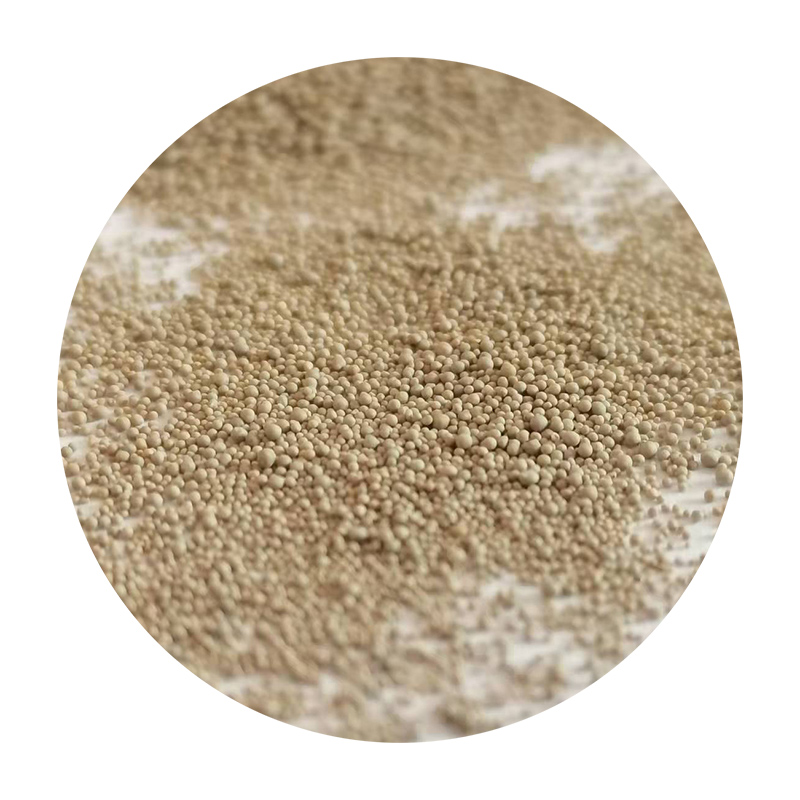
Molten metal, often sand casting steel, sand casting iron, or other alloys, heated to precise temperatures, is then carefully poured into the mold. As the metal cools and solidifies, it takes on the shape of the mold cavity. After solidification, the casting is "shaken out," breaking the sand mold apart to retrieve the rough component. The subsequent fettling process involves removing the gating system and any excess material (flash), followed by crucial post-casting operations such as heat treatment (e.g., annealing, normalizing, quenching, tempering) to achieve desired mechanical properties like hardness, tensile strength, and impact resistance. For components requiring high dimensional accuracy, CNC machining is often employed to refine critical surfaces. Throughout this entire process, adherence to international inspection standards like ISO 9001 and ASTM ensures that each component meets stringent quality requirements, contributing to its projected lifespan and superior performance in demanding applications such as high-pressure valve bodies or critical pump impellers. The choice of molding material, such as the high-performance Ceramcast sand ball shape, significantly influences casting quality by providing superior refractoriness, collapse properties, and reduced mold-metal reactions, leading to improved surface finish and reduced defects. This comprehensive approach underscores why sand castings remain a cornerstone of industrial production, delivering robust and reliable solutions for sectors like oil & gas, mining, and power generation.
Industry Trends and Advanced Materials in Steel Sand Casting Foundries
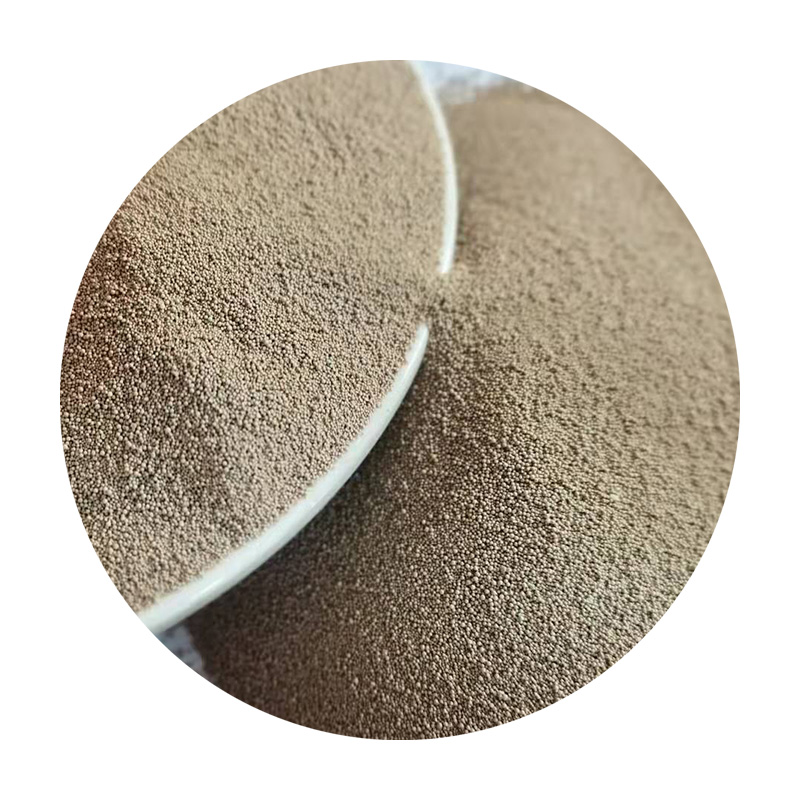
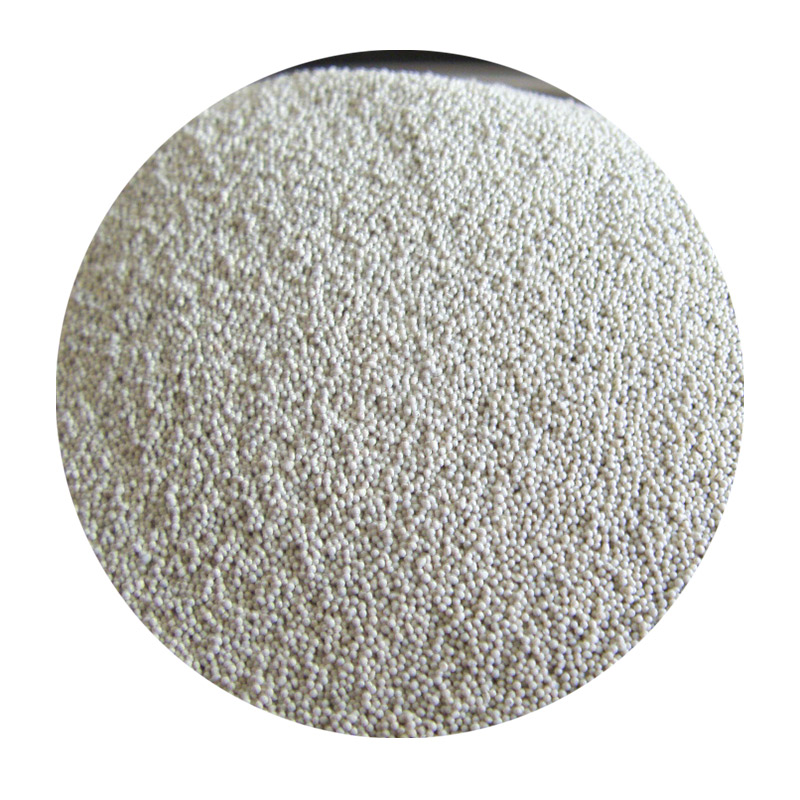
The landscape of steel sand casting foundry operations is continuously evolving, driven by advancements in materials science, automation, and digital technologies. Contemporary trends focus heavily on enhancing process efficiency, improving casting quality, and promoting environmental sustainability. One significant trend is the increasing adoption of advanced refractory materials for mold and core making. Traditional silica sand, while economical, can sometimes lead to issues like thermal expansion defects and limited surface finish. This has paved the way for specialized sands like ceramic sands, including our Ceramcast sand ball shape, which offers superior thermal stability, reduced expansion, and excellent permeability, significantly improving dimensional accuracy and surface quality of the final steel sand casting. These advanced materials minimize mold-metal reactions, leading to fewer defects and reduced post-processing, thereby enhancing overall production efficiency and reducing costs.
Furthermore, the integration of digital simulation tools, such as Computer-Aided Engineering (CAE) and Computational Fluid Dynamics (CFD), has revolutionized mold design and pouring strategies. These tools allow foundries to simulate metal flow, solidification patterns, and predict potential defects before physical production, significantly reducing prototyping cycles and material waste. Automation, from robotic pouring systems to automated shakeout and fettling processes, is also gaining traction, enhancing safety, consistency, and throughput in the production of sand casting metal components. Environmentally, significant efforts are being made in sand reclamation and recycling, minimizing landfill waste and reducing the consumption of virgin materials. This holistic approach, combining material innovation with technological prowess, ensures that modern steel sand casting continues to deliver high-performance, cost-effective solutions for the most demanding industrial applications, from heavy-duty machinery to complex fluid control systems. The continuous pursuit of excellence in these areas underscores our commitment to providing state-of-the-art casting solutions that meet and exceed industry standards for quality and sustainability.
Key Technical Parameters and Material Specifications for Sand Castings
The performance and suitability of sand castings for specific applications are dictated by a range of critical technical parameters and material specifications. Understanding these attributes is fundamental for engineers and procurement specialists when selecting components. Dimensional tolerances, often referenced by ISO 8062-3 (e.g., CT levels 9-13), define the permissible deviations from the nominal dimensions and are crucial for ensuring part fit-up and function. Surface finish, typically measured in Ra (arithmetical mean roughness), varies significantly based on the mold material and post-processing; the sand cast process typically yields Ra values ranging from 12.5 to 50 µm, which can be improved with advanced sands like Ceramcast or secondary machining. Mechanical properties, including tensile strength, yield strength, elongation, and hardness (Brinell or Rockwell), are paramount for structural integrity and are determined by the alloy composition and subsequent heat treatment.
| Parameter | Typical Range for Steel Sand Casting | Impact on Application |
|---|---|---|
| Tensile Strength (MPa) | 450 - 850+ | Resistance to pulling forces; critical for load-bearing components. |
| Yield Strength (MPa) | 250 - 550+ | Point at which permanent deformation begins; essential for structural integrity. |
| Elongation (%) | 12 - 25+ | Ductility; ability to deform without fracturing, important for shock loads. |
| Hardness (HB) | 130 - 300+ | Resistance to indentation and wear; crucial for bearing surfaces and abrasive environments. |
| Roughness (Ra µm) | 12.5 - 50 (as cast), <6.3 (machined) | Surface quality; affects friction, wear, and corrosion resistance. |
| Typical Wall Thickness (mm) | 5 - 200+ | Design flexibility for structural integrity and weight optimization. |
Common alloys utilized in sand casting metal include various grades of carbon steel (e.g., ASTM A27, A216 WCB), alloy steel (e.g., A217 WC6, WC9), stainless steel (e.g., A351 CF8, CF8M for corrosion resistance), and cast irons (e.g., gray iron ASTM A48, ductile iron ASTM A536). Each alloy is selected based on its specific metallurgical properties, corrosion resistance, and high-temperature performance, tailored to the demands of the operating environment. For instance, in petrochemical applications, stainless steel sand castings are preferred for their superior resistance to corrosive fluids, extending the service life of critical components. The expertise of a reputable foundry lies in its ability to manage these parameters precisely, ensuring that each component not only meets but often exceeds the required industry standards like ANSI or API, delivering reliability and long-term value.
Diverse Applications and Intrinsic Advantages of Sand Casting
The robust and adaptable nature of sand casting metal makes it indispensable across a multitude of heavy industries. In the petrochemical sector, sand castings are routinely used for manufacturing critical components such as pump casings, valve bodies, and pipe fittings, which must withstand corrosive chemicals, extreme pressures, and high temperatures. For metallurgy, large-scale equipment like rolling mill housings, furnace components, and grinding mill liners benefit from the ability of the sand casting process to produce massive, high-strength parts. Similarly, in the water supply and drainage industry, components like large impellers, manifold pipes, and complex valve assemblies are commonly produced via the sand cast method, leveraging its capacity for intricate internal geometries and durability.
The technical advantages of sand casting metal are manifold, offering compelling reasons for its continued prominence. Firstly, it provides unparalleled design flexibility, allowing engineers to create highly complex and intricate part geometries, often incorporating internal passages and hollow sections that would be challenging or impossible with other manufacturing techniques. This enables optimized designs for fluid dynamics, reduced material usage, and lighter components without compromising strength. Secondly, it is highly cost-effective for producing large, heavy components and for short to medium production runs, as tooling costs are relatively lower compared to other casting methods like die casting. Thirdly, the process is compatible with a vast range of ferrous and non-ferrous alloys, including various grades of sand casting steel, sand casting iron, and non-ferrous metals, making it versatile for diverse material requirements. The ability to cast near-net-shape components minimizes material waste and subsequent machining, leading to energy savings and reduced overall manufacturing costs. Moreover, the inherent robustness and fatigue resistance of properly manufactured sand castings ensure a long operational lifespan, even in the harshest industrial settings, contributing significantly to the efficiency and reliability of industrial systems worldwide.
Customization, Manufacturer Differentiation, and Unwavering Quality Assurance
In today's competitive industrial landscape, the ability to offer comprehensive customization solutions is a hallmark of a leading steel sand casting foundry. Beyond standard offerings, bespoke design capabilities allow clients to translate unique operational challenges into precisely engineered components. This involves collaborative design reviews, sophisticated alloy selection (e.g., specific stainless steel grades for extreme corrosion, or specialized ductile irons for enhanced wear resistance), and tailored post-casting processes such as precise heat treatments for optimized mechanical properties, or advanced CNC machining for tight dimensional tolerances. For truly unique sand casting requirements, expertise in pattern design, core setting, and gating system optimization becomes paramount to achieve intricate geometries and superior surface finishes. Our commitment to incorporating materials like Ceramcast sand ball shape further exemplifies our dedication to custom solutions, providing a base for higher quality and fewer defects from the outset.
Distinguishing between manufacturers in the sand casting metal sector requires a deep dive into their technical prowess, certifications, and track record. A top-tier foundry differentiates itself through an unwavering commitment to quality assurance, evidenced by rigorous adherence to international standards such as ISO 9001. This includes comprehensive material analysis using spectrometers to verify alloy composition, advanced Non-Destructive Testing (NDT) methods like ultrasonic testing (UT), magnetic particle inspection (MPI), and radiography (RT) to detect internal flaws, and precise dimensional inspection using CMMs (Coordinate Measuring Machines) to ensure geometric accuracy. Our facility not only holds these crucial certifications but also boasts a long service history, providing robust solutions to major industrial partners globally. This commitment extends beyond mere compliance; it's about fostering trust through transparent processes, consistent quality, and responsive technical support. We understand that in mission-critical applications, component reliability is non-negotiable, and our robust quality control protocols for every sand casting steel or sand casting iron part ensure optimal performance and peace of mind for our clients.
Client Success, Trust Building, and Comprehensive Support for Sand Castings
Our dedication to delivering superior sand castings is reflected in numerous client success stories across various industries. For instance, a leading valve manufacturer significantly reduced their lead times and improved the surface finish of their large valve bodies by partnering with us, leveraging our expertise in steel sand casting and advanced molding materials. Another case involved a mining equipment OEM who achieved enhanced wear resistance in their critical components through our specialized alloy selection and heat treatment protocols for sand casting iron, ultimately extending the service life of their machinery in abrasive environments. These examples underscore our capability to not only meet but exceed client expectations by understanding their unique challenges and providing tailored, high-performance sand casting metal solutions. Our extensive service years in the industry are a testament to our consistent quality and deep technical knowledge.
"Choosing the right foundry for critical components is crucial. Their expertise in sand casting steel and rigorous quality control gave us confidence, resulting in superior performance and reduced operational costs for our heavy machinery." - Leading Industrial Equipment Manufacturer.
Building and maintaining client trust is a cornerstone of our operations. We achieve this through transparent communication, reliable delivery schedules, and robust post-sales support. Our average delivery cycle for standard sand castings ranges from 4 to 8 weeks, depending on complexity and order volume, with expedited options available for urgent requirements. We provide comprehensive warranty commitments for all our products, ensuring that any manufacturing defects are promptly addressed, reflecting our confidence in the quality and durability of our sand casting metal components. Our dedicated customer support team is always available to assist with technical queries, order tracking, and any post-delivery concerns, ensuring a seamless experience from design conceptualization to final product deployment. This end-to-end support model, coupled with our proven track record, establishes us as a reliable partner for all your industrial casting needs.
Frequently Asked Questions (FAQ)
- What types of metals can you sand cast? We specialize in ferrous metals, including various grades of sand casting steel (carbon, alloy, stainless) and sand casting iron (gray, ductile), tailored to specific application requirements.
- What are your typical lead times for sand castings? Standard lead times range from 4 to 8 weeks, depending on part complexity, required post-processing, and current production schedules. We strive for efficiency and will provide precise estimates for each project.
- What quality certifications do you hold? We are ISO 9001 certified, ensuring our quality management system meets international standards. We also adhere to specific industry standards like ASTM and ANSI as required by component specifications.
- Can you assist with component design and material selection? Yes, our experienced engineering team provides comprehensive design for manufacturability (DFM) support, including material selection, simulation, and optimization to ensure the best possible the sand cast component.
Conclusion: The Enduring Value of Advanced Sand Casting
The art and science of sand casting metal continue to be a cornerstone of heavy industrial manufacturing, delivering robust, cost-effective, and complex components essential for critical infrastructure and machinery across the globe. From the exacting demands of petrochemical facilities to the rigorous environments of metallurgical operations and the large-scale requirements of water management, the versatility and inherent advantages of sand castings are undeniable. The continuous evolution of this ancient craft, driven by innovations in materials like the Ceramcast sand ball shape and the integration of advanced digital and automation technologies, ensures its relevance and superiority in producing high-integrity parts. Choosing a foundry that embodies expertise, boasts a proven track record, and maintains stringent quality controls is paramount for leveraging the full potential of this manufacturing process. Our commitment to precision engineering, comprehensive quality assurance, and dedicated client support underscores our position as a trusted partner in delivering high-performance steel sand casting solutions that not only meet current industry standards but also anticipate future demands.
Authoritative References
- Jatinder Singh, Anish Sachdeva, and Navneet Singh. "A Review of Casting Processes and Defects." Materials Today: Proceedings, 2018.
- American Foundry Society (AFS). Metal Casters Reference Book. AFS, 2020.
- ASM International. ASM Handbook, Vol. 15: Casting. ASM International, 2008.
- Campana, M. "Modern Trends in Sand Casting." International Journal of Metalcasting, 2019.
Next:Premium Ceramsite & Cerabeads for Lightweight Solutions