
Ceramic Sand for Real-World Foundries: Notes from the Floor
If you’re weighing options for lost foam sand casting, here’s the short version from someone who’s watched more than a few pours: ceramic media has quietly become the go-to when surface finish and dimensional stability matter, and when energy and VOC targets actually sit on the KPI sheet, not a poster on the wall. The product I’ve been looking at lately ships from No.669 of Xinmiao Sanlu, Xinqiao Town, Songjiang Dist, Shanghai—solid supply chain, surprisingly fast responses.
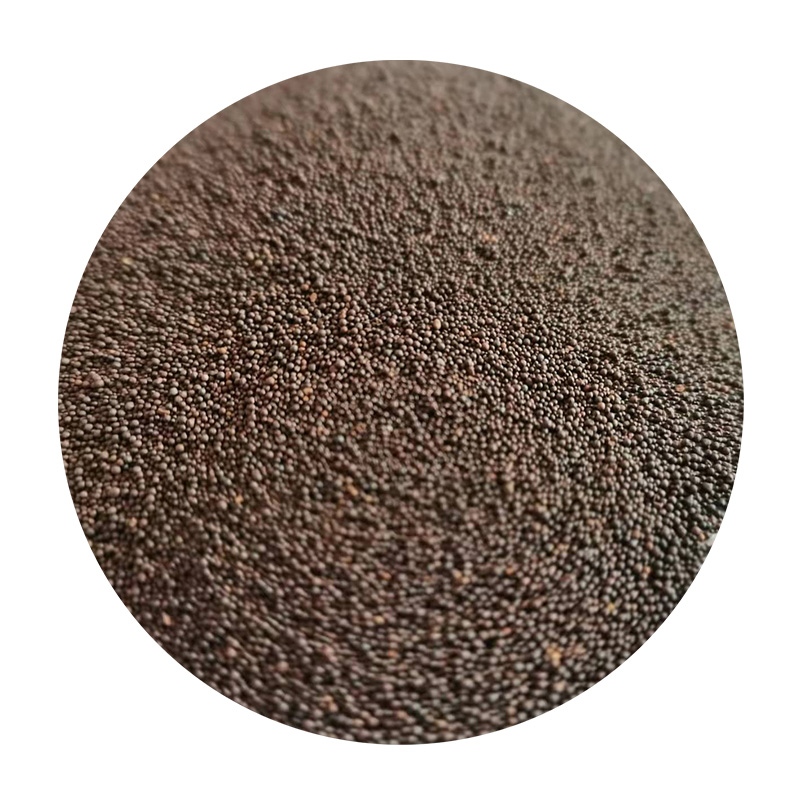
Industry trends (and what actually sticks on the shop floor)
Two things keep coming up in briefings: thinner-wall designs in EV/industrial castings and ESG pressure on binders. With ceramic filling media, many customers say they’re seeing lower thermal expansion, fewer veining defects, and steady reclaim. In fact, the binder-free approach in lost foam sand casting aligns with plant targets: less smoke, simpler reclamation, and measurable scrap reductions.
Process flow (realistic, not idealized)
- EPS pattern making and gluing; density control is critical (≈18–26 kg/m³ for many jobs).
- Coating: refractory slurry, controlled viscosity; drying to target moisture (≤0.2% is common).
- Mold box filling with ceramic sand; vibration compaction (tuned Hz and amplitude) for uniform support.
- Pour: metal vaporizes foam; optional vacuum assist to stabilize fronts and reduce turbulence.
- Shakeout and screening; ceramic sand reclaimed at ≈98% recovery, no binder load.
- Testing: sieve analysis (AFS methods), LOI, ADV, and thermal expansion checks at set intervals.
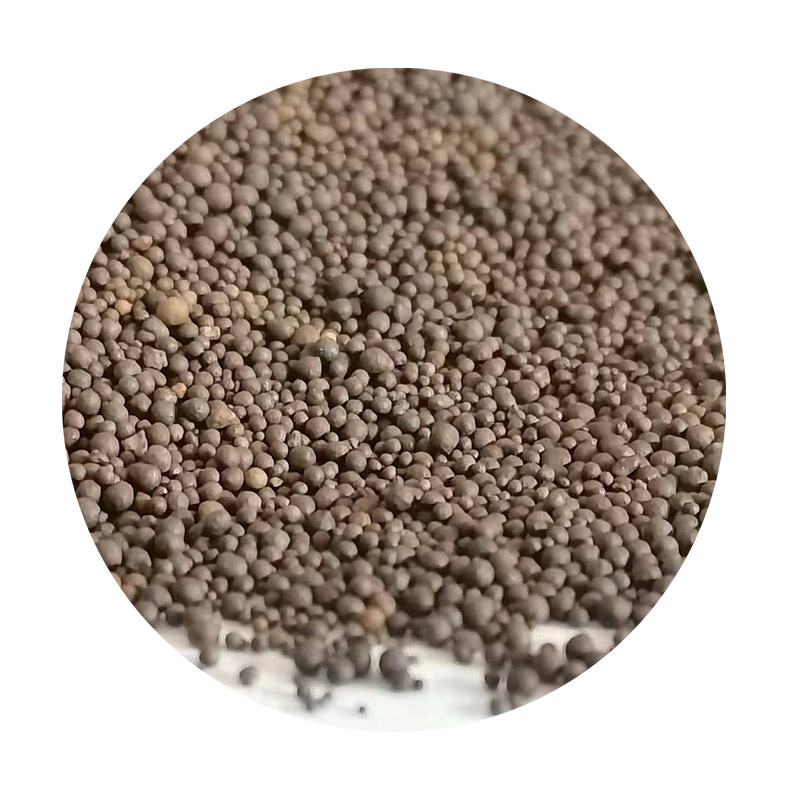
Product specs: Ceramic Sand for Lost Foam Casting
Short version: low energy reclaim, low equipment burden, high reuse. Consumption around 1.0–1.5 kg/ton of castings; scrap typically drops when patterns/coatings are dialed in.
| Parameter | Typical Value (≈) |
|---|---|
| Grain size (AFS GFN options) | 45 / 55 / 65 / 75 (custom on request) |
| Refractoriness | ≥1800°C |
| Bulk density | 1.95–2.05 g/cm³ |
| Roundness (Krumbein) | ≥0.85 |
| Thermal expansion (20–1000°C) | ≈0.12% |
| Crush index | ≤1.0% |
| LOI | ≤0.1% |
| ADV / pH | Low ADV; pH ≈ 6.8–7.2 |
Vendor comparison (field-notes)
| Vendor/Media | Thermal Expansion @1000°C | Reuse Rate | Binder Need | Certs (typ.) |
|---|---|---|---|---|
| Ceramic Sand (Shanghai origin) | Low (≈0.12%) | High (≈98%) | No, for lost foam sand casting | ISO 9001, ISO 14001, IATF (varies) |
| Washed River Silica | Higher (≈0.35%) | Medium | Not typical | ISO 9001 (often) |
| Imported Ceramic Beads (OEM) | Very Low (≈0.10%) | High | No | ISO 9001 / IATF |
Applications and feedback
Automotive (blocks, carriers), pump and valve bodies, mining wear parts, agricultural housings, and bespoke industrial shapes where coatings manage permeability. One customer put it bluntly: “we thought our pattern was the problem; turned out it was our media and vibration setup.” After switch-over, they reported ≈18% scrap reduction on a ductile iron knuckle and ceramic sand usage of 1.2 kg/ton.
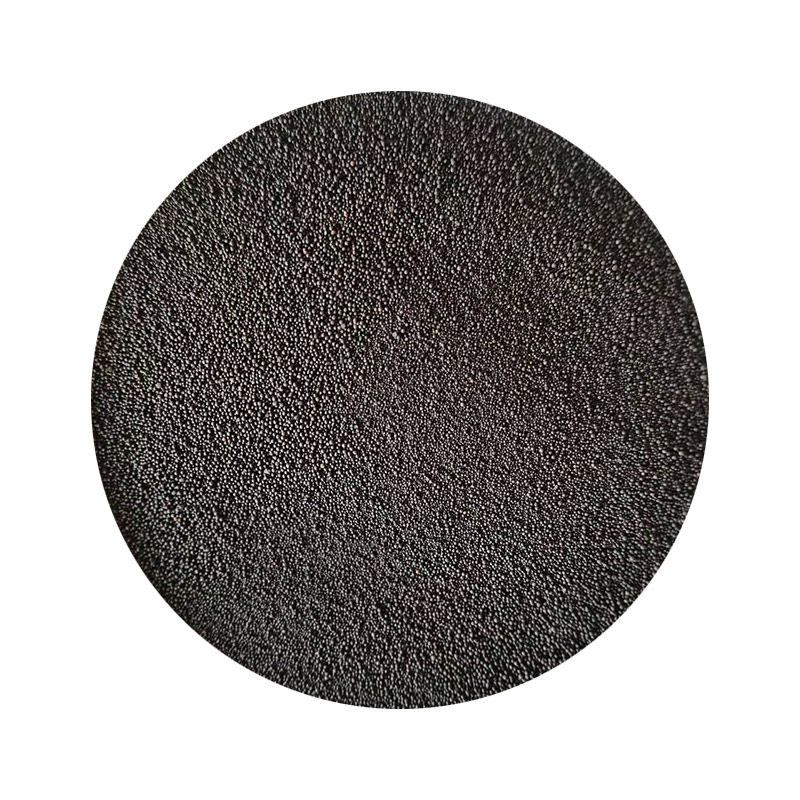
Quality, testing, and standards
Routine QC commonly follows AFS sieve analysis and LOI/ADV checks; sieves per ASTM E11. Surface acceptance targets in lost foam sand casting often benchmark against internal specs aligned with AFS/ASTM guidance. Plants serving automotive typically run ISO 9001 and IATF 16949; environmental programs track ISO 14001. Service life? With 98% reclaim, media turnover is low; screens and air-wash keep it consistent.
Customization and support
Grain curves (GFN 45–75), tailored blends, and coating compatibility reviews are usual. Practical help—vibration recipes, pour temp windows, and coating permeability—often makes the difference, to be honest.
Authoritative citations
- ASM Handbook, Vol. 15: Casting, ASM International.
- American Foundry Society (AFS) – Lost Foam Casting Process Control Guidelines; AFS 1105 Sieve Analysis; AFS 1131 LOI.
- ASTM E11 – Specification for Woven Wire Test Sieve Cloth and Test Sieves.
- ISO 9001:2015; IATF 16949:2016; ISO 14001:2015 – Quality and Environmental Management Standards.
Next:Spherical Sand for Cleaner, Faster Ceramic Sanding—Why?