
Why Foundries Are Moving to Spherical Ceramic Sand: Field Notes, Specs, and Real-World Results
A few months back I walked the molding line at a busy aluminum jobbing shop in East China. The molder shrugged, pointed to the media in the hopper, and said, “we switched to spherical sand; surface finish got better almost overnight.” To be honest, I hear this a lot. Between rising demand for cleaner cast surfaces, tighter tolerances, and stricter H&S around respirable silica, the shift feels inevitable.
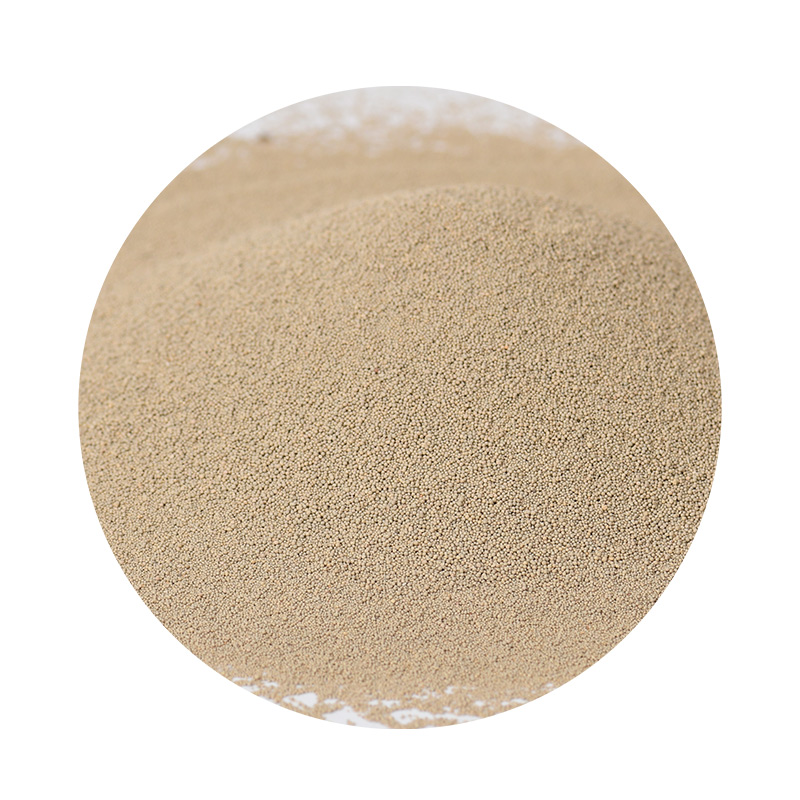
What it is (and why it’s different)
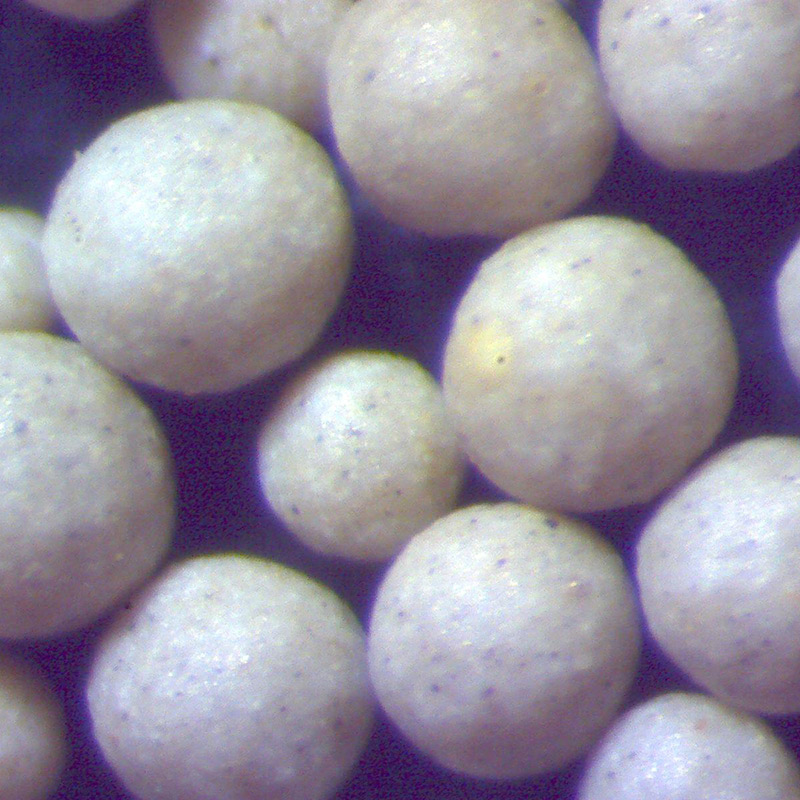
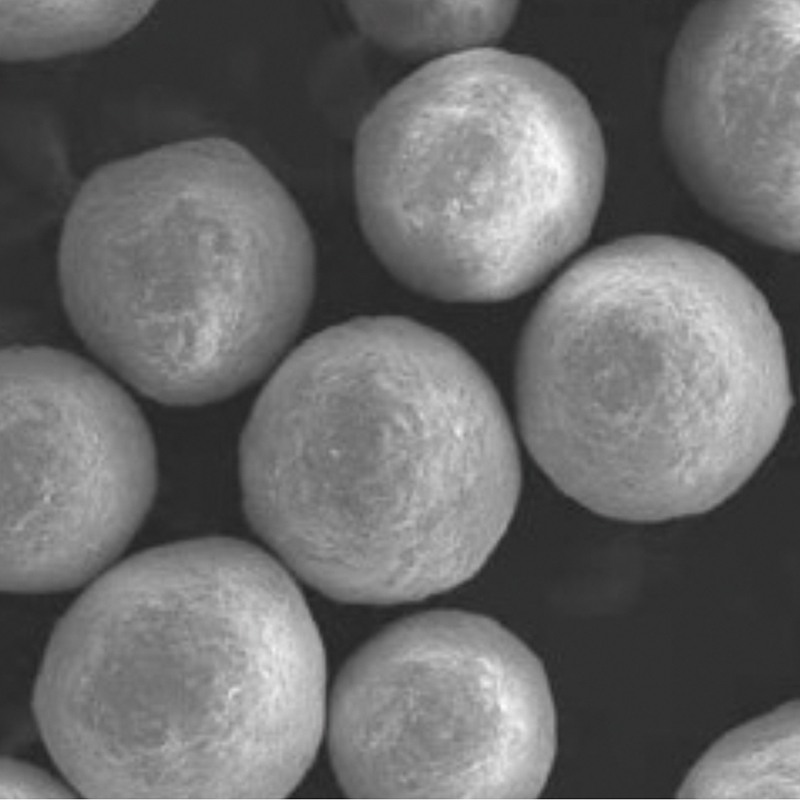
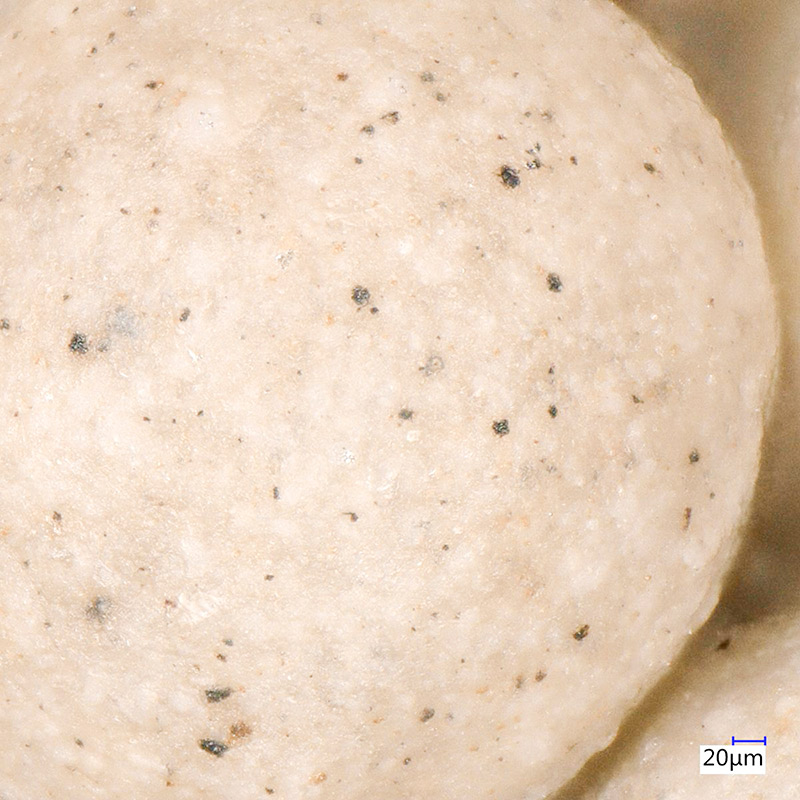
Spherical sand here refers to sintered ceramic media made from calcined bauxite—alumina-silica based, engineered into near-perfect rounded grains. Compared with river silica, it offers higher refractoriness, lower thermal expansion, and slick flowability. In fact, many customers say it packs tight with less binder, yet shakes out clean and reclaims well.
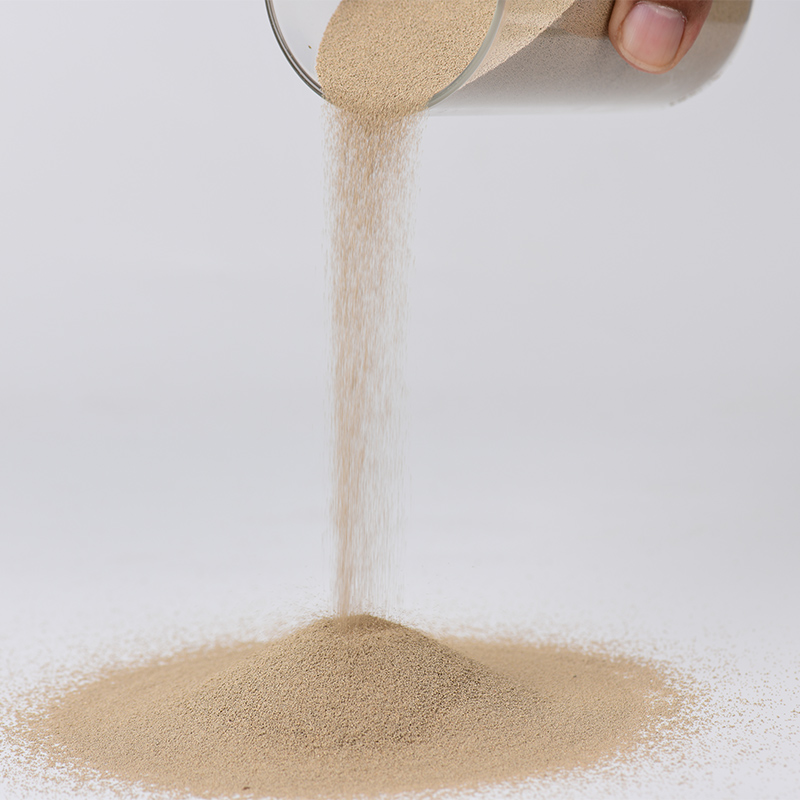
Process flow (how it’s made)
- Raw materials: high-grade calcined bauxite (Al2O3 + SiO2 control)
- Granulation & spheroidization: controlled rounding for flow and packing
- Sintering: high-temp firing to lock mineralogy and crush resistance
- Screening & classification: AFS/GFN targets, narrow distributions
- Surface finishing & dust control: lower fines, cleaner air at the mixer
- QC testing: sieve analysis (ASTM E11), LOI, acid demand, expansion, crush
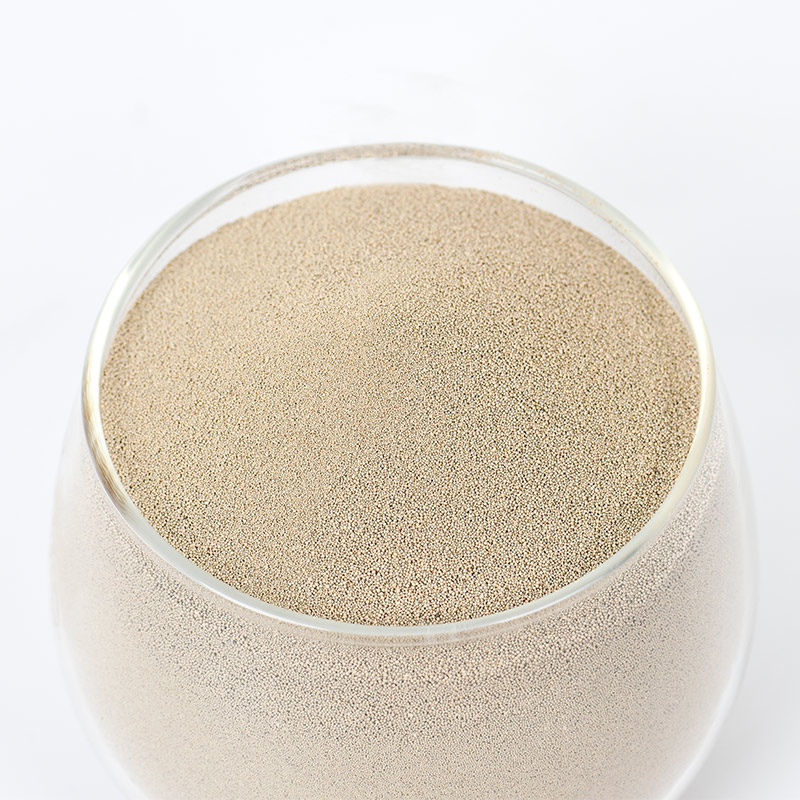
Product specifications (typical)
| Property | Typical value (≈) | Test standard |
|---|---|---|
| Al2O3 / SiO2 | Al2O3 65–75%, SiO2 15–25% | XRF |
| Refractoriness | > 1800°C | PCE/ASTM C24 |
| Linear thermal expansion | ≈0.10–0.15% at 1000°C | ASTM E831 |
| Bulk density | 1.9–2.1 g/cm³ | ASTM C29 |
| Roundness/sphericity | 0.85–0.95 | Krumbein visual |
| LOI | < 0.1% | AFS LOI |
| AFS GFN | 45 / 60 / 75 / custom | ASTM E11 |
| Thermal shock/crush | Low breakage; <3% fines after cycles | API RP 19C method adapted |
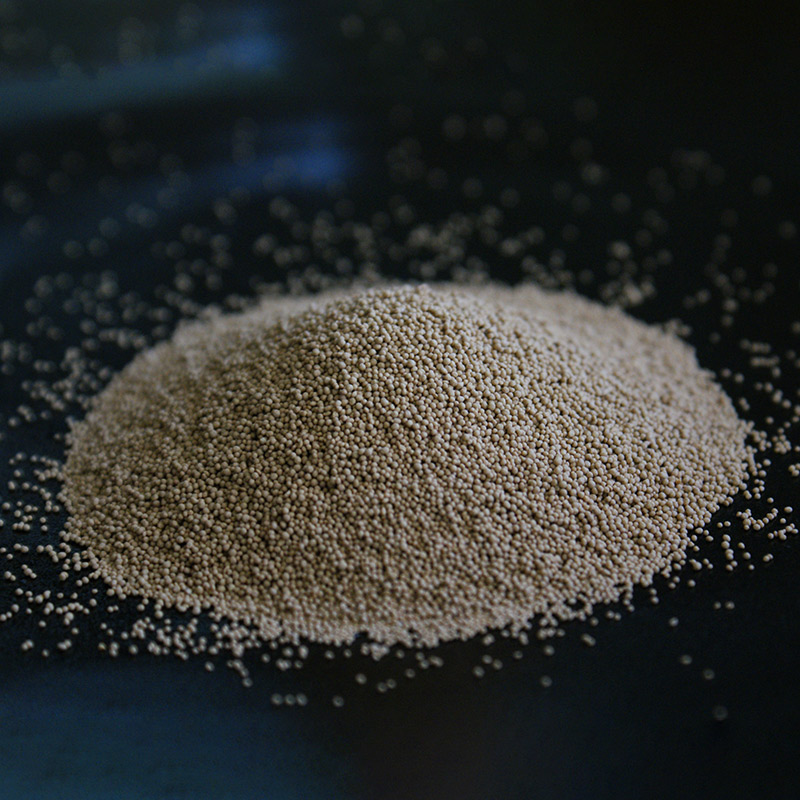
Applications and advantages
- Iron/steel castings: reduced veining and penetration; cleaner faces
- Aluminum/brass: lower gas defects; less binder demand (often −10–20%)
- Investment casting backup coats; 3D binder-jet molds and cores
- High reclamation rates (≈95%+), longer media service life across loops
Case notes (real plants)
Spherical sand in an EU steel foundry cut finning by ~40% on a pump housing; finish moved from Ra 12 to ~8 µm, per their QC log. A die shop in Vietnam reported 18% binder reduction on cold-box cores—surprisingly with faster shakeout. And a Shanghai jobbing shop, two months in, logged 96–97% reclamation with stable AFS, saving on new media purchases.
Vendor snapshot and customization
SinoCeramSite (No. 669 Xinmiao Sanlu, Xinqiao Town, Songjiang, Shanghai) offers tight GFN bands and tailored blends. You can spec GFN 45–120, narrow cuts for 3D printing, or low-fines lots for aggressive reclamation systems. Certifications commonly include ISO 9001 and 14001; batch COAs list sieve curve, LOI, expansion, and chemistry.
| Vendor | Refractoriness | Thermal expansion | Reclamation rate | Price index |
|---|---|---|---|---|
| SinoCeramSite (ceramic) | >1800°C | Low (≈0.12%) | High (95%+) | $$ |
| AGC Cerabeads (ceramic) | >1800°C | Low | High | $$$ |
| Premium silica sand | ≈1600–1700°C | Higher | Moderate (80–90%) | $ |
Testing, standards, and data to ask for
- Sieve curve per ASTM E11; AFS GFN with traceable calibration
- Thermal expansion via TMA (ASTM E831)
- PCE refractoriness (ASTM C24)
- Crush/fines generation under cyclic heating—methods adapted from API RP 19C
- Quality system: ISO 9001; environmental: ISO 14001 certificates
Practical tip: run a 4–6 week A/B trial. Track binder %, scrap codes, surface Ra, shakeout energy, and reclaim loss-on-ignition. It seems that once teams see the stability, they rarely go back.
Bottom line
Spherical sand isn’t just a premium swap; it’s a process stabilizer. If you’re chasing lower scrap and smoother surfaces—especially on alloy-critical work—this is a move worth piloting.
- ASTM E11 – Standard Specification for Woven Wire Test Sieve Cloth and Test Sieves.
- ASTM E831 – Standard Test Method for Linear Thermal Expansion of Solid Materials by TMA.
- ASTM C24 – Standard Test Method for Pyrometric Cone Equivalent (PCE) of Fireclay and High-Alumina Refractory Materials.
- API RP 19C – Measurement of Properties of Proppants Used in Hydraulic Fracturing and Gravel-packing Operations (methods adapted for ceramic grains).
- ISO 9001 and ISO 14001 – Quality and Environmental Management Systems (certification frameworks for manufacturing).
Next:Golden Sands for Sale: Bulk Supply, Best Prices, Fast Ship?