
What is Sand Casting?
Sand casting, also known as sand mold casting, is a versatile and widely used metal casting process that involves creating a sand mold to form a desired shape for metal objects. This method is one of the oldest known manufacturing processes, dating back to ancient civilizations, and remains popular due to its effectiveness, low cost, and ability to produce complex shapes.
The core principle of sand casting lies in the use of sand as the primary molding material. Sand casting is primarily used for metals like aluminum, iron, and bronze, making it suitable for a variety of applications in industries such as automotive, aerospace, and art. This article will explore the various stages of the sand casting process, its advantages and disadvantages, and its applications.
Process of Sand Casting
The sand casting process generally involves several key steps
1. Pattern Making The first step is to create a pattern, typically made from wood, metal, or plastic, that resembles the final object. The pattern is usually slightly larger than the final product to account for metal shrinkage during cooling.
2. Mold Preparation The pattern is coated with a release agent to ease its removal after the mold is formed. Next, the sand is mixed with a bonding agent (usually clay or resin) and compacted around the pattern to create a mold. The sand mold consists of two halves, known as the cope (top half) and the drag (bottom half), which are then assembled.
3. Core Insertion If the object being cast has internal cavities or complex shapes, a core made of sand may be inserted into the mold. The core is placed in the mold before the metal is poured to create these internal features.
4. Pouring Once the mold is ready and any necessary cores are in place, molten metal is poured into the mold cavity through a pouring basin and sprues. The metal is heated until it reaches a liquid state, allowing it to fill all the intricate details of the mold.
5. Cooling After pouring, the molten metal is allowed to cool and solidify. The cooling time varies depending on the size and complexity of the casting.
6. Mold Removal Once the metal has cooled and solidified, the sand mold is broken apart to remove the casting. This step often involves shaking or vibrating the mold.
what is a sand casting
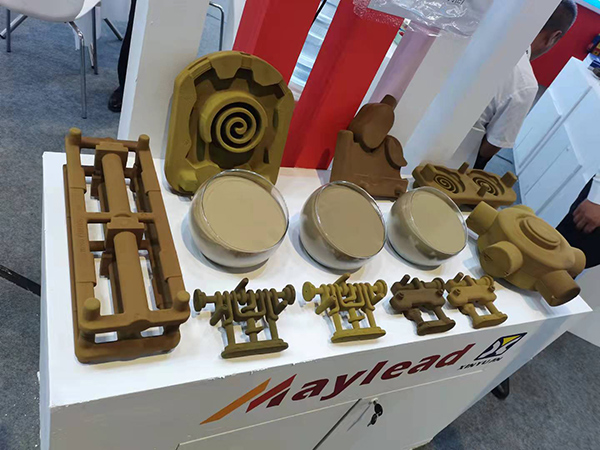
7. Finishing The final step involves cleaning the casting, which may include removing any sand residues, excess metal (flash), and defects. Processes such as grinding, machining, and surface treatment may be employed to achieve the desired finish.
Advantages of Sand Casting
Sand casting offers several advantages
- Cost-Effective Sand is a relatively inexpensive material, and the process does not require expensive tools or machinery, making it accessible for small-scale operations and hobbyists. - Versatility The process can accommodate a wide range of metal types, shapes, and sizes, making it suitable for various applications. - Complex Geometries Sand molds can be easily shaped, allowing the manufacture of complex designs that might be difficult to achieve with other casting methods.
Disadvantages of Sand Casting
Despite its many benefits, sand casting has some disadvantages
- Surface Finish Castings made by sand casting may require additional finishing processes to achieve a smooth surface, as the sand texture can be transferred to the casting. - Dimensional Tolerances Sand casting generally has lower dimensional accuracy compared to other casting methods, such as investment casting. - Labor-Intensive The process can be labor-intensive, requiring skilled labor for pattern making and mold preparation.
Applications of Sand Casting
Sand casting is widely used in various industries, including automotive for engine blocks, transmission cases, and other components. It is also prevalent in the manufacturing of machinery parts, art sculptures, and various industrial components. Its ability to produce both small and large quantities of castings makes it a preferred choice for many applications.
In summary, sand casting is a crucial manufacturing process that provides flexibility and affordability in producing metal parts. Its enduring popularity speaks to its effectiveness and adaptability in meeting the demands of various industries. As technology advances, sand casting continues to evolve, incorporating new techniques and materials, ensuring its relevance in modern manufacturing.
Post time:Dec . 22, 2024 06:22
Next:applications of sand casting