
Applications of Sand Casting
Sand casting, one of the oldest and most versatile manufacturing processes, has remained highly relevant due to its simplicity and adaptability. Originating thousands of years ago, this method involves creating a mold from sand and then pouring molten metal into the mold to create various components. The appeal of sand casting lies in its ability to produce complex shapes and structures, making it a preferred technique across multiple industries. This article explores the diverse applications of sand casting, highlighting its significance in contemporary manufacturing.
1. Automotive Industry
The automotive industry is one of the largest consumers of sand casting. Components such as engine blocks, transmission cases, and brake housings are frequently produced through this method. The ability to manufacture complex geometries at a lower cost makes sand casting an ideal choice. Additionally, the process allows for the incorporation of lightweight materials, which contribute to improved fuel efficiency in vehicles. Sand casting also enables manufacturers to produce parts in bulk, catering to the high demand for automotive components.
2. Aerospace Sector
In the aerospace industry, precision and reliability are paramount. Sand casting is employed to produce components such as turbine casings, structural frames, and exhaust components. The ability to cast intricate designs that can withstand high temperatures and pressures is crucial in this field. Precision sand casting techniques, including the use of computer-aided design (CAD) software, help in achieving the exact specifications needed for aerospace applications. Moreover, the lightweight nature of sand-cast parts contributes to overall fuel efficiency and performance in aircraft.
Beyond industrial applications, sand casting is an essential technique in the art world, particularly for sculptures and decorative items. Artists appreciate the freedom sand casting provides, allowing them to create unique and complex shapes that might be difficult to replicate using other methods. The process can be used to cast various materials, including bronze, aluminum, and iron, enabling artists to choose the metal that best fits their vision. This application not only supports artistic expression but also preserves the traditions of metalworking.
applications of sand casting
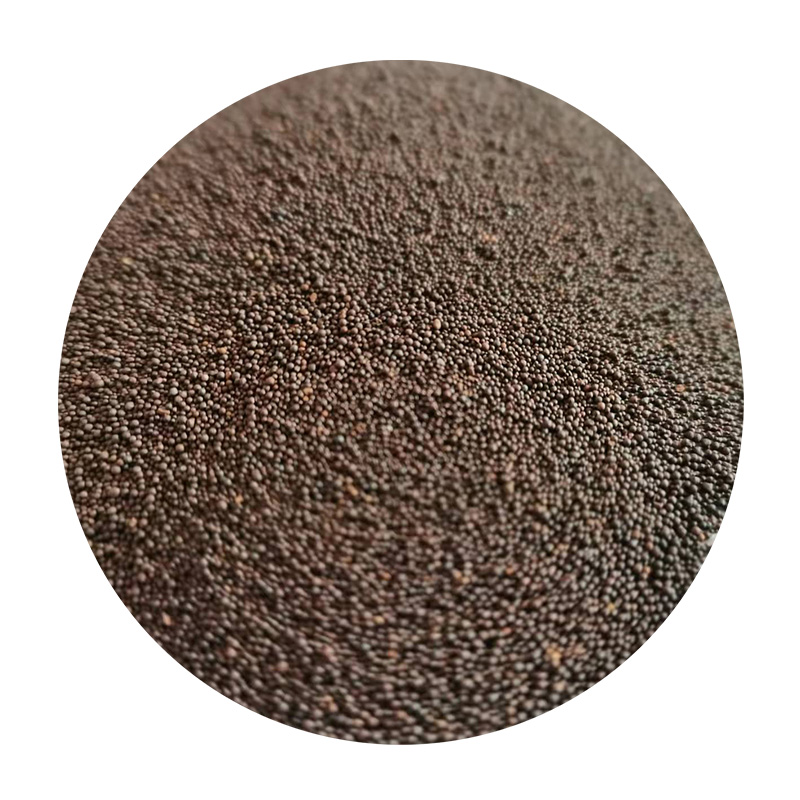
4. Construction Industry
In the construction sector, sand casting is employed to produce various structural components, including beams, columns, and architectural features. The ability to create custom parts that meet specific design requirements is a significant advantage in construction projects. Moreover, the durability of sand-cast components ensures they can withstand environmental stresses. As sustainable building practices become more important, the use of recycled materials in sand casting also positions this method as an environmentally friendly option.
5. Machinery and Equipment
The production of machinery and equipment is another critical application for sand casting. Components such as gears, housings, and brackets can be efficiently manufactured using this method. In industries that require heavy machinery, such as agriculture and mining, sand casting provides the robustness needed for high-performance equipment. Additionally, the flexibility of the sand casting process allows for rapid prototyping and production runs, aiding in the development of new machinery designs.
6. Electrical Industry
The electrical industry utilizes sand casting for creating various components, including enclosures for electrical devices, connectors, and heat sinks. The thermal conductivity of certain metals used in sand casting is particularly advantageous for heat management in electrical systems. By casting parts that can efficiently dissipate heat, manufacturers can improve the performance and longevity of electrical devices. Furthermore, the capacity for mass production ensures that the industry can meet the growing demand for electrical components.
Conclusion
Sand casting continues to be a vital manufacturing process that adapts to the evolving needs of various industries. From the automotive and aerospace sectors to art and construction, the versatility of sand casting allows for the creation of complex shapes and durable components. As technological advancements occur, incorporating innovative designs and sustainable practices into the sand casting process will further enhance its applications. The enduring relevance of sand casting is a testament to its efficiency and effectiveness in modern manufacturing.
Post time:Dec . 22, 2024 06:13
Next:sand casting company