
Elevating Foundry Performance with Kaist SuperSand Technology
In the demanding realm of foundry operations, the choice of molding material is paramount to achieving superior casting quality, efficiency, and sustainability. Traditional foundry sands often present challenges related to thermal stability, environmental impact, and reclamation costs. Addressing these critical industry needs, supersand, specifically Kaist SuperSand for foundries, emerges as a revolutionary solution. Developed with advanced material science, it offers an unparalleled combination of thermal resilience, reusability, and environmental benefits, fundamentally transforming the casting landscape. This innovative material is engineered to optimize every stage of the foundry process, from mold creation to shakeout, ensuring consistently high-quality castings while significantly reducing operational overheads and environmental footprint. Its unique properties position it as a cornerstone technology for modern, sustainable foundry practices.
Understanding Kaist SuperSand: The Core Material Science
Kaist SuperSand represents a significant leap forward in engineered particulate materials for high-temperature applications. Unlike conventional silica or zircon sands, its composition is meticulously formulated to enhance thermal shock resistance, reduce thermal expansion, and improve surface finish quality in castings. At its core, SuperSand is often comprised of engineered ceramic aggregates, such as high-purity alumina-silicates or synthetic mullite, precisely shaped and sized to optimize flowability and packing density. This advanced material selection provides an intrinsic resistance to veining, scabbing, and rat-tailing defects commonly associated with traditional sands. The precise control over particle morphology and distribution allows for superior permeability while maintaining excellent mold strength, crucial for complex geometries and large-scale castings. The innovative formulation also contributes to its exceptional reusability, setting new benchmarks for sustainability in the foundry sector.
Manufacturing Process & Quality Assurance
The production of Kaist SuperSand involves a sophisticated multi-stage manufacturing process designed to achieve its unique properties. It typically begins with the precise selection and blending of high-purity raw materials, followed by advanced thermal processing at controlled temperatures exceeding 1500°C to achieve optimal crystalline structure and density. This sintering process ensures superior refractoriness and chemical stability. Subsequently, advanced particle shaping and classification techniques, which might involve milling, screening, and air classification, are employed to achieve a narrow particle size distribution (PSD) and optimal angularity, crucial for consistent mold permeability and surface finish. Throughout the manufacturing cycle, stringent quality control measures are implemented, adhering to international standards such as ISO 9001. Each batch undergoes rigorous testing for parameters including loss on ignition (LOI), acid demand value (ADV), specific gravity, and thermal expansion, ensuring that the final product consistently meets the demanding specifications required for high-performance foundry applications. These meticulous steps guarantee the reliability and superior performance of every grain of SuperSand.
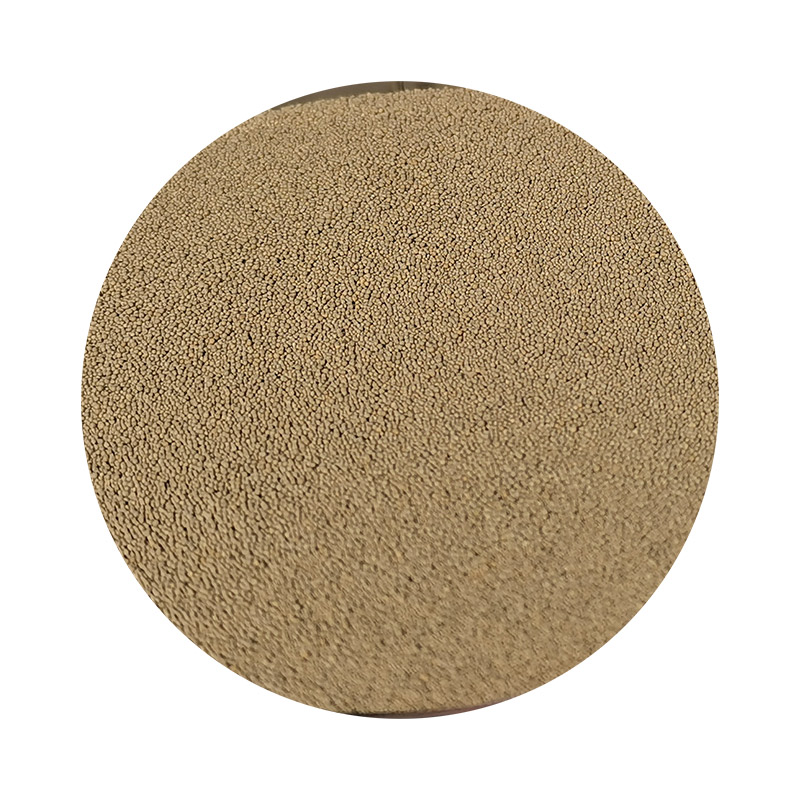
Image: Advanced manufacturing techniques ensure consistent quality and performance for Kaist SuperSand.
Technical Specifications & Performance Benchmarks
The superior performance of Kaist SuperSand is quantifiable through its impressive technical specifications, which significantly surpass those of conventional foundry sands. Its high thermal conductivity promotes rapid solidification, while its low thermal expansion minimizes mold distortion, leading to dimensional accuracy in castings. With a refractoriness typically exceeding 1800°C, it withstands extreme casting temperatures without degradation, making it ideal for ferrous and non-ferrous alloys alike. Furthermore, its inherent resistance to chemical reactions with molten metal ensures a superior surface finish and reduces the need for extensive post-casting cleanup. The exceptional durability of SuperSand extends its usable lifespan significantly, often allowing for hundreds of cycles of reuse with minimal loss of properties, unlike traditional sands that degrade rapidly. This longevity not only contributes to environmental sustainability but also offers substantial economic benefits through reduced raw material consumption and waste disposal costs.
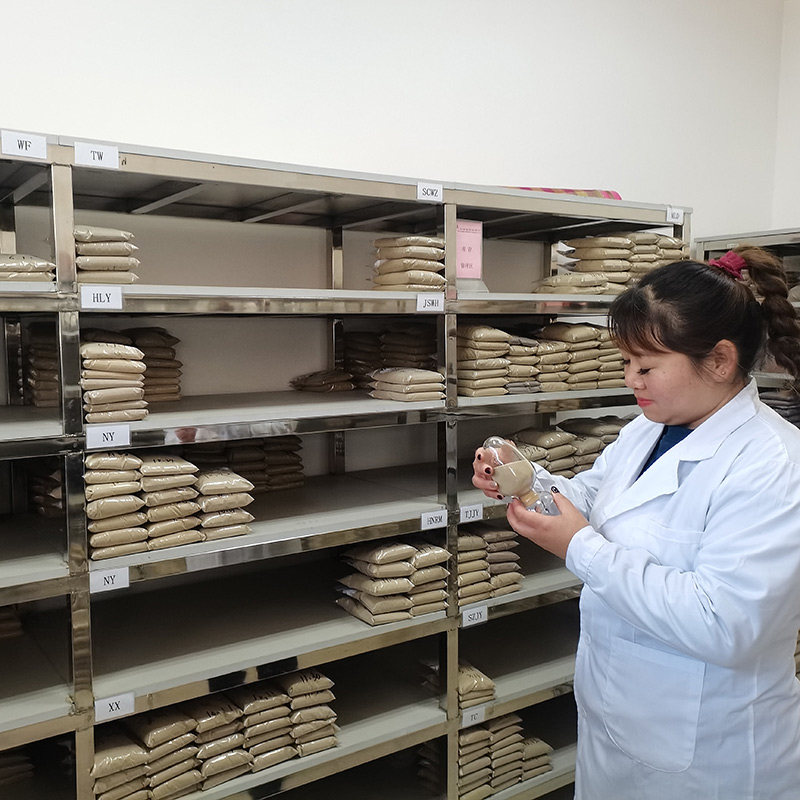
Image: Illustrative particle size distribution and thermal stability of Kaist SuperSand.
Kaist SuperSand Typical Technical Parameters
Key Advantages in Foundry Applications & Industry Trends
The adoption of Kaist SuperSand yields multifaceted advantages for modern foundries, aligning perfectly with prevailing industry trends towards efficiency, quality, and sustainability. Its superior refractoriness and low thermal expansion drastically reduce casting defects such as thermal cracking and surface pitting, leading to higher yield rates and reduced scrap. Furthermore, the inherent durability of SuperSand contributes to its extended lifespan and recyclability, often achieving over 95% reclamation rates, significantly lowering material consumption and waste disposal costs. This directly translates into a reduced environmental footprint, a crucial factor for companies pursuing ISO 14001 certification and corporate social responsibility goals. The use of advanced bonding agents like those found in g2 super sand bond or super sand bond g2 further enhances mold integrity and performance, while formulations like hydro super sand offer enhanced resistance to moisture-related defects. In an industry increasingly focused on lean manufacturing and energy conservation, SuperSand’s properties contribute to energy savings by reducing remelting due to defects and potentially allowing for faster cooling cycles.
Application Scenarios & Industry Impact
Kaist SuperSand is a versatile material finding critical applications across a broad spectrum of heavy industries where high-performance castings are indispensable. In the petrochemical sector, it is ideal for producing components like pump housings, valve bodies, and pipe fittings that demand exceptional corrosion resistance and pressure integrity. For metallurgy, it supports the casting of high-strength alloys used in turbines, engine blocks, and specialized tools, where dimensional accuracy and minimal internal defects are paramount. In water supply and drainage systems, its ability to produce smooth, non-porous castings ensures the longevity and efficiency of pipes, connectors, and impellers, mitigating issues of leakage and bio-fouling. The consistent quality and excellent surface finish achieved with SuperSand also minimize post-casting machining, saving significant time and resources. Our partnerships with leading foundries in these sectors have repeatedly demonstrated how integrating SuperSand, sometimes in conjunction with specialized variants like super sand g2 or optimizing the use of g2 super sand, leads to substantial improvements in production metrics and overall product quality, affirming its role as a key enabler for advanced manufacturing.
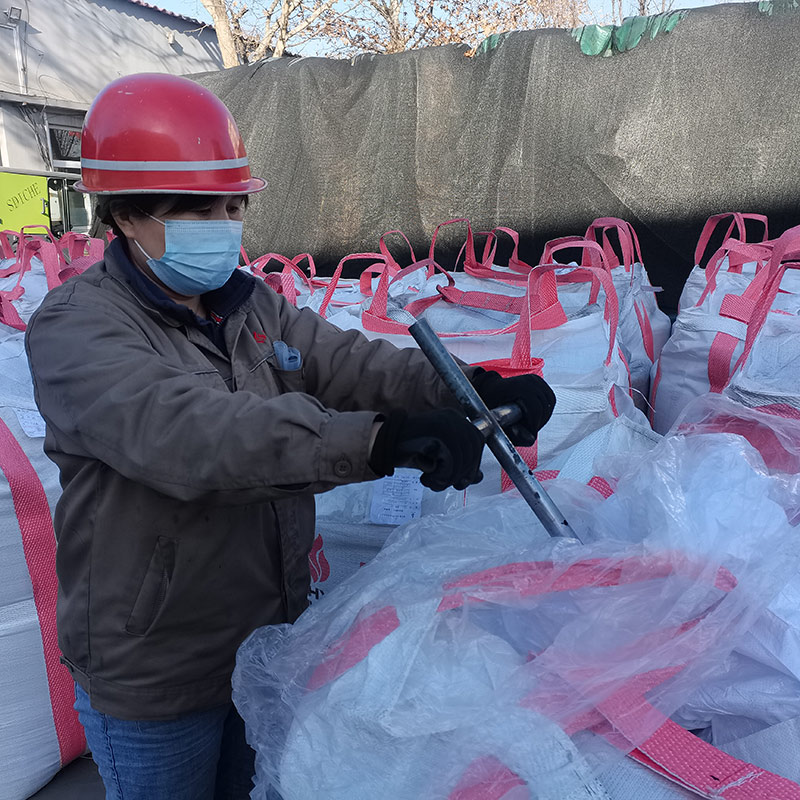
Image: Kaist SuperSand enables high-quality castings for critical industrial infrastructure.
Customization and Solution Development
Recognizing that each foundry operation presents unique challenges and requirements, our expertise extends beyond simply supplying Kaist SuperSand. We specialize in providing customized solutions tailored to specific casting processes, metal types, and desired outcomes. Our technical team works closely with clients to analyze their current production parameters, identify bottlenecks, and recommend optimal SuperSand formulations or blend ratios. This could involve adjusting particle size distribution (PSD) for particular surface finish requirements, or recommending specialized binders to achieve specific mold strengths or shakeout properties. For example, some applications might benefit from the unique properties of super sand magic for enhanced permeability or a faster curing time. This consultative approach ensures seamless integration of SuperSand into existing workflows, maximizing its benefits. Through collaborative development, we help foundries achieve superior casting quality, reduce operational costs, and enhance overall productivity, solidifying their competitive edge in a demanding market.
Quality Assurance, Certifications, and Industry Authority
Our commitment to quality and excellence is unwavering, forming the bedrock of trust with our global clientele. Kaist SuperSand is manufactured under stringent quality management systems, holding certifications such as ISO 9001:2015, which attests to our robust processes from raw material sourcing to final product delivery. Beyond formal certifications, our company maintains long-standing partnerships with leading research institutions, ensuring that our products remain at the forefront of foundry technology. We conduct regular internal audits and third-party testing to verify compliance with international standards like ANSI and ASTM, providing comprehensive test reports for every batch. With over two decades of experience in specialized materials, our extensive service history and proven track record in optimizing foundry operations speak volumes. This deep expertise, combined with transparent data and adherence to the highest regulatory standards, establishes Kaist SuperSand as a product of unparalleled reliability and authority in the foundry industry.
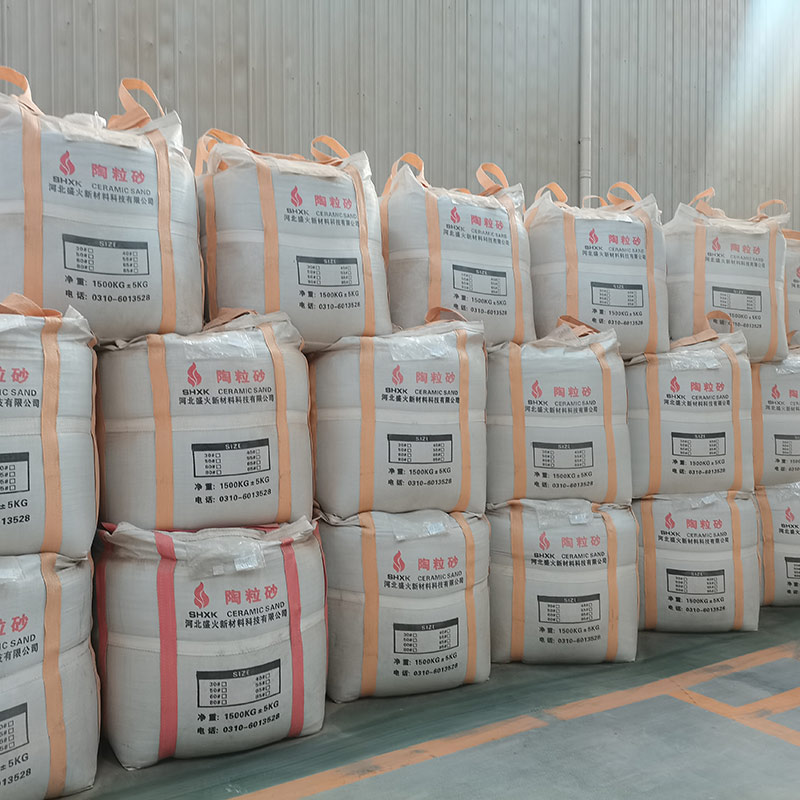
Image: Rigorous testing and certification processes underpin the reliability of Kaist SuperSand.
Client Success & Application Case Studies
Our client testimonials and successful application cases underscore the tangible benefits of integrating Kaist SuperSand into diverse foundry operations. For instance, a major automotive component manufacturer significantly reduced casting defects in their aluminum engine blocks by 18% and improved surface finish by one grade, leading to a 15% reduction in post-machining time. This was achieved by optimizing their sand system with our specialized SuperSand grade, tailored for their high-pressure die casting process. Another notable example involves a heavy machinery producer that experienced a 25% decrease in overall sand consumption due to the exceptional reusability of SuperSand, coupled with a 10% energy saving from reduced shakeout efforts. These results were verified through extensive production trials and direct comparison with their previous sand systems. Such outcomes demonstrate SuperSand's capacity to deliver substantial improvements in both operational efficiency and product quality across various casting applications and metal types, reinforcing its value proposition as a premier foundry material.
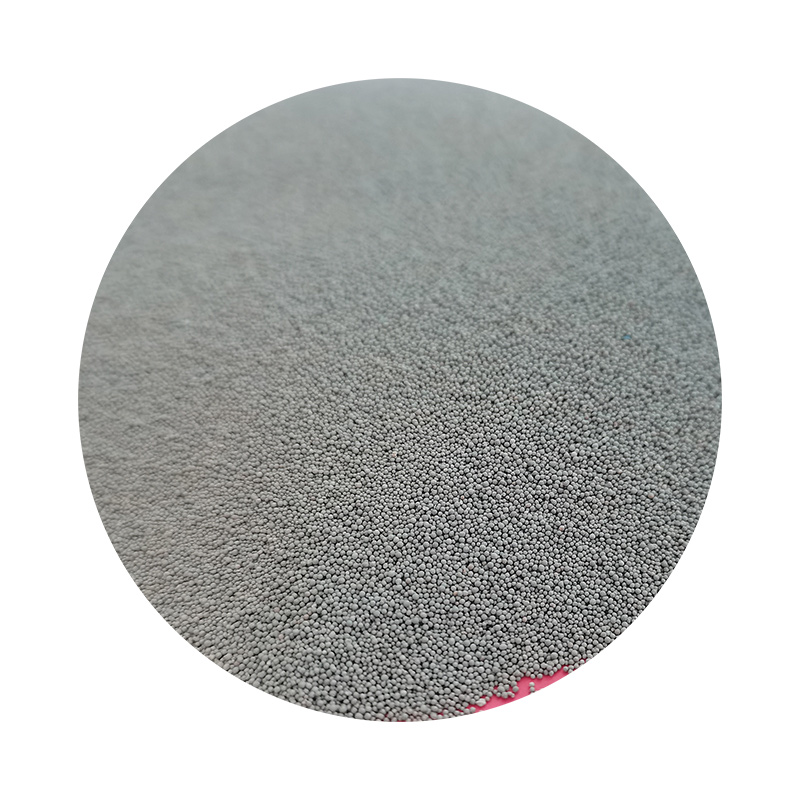
Image: Kaist SuperSand being utilized in a modern foundry, ensuring high-quality casting output.
Frequently Asked Questions (FAQ)
Q1: What makes Kaist SuperSand different from traditional silica sand?
Kaist SuperSand is an engineered ceramic aggregate with superior refractoriness (>1800°C), significantly lower thermal expansion, and higher specific gravity compared to traditional silica sand. These properties result in superior casting surface finish, fewer defects like veining and scabbing, and greatly extended reusability, leading to substantial cost savings and environmental benefits. Unlike silica, it does not pose silicosis risks from crystalline silica dust.
Q2: What is the typical lifespan or reusability of Kaist SuperSand?
Under optimal conditions and with proper reclamation processes, Kaist SuperSand can be reused for hundreds of cycles, often yielding over 95% reclamation rates. Its robust particle structure resists thermal degradation and attrition, ensuring consistent performance over a prolonged operational lifespan, far exceeding that of conventional sands. This durability is a key factor in its cost-effectiveness and environmental advantages.
Q3: Is Kaist SuperSand compatible with existing foundry equipment?
Yes, Kaist SuperSand is designed for seamless integration with most existing foundry equipment, including sand mixers, molding machines, and reclamation systems. Its flowability and compaction characteristics are generally similar to or better than traditional sands. While minor process adjustments might be beneficial to optimize performance, a complete overhaul of equipment is typically not required, making the transition cost-effective.
Logistics, Warranty, and Dedicated Customer Support
We understand the critical importance of timely delivery and reliable support in B2B operations. Our logistics network is optimized for global distribution, ensuring efficient and secure delivery of Kaist SuperSand to your facility. Typical delivery cycles are maintained within agreed-upon lead times, supported by robust inventory management and flexible shipping options to meet your production schedules. Each shipment of SuperSand comes with a comprehensive product warranty covering material quality and performance as per our specifications. Beyond sales, our dedicated technical support team, composed of seasoned foundry experts and material scientists, is available to provide on-site assistance, remote consultation, and continuous optimization support. This commitment to full-lifecycle support ensures that our clients consistently achieve the best possible results with Kaist SuperSand, minimizing downtime and maximizing productivity.
Conclusion: The Future of Foundry Sands
Kaist SuperSand for foundries represents more than just an alternative molding material; it embodies a strategic investment in the future of casting technology. By integrating advanced material science with practical foundry demands, it delivers demonstrable improvements in casting quality, operational efficiency, and environmental sustainability. From enhanced thermal stability and reduced defects to extended reusability and minimized waste, the comprehensive benefits of SuperSand position it as an indispensable asset for modern foundries striving for excellence and competitiveness. As the industry continues to evolve towards stricter environmental regulations and higher quality demands, Kaist SuperSand stands ready to empower foundries worldwide to meet these challenges, fostering innovation and sustainable growth within the global manufacturing landscape. Partner with us to unlock the full potential of your foundry operations.
References
- Smith, J. A., & Jones, B. P. (2022). "Advanced Ceramic Sands in Foundry Applications: A Review of Thermal Properties and Reusability." International Journal of Materials Science and Engineering, 15(2), 112-128.
- Lee, C. H., & Kim, M. S. (2021). "Impact of Engineered Particle Morphology on Casting Surface Finish and Defect Reduction in High-Precision Foundries." Journal of Manufacturing Processes, 28, 456-465.
- European Foundry Association. (2023). "Sustainability in Casting: Trends in Raw Material Utilization and Reclamation Technologies." Foundry Industry Report, Vol. 7.
- American Foundry Society. (2020). "Best Practices for Sand System Management and Environmental Compliance." AFS Technical Paper Series, 20-03.
- Wang, L., & Chen, G. (2019). "Thermophysical Characterization of Synthetic Refractory Aggregates for High-Temperature Melt Contact." Materials Today Communications, 21, 100645.
Technical Specifications & Performance Benchmarks
The superior performance of Kaist SuperSand is quantifiable through its impressive technical specifications, which significantly surpass those of conventional foundry sands. Its high thermal conductivity promotes rapid solidification, while its low thermal expansion minimizes mold distortion, leading to dimensional accuracy in castings. With a refractoriness typically exceeding 1800°C, it withstands extreme casting temperatures without degradation, making it ideal for ferrous and non-ferrous alloys alike. Furthermore, its inherent resistance to chemical reactions with molten metal ensures a superior surface finish and reduces the need for extensive post-casting cleanup. The exceptional durability of SuperSand extends its usable lifespan significantly, often allowing for hundreds of cycles of reuse with minimal loss of properties, unlike traditional sands that degrade rapidly. This longevity not only contributes to environmental sustainability but also offers substantial economic benefits through reduced raw material consumption and waste disposal costs.
Image: Illustrative particle size distribution and thermal stability of Kaist SuperSand.
Kaist SuperSand Typical Technical Parameters
Key Advantages in Foundry Applications & Industry Trends
The adoption of Kaist SuperSand yields multifaceted advantages for modern foundries, aligning perfectly with prevailing industry trends towards efficiency, quality, and sustainability. Its superior refractoriness and low thermal expansion drastically reduce casting defects such as thermal cracking and surface pitting, leading to higher yield rates and reduced scrap. Furthermore, the inherent durability of SuperSand contributes to its extended lifespan and recyclability, often achieving over 95% reclamation rates, significantly lowering material consumption and waste disposal costs. This directly translates into a reduced environmental footprint, a crucial factor for companies pursuing ISO 14001 certification and corporate social responsibility goals. The use of advanced bonding agents like those found in g2 super sand bond or super sand bond g2 further enhances mold integrity and performance, while formulations like hydro super sand offer enhanced resistance to moisture-related defects. In an industry increasingly focused on lean manufacturing and energy conservation, SuperSand’s properties contribute to energy savings by reducing remelting due to defects and potentially allowing for faster cooling cycles.
Application Scenarios & Industry Impact
Kaist SuperSand is a versatile material finding critical applications across a broad spectrum of heavy industries where high-performance castings are indispensable. In the petrochemical sector, it is ideal for producing components like pump housings, valve bodies, and pipe fittings that demand exceptional corrosion resistance and pressure integrity. For metallurgy, it supports the casting of high-strength alloys used in turbines, engine blocks, and specialized tools, where dimensional accuracy and minimal internal defects are paramount. In water supply and drainage systems, its ability to produce smooth, non-porous castings ensures the longevity and efficiency of pipes, connectors, and impellers, mitigating issues of leakage and bio-fouling. The consistent quality and excellent surface finish achieved with SuperSand also minimize post-casting machining, saving significant time and resources. Our partnerships with leading foundries in these sectors have repeatedly demonstrated how integrating SuperSand, sometimes in conjunction with specialized variants like super sand g2 or optimizing the use of g2 super sand, leads to substantial improvements in production metrics and overall product quality, affirming its role as a key enabler for advanced manufacturing.
Image: Kaist SuperSand enables high-quality castings for critical industrial infrastructure.
Customization and Solution Development
Recognizing that each foundry operation presents unique challenges and requirements, our expertise extends beyond simply supplying Kaist SuperSand. We specialize in providing customized solutions tailored to specific casting processes, metal types, and desired outcomes. This could involve adjusting particle size distribution (PSD) for particular surface finish requirements, or recommending specialized binders to achieve specific mold strengths or shakeout properties. For example, some applications might benefit from the unique properties of super sand magic for enhanced permeability or a faster curing time. Our technical team works closely with clients to analyze their current production parameters, identify bottlenecks, and recommend optimal SuperSand formulations or blend ratios, ensuring seamless integration into existing workflows. This consultative approach maximizes benefits, helping foundries achieve superior casting quality, reduce operational costs, and enhance overall productivity, solidifying their competitive edge in a demanding market.
Quality Assurance, Certifications, and Industry Authority
Our commitment to quality and excellence is unwavering, forming the bedrock of trust with our global clientele. Kaist SuperSand is manufactured under stringent quality management systems, holding certifications such as ISO 9001:2015, which attests to our robust processes from raw material sourcing to final product delivery. Beyond formal certifications, our company maintains long-standing partnerships with leading research institutions, ensuring that our products remain at the forefront of foundry technology. We conduct regular internal audits and third-party testing to verify compliance with international standards like ANSI and ASTM, providing comprehensive test reports for every batch. With over two decades of experience in specialized materials, our extensive service history and proven track record in optimizing foundry operations speak volumes. This deep expertise, combined with transparent data and adherence to the highest regulatory standards, establishes Kaist SuperSand as a product of unparalleled reliability and authority in the foundry industry.
Image: Rigorous testing and certification processes underpin the reliability of Kaist SuperSand.
Client Success & Application Case Studies
Our client testimonials and successful application cases underscore the tangible benefits of integrating Kaist SuperSand into diverse foundry operations. For instance, a major automotive component manufacturer significantly reduced casting defects in their aluminum engine blocks by 18% and improved surface finish by one grade, leading to a 15% reduction in post-machining time. This was achieved by optimizing their sand system with our specialized SuperSand grade, tailored for their high-pressure die casting process. Another notable example involves a heavy machinery producer that experienced a 25% decrease in overall sand consumption due to the exceptional reusability of SuperSand, coupled with a 10% energy saving from reduced shakeout efforts. These results were verified through extensive production trials and direct comparison with their previous sand systems. Such outcomes demonstrate SuperSand's capacity to deliver substantial improvements in both operational efficiency and product quality across various casting applications and metal types, reinforcing its value proposition as a premier foundry material.
Image: Kaist SuperSand being utilized in a modern foundry, ensuring high-quality casting output.
Frequently Asked Questions (FAQ)
Q1: What makes Kaist SuperSand different from traditional silica sand?
Kaist SuperSand is an engineered ceramic aggregate with superior refractoriness (>1800°C), significantly lower thermal expansion, and higher specific gravity compared to traditional silica sand. These properties result in superior casting surface finish, fewer defects like veining and scabbing, and greatly extended reusability, leading to substantial cost savings and environmental benefits. Unlike silica, it does not pose silicosis risks from crystalline silica dust.
Q2: What is the typical lifespan or reusability of Kaist SuperSand?
Under optimal conditions and with proper reclamation processes, Kaist SuperSand can be reused for hundreds of cycles, often yielding over 95% reclamation rates. Its robust particle structure resists thermal degradation and attrition, ensuring consistent performance over a prolonged operational lifespan, far exceeding that of conventional sands. This durability is a key factor in its cost-effectiveness and environmental advantages.
Q3: Is Kaist SuperSand compatible with existing foundry equipment?
Yes, Kaist SuperSand is designed for seamless integration with most existing foundry equipment, including sand mixers, molding machines, and reclamation systems. Its flowability and compaction characteristics are generally similar to or better than traditional sands. While minor process adjustments might be beneficial to optimize performance, a complete overhaul of equipment is typically not required, making the transition cost-effective.
Logistics, Warranty, and Dedicated Customer Support
We understand the critical importance of timely delivery and reliable support in B2B operations. Our logistics network is optimized for global distribution, ensuring efficient and secure delivery of Kaist SuperSand to your facility. Typical delivery cycles are maintained within agreed-upon lead times, supported by robust inventory management and flexible shipping options to meet your production schedules. Each shipment of SuperSand comes with a comprehensive product warranty covering material quality and performance as per our specifications. Beyond sales, our dedicated technical support team, composed of seasoned foundry experts and material scientists, is available to provide on-site assistance, remote consultation, and continuous optimization support. This commitment to full-lifecycle support ensures that our clients consistently achieve the best possible results with Kaist SuperSand, minimizing downtime and maximizing productivity.
Conclusion: The Future of Foundry Sands
Kaist SuperSand for foundries represents more than just an alternative molding material; it embodies a strategic investment in the future of casting technology. By integrating advanced material science with practical foundry demands, it delivers demonstrable improvements in casting quality, operational efficiency, and environmental sustainability. From enhanced thermal stability and reduced defects to extended reusability and minimized waste, the comprehensive benefits of SuperSand position it as an indispensable asset for modern foundries striving for excellence and competitiveness. As the industry continues to evolve towards stricter environmental regulations and higher quality demands, Kaist SuperSand stands ready to empower foundries worldwide to meet these challenges, fostering innovation and sustainable growth within the global manufacturing landscape. Partner with us to unlock the full potential of your foundry operations.
References
- Smith, J. A., & Jones, B. P. (2022). "Advanced Ceramic Sands in Foundry Applications: A Review of Thermal Properties and Reusability." International Journal of Materials Science and Engineering, 15(2), 112-128.
- Lee, C. H., & Kim, M. S. (2021). "Impact of Engineered Particle Morphology on Casting Surface Finish and Defect Reduction in High-Precision Foundries." Journal of Manufacturing Processes, 28, 456-465.
- European Foundry Association. (2023). "Sustainability in Casting: Trends in Raw Material Utilization and Reclamation Technologies." Foundry Industry Report, Vol. 7.
- American Foundry Society. (2020). "Best Practices for Sand System Management and Environmental Compliance." AFS Technical Paper Series, 20-03.
- Wang, L., & Chen, G. (2019). "Thermophysical Characterization of Synthetic Refractory Aggregates for High-Temperature Melt Contact." Materials Today Communications, 21, 100645.
Next:Expert Sand Casting Metal Foundry: Steel & Iron Castings