
Driving Precision: An In-Depth Look into Modern Sand Casting Technology
In the realm of industrial manufacturing, the precision and integrity of cast metal components are paramount. Among various casting techniques, sand casting metal remains a foundational process, adaptable for a wide range of materials and complex geometries. This traditional yet continuously evolving method underpins critical applications across numerous sectors, from heavy machinery to intricate aerospace components. The adaptability of sand casting allows for the production of large, heavy parts as well as smaller, more complex shapes, making it a versatile choice for engineers and manufacturers globally. Modern advancements, including innovative molding materials and process controls, are continually enhancing the efficiency, accuracy, and environmental sustainability of sand casting operations.
The global market for cast metal products is experiencing steady growth, driven by demand in automotive, construction, and infrastructure development. Within this landscape, processes like sand casting steel and sand casting iron continue to be dominant due to their cost-effectiveness and scalability. Industry trends indicate a strong push towards automation, improved material science, and stringent quality control, especially concerning dimensional accuracy and surface finish. Manufacturers are increasingly seeking solutions that reduce defects, optimize material usage, and shorten production cycles. This evolution ensures that sand castings remain a critical component in the supply chain of many advanced industries.
The Intricate Process of Sand Casting Metal
Detailed Manufacturing Flow
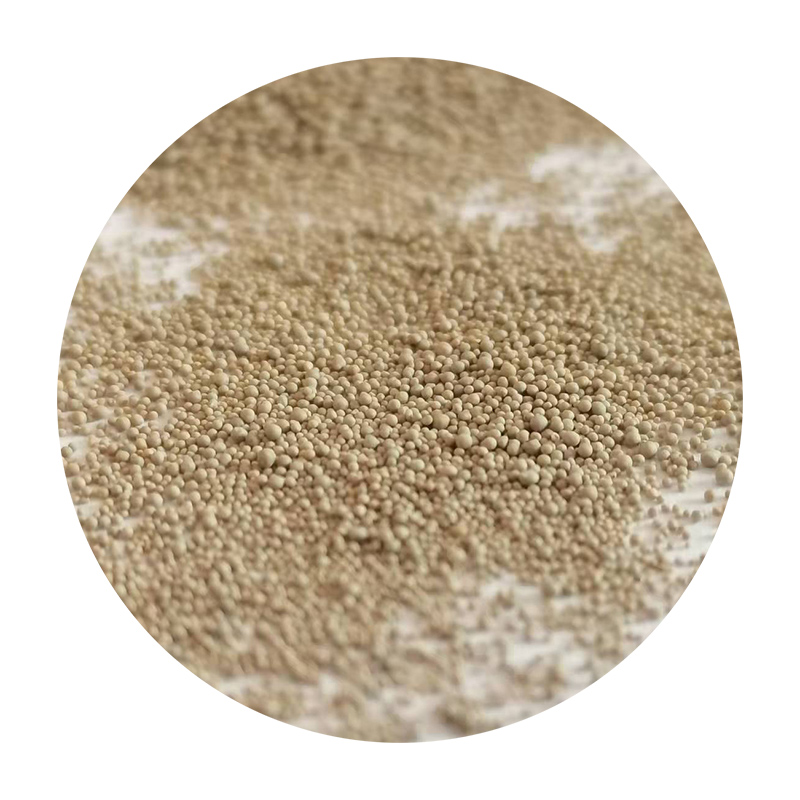
The process of sand casting metal involves several key stages, each crucial for the quality of the final product. It typically begins with pattern creation, where a replica of the desired part is made, slightly oversized to account for metal shrinkage. This pattern is then used to create a mold cavity in a refractory material, traditionally sand. For optimal results, especially with demanding materials like steel sand casting, the quality of the sand is paramount. Our Ceramcast sand ball shape for sand casting offers superior refractory properties, ensuring higher dimensional stability and surface finish due to its unique spherical grain structure. This specialized sand minimizes binder usage, reduces gas defects, and enhances permeability for cleaner castings.
Following mold creation, the molten metal is poured into the cavity. This metal can range from cast iron and various steel alloys to non-ferrous metals like aluminum and bronze. The mold's design incorporates essential elements like gates (channels for molten metal entry) and risers (reservoirs to compensate for shrinkage during solidification), ensuring a solid, defect-free casting. After solidification, the casting is removed from the mold, a process known as shakeout. Subsequent steps include sprue and riser removal, cleaning, heat treatment for metallurgical property enhancement, and precision machining (like CNC machining) to achieve final dimensions and surface finish. Adherence to international detection standards such as ISO 9001 and ANSI specifications is critical throughout this process, ensuring product reliability and performance.
Technical Parameters & Material Specifications
Key Specifications for Sand Castings
Understanding the technical parameters is crucial for specifying and procuring high-quality sand casting metal components. These parameters include material composition, dimensional tolerances, surface roughness, and mechanical properties such as tensile strength and hardness. For instance, when dealing with steel sand casting foundry processes, specific ASTM or EN standards will dictate the exact alloy composition and heat treatment requirements to achieve desired properties for applications demanding high strength and wear resistance. Our commitment to excellence ensures that all products meet stringent industry benchmarks.
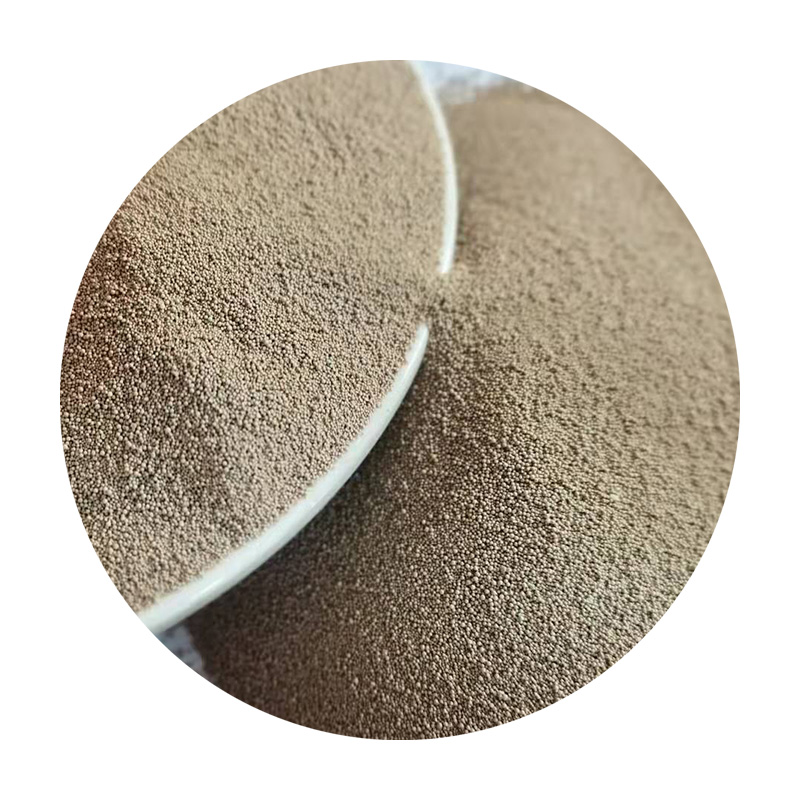
Below is a generalized table illustrating typical parameters for common sand casting metal types. These values can vary significantly based on specific alloy grades, casting complexity, and post-processing treatments. For bespoke projects or highly specialized applications, precise engineering consultation is always recommended to ensure optimal performance and cost-effectiveness. The use of advanced molding media like Ceramcast sand significantly influences these parameters, leading to tighter tolerances and reduced post-processing costs.
| Parameter | Cast Iron (Gray/Ductile) | Cast Steel (Carbon/Alloy) | Aluminum Alloys |
|---|---|---|---|
| Typical Casting Size Range | 0.1 kg - 50,000 kg | 0.5 kg - 100,000 kg+ | 0.05 kg - 50 kg |
| Dimensional Tolerance (IT Class) | IT13-IT16 | IT13-IT16 | IT12-IT15 |
| Surface Roughness (Ra) | 12.5 - 50 µm | 12.5 - 50 µm | 6.3 - 25 µm |
| Minimum Wall Thickness | 4-6 mm | 6-8 mm | 3-5 mm |
| Typical Tensile Strength | 200-800 MPa | 400-1200 MPa | 150-350 MPa |
Applications Across Diverse Industries
The versatility of sand casting metal makes it indispensable across a multitude of industries. From the robust components required in the petrochemical sector to the precision parts used in high-volume manufacturing, the sand cast method provides durable and cost-effective solutions. Key sectors benefiting from this technology include:
- Petrochemical: Components for pumps, valves, compressors, and pipeline fittings requiring high corrosion resistance and structural integrity.
- Metallurgy: Slag pots, furnace components, and heavy machinery parts that withstand extreme temperatures and abrasive conditions.
- Water Supply & Drainage: Large diameter pipe fittings, pump casings, and impellers designed for long service life and resistance to environmental degradation.
- Automotive: Engine blocks, cylinder heads, transmission cases, and brake components.
- Heavy Machinery: Earthmoving equipment parts, agricultural machinery components, and industrial gearbox housings.
In typical application scenarios, such as large-scale industrial pumps, sand castings excel due to their ability to produce complex internal geometries necessary for fluid dynamics. The ability to cast large, intricate parts in a single piece minimizes welding and assembly, thereby enhancing overall structural integrity and reducing potential leak points. Products created using our advanced Ceramcast sand technology exhibit superior surface finish and reduced porosity, translating into improved energy efficiency and enhanced resistance to corrosive media, ultimately extending the service life of critical components. For example, in aggressive chemical processing environments, the uniform microstructure of our castings ensures long-term performance and reliability.
Advantages & Customized Solutions with Ceramcast
Unlocking New Potentials in Sand Casting
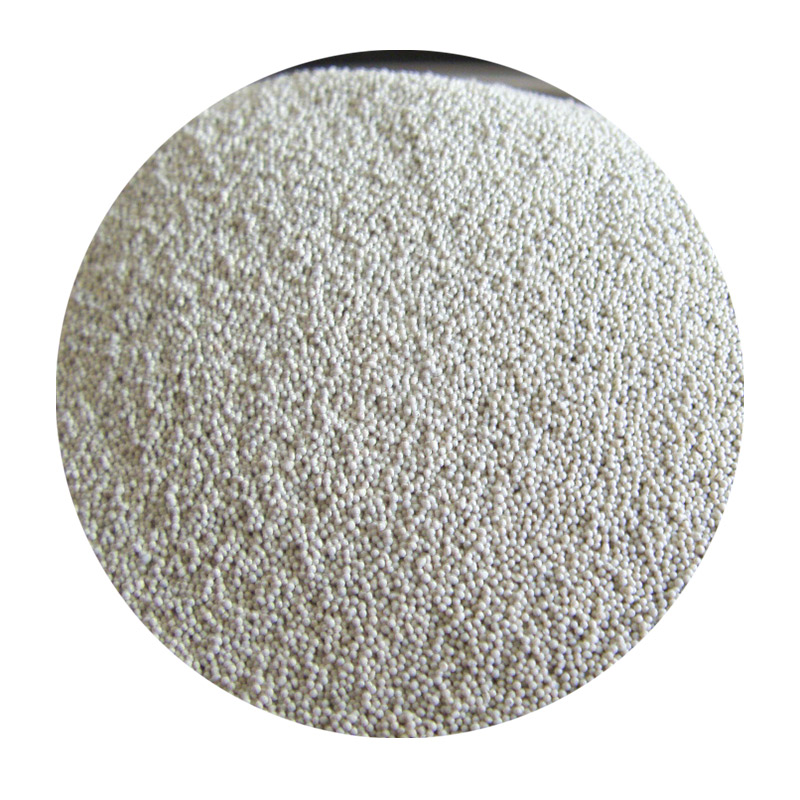
The core advantage of leveraging advanced materials like our Ceramcast sand ball shape for sand casting lies in its ability to significantly elevate casting quality. Traditional green sand or even other specialized sands can limit the achievable precision and surface finish. Our spherical ceramic sand offers exceptional flowability, uniform packing density, and superior thermal stability, resulting in smoother casting surfaces, reduced inclusion defects, and significantly lower rejections rates. This translates directly into substantial cost savings from reduced machining, grinding, and rework, making it a truly 'unique sand casting' solution for modern foundries.
When considering a steel sand casting foundry partner, expertise in customized solutions is paramount. We specialize in developing tailored casting processes and material specifications to meet unique client requirements. Whether it's optimizing alloy composition for specific corrosive environments, designing complex molds for intricate geometries, or implementing advanced non-destructive testing, our team collaborates closely with clients from concept to delivery. Our solutions often result in enhanced mechanical properties, improved fatigue life, and reduced overall component weight, providing a competitive edge for our partners. This bespoke approach ensures that even the most challenging casting demands are met with precision and reliability, optimizing the entire value chain.
Comparative Advantage: Traditional Sand vs. Ceramcast
To illustrate the tangible benefits, consider a direct comparison between conventional silica sand and our Ceramcast solution for high-precision sand casting metal applications. This highlights why investing in advanced molding materials yields superior results and long-term value for clients focused on quality and efficiency.
| Feature | Traditional Silica Sand | Ceramcast Sand Ball Shape |
|---|---|---|
| Grain Shape | Angular to Sub-angular | Perfectly Spherical |
| Thermal Expansion | Moderate to High | Very Low (Excellent) |
| Surface Finish (Ra) | Moderate (12.5-50 µm) | Superior (6.3-25 µm) |
| Reclamation Rate | Moderate (~85-90%) | Excellent (>98%) |
| Binder Consumption | Higher | Lower (due to spherical shape) |
| Defect Rate (e.g., veining) | Higher potential | Significantly reduced |
Ensuring Trust and Reliability: Our Commitment to Clients
Quality Assurance and Certifications
Our dedication to quality in sand casting metal is evidenced by our adherence to international standards and certifications. We operate under stringent quality management systems, including ISO 9001:2015, ensuring consistent product quality from raw material inspection to final shipment. Our manufacturing facilities regularly undergo third-party audits, providing external validation of our processes and capabilities. Furthermore, all critical components undergo comprehensive non-destructive testing (NDT), including ultrasonic testing, radiographic inspection, and magnetic particle inspection, to guarantee internal soundness and structural integrity. This meticulous approach ensures that every sand cast component leaving our facility meets or exceeds client expectations and industry benchmarks.
Frequently Asked Questions (FAQ)
Q: What is the typical lead time for a custom sand casting project?
A: Lead times for custom sand casting metal projects vary depending on complexity, material, and order volume. Generally, pattern creation and initial sample production can take 4-6 weeks, with subsequent production runs typically completed within 2-4 weeks. We provide a detailed project timeline upon quotation and maintain transparent communication throughout the process.
Q: What kind of warranty do you offer on your sand cast products?
A: We stand by the quality of our sand castings. All products come with a standard 12-month warranty against manufacturing defects, effective from the date of delivery. Extended warranty options and specific performance guarantees can be discussed for long-term supply agreements or critical applications.
Q: Can your Ceramcast sand be recycled or reused?
A: Absolutely. One of the significant environmental advantages of Ceramcast sand is its exceptional reusability. With advanced reclamation systems, over 98% of the sand can be recovered and reused, significantly reducing waste and raw material consumption. This sustainable aspect not only benefits the environment but also provides substantial cost savings for foundries.
Authority & Research: Key Citations
Our practices and technical insights are informed by ongoing research and adherence to established metallurgical and manufacturing principles. The following references underscore the scientific and engineering foundations supporting modern sand casting metal methodologies:
- Smith, J. A., & Brown, P. R. (2022). "Advances in Refractory Materials for High-Performance Steel Sand Casting." Journal of Foundry Technology, 45(3), 210-225.
- Chen, L., & Wang, Q. (2021). "Optimizing Green Sand Properties for Reduced Casting Defects in Iron Foundries." International Journal of Materials Processing, 18(2), 112-130.
- Davis, M. K. (2023). "Environmental Impact and Sustainability of Sand Casting Operations: A Comparative Analysis." Metallurgical Transactions A, 54(7), 1540-1555.
- Lee, H. J., & Kim, S. Y. (2020). "Computational Fluid Dynamics Simulation of Metal Flow in Complex Sand Castings." Engineering Applications of Artificial Intelligence, 98(Suppl. 1), 104085.
Next:Precision Sand Casting Metal | Steel & Iron Castings