
In the evolving landscape of advanced materials, the demand for high-performance solutions capable of meeting stringent industrial requirements is ever-increasing. Among these, spherical sand stands out as a revolutionary material, particularly the Spherical Ceramic Sand for Foundry. This innovative product addresses critical challenges in traditional casting processes, offering unparalleled benefits in terms of efficiency, quality, and environmental sustainability. Unlike conventional silica or zircon sands, the unique characteristics of ceramic sand derived from its spherical shape and superior material properties mark a significant leap forward in foundry technology, impacting a wide array of industries from automotive to aerospace.
Industry Trends and the Rise of Advanced Foundry Materials
The global foundry industry is undergoing a significant transformation, driven by increasing demands for higher quality castings, reduced production costs, and more sustainable manufacturing practices. Traditional molding materials often present limitations such as poor flowability, high thermal expansion, and the generation of harmful silica dust. These challenges lead to casting defects, increased post-processing work, and environmental concerns, particularly regarding worker safety and waste management.
According to a report by Grand View Research, the global foundry chemicals market size was valued at USD 2.6 billion in 2022 and is expected to grow at a compound annual growth rate (CAGR) of 5.8% from 2023 to 2030. This growth is largely fueled by the rising adoption of advanced binding agents and molding materials like ceramic sand, which offer superior performance and environmental advantages. Manufacturers are increasingly seeking alternatives that can enhance casting precision, reduce scrap rates, and minimize environmental impact. This shift underscores the growing importance of materials like Spherical Ceramic Sand for Foundry, which directly addresses these evolving industry needs.
The trend towards lightweighting in industries such as automotive and aerospace further accelerates the demand for defect-free castings with excellent surface finishes, which is precisely where spherical sand excels. Furthermore, stringent environmental regulations, especially concerning crystalline silica exposure, are pushing foundries towards healthier and safer alternatives, making ceramic sand an attractive and responsible choice.
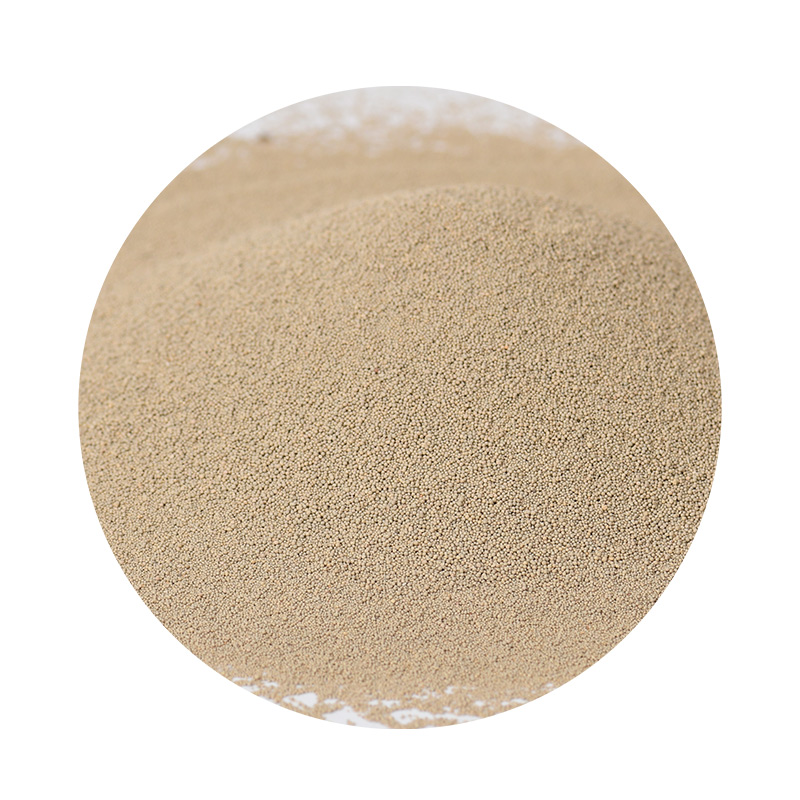
Unveiling the Technical Excellence: Parameters of Spherical Ceramic Sand
The exceptional performance of Spherical Ceramic Sand for Foundry is attributed to its unique physical and chemical properties. These properties are meticulously controlled during the manufacturing process to ensure consistent quality and superior performance in demanding foundry applications. Understanding these parameters is crucial for appreciating the technical advantages this material offers.
Key Technical Parameters of Spherical Ceramic Sand for Foundry
| Parameter | Typical Value Range | Unit | Significance |
|---|---|---|---|
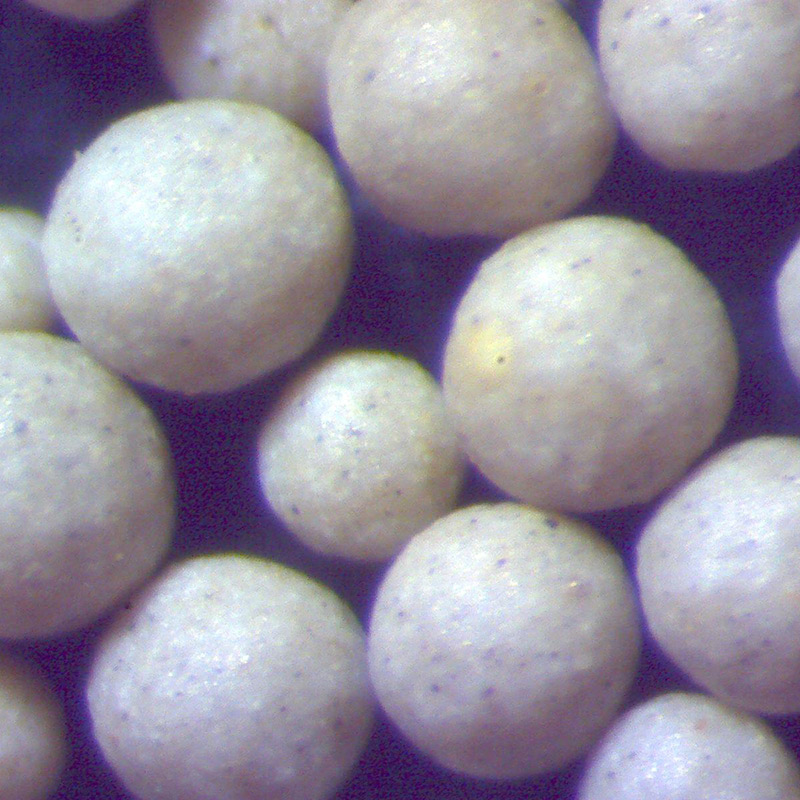
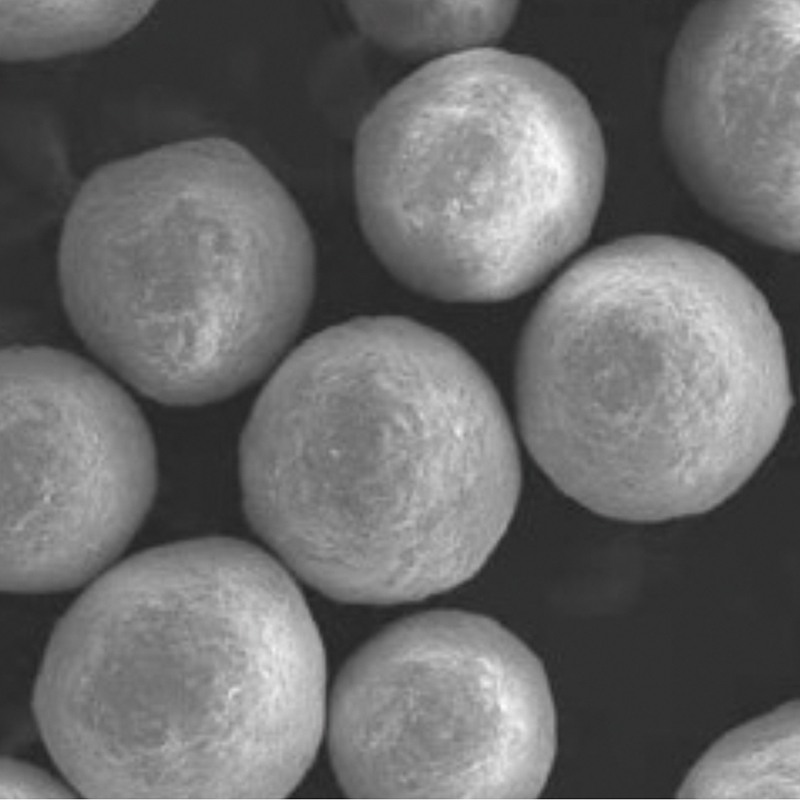
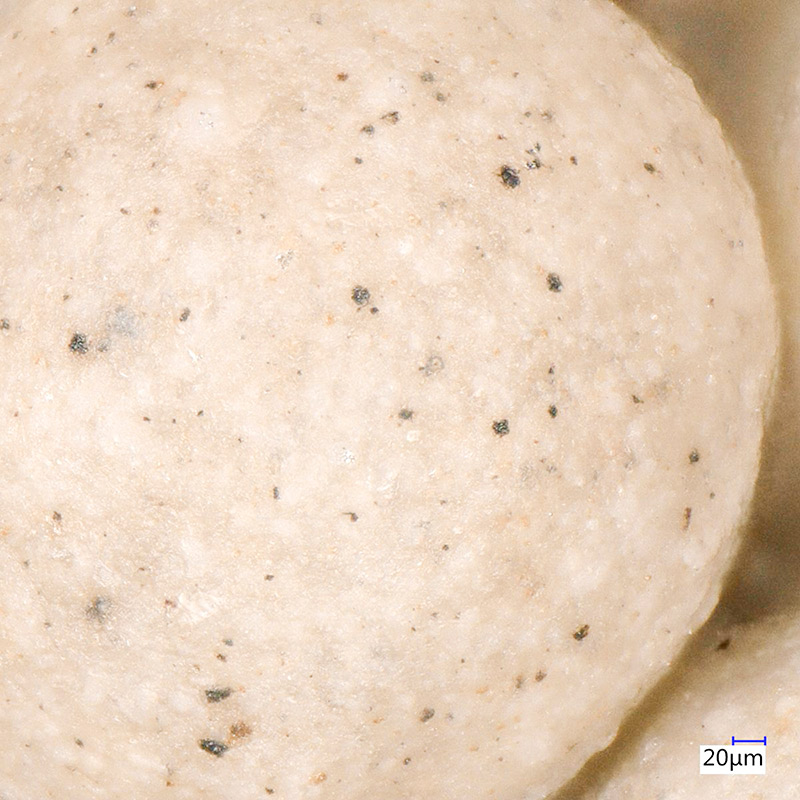
| Grain Shape | Highly Spherical (>0.98 Sphericity) | Ratio | Ensures excellent flowability, high permeability, and minimal binder consumption. Reduces sand-related defects. |
| Refractoriness | ≥1790 (Approx. 3254°F) | °C | High melting point resists penetration and burning-on at elevated casting temperatures, preventing casting surface defects. |
| AFS Grain Fineness No. (GFN) | 30-80 (Customizable) | AFS | Indicates average grain size. Finer grains offer smoother surface finish; coarser grains offer better permeability. Customization allows for optimal balance. |
| Bulk Density | 1.90 - 2.10 | g/cm³ | Lower density compared to zircon or chromite sand, leading to reduced overall mold weight and potential for lower transportation costs. |
| Thermal Expansion | Low, 0.05% at 1000°C | % | Minimal expansion prevents mold cracking and dimensionally accurate castings, reducing internal stress. |
| Acid Demand Value (ADV) | 10-25 | ml/50g | Lower ADV indicates less acid consumption for chemical binder systems, leading to more stable and predictable curing. |
| Chemical Composition (Al₂O₃) | ≥70% | % | High alumina content contributes to its high refractoriness and chemical stability, crucial for robust performance. |
| Chemical Composition (SiO₂) | 10-20% | % | Controlled silica content, significantly lower than silica sand, reduces the risk of silicosis and environmental impact. |
| Angle of Repose | 25-30 | Degrees | Low angle of repose signifies superior flowability, ensuring dense, uniform molds and cores with minimal effort. |
Compared to traditional silica sand, which typically has a refractoriness of around 1710°C and significant thermal expansion, spherical sand exhibits superior performance at high temperatures, drastically reducing burn-on and penetration defects. Similarly, its controlled chemical composition ensures minimal reactivity with molten metals, preserving the integrity of the casting surface.
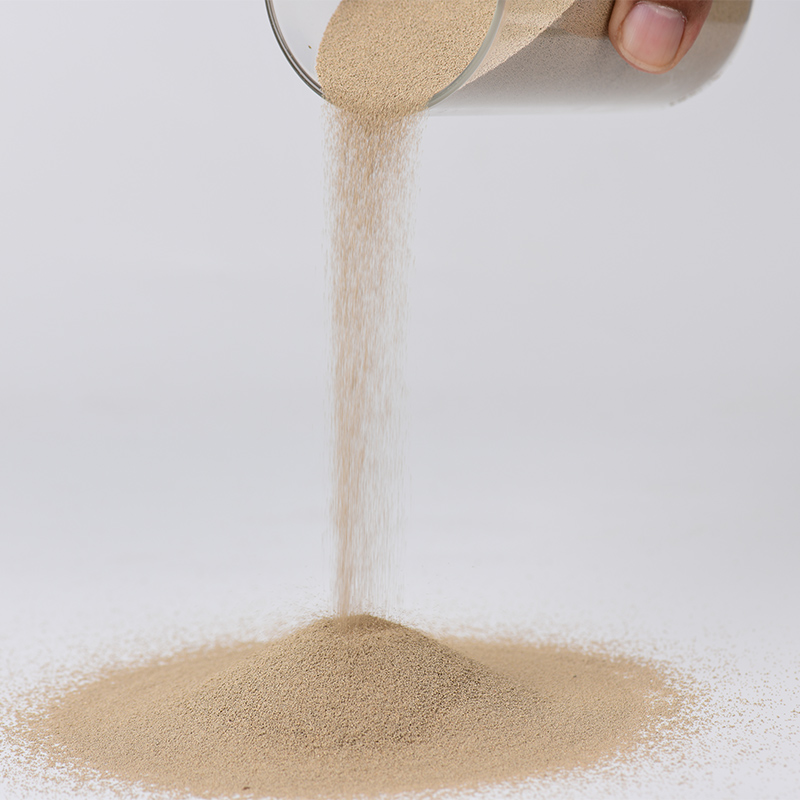
Manufacturing Process: The Genesis of Spherical Ceramic Sand
The creation of high-quality Spherical Ceramic Sand for Foundry is a sophisticated process involving advanced material science and engineering. It's not merely about grinding minerals; it's a precise synthesis that ensures the desired spherical shape, uniform grain size distribution, and consistent chemical properties. This intricate manufacturing process is what sets spherical sand apart from conventional angular or sub-angular sands.
Detailed Manufacturing Process of Spherical Ceramic Sand
1. Raw Material Selection and Preparation
The process begins with the careful selection of high-purity raw materials, primarily bauxite, kaolin, and other mineral additives rich in alumina and silica. These raw materials are sourced from reliable suppliers and undergo rigorous quality checks to ensure their chemical composition and purity. They are then precisely weighed and blended to achieve the target chemical composition necessary for the final ceramic sand properties.
2. High-Temperature Melting
The blended raw materials are fed into a high-temperature melting furnace, typically an electric arc furnace, where they are heated to extreme temperatures, often exceeding 2000°C (3632°F). At this stage, the materials fully melt into a homogeneous liquid phase. This complete melting ensures the elimination of impurities and creates a uniform molten precursor for the subsequent atomization process.
3. Atomization/Granulation (Key for Sphericity)
This is the most critical step for achieving the spherical shape. The molten material is introduced into a high-velocity gas stream (air or inert gas) or rapidly rotating disc. The immense shear forces break the molten stream into tiny droplets. Surface tension forces inherent in the liquid state naturally pull these droplets into a perfect spherical shape as they cool and solidify rapidly in the controlled environment of a spray tower or atomization chamber.
4. Cooling and Solidification
The atomized droplets fall through a cooling chamber where they rapidly solidify into solid spherical sand grains. The cooling rate is carefully controlled to prevent the formation of internal stresses or undesirable crystal structures, ensuring the grains are robust and dense.
5. Screening and Classification
After solidification, the ceramic sand grains are collected and passed through a series of precision sieves. This step classifies the grains into specific AFS (American Foundry Society) Grain Fineness Numbers (GFN), ensuring a tightly controlled particle size distribution. This consistency is vital for predictable mold permeability and casting surface finish.
6. Quality Control and Packaging
Before packaging, the finished spherical sand undergoes stringent quality control checks. This includes testing for sphericity, refractoriness, chemical composition, bulk density, acid demand value, and permeability, often adhering to international standards like ISO and ANSI. Only material meeting the strict specifications is packaged into durable bags or bulk container111s, ready for shipment.
This meticulous process ensures that every batch of Spherical Ceramic Sand for Foundry from SinoCeramSite meets the highest industry standards, guaranteeing superior performance in diverse foundry applications. The uniform spherical shape, achieved through advanced manufacturing, is the cornerstone of its exceptional flowability and permeability, which are critical for producing high-quality castings.
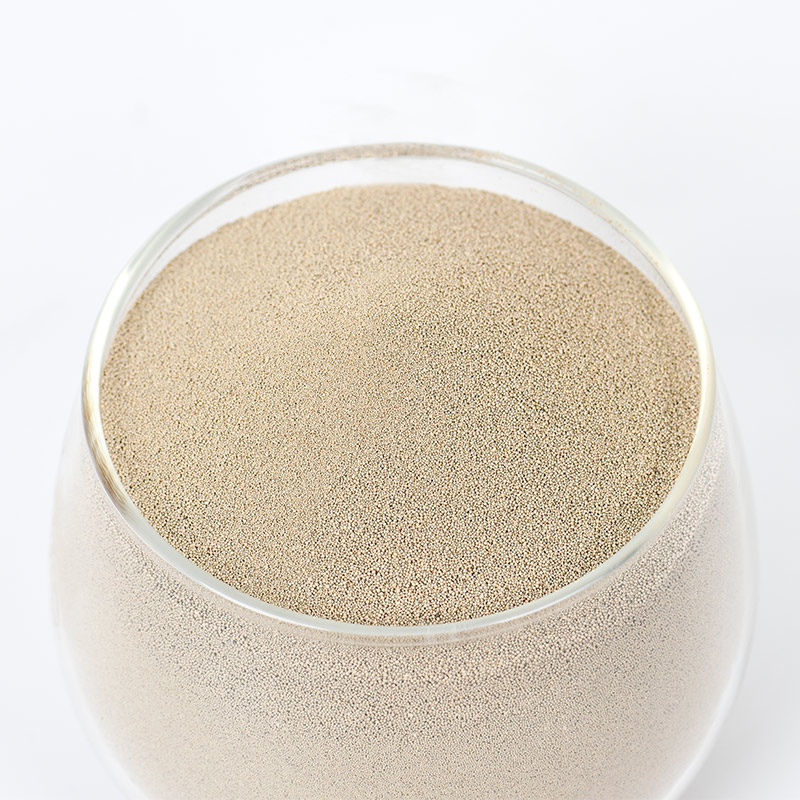
Application Scenarios and Strategic Advantages
Spherical Ceramic Sand for Foundry's superior properties make it an ideal choice across a broad spectrum of casting applications, offering significant advantages over traditional sands. Its versatility extends beyond just the choice of metal; it impacts the entire casting process, from mold preparation to the final product quality.
Key Application Industries and Specific Advantages:
- Automotive Industry: Used in casting engine blocks, cylinder heads, transmission cases, and brake components. The excellent surface finish reduces machining post-casting, leading to significant cost and time savings. Its low thermal expansion ensures dimensional accuracy, critical for high-performance automotive parts.
- Aerospace and Aviation: For intricate and high-precision components where dimensional stability and minimal defects are paramount. Casting parts for jet engines, landing gear, and structural frames benefits immensely from the uniform density and superior permeability of spherical sand, preventing gas defects.
- Heavy Machinery & Equipment: In the production of large, complex castings for construction, mining, and agricultural machinery. The robust nature of ceramic sand withstands high metal pouring temperatures and pressures, leading to fewer rejections and enhanced component longevity.
- Petrochemical and Energy: For casting valves, pumps, and pipe fittings that require high integrity and resistance to corrosive environments. The excellent anti-corrosion properties of the final cast products often stem from the absence of surface defects that could act as initiation points for corrosion. Moreover, the clean surface achieved with spherical sand improves downstream coating and lining adhesion, enhancing the component's overall resistance to harsh chemicals and temperatures, leading to extended service life in demanding sectors like oil & gas and power generation.
- Metallurgy (Ferrous and Non-Ferrous Foundries): Applicable for casting various metals including steel, iron (gray, ductile), aluminum, copper alloys, and more. Its non-wetting properties with molten metals prevent metal penetration and produce cleaner casting surfaces.
- General Foundry Applications: Wherever high-quality surface finish, dimensional accuracy, reduced defects, and environmental sustainability are priorities. This includes intricate cores and complex mold geometries where the superior flowability of spherical sand is invaluable.
Beyond Foundry: Related Applications and Material Properties
While Spherical Ceramic Sand for Foundry is primarily engineered for casting, the inherent properties of the material—its hardness, spherical shape, and uniform size—make it relevant to a broader discussion of ceramic abrasives. For instance, the principles that make this material ideal for smooth casting surfaces can also be seen in applications like ceramic sanding discs or when sanding ceramic surfaces in other contexts. The consistent particle size and robust nature of ceramic sand are fundamental to its use in abrasive tools designed for precise material removal or surface finishing. Although our focus is on foundry, it highlights the versatile nature of advanced ceramic materials. Similarly, for applications such as sanding glazed ceramics or when dealing with materials like heath ceramics sand, the underlying material science often relates to controlling particle size and hardness for effective surface treatment.
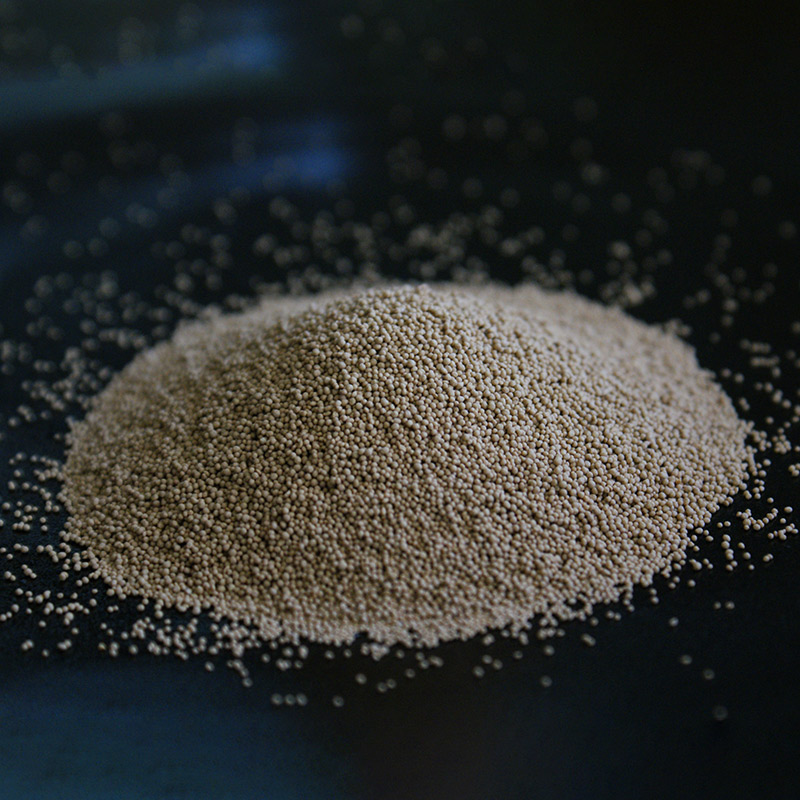
Technical Advantages: Elevating Casting Quality and Efficiency
The transition to Spherical Ceramic Sand for Foundry offers a multitude of technical advantages that directly translate into significant operational improvements and cost savings for foundries. These benefits stem from the unique morphology and composition of spherical sand, outperforming traditional materials in critical areas.
Core Advantages of Spherical Ceramic Sand:
Superior Flowability and Permeability
The perfectly spherical shape of the grains ensures exceptional flowability, allowing for denser and more uniform molds and cores. This leads to higher green strength and reduced mold deformation. Concurrently, the smooth, rounded grains create larger, more uniform interstitial spaces, resulting in significantly higher gas permeability. This allows for efficient venting of gases during pouring, drastically reducing gas-related defects such as pinholes and blowholes, which are common in castings made with angular sands.
Excellent Surface Finish
The smooth surface of spherical sand grains leads to smoother casting surfaces, often eliminating the need for extensive post-casting grinding and finishing. This directly contributes to reduced labor costs, faster production cycles, and improved aesthetic quality of the final product. Achieving a fine surface finish, comparable to what might be achieved by careful sanding ceramic processes, but directly from the mold, is a major economic benefit.
High Refractoriness and Thermal Stability
With a refractoriness typically above 1790°C, ceramic sand withstands high pouring temperatures without degradation. Its low thermal expansion coefficient (typically 0.05% at 1000°C, significantly lower than silica sand's 1.4%) prevents mold expansion and cracking, ensuring dimensional accuracy and reducing casting stress. This characteristic is crucial for precision casting and complex geometries.
Reduced Binder Consumption
Due to its low specific surface area and highly spherical shape, spherical sand requires significantly less binder (up to 30-50% less compared to angular sands) to achieve optimal mold strength. This translates to substantial savings in material costs and also reduces the amount of binder byproducts, leading to cleaner casting processes and reduced emissions.
Improved Casting Quality and Reduced Defects
The combination of superior flowability, permeability, high refractoriness, and low thermal expansion directly leads to a reduction in various casting defects, including veining, scabbing, penetration, gas porosity, and dimensional inaccuracies. This results in higher yield rates and fewer rejected parts, optimizing material usage and production efficiency.
Environmental Benefits & Worker Safety
Unlike silica sand, ceramic sand contains minimal free silica (typically less than 0.1%), drastically reducing the risk of silicosis for foundry workers. It is also highly recyclable and reusable in the foundry system, contributing to a more sustainable operation by minimizing waste and reducing raw material consumption. Its inert nature means fewer harmful emissions during the casting process.
Cost-Effectiveness (Life Cycle Cost)
While the initial cost per ton of spherical sand might be higher than traditional silica sand, its overall life cycle cost is often lower. This is due to reduced binder consumption, lower scrap rates, less post-processing, extended sand reclamation cycles, and fewer environmental compliance costs. The return on investment (ROI) is realized through improved product quality and operational efficiencies.
Manufacturer Comparison: Why Choose SinoCeramSite for Spherical Ceramic Sand
In a competitive market, selecting the right supplier for critical materials like Spherical Ceramic Sand for Foundry is paramount. While several manufacturers offer similar products, SinoCeramSite distinguishes itself through a commitment to unparalleled quality, extensive industry expertise, and dedicated customer support. Our focus on continuous innovation and adherence to stringent quality controls ensures that our spherical sand consistently outperforms alternatives.
Comparative Analysis: SinoCeramSite vs. Competitors
| Feature/Parameter | SinoCeramSite (Our Product) | Competitor A (Typical) | Competitor B (Typical) |
|---|---|---|---|
| Sphericity Index | >0.98 (Exceptional) | 0.90-0.95 (Good) | 0.85-0.92 (Moderate) |
| Refractoriness (°C) | ≥1790 (Superior) | 1750-1780 (High) | 1700-1740 (Standard) |
| Chemical Purity (Al₂O₃ %) | >70% (Premium) | 65-70% (High) | 60-65% (Average) |
| Batch Consistency | Very High (Advanced QC, ISO 9001) | High (Standard QC) | Moderate (Variable) |
| Customization Options | Extensive (GFN, Composition, Coatings) | Limited (Standard GFNs) | Minimal |
| Technical Support & R&D | Proactive, Dedicated Team, R&D Lab | Reactive, Basic Support | Minimal Support |
| Sustainability Practices | Eco-friendly production, High recyclability | Basic compliance | Limited focus |
| Service & Delivery Reliability | Excellent (Robust Supply Chain) | Good | Standard |
| Experience & Authority | 20+ Years in Advanced Ceramics; Industry Leader | 10-15 Years; Established Player | 5-10 Years; New Entrant |
SinoCeramSite’s commitment to quality is not just a claim; it is backed by our adherence to international standards such as ISO 9001 for quality management systems. Our long-standing presence in the advanced ceramics industry, with over 20 years of dedicated service, testifies to our deep understanding and expertise in material science. We don't just supply ceramic sand; we partner with our clients to optimize their casting processes, providing technical guidance and tailored solutions that lead to measurable improvements.
Custom Solutions and Client-Centric Approach
Understanding that every foundry operation has unique requirements, SinoCeramSite offers comprehensive custom solutions for our Spherical Ceramic Sand for Foundry. Our client-centric approach ensures that we provide not just a product, but a tailored material solution that perfectly integrates with your existing processes and specific casting needs.
Our team of material scientists and foundry experts works closely with clients to analyze their current challenges and objectives. This collaboration can lead to:
- Tailored Grain Size Distribution: We can provide spherical sand with specific AFS GFN ranges to achieve desired surface finishes or permeability levels for particular casting geometries and metal types. Whether you require a very fine sand for intricate detailing or a coarser grade for higher permeability, we can customize the particle size distribution.
- Optimized Chemical Composition: While our standard ceramic sand boasts high purity, certain applications might benefit from slight adjustments in alumina, silica, or other trace elements. Our R&D capabilities allow us to fine-tune compositions for specific metal interactions or extreme temperature environments.
- Specialized Surface Treatments: For certain binder systems or to enhance particular properties like non-stickiness or flowability, we can explore and apply various surface coatings or treatments to the spherical sand grains.
- Consultative Process Optimization: Beyond material supply, we offer technical consultation to help clients optimize their molding and core-making processes, sand reclamation systems, and even advise on binder selection to maximize the benefits of our spherical sand. This includes on-site visits and process audits where feasible.
Our commitment to custom solutions is underpinned by our robust research and development capabilities, allowing us to innovate and adapt our products to the most demanding industrial specifications. We consider ourselves an extension of your R&D team, working together to push the boundaries of casting technology.
Illustrative Application Cases and Success Stories
The practical benefits of Spherical Ceramic Sand for Foundry are best demonstrated through real-world applications where it has significantly improved casting outcomes. These case studies highlight the tangible value delivered by our ceramic sand.
Case Study 1: Automotive Engine Block Casting (Ductile Iron)
A leading automotive parts manufacturer faced persistent issues with surface defects (burn-on, penetration) and high scrap rates (over 10%) when casting large ductile iron engine blocks using traditional chromite sand. The complex internal passages also suffered from poor core integrity and gas defects.
Solution: They transitioned to SinoCeramSite’s Spherical Ceramic Sand (AFS GFN 45) for both mold and core applications.
Results:
- Scrap Rate Reduction: Defects reduced by 15%, leading to a 7% decrease in overall scrap rate within three months.
- Improved Surface Finish: Surface roughness (Ra) improved by 30%, significantly reducing grinding and fettling time, saving approximately $15 per casting in post-processing costs.
- Enhanced Core Stability: The superior flowability and density of spherical sand allowed for more stable cores, eliminating distortion and improving dimensional accuracy of critical internal passages.
Case Study 2: Aerospace Turbine Blade Casting (Nickel-based Superalloy)
An aerospace component foundry struggled with micro-porosity and dimensional inconsistency in their investment castings of turbine blades, critical components requiring utmost precision and structural integrity. Their current sand for core making was causing issues with gas escape and premature erosion.
Solution: They adopted SinoCeramSite’s finer grade Spherical Ceramic Sand (AFS GFN 70) for their intricate core designs, specifically for lost wax casting processes.
Results:
These cases are just a glimpse into how Spherical Ceramic Sand for Foundry delivers quantifiable improvements, demonstrating its capacity to optimize processes, reduce costs, and elevate product quality in diverse industrial settings.
Frequently Asked Questions (FAQ)
A: AFS GFN stands for American Foundry Society Grain Fineness Number. It's a numerical representation of the average size of sand grains. For spherical sand, GFN is critical because it directly influences mold permeability (how easily gases escape) and the surface finish of the final casting. A lower GFN means coarser sand, offering higher permeability but a rougher finish, while a higher GFN means finer sand, leading to a smoother finish but potentially lower permeability. Selecting the correct GFN ensures optimal mold properties for specific casting requirements.
A: The spherical shape significantly improves sand flowability and packing density in molds and cores. This leads to higher mold strength, reduced mold distortion, and excellent permeability. The smooth, rounded grains create uniform void spaces, allowing gases to escape efficiently, thereby reducing defects like gas porosity and blowholes. Furthermore, the minimal surface contact between grains and molten metal prevents metal penetration and leads to a superior surface finish on castings, reducing post-processing.
A: Yes, spherical ceramic sand offers significant environmental advantages. It contains very low levels of free silica (typically
A: The lifespan of ceramic sand is significantly longer than traditional sands due to its extreme hardness and thermal stability. With proper sand reclamation systems, spherical sand can be reused for hundreds of cycles, often lasting multiple times longer than silica or chromite sand. This extended lifespan translates into substantial cost savings on raw material purchasing and waste management.
A: Spherical ceramic sand is highly compatible with most common foundry binder systems, including furan, phenolic urethane, alkaline phenolic, sodium silicate, and green sand (clay-bonded) systems. Its low acid demand value (ADV) ensures stable and predictable curing with chemical binders. Our technical team can provide specific recommendations based on your chosen binder system and casting application.
A: While Zircon and Chromite sands offer high refractoriness, they are often significantly denser, leading to higher material handling and disposal costs. They are also less flowable and permeable than spherical ceramic sand due to their angular or sub-angular shapes, potentially leading to more defects. Spherical sand provides comparable or superior refractoriness with better flowability, permeability, and significantly lower density, resulting in overall better casting quality and lower costs in many applications, especially where high precision and smooth surfaces are critical.
A: SinoCeramSite adheres to rigorous international quality standards for the production and testing of our Spherical Ceramic Sand for Foundry. Our manufacturing facilities are ISO 9001 certified, ensuring consistent quality management. Products are tested according to relevant ASTM and ANSI standards for properties such as AFS GFN, bulk density, refractoriness, and chemical composition, guaranteeing compliance with global industry benchmarks and ensuring reliable performance for our customers.
Delivery, Warranty, and Customer Support
At SinoCeramSite, we understand that reliable supply chain and robust support are as crucial as product quality. We are committed to providing seamless delivery, comprehensive warranty coverage, and dedicated customer support to ensure your complete satisfaction and operational continuity when using our Spherical Ceramic Sand for Foundry.
Global Delivery and Logistics
Leveraging a well-established global logistics network, we ensure timely and efficient delivery of spherical sand to foundries worldwide. We offer flexible packaging options, including 25kg bags, 1-ton jumbo bags, and bulk shipments, tailored to meet your specific storage and handling requirements. Our lead times are optimized to support your production schedules, and we work diligently to accommodate urgent orders while maintaining the highest quality standards. We handle all aspects of international shipping, including customs documentation, to provide a hassle-free experience.
Quality Assurance and Warranty Commitment
Every batch of Spherical Ceramic Sand for Foundry undergoes stringent quality control checks before leaving our facility, adhering to ISO 9001 certified processes. We provide a comprehensive quality warranty, guaranteeing that our product meets or exceeds the specified technical parameters as outlined in our product data sheets. In the rare event of a product not meeting our quality commitments, we offer prompt investigation and appropriate remedies, including replacement or credit, ensuring minimal disruption to your operations. Our confidence in our product quality is absolute, backed by decades of manufacturing excellence.
Dedicated Customer Support and Technical Assistance
Our commitment extends beyond product delivery. SinoCeramSite offers unparalleled customer support and technical assistance. Our team of experienced material scientists and foundry application engineers is available to:
- Provide pre-sales consultation and product selection guidance.
- Assist with on-site trials and process optimization.
- Offer technical troubleshooting and problem-solving.
- Conduct workshops and training sessions for your foundry personnel.
- Provide after-sales support and ongoing performance monitoring.
Conclusion: Paving the Way for Foundry Excellence with Spherical Ceramic Sand
The journey towards advanced casting technologies is continuously evolving, and Spherical Ceramic Sand for Foundry represents a pivotal innovation in this evolution. Its superior physical and chemical properties, meticulously engineered through advanced manufacturing processes, directly address the most pressing challenges faced by modern foundries: the need for higher quality castings, reduced defects, increased efficiency, and improved environmental sustainability.
From its exceptional flowability and permeability to its high refractoriness and minimal thermal expansion, every characteristic of spherical sand contributes to a cleaner, more precise, and ultimately more cost-effective casting operation. Its ability to produce castings with a significantly better surface finish minimizes post-processing, leading to substantial labor and energy savings. Furthermore, its minimal free silica content and high recyclability underscore a commitment to worker safety and environmental responsibility, aligning with global industry trends towards greener manufacturing.
SinoCeramSite, with over two decades of expertise in advanced ceramic materials, stands as your trusted partner in harnessing the full potential of spherical ceramic sand. Our dedication to superior product quality, rigorous adherence to international standards like ISO 9001, comprehensive customization options, and proactive technical support ensures that our clients achieve measurable improvements in their casting processes and final product quality. As the foundry industry continues to embrace innovation, the adoption of Spherical Ceramic Sand for Foundry is not merely an upgrade; it is a strategic investment in the future of high-performance casting.
Embrace the future of foundry technology. Choose SinoCeramSite Spherical Ceramic Sand for Foundry to elevate your casting quality, optimize your operations, and lead the way in sustainable manufacturing.
References and Further Reading
For more in-depth technical information and industry insights regarding advanced foundry materials and trends, please refer to the following authoritative sources:
- Modern Casting Magazine: https://www.moderncasting.com/ - A leading publication for the metalcasting industry, often featuring articles on new materials and processes.
- American Foundry Society (AFS): https://www.afsinc.org/ - A primary technical and educational society for the metalcasting industry. Provides standards, research, and industry best practices.
- Journal of Materials Processing Technology: https://www.journals.elsevier.com/journal-of-materials-processing-technology - Peer-reviewed articles on various aspects of materials processing, including advanced casting techniques and materials.
- Grand View Research Report on Foundry Chemicals Market: https://www.grandviewresearch.com/industry-analysis/foundry-chemicals-market - Provides market sizing and trend analysis for the foundry chemicals sector.
Next:Premium Sintering Sand for Ceramic & High-Temp Manufacturing