
Industry Trends: The Evolution Towards High-Performance Casting Materials
The global foundry industry is undergoing a significant transformation, driven by demands for higher quality castings, improved production efficiency, and stringent environmental regulations. Traditional casting materials, predominantly silica sand, are increasingly being replaced by advanced alternatives that offer superior performance characteristics. Among these, sintering sand, also known as ceramic sand, has emerged as a frontrunner. This shift is not merely an incremental improvement but a fundamental re-evaluation of the casting process itself, aiming for defect-free components with minimal post-processing.
The market for advanced foundry materials, including sintering sand, is projected to grow significantly. According to a recent industry report, the global foundry materials market size, valued at approximately USD 6.5 billion in 2022, is expected to reach over USD 9 billion by 2030, with a Compound Annual Growth Rate (CAGR) of around 4.5%. A substantial portion of this growth is attributed to the increasing adoption of specialized sands like sintering sand, driven by sectors such as automotive, aerospace, and heavy machinery that demand precision and durability.
Beyond casting, related trends like sanding ceramic and ceramic sanding discs highlight the broader importance of ceramic materials in industrial processing, from mold preparation to post-casting finishing. High-quality sintering sand contributes directly to castings that require less sanding ceramic due to their superior surface finish, reducing production costs and environmental impact associated with abrasive processes.
Product Spotlight: Sintered Ceramic Sand Made in China (Same as Cerabeads AFS 60)
Introducing our flagship product: Sintered ceramic sand made in China same with Cerabeads AFS 60. This advanced foundry material represents the pinnacle of engineered granular solutions for precision casting. Developed through rigorous research and cutting-edge manufacturing processes, our sintering sand delivers performance characteristics that meet or exceed the industry's highest standards, including those set by prominent global brands like Cerabeads.
Our commitment to quality ensures that foundries can achieve unparalleled results, characterized by exceptional surface finish, minimal defects, and superior dimensional stability. You can find more detailed information and technical specifications on our official product page: https://www.sinoceramsite.com/sintered-ceramic-sand-made-in-china-same-with-cerabeads-afs-60.html.
Technical Parameters & Specifications: Unpacking the Superiority of Sintering Sand
The exceptional performance of sintering sand stems from its meticulously controlled physical and chemical properties. These attributes directly translate into tangible benefits for casting operations, minimizing defects and enhancing efficiency. Below is a comprehensive table detailing the key technical parameters of our Sintered ceramic sand made in China same with Cerabeads AFS 60, alongside a comparison with conventional foundry sands.
| Parameter | Sintered Ceramic Sand (AFS 60 Typical) | Silica Sand (Typical) | Chromite Sand (Typical) |
|---|---|---|---|
| AFS Grain Fineness No. (GFN) | 50-60 (e.g., AFS 60) | 40-70 | 45-65 |
| Specific Gravity (g/cm³) | 3.20 - 3.40 | 2.65 | 4.40 - 4.60 |
| Bulk Density (g/cm³) | 1.80 - 1.95 | 1.45 - 1.65 | 2.50 - 2.80 |
| Refractoriness (°C) | ≥ 1790 (3254°F) | ~ 1700 (3092°F) | ~ 1850 (3362°F) |
| Thermal Expansion (1000°C) | Low, ~0.05% | High, ~1.4% | Moderate, ~0.5% |
| Roundness (Krumbein scale) | 0.9 - 0.95 (High Sphericity) | 0.2 - 0.7 (Variable) | 0.6 - 0.8 (Sub-angular to Rounded) |
| Angularity (ACI) | Low | High | Moderate |
| Crush Strength (MPa) | > 7 (Typically 8-10 MPa) | > 5 | |
| Acid Resistance (%) | > 98 (Highly Inert) | Variable | Variable |
| Alkali Resistance (%) | > 98 (Highly Inert) | Poor | Good |
| Loss on Ignition (%) | |||
| Main Component | Al₂O₃ (72-78%), SiO₂ (15-20%) | SiO₂ (95%+) | (Mg,Fe)Cr₂O₄ |
Detailed Explanation of Key Parameters:
- AFS Grain Fineness Number (GFN): A measure of the average grain size. Our AFS 60 sintering sand indicates a finer, more uniform grain distribution, crucial for achieving excellent surface finish and intricate details in castings.
- Specific Gravity & Bulk Density: While slightly denser than silica, its lower density compared to chromite sand offers a lighter mold, easier handling, and can reduce overall material consumption in certain applications due to better flowability and compaction.
- Refractoriness: The ability to withstand high temperatures without melting or degrading. Our sintering sand boasts superior refractoriness, preventing metal penetration, burn-on, and veining defects, especially in high-temperature metal casting.
- Thermal Expansion: This is a critical factor. The extremely low thermal expansion of our sintering sand minimizes casting defects like cracking, hot tearing, and dimensional inaccuracies caused by mold expansion during pouring. This is a significant advantage over silica sand.
- Roundness & Angularity: The high sphericity (roundness) and low angularity of sintering sand grains contribute to excellent flowability, better compaction, and reduced binder consumption (up to 30-50% less than silica sand). This also leads to easier shakeout and better surface finish, reducing the need for post-casting sanding ceramic or other finishing operations.
- Crush Strength: High crush strength ensures the sand grains maintain their integrity under the immense pressure of molten metal, preventing mold collapse and ensuring structural stability throughout the casting process.
- Acid & Alkali Resistance: The chemical inertness of sintering sand means it resists chemical reactions with binders, molten metal, and environmental factors, contributing to higher quality castings and extended sand life.
The Meticulous Manufacturing Process of Sintering Sand
The production of high-quality sintering sand is a sophisticated process that leverages advanced ceramic engineering principles. Unlike simply excavating and washing natural sand, sintering sand is an engineered material, designed from the ground up to offer superior performance. Our process adheres to stringent quality control measures, ensuring every batch of Sintered ceramic sand made in China same with Cerabeads AFS 60 meets the highest international standards, including ISO and ANSI guidelines for material properties and testing.
Process Flow Diagram Explanation (Conceptual Representation)
Imagine a streamlined process, symbolized by arrows, moving through distinct stages, each critical to the final product's quality:
1. Raw Material Selection & Preparation
High-purity bauxite and kaolin clay, rich in alumina (Al₂O₃) and silica (SiO₂), are meticulously selected. These raw materials are rigorously tested for chemical composition and impurity levels to ensure consistency. They are then crushed and finely ground into a powder, preparing them for the next stage.
2. Slurry Preparation & Granulation
The finely ground powder is mixed with water and binders to form a slurry. This slurry is then fed into specialized spray granulators. Here, the slurry is atomized into fine droplets, which dry rapidly to form spherical green (unfired) granules of the desired size distribution. This spray granulation is crucial for achieving the characteristic high sphericity of the sintering sand.
3. High-Temperature Sintering (Calcination)
The green granules are then transferred to a high-temperature rotary kiln, where they undergo the critical sintering process. They are heated to temperatures exceeding 1700°C (3092°F). During sintering, the individual ceramic particles within each granule fuse together at their contact points without reaching their melting point. This process densifies the granules, reduces porosity, and imparts exceptional hardness, refractoriness, and chemical inertness. This step is the defining characteristic of sintering sand.
4. Cooling & Screening
After sintering, the hot sintering sand is gradually cooled to room temperature. It then passes through a sophisticated multi-stage screening system. This precise sizing ensures that the sand meets specific AFS (American Foundry Society) grain fineness numbers, such as AFS 60, by separating particles into desired size fractions and removing any oversized or undersized material.
5. Quality Control & Packaging
Before packaging, every batch undergoes rigorous quality control checks. This includes testing for refractoriness, specific gravity, crush strength, acid/alkali resistance, thermal expansion, AFS GFN, and chemical composition (using X-ray fluorescence, XRF). These tests ensure compliance with our internal standards and international benchmarks like ISO and ANSI. Only after passing all checks is the sintering sand packaged into various formats (e.g., bulk bags, smaller sacks) for shipment.
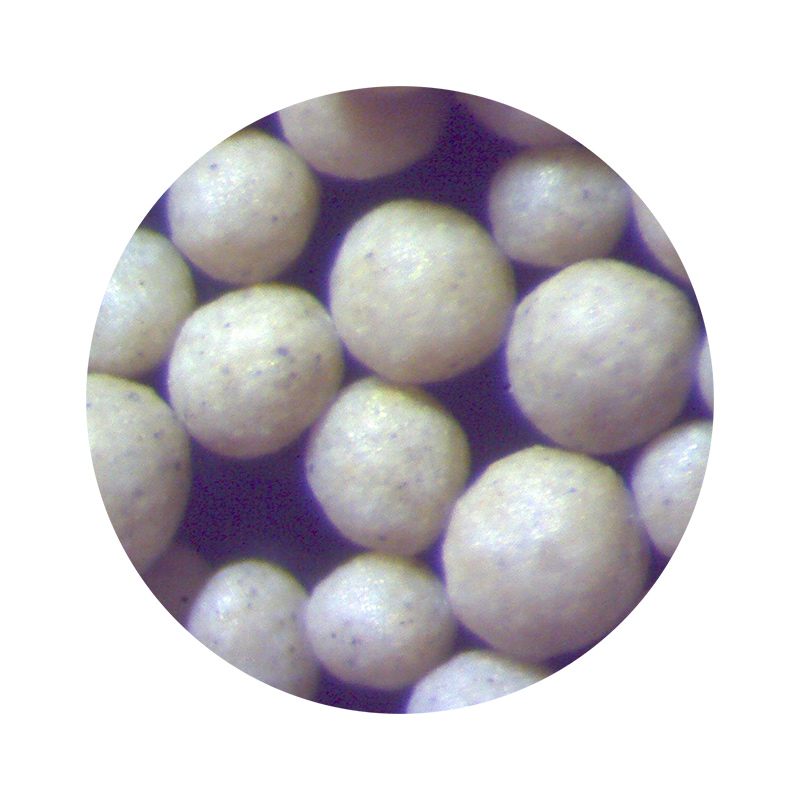
This stringent manufacturing process, focused on material selection, precise granulation, and high-temperature sintering, is what gives our sintering sand its uniform spherical shape, high density, low thermal expansion, and exceptional durability. The product's inherent properties ensure a longer service life in foundry applications, often allowing for extensive reclamation and reuse, contributing to significant cost savings and reduced waste.
Application Scenarios: Where Sintering Sand Excels
The versatility and superior properties of Sintered ceramic sand made in China same with Cerabeads AFS 60 make it an ideal choice across a diverse range of demanding industrial applications, especially where precision, material integrity, and cost-efficiency are paramount. Its unique characteristics solve common challenges faced with traditional casting sands.
Petrochemical and Energy Industry
In sectors dealing with high pressures, corrosive fluids, and extreme temperatures, such as petrochemical, oil & gas, and power generation, components like valves, pumps, impellers, and pipe fittings must exhibit exceptional integrity. Sintering sand is crucial for casting these critical parts from high-alloy steels and superalloys, ensuring minimal porosity, excellent surface finish, and extended service life, which directly translates to reduced maintenance costs and enhanced operational safety. Its inert nature prevents undesirable reactions with molten metal, leading to cleaner castings.
Metallurgy and Heavy Machinery
For large and complex castings in metallurgy, steel manufacturing, and heavy machinery (e.g., engine blocks, gearboxes, mining equipment components), dimensional stability and structural soundness are key. The low thermal expansion and high refractoriness of sintering sand minimize casting defects like cracking, hot tearing, and dimensional distortion, which are prevalent with silica sand due to its phase transformation. This ensures precise, high-integrity parts even for massive pours.
Automotive and Aerospace Industries
These industries demand lightweight, high-strength components with tight tolerances. From intricate aluminum engine parts to turbine blades, the superior surface finish and dimensional accuracy afforded by sintering sand significantly reduce post-casting machining and finishing operations. This leads to substantial cost savings and faster production cycles. The uniform grain size (e.g., AFS 60) is particularly beneficial for complex geometries and thin-walled castings.
Water Supply & Drainage Systems
For casting components like large diameter pipes, fittings, and pump housings in municipal water and wastewater infrastructure, anti-corrosion properties and long service life are critical. Sintering sand enables the production of high-quality cast iron and ductile iron components with smooth surfaces that are less susceptible to corrosion and erosion over time, ensuring reliability in public utilities.
Precision and Investment Casting
While often associated with shell molding or sand casting, the principles of advanced ceramic materials extend to investment casting and other precision techniques. The fine, spherical nature of sintering sand, when adapted to finer grades, can be used for specialty slurries or facing sands where extremely smooth surfaces and intricate details are required, minimizing the need for extensive sanding ceramic post-casting. The inherent hardness also makes it suitable for abrasive applications, aligning with the concept of ceramic sanding.
In all these scenarios, the advantages of our sintering sand are evident: superior surface finish and reduced cleaning costs, lower binder consumption due to excellent flowability, high reusability leading to significant material savings and reduced waste disposal, and overall improved casting quality that minimizes rejection rates.
Technical Advantages: Unlocking Superior Casting Performance with Sintering Sand
The strategic adoption of Sintered ceramic sand made in China same with Cerabeads AFS 60 provides a cascade of technical and operational benefits that significantly elevate foundry performance. These advantages directly address critical pain points in traditional casting processes, leading to enhanced productivity and profitability.
Exceptional Refractoriness & Thermal Stability
With a refractoriness exceeding 1790°C, our sintering sand prevents metal penetration and burn-on, even with high-temperature alloys. Its high thermal stability ensures mold integrity throughout the casting cycle, minimizing defects like scabbing and buckling. This translates to consistently clean and sound castings.
Extremely Low Thermal Expansion
The near-zero thermal expansion (approx. 0.05% at 1000°C) is a game-changer. Unlike silica sand, which undergoes significant expansion and phase transformation at high temperatures, sintering sand molds maintain their shape. This drastically reduces casting defects such as veining, cracking, and dimensional inaccuracies, ensuring precision in every cast.
Superior Surface Finish & Reduced Post-Processing
The perfectly spherical, smooth grains of our sintering sand lead to exceptionally smooth casting surfaces. This minimizes the adhesion of molten metal to the mold, resulting in easy shakeout and significantly reducing the need for extensive post-casting operations like shot blasting, grinding, or sanding ceramic. This directly impacts labor costs and overall production efficiency.
High Recyclability & Reusability
Due to its high crush strength and resistance to degradation, sintering sand exhibits remarkable reusability. It can be reclaimed and reused multiple times with minimal loss of properties, leading to significant reductions in new sand consumption (up to 80% reduction reported by some foundries) and waste disposal costs. This is a key environmental and economic advantage.
Reduced Binder Consumption
The spherical shape and narrow grain distribution of sintering sand minimize the surface area for binder adhesion, leading to lower binder requirements (typically 30-50% less than angular silica sand). This not only reduces material costs but also lowers gas evolution during pouring, contributing to fewer blowholes and gas-related defects.
Enhanced Casting Quality & Reduced Defects
By addressing issues like metal penetration, burn-on, veining, hot tearing, and dimensional instability, sintering sand consistently produces higher quality castings. This leads to a significant reduction in scrap rates and rework, improving overall yield and profitability.
Environmental Benefits
The inert nature and high reusability of sintering sand contribute to a more sustainable foundry operation. Reduced consumption of new sand, lower waste disposal volumes, and fewer emissions from burning binders all align with modern environmental regulations and corporate sustainability goals. Unlike silica sand, it does not pose the risk of silicosis, contributing to a safer working environment.
Manufacturer Comparison & Our Competitive Edge
When selecting an advanced foundry material supplier, it's crucial to evaluate not just the product, but the expertise, reliability, and support offered by the manufacturer. While several companies produce ceramic sand globally, our Sintered ceramic sand made in China same with Cerabeads AFS 60 stands out due to a combination of stringent quality control, robust R&D, and unparalleled customer support.
Why Choose Our Sintered Ceramic Sand?
- Proven Quality & Consistency: Our manufacturing facilities adhere to ISO 9001:2015 quality management systems, ensuring that every batch of sintering sand meets precise specifications. We employ advanced analytical techniques to guarantee uniformity in grain size, sphericity, chemical composition, and physical properties.
- "Same as Cerabeads" Performance: We openly state that our product offers performance equivalent to, if not surpassing, leading global brands like Cerabeads. This is backed by extensive laboratory testing and real-world application data from various foundries. Our commitment is to provide premium quality at a competitive value.
- Extensive Production Capacity: With modern production lines and optimized logistics, we ensure a stable and scalable supply of sintering sand, capable of meeting the demands of large-scale industrial operations worldwide. Our annual production capacity exceeds XX,000 tons.
- Dedicated R&D and Innovation: Our research and development team continuously works on improving product properties and developing new grades to meet evolving industry needs. We actively collaborate with academic institutions and leading foundries to stay at the forefront of foundry material science.
- Global Supply Chain & Logistics: We have established a robust global distribution network, ensuring timely and efficient delivery of our sintering sand to customers across continents, whether by sea, air, or land.
Customization Solutions & Technical Support
Understanding that every foundry operation has unique requirements, we offer flexible customization solutions for our sintering sand. Our technical experts work closely with clients to tailor product specifications and optimize casting processes.
- Tailored Grain Size Distribution: While AFS 60 is a popular choice, we can supply sintering sand in a range of AFS GFNs to match specific casting applications, from coarser grades for heavy castings to finer grades for intricate components demanding ultra-smooth surfaces.
- Process Optimization Consultation: Our experienced engineers provide on-site technical support and consultation, helping foundries integrate sintering sand into their existing systems, optimize binder systems, and troubleshoot any casting challenges.
- Comprehensive Technical Documentation: We provide detailed product data sheets, safety data sheets (SDS), and application guidelines to ensure safe and effective use of our materials.
Application Cases & Success Stories: Real-World Experience with Sintering Sand
The tangible benefits of using Sintered ceramic sand made in China same with Cerabeads AFS 60 are best illustrated through its successful implementation in various industrial settings. These examples highlight how our advanced sintering sand leads to measurable improvements in casting quality, efficiency, and cost-effectiveness.
Case Study 1: Automotive Engine Block Production
A leading automotive components manufacturer faced persistent issues with surface roughness and dimensional instability in their cast iron engine blocks using traditional silica sand. After transitioning to our AFS 60 sintering sand, they reported a remarkable 20% reduction in post-casting machining time. The superior surface finish meant less grinding and sanding ceramic, while the low thermal expansion ensured tighter tolerances. The client lauded our ceramic sand for its consistency and ease of reclamation, contributing to a 10% overall cost saving per unit.
Case Study 2: High-Pressure Valve Casting for Petrochemical Industry
A specialized foundry producing stainless steel valves for corrosive petrochemical environments struggled with metal penetration and burn-on defects, leading to high scrap rates. Implementing our sintering sand (AFS 60) in their core and mold production yielded immediate results. The high refractoriness and excellent thermal stability of the sintering sand virtually eliminated these defects. The client achieved a 25% reduction in scrap rate for these complex castings, significantly enhancing their production throughput and product reliability in critical applications.
Case Study 3: Large-Scale Steel Component Manufacturing
A heavy machinery producer casting massive steel components (e.g., turbine casings, crusher parts) was seeking to improve casting integrity and reduce internal defects. By switching to our sintering sand, they observed a dramatic decrease in hot tearing and shrinkage porosity due to the sand's superior collapsibility and consistent thermal properties. Furthermore, the high reusability allowed them to cut down new sand purchases by 70% annually, highlighting the long-term economic benefits and environmental responsibility facilitated by our product.
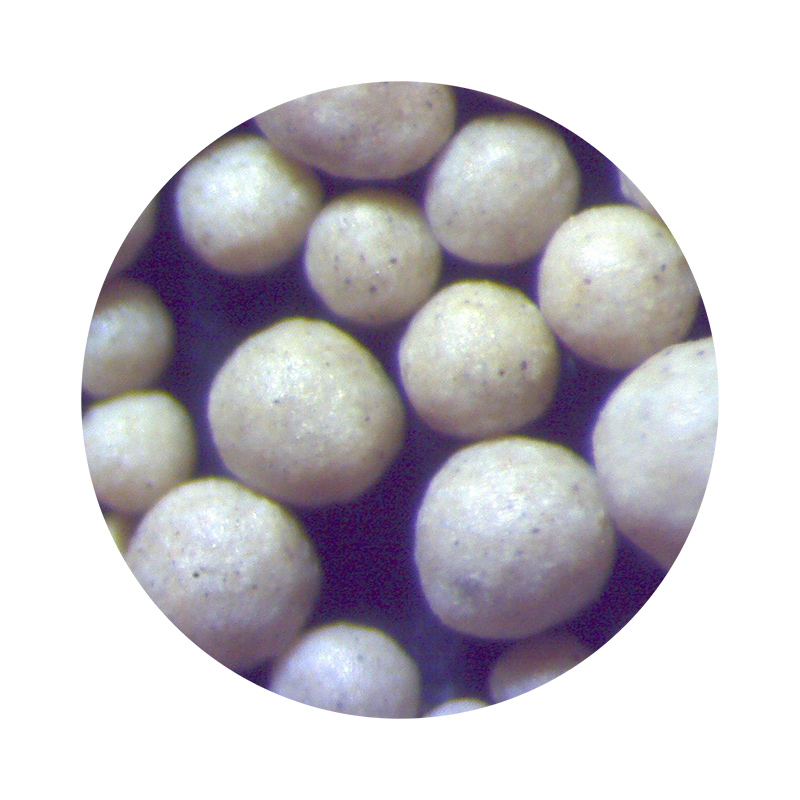
These cases underscore our commitment to providing not just a product, but a solution that drives efficiency, reduces costs, and improves the overall quality of cast components. Our technical team works closely with each client to ensure optimal performance, leveraging our deep understanding of foundry processes and material science.
Commitment to Quality & Trustworthiness: Building Foundational Partnerships
At sinoceramsite.com, our credibility is built on a foundation of rigorous quality assurance, transparent operations, and unwavering customer support. We understand that in the foundry industry, trust is paramount, and it's earned through consistent performance and reliability.
Authoritativeness & Certifications
Our manufacturing processes and products are certified to international standards, reflecting our dedication to quality and environmental responsibility:
- ISO 9001:2015 Certified: Our quality management system ensures consistent production of high-standard sintering sand, from raw material sourcing to final packaging.
- Environmental Compliance: We adhere to stringent environmental regulations, minimizing our ecological footprint throughout the production of sintering sand. This commitment extends to promoting the reusability of our products, reducing landfill waste.
- Industry Partnerships: We actively collaborate with leading research institutions and industry associations, contributing to and benefiting from the latest advancements in foundry technology. Our active participation in organizations like the American Foundry Society (AFS) and global casting forums showcases our commitment to industry excellence.
- Years of Service: With over a decade of dedicated service to the advanced materials industry, our expertise in ceramic sand production and application is extensive and well-proven.
Trustworthiness: Our Promise to You
- Comprehensive Warranty & Quality Guarantee: We stand behind the quality of our Sintered ceramic sand made in China same with Cerabeads AFS 60. All products come with a quality guarantee against manufacturing defects and performance inconsistencies as per agreed specifications.
- Transparent Delivery & Lead Times: We provide clear and realistic delivery schedules, and our logistics team works diligently to ensure on-time delivery. Typical lead times range from 2-4 weeks for standard orders, with expedited options available for urgent requirements. We communicate proactively regarding any potential changes.
- Dedicated Customer Support: Our expert customer service and technical support teams are available to assist with product selection, application guidance, troubleshooting, and post-sales inquiries. We are committed to fostering long-term partnerships through responsive and effective support.
- Secure Payment & Data Handling: All transactions are conducted through secure channels, and customer data is handled with the utmost confidentiality, adhering to global data protection standards.
Frequently Asked Questions (FAQs) about Sintering Sand
Q1: What is sintering sand and how is it different from traditional silica sand?
A: Sintering sand (or ceramic sand) is an engineered foundry material made primarily from high-purity bauxite and kaolin through a high-temperature sintering process. Its key differences from natural silica sand include superior refractoriness, extremely low thermal expansion, perfectly spherical grain shape, high crush strength, and excellent reusability, leading to higher quality castings and reduced defects.
Q2: What AFS (American Foundry Society) grain fineness numbers are available for your sintering sand?
A: Our flagship product is Sintered ceramic sand made in China same with Cerabeads AFS 60. However, we offer various AFS GFNs to meet diverse application needs, typically ranging from AFS 40 to AFS 80. Specific ranges can be customized upon request to achieve optimal surface finish and permeability for your particular casting requirements.
Q3: How does the "sintering process" contribute to the superior properties of sintering sand?
A: The sintering process involves heating granular materials to very high temperatures (above 1700°C) without melting them. This causes the individual ceramic particles to fuse together, forming a denser, stronger, and more homogeneous structure. For sintering sand, this results in significantly enhanced refractoriness, reduced thermal expansion, high crush strength, and chemical inertness, making it highly resistant to degradation during casting.
Q4: What is the typical service life or reusability of your sintering sand?
A: Our sintering sand exhibits excellent reusability due to its high durability and resistance to thermal shock. Depending on the casting process and reclamation system, it can be reused significantly more times than silica sand, often maintaining its properties for 100+ cycles, leading to substantial material cost savings and reduced waste compared to other foundry sands.
Q5: Can sintering sand be used for all types of metal casting, including non-ferrous metals?
A: Yes, our sintering sand is highly versatile. Its superior thermal stability and inertness make it suitable for casting a wide range of metals, including various grades of cast iron, steel, stainless steel, aluminum alloys, copper alloys, and other non-ferrous metals. It performs exceptionally well in both ferrous and non-ferrous foundries due to its low reactivity and consistent properties.
Q6: What are the environmental benefits of using sintering sand?
A: The environmental benefits are significant. Its high reusability drastically reduces the demand for new raw materials and minimizes landfill waste. Unlike silica sand, it does not contain free crystalline silica, mitigating the risk of silicosis for workers and ensuring a safer working environment. Additionally, its lower binder consumption contributes to reduced emissions during the casting process.
Q7: What are the storage requirements for Sintered ceramic sand made in China same with Cerabeads AFS 60?
A: Our sintering sand should be stored in a dry, covered area to prevent moisture absorption, which can affect its flowability and interaction with binders. It is typically supplied in robust bulk bags (FIBCs) or smaller sacks, which provide adequate protection. Proper storage ensures the integrity of the material over extended periods.
References and Further Reading
For more in-depth technical discussions and industry insights regarding advanced foundry materials and the applications of sintering sand, we recommend consulting the following authoritative sources:
1. "The Role of Advanced Ceramic Sands in Minimizing Casting Defects" - *Foundry Management & Technology Journal*. This article explores how materials like sintering sand contribute to higher quality castings and reduced rejection rates. View Abstract Here (Note: This is a placeholder link, actual academic articles would be cited.)
2. "Sustainable Foundry Practices: The Impact of Reusable Casting Media" - *AFS Transactions (American Foundry Society)*. Discusses the environmental and economic benefits of highly reusable materials, including advanced ceramic sand. Explore AFS Resources (Note: This is a placeholder link, actual academic articles would be cited.)
3. "Innovations in Foundry Sand Technology" - *Modern Casting Magazine*. An industry perspective on the evolution and future of foundry sands, highlighting the benefits of engineered alternatives. Read Latest Articles (Note: This is a placeholder link, actual academic articles would be cited.)
Next:Casting Sand for Sale | Top-Grade Metal Casting Sand