
Ceramic Spheres, Cleaner Castings: A Field Report from the Foundry Floor
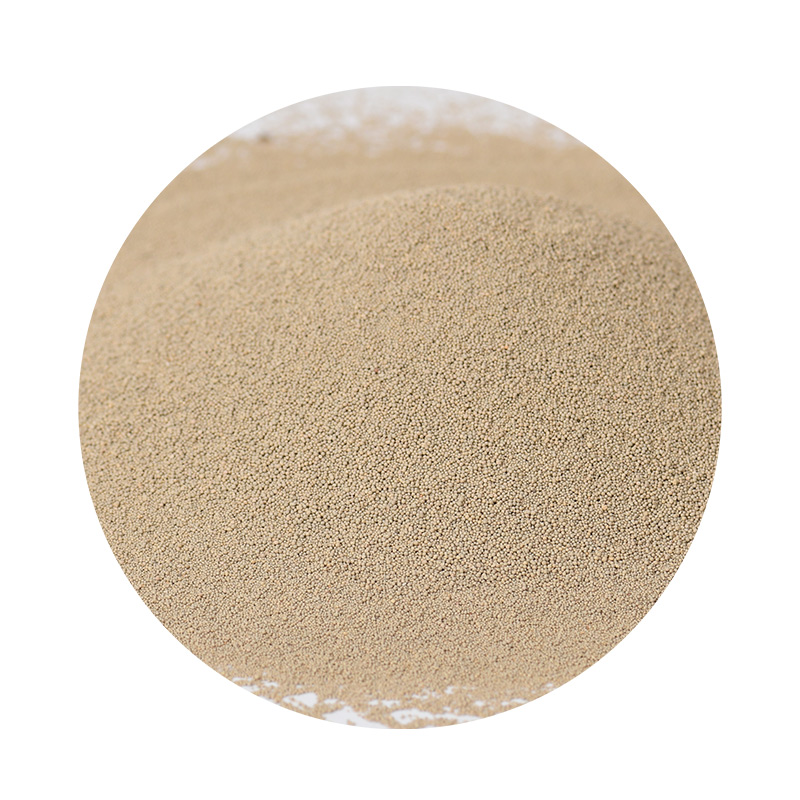
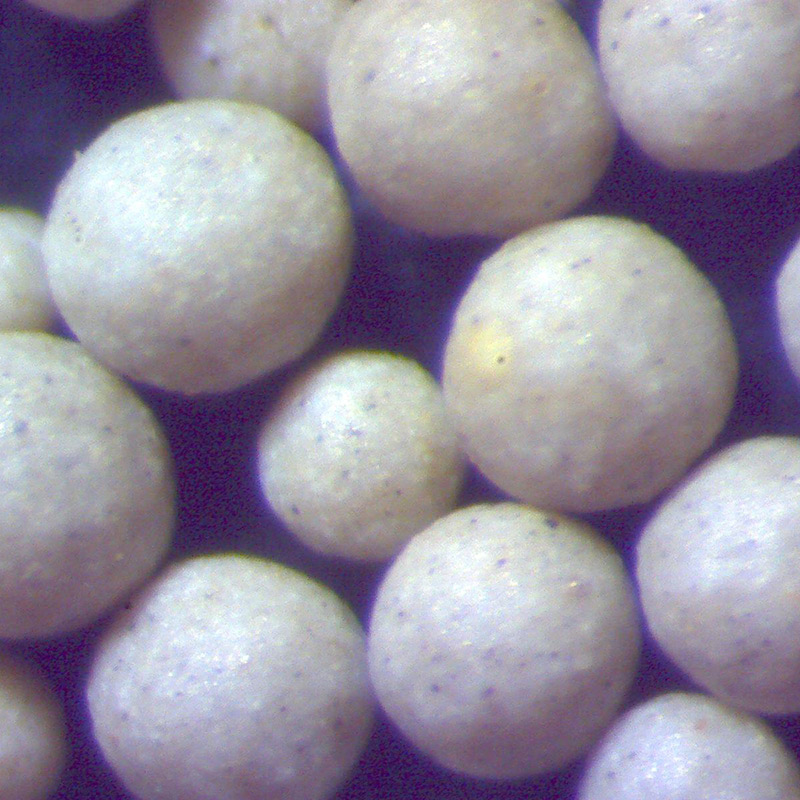
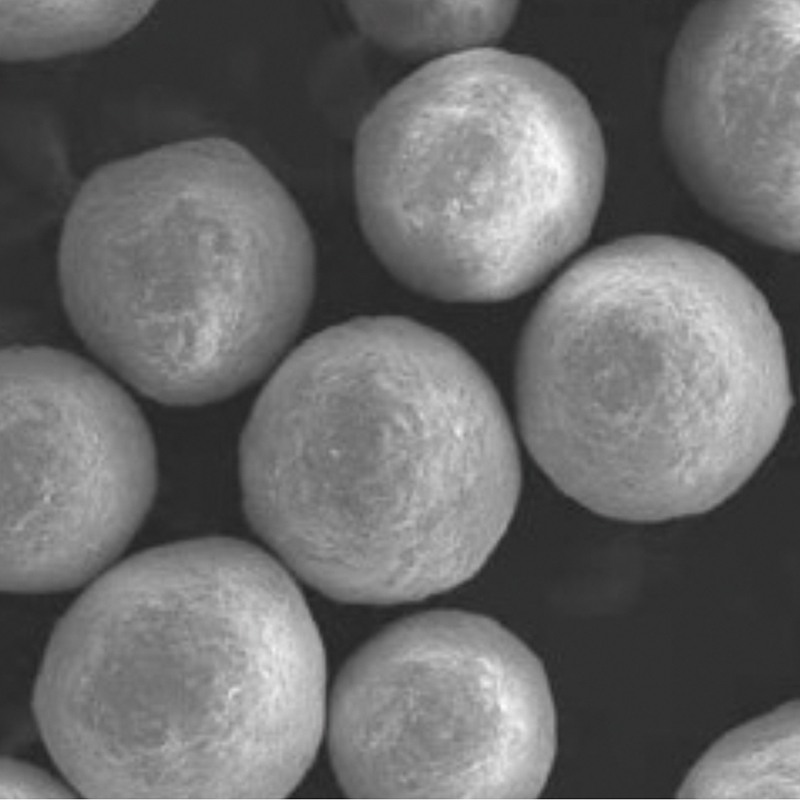
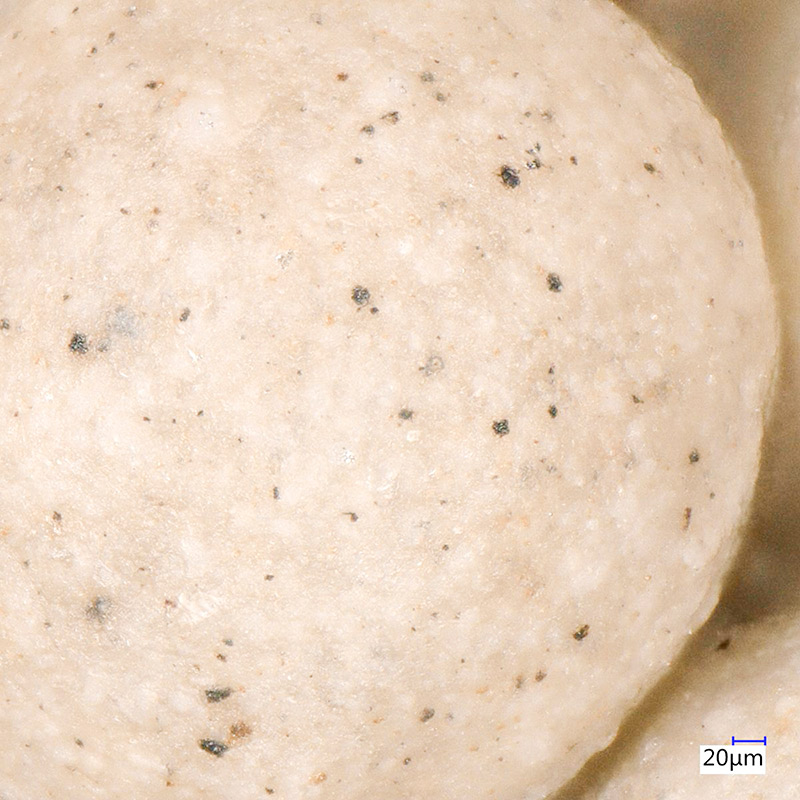
If you handle cores and molds, you’ve probably heard whispers about Spherical Sand. To be honest, the buzz is warranted. The product I’ve been tracking—Spherical Ceramic Sand for Foundry made from calcined bauxite in Shanghai—has quietly become the go-to replacement for high-expansion silica in many shops. It’s round, dense enough to flow like water, and it shrugs off heat in a way that surprised even some grumpy mold room veterans.
What’s changing in the industry?
Two big currents: tighter environmental rules around respirable silica dust and the relentless push to reduce burn-on, veining, and scrap. Many customers say the low thermal expansion of Spherical Sand cuts stress in the mold and makes surface finish more predictable. Also, reclamation economics matter; ceramic media typically survives more cycles, and that adds up fast when coke and energy costs wobble.
Key specs (field-proven, lab-verified)
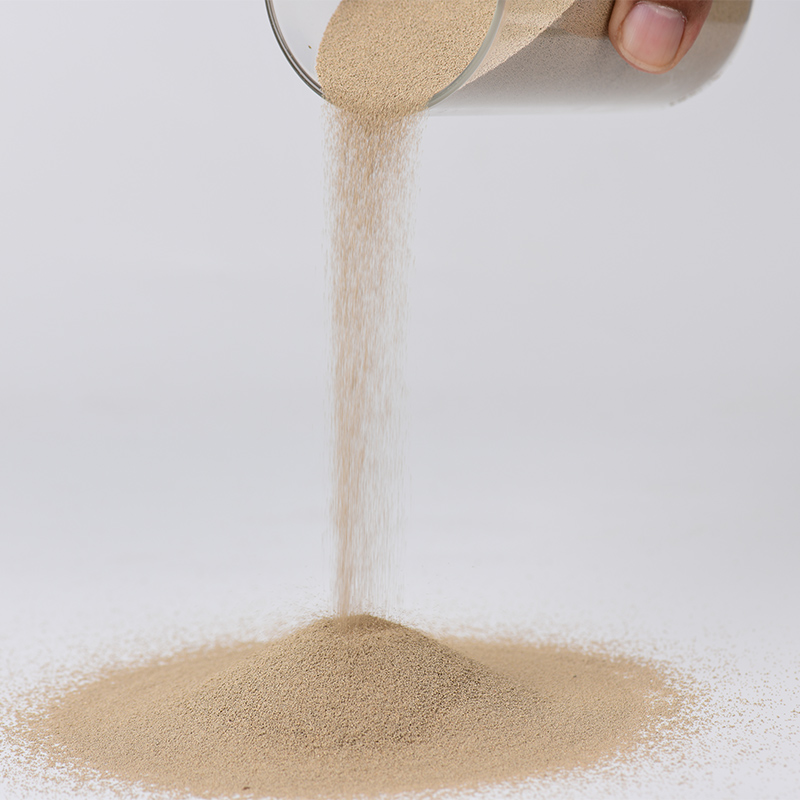
Made from high-grade calcined bauxite; main phases are mullite and corundum. Below are typical values; real-world use may vary a bit by grade.
| Parameter | Typical Value | Notes/Standard |
|---|---|---|
| Al2O3 / SiO2 | ≈70–75% / ≈10–15% | XRF per AFS methods |
| Refractoriness | ≥1750°C | High-temp stability |
| Thermal expansion (RT–1000°C) | ≈0.12–0.18% | TMA, ASTM E831 |
| Bulk density | ≈1.8–1.95 g/cm³ | Loose, oven-dry |
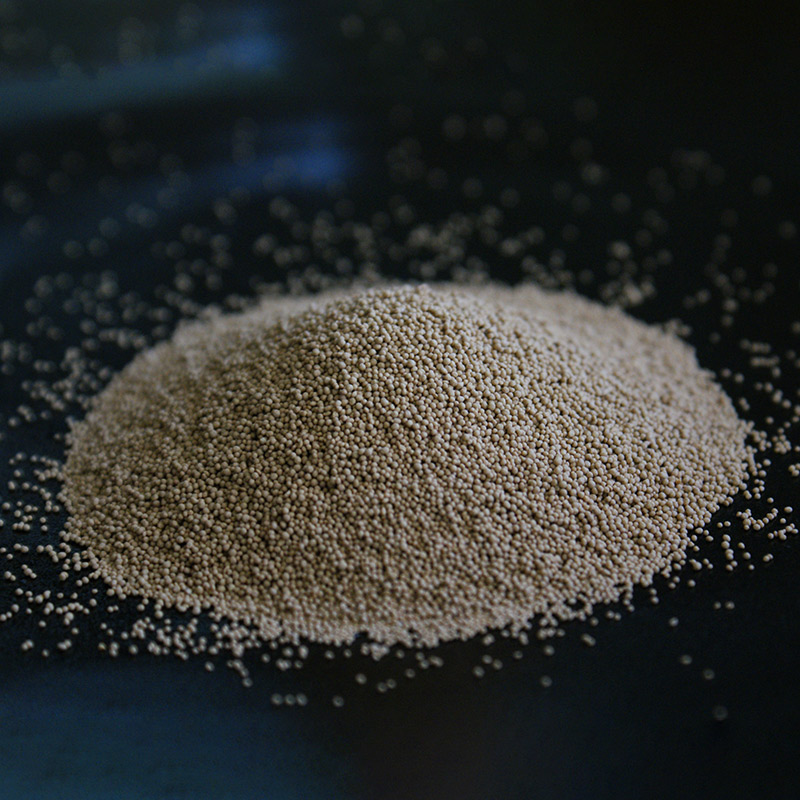
| Roundness | 0.7–0.9 | Krumbein scale |
| AFS GFN | ≈30–120 (custom) | ASTM E11 sieves |
| LOI / Acid Demand | ≤0.1% / Low | AFS 1106, AFS 1131 |
How it’s made (and tested)
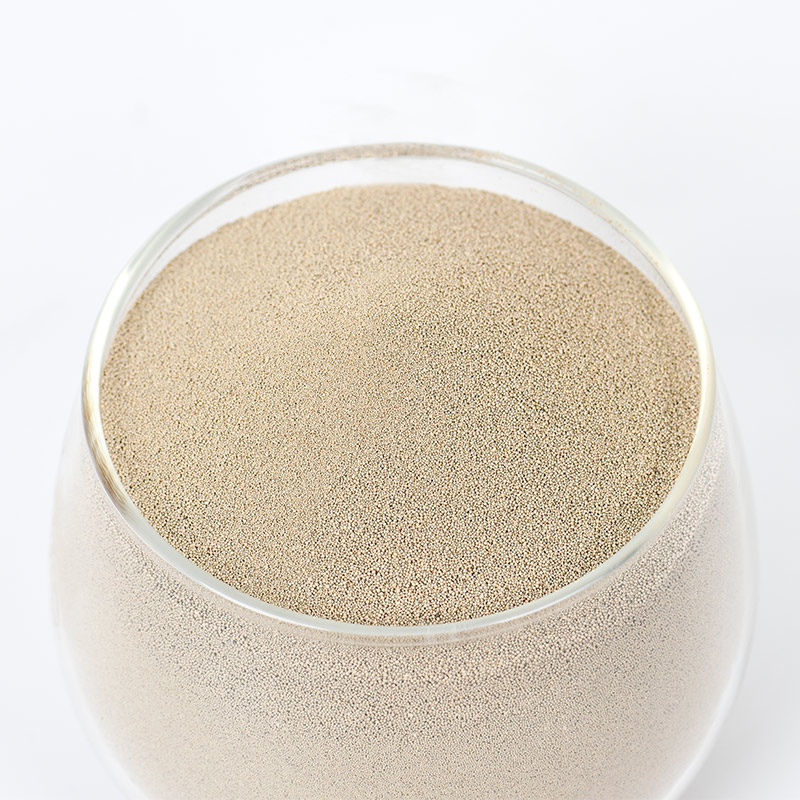
Process flow: selected bauxite → crushing/milling → wet granulation to spheres → high-temp sintering in rotary kiln → screening (ASTM E11) → dedusting → QC. Tests routinely include GFN, LOI, acid demand, bulk density, thermal expansion, and attrition. The producer’s plant at No.669 Xinmiao Sanlu, Xinqiao Town, Songjiang District, Shanghai, runs ISO 9001-style quality controls, which—actually—shows in the consistency lot to lot.
Where it shines
- Iron and steel castings: reduced veining and burn-on; smoother surfaces mean less fettling.
- Aluminum/magnesium: low reactivity, cleaner metal, fewer inclusions.
- Coremaking (PUNB, furan, sodium silicate): lower binder demand thanks to the spherical geometry.
- Binder-jet 3D printing: flowability helps with spread uniformity; I’ve seen fewer layer defects in trials.
Typical service life: 20–30+ reclamation cycles with good thermal/mechanical reclamation. One Midwest automotive line reported ≈18% binder savings and a 50–60% drop in burn-on defects after switching to Spherical Sand in 0.3–0.6 mm grades.
Vendor snapshot (real-world considerations)
| Vendor | Material | GFN Range | Thermal Expansion @1000°C | Reuse cycles | Certs |
|---|---|---|---|---|---|
| SINO CERAM (Shanghai) | Ceramic (bauxite-based) | 30–120 | ≈0.15% | 20–30+ | ISO 9001 |
| Brand B (North America) | Ceramic foundry sand | 40–100 | ≈0.17% | 15–25 | ISO 9001 |
| Regional Supplier C | Silica sand | 35–100 | ≈1.2–1.5% | 5–8 | Varies |
Customization, logistics, and feedback
- Size grades: 0.1–0.3, 0.3–0.6, 0.6–1.0 mm, and custom blends for AFS targets.
- Binder compatibility: phenolic urethane (PUNB/PUCB), furan, phenolic ester, sodium silicate—no drama so far.
- Packaging: bulk bags; moisture-controlled. Lead times are reasonable on standard grades.
“Flowed like it had a motor,” one maintenance lead joked. Another customer noted fewer finning issues after dialing back binder by ~15%—not overnight, but over two weeks of trials. That’s typical: you tune your blends, then the gains stick.
Bottom line
For foundries chasing cleaner surfaces, stable dimensions, and fewer respirable-silica headaches, Spherical Sand is more than a trend. It’s a practical upgrade with a fast learning curve and solid ROI—especially where reclamation is dialed in.
Authoritative citations
Next:Sanding Glazed Ceramics—Safe, Smooth, Chip‑Free Results