
Sanding Glazed Ceramics: an insider’s guide with ceramic sand powder
If you’ve ever tried Sanding Glazed Ceramics and wondered why the surface either scratches too fast or barely changes at all—welcome to the club. In production floors and small studios alike, the quiet hero lately is ultra-fine ceramic sand powder. It’s simple, consistent, and—surprisingly—very forgiving when you run it wet.
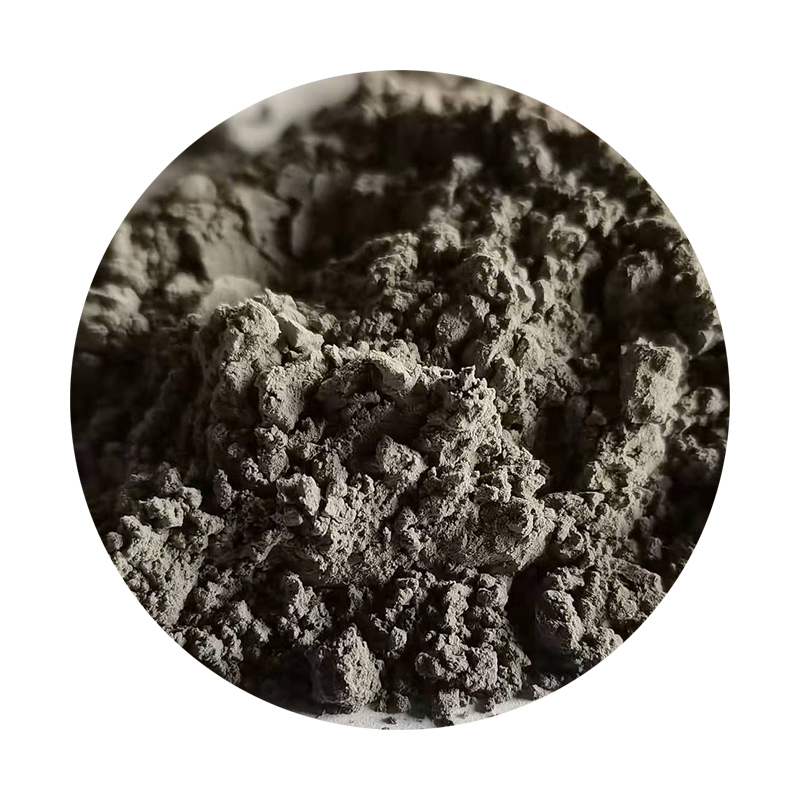
What it is and why it works
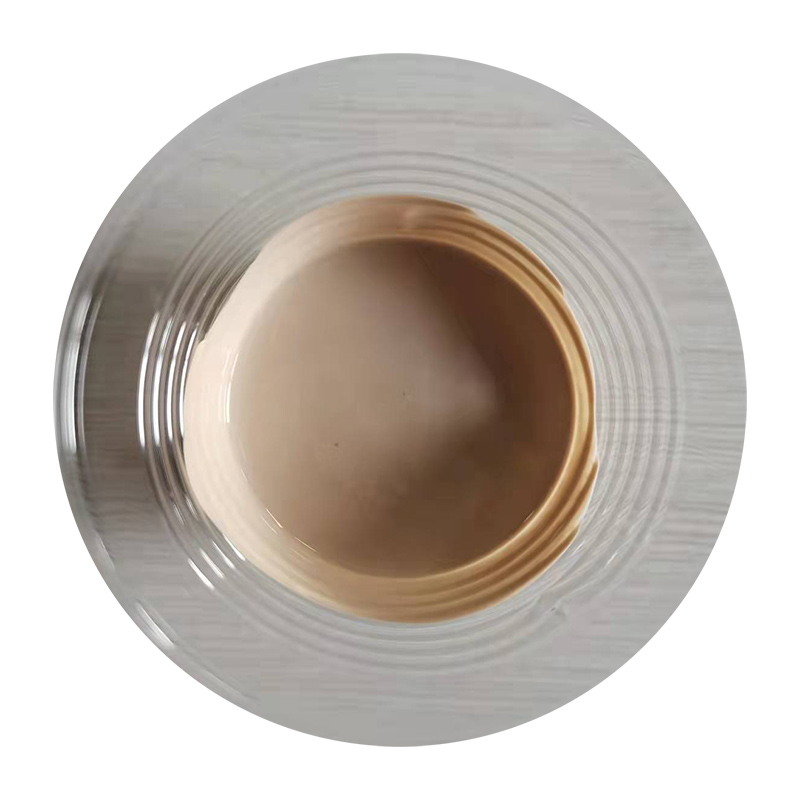
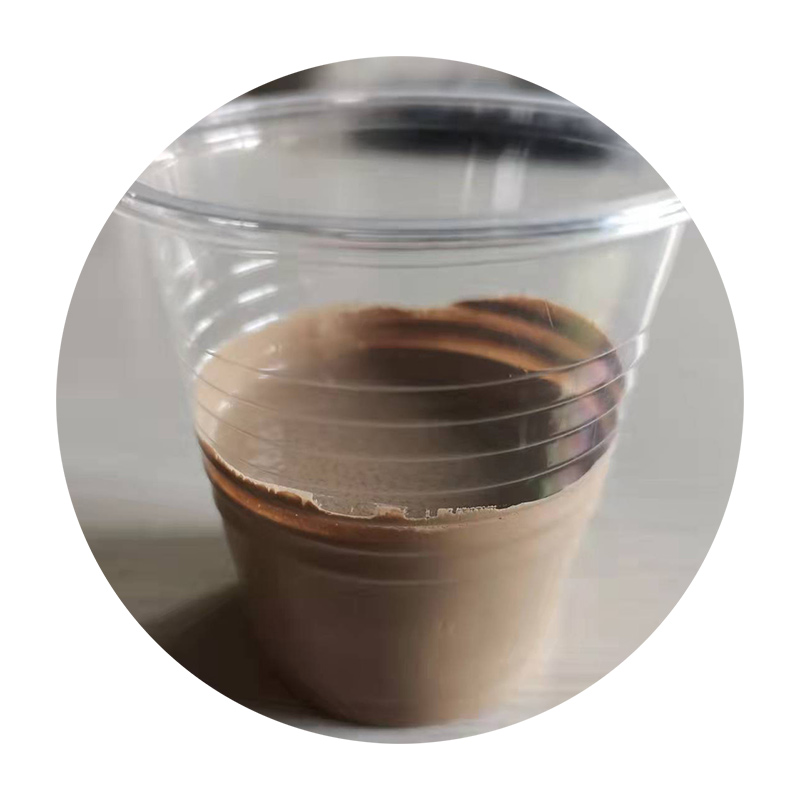
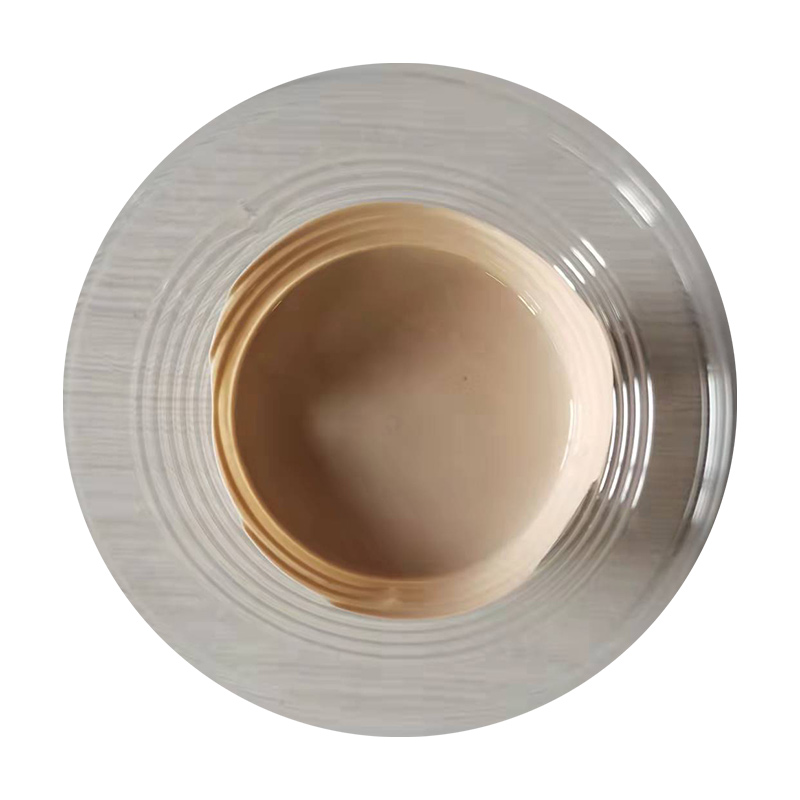
Ceramic sand powder (mesh ≤200; particles under 0.075 mm) is sintered alumino‑silicate flour with high refractoriness and low thermal expansion. In practice, that means it cuts the glaze micro-roughness without overheating or “digging” suddenly. Many customers say it behaves more predictably than diamond pastes for edge blending on tiles and sanitary ware.
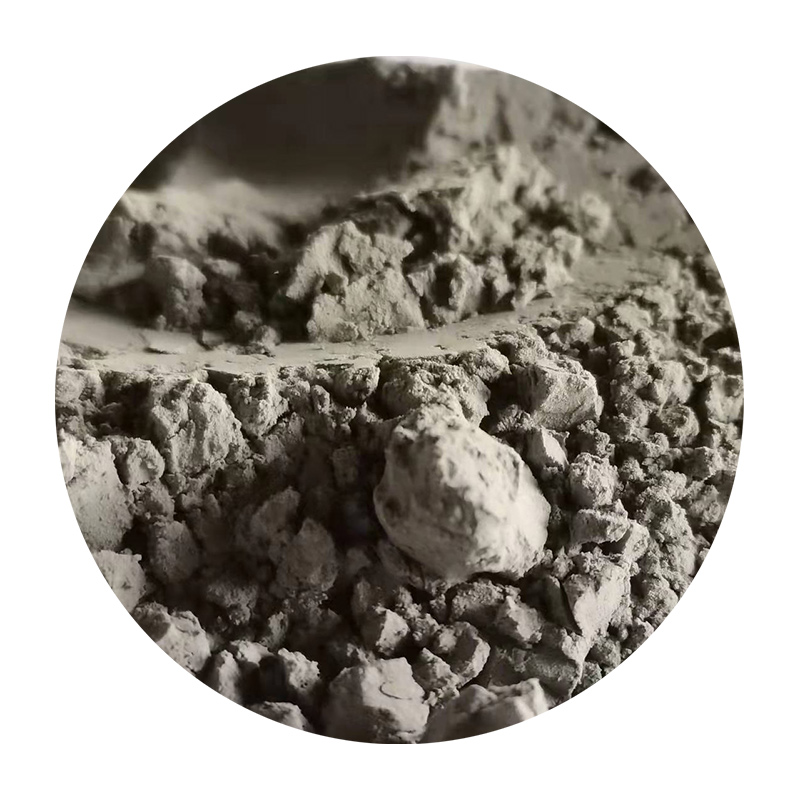
Typical product specs (real-world use may vary)
| Particle size | ≤0.075 mm (≈FEPA P240–P400 equivalent in slurry) |
| Chemistry (typ.) | Al2O3 ≈ 65–75%, SiO2 ≈ 25–35% |
| Refractoriness | > 1700 °C |
| Mohs hardness | ≈7.5–8 |
| Thermal expansion | Low; stable in wet sanding |
| Packaging | 25 kg bags / 1 t big bags |
How we actually run it on the floor
Process flow (for Sanding Glazed Ceramics):
- Materials: ceramic sand powder, clean water (or light glycerin-water mix), soft backing pad, lint-free wipes.
- Method: wet-sanding slurry (≈10–20 g powder per 100 ml). Light circles, 15–30 s passes; rinse between passes.
- Progression: 1–2 passes “cut,” 1 pass “blend,” optional felt + water for final sheen.
- Testing: Ra per ISO 4287; gloss loss per ASTM D523; visual chip check under 10×.
- Safety: wet process to control dust; if dry touch-ups are unavoidable, use respirator per OSHA 1910.134.
Service life: one slurry batch typically gives 30–50 minutes of consistent cutting on 100–150 cm² glaze, depending on load. Tiles with very hard frit may need a refresh sooner—fair enough.
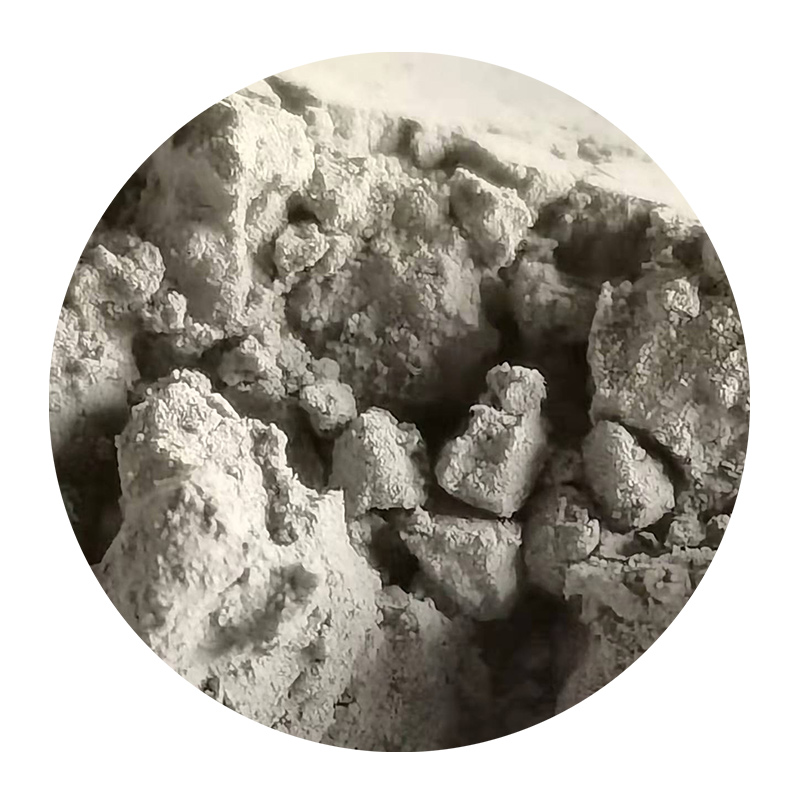
Applications we see weekly
- Tile edge softening and post-kiln defect blending
- Sanitary ware glaze scuff removal (bowls, basins)
- Labware de-burr without altering form factor
- Art restoration—subtle sheen control on over-glazed spots
Industries: ceramic tile, sanitaryware, technical ceramics, restoration studios. Certifications commonly requested: ISO 9001 on supply chain; lot-wise PSD and LOI test sheets.
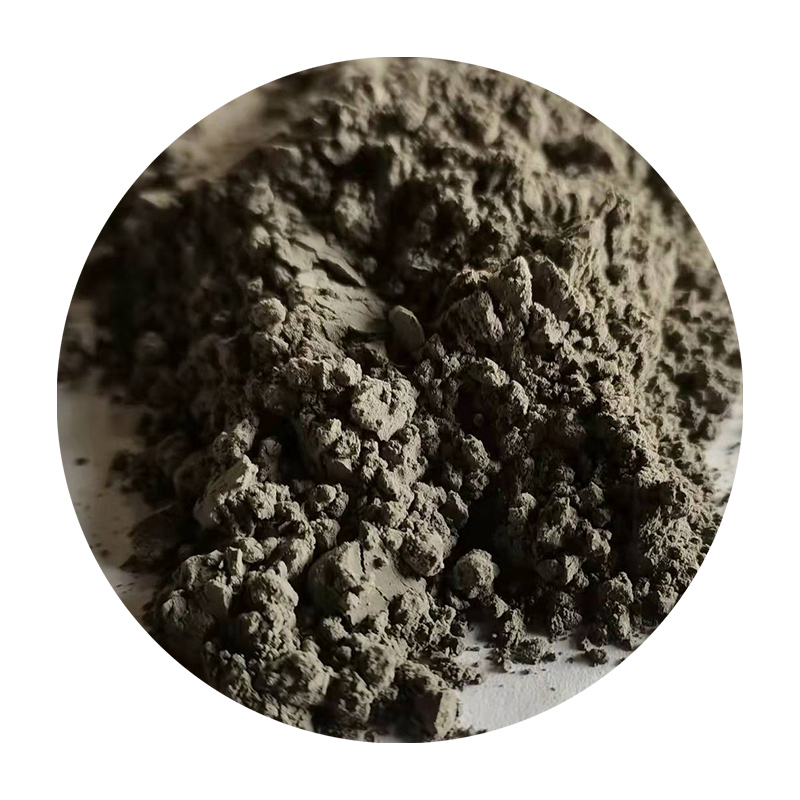
Quick case study
A Foshan tile line swapped mixed grits for ceramic sand powder on their edge-blend cell. Result: Ra dropped from ≈1.2 μm to 0.45 μm in two passes; glossy tiles kept >92 GU after blend; edge-chip rejects fell 18% month-on-month. Operators liked the “forgiving” feel—no sudden bites.
Vendor snapshot (customization matters)
| Vendor | Strengths | Customization | Lead time | Notes |
|---|---|---|---|---|
| Sinoceram (Shanghai, No.669 Xinmiao Sanlu) | Stable PSD; high refractoriness; clean burn | Mesh tuning (P240–P600 ≈); packaging options | ≈2–3 weeks | ISO 9001, batch COA available |
| Global alumino-silicate brand | Tight chemistry; wide distribution | Standard cuts; limited micro-custom | ≈3–5 weeks | Premium pricing |
| Fused alumina flour suppliers | Very sharp cut; fast stock removal | Broad grit range | ≈2–4 weeks | May be too aggressive for Sanding Glazed Ceramics |
Dialing it in: testing, QA, and small tweaks
- Test data targets: Ra 0.3–0.6 μm after 2–3 passes; gloss retention >90 GU on glossy tiles.
- QC: sieve curve, LOI
- Customization: slightly rounder cut for delicate glazes; tighter PSD for automated edge cells.
Bottom line: for Sanding Glazed Ceramics, ceramic sand powder gives a controllable, wet-friendly path to tidy edges and fewer rejects—without gambling on overly aggressive abrasives. In fact, once operators get the feel, they rarely go back.
Authoritative references
- FEPA Grain Standards (Abrasives) — https://www.fepafederation.org
- ISO 4287: Surface texture — https://www.iso.org/standard/10132.html
- ASTM D523: Specular Gloss — https://www.astm.org/d0523
- ASTM C1161: Flexural Strength of Advanced Ceramics — https://www.astm.org/c1161
- OSHA 29 CFR 1910.134: Respiratory Protection — https://www.osha.gov/laws-regs/regulations/standardnumber/1910/1910.134
- ISO 9001: Quality Management Systems — https://www.iso.org/iso-9001-quality-management.html
Next:Ceramsite Foundry Sand: Spherical, Low Expansion, Reusable