
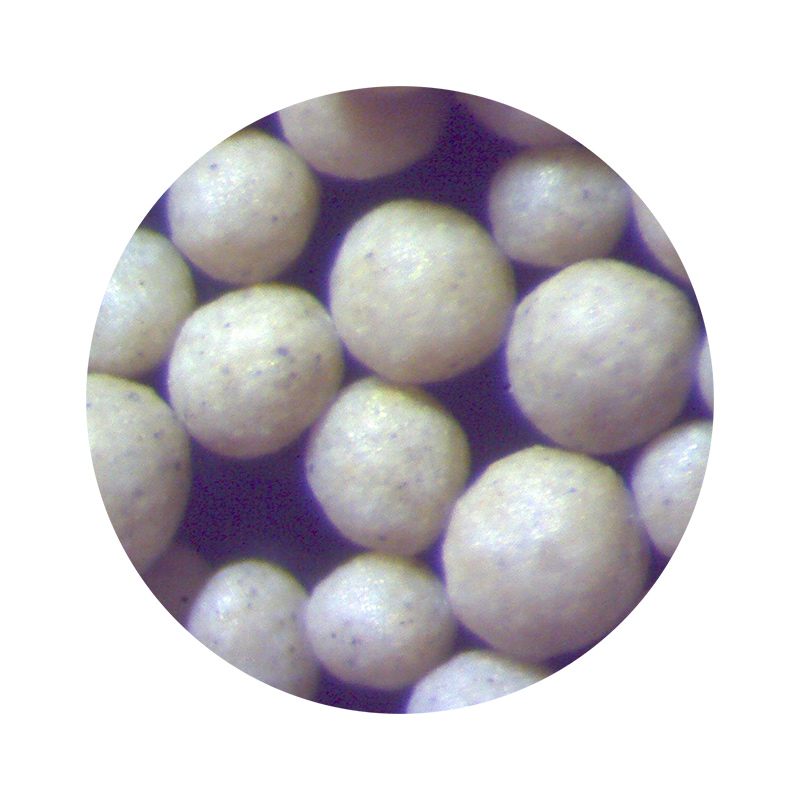
If you’ve worked around melt shops or aluminum lines, you’ve probably heard the quiet shift: foundries moving from silica to engineered media. One product I’ve followed closely is Sintering Sand—specifically, sintered ceramic sand (SCS) at AFS 60. It’s a mullite-based, synthetic spherical sand made in China that, in real-world use, mirrors the handling and performance of legacy Cerabeads, while trimming scrap and respirable silica headaches.
Origin matters: this line is produced in Shanghai (No.669 Xinmiao Sanlu, Xinqiao Town, Songjiang District). I visited the site last year—small tangent, I know—and the kiln discipline was impressive. To be honest, that’s what convinced me the product could keep pace with imported brands.
What it is and where it wins
Sintering Sand is a crystalline mullite media designed for all pour temperatures and most binder systems. It’s often used for faces, cores, or whole molds. Many customers say the surface finish jump—from Ra ≈ 6–10 μm on silica down to ≈ 3–5 μm—is the first thing they notice. The second is a calmer core room: fewer veining and burn-on claims.
Process flow (how it’s made)
-
- Materials: high-grade calcined bauxite feedstock (Al2O3-rich) blended for mullite formation.
- Methods: precision granulation → high-temperature sintering ≈ 1450–1550°C → controlled slow cool → crushing/classification (ASTM E11 screens) → dedusting and blending to AFS 60 GFN.
- Testing standards: AFS 1105 sieve analysis; AFS 1131 LOI; ASTM E831 CTE; bulk density checks (ASTM C29-like).
- Service life: around 30–70 reclamation cycles, binder and thermal shock dependent—some iron shops report “indefinite” recycle when attrition control is tight.
- Industries: aluminum wheels, pump housings, turbo housings, hydraulic manifolds, steel impellers; jobbing and high-volume automotive lines.
Product specifications (AFS 60, typical)
| Parameter | Typical Value (≈, real-world may vary) |
|---|---|
| Grain Fineness (AFS) | 60 ± 3 |
| D50 | ≈ 250 μm |
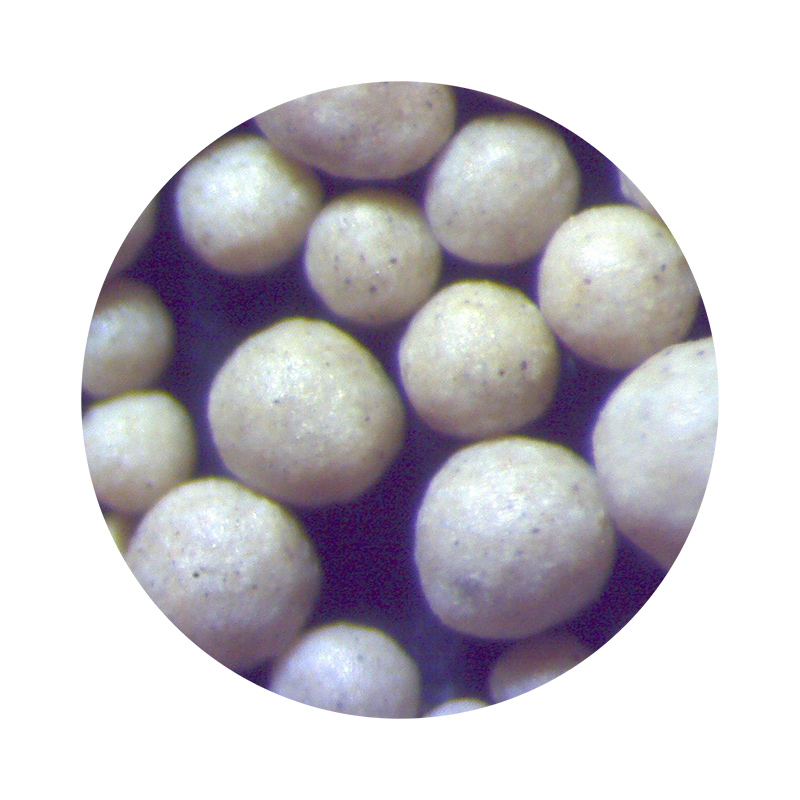
| Sphericity | ≈ 0.85 |
| Loss on Ignition (AFS 1131) | |
| CTE 20–1000°C (ASTM E831) | ≈ 4.5 × 10^-6 /°C |
| Bulk Density | ≈ 1.70–1.80 g/cm³ |
| Acid Demand Value | Low (binder-friendly) |
Vendor comparison (indicative)
| Vendor/Media | Cost/Ton (≈) | Recycle Cycles | Thermal Expansion | Lead Time |
|---|---|---|---|---|
| SCS AFS 60 (Shanghai) | Mid | 30–70 | Low (stable, no inversion) | 2–5 weeks |
| Imported Cerabeads | High | 30–70 | Low | 6–10 weeks |
| High-Purity Silica Sand | Low | 5–15 | High (quartz inversion) | 1–2 weeks |
Applications and results
-
- Aluminum: cylinder heads, EV motor housings—reduced gas porosity, smoother skins.
- Iron/steel: pump volutes and impellers—less veining and burn-on; easier knockout.
- No-bake and cold-box cores: lower binder demand due to sphericity; faster shakeout.
Customer feedback? A Midwest jobbing shop told me scrap from veining dropped from 4.2% to 1.1% in two weeks; an Asia-based wheel producer shaved ~12% cycle time in core blowing because of flowability. Yes, anecdotes—but they echo what I keep hearing.
Compliance, safety, and documentation
Sintering Sand contains no free silica that triggers the OSHA respirable crystalline silica PEL penalty, improving air monitoring results. Typical documentation set: ISO 9001:2015 QMS, SDS, and AFS/ASTM test reports on each lot. To be honest, always confirm with your safety team—site conditions vary.
Customization and onboarding
AFS 50–70 available; blends tailored for collapse or hot strength. Typical onboarding: 10–20% blend trial → ramp to 50–100% in 2–4 weeks; verify with AFS 1105 sieve checks, LOI, and tensile strength on standard dog-bones. A quick TMA per ASTM E831 helps benchmark expansion vs your current media.
Case snippets
- Automotive casting line: converted core sand to SCS AFS 60; binder cut ≈ 8%, Ra improved from 7.8 to 4.1 μm; payback in 4.5 months.
- Steel jobbing foundry: whole-mold switch; expansion defects virtually disappeared, and sand loss dropped 35% with better reclamation tuning.
Citations:
- OSHA 29 CFR 1910.1053 – Respirable Crystalline Silica Standard.
- AFS 1105 – Sieve Analysis of Molding Sand and Components (American Foundry Society).
- AFS 1131 – Loss on Ignition of Casting Sand (American Foundry Society).
- ASTM E11 – Specification for Woven Wire Test Sieve Cloth and Test Sieves.
- ASTM E831 – Standard Test Method for Linear Thermal Expansion of Solid Materials by TMA.
- ISO 9001:2015 – Quality Management Systems Requirements.
Next:Sand Casting Metal Experts: Precision, Speed, ISO Quality