
If you work with Sand Casting Metal, you already know the quiet revolution happening in molding media. Ceramic, spherical sands are reshaping how foundries hit surface finish targets and yield. I’ve spent a fair bit of time on shop floors, and, to be honest, the switch that keeps coming up in conversations is toward Ceramcast sand ball shape for sand casting—made in Xinqiao Town, Songjiang, Shanghai. It’s not hype; it’s practical economics and repeatability.
What’s changing in foundries (and why it matters)
Industry trend lines are clear: lower binder demand, less veining, and cleaner shakeout. Spherical ceramic grains flow better in cores, compact uniformly, and—surprisingly—cut post-processing time. Many customers say finishing booths are quieter because there’s just less to grind.
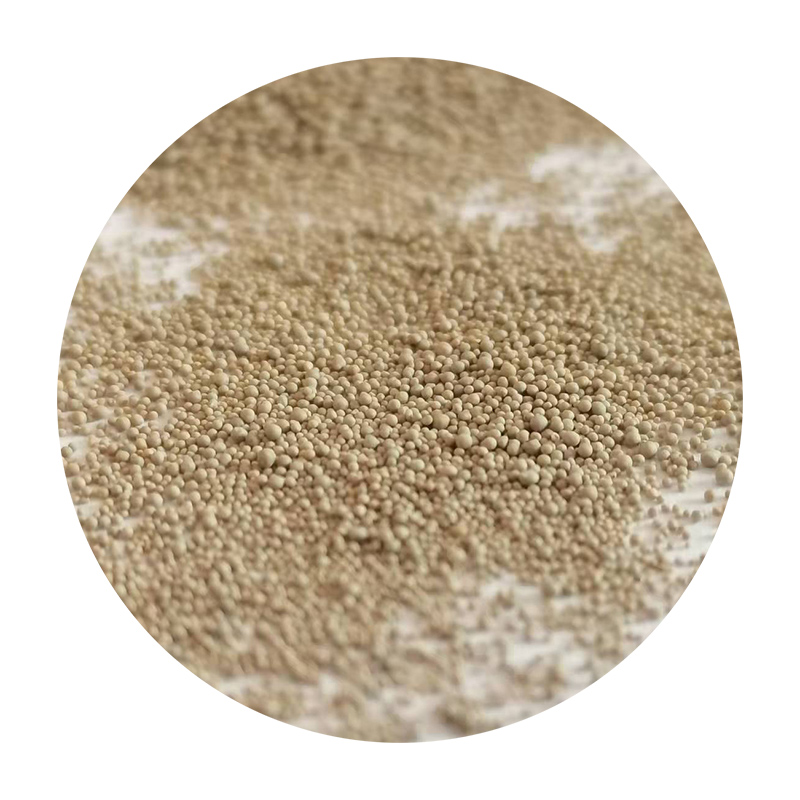
Product snapshot: Ceramcast sand ball shape for sand casting
| Grain shape | Near-spherical ceramic (ceramsite) |
| Typical AFS GFN | ≈ 45–70 (30/50, 40/70, 50/100 available) |
| Sphericity (Krumbein) | ≈ 0.85–0.95 |
| Refractoriness | ≥ 1,700–1,800°C (real-world use may vary) |
| CTE | ≈ 5×10⁻⁶ /°C (low distortion vs silica) |
| Bulk density | ≈ 1.7–1.9 g/cm³ |
| LOI | ≤ 0.1% |
| Binder compatibility | Furan, PUCB (cold box), shell, phenolic |
| Packaging | 25 kg bags, 1 MT supersacks |
Process flow and controls
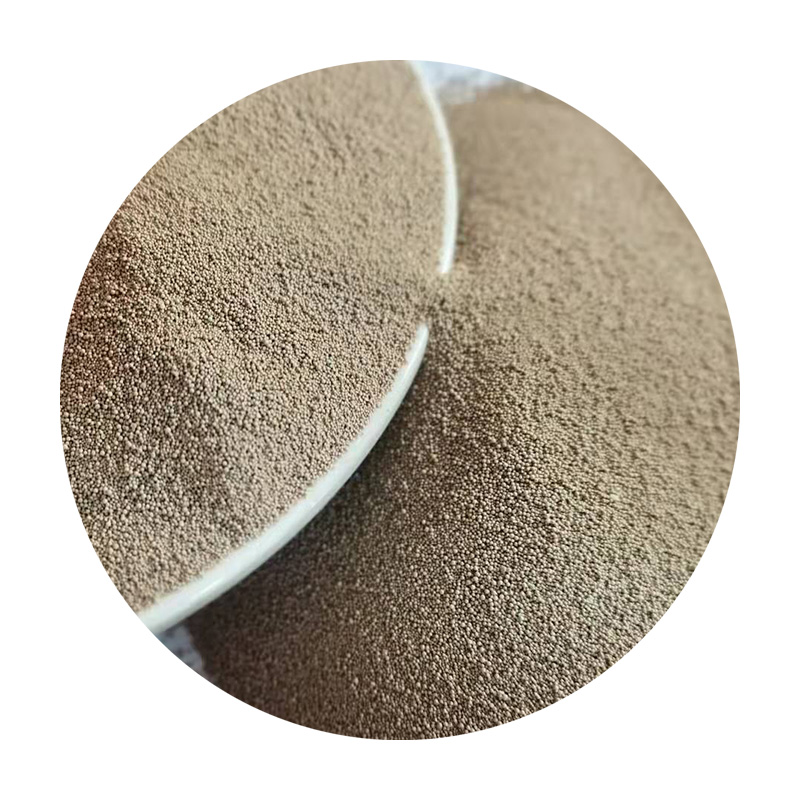
Materials: ceramic spherical sand + chosen binder. Methods: core shooting or molding, curing/baking, pouring, shakeout, reclamation. Testing: AFS grain fineness & distribution, LOI, acid demand; casting QA via ASTM A802 defect classification, ASTM E165 (PT) and ASTM E8/E10 for coupon testing. Service life: with thermal reclamation, many shops see ≈ 8–12 reuse cycles before make-up additions (I guess more with tight controls). Industries: automotive (housing, knuckles), pump/valve, mining wear parts, and energy castings.
How it stacks up vs other media
| Parameter | Ceramcast (spherical) | Silica sand | Chromite sand |
|---|---|---|---|
| CTE | Low (≈5×10⁻⁶/°C) | High (≈12–15×10⁻⁶/°C) | Low–medium |
| Binder usage | Reduced ≈10–25% | Baseline | Slightly higher viscosity |
| Surface finish | Finer Ra, less burn-on | Variable | Good, heavier media |
| Refractoriness | High (up to 1,800°C) | Moderate | High |
Applications and outcomes (real shop notes)
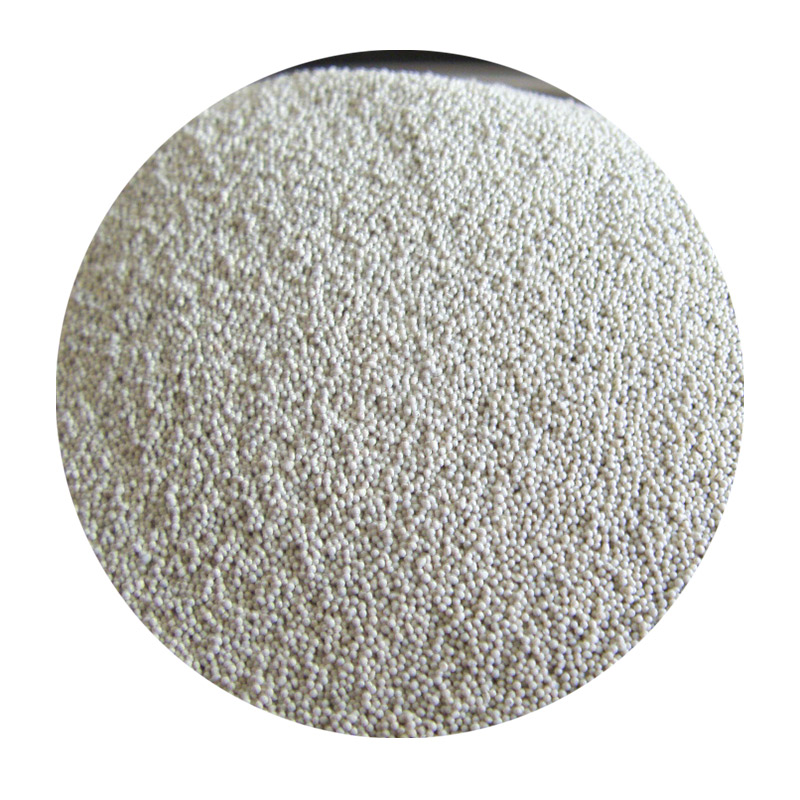
- PU cold box cores for turbo housings: less gas-related blows; finishing time down ≈20%.
- Pump volutes in high-Si iron: veining complaints dropped—one buyer said “finally stopped chasing fins.”
- Steel valve bodies: improved dimensional holding through pour/solidification due to lower CTE.
Customer feedback skews positive: smoother shakeout and fewer burn-on patches. Actually, the biggest “aha” is often binder savings—small per kilo, big at scale.
Customization, QC, and compliance
Mesh curves can be tailored per casting wall thickness; we’ve seen 40/70 for general iron and 50/100 for fine aluminum skin. Certificates of analysis (AFS GFN, LOI, moisture) ship with lots. Typical documentation includes MSDS and REACH/RoHS declarations; ISO 9001/14001 are commonly requested—verify current certificates before onboarding. Testing references: AFS sand tests, ASTM A802 for defect speak, ASTM E165 for PT on critical castings.
Origin: No.669 Xinmiao Sanlu, Xinqiao Town, Songjiang District, Shanghai. Lead times have been steady; freight lanes from East China are predictable, which, in this climate, is refreshing.
Quick buying checklist
- Match GFN to section thickness; run gating trials with Sand Casting Metal alloys you pour.
- Benchmark binder levels; track strength and gas evolution after 24h.
- Plan reclamation: mechanical first, thermal if you need >8 cycles.
- Audit per ASTM/AFS tests; keep a defect log using ASTM A802 codes.
Bottom line: for most Sand Casting Metal jobs that fight veining or burn-on, the Ceramcast spherical profile is a practical, not just theoretical, upgrade. It’s the little things—flow, packing, thermal behavior—that add up on your CPK chart.
Authoritative sources
- ASM Handbook, Volume 15: Casting – ASM International. https://www.asminternational.org
- ASTM A802/A802M – Steel Casting Defect Classification. https://www.astm.org/a0802_a0802m-95r19.html
- AFS Molding Sand Testing Standards and Procedures. https://www.afsinc.org
- ISO 9001:2015 Quality Management Systems. https://www.iso.org/standard/62085.html
Next:Spherical Sand for Casting & 3D Printing | High Sphericity