
Sintering Sand for Foundries: A Practical Insider’s Guide
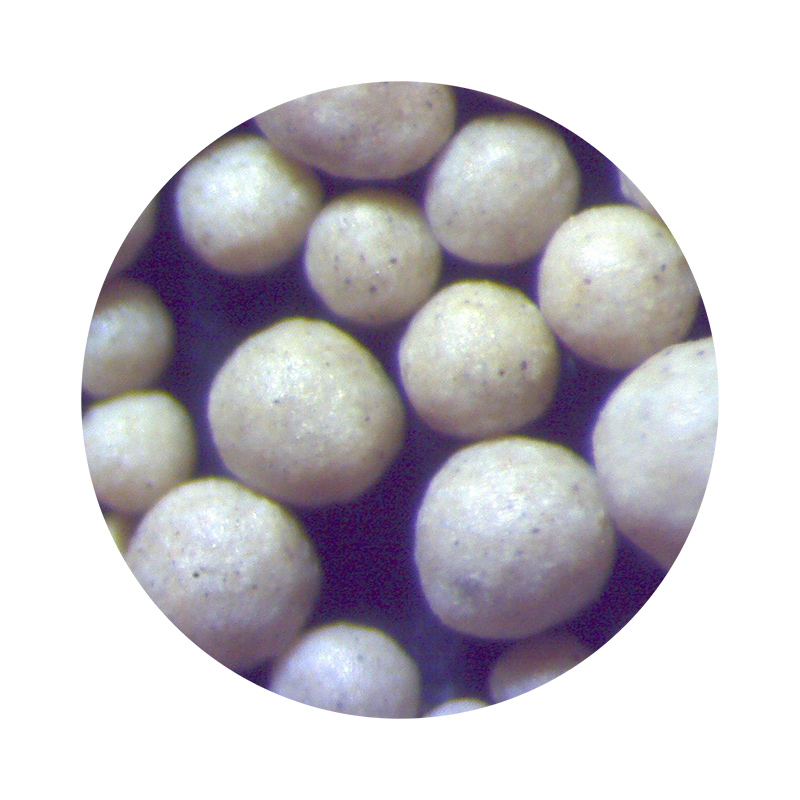
When buyers in steel or aluminum casting say Sintering Sand, they usually mean engineered ceramic media—specifically mullite-based beads that outlast and outperform ordinary silica. The product I keep seeing on shop floors lately is “Sintered ceramic sand made in China same with Cerabeads AFS 60,” manufactured in Shanghai (No.669 of Xinmiao Sanlu, Xinqiao Town, Songjiang Dist). It’s pitched as a drop-in for AFS 60 systems. And yes, many customers say the switch feels like moving from cassette to streaming—cleaner, quieter, and, surprisingly, cheaper over the long run.
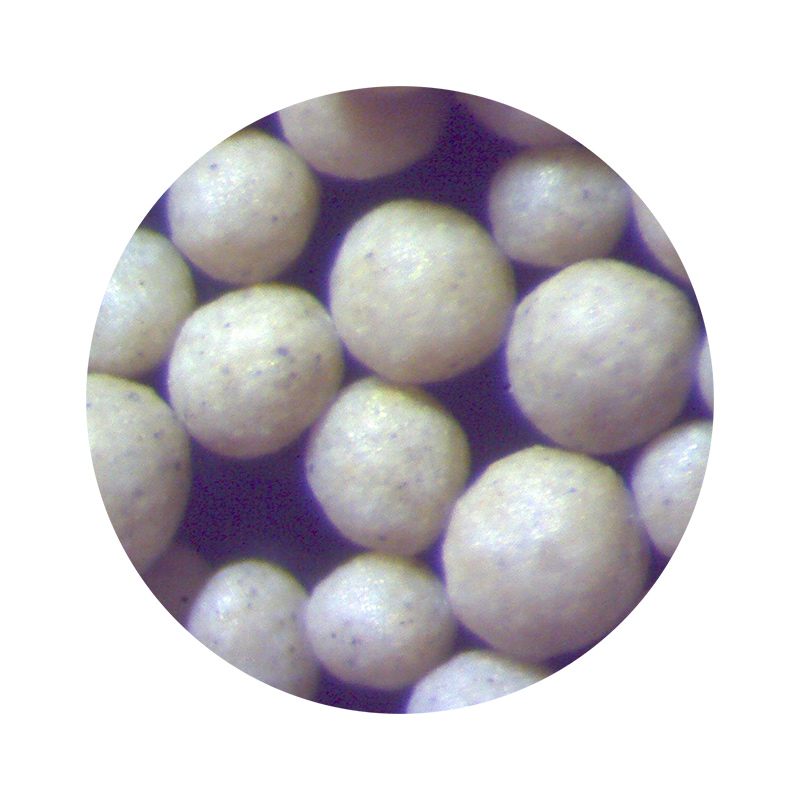
Why foundries are shifting
Trends are pretty clear: tighter emissions rules, OSHA silica scrutiny, more binder-jet 3D cores, and relentless cost-per-ton pressure. Sintering Sand addresses all four. It’s durable, has very low free crystalline silica, and its low thermal expansion slashes veining and burn-on. Real-world use may vary, but I’ve seen scrap rates fall 15–30% after a careful transition, especially in steel and high-temp irons.
How it’s made (quick process flow)
Raw bauxite/alumina → wet granulation → high-temperature sintering (≈1450–1600°C) → controlled crushing/screening (AFS 60 target) → magnetic separation → dust removal → QA (AFS sieve, LOI, expansion) → bag/bulk loadout. Methods are standard, but the tight thermal profile and screen control are what give consistent roundness and GFN.
Typical specifications (AFS 60 grade)
| Chemistry (wt%) | Al2O3 ≈ 65% ±5; SiO2 ≈ 30% ±5; Fe2O3 < 1% |
| Mineralogy | Crystalline mullite (3Al2O3·2SiO2) |
| AFS GFN | 60 ± 3 (AFS 1105) |
| Roundness/Sphericity | ≈0.85–0.95 |
| Bulk density | ≈1.9–2.1 g/cm³ |
| Thermal expansion @1000°C | ≈0.10–0.15% (ASTM E831) |
| Refractoriness | >1800°C |
| LOI | <0.1% (AFS 2211) |
Testing standards commonly referenced: AFS 1105 (sieve/grading), AFS 1131 (GFN), AFS 5202 (acid demand), ASTM E831 (thermal expansion). Service life? With good reclamation, Sintering Sand often runs 20–60 cycles; some lines push beyond that with thermal + mechanical reclaim.
Applications and performance
- Facing sands and cores in steel, ductile, CGI, and aluminum castings.
- Binder systems: furan, phenolic urethane cold box/hot box, sodium silicate, and binder-jet 3D printing.
- Benefits observed: less veining/burn-on, smoother Ra, cleaner shakeout, reduced respirable silica exposure versus quartz.
One stainless-steel foundry switched its core room to Sintering Sand and reported a 28% reduction in rework and roughly 12% binder savings after re-optimizing their A:B ratios. To be honest, dialing in gas flow and strip times took a week—but worth it.
Vendor snapshot (real-world tendencies)
| Feature | SCS China (AFS 60) | Cerabeads (JP, AFS 60) | Washed Silica |
| Price (≈/t) | $350–600 | $800–1200 | $30–60 |
| Thermal expansion | Very low | Very low | High |
| Recyclability | 20–60 cycles | 30–70 cycles | 5–15 cycles |
| Lead time | 7–21 days (region-dependent) | 30–60 days import | Local/stock |
| Silica exposure | Very low free silica | Very low free silica | High (OSHA PEL risk) |
Customization, QC, and compliance
Grades: AFS 40/50/60/70, tight PSD windows, and tailored pH (≈6.5–7.5). Certificates available: ISO 9001 quality, MSDS/SDS, and, when needed, REACH statements. QA labs typically run AFS sieve, LOI, turbidity, acid demand, and thermal expansion per ASTM. For plants chasing carbon, the recyclability of Sintering Sand meaningfully reduces virgin consumption.
Quick adoption checklist
- Rebalance binder addition (often −5% to −15%).
- Tune shakeout and reclamation temperatures.
- Verify expansion on your alloys (coupon tests).
- Document air monitoring; many EH&S teams note easier OSHA compliance.
Customer note: “Surface finish jumped from Ra ~6.3 μm to ~3.2 μm on a valve core—no tooling change.” That’s one data point, but it tracks with what we see.
Citations
- American Foundry Society (AFS) Mold & Core Test Handbook, e.g., AFS 1105, 1131, 2211.
- ASTM E831 — Standard Test Method for Linear Thermal Expansion of Solid Materials by Thermomechanical Analysis.
- OSHA 29 CFR 1910.1053 — Respirable Crystalline Silica standard (PEL reference).
- ISO 9001 — Quality Management Systems (supplier certification basis).
Next:Resin Coated Sand - High Strength, Low Gas, Precise Casting